Solar Generator vs DIY Off-Grid Build
Deciding how to power your life off the grid can feel like standing at a crossroads. On one side, you have the enticing promise of plug-and-play simplicity with a solar generator. On the other, the deep satisfaction and robust capability of a custom, hand-built DIY off-grid solar system. Many folks find themselves wrestling with this exact dilemma, worried about making the wrong call that could lead to insufficient power, wasted money, or unexpected headaches down the line. This guide is here to help you navigate that choice, breaking down the pros, cons, and ideal scenarios for both solar generators and DIY off-grid builds so you can make an informed decision that truly fits your needs.
Understanding the Fundamental Differences
When you're looking to cut the cord from traditional utilities, the path forward isn't always clear-cut. At its core, the distinction between a solar generator and a DIY off-grid build boils down to a few key areas: convenience versus customization, and immediate gratification versus long-term, scalable power. These aren't just minor differences; they shape your entire off-grid experience.
Plug-and-Play Convenience Versus Custom Control
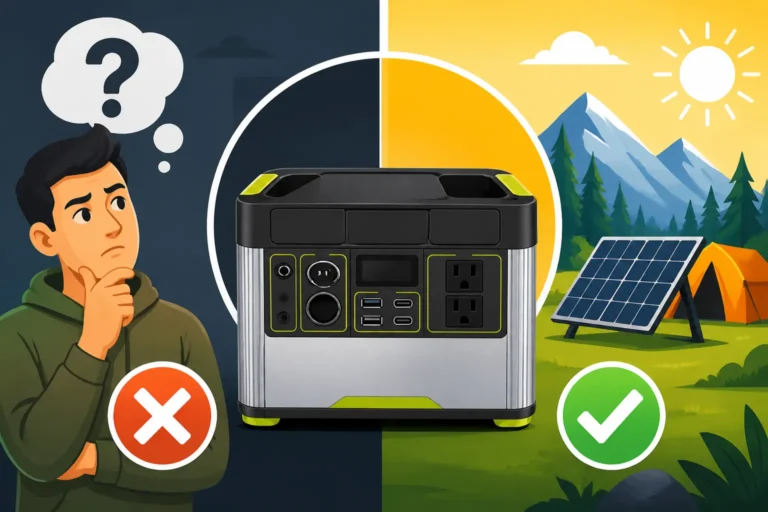
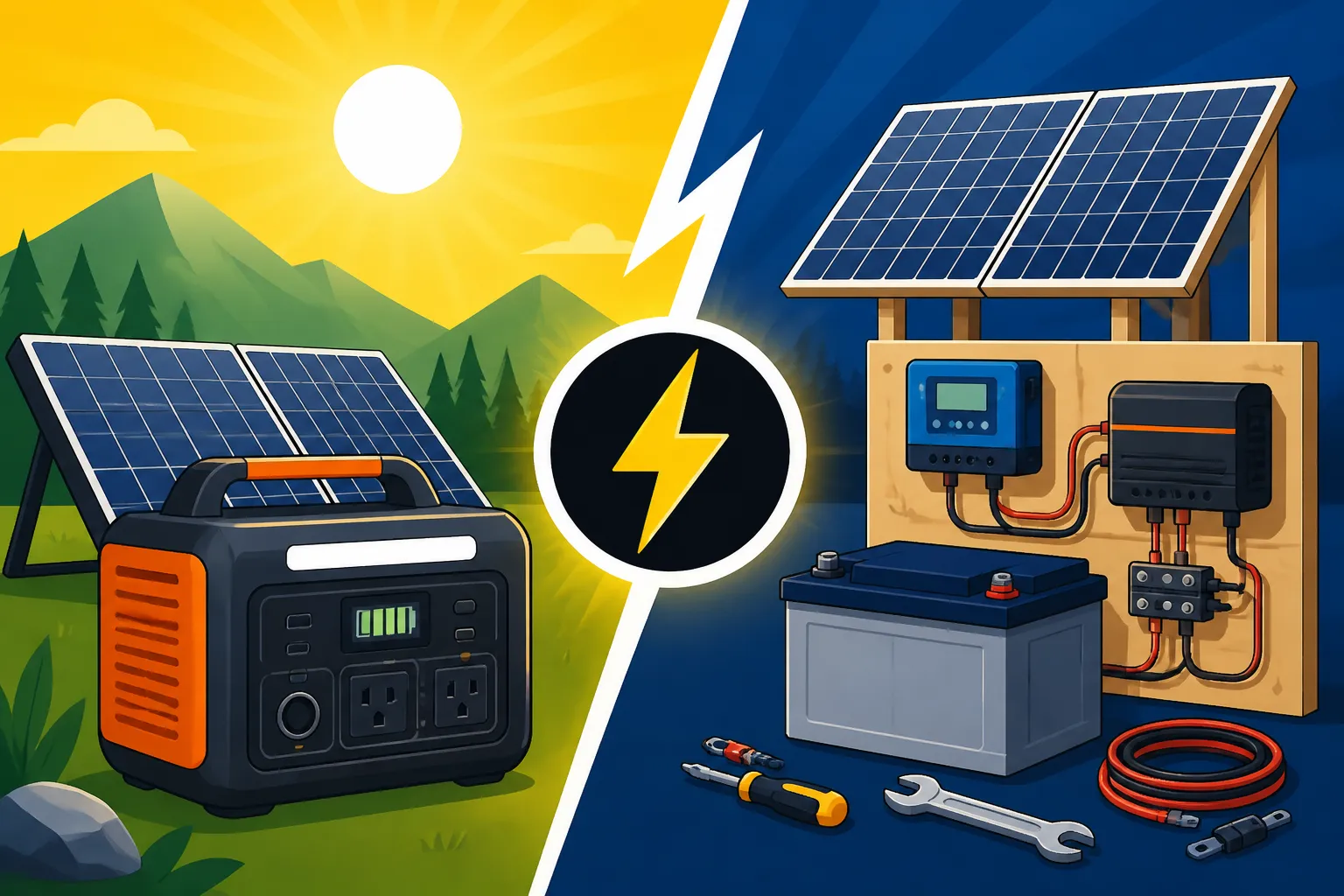
One of the biggest draws of a solar generator is its sheer simplicity. Imagine unboxing a device, plugging in a solar panel, and almost immediately having power for your essential electronics. That's the dream of plug-and-play, and solar generators deliver on it beautifully for many applications. They're designed as all-in-one units, integrating the battery, inverter, and charge controller into a single, often portable, box. This means minimal setup, no complex wiring diagrams to decipher, and usually, a user-friendly interface that tells you exactly how much power you're drawing and how much battery life you have left. For someone new to solar, or those who need power on the go without a steep learning curve, this convenience is a huge relief. Think about the ease of taking a Jackery Explorer 1500 to a campsite or a remote job site, knowing you can power a laptop, charge your phone, and even run a small cooler without fuss.
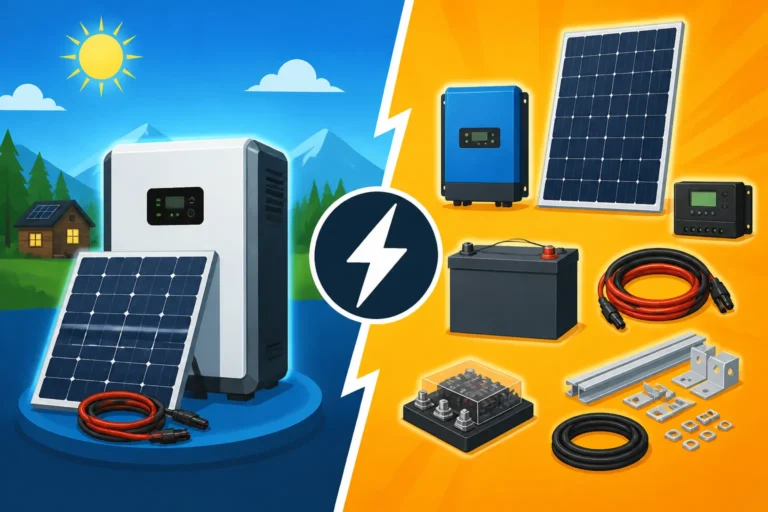
However, this convenience comes with inherent limitations. You're buying a pre-packaged solution, meaning you don't get to pick and choose individual components. The battery capacity, inverter size, and charging capabilities are all fixed. A DIY off-grid build, on the other hand, is the ultimate expression of custom control. You get to specify every single part of your system, from the type and number of solar panels to the exact chemistry and capacity of your battery bank, the sophistication of your charge controller, and the power output of your inverter. This level of control allows you to design a system that perfectly matches your unique energy consumption habits, the specific climate of your location, and your long-term goals for energy independence. If you're building a cabin in the woods or aiming for full-time homesteading, this ability to tailor every kilowatt-hour and surge watt to your lifestyle is invaluable. It means you can optimize for efficiency, expandability, and redundancy in ways a pre-built unit simply can't offer.
Scalability and Flexibility
The ability to grow your power system over time is a critical consideration for anyone serious about off-grid living. With solar generators, scalability is often quite limited. Most units have a maximum input wattage for solar panels and a finite battery capacity. While some newer, larger solar generators like those from EcoFlow or Bluetti offer expansion batteries, you're still working within the confines of a proprietary ecosystem. You can't just pick up any brand of battery or inverter and integrate it seamlessly. If your power needs increase significantly – say, you add a new appliance, or decide to move from weekend use to full-time living – you might find yourself needing to buy a whole new solar generator, or several, rather than simply upgrading a component. This can lead to redundant equipment and unexpected costs down the line.
A DIY off-grid solar system, by contrast, is inherently designed for flexibility and expansion. Because you select individual components that communicate using industry-standard protocols, you can almost always add more panels, increase your battery bank size, or upgrade your inverter as your needs evolve. For instance, if you start with enough solar panels to cover your basic lighting and electronics, you can later decide to install more solar panels to run a well pump or an air conditioner. You might begin with a modest Cost of an Off-Grid Solar Battery Bank and later decide to double or triple its capacity by adding more lithium iron phosphate (LiFePO4) batteries. This modular approach means your initial investment isn't dead-ended; it's a foundation upon which you can build. Understanding How to Design an Expandable System is key for long-term off-grid success.
Cost Implications
The initial sticker price often draws people to solar generators. They typically range from a few hundred dollars for small, portable units to several thousand for larger, more capable ones. For many, this upfront cost seems more manageable than the perceived expense of a custom build. However, it's crucial to look beyond the immediate purchase price and consider the true Lifetime Cost of an Off-Grid Solar System. Solar generators offer a relatively low entry barrier for basic power needs, making them excellent for occasional use, emergencies, or simply dipping your toes into solar. They package everything, so you don't have to worry about the individual Off-Grid Solar Kit Price Ranges for components.
However, if your power demands are significant or intended for continuous, full-time use, the cost comparison shifts dramatically. While a DIY system can have a higher upfront cost, especially if you're aiming for a robust setup capable of powering a whole house, its cost-effectiveness over the long term is generally superior. You can shop for the best deals on individual components, optimize for efficiency, and replace parts as needed rather than the entire unit. For instance, lithium batteries, while a higher initial investment, offer a much longer lifespan and deeper discharge cycles than the lead-acid or even some integrated lithium batteries found in many solar generators, ultimately reducing your Cost to Replace Off-Grid Solar Batteries over time. Furthermore, a DIY system can often be built in phases, allowing you to spread out the investment and How to Phase an Off-Grid Solar Build to Spread Cost, easing the financial burden. When you consider How Much Does an Off-Grid Solar System Cost in its entirety, including installation and future upgrades, the DIY route often provides more value per watt-hour over its lifespan for comprehensive power needs.
The Appeal of Solar Generators
Solar generators have carved out a significant niche in the world of portable power, and for good reason. They represent a simplified, often more accessible entry point into solar energy, bypassing much of the technical complexity associated with traditional off-grid setups.
Instant Power and Portability
One of the most compelling advantages of solar generators is their "grab-and-go" nature. These units are designed for immediate use right out of the box. There's no intricate wiring to figure out, no mounting panels to a roof, and no complex configuration settings to program. You simply charge the internal battery, either via a wall outlet, your car's 12V port, or with compatible solar panels, and you're ready to power devices. This plug-and-play simplicity is a massive draw for individuals who prioritize convenience and mobility.
Think about common scenarios: a weekend camping trip to a national park, setting up a temporary workstation at a remote cabin, or having reliable backup power during a grid outage. For these situations, a portable power station like a Jackery Explorer series unit or a Bluetti AC200L can be a lifesaver. They're often compact, some even with integrated handles, making them easy to transport from your garage to your vehicle, or from one room to another during an emergency. This instant power, paired with their portability, means you can bring electricity wherever your adventures or needs take you, without the commitment or complexity of a fixed installation. For those wondering about Best Solar Generators for Off-Grid, these units consistently rank high due to their user-friendliness.
Limitations and Trade-offs
While solar generators offer undeniable convenience, it's important to be realistic about their limitations. These devices are fantastic for many applications, but they aren't a direct replacement for a full-scale off-grid system, especially when it comes to sustained, high-power demands.
Firstly, their battery capacity is typically smaller than what you'd find in a custom DIY build for a cabin or home. While units like the Anker SOLIX F3800 boast impressive capacities, they are still limited compared to a large, dedicated How Many Batteries for an Off-Grid System bank. This means they are best suited for running smaller appliances for shorter durations, or powering critical electronics, rather than an entire household's worth of devices continuously. You might be able to run a mini-fridge for a day or two, but powering an air conditioner for extended periods is usually out of their league.
Secondly, the inverter within a solar generator also has a finite output. This limits the size and number of AC appliances you can run simultaneously. Trying to power a high-wattage appliance like a well pump or an electric kettle with a smaller solar generator could trip the overload protection, leaving you in the dark. While some larger units offer higher inverter ratings, they still often struggle with the surge requirements of motor-driven appliances. For example, while a Jackery unit might run a small coffee maker, it likely won't handle the startup surge of a 1500W well pump.
Finally, while many solar generators can be expanded with additional batteries, these expansions are almost always proprietary. You can't mix and match brands or types of batteries, which locks you into a specific manufacturer's ecosystem and pricing structure. This lack of interoperability can be a significant constraint if your future needs change or if you want to take advantage of new battery technologies from a different vendor.
Ideal Use Cases
Solar generators truly shine in specific situations where their strengths—portability, ease of use, and contained power—are paramount. They are perfectly suited for:
- Emergency Preparedness: When the grid goes down, having a charged solar generator on hand can power essential items like lights, medical devices (such as a CPAP machine), radios, and phone chargers. They provide critical backup without the noise or fumes of a gas generator, making them safe for indoor use. Many preppers consider them a core component for home resilience.
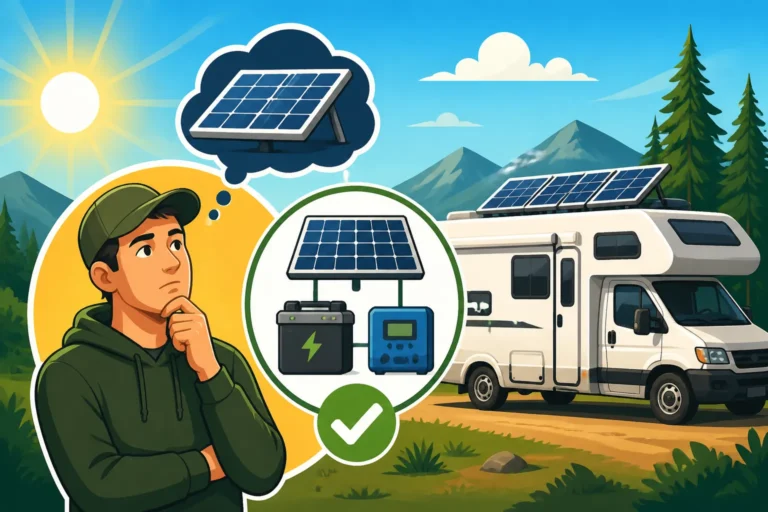
- Recreational Activities: For campers, RVers (especially those with smaller setups or just needing supplemental power), tailgaters, and outdoor enthusiasts, a solar generator is invaluable. It brings modern conveniences to remote locations, allowing you to charge drones, run portable projectors, or keep food cool in an electric cooler. For basic needs on an RV, a solar generator can be a great starting point for Off-Grid Solar Cost for an RV.
- Remote Work or Hobby Stations: If you often work from a cabin, a van, or a secluded outdoor spot, a solar generator can power your laptop, monitors, and other necessary electronics. Hobbyists with power tools for small projects in a shed or garage might find them perfect for intermittent use.
- Temporary or Supplemental Power: They can act as a temporary power source for construction tools on a job site where grid power isn't available yet, or as an extra power boost for an existing, smaller off-grid system during periods of high demand or low solar production. This avoids the need for a full Off-Grid Solar Generator Backup Cost solution.
The Power of a DIY Off-Grid Build
Venturing into a DIY off-grid solar build is a journey that offers profound rewards for those willing to invest the time and effort. It’s about more than just electricity; it’s about true self-sufficiency and creating a power system perfectly attuned to your specific needs.
Customization and Long-Term Value
The paramount advantage of a DIY off-grid solar system is the unparalleled level of customization it offers. Unlike the fixed parameters of a solar generator, a DIY setup allows you to hand-pick every component. This means you can design a system from the ground up that precisely matches your energy consumption patterns, your budget, and even the aesthetic of your property. Want a specific brand of high-efficiency solar panels known for its performance in low light? You can choose them. Need a massive battery bank to sustain your homestead through several cloudy days, or perhaps a robust inverter to handle the surge from a well pump? You can size and select those components individually. This flexibility extends to the system voltage (12V, 24V, or 48V), the type of charge controller (MPPT vs. PWM), and even the wiring and safety features. You can truly create a system that is a perfect fit, not a compromise.
This granular control directly translates to exceptional long-term value. By selecting quality, durable components and sizing them appropriately for your current and anticipated future needs, you build a resilient system designed to last decades. While the initial outlay for components like high-capacity Best Off-Grid Solar Batteries and a powerful Best Off-Grid Solar Inverters can be substantial, these investments typically have a much longer lifespan and better warranty coverage than integrated units. Furthermore, because you understand each component, maintenance and repairs are often more straightforward and less costly, as you can replace a single failing part rather than an entire integrated system. This intelligent design and component selection contribute significantly to making Is Off-Grid Solar Worth the Cost a resounding yes for many permanent installations.
The Investment in Time and Skill
While the rewards of a DIY off-grid build are immense, it's essential to acknowledge the significant investment it demands in both time and skill. This isn't a weekend project for the faint of heart; it requires careful planning, research, and a willingness to learn fundamental electrical principles.
The process begins with a thorough energy audit, where you meticulously calculate your daily energy usage for every appliance. This is where you really get into the weeds of How to Calculate Daily Energy Usage and Off-Grid Solar Load Calculation Explained. From there, you'll need to learn How to Size an Off-Grid Solar System, determining the number of solar panels, the capacity of your battery bank, and the appropriate size of your inverter and charge controller. This involves understanding concepts like peak sun hours, depth of discharge, and inverter surge capabilities.
Then comes the physical work: mounting solar panels (whether on a roof or a ground mount), running wiring safely and efficiently, connecting batteries in series or parallel, and wiring all the components together, often involving a subpanel for AC loads. This aspect requires practical skills, attention to detail, and a strong understanding of electrical safety and local codes. For instance, knowing How to Wire an Off-Grid Solar System correctly is paramount to safety and efficiency. Many DIYers spend countless hours watching tutorials, reading manuals, and consulting forums. While highly rewarding, this hands-on process can be intimidating for those without a background in electrical work or construction. Hiring an electrician for specific parts, like connecting to your home's breaker panel, might still be necessary even in a largely DIY endeavor.
Ideal Scenarios for DIY
A DIY off-grid solar build truly excels in situations where robust, customized, and permanent power solutions are required. These setups are not typically for casual, temporary use, but rather for fundamental shifts in how you source your electricity.
- Full-Time Off-Grid Living: This is the quintessential use case. For individuals or families planning to live permanently off the grid in a homestead, cabin, or remote property, a DIY system provides the necessary capacity and reliability. You can design it to power everything from refrigerators, freezers, washing machines, and even a Cost to Run An Air Conditioner on Off-Grid Solar, ensuring all the comforts of modern life are met.
- Remote Cabins or Workshops: If you own a hunting cabin that sees year-round use, or a workshop far from grid access, a custom solar system ensures consistent power for tools, lighting, and amenities without relying on noisy, fuel-guzzling generators. You can design a system that powers a Cost to Run A Well Pump on Off-Grid Solar or a full set of power tools in your workshop.
- Large RVs, Skoolies, or Tiny Homes: While solar generators serve smaller RVs, larger recreational vehicles, custom skoolie conversions, or tiny homes that are meant for full-time living truly benefit from a robust, custom-sized off-grid system. The energy demands for residential appliances in these mobile or tiny dwellings often exceed what a typical solar generator can reliably provide.
- Agricultural and Industrial Applications: For remote agricultural pumps, monitoring stations, or small-scale industrial operations far from utility lines, a custom-built system can provide the reliable, continuous power needed, often proving more cost-effective than extending power lines over long distances. For instance, Off-Grid Solar Cost vs Utility Extension Cost is a key factor here.
Making Your Choice: Solar Generator or DIY Off-Grid Build
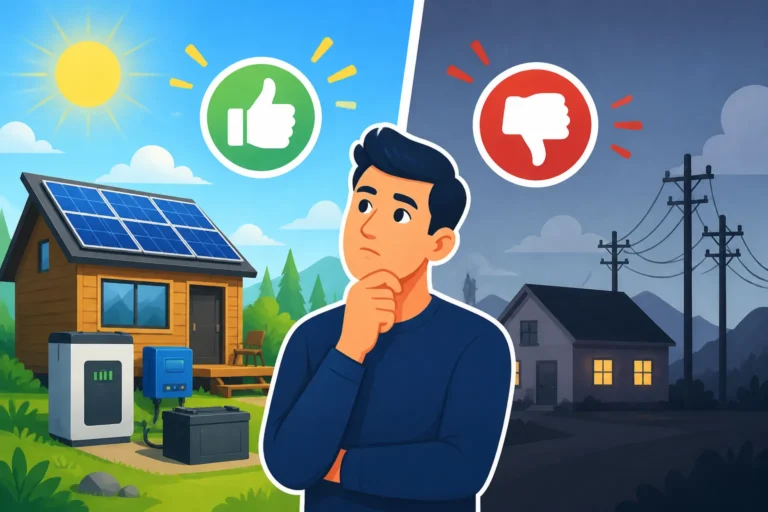
The decision between a solar generator and a DIY off-grid build isn't about one being inherently "better" than the other. It's about finding the solution that aligns perfectly with your specific circumstances, budget, and comfort level with technology. Let's break down how to weigh these factors.
Assessing Your Energy Needs and Goals
Before you even start looking at equipment, the absolute first step is to figure out what you actually need to power and for how long. This is perhaps the most crucial part of designing any off-grid power solution. You need to do a thorough load analysis – don't skip this step!
Grab a piece of paper or a spreadsheet and list every single electrical device you intend to run. For each item, note its wattage (usually found on a label or in the manual) and estimate how many hours per day you'll use it. For example, a laptop might draw 60 watts for 4 hours a day, while a refrigerator might cycle on and off, averaging 100 watts for 12 hours a day. Don't forget those high-surge items like well pumps or power tools that demand a lot of power for a short burst when they start up.
Once you have this list, calculate your total daily watt-hour (Wh) consumption. This number will be your guiding light. If your total daily consumption is relatively low (e.g., under 1000 Wh), and you only need power for short periods or small devices, a larger solar generator like a Jackery Explorer 2000 Pro might be perfectly adequate. However, if your needs creep into several kilowatt-hours per day (e.g., 5000 Wh or more) to run major appliances, continuous lighting, or a robust workshop, you're almost certainly looking at a DIY off-grid system. Consider also if you need to plan for How to Account for Cloudy Days and build in extra autonomy, which is much easier with a custom system.
Your long-term goals also play a huge role. Are you looking for temporary backup, occasional camping power, or full-time energy independence for a home? The more permanent and comprehensive your goal, the more a DIY build makes sense. If you're building a Off-Grid Solar Cost for a Remote Cabin that you plan to live in for years, the investment in a scalable DIY system will pay dividends.
Budget and Technical Comfort Level
Let's be real: money talks, and so does your patience for learning new skills. Your budget isn't just about the initial purchase price; it's about the total cost over the system's lifespan, including potential upgrades, maintenance, and replacement parts.
Budget:
- Solar Generators: Generally have a lower upfront cost. You're buying a complete, pre-assembled unit, which can be appealing if you have a tight initial budget or want to avoid sourcing individual components. They offer a fixed cost for a certain level of power. However, for similar power output and battery capacity, a larger solar generator might start approaching the cost of basic DIY components, and its long-term cost-effectiveness can diminish if it can't be easily expanded or repaired. You can find many affordable options, but Best Off-Grid Solar Kit Under $1,000 will only give you very basic power.
- DIY Off-Grid Build: The initial investment can be higher, especially for a system designed to power an entire home. However, as discussed, the Off-Grid Solar Return on Investment over decades is often far superior. You can also How to Budget for an Off-Grid Solar System in stages, allowing you to start small and expand as funds and needs allow. This flexibility in component choice also allows for more budget optimization – you can choose high-end components where critical, and more economical ones where appropriate.
Technical Comfort Level:
- Solar Generators: If you're not confident with electrical wiring, prefer a hassle-free setup, or simply don't have the time to learn complex system design, a solar generator is your best friend. It requires minimal technical knowledge beyond understanding output ports and basic charging indicators. It's perfect for beginners or those who prefer to keep things simple.
- DIY Off-Grid Build: This path demands a willingness to learn about electrical circuits, component compatibility, safety protocols, and potentially local permitting requirements. You'll need to understand concepts like voltage drop, fuse sizing, and How to Wire Solar Panels in Series vs Parallel. If you enjoy hands-on projects, problem-solving, and have a knack for technical details, a DIY build can be an incredibly rewarding experience. If not, you might find yourself frustrated or, worse, creating an unsafe system. Many resources exist to guide you, including detailed guides on DIY Off-Grid Solar Installation Step by Step, but it's a significant commitment.
Hybrid Approaches and Future Expansion
It’s not always an either/or situation. Many off-grid enthusiasts find a middle ground or evolve their systems over time.
A solar generator can serve as an excellent starting point. You might use a powerful unit like a Bluetti AC200L Review for Off-Grid Use for initial power needs while you meticulously plan and gather components for a larger, more permanent DIY system. It can also remain a valuable backup unit for your DIY system, providing an extra layer of redundancy during extended periods of low sunlight or if a component in your main system needs servicing.
Conversely, a DIY system can be designed with future expansion in mind right from the start. You might initially install enough panels and batteries for your critical loads, but plan for additional racking space for more panels or a larger enclosure for more batteries later on. This phased approach, discussed in detail in How to Design an Expandable System, allows you to ease into off-grid living, distributing the financial and educational investment over time. You might start with a smaller inverter and upgrade to a Best 5000W Inverter for Off-Grid as your needs grow.
Ultimately, whether you lean towards the simplicity of a solar generator or the deep customization of a DIY build, the best choice is the one that empowers you to achieve your off-grid dreams safely and sustainably.
| Feature | Solar Generator | DIY Off-Grid Build |
|---|---|---|
| Setup & Ease of Use | Plug-and-play, minimal setup, instant power | Requires planning, wiring, and technical knowledge |
| Portability | Highly portable (depending on size) | Generally fixed installation, not easily moved |
| Scalability | Limited, often proprietary expansion options | Highly scalable, modular component upgrades possible |
| Battery Capacity | Fixed, typically smaller | Customizable, can be very large |
| Inverter Output | Fixed, may struggle with high-surge appliances | Customizable, can handle large, simultaneous loads |
| Initial Cost | Lower entry barrier, complete unit | Higher upfront cost, but component-based |
| Long-Term Value | Good for specific, limited use; lower lifespan/ROI for full-time | Excellent for permanent, full-time use; high lifespan/ROI |
| Customization | Minimal to none | Unlimited component selection and system design |
| Maintenance | Often unit replacement or professional repair | Component-level replacement/repair, owner-manageable |
| Ideal Use Cases | Camping, emergencies, remote work, small cabins | Full-time homes, large cabins, workshops, heavy usage |
Disclaimer
The information provided in this guide is for general informational purposes only and does not constitute professional advice. Off-grid solar system design and installation involve electrical work which can be dangerous if not performed correctly. Always consult with qualified professionals and adhere to all local electrical codes and regulations.