Is an Off-Grid Solar Kit Worth It
The dream of casting off the shackles of the utility company and embracing energy independence is incredibly appealing, but the thought of building a full off-grid solar system from scratch can feel overwhelmingly complex and expensive. Many folks wonder if an all-in-one off-grid solar kit is a worthwhile shortcut to this freedom. This guide dives deep into whether these kits truly deliver on their promise, helping you decide if one is the right investment for your unique off-grid aspirations.
Understanding Your Needs: Is an Off-Grid Kit Even the Right Starting Point?
Before you even begin to ponder the "worth it" question, the most crucial step is to get brutally honest about your energy needs and how you plan to live off-grid. Many people get excited about the idea but don't fully calculate what it takes to power their actual lifestyle. A kit might seem like a simple solution, but if it doesn't align with your demands, it's not worth it, no matter the price.
Defining Your Energy Demands
The first thing you need to do is perform a comprehensive energy audit of your intended off-grid setup. This isn't just a mental list; it's a deep dive into every single appliance, light, and electronic device you plan to use. You need to know their wattage, how many hours per day you'll run them, and if they have any significant startup (surge) power requirements. Ignoring this step is like trying to build a house without knowing how many rooms you need.
For example, running a small LED lighting setup, charging phones, and occasionally powering a laptop is vastly different from needing to run a full-size refrigerator, a well pump, and a mini-split air conditioner. These larger loads demand substantial power and battery storage. Kits often cater to more modest needs, so if your daily energy consumption is high, a small kit might leave you perpetually frustrated and without power. This detailed process is often called a load calculation, and understanding how to do an accurate one is essential. If you're unsure where to start, you'll find "How to Calculate Daily Energy Usage" a really helpful resource.
Location and Lifestyle Considerations
Your physical location and how you intend to use your off-grid system play an enormous role in determining if a kit is suitable. Are you setting up a remote hunting cabin that's only used on weekends, or are you aiming for full-time living in an RV traveling across different climates? Each scenario presents unique challenges and requirements that influence the size and type of system you'll need.
For a tiny home in the Pacific Northwest, where sun exposure can be limited in winter, you'll need a much larger solar array and battery bank than someone powering a desert cabin in Arizona with abundant sunshine. Similarly, an RV or van life setup might benefit from flexible or portable panels that can be easily repositioned for optimal sun, whereas a fixed cabin often utilizes rigid roof-mounted or ground-mounted panels. Kits are generally designed for a broad average, which might be perfect for some but woefully inadequate for others. For specific guidance, articles like "Best Off-Grid Solar Kit for an RV" or "Best Off-Grid Solar Kit for a Cabin" can offer tailored insights.
Breaking Down the "Worth It" Factor: Costs, Benefits, and Trade-offs
Once you have a clear picture of your needs, we can tackle the big question: Is an off-grid solar kit truly worth the investment? This isn't just about the dollar amount on the price tag; it's about weighing the initial outlay against the long-term benefits, the convenience, and the inherent trade-offs.
Initial Investment vs. Long-Term Savings
Let's be real, off-grid solar kits, especially those designed to power significant loads, are not cheap. A basic portable kit for charging small electronics might start at a few hundred dollars, while a more robust kit capable of running a cabin or RV could easily cost several thousand dollars, sometimes even reaching into the five-figure range. This initial investment can be a significant hurdle for many, and it’s important to understand the full "Off-Grid Solar Cost: Complete Breakdown" to set realistic expectations.
However, the "worth it" factor extends far beyond the upfront price. When you go off-grid, you eliminate monthly utility bills forever. In remote areas, extending grid power can cost tens of thousands of dollars per mile, making an off-grid solar kit a surprisingly cost-effective alternative. Consider "Off-Grid Solar vs Utility Extension Cost" to see how quickly the numbers can swing in favor of solar. Over time, the savings on electricity bills and the avoidance of grid connection fees can make that initial investment look very smart. The "Off-Grid Solar Payback Period Explained" can help you project when your system will essentially pay for itself.
Convenience and Simplicity of Kits vs. Custom Builds
One of the biggest selling points of an off-grid solar kit is the promise of convenience and ease of installation. Reputable kit providers design their systems to be relatively plug-and-play, with matched components, pre-cut wires, and clear instructions. This can be a huge relief for beginners or those who aren't confident in designing a system from scratch. You avoid the headache of researching individual components, ensuring compatibility, and performing complex electrical calculations.
However, this simplicity comes with trade-offs. Kits are inherently less customizable than a DIY or professionally installed custom system. You might get a charge controller that's good but not the absolute best, or panels that are perfectly adequate but not the most efficient available. If you have very specific, unique energy requirements or a desire for high-performance components, a kit might feel restrictive. A custom build allows you to hand-pick every element, from the "Best Off-Grid Solar Panels" to the "Best Off-Grid Solar Inverters", tailoring it perfectly to your vision. While a kit simplifies the installation, understanding the details of "DIY vs Professional Off-Grid Solar Cost" can help you weigh these options.
The Hidden Value of Energy Independence
Beyond the financial calculations, there's an intangible but profound value in energy independence. Imagine a widespread power outage, or the anxiety of fluctuating energy prices. When you're off-grid with a well-designed solar kit, you control your power. This sense of security and self-reliance is priceless for many. It means you're not beholden to utility companies, grid failures, or the unpredictable nature of geopolitics affecting energy supply.
For many, especially those in remote locations or living a nomadic lifestyle in an RV or van, an off-grid solar kit isn't just a convenience; it's a necessity for enjoying modern comforts. It grants you the freedom to live where you choose, whether that's a secluded cabin deep in the woods or a beautiful boondocking spot. While the upfront cost might be a pinch, the peace of mind and the ability to live on your own terms often tip the scales heavily in favor of "worth it" for those seeking true independence.
When an Off-Grid Solar Kit Shines Brightest (and When It Doesn't)
Off-grid solar kits are fantastic solutions for specific needs, but they're not a one-size-fits-all answer. Knowing when a kit is your best bet and when you should explore other options is key to a successful off-grid journey.
Ideal Scenarios for Kits
Off-grid solar kits truly excel in scenarios where simplicity, ease of deployment, and a defined set of power needs are paramount.
- Small to Medium-Sized Applications: Kits are often perfect for powering sheds, garages, small cabins, RVs, campers, or tiny homes. These setups typically have moderate energy demands that align well with the pre-packaged capacities of most kits. For instance, a 2000W off-grid solar kit could be ideal for running basic appliances, lights, and electronics in a small cabin.
- Beginners and DIY Enthusiasts (with caution): If you're new to solar and want a less intimidating entry point into off-grid living, a kit can be a great way to learn the ropes. The components are pre-selected and often come with detailed instructions, reducing the steep learning curve of a custom build. Many kits are specifically designed as "Best Off-Grid Solar Kits for Beginners."
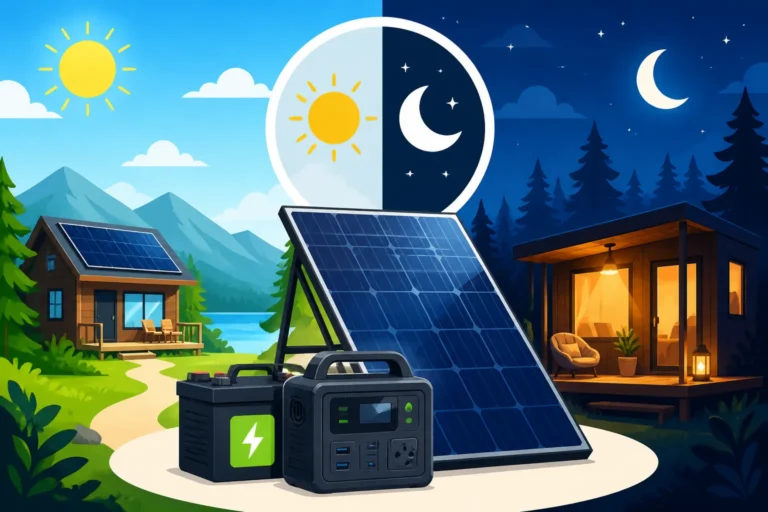
- Temporary or Portable Power: For seasonal use, emergency backup, or mobile applications like food trucks, kits offer a convenient and often portable solution. They can be set up relatively quickly and, in some cases, even moved if needed. Brands like Jackery offer highly portable power stations that, while not full "kits" in the traditional sense, can provide a plug-and-play solar charging solution for smaller, mobile power needs.
- Budget-Conscious Builds (initially): While not always the cheapest per watt in the long run, the consolidated purchase price of a kit can feel more manageable than sourcing dozens of individual components. It simplifies budgeting, though it's still crucial to explore "How to Budget for an Off-Grid Solar System" comprehensively.
When a Custom System or Solar Generator Might Be Better
There are definitely situations where a kit might fall short, and you'd be better served by a different approach.
- Large-Scale or High-Demand Homes: If you're planning to power a full-sized family home with multiple high-draw appliances like electric stoves, clothes dryers, or multiple air conditioners, a standard off-grid solar kit will almost certainly be insufficient. These applications require a significantly larger solar array, a robust battery bank (consider the "Cost of an Off-Grid Solar Battery Bank"), and a high-capacity inverter, often necessitating a custom-designed system tailored by a professional.
- Specific Performance or Expansion Needs: If you want absolute top-tier performance, specific brands, or foresee needing to expand your system significantly in the future, a kit might limit your options. Custom systems allow for greater flexibility in choosing components like high-efficiency panels or advanced battery management systems. While some kits are expandable, a custom build gives you maximum control over future upgrades.
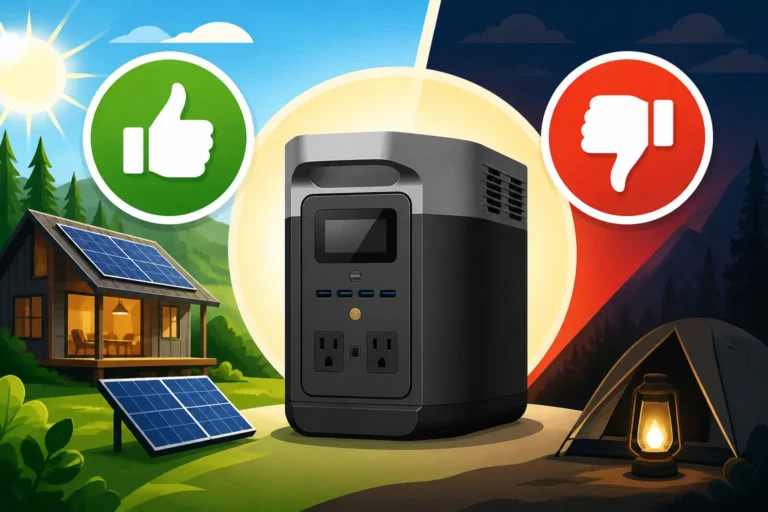
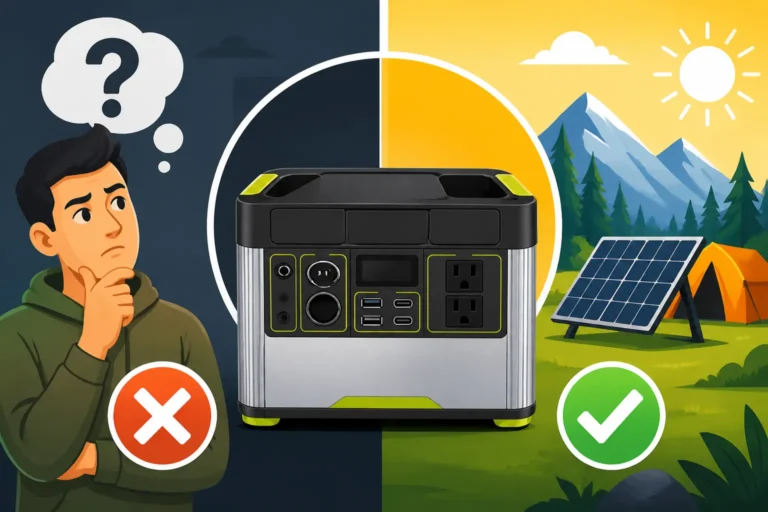
- Very Small or Ultra-Portable Needs: For minimal power requirements, such as charging a phone, running a fan, or powering a single light while camping, a dedicated solar generator (like those from Jackery, EcoFlow, or Bluetti) or even a small, individual solar panel and battery setup might be more cost-effective and convenient than a full off-grid kit. This is a crucial distinction, and understanding the "Solar Generator vs Off-Grid Solar System" comparison is vital. These smaller units are typically less expensive and require virtually no installation, just plugging in your solar panel.
- Advanced DIYers Seeking Optimization: Experienced solar enthusiasts who know exactly what they want and how to wire everything will often find more value in sourcing individual components. This allows them to optimize every part of the system for efficiency, longevity, and specific environmental conditions, potentially saving money and gaining superior performance.
Navigating the Kit Market and Making the Smart Choice
Deciding that an off-grid solar kit is worth it for your situation is just the first step. The market is full of options, and making an informed choice requires careful consideration.
What to Look for in a Quality Kit
Not all off-grid solar kits are created equal. To ensure you're getting a good return on your investment, pay close attention to the following:
- Reputable Brands: Stick with established brands known for quality and customer support. Look for manufacturers that specialize in off-grid solutions. Brands like Renogy, EcoFlow, and Growatt often offer comprehensive kits with well-matched components. While smaller brands may offer lower prices, reliability and long-term support are crucial for an off-grid setup.
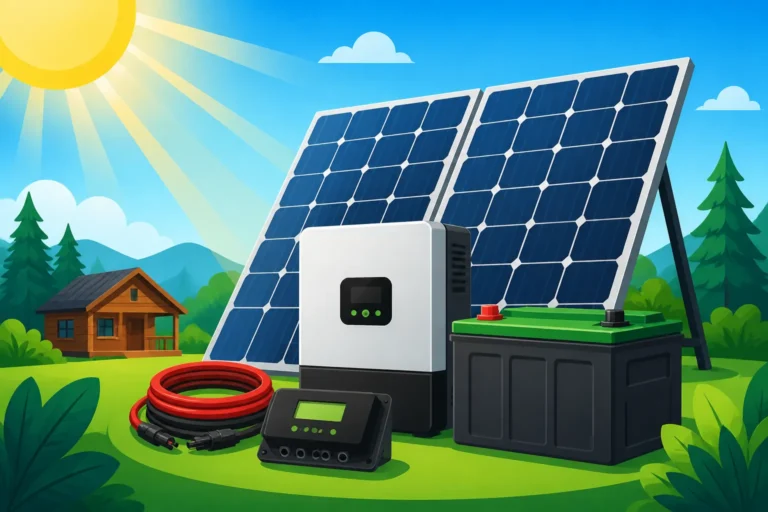
- Matched Components: The beauty of a kit is that the manufacturer has (hopefully) done the hard work of ensuring all components — solar panels, charge controller, battery, and inverter — work seamlessly together. Verify that the battery bank capacity matches the inverter's output and that the charge controller can handle the array's wattage. Discrepancies here can lead to inefficiency or even system failure. All the "Off-Grid Solar System Components Explained" should be clearly listed and detailed.
- Battery Chemistry: Most modern kits come with either Lithium Iron Phosphate (LiFePO4) or traditional lead-acid batteries (AGM or Gel). LiFePO4 batteries are lighter, last significantly longer, offer more usable capacity, and can handle more charge cycles, but they come at a higher upfront cost. Lead-acid batteries are cheaper but heavier, have a shorter lifespan, and require more maintenance. Your choice will significantly impact your long-term costs and system performance.
- Expandability: Consider if the kit allows for future expansion. Can you easily add more solar panels or battery capacity down the line? This is a crucial feature if you anticipate your energy needs growing. A good kit will have an inverter and charge controller that can accommodate some level of future growth.
- Certifications and Warranties: Ensure the components meet relevant safety standards (e.g., UL listings) and come with decent warranties. A solid warranty provides peace of mind and protection for your investment.
Popular Kit Providers and Brand Considerations
The off-grid solar market has seen a surge in providers offering various kits. Researching and comparing options is crucial.
- Renogy: A widely recognized brand that offers a broad range of kits for RVs, cabins, and smaller homes. Their kits are generally well-regarded for their comprehensive nature and solid documentation, making them a popular choice for DIYers.
- EcoFlow & Bluetti: These companies primarily focus on powerful, portable solar generators and "power kits" which are essentially all-in-one systems. While not traditional component-based kits, their modular nature makes them incredibly convenient for many off-grid applications, from emergency backup to powering a tiny home.
- Victron Energy: While Victron doesn't sell "kits" in the simple sense, many distributors package Victron components into custom kits. Victron is known for its high-quality, robust, and highly configurable equipment, often favored by those building more advanced or larger off-grid systems.
- Jackery: As mentioned earlier, Jackery is a strong player in the portable solar generator space. While their products aren't designed to be hardwired, permanent off-grid kits for a whole house, they are an excellent option for light-duty off-grid power, camping, emergency backup, or as supplementary power to a larger system. For someone looking for a taste of off-grid living without the full commitment, a powerful Jackery Explorer model paired with a few solar panels can be a very sensible starting point. They represent an accessible segment of the off-grid market that's incredibly "worth it" for specific, smaller-scale needs.
Ultimately, an off-grid solar kit can absolutely be worth it, especially if you fall into one of the ideal use-case scenarios. They offer a streamlined path to energy independence, reducing complexity and installation headaches. However, it's vital to perform your due diligence, accurately assess your energy needs, and choose a quality kit from a reputable provider. Avoid common pitfalls by referring to "Off-Grid Solar Kit Buying Mistakes to Avoid" before making your final decision. With careful planning, a kit can be a fantastic springboard into the rewarding world of off-grid living.
Disclaimer
The information provided in this guide is for general informational purposes only and does not constitute professional electrical or solar engineering advice. Always consult with a qualified professional before designing, purchasing, or installing any off-grid solar system. Local regulations, permits, and electrical codes vary and must be adhered to for safety and compliance.