Is Off-Grid Solar Worth It for a Barn
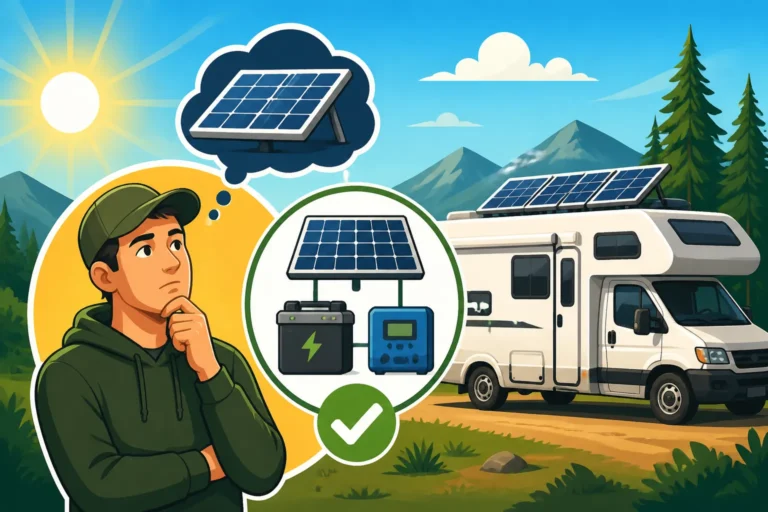
Having a barn is wonderful, but trying to power it, especially if it's tucked away from the main house or out in a remote field, can be a real headache. You're probably tired of running endless extension cords, dealing with dim lighting, or just wishing you could reliably run a few tools without a noisy, gas-guzzling generator. This guide is here to walk you through whether off-grid solar is a genuinely viable and worthwhile solution for your barn, helping you weigh the practicalities and costs involved.
Understanding Your Barn's Energy Needs
Before you even start thinking about solar panels and batteries, the absolute first step is to figure out what you actually need to power. This isn't just a casual guess; it's the foundation of your entire off-grid system. Without a clear understanding of your energy consumption, you'll either end up with an undersized system that leaves you in the dark or an oversized one that costs a fortune and never gets fully utilized.
What Appliances and Tools Will You Power?
Sit down and make a list, really think about every single thing you use or plan to use in your barn. Are we talking about a simple lightbulb for occasional use, or do you have grand plans for a full-blown woodworking shop with power saws, air compressors, and welding equipment?
Typical barn loads can range dramatically. Many folks just need a few LED lights, maybe a fan for ventilation during the summer, and an outlet to charge a cordless drill or a phone. For these basic needs, the energy consumption is relatively low. You might have a small refrigerator for drinks, a radio, or even an electric fence charger. On the other hand, if your barn doubles as a workshop, you might be looking at things like table saws, miter saws, air compressors, grinders, and more. Some agricultural operations might need a small well pump for livestock water, or perhaps a heater for baby chicks in the winter.
For each item, try to find its wattage (W) and estimate how many hours per day or week you'll actually use it. For example, a 100-watt lightbulb used for 4 hours a day consumes 400 watt-hours (Wh) daily. A large power tool like a circular saw might draw 1500 watts, but you only use it for short bursts, maybe 15 minutes a day, totaling 375 Wh. Don't forget those "phantom loads" — devices that draw a small amount of power even when turned off, like chargers plugged into outlets. Accurately figuring out your total daily watt-hour usage is the single most important calculation. If you're struggling with this, our guide on how to calculate daily energy usage can walk you through it step-by-step.
Seasonal Considerations and Usage Patterns
Your barn's energy demands aren't static; they fluctuate throughout the year. Think about how your usage changes with the seasons. In winter, you'll likely need more lighting due to shorter daylight hours, and perhaps a small heater or heated water trough if you have livestock. In summer, fans might be essential to keep air circulating and prevent heat buildup.
Consider the "peak sun hours" for your location, too. These are the average hours per day when the sun is strong enough to generate useful power from your solar panels. In the middle of winter, especially in northern latitudes, your peak sun hours might drop significantly, meaning your panels produce less power when you potentially need more lighting. This seasonal variability means your system needs to be robust enough to handle the worst-case scenario, usually the shortest, darkest days of winter, unless you plan to supplement with a generator during those times.
Future Expansion Plans
It’s easy to get caught up in immediate needs, but good planning always looks ahead. Are you currently using your barn for storage, but dreaming of turning part of it into a full-fledged workshop or a small guesthouse down the line? If so, designing a system that can be expanded later is a smart move. Trying to retrofit a tiny system for significant new loads can be more expensive and complicated than planning for growth from the start. Think about adding an extra battery bank later, or more solar panels to your array. It's often easier and more cost-effective to make some provisions for scalability in the initial design. This proactive approach can save you a lot of headaches and money down the road, making the cost of expanding an off-grid system less daunting.
Breaking Down the Costs of Off-Grid Solar for a Barn
Let's be real: going off-grid isn't always cheap up front. Many people get sticker shock when they first look into it. But when you break down the investment and consider the long-term benefits, especially for a remote barn, it starts to make a lot more sense. The overall cost will hinge heavily on your specific energy needs and the quality of components you choose.
Key Components and Their Price Tags
An off-grid solar system for a barn typically consists of several core components, each contributing to the overall price tag.
- Solar Panels: These are what capture the sun's energy. Prices vary based on wattage, efficiency, and brand. For a barn, you might be looking at a range of 200W to 1000W panels, or even more for a heavy-use workshop. A single 400W panel might cost between $200-$400, but you'll likely need several. The number of panels needed directly relates to your energy consumption and the amount of sunlight your location receives.
- Batteries: This is where the energy is stored for use when the sun isn't shining. Batteries are often the most expensive single component in an off-grid system. Lithium iron phosphate (LiFePO4) batteries are increasingly popular due to their long lifespan, depth of discharge, and efficiency, though they have a higher initial cost than traditional lead-acid batteries. For a barn, you might need anywhere from 100Ah to 400Ah or more in a 12V, 24V, or 48V configuration, depending on your load. Our article on LiFePO4 vs Lead-Acid Battery Cost goes into detail about the financial implications of each. Brands like Battle Born or EG4 are well-regarded for their robust LiFePO4 options, while Renogy offers more budget-friendly choices.
- Inverter: This device converts the DC (direct current) power from your batteries into AC (alternating current) power, which is what most standard household appliances and tools use. You'll need an inverter sized to handle the maximum wattage of all appliances you expect to run simultaneously. A pure sine wave inverter is crucial for sensitive electronics and power tools. Inverters can range from a few hundred dollars for smaller models (e.g., 1000W) to several thousand for larger, more advanced units (e.g., 5000W or more) that can handle large surge loads from power tools.
- Charge Controller: This regulates the flow of power from the solar panels to the batteries, protecting them from overcharging and optimizing the charging process. MPPT (Maximum Power Point Tracking) controllers are more efficient and generally recommended for larger systems, costing more than PWM (Pulse Width Modulation) controllers.
- Wiring, Fuses, and Mounting Hardware: Don't forget these essential, often overlooked items. Quality wiring, appropriate fuses, circuit breakers, and sturdy mounting hardware for your panels add to the overall cost but are critical for safety and system longevity.
Here's a quick look at estimated costs for common barn solar system components:
| Component | Small Barn (Lights, Phone Charging, Small Fan) | Medium Barn (Lights, Small Tools, Fridge) |
|---|---|---|
| Solar Panels (200-800W) | $300 – $800 | $800 – $2,500 |
| Batteries (100-200Ah LiFePO4) | $500 – $1,500 | $1,500 – $4,000 |
| Inverter (500W-2000W Pure Sine) | $150 – $400 | $400 – $1,200 |
| Charge Controller (MPPT) | $100 – $250 | $250 – $600 |
| Wiring, Fuses, Hardware | $100 – $300 | $300 – $800 |
| Estimated Total (Components Only) | $1,150 – $3,250 | $3,250 – $9,100 |
Note: These are rough estimates and actual costs can vary significantly based on brand, quality, and specific system requirements. For a more comprehensive overview, check out our article on the Off-Grid Solar Cost: Complete Breakdown.
Installation Costs and DIY vs Professional
Once you have all your shiny new components, someone needs to put them together. This is where installation costs come into play, and it's a huge factor in whether off-grid solar for your barn feels "worth it."
- DIY Installation: If you're handy with tools and comfortable with electrical wiring, doing it yourself can significantly reduce costs. Many off-grid kits, especially smaller ones, are designed with the DIYer in mind. You'll save thousands in labor, but you'll invest a good chunk of your own time. However, it's crucial to understand electrical safety and follow best practices. Mistakes can be dangerous and costly. For very basic setups, like a small portable power station with a solar panel (think a Jackery Explorer paired with a few SolarSaga panels), installation is literally just plugging things in. But for a more robust, permanently wired system, you'll need to know your way around wiring diagrams, fuses, and grounding. Our guide on DIY vs Professional Off-Grid Solar Cost offers a detailed comparison to help you decide.
- Professional Installation: Hiring a certified electrician or solar installer ensures the job is done correctly and safely, meeting all codes. This peace of mind comes at a price, often adding 10-20% (or more) to your total system cost. For complex systems, especially those integrated into an existing barn electrical panel, a professional is highly recommended. For instance, if you're running heavy 240V tools or connecting to a critical well pump, you'll want expert hands on the job.
Unexpected and Long-Term Expenses
The initial purchase and installation aren't the end of the financial story. Like any system, off-grid solar requires ongoing care.
- Maintenance: While solar panels themselves are low maintenance (mainly just cleaning off dirt or snow), batteries and other components might need occasional checks. Lead-acid batteries require regular watering, for example. Inverters and charge controllers typically need little maintenance but can fail over time.
- Battery Replacement: Batteries have a finite lifespan. LiFePO4 batteries typically last 10-15 years or more, while lead-acid batteries might only last 3-7 years, depending on usage and care. Replacing a battery bank can be a significant expense, easily running into thousands of dollars. Our article on Off-Grid Solar Battery Replacement Cost Over Time dives deep into this long-term consideration.
- Insurance: Depending on the value of your system, you might want to consider adding it to your property insurance policy.
- Permitting: Even for a detached barn, local regulations might require permits for electrical work, especially if you're installing a substantial system or connecting it to any existing structures. Navigating these requirements can sometimes involve fees and additional costs, as detailed in our guide to Off-Grid Solar Permits and Codes.
Pros and Cons of Off-Grid Solar for Barns
Deciding whether to take the plunge with off-grid solar for your barn means weighing the good against the not-so-good. It's not a one-size-fits-all solution, and what works for one person's remote workshop in Arizona might not be ideal for another's livestock barn in rural Alaska.
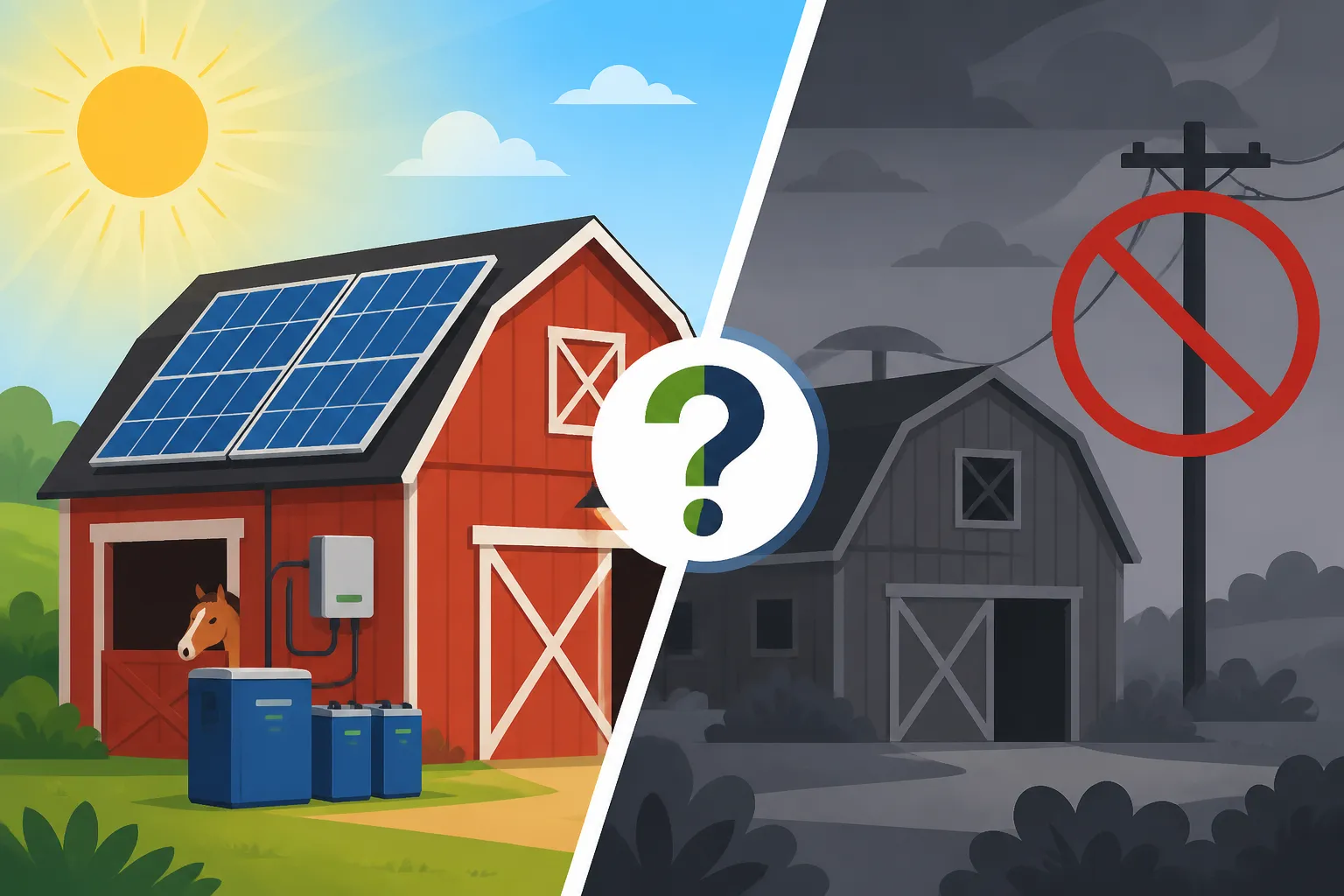
The Bright Side: Why It Might Be Worth It
There are compelling reasons why off-grid solar can be an excellent investment for your barn.
- True Energy Independence: This is often the biggest draw. Once your system is up and running, you're no longer tethered to the utility company for that specific structure. No more monthly bills for the barn, no worries about power outages affecting your operations there. For those who value self-reliance, this is huge. Imagine a big storm rolls through, and while the main house might be dark, your barn lights are still on, and your tools are ready to go, powered by your independent solar setup.
- Cost Savings Over Time (Especially for Remote Barns): If your barn is far from the nearest grid connection, extending utility lines can be prohibitively expensive. We're talking tens of thousands of dollars, sometimes more, just for the trenching, poles, and connections. In such scenarios, the initial investment in off-grid solar can quickly become cheaper than the alternative. Our article on Off-Grid Solar Cost vs Utility Extension Cost breaks down this crucial comparison. Over the lifespan of your solar system (25+ years for panels), the energy you generate is essentially free, leading to significant long-term savings compared to grid electricity or constantly buying fuel for a generator.
- Environmental Benefits: For many, reducing their carbon footprint is a priority. Solar power is a clean, renewable energy source that produces no greenhouse gas emissions during operation. It's a tangible way to live more sustainably and align your practices with your values.
- Increased Property Value: A well-designed and installed off-grid solar system can be an attractive feature for potential buyers, especially those looking for self-sufficient properties or remote living options. It adds a layer of modern convenience to an otherwise potentially challenging location.
- Quiet Operation: Unlike a noisy gas or diesel generator, a solar system operates silently. This is a huge benefit if your barn is used as a workshop, a quiet retreat, or if you simply prefer not to disturb the peace of your property with constant engine hum. You can enjoy your space without the racket, whether you're working on a project or tending to animals.
The Cloudy Side: Potential Downsides to Consider
It's important to look at the full picture, and there are definitely challenges and drawbacks to off-grid solar for barns.
- High Initial Investment: As we discussed, the upfront cost can be substantial. Even for a modest system, you're looking at several thousand dollars. This can be a barrier for many, especially if they only have intermittent, low-power needs. While long-term savings are real, that initial lump sum can feel daunting.
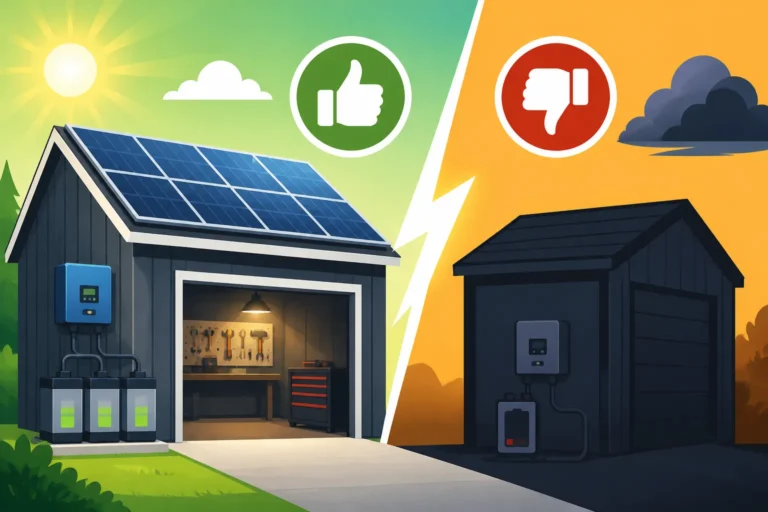
- Dependence on Weather: Solar power generation relies entirely on sunlight. Cloudy days, heavy snow, or even just persistent rain can significantly reduce your panels' output. This means your battery bank needs to be sized generously to provide "days of autonomy" – enough power to last through several cloudy days. If your region experiences long stretches of poor weather, you might find yourself needing a backup generator anyway, which adds to the cost and complexity.
- Ongoing Maintenance and Monitoring: While generally low-maintenance, off-grid systems aren't "set it and forget it." Batteries need care, connections need to be checked, and panels need cleaning. You also need to monitor your energy consumption carefully to ensure you don't drain your batteries too low, which can shorten their lifespan. This requires a level of engagement that simply pulling power from the grid doesn't.
- Sizing Challenges: Getting the right size system is critical. Undersize, and you'll constantly run out of power. Oversize, and you've wasted money on components you don't need. It requires a detailed load analysis and careful planning to ensure your system meets your peak demands and provides sufficient storage. It's often tempting to save money by going smaller, but that can lead to constant frustration and the need for frequent generator use.
- Limited Power for Heavy Loads: While a large, expensive system can power heavy loads like welders or air compressors, these often require significant inverter capacity and battery storage, pushing the cost up considerably. For very heavy, continuous power users, off-grid solar might simply not be practical or cost-effective compared to other options.
When Off-Grid Solar Really Makes Sense for a Barn
After breaking down the costs and weighing the pros and cons, it becomes clearer when off-grid solar truly shines as a solution for a barn. It's not for every barn, but for certain situations, it's undeniably the smartest choice.
Remote Location and High Grid-Tie Costs
This is the number one scenario where off-grid solar is almost always worth it. If your barn is located a significant distance (say, more than a few hundred feet) from the nearest utility pole, the cost to extend power lines can be astronomical. We're talking about digging trenches, installing new poles, transformers, and paying connection fees that easily run into five figures. In these cases, even a substantial off-grid solar system often comes in cheaper than grid extension. For example, if you're building a hunting cabin with an adjacent barn on a remote property, the utility company might quote you $30,000 to bring power in. A robust solar system for your barn might cost $10,000-$15,000, making it a clear winner financially, not to mention the independence it offers.
Modest Power Demands
For barns that only need basic electricity, off-grid solar is a fantastic fit. If your primary needs are just a few lights, charging some portable power tools, running a small fan in the summer, or perhaps a radio, then a relatively small, affordable off-grid system can easily meet those demands. You don't need a huge, complex setup to handle these types of loads. In fact, a simple 400-watt solar panel kit with a decent battery and inverter can often suffice for these common uses. Our article on how much solar to run lights and electronics can give you a better idea of sizing for these specific needs.
Specialized Uses and Backup Power
Beyond basic lighting, off-grid solar can be perfect for specialized barn applications.
- Hobby Workshops: If you have a hobby workshop where you spend a few hours a day, an off-grid system can power your smaller tools, lighting, and chargers without needing a grid connection.
- Livestock Care: For remote animal shelters or corrals, solar can power automated feeders, water pumps (if they're efficient DC pumps), or even small heaters for young animals.
- Emergency Preparedness: An off-grid barn system can serve as a critical backup power source during grid outages. Imagine a winter storm knocks out power to your main house; having a reliably lit and powered barn means you still have a place to work, charge devices, or even shelter.
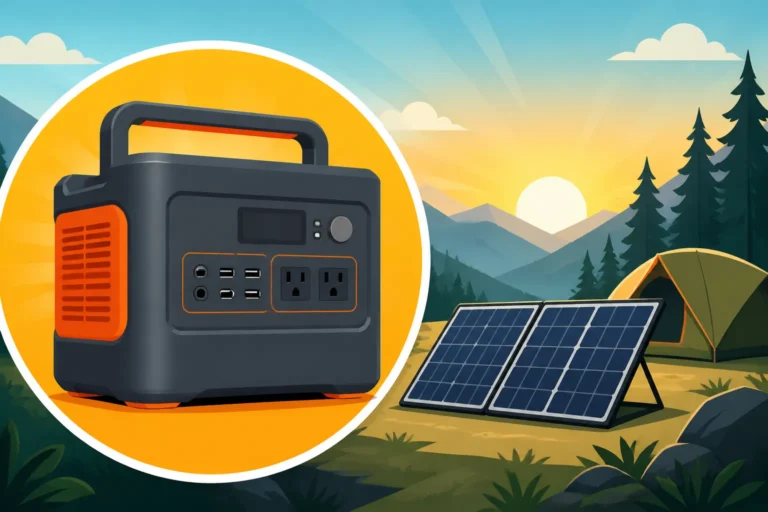
- Portable Solutions: For very temporary or intermittent needs, portable solar generators like those from Jackery are an excellent entry point. A Jackery Explorer 1000 with a couple of SolarSaga panels can easily power lights, charge tools, and run small electronics for hours. This kind of setup is quick to deploy, requires no installation, and can be moved between your barn, RV, or even just for camping. It's a great way to "test the waters" of solar power before committing to a larger, permanent installation.
Phased Approach and Scalability
One of the often-overlooked benefits of off-grid solar is the ability to start small and expand. You don't have to build your dream, full-scale system all at once. You can begin with a modest setup to cover your most essential needs – say, lighting and a few outlets. Then, as your budget allows or your needs grow, you can add more solar panels, increase your battery bank capacity, or upgrade your inverter. This phased approach makes the initial investment more manageable and allows you to learn about your actual energy consumption patterns over time. Many off-grid components are designed to be modular, making additions relatively straightforward. This way, you can gradually build towards a completely self-sufficient barn without breaking the bank upfront.
Practical Considerations for Your Barn Solar Setup
Once you've determined that off-grid solar is a worthwhile investment for your barn, there are still several practical considerations to ensure your system performs optimally and safely. Thinking through these details beforehand will save you headaches and ensure your system stands the test of time.
Optimal Panel Placement and Mounting
Where you put your solar panels makes a huge difference in their efficiency. You want them to capture as much sunlight as possible throughout the day, year-round.
- South-Facing Orientation: In the Northern Hemisphere, south-facing is generally ideal for maximum year-round energy production. If a true south orientation isn't possible, southeast or southwest can still yield good results.
- Tilt Angle: For fixed mounts, a tilt angle roughly equal to your latitude is a good compromise for year-round production. However, if your barn is used more heavily in winter (e.g., for livestock requiring heat lamps), a steeper tilt might be better to capture lower winter sun. Conversely, a shallower tilt might be better for summer-heavy usage (e.g., cooling fans). Adjustable tilt mounts offer the most flexibility but come at a higher cost.
- Shading is the Enemy: Even a small amount of shade on one part of a panel can drastically reduce the output of the entire array. Before installing, carefully observe your barn's surroundings throughout the day and across seasons. Trees, other buildings, or even tall fences can cast shadows. Trim branches, consider a ground mount instead of a roof mount, or use micro-inverters or optimizers with each panel to mitigate shading issues.
- Roof Mount vs. Ground Mount:
- Roof Mount: Saves space and can be simpler if your barn roof has the right orientation and pitch. However, it requires careful roof penetration and sealing to prevent leaks. It also means you need to be comfortable working at heights.
- Ground Mount: Offers more flexibility in orientation and tilt, easier access for cleaning and maintenance, and is often simpler to install if you prefer to keep off the roof. The downside is it takes up ground space and requires digging footings. For a barn, a ground mount might be preferable if the roof isn't suitable or if future expansion requires more panels.
Battery Storage and Protection
Your battery bank is the heart of your off-grid system, holding the energy that keeps your barn powered when the sun isn't shining. Protecting it is paramount for longevity and performance.
- Adequate Capacity: This circles back to your initial energy audit. You need enough battery capacity to power your loads for a certain number of "days of autonomy" – how long your system can run without any solar input. For a barn, aiming for 2-3 days of autonomy is often a good starting point, especially if you have critical loads or unreliable weather.
- Temperature Control: Batteries, especially lead-acid types, are sensitive to extreme temperatures. They lose capacity in very cold weather and their lifespan can be significantly shortened in excessive heat. If your barn isn't insulated, you'll need to create a dedicated, insulated battery box or enclosure to maintain a more stable temperature. LiFePO4 batteries are generally more tolerant of temperature swings, but still benefit from protection, and some models even have built-in heaters for cold climates. Make sure your chosen batteries, like those from Battle Born or EG4, can handle the temperature extremes of your barn's environment. Our guide on the Best Off-Grid Solar Batteries can help you explore options.
- Ventilation: If you're using lead-acid batteries, proper ventilation is critical. They emit hydrogen gas during charging, which is highly flammable. Even LiFePO4 batteries, while safer, benefit from good airflow to prevent heat buildup.
- Accessibility and Safety: Your battery bank should be easily accessible for maintenance (if required) but also safely secured to prevent accidental contact or damage. Consider a sturdy, lockable cabinet or box to protect your investment.
Safety and Permitting
Electrical safety is non-negotiable, and depending on your location, permitting might still be a factor even for a detached barn.
- Electrical Safety First: Working with electricity, especially high-voltage DC from solar panels and large battery banks, can be dangerous. Always use proper fusing and circuit breakers for both the DC (solar panel and battery) and AC (inverter output) sides of your system. Ensure all components are correctly grounded to prevent electrical shock. If you're not confident in your electrical skills, hire a qualified electrician for the critical wiring aspects.
- Grounding and Bonding: A properly grounded and bonded system is essential for safety. This protects against lightning strikes and ensures that fault currents have a safe path to the earth, preventing electrocution hazards.
- Local Codes and Permits: Don't assume that just because your barn is off-grid or detached, you don't need permits. Many jurisdictions have specific codes for electrical installations, regardless of whether they connect to the grid. Check with your local building department or county planning office. They can advise you on any necessary electrical permits, inspections, or zoning requirements. Failing to get required permits could lead to fines, difficulties with insurance, or even being forced to dismantle your system later. While it can feel like a bureaucratic hassle, it's there for safety and can save you bigger headaches down the road.
Disclaimer
The information provided in this article is for general guidance and informational purposes only, and does not constitute professional advice. Off-grid solar system design and installation can be complex and potentially dangerous. Always consult with qualified professionals, such as certified electricians or solar installers, and adhere to all local codes and regulations before undertaking any solar project. We are not responsible for any actions taken based on the information in this article.