Jackery 2000 Plus Review for Off-Grid Use
There’s a common misconception that going off-grid or even just having reliable backup power means diving headfirst into a complex, expensive system with panels, batteries, inverters, and charge controllers. For many, the sheer scale and technical jargon of a full-blown off-grid setup can feel completely overwhelming. This guide is here to help you navigate one specific, popular option: the Jackery Explorer 2000 Plus portable power station, and whether it truly fits the bill for your off-grid aspirations, offering a realistic look at its strengths and limitations.
What Exactly is the Jackery Explorer 2000 Plus?
When we talk about off-grid power, many folks immediately picture rooftops covered in solar panels and a dedicated shed full of batteries. But not everyone needs a permanent, whole-home solution. Sometimes, what you're really looking for is robust, portable power that can bridge gaps, run specific appliances, or provide energy for a temporary setup. That's precisely where devices like the Jackery Explorer 2000 Plus come into play, sitting in a sweet spot between small portable chargers and full-scale custom solar systems.
Core Specifications and Features
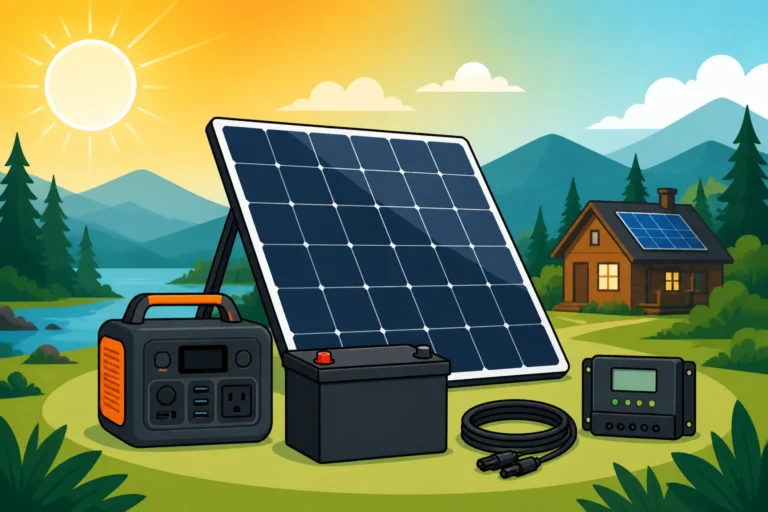
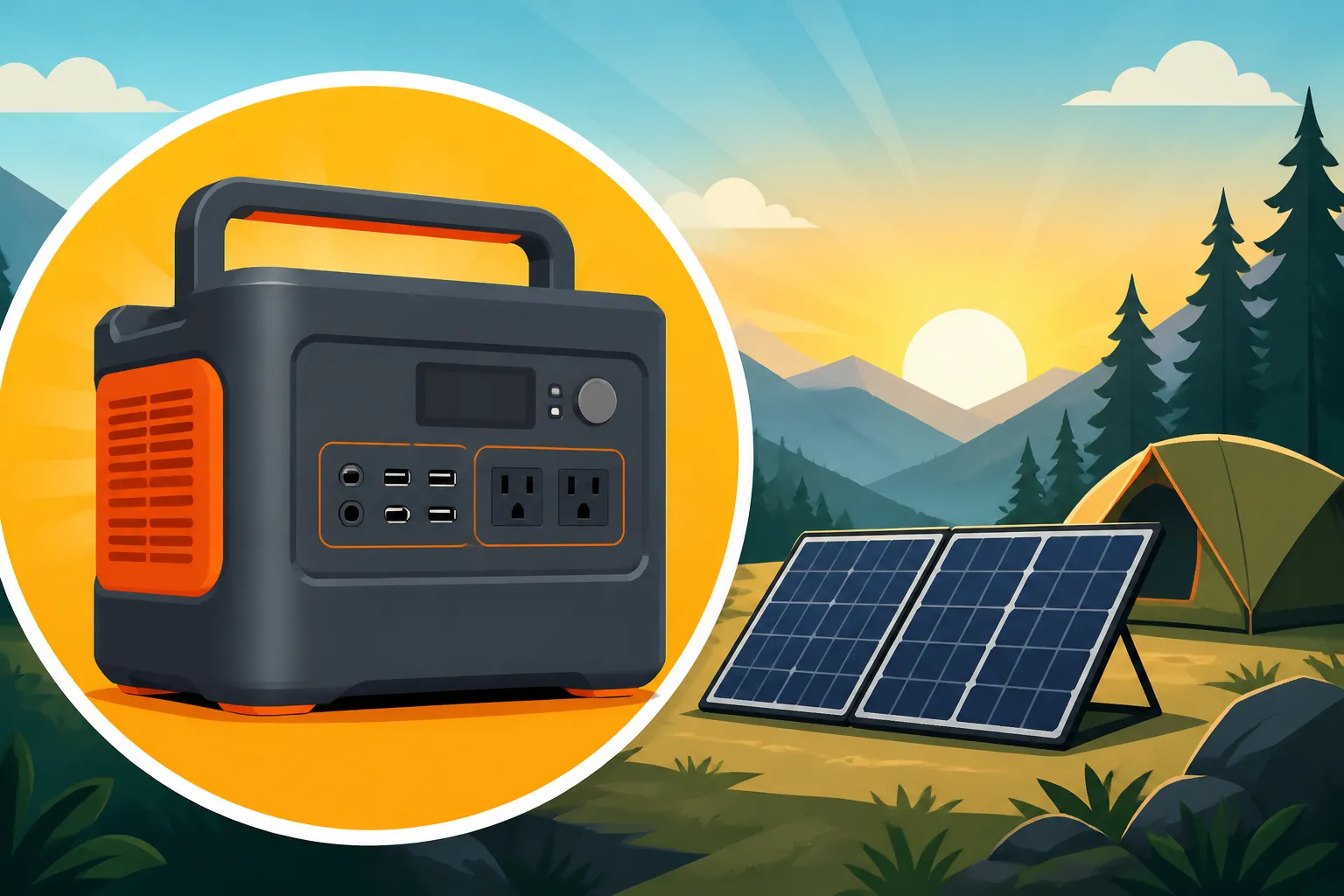
The Jackery Explorer 2000 Plus isn't just a big battery; it's a complete portable power station designed to give you AC, DC, and USB power output from a single unit. It boasts a substantial 2 kilowatt-hour (2kWh) capacity internally, which means it can store a significant amount of electricity. To put that into perspective, 2000 Watt-hours is enough to run a typical refrigerator for about 15-20 hours, depending on its efficiency, or charge a laptop many, many times over.
Beyond its storage, the unit features a continuous 3000W AC output (with a surge capacity up to 6000W), which is a really big deal. This means it can comfortably handle most household appliances, from microwaves and blenders to power tools and even some smaller air conditioners or well pumps for short bursts. The ability to manage such high wattage is often a deciding factor for people looking for more than just phone charging capabilities. It also comes equipped with multiple output ports, including several AC outlets, USB-A and USB-C ports, and a 12V car outlet, making it incredibly versatile for a variety of devices. The unit itself is relatively compact for its power, typically weighing around 60 pounds, which makes it "portable" in the sense that one or two people can move it, but it's not something you'd throw in a backpack.
Expandability and Recharging Options
One of the standout features of the Jackery Explorer 2000 Plus that really sets it apart from many other portable power stations is its expandability. You're not stuck with just the internal 2kWh. This unit can connect with up to five additional Jackery Battery Pack 2000 Plus modules, allowing you to scale its total capacity up to an impressive 12kWh. This modular design is fantastic because it means you can start smaller, see how your energy needs evolve, and then add more storage without having to buy a whole new core unit. This kind of flexibility is a game-changer for people whose off-grid needs might grow over time, like someone expanding their cabin or moving from weekend trips to longer stays.
Recharging the Jackery Explorer 2000 Plus is also incredibly flexible, offering multiple options to keep you powered up. You can charge it directly from a standard AC wall outlet, which is super fast – often getting it to 80% in about 1.5-2 hours. For off-grid use, the solar charging capability is paramount. It's designed to connect to multiple solar panels, such as Jackery SolarSaga panels, enabling it to fully recharge from the sun in just a few hours depending on the number and wattage of panels connected, and of course, sunshine conditions. This solar input versatility makes it a true contender for supplementing or providing primary power in remote settings. Additionally, you can charge it from your vehicle's 12V cigarette lighter outlet, though this is a slower method and usually best for topping off smaller amounts of energy while on the move.
Where Does the Jackery 2000 Plus Shine in Off-Grid Scenarios?
The allure of portable power stations like the Jackery Explorer 2000 Plus for off-grid situations is undeniable. They offer a level of convenience and simplicity that traditional, custom-built solar systems often can't match, especially for specific types of off-grid living or temporary power needs.
Ideal Use Cases for Portable Off-Grid Power
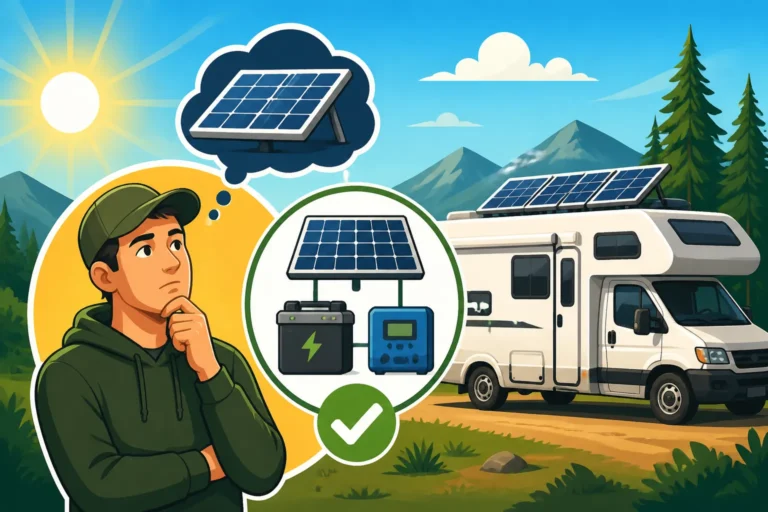
Think about those moments when you need power but don't want the commitment or complexity of a full installation. The Jackery 2000 Plus is absolutely fantastic for weekend cabin trips, where you might want to run a few lights, charge your devices, and perhaps power a small coffee maker or microwave for a quick meal. It's also a star for van life or RV adventures, offering a clean, quiet power source that can run a mini-fridge, fan, or even a portable air conditioner without the noise and fumes of a gas generator.
Many people also find it invaluable for remote workshops or job sites where grid power isn't available. Imagine using it to power drills, saws, or lighting for an outdoor project, far from any outlet. For emergency preparedness, it serves as an excellent backup power source for essential appliances during blackouts, keeping your refrigerator running, lights on, and communication devices charged. Its "grab-and-go" nature makes it superior to a permanently installed system when portability is key. You can easily move it from your workshop to your camping spot, or lend it to a neighbor during a power outage. For more in-depth comparisons, you might want to check out articles like "Best Solar Generator for Off-Grid" or "Solar Generator vs Off-Grid Solar System".
Advantages Over Traditional Off-Grid Setups
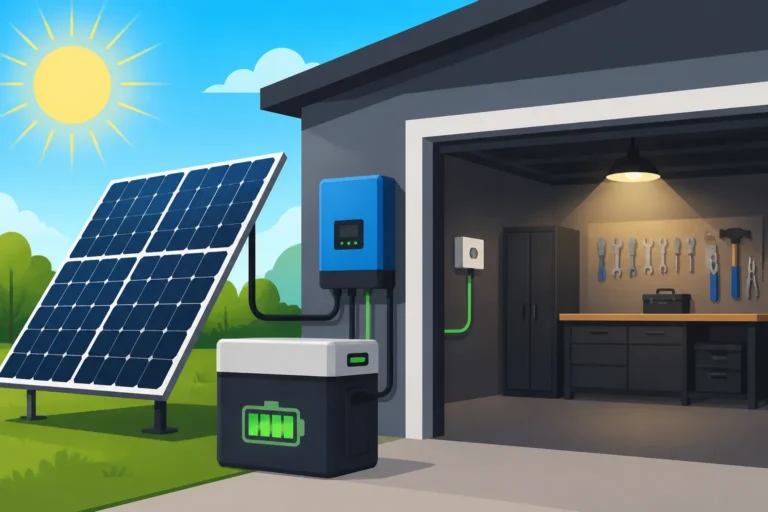
One of the biggest advantages of a unit like the Jackery 2000 Plus is its sheer simplicity. There’s no complicated wiring, no permits to pull, and generally no professional installation required. You simply charge it up (either from a wall outlet before you leave or via solar panels when you're out there), plug in your appliances, and you're good to go. This "plug-and-play" aspect removes a huge barrier for many aspiring off-gridders who are intimidated by electrical diagrams and code requirements.
Furthermore, traditional off-grid solar systems, while powerful, often involve a significant upfront investment and can be complex to expand or relocate. The Jackery's modular design, as mentioned, allows for easy capacity expansion by adding battery packs, which is much simpler than redesigning and adding components to a fixed system. Also, being completely self-contained means less maintenance, fewer points of failure, and a much cleaner setup than a sprawling array of individual components. It’s quiet too, a stark contrast to a noisy gasoline generator, making it much more enjoyable for camping, glamping, or quiet cabin retreats. It’s an ideal solution for those who want the benefits of off-grid power without becoming full-time solar engineers.
Understanding the Limitations for True Off-Grid Living
While the Jackery Explorer 2000 Plus is undoubtedly a powerful and versatile tool, it’s crucial to understand its limitations, especially if your vision of "off-grid living" involves powering a full-time residence or demanding continuous high-power usage. It’s a fantastic piece of equipment, but it’s not a magic bullet for every scenario.
When a Portable Power Station Might Not Be Enough
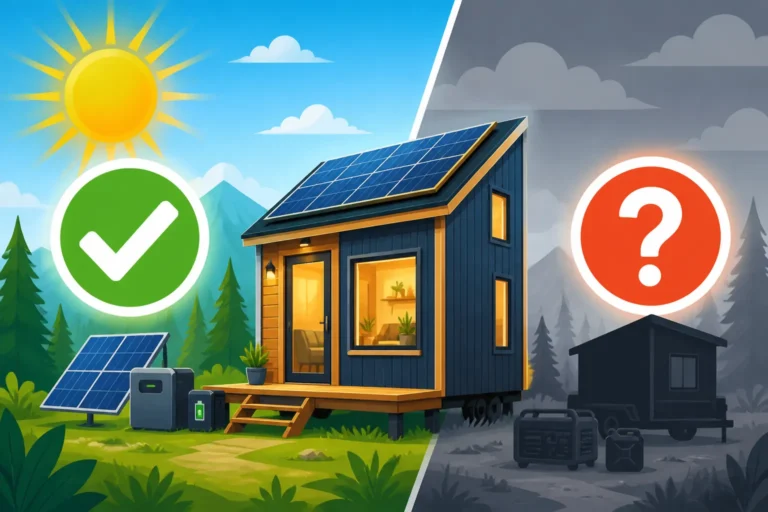
For those looking to power a permanent off-grid home, a large cabin, or even a substantial tiny home year-round, the 2000 Plus, even with its expandable battery packs, will likely fall short as a primary power source. True off-grid living, especially in a home, often involves managing significant loads like well pumps, water heaters, electric ovens, clothes dryers, and sometimes even multiple air conditioning units. These appliances draw a lot of power, both in terms of continuous wattage and surge capacity, and they often need to run for extended periods.
For example, while the Jackery 2000 Plus can start a well pump with its 3000W output, it likely won't run it for hours on end every day, especially if you have other appliances drawing power. Similarly, running a large electric water heater or a central air conditioning unit would quickly deplete its battery capacity, even at 12kWh. These types of heavy, continuous loads are typically handled by much larger battery banks (often 20kWh or more for a modest off-grid home) and solar arrays that can generate 5kW to 10kW of power daily, or even more, as discussed in guides like "How to Size an Off-Grid Solar System" or "How Many Batteries for an Off-Grid System".
Moreover, relying solely on a portable power station for continuous living means constantly monitoring its charge levels and being highly conservative with your power usage. This can become tedious and restrictive for full-time residents.
Scalability Challenges for Whole-Home Needs
While the Jackery Explorer 2000 Plus offers impressive expandability up to 12kWh, this capacity, while considerable for a portable solution, might still not be adequate for a modern, energy-intensive home. Let's consider a family of four in an average off-grid home. Their daily energy consumption could easily range from 10 kWh to 30 kWh, depending on their appliances, lifestyle, and how efficiently they use energy. A 12 kWh battery bank would only provide 1-1.5 days of autonomy, meaning if you had a few cloudy days, you'd quickly run out of power without a robust solar array or backup generator.
A full-scale off-grid solar system, especially for a whole house, is designed with a much larger capacity for both energy generation (solar panels) and storage (battery bank) to ensure several days of autonomy, account for seasonal variations in sunlight, and handle high surge loads without strain. These systems often integrate multiple dedicated inverters, charge controllers, and battery management systems that are specifically designed for continuous, high-demand performance. If you're pondering the components needed for a truly self-sufficient lifestyle, articles like "Off-Grid Solar System Components Explained" delve into the nitty-gritty details of larger systems. The cost of achieving large-scale, whole-home power with a modular portable system can also quickly add up, sometimes exceeding the cost-effectiveness of a custom-designed stationary system in the long run.
Is the Jackery Explorer 2000 Plus Right for Your Off-Grid Needs?
Deciding whether a solution like the Jackery Explorer 2000 Plus is the right fit for your off-grid aspirations comes down to a realistic assessment of your unique power demands, lifestyle, and budget. There's no one-size-fits-all answer in the world of off-grid living, and what works beautifully for one person might be completely inadequate for another.
Weighing Your Power Demands and Lifestyle
The first step in making this decision is to conduct a thorough energy audit, even if it's just a rough estimate. List every appliance you intend to power, how many watts it draws, and for how many hours a day. This is often called a load analysis, and it's a critical step covered in guides like "How to Calculate Daily Energy Usage".
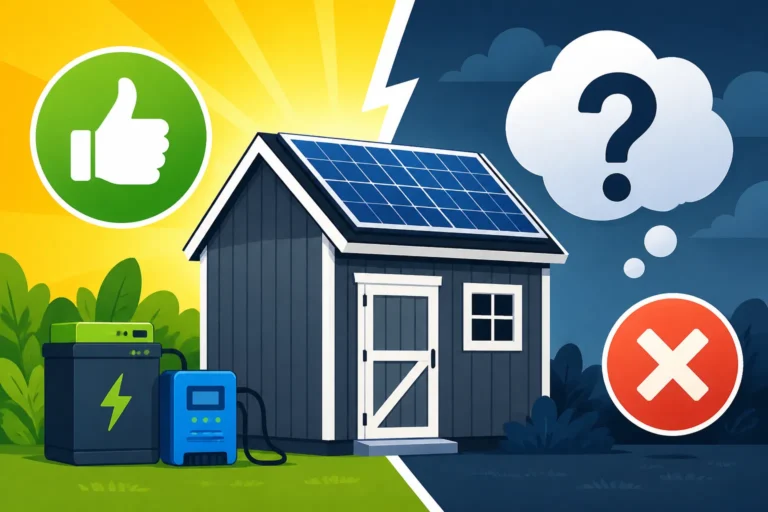
- For light to moderate use: If you're primarily looking to power laptops, phones, LED lights, small fans, and maybe a mini-fridge or occasional power tools for weekend trips, camping, van life, or a small shed, the Jackery 2000 Plus is an excellent choice. Its 2kWh base capacity (and up to 12kWh with expansion) combined with its 3000W output is more than enough for these intermittent or lower-demand scenarios. Its portability makes it incredibly convenient to move wherever power is needed.
- For heavy, continuous use: If your goal is to power an entire home with multiple large appliances (refrigerator, freezer, well pump, washing machine, electric stove, consistent heating/cooling) for full-time living, even the fully expanded Jackery 2000 Plus system (12kWh) might not cut it. These applications typically require a custom-built system with a much larger battery bank (e.g., Best Off-Grid Solar Batteries) and a higher-capacity solar array to handle constant demand and multiple days of autonomy, especially in regions with less consistent sunlight. For these larger requirements, you might want to consider articles like "Off-Grid Solar Cost for a Whole House" to understand the typical investment.
Consider your usage patterns: Do you need power 24/7 or just intermittently? Do you experience frequent multi-day cloudy periods? Your answers will heavily influence whether a portable power station can meet your continuous energy needs.
Cost-Effectiveness and Long-Term Value
When evaluating the Jackery Explorer 2000 Plus, it's important to look beyond the initial price tag and consider the long-term cost-effectiveness compared to other off-grid solutions.
| Feature | Jackery Explorer 2000 Plus System (up to 12kWh) | Traditional Custom Off-Grid Solar System |
|---|---|---|
| Initial Cost | Moderate to High (depending on expansion, ~$2,000-$10,000+) | High (typically ~$10,000-$60,000+ for a home) |
| Installation | Plug-and-play, DIY friendly | Professional installation often recommended/required; complex wiring, permitting |
| Scalability | Easy, modular expansion with battery packs (up to 12kWh) | Highly scalable with more panels, batteries, larger inverter, professional input |
| Portability | Excellent (main unit ~60 lbs, battery packs similar) | Not portable, fixed installation |
| Maintenance | Low, minimal user interaction | Moderate, requires monitoring, occasional battery watering (lead-acid) |
| Complexity | Low, user-friendly interface | High, requires understanding of electrical systems, programming |
| Appliances | Runs most common appliances intermittently, some high-draw items briefly | Powers all household appliances, heavy loads continuously |
| Lifespan | Typically 10-15 years for LiFePO4 batteries (cycle dependent) | 20-25+ years for panels, 10-20+ years for batteries (type dependent) |
For smaller applications, the Jackery 2000 Plus can be incredibly cost-effective because it bypasses installation costs, complex components, and permits associated with larger systems. If your needs are temporary, mobile, or for backup, the value is clear.
However, if you're comparing the cost per kilowatt-hour of storage or per watt of output for a permanent, large-scale off-grid home, a custom-built system often becomes more economical over its much longer lifespan. While the upfront cost of a comprehensive system can be daunting (e.g., How Much Does an Off-Grid Solar System Cost), the long-term savings from eliminating utility bills and the robust reliability for continuous, heavy usage can make it a superior investment.
Ultimately, the Jackery Explorer 2000 Plus is an outstanding piece of gear for portable power, emergency backup, and smaller off-grid applications like cabins, RVs, and van life. It offers unmatched convenience and a surprising amount of power. But if your dream is a fully self-sufficient homestead running all modern conveniences, you’ll likely need to complement or eventually graduate to a more robust, permanently installed off-grid solar system.
Disclaimer
The information provided in this article is for general informational purposes only and does not constitute professional advice. Off-grid solar systems involve electrical components and can be dangerous if not installed and operated correctly. Always consult with qualified professionals and adhere to local codes and regulations when planning or installing any solar power system.