Bluetti EP500 Review for Off-Grid Use
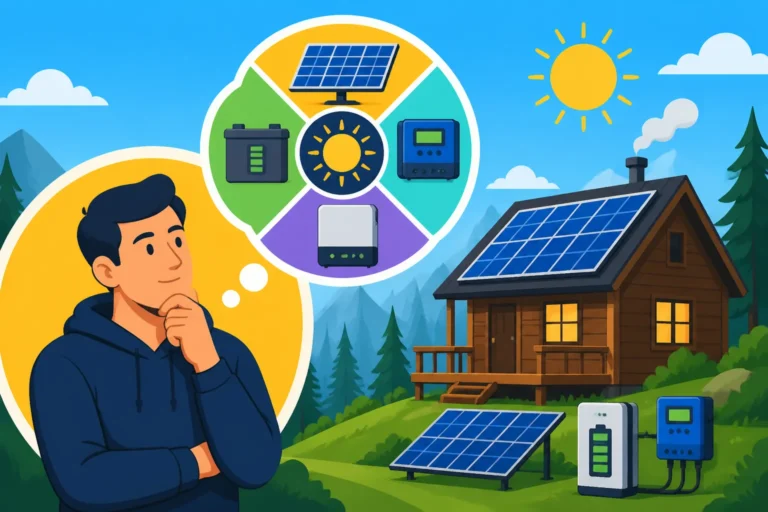
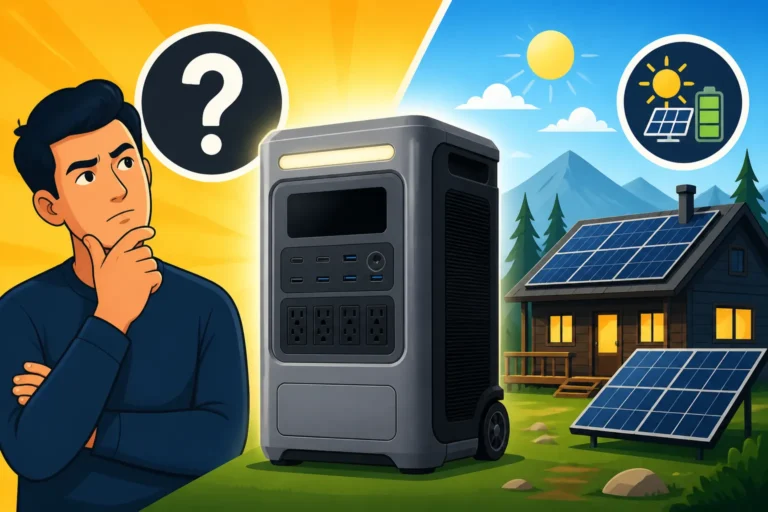
When you're dreaming of escaping the grid, or even just securing your power independence for a cabin, RV, or emergency backup, the sheer complexity of putting together an off-grid solar system can feel overwhelming. Figuring out solar panels, charge controllers, inverters, and battery banks can make your head spin, leaving you wishing for a simpler solution. This comprehensive guide is here to walk you through the specifics of the Bluetti EP500, a robust all-in-one power station, and help you determine if it's the right fit for your off-grid aspirations, cutting through the confusion to help you understand its capabilities and limitations.
Understanding the Bluetti EP500 for Off-Grid Living
Stepping into the world of off-grid power can often mean becoming an accidental electrical engineer, assembling a myriad of components from different manufacturers. This is where units like the Bluetti EP500 come into play, offering a consolidated approach that wraps many essential functions into one tidy package. It’s designed to simplify your journey to energy independence, especially for those who want to avoid the intricate wiring and compatibility concerns of a traditional custom build.
Core Specifications and Features
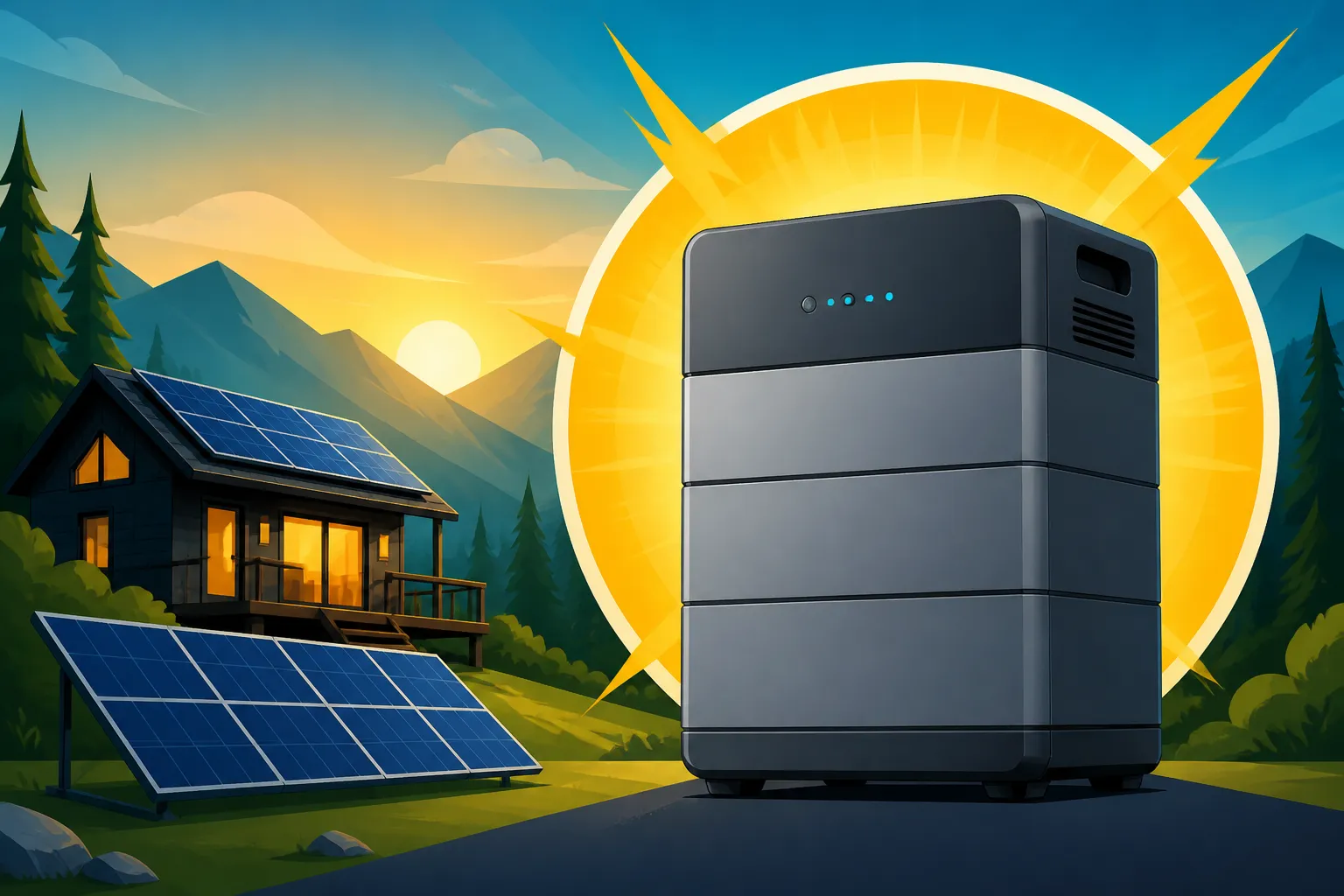
The Bluetti EP500 is not just a glorified power bank; it’s a substantial piece of off-grid equipment designed to handle significant power demands. At its heart lies a massive 5,100 Wh LiFePO4 battery, a chemistry well-regarded in the off-grid community for its long cycle life and safety. This battery powers a pure sine wave inverter capable of delivering 2,000 watts of continuous AC output, with a surge capacity that can temporarily handle higher loads for starting appliances like refrigerators or power tools. Imagine running your essential kitchen appliances, charging your laptops, and keeping the lights on, all without a hiccup.
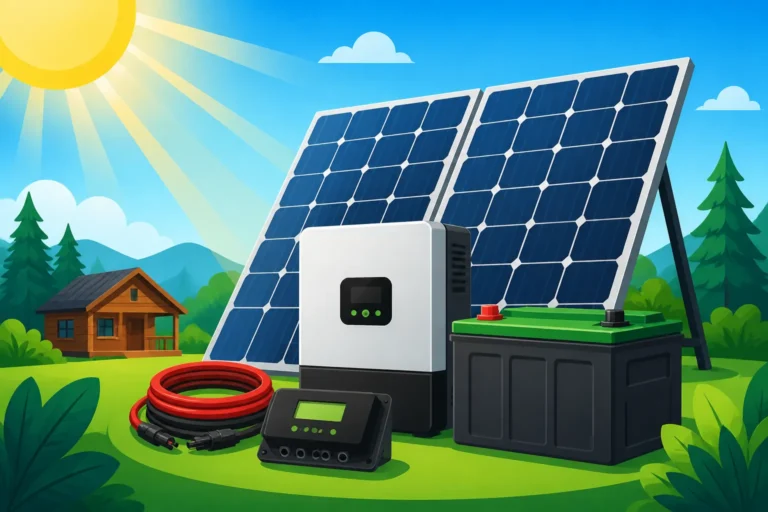
What truly sets the EP500 apart is its integration. It combines the battery storage, a high-efficiency inverter, and an advanced MPPT solar charge controller all within a single, wheeled chassis. This means you don’t need to worry about separately purchasing and wiring these critical components. The unit supports flexible charging options, including solar input (up to 1200W for the EP500, or 2400W for the EP500 Pro model), AC wall charging, and even car charging. This versatility is a huge advantage for remote living, where different power sources might be available at various times. The system's ability to act as a UPS (Uninterruptible Power Supply) is also a game-changer for cabins or RVs that might occasionally connect to shore power but want seamless backup in case of an outage.
Integrated Design Versus Component Systems
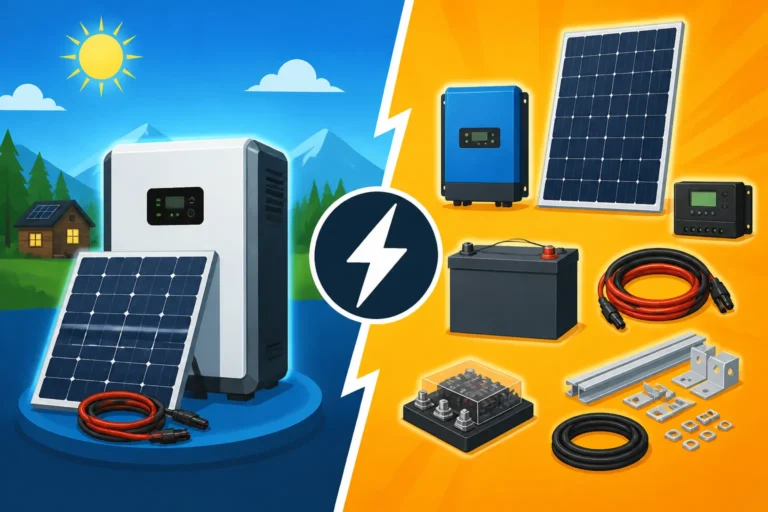
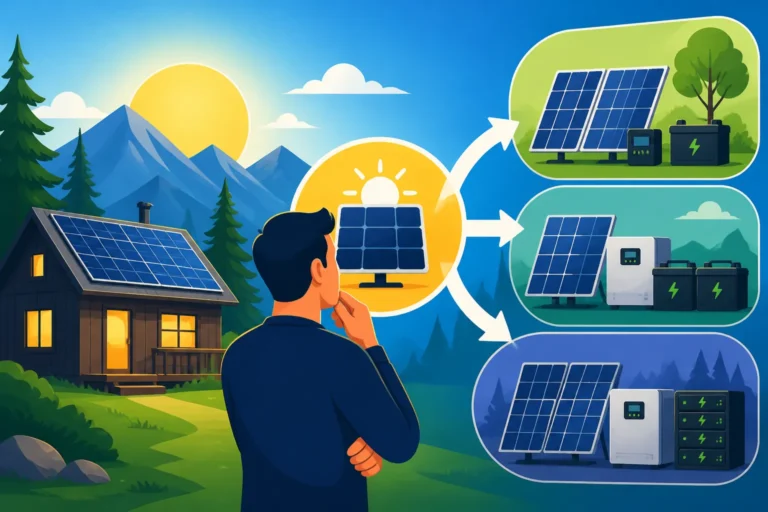
One of the biggest struggles off-gridders face is deciding whether to go with a pre-packaged solution or to meticulously select individual components to build a custom system. The Bluetti EP500 falls firmly into the pre-packaged category, and for many, this is a blessing. When you opt for a DIY setup, you’re responsible for everything from selecting compatible solar panels to wiring an off-grid solar system, ensuring the correct gauge wires, installing fuses and breakers, and programming charge controllers. It's a steep learning curve, and mistakes can be costly or even dangerous.
With an integrated unit like the EP500, much of that complexity is removed. The internal components are pre-matched and professionally assembled, minimizing the chances of compatibility issues. This makes it an incredibly appealing option for beginners or those who simply don’t have the time or expertise for a full-scale installation. Think of it as a plug-and-play solution, where you primarily need to connect your solar panels and then plug in your appliances. While a custom build might offer more granular control and potential for endless expansion, the EP500 provides a robust, reliable, and significantly simpler path to getting your off-grid power up and running. If you're looking for an easy entry point, or prefer not to become an expert on every single component, the integrated design is a huge stress reliever.
Pros and Cons for Off-Grid Lifestyles
Choosing an off-grid power solution means weighing convenience against capacity and cost. The Bluetti EP500 comes with its own set of distinct advantages that cater to a certain segment of the off-grid community, while also presenting some limitations that potential users need to be realistic about.
Advantages for Convenience and Portability
The most striking advantage of the Bluetti EP500 for off-grid applications is its incredible ease of use. Setting it up is largely a matter of plugging things in – connect your solar panels (using standard MC4 connectors, no complex wiring needed!), and you're good to go. This "plug-and-play" simplicity drastically reduces the learning curve and eliminates much of the intimidating electrical work associated with traditional off-grid installations. For someone who wants to power their remote cabin without hiring an electrician or spending weeks studying wiring diagrams, this is a huge win. The time savings alone can be immense.
Furthermore, while it's a hefty unit at over 160 pounds, the integrated wheels and handle mean it has a degree of portability that a full-blown, fixed off-grid system simply doesn't. You can move it around your property, wheel it into a shed for secure storage, or even transport it between different locations like a primary residence and a weekend retreat. This flexibility is particularly useful for scenarios where a permanent installation isn't feasible or desired, such as for temporary shelters, construction sites, or glamping setups. The EP500 is also fairly quiet in operation compared to a noisy gas generator, a huge benefit for maintaining peace and quiet in an off-grid environment. Its ability to handle diverse loads, from sensitive electronics to power tools, without a complex web of inverters and converters, truly makes it a versatile central hub.
Limitations and Real-World Considerations
No power solution is perfect, and the Bluetti EP500 has its limitations, particularly when scaled up to larger off-grid needs. The continuous power output of 2,000 watts, while respectable, might not be sufficient for simultaneous heavy appliance use, especially if you're trying to run an air conditioner alongside a microwave and a well pump. For example, running an air conditioner on off-grid solar often requires a much larger inverter and battery bank. If your energy demands frequently exceed this threshold, you could find yourself constantly managing your loads, which can be frustrating.
The large internal battery capacity of 5,100Wh is impressive, but for true year-round off-grid living in a larger home, you might quickly realize that even this is merely a starting point. Larger homes often require significantly more storage, often into the tens of kilowatt-hours (kWh). Expanding the EP500's battery capacity isn't as straightforward as simply adding more individual batteries; you're limited by what the unit can connect to, which typically involves pairing it with another EP500 or specific expansion batteries. This can make Cost of expanding an off-grid system a very specific consideration with these integrated units.
Another factor is the price point. While it offers immense convenience, the initial investment for an EP500 can be higher than piecing together a comparable entry-level DIY system, especially if you're willing to source budget-friendly components. While it certainly reduces off-grid solar installation cost by eliminating labor, the upfront expense can be a hurdle. Also, while very durable, if a single component within the integrated unit fails (e.g., the inverter), the entire unit often needs servicing or replacement, as opposed to a modular system where you could simply swap out the faulty part. These are the kinds of real-world trade-offs you need to consider carefully.
Comparing the EP500 to Other Off-Grid Solutions
When you're trying to figure out how to choose an off-grid solar system, it's never just about one product; it's about finding the right tool for your specific job. The Bluetti EP500 occupies a unique niche, bridging the gap between small portable power stations and full-blown custom-built off-grid systems. Understanding where it fits will help you make an informed decision.
EP500 Versus DIY Component Builds
The most significant comparison for the Bluetti EP500 is against a traditional DIY off-grid setup. A typical custom system involves separately purchasing solar panels, a charge controller, an inverter, and a battery bank. For instance, you might choose specific Best Off-Grid Solar Batteries like server-rack LiFePO4 modules, pair them with a robust Victron or Sol-Ark inverter, and integrate a high-capacity MPPT charge controller. The beauty of a DIY build is the complete customization. You can perfectly tailor your system to your exact needs, scaling it up or down, and choosing components based on specific performance criteria, brand loyalty, or budget constraints. This approach can potentially be more cost-effective per watt-hour, especially for larger installations, and offers greater flexibility for future expansion or repairs by swapping out individual parts.
However, this flexibility comes at a cost of complexity. You need a solid understanding of electrical principles, wiring diagrams, and safety protocols. You're responsible for selecting compatible components, calculating wire gauges, installing all the necessary breakers and fuses, and securely mounting everything. This can be daunting, and if done incorrectly, dangerous. The EP500 bypasses all this complexity. It's pre-engineered, pre-wired, and comes ready to go. While you might lose some flexibility in terms of component choice or ultimate scalability for a massive homestead, you gain immense peace of mind and drastically reduce installation time and effort. For many, the value of simplicity far outweighs the theoretical benefits of a custom build they might not have the skills or time to implement.
EP500 Versus Smaller Portable Power Stations
On the other end of the spectrum, the Bluetti EP500 stands in stark contrast to smaller portable power stations, sometimes referred to as "solar generators." Brands like Jackery offer excellent portable solutions, such as their Jackery Explorer series, which are fantastic for camping, tailgating, or powering a few small devices during a power outage. These units are typically much lighter, often weighing under 50 pounds, with capacities ranging from a few hundred watt-hours up to 2-3 kWh. They are designed for grab-and-go convenience, making them ideal for truly mobile applications like van life or a quick weekend trip.
The EP500, with its 5.1 kWh capacity and 2000W inverter, is in a different league entirely. It's built for more sustained, semi-permanent power needs. While a Jackery unit might keep your laptop charged and run a portable fan for a few hours, the EP500 can handle a refrigerator, lights, multiple electronics, and even some power tools concurrently for extended periods. It bridges the gap between those smaller, more recreational power stations and a fixed, multi-component home system. Think of it this way: a Jackery Explorer is your trusty daypack, great for quick excursions; the Bluetti EP500 is your sturdy travel suitcase, capable of supporting a longer, more comfortable stay off-grid, but still movable when needed. The sheer scale of power output and storage makes the EP500 more suited for what you might consider a Best Off-Grid Solar Kit for a Tiny Home or a comprehensive Best Off-Grid Solar Kit for a Cabin.
Here's a quick comparison of typical portable power solutions:
| Feature | Small Portable Power Station (e.g., Jackery 1000) | Bluetti EP500 | Traditional DIY Off-Grid System |
|---|---|---|---|
| Battery Capacity | 500-1500Wh | 5100Wh | Highly variable, 5kWh to 50kWh+ |
| AC Output Power | 1000-2000W continuous | 2000W | Highly variable, 2kW to 15kW+ |
| Weight | 20-50 lbs | 167 lbs | N/A (fixed components) |
| Portability | Highly portable, grab-and-go | Wheeled, semi-portable | Minimal to none (fixed) |
| Installation | Plug and Play | Plug and Play (solar connection) | Complex, professional install often advised |
| Expandability | Limited to none (some units have expansion batteries) | Limited to specific Bluetti expansion batteries | High, modular |
| Ideal Use | Camping, emergencies, small electronics, van life | RVs, cabins, workshops, home backup, small off-grid homes | Permanent homes, large loads, full energy independence |
Practical Applications and What It Can Power
Understanding the technical specifications of the Bluetti EP500 is one thing, but translating those numbers into real-world scenarios is what truly helps you decide if it fits your off-grid vision. What exactly can this powerhouse do for you in a remote setting?
Scenarios Where the EP500 Shines
The Bluetti EP500 really shines in specific off-grid scenarios where its balance of substantial power, integrated design, and semi-portability are precisely what’s needed.
- Remote Cabins and Tiny Homes: If you have a weekend cabin or a small, permanent tiny home that doesn't require massive power draws for continuous air conditioning or electric heating, the EP500 can be your primary power source. It can easily run a small refrigerator, LED lighting, charging for phones and laptops, a TV, and even a microwave for short periods. Its all-in-one nature means you bypass the complexity of a full Off-Grid Solar System Design Basics, making it quicker to get power to your living space. You can often set it up in an afternoon with a few solar panels and have power by evening.
- RV and Van Life (stationary or semi-permanent): While 160 pounds is heavy for constant relocation, for RVs or vans that are often parked for extended periods in remote locations, the EP500 offers a robust energy solution. It can comfortably power all your interior lights, a 12V fridge (via DC output), water pump, fan, and charging stations. If you’re considering Off-Grid Solar Cost for a Van or an RV, this unit can be a significant chunk of your system, reducing the need for separate components. It's particularly useful for those who want to avoid cutting holes and running extensive wiring throughout their vehicle.
- Workshops and Garages: Do you have a remote workshop or a detached garage where you need reliable power for tools and lighting? The EP500’s 2000W inverter can handle many common power tools, allowing you to run saws, drills, and grinders without needing to fire up a noisy gas generator. This is fantastic for those hobbyists or craftspeople whose creativity isn’t constrained by utility poles.
- Emergency Backup: Even if you're not fully off-grid, the EP500 serves as a formidable home backup solution. During a grid outage, it can seamlessly take over critical loads, keeping your refrigerator cold, running a medical device like a CPAP machine, and providing essential lighting and communication. This can offer immense peace of mind when the grid inevitably goes down, ensuring your family stays safe and comfortable.
When You Might Need More Power
Despite its impressive capabilities, there are certain situations where the Bluetti EP500 might simply not be enough. Being realistic about your power needs is crucial when planning your off-grid journey.
- Year-Round, Full-Sized Home Living: If your goal is to power a conventional, full-sized home year-round, especially one with multiple occupants and standard appliances, the EP500 will likely fall short. Appliances like electric stoves, electric water heaters, central air conditioning, or even multiple high-demand well pumps will quickly overwhelm its 2000W continuous output and drain its 5.1 kWh battery bank in a matter of hours. For these kinds of demands, you're looking at a much larger, custom-designed system, potentially in the 10kW+ inverter range with 20-50 kWh or more of battery storage. This is where topics like How to size an off-grid solar system and Off-Grid Solar Cost by System Size become incredibly important, often leading to professional installations.
- Heavy Continuous Loads: Any scenario requiring continuous high power draws will push the EP500 beyond its limits. For example, if you plan to run a full-sized electric oven for baking, or simultaneously operate a large air compressor and a welding machine, you'll need a system with a significantly higher inverter capacity. Even running a single large appliance like a washing machine or an electric dryer needs careful planning and may exceed the EP500's capacity, or quickly deplete its battery.
- Long Periods of Low Sunlight: While the EP500 can be charged via solar, its capacity for days of autonomy (running purely on battery without solar input) is limited by its 5.1 kWh battery. If you live in an area prone to long stretches of cloudy weather, especially during winter months, and don't have alternative charging methods (like a robust generator backup), you could find yourself without power. A larger, more complex system would typically incorporate more solar panels and a significantly larger battery bank to account for these "dark days," or integrate an automatic generator start for seamless backup power. Understanding How to account for cloudy days is critical for reliable off-grid power.
Ultimately, the Bluetti EP500 is a fantastic solution for moderate off-grid power needs, offering simplicity and reliability in one package. It’s an excellent choice for many, but always compare its capabilities to your specific, long-term power consumption.
Disclaimer
The information provided in this guide is for general informational purposes only and does not constitute professional advice. Off-grid solar system design and installation can be complex and involve electrical hazards. Always consult with qualified professionals and adhere to local codes and regulations when planning or implementing any solar power system.