Should You Buy the Goal Zero Yeti for Off-Grid
Stepping into the world of off-grid living can feel like deciphering a secret code, especially when you're trying to figure out if a popular piece of gear like the Goal Zero Yeti is truly the right fit for your unique power needs. Many folks get caught up in the hype of an all-in-one portable power station, only to realize later that "off-grid" means something different to everyone. This guide aims to cut through the confusion and give you a realistic look at whether a Goal Zero Yeti can genuinely power your off-grid dreams, or if you might be better served by a different approach.
Understanding What "Off-Grid" Really Means for a Portable Power Station
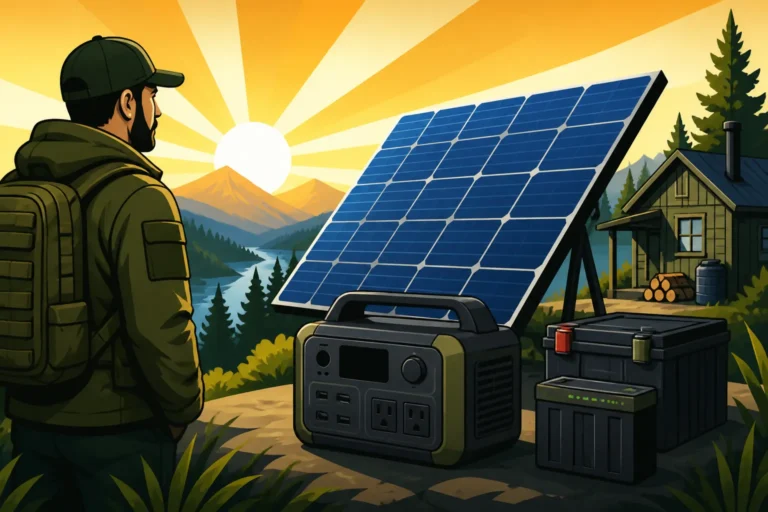
When we talk about "off-grid," it’s a spectrum, not a single destination. For some, it means living completely independent from the utility company in a remote cabin. For others, it’s about having reliable power for their RV adventures, or just enough juice to keep essential devices running during a weekend camping trip. A portable power station like the Goal Zero Yeti absolutely has its place, but it's crucial to understand its limitations in different off-grid contexts.
Distinguishing Between Backup, Portable, and True Off-Grid Power
Let’s break down the distinctions, because they matter significantly when considering a Goal Zero Yeti.
- Backup Power: This is where devices like the Yeti truly shine. Imagine a stormy night in Vermont and the grid goes down. Having a fully charged Yeti allows you to keep your refrigerator running for a few hours, charge your phone, and power a few lights. It’s about having a ready-to-go solution for emergencies, providing temporary relief until grid power returns. It’s convenient, requires no installation, and offers peace of mind. Many people find a small portable power station perfect for Off-Grid Solar for Emergency Preparedness.
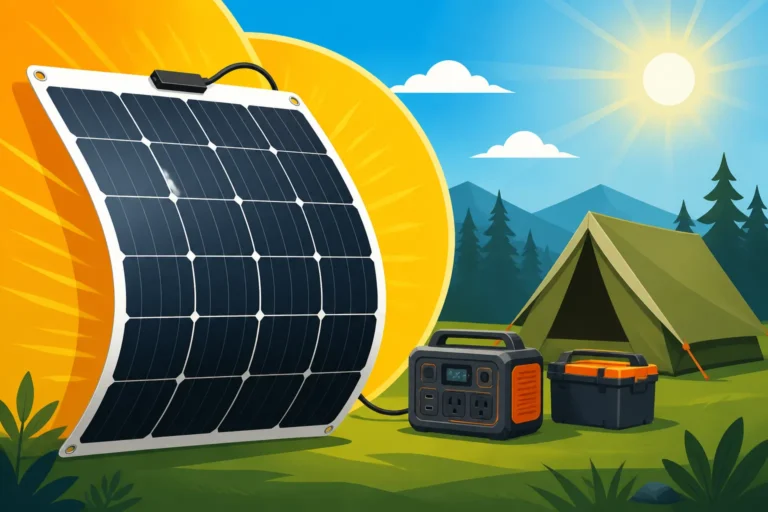
- Portable Power: If you’re heading out for a weekend camping trip to the Adirondacks, spending a few days at a remote hunting cabin, or even working outdoors where outlets are scarce, a Goal Zero Yeti is an excellent choice. It's designed to be easily moved, tossed in the back of a truck, and deployed quickly. You can power your laptop, drone, camera gear, and even run a small fridge for a short duration. The emphasis here is on mobility and ease of use for intermittent power needs.
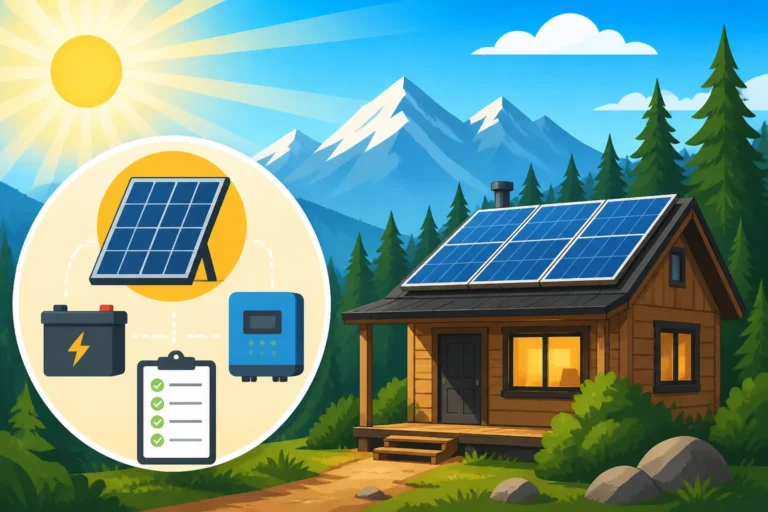
- True Off-Grid Power: This is where the waters get a little murkier for portable power stations. When someone says they're living "off-grid" in a cabin or a full-time RV, they typically mean a comprehensive system designed for continuous, reliable power for all their daily needs – lights, water pumps, refrigerators, heating/cooling, and all their regular appliances. This usually involves a dedicated solar array, a large battery bank, a robust inverter, and a charge controller, all wired together. While a Yeti can supplement such a system, it's generally not built to be the sole, primary power source for continuous, heavy-duty off-grid living without constant, careful management and potentially multiple units. Trying to run something demanding like Cost to Run An Air Conditioner on Off-Grid Solar off a Yeti for extended periods would likely drain it quickly and stress its components.
The Goal Zero Yeti's Role in a Versatile Power Strategy
So, can a Goal Zero Yeti fit into an off-grid setup? Absolutely, but usually as a part of a larger, more versatile strategy rather than the sole powerhouse for a permanent dwelling. Think of it as a super reliable, easy-to-deploy component in your overall energy toolkit.
For instance, if you have a larger, fixed off-grid solar system at your cabin, a Yeti could be invaluable for powering a remote shed workshop, taking on a fishing trip for small electronics, or serving as a mobile power hub while you're working on a different part of your property. It’s fantastic for those smaller, localized needs that don’t warrant extending your main off-grid system’s wiring. Its simplicity means anyone can use it, which is a huge plus if you have guests or family members who aren't familiar with complex solar setups. It truly shines when you need power away from your main system or as a quick, no-fuss backup.
Deep Dive into Goal Zero Yeti Features for Off-Grid Living
To truly assess if a Goal Zero Yeti is right for you, we need to get into the nitty-gritty of what these units offer. They've evolved significantly over the years, with new models constantly pushing the boundaries of portable power.
Battery Capacity and Output Capabilities
The heart of any portable power station is its battery capacity, measured in watt-hours (Wh), and its ability to deliver power, measured by its inverter's continuous wattage.
- Capacity Range: Goal Zero offers a range of Yeti models, from smaller units like the Yeti 200X (around 200 Wh) up to beasts like the Yeti 6000X (6000 Wh). To put that into perspective, a 200 Wh unit might charge a laptop 2-3 times, while a 6000 Wh unit could power a mid-sized refrigerator for a couple of days or a small cabin's lights and electronics for a significant duration. Understanding How Many Watt-Hours You Use Per Day is critical here. If your daily consumption is 500 Wh, a Yeti 1500X could last you about 3 days without recharging. If it's 3000 Wh, you're looking at half a day.
- Inverter Power: The continuous output wattage of the inverter is just as important. Most Yeti models boast pure sine wave inverters, which means they produce clean, stable electricity safe for all your sensitive electronics, just like grid power. The Yeti 1500X, for example, typically offers a 2000W continuous output, with a 3500W surge capacity. This is enough to run most household appliances, but you'll need to be mindful of starting watts versus running watts, especially for motors. A larger Yeti, like the 6000X, might offer a 2000W or even 3000W continuous output, making it capable of running more demanding tools or appliances simultaneously. However, even with higher outputs, they're not typically designed to run heavy loads like a well pump (Cost to Run A Well Pump on Off-Grid Solar) continuously day in and day out, which would necessitate a much larger, dedicated inverter.
It’s crucial to match the Yeti's capacity and output to your expected load. Overloading it or expecting it to power a full-sized home for weeks on end is a recipe for disappointment and potential equipment damage.
Charging Options and Solar Input Limits
One of the main reasons people consider a portable power station for off-grid use is the ability to recharge it with solar panels. Goal Zero has made this relatively user-friendly, but there are important considerations.
- Input Ports: Goal Zero Yetis typically feature multiple input options. You’ll usually find a standard 8mm charging port, often used for wall charging and smaller solar panels, and a high-power Anderson Powerpole (APP) input for larger solar arrays. This versatility allows you to charge from a car, a wall outlet, or direct solar panels.
- Solar Input Wattage: While convenient, portable power stations often have limits on their maximum solar input wattage. For example, a Yeti 1500X might accept up to 600W of solar input, while a 6000X could handle up to 1200W. This means that even if you have 2000W of solar panels available, the Yeti can only utilize a fraction of that at any given time. This limitation directly impacts recharge times. On a sunny day, a 600W input might recharge a 1500 Wh battery in 2.5 hours, but a 6000 Wh battery at 1200W input would still take 5 hours of perfect sun. Compare this to a dedicated off-grid system where you might have several thousand watts of solar panels feeding a robust MPPT charge controller that can quickly replenish a much larger battery bank. When considering How to Choose an Off-Grid Solar Panels, remember to check the Yeti's maximum input capacity.
- Integrated Charge Controller: Goal Zero units come with integrated MPPT (Maximum Power Point Tracking) charge controllers, which are efficient. However, they are part of a sealed unit. In a component-based system, you could upgrade your charge controller independently, perhaps choosing one with a higher voltage or amperage capacity to handle more panels or different battery types. With a Yeti, you're locked into its internal components.
For prolonged off-grid situations, relying solely on a Yeti's solar input for recharging might leave you underpowered, especially during cloudy weather or short winter days. You might find yourself needing more panels than the Yeti can actually accept, or waiting longer than you'd like for a full charge.
Durability, Portability, and Expandability
These practical aspects are crucial for any off-grid tool, and the Goal Zero Yeti lineup scores well in some areas while being more constrained in others.
- Durability and Design: Goal Zero products are generally known for their robust build quality. They often feature sturdy casings, comfortable handles, and a relatively compact design for their capacity. They’re built to withstand the bumps and knocks of travel, camping, and occasional outdoor use. Many units include built-in displays that provide real-time information on input, output, and battery status, making them very user-friendly. While they're tough, they're not designed to be left permanently exposed to extreme weather conditions like a fixed solar array would be.
- Portability: This is a major selling point. Even the larger Yeti models, while heavy (the 6000X weighs around 100 lbs), are designed with integrated handles or even optional rolling carts for easier transport. They are perfect for taking power with you wherever you go – from your backyard to a remote campsite in Utah. Their "grab-and-go" nature is unmatched by a traditional, component-based off-grid system.
- Expandability: This is where the limitations become more apparent for true off-grid living. Some larger Yeti models offer port expansion modules or external battery connections, allowing you to increase the overall battery capacity. For instance, the Yeti Link Car Charging Kit can connect to lead-acid batteries for charging, and some older models had specific expansion tanks. However, this expandability is usually proprietary and limited to Goal Zero's ecosystem. You can't easily add third-party batteries or a much larger, more powerful inverter down the line as you might with a modular off-grid system. If you realize later that your Off-Grid Solar Cost by System Size needs to be larger, expanding a component system is often more straightforward.
The Pros and Cons of Using a Goal Zero Yeti for Your Off-Grid Needs
Every piece of equipment has its strengths and weaknesses, and the Goal Zero Yeti is no exception. Understanding these can help you make an informed decision for your specific off-grid scenario.
Advantages: Convenience and User-Friendliness
The primary draw of a Goal Zero Yeti is its incredible convenience and ease of use, particularly for those new to off-grid power or who value simplicity above all else.
- Plug-and-Play Simplicity: This is perhaps the biggest advantage. Unlike a traditional off-grid system that requires wiring panels to a charge controller, then to batteries, and finally to an inverter, the Yeti is an all-in-one unit. You plug in your solar panels, and it charges. You plug in your appliances, and they power up. There's no complex electrical knowledge required, no confusing wiring diagrams to follow, and no fear of making a mistake that could damage components or, worse, create a safety hazard. This makes it an ideal solution for beginners or for quick deployment situations.
- Integrated Design: Everything you need is housed in one robust unit: battery, inverter, charge controller, and a variety of output ports (AC, DC, USB-A, USB-C, 12V). This means less clutter, fewer cables, and a smaller footprint compared to separate components. You don't have to worry about individual component compatibility or choosing between MPPT vs PWM Charge Controllers or Pure Sine Wave vs Modified Sine Wave Inverters – it's all handled for you.
- Portability for Diverse Needs: As discussed, the ability to grab your power station and move it from a remote job site to your camping tent, or from your garage during an outage to your RV, is incredibly valuable. It's truly power on the go, ready for almost anything that doesn't require permanent installation.
- Quiet Operation: Unlike noisy gas generators, the Yeti operates silently, which is a massive benefit for quiet enjoyment in nature or during a power outage at home. The only sound you might hear is a cooling fan kicking on during heavy loads or charging.
Disadvantages: Cost, Scalability, and Long-Term Value
While the convenience is undeniable, the integrated nature of the Goal Zero Yeti comes with some trade-offs, especially when viewed through the lens of long-term, comprehensive off-grid living.
- Higher Cost Per Watt-Hour: Generally, portable power stations like the Goal Zero Yeti or a comparable Jackery 2000 Plus for Off-Grid: Specs and Review tend to have a higher upfront cost per watt-hour of battery capacity compared to building a custom off-grid system from individual components. For example, a 6000 Wh Goal Zero Yeti can run several thousand dollars. You could often purchase separate components (LiFePO4 batteries, a separate inverter, and a charge controller) with similar or even greater capacity and output for less, especially if you're willing to do some of the work yourself. The cost difference between DIY vs Professional Off-Grid Solar Cost is significant.
- Limited Scalability and Customization: As mentioned, expandability is limited. If you find your power needs grow substantially over time, you can't easily add more battery capacity or upgrade to a higher-powered inverter without buying an entirely new, larger unit or a specific, proprietary expansion pack. In a component-based system, you can add more solar panels, expand your battery bank by adding more batteries of the same type (e.g., Best 100Ah LiFePO4 Battery), or upgrade your inverter to a more powerful model independently, creating a truly modular and future-proof setup.
- Repairability and Component Replacement: If a component fails within a Goal Zero Yeti (e.g., the inverter, the charge controller, or the battery management system), it often means sending the entire unit in for service or replacement. With a modular system, if your inverter dies, you simply replace the inverter, not the entire power system. This can impact the long-term cost of ownership and reliability in a true off-grid scenario where quick repairs are paramount. Off-Grid Solar Maintenance Costs can be higher for integrated units if a major component fails.
- Not Designed for Continuous Heavy Loads: While powerful, these units are typically not designed for the sustained, heavy loads that a full off-grid home might demand, such as running an electric hot water heater (Cost to Run A Water Heater on Off-Grid Solar) or a large central air conditioner for hours on end. Their internal cooling systems and battery chemistry, while excellent for portable applications, might not handle the same continuous strain as a permanently installed, robust off-grid inverter and battery bank designed for such use.
Alternative Off-Grid Power Solutions to Consider
If the Goal Zero Yeti doesn't perfectly align with your off-grid vision, or if you're looking for different features, there are other fantastic options to explore. The "best" solution really depends on your specific use case, budget, and comfort level with DIY projects.
Component-Based Off-Grid Systems
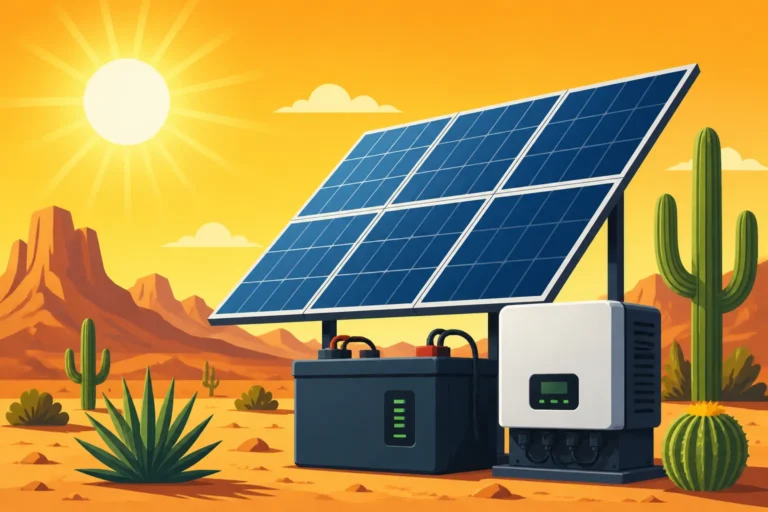
For anyone serious about long-term, high-demand, or scalable off-grid living, a custom-built, component-based system is usually the gold standard. This involves sourcing individual parts and assembling them into a cohesive power solution.
- Dedicated Solar Panels: You choose the number and wattage of panels based on your energy needs and available sunlight, often in the hundreds or thousands of watts. Brands like Renogy and Rich Solar offer excellent options. You can learn more about how many panels you need in our guide on How Many Solar Panels for Off-Grid Living.
- Charge Controller: This crucial device regulates the power flowing from your solar panels to your batteries. You'd select a high-quality MPPT charge controller that matches your solar array's voltage and current output. Brands like Victron Energy are highly respected in this space.
- Battery Bank: This is where you store your energy. For serious off-grid use, LiFePO4 (Lithium Iron Phosphate) batteries are often preferred for their long lifespan, high efficiency, and deep discharge capabilities, although lead-acid options like AGM are also available for different budgets. You could explore How to Build a DIY Battery Bank for more insight. The total capacity would be determined by your daily usage and desired "days of autonomy" (how long you can run without sun).
- Inverter: This converts the DC power from your batteries into usable AC power for your household appliances. You'd choose an inverter with enough continuous wattage and surge capacity to handle all your planned loads, including any high-start-up devices. Victron and Sol-Ark offer top-tier inverters for robust systems.
- Balance of System (BOS) Components: This includes all the necessary wiring, fuses, breakers, disconnects, and mounting hardware to ensure a safe and compliant system.
Why go this route?
- Ultimate Scalability: Start small and grow your system over time by adding more panels, batteries, or even a second inverter.
- Customization: Design a system perfectly tailored to your exact power consumption, climate, and site specifics.
- Repairability: If one component fails, it can be replaced individually, often at a lower cost than replacing an entire integrated unit.
- Cost-Effectiveness (Long-Term): While the initial learning curve and installation might seem daunting, the long-term cost per watt-hour and overall lifespan often make component systems more economical for permanent setups. For a complete overview, check out The Complete Off-Grid Solar Buyer's Guide.
Other Portable Power Stations and Solar Generators
The market for all-in-one portable power stations has exploded, and Goal Zero is just one of many excellent players. Other reputable brands offer similar products, often with slightly different feature sets, price points, or battery chemistries that might appeal to you.
- EcoFlow: Brands like EcoFlow (e.g., Delta series, Power Kits) are fierce competitors, often offering incredibly fast charging speeds, larger capacities, and robust app control. They are another strong contender for Best Solar Generators for Off-Grid Use and offer similar plug-and-play convenience.
- Bluetti: Bluetti also has a wide range of portable power stations, from smaller units to massive home backup systems like the EP500, which can rival some entry-level component systems in terms of capacity and output.
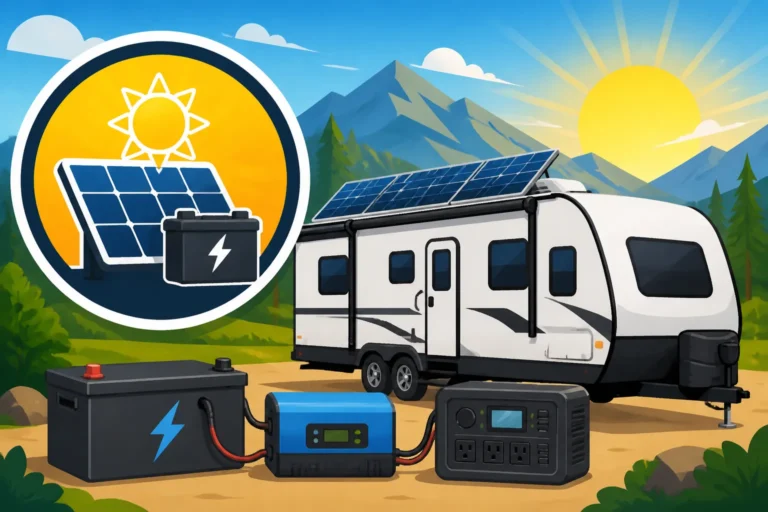
- Jackery: A brand like Jackery is another excellent choice in this category, known for its strong focus on portability and ease of use, often with a slightly more budget-friendly entry point than Goal Zero for similar capacities. Jackery units, much like Goal Zero, are fantastic for RVs, camping, and occasional backup power. They offer a range of sizes and solar panel bundles, making them a very accessible option for many. For instance, a Jackery Explorer 1000 or 1500 could be a direct alternative to a mid-range Goal Zero Yeti for powering smaller cabins, vans, or for tailgating. If you're comparing specifications, you'll find that both Jackery and Goal Zero prioritize user experience, integrated design, and reliable performance for similar use cases. Choosing between them often comes down to specific port configurations, maximum solar input, or brand preference.
When evaluating these alternatives, consider:
- Battery Chemistry: While most now use LiFePO4 for better longevity, some older or budget models might still use NMC.
- Max Solar Input: How quickly can it recharge from the sun? This is a critical factor for off-grid scenarios.
- Inverter Size: Does it have enough continuous and surge wattage for your most power-hungry appliance?
- Output Ports: Does it have all the AC, DC, and USB ports you need?
- Price per Wh: How does the cost compare to other units of similar capacity and output?
| Feature / System Type | Goal Zero Yeti (e.g., 1500X) | Basic DIY Component System | Jackery Portable Power Station (e.g., 1500) |
|---|---|---|---|
| Primary Use Case | Portable, backup, light off-grid | Permanent, scalable off-grid | Portable, backup, light off-grid |
| Battery Capacity (Wh) | 1500 (ranges 200-6000) | 2000-5000+ (customizable) | 1500 (ranges 240-3000+) |
| Continuous AC Output | 2000W (varies by model) | 3000W-8000W+ (customizable) | 1800W (varies by model) |
| Max Solar Input | ~600W (varies by model) | 1000W-5000W+ (customizable) | ~500W (varies by model) |
| Scalability | Limited, proprietary expansion | Highly scalable, modular | Limited, proprietary expansion |
| Installation | Plug-and-play, no install | Requires wiring, electrical knowledge | Plug-and-play, no install |
| Repairability | Unit replacement/service | Component-level replacement | Unit replacement/service |
| Cost per Wh | Higher | Lower (DIY) | Moderate to Higher |
| Best For | Camping, RV, emergency backup, mobile power | Full-time off-grid homes, workshops | Camping, RV, emergency backup, mobile power |
Final Verdict: Is the Goal Zero Yeti Right for Your Off-Grid Journey?
So, should you buy a Goal Zero Yeti for off-grid use? The answer isn't a simple yes or no; it truly depends on what "off-grid" means to you and what your specific power needs entail.
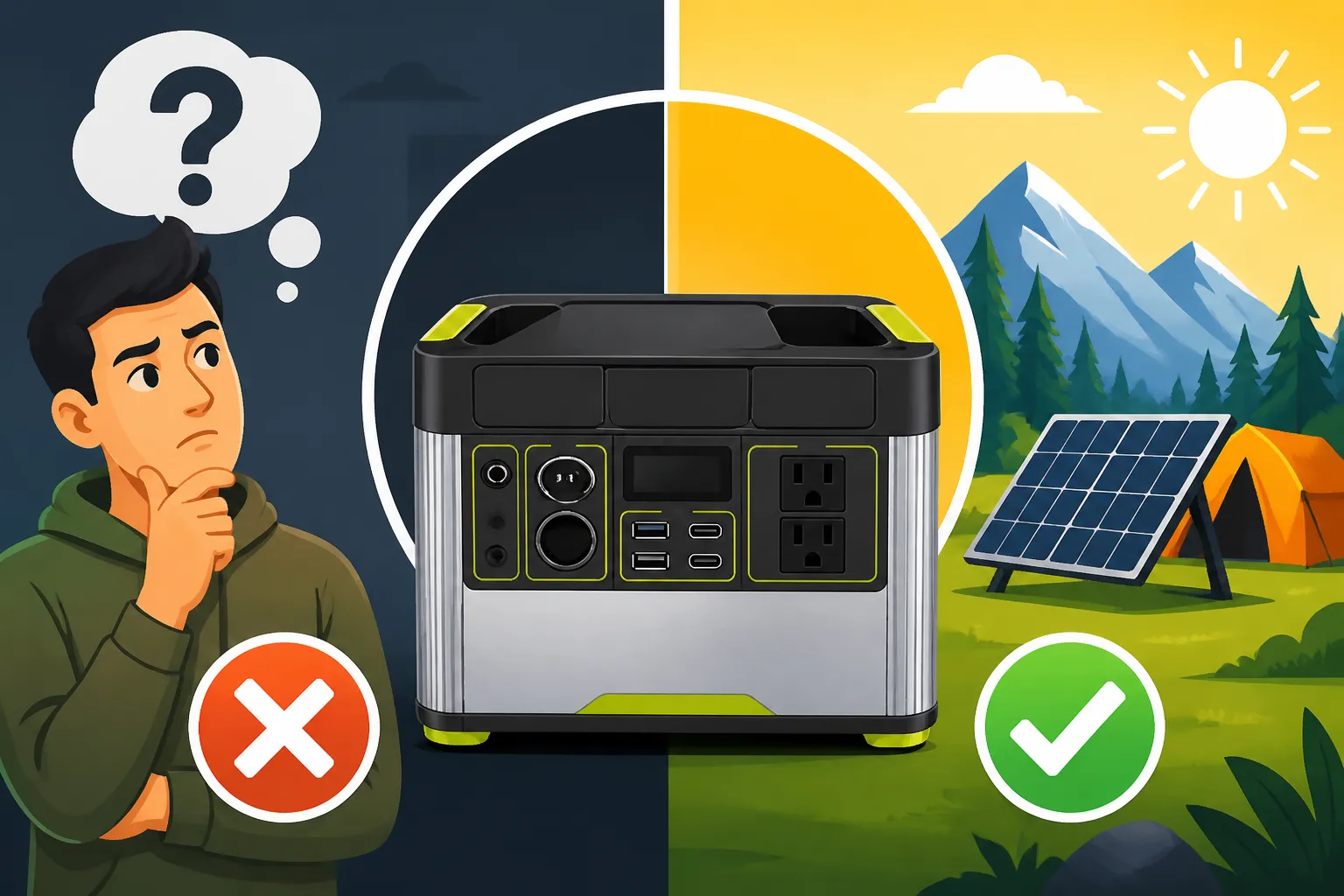
If your off-grid dreams involve weekend getaways, remote work sessions, powering small appliances in a shed, providing reliable backup during power outages, or simply having a convenient, grab-and-go power source for various adventures, then a Goal Zero Yeti is an excellent, top-tier choice. Its user-friendliness, integrated design, and robust build make it incredibly appealing for those who value simplicity and portability. It’s perfect for temporary reliance or supplementary power. You might find it ideal for your Off-Grid Solar Cost for a Hunting Cabin or a basic Off-Grid Solar Cost for a Shed.
However, if your vision of off-grid living is about permanent, self-sufficient independence for a full-sized home, demanding continuous power for major appliances like a washing machine (Cost to Run A Washing Machine on Off-Grid Solar), a well pump, or a mini-split air conditioner, then a Goal Zero Yeti, even the largest models, is likely not your primary solution. For those scenarios, a custom-built, component-based off-grid system will offer superior scalability, long-term cost-effectiveness, repairability, and the sheer power capacity needed for true sustained off-grid living.
Ultimately, the Goal Zero Yeti holds a fantastic niche in the off-grid world. It’s an empowering tool for specific applications, bridging the gap between small, personal power banks and complex whole-home systems. Just be realistic about its capabilities and align them with your version of off-grid life to ensure it’s the right investment for you.
Disclaimer
This article is for general informational purposes only and does not constitute professional advice. Laws, prices and regulations vary by location and change over time. Consult a qualified professional for guidance on your specific situation.