Best Off-Grid Kit for Full-Time RV Living
One of the biggest dreams for full-time RVers is the freedom of truly being off-grid, unburdened by the constant search for electrical hookups or the droning noise of a generator. It’s frustrating to feel tethered, to have your adventures dictated by campsite availability and shore power. This comprehensive guide will walk you through everything you need to know to choose and build the best off-grid solar kit for your full-time RV living, empowering you with silent, reliable power wherever your journey takes you.
Understanding the Unique Power Needs of Full-Time RV Living
Diving into off-grid solar for your RV isn't just about slapping some panels on the roof and calling it a day. Full-time RV living presents a unique set of power demands that differ significantly from weekend warrior trips or even stationary off-grid homes. You're constantly on the move, facing varied weather, and relying on your system for all your daily comforts. It's about designing a resilient system that can handle your lifestyle, not just a temporary fix.
Daily Energy Consumption for RV Appliances
The first, and arguably most critical, step in designing any off-grid system is to perform a thorough load analysis. This means really understanding what appliances you use, how often, and for how long. It's not enough to just know you have a microwave; you need to know its wattage and how many minutes a day you actually run it. Think about every single item that draws power, from your coffee maker to your laptop, your ventilation fan, and, of course, that ever-hungry refrigerator.
Start by listing everything. Then, for each item, find its wattage (often on a sticker or in the manual) and estimate your daily usage in hours or minutes. Remember, some items have a high "surge" wattage when they first kick on, like air conditioners or microwaves, which is a crucial factor for inverter sizing. Your refrigerator, while not drawing massive power at once, runs continuously and becomes a significant daily energy consumer. For a truly accurate picture, consider grabbing a Kill-A-Watt meter to measure actual usage over a few days if you can plug your RV in temporarily. This process of identifying your power usage is fundamental, and you can learn more about it in our guide on How to Calculate Daily Energy Usage.
Accounting for Seasonal and Weather Variations
The sun isn't always shining, and the days aren't always long. This is a cold, hard fact of off-grid living, especially in an RV where you might be chasing different climates. A system that works perfectly under the bright Arizona sun in July might struggle immensely during a cloudy week in the Pacific Northwest in November. When sizing your solar array, you absolutely must factor in your typical travel patterns and the solar insolation (peak sun hours) of the regions you frequent during different seasons.
Winter sun is weaker and days are shorter, meaning fewer hours for your panels to generate power. Cloudy or rainy weather can drastically reduce output, sometimes by 50% or more. This means your system needs to be robust enough to handle these dips without leaving you in the dark or constantly firing up a noisy generator. Planning for seasonal variations might mean installing more panels than you think you need for a sunny day, or ensuring your battery bank has enough capacity to carry you through multiple days of low sun. This concept is sometimes referred to as "days of autonomy," which we’ll cover in more detail shortly.
The Importance of "Days of Autonomy"
Days of autonomy refers to how many days your battery bank can power your essential loads without any input from your solar panels or another charging source. For full-time RVers, this isn't just a nice-to-have; it's a critical safety net. Imagine being camped in a remote area, enjoying the solitude, only for a week of unexpected cloudy, rainy weather to roll in. Without sufficient days of autonomy, you're suddenly stressed, scrambling for a charging solution, or worse, out of power.
Most experts recommend at least 2-3 days of autonomy for full-time RV living, and sometimes more if you plan to frequent notoriously cloudy regions or stay stationary for extended periods. This means calculating your total daily energy consumption and then multiplying it by your desired days of autonomy to determine your minimum battery bank size. It’s a crucial buffer that provides peace of mind and genuine freedom, allowing you to truly disconnect without the looming anxiety of a dead battery. Understanding How Many Batteries for an Off-Grid System is key to this calculation.
Key Components of a Robust Off-Grid RV Solar System
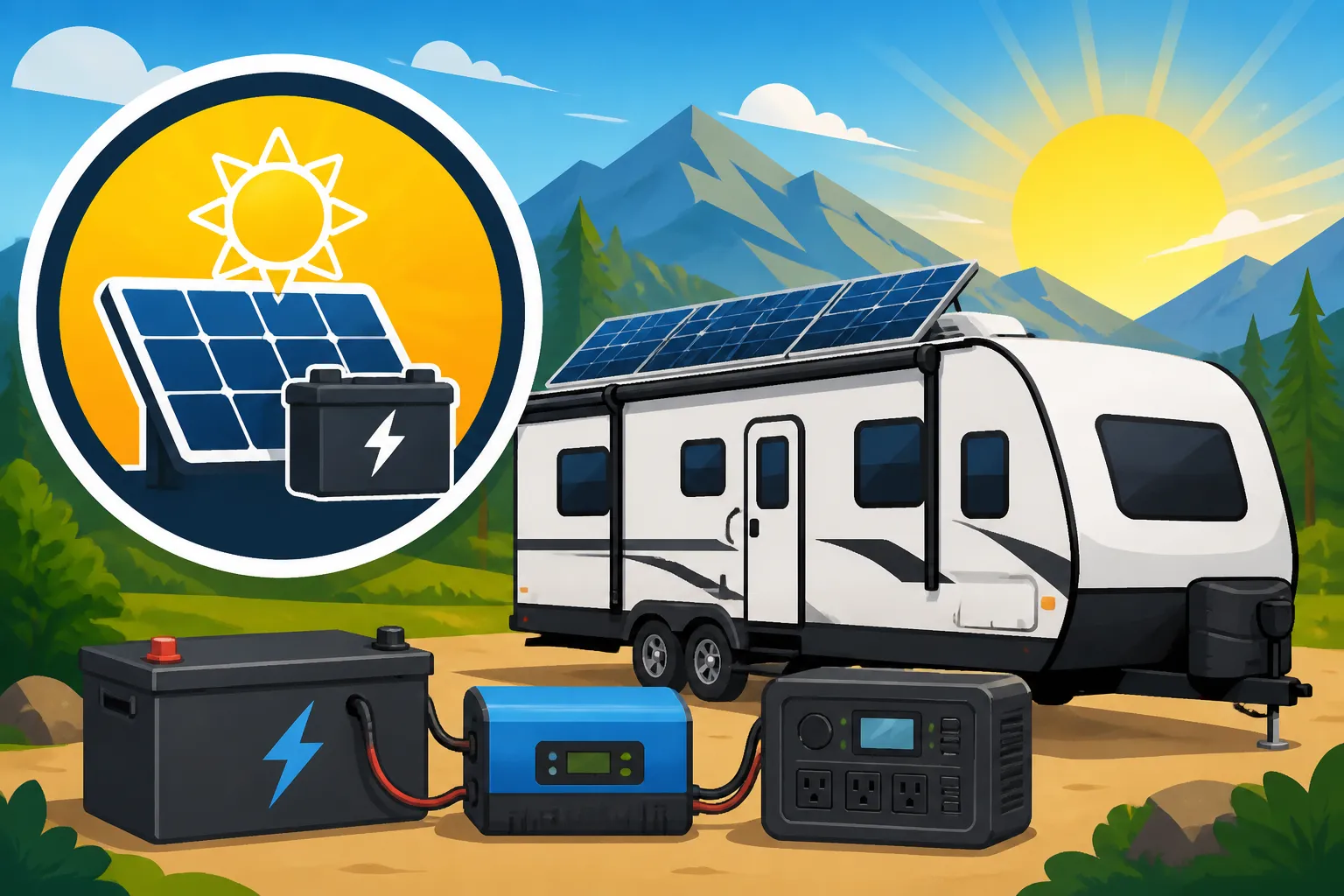
An off-grid RV solar kit isn't just one piece of equipment; it's a carefully orchestrated symphony of components working together to keep your electrons flowing. Each part plays a vital role, and understanding them is crucial to building a reliable and efficient system that truly supports your nomadic lifestyle. Think of it like putting together a puzzle where every piece needs to fit just right.
Solar Panels: Types and Mounting Considerations
The solar panels are your energy gatherers, the workhorses soaking up those precious sunbeams. For RVs, you typically have a few options:
- Rigid Monocrystalline Panels: These are the most common and efficient. They're durable, offer the best power output per square foot, and have a long lifespan. They're ideal for permanent roof mounting, though their weight and rigidity can be a consideration for smaller RV roofs. Brands like Renogy and Rich Solar offer excellent rigid panels suitable for RVs.
- Flexible Solar Panels: Lighter and thinner, these can conform to curved RV roofs or be adhered directly, reducing wind resistance. While appealing for their low profile, they are often less efficient, tend to degrade faster due to heat buildup (especially if not properly ventilated), and can be more expensive per watt. They work best for smaller setups or as supplemental power.
- Portable Solar Panels: These are fantastic for adding extra power, especially when your RV is parked in the shade. They connect easily and can be angled directly at the sun throughout the day for maximum efficiency. Many full-timers carry a portable array in addition to their roof-mounted panels to boost charging on less-than-ideal days.
When it comes to mounting, consider your roof space, aerodynamics, and potential for shading. Many RVers opt for tilt mounts on rigid panels to adjust their angle for optimal sun exposure, especially during shoulder seasons or when stationary for a while. However, these require periodic adjustment. Fixed mounts are simpler but might sacrifice some efficiency. You can explore options like How to Install Roof-Mounted Solar Panels for more specifics.
Battery Banks: LiFePO4 is King for RVs
If panels are the lungs of your system, the battery bank is undeniably the heart. It's where all that solar energy is stored for use when the sun isn't shining. For full-time RV living, the choice of battery chemistry is paramount, and without a doubt, Lithium Iron Phosphate (LiFePO4) batteries have emerged as the reigning champion. While the initial investment might seem higher than traditional lead-acid options, the long-term benefits are undeniable.
Here's why LiFePO4 batteries are the gold standard for RVs:
- Usable Capacity: Unlike lead-acid batteries, which you should only discharge to 50% to prolong their life, LiFePO4 batteries can be safely discharged to 80-100% without significant damage. This means a 100Ah LiFePO4 battery gives you roughly double the usable energy of a 100Ah lead-acid battery.
- Longevity: They boast a significantly longer cycle life (thousands of cycles vs. hundreds for lead-acid), meaning they'll last for many more years, often 10-15 years or more, making their total cost of ownership lower over time.
- Weight Savings: LiFePO4 batteries are substantially lighter than lead-acid, a huge advantage for RVs where every pound matters for fuel efficiency and payload capacity.
- Efficiency: They charge and discharge with much greater efficiency, meaning less energy is lost as heat.
- Maintenance-Free: No watering, no gassing, just reliable power.
- Performance: They deliver consistent voltage throughout their discharge cycle, unlike lead-acid which sags under load.
While options like AGM batteries are a step up from flooded lead-acid, for full-time living, the investment in LiFePO4 pays dividends in performance, convenience, and peace of mind. Brands like Battle Born and EG4 are highly regarded in the RV community for their robust LiFePO4 offerings. Delving into LiFePO4 vs Lead-Acid Batteries for Off-Grid will give you an even deeper understanding of this critical choice.
Inverters and Charge Controllers: The Brains of the Operation
These two components act as the intelligent managers of your off-grid system, ensuring your power flows smoothly and safely.
-
Charge Controller: This is the gatekeeper between your solar panels and your battery bank. Its primary job is to regulate the voltage and current coming from your panels to prevent overcharging your batteries, which can severely damage them. For full-time RV living, a Maximum Power Point Tracking (MPPT) charge controller is almost always the superior choice over a PWM controller. MPPT controllers are significantly more efficient, especially in varying light conditions, extracting up to 10-30% more power from your panels. This extra efficiency is vital when every watt counts. Good brands for MPPT controllers include Victron Energy and Renogy. Knowing How to Choose an Off-Grid Charge Controller can really optimize your system.
-
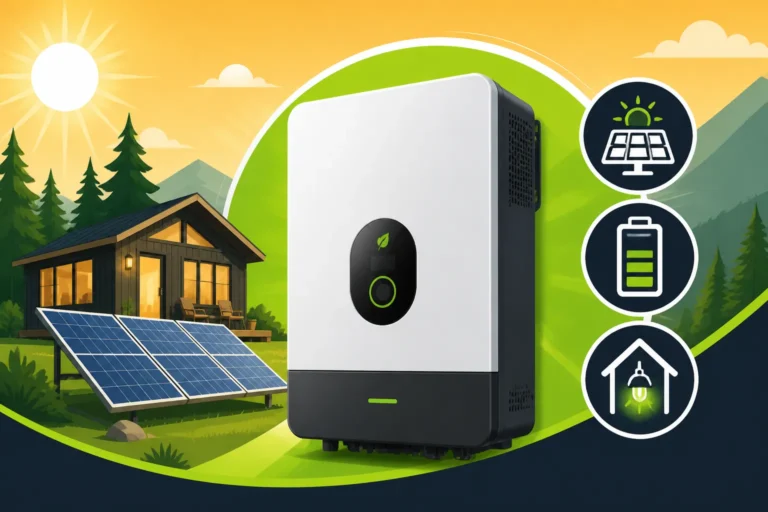
Inverter: Your solar panels and batteries produce DC (Direct Current) power, but most of your RV appliances (microwaves, TVs, coffee makers, AC units) run on AC (Alternating Current). The inverter converts DC power from your batteries into usable AC power. For sensitive electronics and reliable operation, you must choose a pure sine wave inverter. Modified sine wave inverters are cheaper but can damage electronics and cause motors to run inefficiently or noisily. The inverter's wattage rating needs to be able to handle the combined running wattage of all AC appliances you might run simultaneously, plus the surge wattage of your highest-demand appliance. For instance, if you want to run an air conditioner, you’ll need a substantial inverter, perhaps 2000W to 3000W or more. Reliable brands like Victron MultiPlus and Sol-Ark offer robust inverter solutions for RVers, often combined with battery chargers for shore power or generator input. For further reading, check out Best Off-Grid Solar Inverters and Best MPPT Charge Controllers.
Choosing the Right Off-Grid Solar Kit for Your RV
Navigating the world of off-grid solar kits can feel overwhelming with all the options out there. It's not a one-size-fits-all situation, especially for full-time RVers. Your ideal kit will be a blend of your specific power needs, your budget, and how comfortable you are with DIY installation versus a more plug-and-play solution. Let's break down how to make the best choice for your nomadic lifestyle.
Sizing Your Kit: Matching Power Generation to Consumption
This is where all your hard work from the "Daily Energy Consumption" section really pays off. Once you have a clear picture of your total daily watt-hour usage, you can start to accurately size your solar array and battery bank.
-
Battery Bank Sizing: Based on your daily consumption (e.g., 5000 Wh/day) and your desired days of autonomy (e.g., 3 days), you'll need a battery bank capable of storing 15,000 Wh. If you're using 12V LiFePO4 batteries (which are often preferred for RVs due to space constraints, although 24V or 48V systems are more efficient for larger loads), you'd divide 15,000 Wh by 12V to get 1250 Amp-hours (Ah). That’s a significant amount of battery power, typically requiring multiple individual batteries wired together. Remember, usable capacity of LiFePO4 is higher, so that 1250Ah would be usable capacity.
-
Solar Array Sizing: This is slightly more complex because it depends heavily on your "peak sun hours" – the average number of hours per day your panels receive direct, effective sunlight. This varies greatly by location and season. If your average peak sun hours in your most challenging travel areas are, say, 4 hours, and you need to generate 5000 Wh per day, you’d need a minimum of 1250 watts (5000 Wh / 4 hours) of solar panels. It's wise to oversize this a bit to account for less-than-perfect conditions, panel degradation over time, and cloudy days. Many full-timers aim for 20-30% more panel wattage than their bare minimum calculation. Our guide on How Many Solar Panels for Off-Grid Living offers an in-depth look at this calculation.
The goal here is balance. You don't want a massive solar array that charges your small battery bank in an hour, nor a huge battery bank that your tiny solar array can never fully charge.
All-in-One vs. Component-Based Kits
This is a big decision point for RVers, often influenced by budget, technical skill, and desired customization.
-
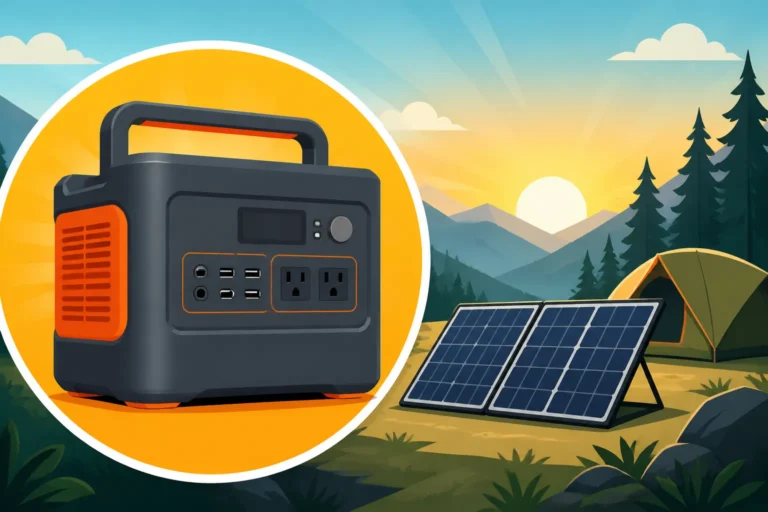
All-in-One Kits (Portable Power Stations / Solar Generators): These are incredibly user-friendly and popular, especially for smaller RVs or as supplemental power. Brands like Jackery, EcoFlow, and Bluetti offer portable power stations that integrate the battery, inverter, and charge controller into a single unit. You simply plug in your solar panels and your appliances.
- Pros: Easy to install, portable, no complex wiring, great for beginners, often include various AC/DC outlets and USB ports. Jackery’s Explorer series, for example, is a fantastic option for adding extra power or for smaller rigs, offering convenience and reliability.
- Cons: Limited expandability, often more expensive per watt-hour than component systems, less customizable, and the all-in-one design means if one component fails, the whole unit might need servicing. They also generally have lower continuous power output and battery capacity compared to robust component systems.
- Best for: Smaller RVs, van life, supplemental power, those who want simplicity and portability.
-
Component-Based Systems: This involves purchasing individual solar panels, a charge controller, an inverter, and batteries separately.
- Pros: Highly customizable, scalable (you can add more panels or batteries later), generally more cost-effective per watt-hour for larger systems, allows for choice of higher-quality, more durable individual components.
- Cons: Requires more technical knowledge for design and installation, more complex wiring, potentially more time-consuming to set up.
- Best for: Larger RVs, full-time living with higher power demands, those with DIY skills or who plan to hire a professional, and anyone seeking maximum flexibility and longevity.
Many full-time RVers even opt for a hybrid approach: a robust, permanent component system as their primary power source, supplemented by a portable solar generator like a Jackery for outdoor use, charging small electronics, or as an emergency backup.
Expandability and Future-Proofing Your Setup
One of the biggest regrets among off-grid RVers is not designing their system with future expansion in mind. Your power needs might grow over time – maybe you add a new appliance, or your family grows. Building in expandability from the start, even if you don't use it immediately, can save you significant time and money down the road.
Consider:
- Oversize Wiring: Install thicker gauge wiring than you initially need from your solar array to your charge controller, and from your battery bank to your inverter. This allows you to add more panels or batteries later without needing to re-wire. You can learn more in How to Size Wire and Cables.
- Modular Battery Bank: Choose batteries that can be easily added in parallel (for more capacity) or series (for higher voltage systems if you decide to upgrade). LiFePO4 batteries are excellent for this.
- Larger Charge Controller: If you think you might double your solar array in a few years, buy a charge controller that can handle the higher amperage from the start. It’s cheaper to buy one larger controller now than to buy a small one and then another large one later.
- Inverter Capacity: While it's hard to future-proof indefinitely, ensure your inverter has some headroom above your initial calculations to accommodate new appliances.
Thinking ahead can prevent costly and inconvenient overhauls. Designing an expandable system means you won't be tearing out half your setup just to add another solar panel or battery. It’s about being prepared for whatever the road, and your evolving power needs, might throw your way.
Top Considerations for Full-Time RV Off-Grid Living
Beyond the technical components, there are several practical realities that full-time RVers face when going off-grid. These considerations can significantly impact the feasibility, cost, and enjoyment of your solar setup. Ignoring them could lead to frustrating bottlenecks or even safety issues.
Space and Weight Limitations
This is perhaps the most unique challenge for RVers compared to stationary off-grid living. Every inch of roof space and every pound added to your rig matters.
- Roof Space: Your RV roof has finite space, often shared with vents, AC units, skylights, and antennas. This limits how many solar panels you can install. When planning your array, literally measure out the available clear space. Remember that panels need to be installed with some airflow underneath and clearance from obstructions to prevent shading. Sometimes, a mix of rigid roof-mounted panels and flexible or portable ground-mounted panels is the most effective solution to maximize your capture area.
- Weight: RVs have a Gross Vehicle Weight Rating (GVWR) and a payload capacity. Heavy components like batteries, even lightweight LiFePO4s, add up quickly. A large LiFePO4 battery bank can still weigh several hundred pounds. Solar panels, mounting hardware, and all the associated wiring contribute to this. You must stay within your RV's weight limits for safety, tire longevity, and legal reasons. Always know your current RV weight and factor in the weight of any new solar components, water, gear, and passengers. This often means making strategic choices – perhaps a smaller, more efficient panel array combined with an optimized battery bank, rather than simply going for the biggest possible system.
Installation Complexity and DIY vs. Professional
Installing an off-grid solar system in an RV, especially for full-time living, is a more involved process than a simple plug-and-play solar generator. It involves electrical wiring, roof penetrations, component mounting, and safety considerations.
- DIY Installation: Many RVers successfully install their own systems. There's a wealth of information online, from videos to forums, and manufacturers often provide detailed instructions. Doing it yourself can save a significant amount on labor costs and gives you intimate knowledge of your system. However, it requires a good understanding of electrical principles (DC and AC), safety protocols, and the willingness to meticulously plan and execute. Mistakes can be costly, dangerous, or both.
- Professional Installation: Hiring a professional RV solar installer or a qualified electrician experienced in off-grid systems ensures the job is done correctly, safely, and up to code. This is a great option if you're not comfortable with electrical work, lack the tools, or simply prefer to have experts handle it. The downside is the cost, which can add thousands to your overall project. However, the peace of mind and warranty on labor can be well worth it.
Regardless of whether you go DIY or professional, understanding the basics of Off-Grid Solar Wiring Diagram Explained and Off-Grid Solar Safety and Grounding is paramount for a successful and safe installation. For those considering DIY, always double-check your work, use appropriate safety gear, and consider having a knowledgeable friend or an electrician review your plans.
Monitoring and Maintenance for Long-Term Reliability
An off-grid solar system isn't a "set it and forget it" kind of deal, especially for full-time RV living where reliability is crucial. Regular monitoring and maintenance are essential to ensure long-term performance and prevent unexpected power outages.
- System Monitoring: Modern charge controllers and inverters often come with Bluetooth or Wi-Fi capabilities, allowing you to monitor your system's performance via an app on your phone or a dedicated display. This includes seeing how much power your panels are generating, your battery's state of charge, current draw, and historical data. A good battery monitor (like those from Victron Energy) gives you even more precise information, including "true" state of charge based on amp-hour counting. Regularly checking these metrics helps you understand your power habits, identify potential issues early, and ensure everything is running optimally.
- Maintenance:
- Panels: Keep your solar panels clean! Dust, dirt, leaves, and bird droppings can significantly reduce efficiency. A simple wash with water and a soft brush every few weeks or months, depending on your environment, goes a long way.
- Connections: Periodically check all electrical connections (panels, batteries, charge controller, inverter) to ensure they are tight and free of corrosion. Loose connections can lead to resistance, heat, and power loss.
- Batteries: While LiFePO4 batteries are largely maintenance-free, ensure they are kept in a well-ventilated space (even though they don't off-gas like lead-acid, good airflow helps with temperature regulation). If you opted for AGM or flooded lead-acid, you'll have specific maintenance tasks, like checking electrolyte levels for flooded batteries.
- Wiring: Inspect cables for any signs of wear, chafing, or damage, especially where they pass through walls or flexible joints.
Proactive monitoring and maintenance are your best friends in off-grid RV living, preventing small issues from becoming big problems and extending the life of your valuable equipment. Our Off-Grid Solar Maintenance Guide can offer more specific tips.
Popular Off-Grid Solar Kits and Brands for RVers
The market for off-grid solar equipment has exploded, offering a fantastic array of options for RVers. From small, portable units perfect for weekend trips to robust systems designed for year-round living, there's something for everyone. Let's look at some common configurations and popular brands that full-time RVers often turn to.
Entry-Level and Mid-Range Kits
These kits are typically designed for those with moderate power needs, looking to run essential appliances and electronics without constantly needing shore power. They often strike a good balance between cost and performance, making them a popular choice for many full-time RVers who don't run heavy AC loads like air conditioners.
- Renogy Starter Kits: Renogy is a very popular brand in the RV solar world, known for offering comprehensive kits that are relatively easy for DIYers to install. Their kits often include monocrystalline solar panels, an MPPT charge controller, wiring, and mounting hardware. For an entry-level full-time setup, you might look at their 400-800 watt kits, which would typically pair with 200-400Ah of LiFePO4 batteries (purchased separately). These are great for powering lights, fans, charging devices, and running a compressor fridge.
- BougeRV Kits: Another brand gaining traction, BougeRV offers competitive solar kits, often featuring flexible or rigid panels. Their kits are generally well-regarded for quality and value, similar to Renogy, providing a solid foundation for a mid-range system.
- Smaller EcoFlow or Bluetti Power Stations: While not traditional "kits," integrated portable power stations like the EcoFlow Delta series or Bluetti AC200MAX are often used as entry-level off-grid solutions. They combine batteries, inverter, and charge controller into a single unit. These are fantastic for van lifers or smaller RVs, offering plug-and-play simplicity to run a fridge, charge laptops, and power lights without complex wiring. However, their capacity and continuous output may be limited for a true "whole RV" experience if you're planning on running high-draw appliances.
For full-time RV living, even entry-level systems usually mean at least 400-800 watts of solar and a substantial LiFePO4 battery bank (200-400Ah at 12V), allowing for a good balance of charging speed and storage.
High-Capacity and Premium Systems
When you're serious about living off-grid in your RV with all the comforts of home – think air conditioning, microwaves, Starlink, washing machines – you're looking at a high-capacity, premium system. These systems typically feature larger solar arrays, robust battery banks, and powerful inverters, often from specialized brands known for their reliability and advanced features.
- Victron Energy Systems: Victron is widely considered a premium brand in the off-grid world, known for its extremely reliable and modular components. A typical high-end Victron RV system might include multiple large solar panels (1000W-2000W+), multiple Victron SmartSolar MPPT charge controllers, a powerful Victron MultiPlus inverter/charger (which also handles shore power and generator input), and a substantial LiFePO4 battery bank (400-800Ah+ at 12V, or even 24V/48V systems for greater efficiency with large loads). Their ecosystem allows for comprehensive monitoring and remote management via their Cerbo GX device and VRM portal. While the initial investment is higher, the quality, longevity, and performance are top-tier.
- Sol-Ark Inverter-Based Systems: Sol-Ark offers powerful all-in-one inverter/charger/charge controllers that are popular for full home off-grid setups, and their smaller units (like the Sol-Ark 5K) are increasingly being used in large RVs. These units simplify wiring and offer immense power and advanced features. Paired with a large solar array and a sizable LiFePO4 battery bank, a Sol-Ark system can power almost any appliance you'd have in a stick-built home.
These premium systems often require careful planning, and sometimes professional installation, due to their complexity and power output. However, they deliver unparalleled independence and comfort for the dedicated full-time RVer. You can delve into specific options further in articles like Best Off-Grid Solar Inverters and Best Lithium Batteries for Off-Grid.
Portable Power Stations as Backup or Supplemental Power
Even with a robust primary off-grid system, portable power stations, often referred to as solar generators, play a valuable role for many full-time RVers. They are fantastic as a backup power source, for running specific appliances away from the main RV system, or for boosting power in a pinch.
- Jackery Portable Power Stations: Jackery is one of the most well-known brands in this space, offering a range of portable power stations like the Jackery Explorer series. These units are compact, relatively lightweight, and incredibly easy to use. You can charge them from solar panels, a wall outlet, or your RV's 12V accessory port.
- Use Cases: Many RVers use a Jackery to power outdoor lights, charge camera gear, run a CPAP machine at night without draining the main RV batteries, or simply as a convenient power source when away from the RV. They're also excellent for emergencies, providing reliable power for communication and essential devices if your main system encounters an issue.
- Advantages: Portability, simplicity, quiet operation compared to gas generators, and a good range of AC and DC outputs. They can be a perfect complement to a larger installed system, providing flexibility and redundancy. The Jackery SolarSaga panels are also highly portable and can quickly charge the Explorer units.
- EcoFlow and Bluetti Alternatives: Brands like EcoFlow (e.g., Delta Pro) and Bluetti (e.g., AC200L) also offer very capable portable power stations, often with higher capacities and greater power output than some of the smaller Jackery models. These larger units can even serve as primary power for smaller RVs or vans if their power demands aren't too high.
The beauty of these portable units is their versatility. They can be charged by their own portable solar panels, allowing you to maximize sun exposure by moving them around, even if your main RV is parked in the shade. This supplemental power can significantly reduce the strain on your primary battery bank and extend your off-grid capabilities.
The Journey to Off-Grid RV Independence
Embarking on the journey to full-time off-grid RV living with solar power is an investment – an investment in freedom, peace of mind, and sustainable travel. It requires careful planning, a solid understanding of your power needs, and making informed choices about your components. But the rewards are immeasurable. Imagine waking up in a serene wilderness setting, brewing your coffee, and knowing that every electron you consume is quietly and cleanly replenished by the sun. No noisy generator, no searching for hookups, just pure, unadulterated independence.
The upfront costs and learning curve might seem daunting, but countless full-time RVers have successfully made the transition, finding that the long-term savings and enhanced lifestyle far outweigh the initial hurdles. Take your time, do your research, and build a system that truly supports your unique nomadic dreams. The open road, powered by the sun, awaits.
| Component Category | Entry-Level Full-Time RV System (Example) | Mid-Range Full-Time RV System (Example) | High-Capacity Full-Time RV System (Example) |
|---|---|---|---|
| Daily Power Use | 1000-2000 Wh | 2000-4000 Wh | 4000-8000+ Wh |
| Solar Panels | 200-400 Watts (Rigid/Flexible) | 600-1000 Watts (Rigid, maybe tiltable) | 1000-2000+ Watts (Rigid, often tiltable) |
| Battery Bank | 100-200 Ah LiFePO4 (12V) | 200-400 Ah LiFePO4 (12V or 24V) | 400-800+ Ah LiFePO4 (12V, 24V, or 48V) |
| Charge Controller | MPPT (20-40A) | MPPT (40-60A) | MPPT (60-100A+, often multiple) |
| Inverter | 1000W Pure Sine Wave | 2000-3000W Pure Sine Wave | 3000-5000W+ Pure Sine Wave (Inverter/Charger) |
| Typical Appliances Powered | Lights, fan, phone/laptop charging, small fridge | All above + microwave, TV, water pump, small appliances | All above + AC, washing machine, powerful kitchen appliances |
| Est. Initial Cost (Components only) | $1,500 – $3,000 | $4,000 – $8,000 | $8,000 – $20,000+ |
Disclaimer
The information provided in this guide is for general informational and educational purposes only and is not intended as professional advice. Off-grid solar system design and installation involve electrical work and potential hazards. Always consult with qualified professionals and adhere to all local codes and regulations. Incorrect installation can lead to equipment damage, fire, injury, or death.