Growatt Infinity Review for Off-Grid Use
When you're looking to break free from the traditional power grid, the sheer complexity of piecing together an off-grid solar system can feel overwhelming. Figuring out which components play nicely together, understanding watts versus amp-hours, and ensuring you have enough juice for your daily needs is a challenge many face. This guide cuts through the confusion by diving deep into the Growatt Infinity series, helping you understand if these all-in-one power stations are the streamlined solution you've been searching for to power your off-grid dreams.
Understanding the Growatt Infinity Series
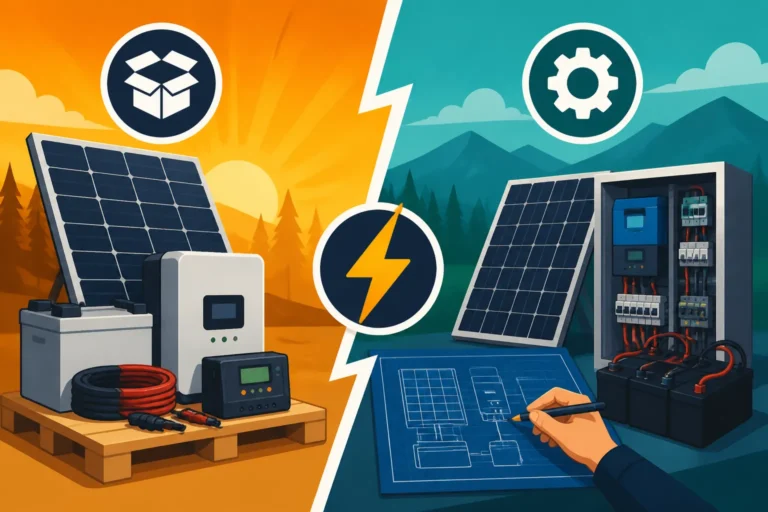
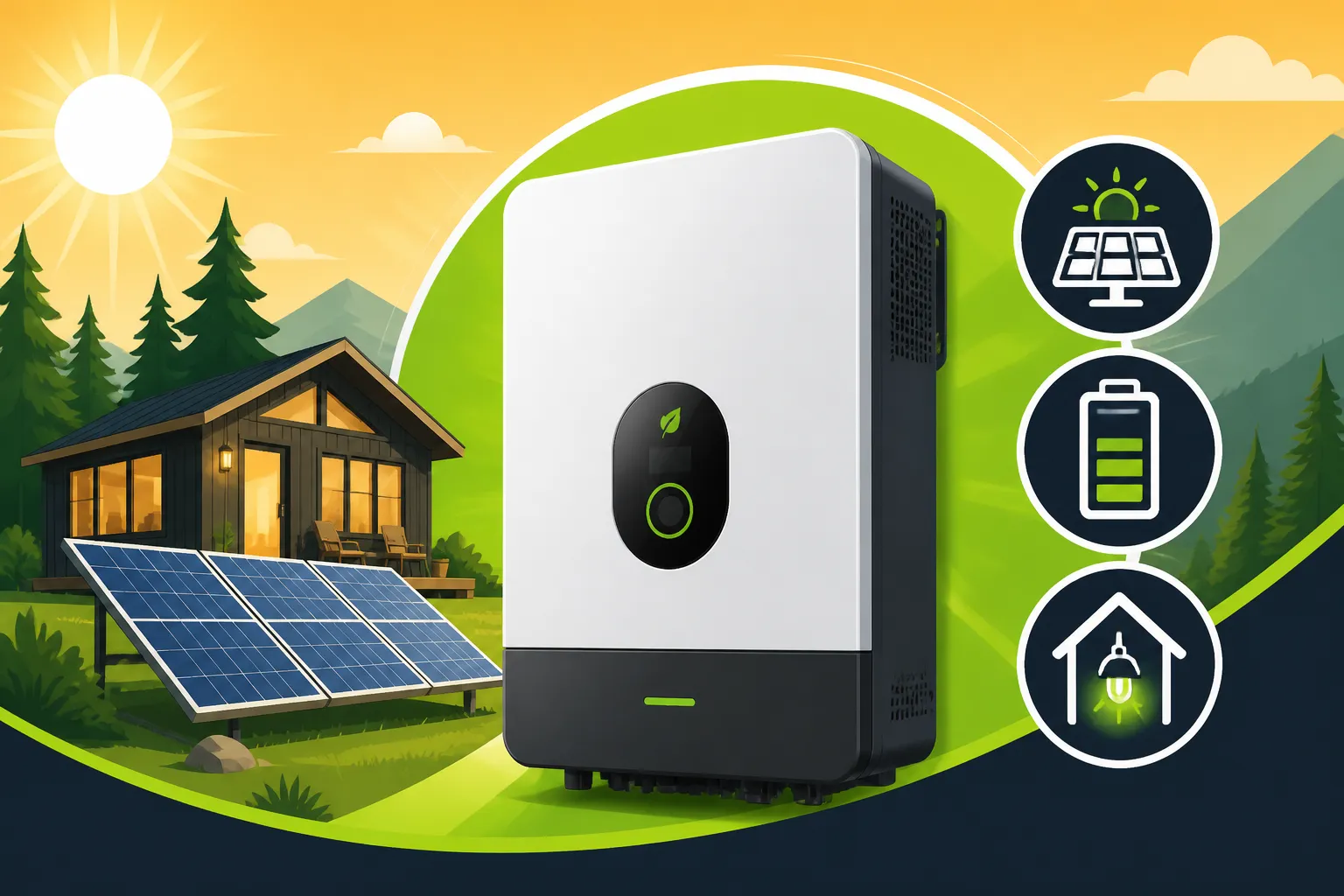
The Growatt Infinity series is a fascinating entry into the world of portable power stations, often referred to as "solar generators." Unlike a traditional off-grid system that requires you to purchase and integrate separate solar panels, charge controllers, inverters, and batteries, the Growatt Infinity units consolidate most of these core components into one cohesive, portable, and often plug-and-play device. This approach is designed to simplify the transition to off-grid living, making it more accessible for those who might be intimidated by the intricate wiring and technical know-how required for a custom-built system.
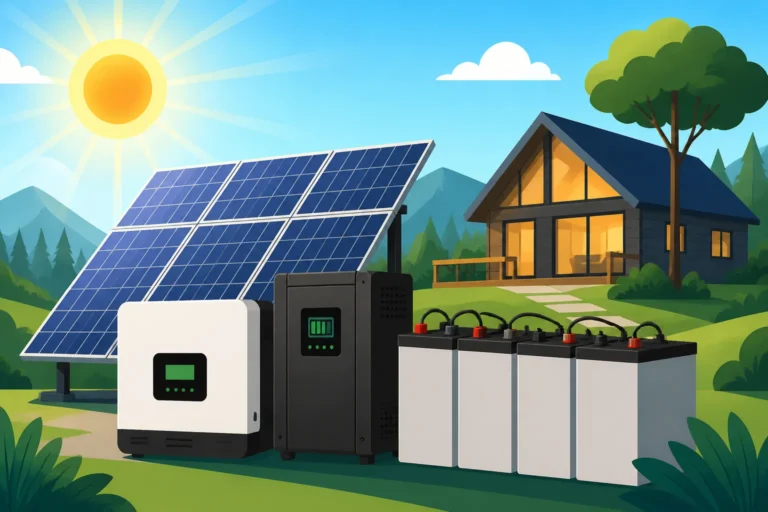
These units aren't just glorified battery packs; they're comprehensive power hubs. They integrate a powerful inverter capable of delivering clean, stable AC power, a robust LiFePO4 battery bank for energy storage, and an advanced MPPT solar charge controller to efficiently harvest power from solar panels. The philosophy behind the Growatt Infinity is convenience and reliability in a compact form factor, aiming to serve a diverse range of off-grid needs, from powering remote cabins to providing emergency backup for your home.
Key Features and Specifications
The Growatt Infinity series boasts several models, typically distinguished by their battery capacity (measured in Watt-hours, Wh) and continuous AC output (measured in Watts, W). Each model is designed with specific power demands in mind, offering a range of options for different users. For instance, the Infinity 1500 might be perfect for lighter loads, while the Infinity 4000 is built for more substantial energy needs.
At their core, these units utilize long-lasting and safe LiFePO4 batteries, which offer a significantly longer cycle life compared to traditional lead-acid batteries, making them a wise investment for long-term off-grid use. They also feature multiple charging options, including standard AC wall charging for quick top-offs when grid power is available, and highly efficient solar input for recharging directly from solar panels when you're truly off-grid. The integrated MPPT (Maximum Power Point Tracking) charge controller is a crucial component, optimizing solar input to ensure you're getting the most power possible from your panels, even in less-than-ideal conditions. Furthermore, you'll find a variety of output ports, including AC outlets, DC car ports, USB-A, and USB-C (including PD for fast charging), making them versatile for powering a wide array of devices and appliances. Many models also offer expandable battery capacity, allowing you to scale up your storage if your energy needs grow, which is a great feature when considering the long-term viability of your off-grid setup.
Target User and Use Cases
The Growatt Infinity series really shines for a specific segment of the off-grid community. If you're someone who values simplicity, portability, and an all-in-one solution over a complex, custom-designed system, this series is definitely worth a closer look.
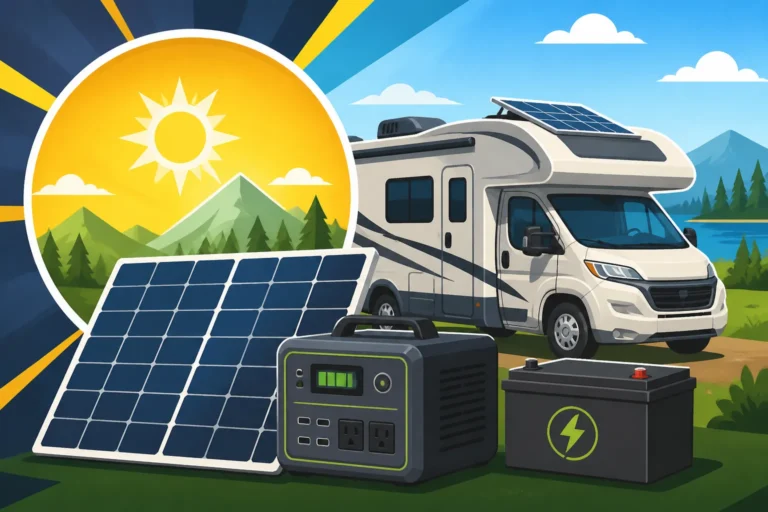
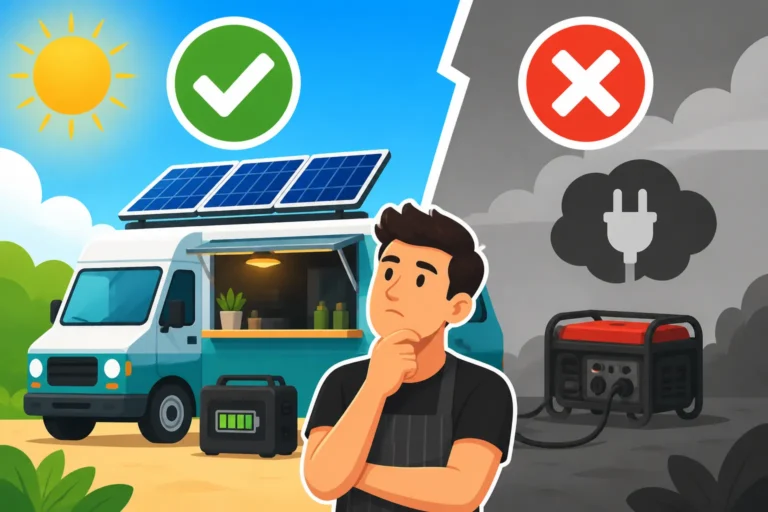
Think about weekend warriors with a small cabin that only needs power occasionally for lights, a mini-fridge, and charging electronics. Or perhaps you're a full-time RVer looking for a powerful, yet manageable, system to keep your appliances running without the hassle of a complex build. People living the van life often find these units ideal due to their compact size and robust output, allowing them to power everything from a laptop to a coffee maker. For those seeking emergency preparedness, the Growatt Infinity can act as a reliable backup power source, ready to kick in when the grid goes down, keeping essential appliances like a refrigerator or a CPAP machine running. The beauty is that you don't need to be an electrical engineer to get these systems up and running; you just connect your solar panels, plug in your devices, and you're good to go. This "plug and play" aspect significantly lowers the barrier to entry for many aspiring off-gridders.
Pros and Cons of the Growatt Infinity for Off-Grid Living
Deciding whether an all-in-one unit like the Growatt Infinity is right for your off-grid adventures involves weighing its advantages against its potential limitations. It's not a one-size-fits-all solution, and understanding where it excels and where it might fall short will help you make an informed decision for your unique power needs.
Advantages for Off-Grid Users
One of the biggest selling points for the Growatt Infinity is its ease of use and installation. Forget about intricate wiring diagrams or trying to match different components; these units are designed to be largely plug-and-play. You simply connect your solar panels, often using standard MC4 connectors, and you're already generating power. This significantly reduces the technical expertise and time required for setup compared to building an off-grid solar system from scratch, which can involve complex tasks like How to Wire an Off-Grid Solar System or How to Connect Batteries, Inverter, and Panels.
Another huge benefit is portability. While not feather-light, these units are self-contained and can be moved from one location to another. This makes them perfect for mobile applications like RVs, campers, or even moving power between different outbuildings on a homestead. You can take your power with you, whether you're camping in the wilderness or setting up a temporary workshop. The integrated design also means fewer individual components to manage, troubleshoot, or maintain.
The all-in-one design often translates to a more streamlined and aesthetically pleasing setup. Instead of a rack of batteries, a mounted inverter, and a charge controller, you have one central hub. Many Growatt Infinity models also come with advanced features like smart app control, allowing you to monitor power input, output, and battery status right from your smartphone, giving you real-time insights into your energy consumption. Plus, with the reliance on LiFePO4 batteries, you're getting a durable, long-lasting power source with minimal degradation over many charge cycles, offering excellent value over its lifespan compared to traditional battery chemistries. If you're interested in the long-term value, you might want to read more about LiFePO4 vs Lead-Acid Battery Cost.
Potential Drawbacks and Limitations
While the convenience of the Growatt Infinity series is undeniable, there are some trade-offs to consider, especially when looking at larger or more permanent off-grid installations. One of the primary considerations is cost per watt-hour. While the initial purchase seems straightforward, if you break it down to the cost per unit of energy storage or power output, traditional DIY component systems can sometimes be more cost-effective, particularly for very large systems. This is especially true if you are comfortable with DIY Off-Grid Solar Installation Step by Step and sourcing individual components.
Another limitation can be expandability and customization. While some Growatt Infinity models offer battery expansion packs, the core system's inverter and charge controller capacities are fixed. This means if your power needs dramatically increase beyond the unit's specifications, you might have to replace the entire unit rather than simply upgrading a single component like a larger inverter or adding more solar panels. For a truly robust off-grid home, the fixed nature can be a hindrance when you need to power something significant like a well pump or an air conditioner. You might find more flexibility with a custom-designed system that allows you to easily expand your Cost of Off-Grid Solar Panels or Cost of an Off-Grid Solar Battery Bank as needed.
Furthermore, because it's an integrated unit, if one major component fails (e.g., the inverter or the charge controller), the entire unit might need to be sent in for repair, potentially leaving you without power. In a traditional system, you could often swap out a single faulty component. Finally, for heavy, continuous loads or large surge requirements (like starting a well pump or power tools), while the Growatt Infinity units are capable, a dedicated, heavy-duty inverter might offer superior long-term reliability and efficiency for such specific tasks.
Comparing Growatt Infinity to Other Off-Grid Options
It's helpful to see where the Growatt Infinity stands in the broader landscape of off-grid power solutions. It occupies a unique niche, bridging the gap between small, basic portable power packs and elaborate, permanent home solar setups. Understanding its position relative to these other options will help you determine if it aligns with your specific off-grid vision.
Growatt Infinity vs. Traditional Component Systems
When we talk about "traditional component systems," we're referring to a setup where you purchase individual components—solar panels, an MPPT charge controller, a battery bank, and a pure sine wave inverter—and wire them together to create a cohesive system. This approach is often favored by those building a permanent off-grid home or a substantial cabin where robust power and maximum customization are key.
The primary advantage of a traditional component system is its flexibility and scalability. You can precisely size each component to your exact needs, from selecting the ideal number of solar panels (see How Many Solar Panels for Off-Grid Living), to configuring a How Many Batteries for an Off-Grid System for days of autonomy, and choosing the perfect Best Off-Grid Solar Inverters for your AC loads. This modularity means you can start small and expand over time, upgrading individual parts as your needs or budget evolve. Moreover, should a component fail, you can often replace just that one part, which can be both cost-effective and allow for quicker restoration of power. For example, if your Cost of an Off-Grid Solar Inverter dies, you only replace that.
However, this flexibility comes with increased complexity and a steeper learning curve. You'll need a good understanding of electrical principles, wiring safety, and how to properly integrate each piece. The Off-Grid Solar Installation Guide provides a good overview of what's involved. While often more cost-effective per watt-hour in the long run for larger systems, the upfront planning and hands-on work are significantly greater. The Growatt Infinity, in contrast, offers a simplified, integrated experience, reducing the need for extensive electrical knowledge and making setup much faster. It's a "set it and forget it" kind of solution for many, sacrificing some long-term flexibility for immediate convenience.
Growatt Infinity vs. Other Portable Power Stations/Solar Generators
The market for portable power stations, often marketed as solar generators, has exploded in recent years. Brands like Jackery, Bluetti, and EcoFlow have become household names, each offering a range of products designed to provide portable power. The Growatt Infinity series enters this competitive arena with its own set of strengths.
Compared to smaller, more basic portable power stations, the Growatt Infinity typically offers higher continuous power output and larger battery capacities, allowing it to run more demanding appliances for longer durations. While a compact Jackery Explorer 300 might power your laptop and phone for a day, a Growatt Infinity 4000 could potentially run a refrigerator and even a small air conditioner for a significant period. Many competitors, like Jackery's larger models (e.g., Jackery Explorer 2000 Plus), offer similar capabilities, and the choice often comes down to specific features, warranty, user interface, and overall ecosystem.
Growatt often emphasizes its robust solar input capabilities and efficient MPPT charge controllers, which are crucial for off-grid scenarios where solar is your primary charging method. Some smaller portable power stations have more limited solar input, meaning slower recharge times from the sun. The Growatt Infinity also often features multiple AC outlets, which is a practical consideration for running several standard home appliances simultaneously. However, competition is fierce, and brands are constantly innovating. EcoFlow's Delta Pro, for example, offers modular expandability and fast charging, while Bluetti's larger units boast impressive capacities.
The key differentiators often boil down to:
- Battery Chemistry: Most reputable brands now use LiFePO4 for durability and safety, as seen in the Growatt Infinity.
- Inverter Quality: Pure sine wave output is standard across quality brands like Growatt and Jackery, ensuring compatibility with sensitive electronics.
- Charging Speed: Both AC and solar charging speeds can vary significantly, impacting how quickly you can replenish your power.
- Ecosystem: Some brands offer integrated systems with portable solar panels, expansion batteries, and even smart home integration, creating a more cohesive experience.
Ultimately, the Growatt Infinity is a strong contender in the higher-capacity portable power station segment, appealing to those who need substantial power in a convenient, all-in-one package for various off-grid uses, from a tiny home to an extensive van life setup. For a deeper dive into these options, check out our guide on the Best Solar Generator for Off-Grid Use.
Making the Right Choice: Is the Growatt Infinity for You?
Choosing the right off-grid power solution is a personal journey, deeply intertwined with your lifestyle, energy demands, and technical comfort level. The Growatt Infinity series offers a compelling option, but it's essential to critically assess whether its strengths align with your specific situation.
Factors to Consider Before Buying
Before you commit to a Growatt Infinity unit, take a moment to honestly evaluate your needs and priorities. This isn't just about the initial price tag; it's about finding a solution that genuinely supports your off-grid aspirations.
First and foremost, you need to conduct a thorough energy audit to understand your daily power consumption. This means listing every appliance and device you plan to use, noting their wattage and how many hours per day they will run. This crucial step will tell you exactly How to Calculate Daily Energy Usage and ultimately help you determine the total Watt-hours (Wh) you need. Are you just powering lights and charging phones, or do you plan to run a refrigerator, a microwave, or even a mini-split air conditioner? The Growatt Infinity series comes in different capacities (e.g., Infinity 1500, 2000, 3000, 4000), and aligning the unit's capacity and continuous output with your calculated load is paramount. You might find our article on How to Size an Off-Grid Solar System helpful for this step.
Next, consider your portability requirements. If you're constantly on the move with an RV or living the van life, the all-in-one, relatively portable nature of the Growatt Infinity is a huge asset. If your setup is stationary, like a permanent off-grid cabin, you might have more flexibility to build a traditional, larger-scale component system that could offer better long-term expandability and repairability.
Budget is, of course, a significant factor. While Growatt Infinity units offer a streamlined, often cheaper initial entry than a fully custom, high-capacity component system, they represent a substantial investment. Compare the Off-Grid Solar Kit Price Ranges against a DIY build's potential long-term component costs. Don't forget to factor in the cost of solar panels if they're not included in your purchase.
Finally, think about future expandability. While some Growatt Infinity models allow for additional battery packs, the core inverter and charge controller sizes are fixed. If you anticipate your power needs growing substantially in the future (e.g., adding more appliances or moving to full-time living from seasonal use), a modular component system might offer greater peace of mind. However, if your needs are stable and well-defined, the Growatt Infinity could be perfect.
| Feature | Growatt Infinity 1500 | Growatt Infinity 2000 | Growatt Infinity 4000 |
|---|---|---|---|
| Battery Capacity | 1512 Wh | 2000 Wh | 4032 Wh (expandable) |
| AC Output (Rated) | 2000W (4000W Surge) | 2200W (4400W Surge) | 4000W (8000W Surge) |
| Battery Chemistry | LiFePO4 | LiFePO4 | LiFePO4 |
| Max Solar Input | 800W | 1000W | 2200W |
| AC Charge Time | ~1.5 hours (80%) | ~1.5 hours (80%) | ~2 hours (80%) |
| Expandable Battery | No | No | Yes (up to 4x 4032Wh) |
| Weight (Approx.) | ~35 lbs | ~48 lbs | ~95 lbs |
| Target Use | Camping, light RV, backup | RV, cabin, emergency backup | Whole house backup, full-time living |
Tips for Maximizing Your Growatt Infinity Investment
Once you've decided that a Growatt Infinity unit is the right fit for your off-grid lifestyle, there are several strategies you can employ to get the most out of your investment and ensure a smooth, reliable power supply.
First, optimize your solar panel setup. While the Growatt Infinity makes connecting panels easy, ensuring those panels are oriented correctly and kept clean is critical for maximum efficiency. Consider the Best Tilt Angle for Off-Grid Panels and adjust them seasonally if possible to capture the most sunlight. Regular cleaning will prevent dust, pollen, or debris from reducing their output. Also, consider the total wattage of your panels; don't just connect the minimum. Maximize the solar input within the unit's specifications to ensure faster recharging, especially on cloudy days.
Next, manage your loads intelligently. Just because you can run everything doesn't mean you should simultaneously. Prioritize essential appliances and consider staggering the use of high-draw devices. For example, run your washing machine when solar input is high and avoid using the microwave while also running a hair dryer. Look for energy-efficient appliances, especially for items like refrigerators and lighting, as these can dramatically extend your battery run-time. Learning How to Read Appliance Wattage Labels can be a game-changer for efficient power management.
Monitor your system regularly. Take advantage of the Growatt app or the unit's display to keep an eye on battery state of charge, input from solar, and current output. This allows you to anticipate low battery situations and adjust your consumption or charging strategy accordingly. Regular monitoring can also help you identify any potential issues early on, preventing bigger problems down the line.
Finally, consider strategic placement and protection for your Growatt Infinity unit. While they are robust, protecting them from extreme temperatures, direct prolonged rain, or excessive dust will extend their lifespan. If used in a vehicle, ensure it's securely fastened to prevent damage during transit. For cold climates, understanding Off-Grid Solar Cost in Cold Climates and how to keep batteries warm is crucial for optimal performance and longevity. By following these tips, your Growatt Infinity can provide reliable, hassle-free power for years to come.
Disclaimer
The information provided in this guide is intended for educational and informational purposes only and should not be construed as professional advice. Off-grid solar system design and installation can be complex and involve electrical hazards. Always consult with qualified professionals and adhere to local electrical codes and regulations before installing or modifying any electrical system.