Best Off-Grid Solar Kit for a Rv
Hitting the open road in your RV, seeking adventure and serene landscapes, only to be constantly tethered to shore power or fretting about your battery levels can quickly turn a dream into a logistical nightmare. The frustration of limited power, dead devices, or having to cut a trip short because you can't run your essentials is real. This comprehensive guide is here to demystify the process of choosing the best off-grid solar kit for your RV, empowering you to embrace true freedom on the road without power worries.
Understanding Your RV’s Energy Blueprint
Before you even start looking at shiny solar panels or high-capacity batteries, the absolute first step is to get intimately familiar with your RV’s energy demands. This isn’t just about guessing; it’s about a detailed analysis that will prevent costly mistakes and ensure your system truly meets your needs. Many RVers jump straight to buying a kit they *think* they need, only to find themselves constantly running out of juice or, conversely, significantly overspending on a system far too robust for their lifestyle.
Calculating Your Daily Watt-Hour Consumption
Think of your RV as a mini-home on wheels, and just like a home, every appliance and device draws a certain amount of power. To figure out your daily energy consumption, you need to list every electrical item you plan to use, how many watts it draws, and for how long each day. This process, often called a load analysis, is the bedrock of proper system sizing. For instance, your RV refrigerator might run constantly, but your microwave only for a few minutes. Don’t forget those smaller, often-overlooked items like phone chargers, LED lights, or even the water pump.
To calculate the daily watt-hours (Wh) for each item, simply multiply its wattage (W) by the hours (h) it will be used. If an item lists amps (A) and volts (V), multiply A x V to get W, then W x h for Wh. Summing all these up gives you your total daily energy consumption. For a deeper dive into this calculation, check out our guide on How to Calculate Daily Energy Usage. It's a bit tedious, yes, but it’s critical. A typical RV might use anywhere from 1,000 Wh to 5,000 Wh or more per day, depending on how many creature comforts you bring along.
Identifying Your Peak Power Requirements
Beyond your daily energy usage, you also need to consider the maximum amount of power your system needs to deliver at any single moment. This is known as your peak power requirement, often measured in watts. Think about appliances with motors, like a microwave, an air conditioner, or even a coffee maker – they often have a much higher “starting wattage” or “surge wattage” than their continuous “running wattage.” If you plan to run a high-draw appliance, like an RV air conditioner, your inverter needs to be able to handle that surge without tripping or shutting down.
For example, a small RV microwave might draw 800W running, but require 1200-1500W for a few seconds to start up. If you plan to run multiple high-draw appliances simultaneously, even for short bursts, your inverter and battery bank need to be sized accordingly. Neglecting peak power is a common pitfall that leaves many RVers frustrated when their system can't handle their morning coffee routine or a quick microwave meal. Our article on How to Size an Off-Grid Inverter provides more specific guidance on this.
Accounting for Days of Autonomy
This factor is all about peace of mind. Days of autonomy refers to how many days your battery bank can power your RV without any solar input – essentially, how long you can survive a stretch of cloudy weather, heavy rain, or parking in a shaded spot. For RVers, this is particularly important because you’re often moving and might not always have ideal sun exposure. Most off-grid RV setups aim for at least 1-3 days of autonomy.
If you’re planning on remote boondocking for extended periods, you might want more. More days of autonomy mean a larger, and typically more expensive, battery bank. It's a balance between cost, weight, and your desired level of independence. When calculating, remember that not all battery types can be fully discharged. For instance, lead-acid batteries should only be discharged to about 50% to maximize their lifespan, while LiFePO4 (lithium iron phosphate) batteries can safely be discharged much deeper, often to 80-100%. This significantly impacts the usable capacity you need.
Decoding the Components of an RV Solar Kit
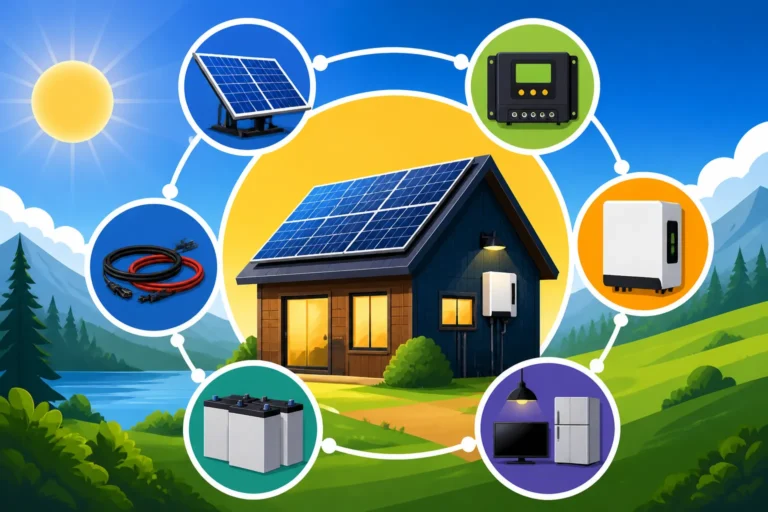
An off-grid solar kit isn’t just a collection of random parts; it’s a carefully orchestrated system where each component plays a vital role. Understanding what each piece does will help you appreciate the differences between kits and make an informed decision.
Solar Panels: Types and Mounting Considerations
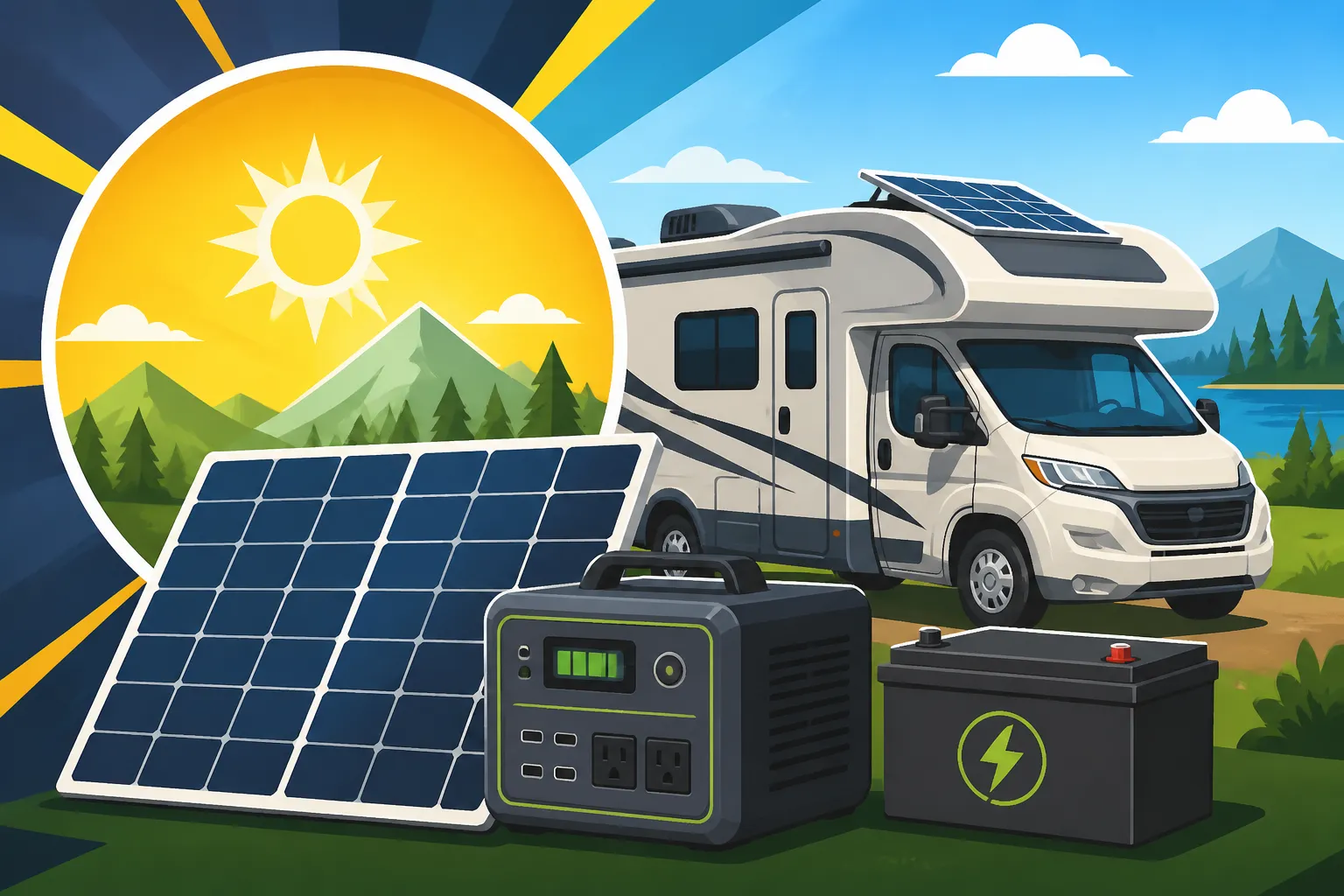
Solar panels are your energy collectors, turning sunlight into electricity. For RVs, you’ll primarily encounter two types: rigid and flexible. Rigid panels are the most common, offering excellent efficiency and durability, but they require a sturdy mounting system on your RV roof. Flexible panels, while less efficient and generally less durable long-term, are lighter and can conform to curved surfaces, making them suitable for some RV roofs where traditional mounting isn’t feasible. Some RVers also opt for portable solar panels, like those offered by Jackery, which can be set up outside the RV to chase the sun, especially if your RV is parked in the shade.
When choosing panels, consider their wattage, physical size, and voltage compatibility with your charge controller and battery bank. You'll also need to think about mounting. Will they be permanently fixed to your roof, or do you want tilt mounts to optimize sun exposure? Roof space is often at a premium on an RV, so maximizing the power output per square foot is crucial. You can find out more about optimal panel choices in our guide to Best Off-Grid Solar Panels.
Batteries: The Heart of Your System
If solar panels are the lungs of your system, breathing in energy, then batteries are definitely the heart, pumping that energy to your appliances. Batteries store the electricity generated by your panels for use when the sun isn’t shining. For RVs, the two dominant battery chemistries are lead-acid (including flooded, AGM, and Gel) and lithium iron phosphate (LiFePO4).
Lead-acid batteries are typically cheaper upfront but are heavier, have a shorter lifespan, require more maintenance (especially flooded types), and can only be discharged to about 50% without damaging them. LiFePO4 batteries, while more expensive initially, are significantly lighter, last much longer (often 10+ years), are virtually maintenance-free, and can be deeply discharged (80-100% usable capacity). This means you get more usable power from a smaller, lighter package, which is a huge advantage in an RV where weight and space are critical concerns. Many modern RVers are moving towards LiFePO4 for these reasons, and you can explore this further in our LiFePO4 vs Lead-Acid Batteries for Off-Grid comparison.
Charge Controllers and Inverters
These two components are the brains and muscles of your off-grid RV solar system.
A charge controller acts as a guardian for your batteries. It regulates the voltage and current coming from your solar panels, ensuring your batteries are charged safely and efficiently without being overcharged or damaged. There are two main types: PWM (Pulse Width Modulation) and MPPT (Maximum Power Point Tracking). MPPT controllers are more efficient, especially in varying light conditions and when your panel voltage is significantly higher than your battery voltage, making them the preferred choice for most RV setups despite a higher cost. They essentially harvest more power from your panels, which is a big deal when roof space is limited.
An inverter converts the DC (direct current) electricity stored in your batteries into AC (alternating current) electricity, which is what most of your standard RV appliances (like microwaves, TVs, and wall outlets) use. You'll want a pure sine wave inverter for sensitive electronics, as it produces a clean, stable waveform similar to grid power. Modified sine wave inverters are cheaper but can damage or poorly operate certain appliances. The inverter's size (wattage rating) must match your peak power requirements, as discussed earlier. Many modern RV kits feature an inverter-charger, which can also charge your batteries from shore power or a generator when available.
Navigating the World of RV Solar Kit Options
Not all RV solar kits are created equal, and what works perfectly for a weekend warrior might be completely insufficient for a full-time RVer. Understanding the different tiers of kits available will help you narrow down your choices based on your actual lifestyle.
Entry-Level Kits for Basic Needs
These kits are typically designed for smaller RVs, pop-up campers, or those who only need to power basic essentials for short trips. Think charging phones, running LED lights, and perhaps a small 12V fan or water pump. They usually consist of a single 100-200W solar panel, a smaller PWM charge controller, and perhaps a single lead-acid or a small LiFePO4 battery. These systems are often 12V and might not include an inverter, or only a very small one, meaning most of your appliances would need to be 12V DC compatible.
An example might be a basic kit from Renogy or BougeRV, perfect for keeping your essential electronics topped up during a weekend trip to a state park. While affordable, they aren't designed to run power-hungry items like microwaves, coffee makers, or air conditioners. They are a great starting point for those just dipping their toes into off-grid living or for minimalist setups.
Mid-Range Kits for Comfortable Living
Stepping up, mid-range kits cater to RVers who want more comfort and longer periods off-grid without constant vigilance over power consumption. These systems typically feature 400-800W of solar panels, an MPPT charge controller, and a more robust battery bank, often consisting of two or more LiFePO4 batteries (or a larger lead-acid bank). They almost always include a pure sine wave inverter, usually in the 1000W-3000W range, capable of running a microwave, a blender, or even a small TV for reasonable periods.
These kits are ideal for those who enjoy week-long boondocking trips or part-time full-timers. They provide enough power for common household comforts while still being manageable in terms of installation and cost. Many popular brands offer excellent mid-range options, providing a good balance of power, reliability, and price. Some of these kits might even be expandable, allowing you to add more panels or batteries later.
Advanced Kits for Full-Time Off-Grid RVers
For those who call their RV home year-round and live completely off-grid, an advanced solar kit is essential. These systems are designed for high power demands, including running multiple appliances simultaneously, such as a residential refrigerator, an air conditioner (often via a soft-start module), and even larger items like a washing machine. Such kits boast 1000W or more of solar panels, high-capacity MPPT charge controllers, a substantial LiFePO4 battery bank (often 400Ah or more at 12V, or higher voltage systems like 24V or 48V for efficiency), and a powerful pure sine wave inverter (3000W-5000W+).
These setups often incorporate sophisticated monitoring systems, automatic generator start capabilities, and robust wiring to handle significant loads. Brands like Victron Energy and Sol-Ark offer components that are often favored in these high-end, custom-built systems due to their reliability and advanced features. While the initial investment is considerably higher, these kits offer unparalleled energy independence and comfort, truly turning your RV into a self-sufficient mobile home. Consider researching How to Design for Year-Round Off-Grid Power if this sounds like your goal.
Crucial Factors for Choosing the Right RV Solar Kit
Beyond understanding your needs and the components, there are several practical considerations that should heavily influence your final decision when selecting an RV solar kit.
System Expandability and Future-Proofing
One of the smartest decisions you can make is to choose a system that allows for future expansion. Your energy needs might grow over time – perhaps you add a new appliance, or your family’s power demands increase. Starting with a charge controller that can handle more solar input than you initially install, or an inverter that has room for additional battery capacity, can save you a lot of money and hassle down the road.
Look for kits where components can be easily swapped out or added. For instance, if you start with a 400W array, picking an MPPT charge controller rated for 600W or 800W gives you the flexibility to add more panels later without replacing the controller. Similarly, a battery bank wired in parallel or series with easily accessible terminals makes it simpler to add more batteries. Planning for future expansion, as detailed in How to Design an Expandable System, can turn a good investment into a great one.
Brand Reputation and Support
In the world of off-grid solar, not all brands are created equal. Investing in a reputable brand often means better quality components, more reliable performance, and, crucially, superior customer support and warranty coverage. When you’re out in the middle of nowhere and a component fails, knowing you can get quick, knowledgeable help is invaluable.
Look for brands with a proven track record in the RV and marine solar communities. Brands like Renogy, Battle Born (for batteries), Victron Energy, and even portable power station specialists like Jackery, have built strong reputations for their products and support. Read reviews, check warranty periods, and see how accessible their technical support is. A cheaper, no-name brand might save you a few bucks upfront, but it could cost you dearly in reliability and peace of mind when you're far from civilization.
Installation Complexity and DIY Potential
Installing an off-grid solar system on an RV can range from a relatively simple plug-and-play setup to a complex electrical project. Your comfort level with DIY projects and electrical work should heavily influence your choice. Smaller, entry-level kits often come with simplified wiring diagrams and connectors designed for easy installation, making them suitable for many DIYers. These are often called “RV solar kits for beginners.”
Larger, more advanced systems, especially those involving multiple panels, high-voltage battery banks, and complex inverter setups, might require a more experienced hand or even professional installation. While doing it yourself can save you money on installation costs, ensure you understand the safety aspects and electrical codes involved. Mistakes can be dangerous and costly. If you're considering a DIY approach, resources like DIY Off-Grid Solar Installation Step by Step can be incredibly helpful. If electrical diagrams make your head spin, it might be worth budgeting for a professional installer, even if it adds to your total Off-Grid Solar Installation Cost.
Making Your Final Decision
Bringing it all together, the best off-grid solar kit for your RV isn’t necessarily the most expensive or the most powerful, but the one that perfectly aligns with your specific needs, lifestyle, and budget.
Budgeting for Your Ideal System
The cost of an RV off-grid solar system can vary wildly, from a few hundred dollars for a very basic setup to well over $10,000 for a comprehensive, full-time living system. It’s important to establish a realistic budget early on. Remember, you’re not just buying components; you’re investing in energy independence and peace of mind.
Consider the long-term value. While a LiFePO4 battery bank has a higher upfront cost, its significantly longer lifespan and deeper discharge capabilities often make it more cost-effective over many years compared to repeatedly replacing lead-acid batteries. Don't forget to factor in installation costs if you're not doing it yourself, as well as any necessary accessories like heavy-gauge wiring, fuses, breakers, and mounting hardware. Our guide on the Off-Grid Solar Cost for an RV provides a detailed breakdown to help you budget effectively.
Comparing Kit Features and Warranties
Once you’ve defined your needs, understand the components, and set a budget, it’s time to compare specific kits. Look beyond just the headline wattage. Dive into the details:
| Feature/Component | Basic Kit (e.g., Weekend Warrior) | Mid-Range Kit (e.g., Extended Trips) | Advanced Kit (e.g., Full-Time Living) |
|---|---|---|---|
| Solar Panels | 100-200W, often flexible or portable | 400-800W, rigid or mix | 1000W+, rigid, often tilt-mounted |
| Battery Type | 100Ah Lead-Acid or small LiFePO4 | 200-400Ah LiFePO4 (12V) | 400Ah+ LiFePO4 (12V/24V/48V) |
| Charge Controller | PWM | MPPT | MPPT (high capacity) |
| Inverter | Small (100-500W) or none; Modified Sine Wave common | 1000-3000W Pure Sine Wave | 3000-5000W+ Pure Sine Wave (Inverter-Charger) |
| Usable Power | Lights, phone charging, 12V fan | Microwave, TV, laptop, small appliances | AC, residential fridge, power tools, all home comforts |
| Days of Autonomy | 0.5 – 1 day | 1 – 2 days | 2 – 4+ days |
| Expandability | Limited | Moderate | High |
| Typical Cost Range | $500 – $1,500 | $2,000 – $6,000 | $7,000 – $15,000+ |
Pay close attention to warranties. Solar panels typically come with 20-25 year performance warranties, while inverters and charge controllers often have 2-5 year warranties. Batteries, especially LiFePO4, usually have 5-10 year warranties. A strong warranty indicates a manufacturer’s confidence in their product and offers you protection for your investment. Don’t hesitate to contact manufacturers with specific questions about their products or if you need assistance with How to Size an Off-Grid Solar System for your unique RV.
Ultimately, the best off-grid solar kit for your RV is the one that allows you to enjoy the freedom of the open road without ever compromising on the power you need for comfort, safety, and adventure.
Disclaimer
The information provided in this article is for general guidance and informational purposes only, and does not constitute professional advice. Off-grid solar system design and installation can be complex and involve electrical hazards. Always consult with qualified professionals and adhere to local codes and regulations when planning or installing any solar power system.