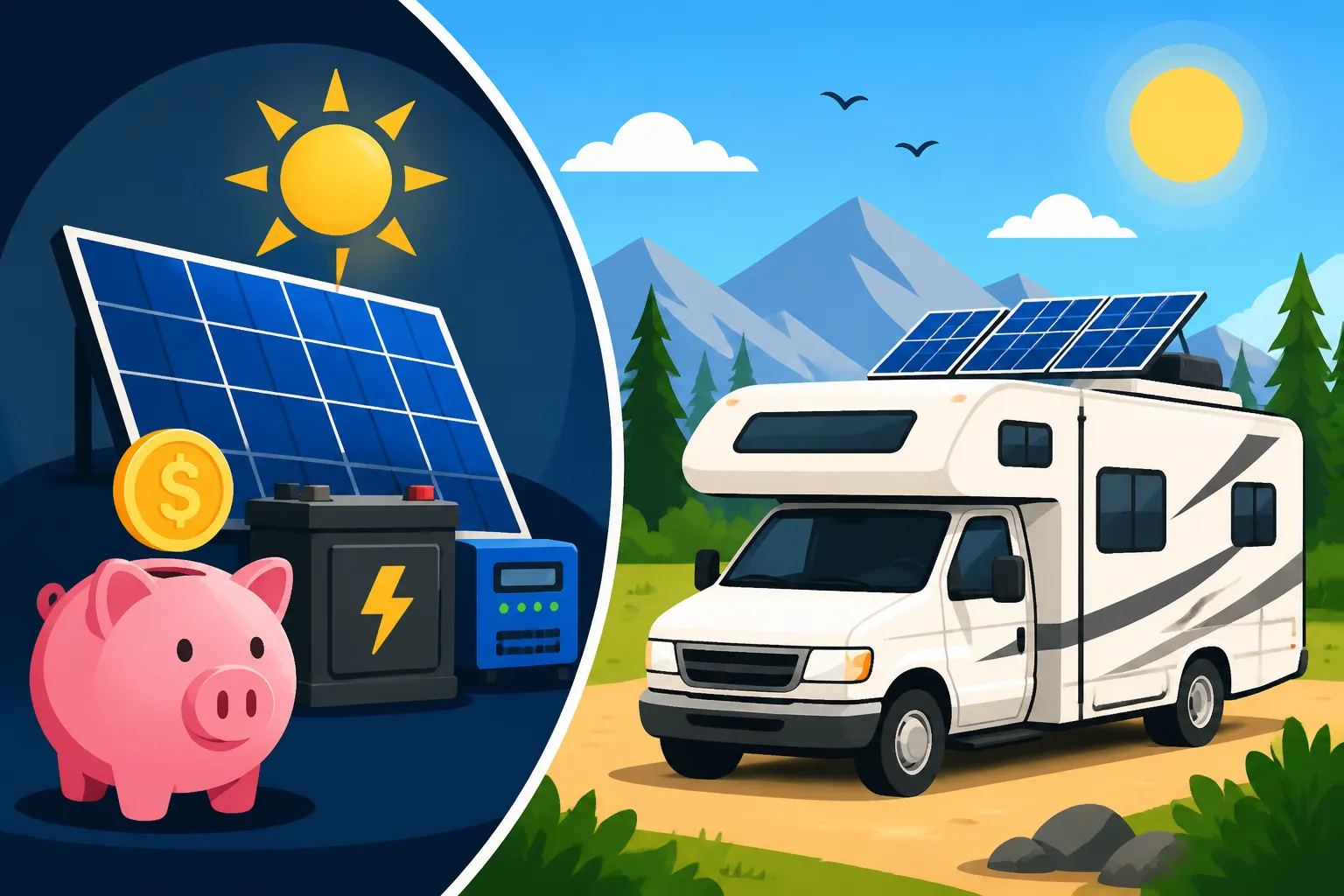
Off-Grid Solar Cost for an RV
Venturing out in your RV, seeking remote campsites, or simply wanting to escape the constant hum of shore power is a dream for many, but the thought of how much it really costs to outfit your rig with reliable off-grid solar can be a huge hurdle. It’s not just about the panels; there’s a whole ecosystem of components involved, and the price tag can feel overwhelming. This guide is here to demystify the expenses, helping you understand the true cost of bringing off-grid solar power to your RV adventures.
Understanding the Core Components of an RV Off-Grid Solar System
When you’re dreaming of powering your RV completely off the grid, it's easy to focus solely on those sleek solar panels you see on rooftops. But the truth is, a functional off-grid solar system for your RV is a carefully balanced orchestra of several key components, each playing a crucial role in converting sunlight into usable electricity for your adventures. Ignoring any one of these or underestimating their importance can lead to frustration and unexpected costs down the line. It's a bit like trying to bake a cake with only flour – you need all the ingredients!
Solar Panels: Your Energy Harvesters
These are the stars of the show, the hardworking collectors of sunlight. For RVs, you typically see two main types: rigid and flexible. Rigid panels are what most people picture: sturdy, framed, and designed for permanent mounting. They're generally more efficient and cost-effective per watt. Flexible panels, on the other hand, are lighter, thinner, and can conform to curved surfaces, making them ideal for RV roofs that might not accommodate traditional rigid mounts or for portable setups.
The number and wattage of panels you need will directly correlate with your power consumption and how much sun exposure you expect. A weekend warrior might get by with a couple of 100W panels, while a full-timer running an AC unit will need a much more substantial array. Think about how many watts of solar you need before you start shopping, as this is a foundational decision for your overall budget. Brands like Renogy and Rich Solar offer a wide range of options suitable for RV use.
Batteries: The Heart of Your Storage
Batteries are arguably the most critical component of your off-grid RV setup. They store the energy your solar panels collect during the day, making it available to power your appliances at night or on cloudy days. Without a robust battery bank, your solar panels are essentially useless after sundown. This is where a significant portion of your budget will go, and for good reason—quality batteries ensure reliable power.
There are several battery chemistries to consider, each with its own cost and performance characteristics. Lead-acid batteries (like flooded or AGM) are the traditional, more budget-friendly choice, but they have a shorter lifespan, require more maintenance (flooded), and offer less usable capacity. Lithium iron phosphate (LiFePO4) batteries are becoming the gold standard for RVs due to their longer lifespan, lighter weight, faster charging, and deeper discharge capabilities. While they have a higher upfront cost, their long-term value often makes them a smart investment. You might find a detailed comparison useful when considering the Cost of an Off-Grid Solar Battery Bank.
Charge Controller: The Battery Protector
The charge controller is the unsung hero of your solar system. Its job is to regulate the voltage and current coming from your solar panels to your batteries, preventing overcharging and ensuring efficient charging. Overcharging can severely damage your batteries and shorten their lifespan, so this little device is vital for protecting your significant battery investment.
There are two main types: PWM (Pulse Width Modulation) and MPPT (Maximum Power Point Tracking). PWM controllers are simpler and more affordable, but less efficient. MPPT controllers are more advanced, extracting significantly more power from your solar panels, especially in varying light conditions. For any serious RV off-grid setup, an MPPT charge controller is highly recommended, despite its higher cost, because it optimizes your solar harvest, which means you might need fewer panels or charge faster.
Inverter: Making AC Power Possible
Most RV appliances and electronics, like microwaves, TVs, or even charging your laptop, run on AC (alternating current) power, just like in your house. Solar panels and batteries, however, produce and store DC (direct current) power. This is where the inverter comes in: it converts the DC power from your batteries into usable AC power.
Choosing the right inverter is crucial. You'll need one capable of handling the total wattage of all the AC devices you plan to run simultaneously, plus a surge capacity for appliances with high starting loads (like a microwave or air conditioner). A pure sine wave inverter is essential for sensitive electronics, as it produces clean, stable power identical to grid power. Modified sine wave inverters are cheaper but can damage some electronics and make others run inefficiently. Brands like Victron Energy and AIMS Power offer robust inverter solutions for various RV needs.
Breaking Down the Core Components Cost for RV Solar
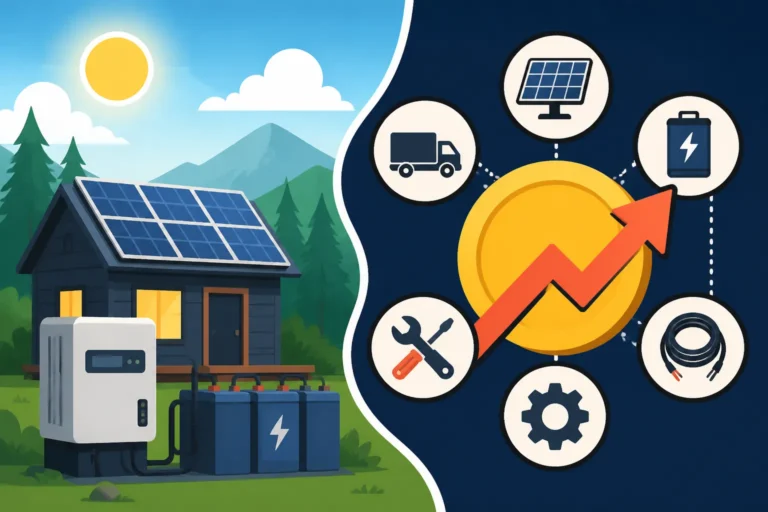
When you decide to outfit your RV with off-grid solar, it’s not just one big purchase. It’s a series of crucial investments, and understanding the typical cost ranges for each major component can help you budget effectively. Prices can fluctuate based on quality, brand, and capacity, but having a ballpark figure for each piece of the puzzle is incredibly helpful. This is where your dreams of endless boondocking meet the reality of your wallet, and preparing for it makes all the difference.
Solar Panels Pricing
The cost of solar panels for an RV can vary significantly based on their power output and type (rigid vs. flexible). Generally, you're looking at a range of about $1.00 to $2.00 per watt. For a modest setup that might only power lights and charge small electronics, you could start with 200-400 watts. This could mean a cost of around $200-$800 for the panels themselves.
However, if you're aiming for a more robust system capable of running a refrigerator, microwave, or even a small air conditioner, you might need 600 watts up to 1000 watts or more. A 1000-watt array could easily run you $1000-$2000 for the panels alone. Remember, going for higher efficiency panels might reduce the number of panels needed, saving roof space, but they might have a slightly higher per-watt cost. Companies like Renogy and HQST are popular choices for RV panels, widely available on platforms like Amazon.
Battery Bank Expenses
This is often the most significant single expense in an off-grid RV solar system. The price depends heavily on the battery chemistry and capacity (measured in amp-hours or Ah).
- Lead-Acid Batteries (AGM/Flooded): These are the most economical upfront. A 100Ah 12V AGM battery might cost $200-$300. For a modest RV, you might need two or four of these, bringing your battery bank cost to $400-$1200. However, remember their shorter lifespan and limitations on usable capacity (you shouldn't discharge them below 50%).
- Lithium Iron Phosphate (LiFePO4) Batteries: While pricier initially, they offer tremendous long-term value. A 100Ah 12V LiFePO4 battery typically ranges from $400-$800, with some premium brands like Battle Born or EG4 pushing past $1000. For a substantial setup, two to four 100Ah LiFePO4 batteries could mean a battery bank cost of $800-$3200+. You'll get much more usable energy and a lifespan of 10+ years, far outstripping lead-acid. Understanding How Batteries Drive Off-Grid Solar Cost can help you justify this investment.
Charge Controller Costs
Charge controllers are less expensive than panels or batteries but are vital.
- PWM Charge Controllers: These are budget-friendly, typically ranging from $50-$150 for a unit suitable for most RV systems. They're fine for smaller, simpler setups.
- MPPT Charge Controllers: These are more efficient and intelligent, making them a worthwhile investment for larger systems or if you want to maximize your solar harvest. They typically cost between $150 and $500, with higher amperage and feature-rich models, especially from brands like Victron Energy, reaching even higher. The higher efficiency can often offset their cost over time by reducing the need for additional panels.
Inverter Investment
The cost of an inverter depends on its wattage output and whether it's pure sine wave or modified sine wave. For almost all RV uses, especially with sensitive electronics, a pure sine wave inverter is a must.
- Smaller Pure Sine Wave Inverters (500W-1000W): These might cost $100-$300, suitable for basic electronics and charging.
- Mid-Range Pure Sine Wave Inverters (1500W-3000W): This range is popular for RVs, allowing you to run microwaves, coffee makers, and even some smaller AC units. Expect to pay $300-$800 for a quality unit. Brands like Victron, Renogy, and Giandel offer reliable options.
- High-Power Pure Sine Wave Inverters (3000W+): For running multiple heavy loads or larger RV air conditioners, these can cost $800-$2000+. These often come with advanced features like inverter-chargers, which also handle shore power charging.
Wiring, Fuses, and Mounting Hardware
Don't forget the "little" things – they add up! High-quality, properly sized copper wiring (especially battery cables), fuses, breakers, connectors (like MC4 connectors for panels), and mounting hardware for your panels are essential for safety and performance. These items can easily add $200-$500 to your total, depending on the complexity and size of your system. It's not glamorous, but skimping here is a recipe for disaster.
Here’s a simplified breakdown of typical cost ranges for a basic, mid-range, and robust RV off-grid solar system:
| Component | Basic System (200-400W Solar, 100-200Ah Lead-Acid) | Mid-Range System (600-800W Solar, 200-400Ah LiFePO4) | Robust System (1000W+ Solar, 400-800Ah+ LiFePO4) |
|---|---|---|---|
| Solar Panels | $200 – $800 | $600 – $1600 | $1000 – $2500+ |
| Batteries | $200 – $600 (AGM) | $800 – $1600 (LiFePO4) | $1600 – $3200+ (LiFePO4) |
| Charge Controller | $50 – $150 (PWM) | $150 – $350 (MPPT) | $300 – $600+ (MPPT) |
| Inverter | $100 – $300 (500-1000W Pure Sine) | $300 – $600 (1500-2000W Pure Sine) | $600 – $1500+ (3000W+ Pure Sine) |
| Wiring & Hardware | $100 – $200 | $200 – $400 | $300 – $700+ |
| Total Estimated Cost | $650 – $2050 | $2050 – $4550 | $3800 – $8500+ |
Note: These ranges are estimates and can vary based on brand, sales, and specific features.
Factors That Significantly Impact RV Off-Grid Solar Costs
It's easy to look at component lists and feel like you've got a handle on the budget, but the reality of off-grid solar for an RV is that numerous factors can swing the final price tag wildly. Ignoring these variables is a common mistake that leads to budget overruns and unexpected compromises. You wouldn’t build a house without considering the foundation, the climate, or the size of your family, right? The same foresight applies to your mobile power system.
Your Daily Power Needs
This is, without a doubt, the single biggest determinant of your overall cost. Are you a minimalist traveler who just needs to charge a phone and run a few LED lights? Or are you a full-time RVer who wants to run an induction cooktop, a residential fridge, a Starlink internet system, and even an air conditioner? Every watt-hour of energy you consume translates directly to the size of your solar array and, more significantly, your battery bank.
Performing a thorough load analysis is crucial. List every electrical appliance you plan to use, its wattage, and how many hours per day you'll run it. This will give you your daily watt-hour consumption, which is the cornerstone for determining How Many Watts of Solar You Need and how large your battery bank should be. Overestimating your needs slightly is better than underestimating, but wildly over-sizing can unnecessarily inflate your budget, especially when you consider the Off-Grid Solar Cost by System Size.
Climate and Sun Exposure
Where you plan to travel and how much sun you anticipate receiving plays a huge role in sizing your system, and therefore, its cost. If you're frequently in sunny, southern climates like Arizona or Florida, you'll get more power out of fewer panels than someone primarily camping in the Pacific Northwest, where cloudy days are common.
Likewise, if you plan to use your RV in winter months when daylight hours are shorter and the sun angle is lower, you'll need a larger solar array and potentially more battery storage to compensate for reduced production. Accounting for cloudy days or periods of low sun means building in "days of autonomy" – how long your batteries can power your RV without any solar input. This directly increases the size (and cost) of your battery bank.
System Voltage Choice
Off-grid RV solar systems typically operate at 12V, 24V, or 48V. Your choice of system voltage has a ripple effect on component costs and efficiency.
- 12V Systems: Common in smaller RVs and vans, they are simpler to set up, and many existing RV appliances run on 12V DC. However, higher current means thicker, more expensive wiring for larger loads, leading to potential efficiency losses over longer distances.
- 24V and 48V Systems: These are more efficient for larger systems as they reduce current, allowing for thinner, less expensive wiring and less voltage drop. While 24V and 48V components (inverters, charge controllers) might initially be slightly pricier, the overall savings on wiring and improved efficiency for bigger setups often make them more cost-effective for larger RVs or those with high power demands. You might need DC-DC converters to step down to 12V for some RV appliances, adding a small cost. For larger setups, especially if you want to power a whole house, 48V is generally preferred.
Quality and Brand Selection
Just like buying a car, there's a spectrum of quality and price when it comes to solar components. You can find budget-friendly kits on Amazon from brands like Renogy or BougeRV, or you can opt for premium, high-performance equipment from companies like Victron Energy, Battle Born Batteries, or Sol-Ark.
Premium brands often offer higher efficiency, longer warranties, better customer support, and more robust construction. While they come with a higher upfront cost, they can often lead to greater reliability, longevity, and peace of mind, potentially saving you money on replacements and repairs down the road. For example, a high-quality Victron inverter might cost more than a generic one, but its reliability and advanced features can be invaluable for a full-time RVer. It's a trade-off between initial outlay and long-term performance and durability. This choice directly impacts your overall Off-Grid Solar Cost: Complete Breakdown.
DIY Versus Professional Installation: Cost Implications
One of the most significant decisions you'll face when planning your RV off-grid solar setup is whether to tackle the installation yourself or hire a professional. This choice has substantial financial ramifications, not just in terms of labor costs but also in potential errors, warranty considerations, and even the time commitment involved. It's not just about turning a wrench; it's about understanding complex electrical systems and safety protocols.
The DIY Approach: Savings and Potential Pitfalls
Choosing the DIY route can save you a significant amount on labor costs, often ranging from $1,000 to $5,000 or more, depending on the complexity of your system. For many RVers, especially those with some electrical aptitude and a willingness to learn, this is an appealing option. There are countless online resources, forums, and YouTube tutorials that walk you through every step of How to Install an Off-Grid Solar System on an RV.
However, the DIY approach isn't without its risks. Incorrect wiring can lead to system inefficiencies, component damage, or, worst-case scenario, electrical fires. You'll need to invest time in research, gather specific tools (multimeter, wire strippers, crimpers, torque wrench, etc.), and ensure you're following safety guidelines. While you might save on installation fees, the cost of mistakes – like frying an expensive inverter or battery, or having to redo wiring – can quickly negate those savings. Plus, some manufacturers may void warranties if installation isn't done by a certified professional. For a smaller, simple setup (e.g., a few panels and a small battery bank for minimal loads), DIY is often quite manageable. Many smaller kits available on Amazon or from specialty retailers like Jackery are designed with DIY in mind.
Hiring a Professional: Peace of Mind and Higher Costs
If electrical work isn't your forte, or if you're planning a large, complex system with high voltage and current, hiring a professional RV solar installer is often the safer, albeit more expensive, option. Professionals bring expertise, specialized tools, and often certifications that ensure your system is installed correctly, safely, and up to code (even if RV codes are less stringent than residential ones, best practices apply). They can also help with system design, troubleshooting, and warranty claims.
The labor costs for professional installation can range from a few hundred dollars for a basic system to several thousand for a comprehensive setup. Factors influencing this cost include the complexity of the installation, the hourly rate of the installer, and geographical location. While the upfront cost is higher, the peace of mind knowing your system is properly designed and installed, often backed by a labor warranty, can be invaluable. This path is particularly recommended for larger rigs or those planning to power significant loads like air conditioning, where improper installation could be dangerous or severely limit performance. If you're weighing the options, exploring the DIY vs Professional Off-Grid Solar Cost article can offer more insights.
Ongoing Costs and Long-Term Value of RV Solar
When you're budgeting for an off-grid RV solar system, it's easy to focus solely on the upfront purchase and installation costs. But savvy RVers know that a true financial picture includes the ongoing expenses and, crucially, the long-term value and savings that a solar setup provides. Thinking beyond the initial sticker price can reveal just how much this investment can pay off over time.
Maintenance and Replacement Costs
Even the best off-grid solar systems require some level of maintenance to ensure optimal performance and longevity. While solar panels themselves are generally low-maintenance, requiring occasional cleaning to remove dirt, dust, or snow, other components do have lifespans and may need attention.
- Batteries: This is where most of your maintenance and eventual replacement costs will come from.
- Lead-acid batteries (flooded) need regular checks of electrolyte levels and distilled water top-offs. AGM batteries are maintenance-free but still have a shorter lifespan (3-7 years) than lithium. Replacing a bank of lead-acid batteries can cost hundreds to over a thousand dollars every few years.
- LiFePO4 batteries are virtually maintenance-free and boast a much longer lifespan (10-15+ years, or 3,000-5,000+ cycles). While their upfront cost is higher, their significantly longer life means fewer replacements, often making their lifetime cost lower than lead-acid. However, even LiFePO4 batteries will eventually need replacing, and the Off-Grid Solar Battery Replacement Cost Over Time can be substantial, so it's wise to factor this into your long-term budget.
- Other Components: Inverters, charge controllers, and wiring are generally robust, but they can fail. Replacements or repairs, though infrequent, should be budgeted for. Keeping an eye on your system's performance and regularly inspecting connections can prevent small issues from becoming costly problems. This is why many RVers choose quality brands like Victron or Sol-Ark known for their durability and excellent support.
Fuel Savings and Freedom
The most compelling long-term value of off-grid RV solar is the freedom and financial savings it offers by reducing or eliminating your reliance on noisy, smelly, and expensive gasoline generators, or pricey campground hookups.
- Generator Fuel: If you're constantly running a generator to keep your batteries topped off, you're burning through gasoline, which adds up quickly. A robust solar system can significantly cut down on, if not entirely eliminate, these fuel costs. Consider the Off-Grid Solar vs Generator Fuel Cost to see the dramatic savings.
- Campground Fees: Many RVers choose off-grid solar precisely to avoid paying for electrical hookups at campgrounds, which can range from $20 to $100+ per night. The ability to boondock for extended periods without needing to plug in translates directly into substantial savings, especially for full-time RVers. Even just a few weeks of boondocking each year can quickly start to offset your solar investment.
Increased RV Value and Enjoyment
An expertly installed, high-quality off-grid solar system can actually increase the resale value of your RV. It’s a desirable upgrade for many potential buyers, especially those looking to embrace the boondocking lifestyle. Beyond monetary value, the ability to go anywhere, stay longer, and enjoy quiet, self-sufficient power greatly enhances the RV experience. No more generator noise disrupting nature's peace, no more worrying about finding the next electrical outlet. That kind of freedom and peace of mind, for many, is priceless.
Real-World Examples of RV Off-Grid Solar Setups and Costs
It's one thing to talk about components and factors in theory, but seeing how these elements come together in real-world RV setups can really help you visualize the costs and capabilities. Here are a few hypothetical, yet very common, off-grid solar configurations for RVs, along with their estimated price ranges. These examples highlight how diverse needs translate into different system sizes and budgets, giving you a better understanding of what you can expect to spend to power your adventures.
Basic Weekend Warrior Setup
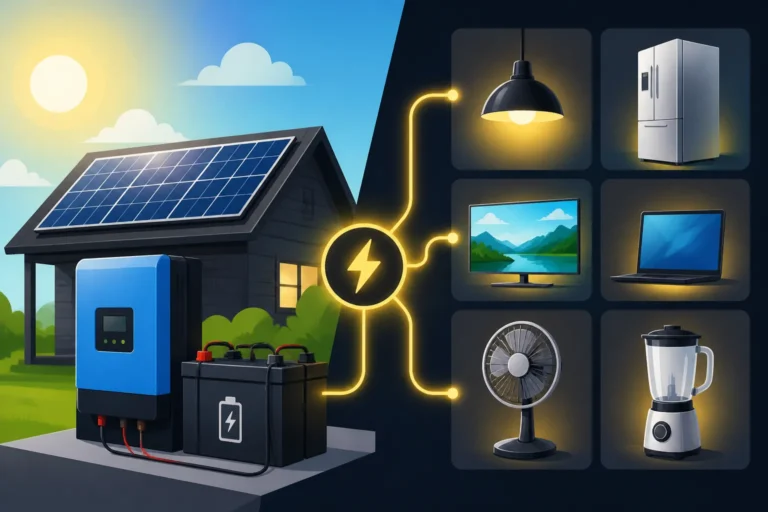
This type of system is perfect for those who mostly camp in developed campgrounds but want the flexibility to boondock for a night or two, primarily powering lights, charging phones/laptops, and maybe a small fan.
- Components:
- Solar Panels: 200-400 watts (e.g., two 100W flexible panels or two 200W rigid panels). Expect to pay $200-$600.
- Batteries: 100-200Ah 12V lead-acid (AGM) or a single 100Ah LiFePO4 battery. Cost: $200-$800.
- Charge Controller: A 20-30A PWM controller or a smaller MPPT controller. Cost: $50-$200.
- Inverter: 500W-1000W pure sine wave inverter. Cost: $100-$250.
- Wiring & Hardware: Basic mounting kits, fuses, and cables. Cost: $100-$200.
- Estimated Total DIY Cost: $650 – $2050
- Estimated Total Professional Install Cost: $1650 – $3550 (adding $1000-$1500 for labor)
- What it powers: LED lights, phone/laptop charging, small fans, water pump. You might be able to run a small TV for a few hours. A smaller portable power station, like a Jackery Explorer, paired with a couple of portable panels, could also fit this use case for an even simpler solution, though with less overall capacity.
Mid-Range Boondocking Enthusiast Setup
Designed for RVers who spend multiple days or a week at a time off-grid, running common appliances, but not heavy loads like air conditioning for extended periods. This is a very popular sweet spot for many who love dispersed camping.
- Components:
- Solar Panels: 600-800 watts (e.g., two to four 200W rigid panels). Expect to pay $600-$1400.
- Batteries: 200-400Ah 12V LiFePO4 battery bank (e.g., two 100Ah or one 200Ah battery). Cost: $800-$2000.
- Charge Controller: 40-60A MPPT charge controller (e.g., from Victron Energy or Renogy). Cost: $250-$500.
- Inverter: 1500W-2000W pure sine wave inverter. Cost: $300-$600.
- Wiring & Hardware: Higher gauge wiring, better fuses, and robust mounting. Cost: $200-$400.
- Estimated Total DIY Cost: $2150 – $4900
- Estimated Total Professional Install Cost: $3650 – $7900 (adding $1500-$3000 for labor)
- What it powers: Everything from the basic setup, plus a residential refrigerator, microwave for occasional use, coffee maker, and extended use of electronics. You might get a couple of hours of running a small air conditioner on a very sunny day, but it's not designed for continuous AC use. This kind of setup often uses robust components like those from Victron or higher-end offerings from Renogy.
Full-Time Off-Grid Living Setup
This is the Cadillac of RV solar, allowing for long-term off-grid living with amenities similar to a stick-and-brick home, including extensive use of power-hungry appliances. This often involves larger RVs, Fifth Wheels, or Class A motorhomes.
- Components:
- Solar Panels: 1000 watts or more (e.g., four to six 200W+ rigid panels). Cost: $1000-$2500+. Consider bifacial panels if roof space allows for increased efficiency.
- Batteries: 400-800Ah+ 12V LiFePO4 battery bank (or 48V system if possible). Cost: $1600-$4000+. Brands like Battle Born, EG4, or SOK are popular.
- Charge Controller: 60-100A+ MPPT charge controller, potentially two. Cost: $400-$1000+. Often a high-end unit like a Victron SmartSolar or a powerful unit from Sol-Ark.
- Inverter: 3000W-5000W+ pure sine wave inverter-charger. This unit would also handle charging from shore power or a generator. Cost: $800-$2500+.
- Wiring & Hardware: Heavy gauge wiring, bus bars, high-current fuses, proper grounding. Cost: $300-$700+.
- Estimated Total DIY Cost: $4100 – $10700+
- Estimated Total Professional Install Cost: $7100 – $15700+ (adding $3000-$5000+ for labor, potentially more for custom solutions)
- What it powers: All typical household appliances, including reliable use of one or even two air conditioners (depending on size and sun), electric water heater, washing machine, and extensive electronics. This kind of system aims for true energy independence. To truly achieve this, you might need to also explore How to Design for Year-Round Off-Grid Power which considers seasonal variations and potential backup power sources.
As you can see, the "cost of RV off-grid solar" isn't a single number. It's a spectrum that depends entirely on your lifestyle, power needs, and willingness to DIY. Carefully evaluating your needs and budget will guide you to the perfect system for your mobile adventures.
Disclaimer
The information provided in this guide is for general informational purposes only and does not constitute professional advice. Off-grid solar system design and installation can be complex and potentially dangerous. Always consult with qualified professionals and adhere to all local electrical codes and safety regulations. Costs are estimates and can vary significantly based on location, supplier, brand, market conditions, and specific system requirements.