DIY vs Professional Off-Grid Solar Cost
Deciding to power your life with off-grid solar is an exhilarating step towards independence, but the very first hurdle many folks face is the daunting question of cost. It's easy to get overwhelmed by conflicting advice on whether to tackle the installation yourself or hire a professional. This guide is here to cut through the confusion, offering a realistic, in-depth look at the true financial implications of both DIY and professionally installed off-grid solar systems, helping you weigh the savings against the sweat.
The Upfront Reality of Off-Grid Solar Installation Costs
When you first start dreaming about living off the grid, the sheer freedom is often the first thing that comes to mind. Visions of silent power, no utility bills, and true self-reliance fill your head. Then, inevitably, you start looking into the actual nuts and bolts, and that's when the reality of the price tag can hit you like a ton of bricks. It's a natural reaction to feel a bit of sticker shock, especially if you're comparing it to a simple grid-tied residential setup. But it's important to understand why these systems carry the costs they do.
Initial Sticker Shock and Why It's Misleading
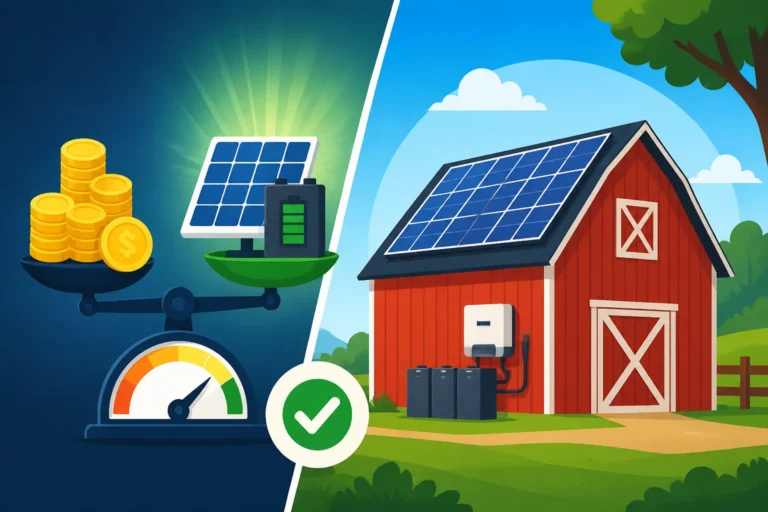
Many people embarking on their off-grid journey might initially gasp at figures they see for complete systems, sometimes ranging from tens of thousands of dollars for a full home. It's easy to think, "Wow, that's a lot! Maybe I should just stick to the grid." However, this initial reaction can be misleading because these numbers often represent a fully integrated, robust system designed for year-round living with significant power demands, complete with professional installation. Furthermore, they don't always factor in the long-term savings or the value of true energy independence. The cost of living grid-tied, with ever-increasing utility rates, connection fees, and the potential for outages, is a cost many often overlook in this initial comparison. What you're really paying for isn't just equipment; it's freedom, resilience, and a significantly reduced operating cost over the lifetime of the system.
The Core Components Driving Expense
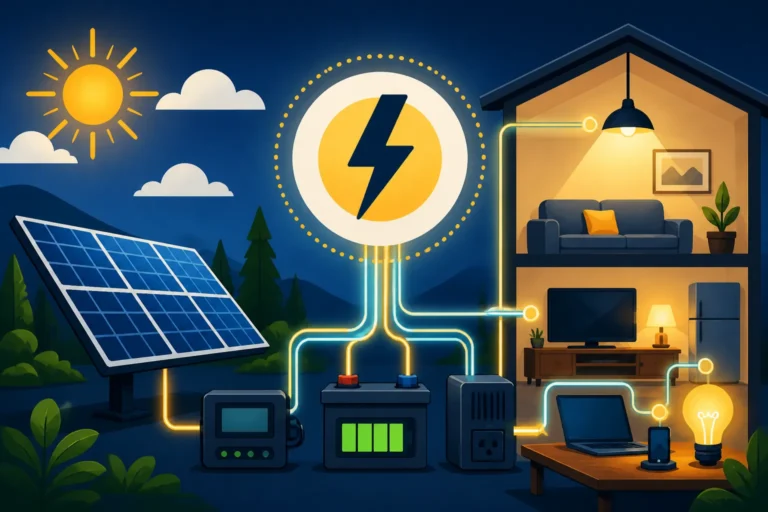
Regardless of whether you go DIY or professional, the fundamental components remain the biggest drivers of cost. These aren't just minor accessories; they're the heart and soul of your off-grid system. We're talking about the solar panels themselves, which capture the sun's energy, the batteries that store it, the charge controller that manages the flow, and the inverter that converts DC power to AC for your household appliances. Each of these components comes with its own price range, driven by factors like efficiency, capacity, and brand reputation. For instance, high-efficiency monocrystalline panels will cost more per watt than older polycrystalline models, but might take up less space. Lithium iron phosphate (LiFePO4) batteries, while having a higher upfront cost than traditional lead-acid, offer significantly longer lifespans, deeper discharge cycles, and better overall performance, which impacts the Off-Grid Solar Cost: Complete Breakdown. Understanding these core elements is the first step in understanding How Much Does an Off-Grid Solar System Cost overall, and how those costs will vary based on your personal needs and choices.
Diving Deep into DIY Off-Grid Solar Costs
The idea of building your own off-grid solar system is incredibly appealing to many, and for good reason. The sense of accomplishment, the deep understanding of your own power system, and, of course, the promise of significant cost savings can be huge motivators. It’s a true testament to self-reliance. However, while DIY can certainly shave off a chunk of change in one area, it often introduces costs, both financial and otherwise, in others.
Material Costs: The Obvious Savings
When you opt for a DIY approach, the most direct and obvious savings come from cutting out labor costs. You’re effectively paying yourself for the installation work. This means your primary financial outlay is for the equipment itself: the solar panels, batteries, inverter, charge controller, wiring, mounting hardware, safety disconnects, and any necessary monitoring equipment. Many DIYers will spend hours researching the best deals, comparing specifications, and seeking out wholesale pricing or sales events. Online retailers like Amazon are often a first stop for individual components, offering a vast selection from various manufacturers. For those looking for a more integrated, simpler setup for a smaller application, perhaps a weekend cabin or an RV, readily available kits from brands like Jackery can offer a good starting point, packaging essential components together. The key here is that you're in direct control of every purchase, which can lead to significant savings if you're disciplined and informed. However, this also means you're solely responsible for ensuring compatibility and quality across all components.
The Hidden Costs of Doing It Yourself
While you save on labor, the DIY path is rarely without its own set of hidden costs. First, there's the cost of tools. You might need specialized crimpers for MC4 connectors, a good multimeter, wire strippers, and possibly even lifting equipment for larger panels or battery banks. If you don't already own these, they add to your budget. Then there's the inevitable "oops" factor. Ordering the wrong part, damaging a component during installation, or realizing you need an extra length of expensive solar cable can quickly eat into your savings. Many DIYers also underestimate the cost of incidentals like conduit, junction boxes, weatherproofing materials, and mounting hardware, which can add up surprisingly fast. A big, often overlooked, hidden cost is potential inefficiency. If your system isn't perfectly optimized – perhaps your panels aren't angled correctly, or your wire runs are too long leading to voltage drop – you might not generate or utilize power as efficiently as possible, meaning you're getting less out of your investment day after day. This can lead to needing to buy more panels or batteries down the line than if the system had been designed perfectly from the start.
Time Investment and Learning Curve
Perhaps the most significant non-monetary "cost" of a DIY off-grid solar system is your time and the steep learning curve involved. This isn't just about reading a manual; it's about truly understanding electrical principles, system sizing, safety protocols, and installation techniques. You'll need to spend hours, if not weeks, on research, planning, and meticulous calculations. How to size an off-grid solar system properly, including calculating daily energy usage and determining battery capacity, can be complex. Understanding How to Wire an Off-Grid Solar System correctly, including series vs. parallel configurations and proper grounding, is crucial not just for efficiency but for safety. For a large, whole-home system, this could be a full-time job for months. Small mistakes can lead to major headaches, system failures, or even dangerous electrical hazards. For some, this learning process is enjoyable and part of the reward, but for others, it can be a source of immense frustration and wasted time, potentially leading to more expensive fixes later if corners are cut due to lack of knowledge or patience. You're effectively trading your time for a professional's expertise and efficiency.
Understanding Professional Off-Grid Solar Installation Costs
Hiring professionals for your off-grid solar installation means you're investing not just in equipment, but in expertise, efficiency, and peace of mind. While the upfront monetary cost will almost certainly be higher than a DIY approach, the value proposition includes a host of benefits that can save you money, time, and stress in the long run.
Labor and Expertise: What You Pay For
The most significant chunk of the "professional" premium goes directly to labor and the specialized knowledge that comes with it. When you hire an installer, you're tapping into years of experience in system design, electrical wiring, and problem-solving specific to off-grid scenarios. Professionals know how to correctly calculate your load, size your components precisely, and ensure every wire, connection, and setting is optimized for peak performance and longevity. They're well-versed in best practices for Off-Grid Solar System Sizing Guide and can navigate complex decisions like choosing between 12V, 24V, or 48V systems, or selecting the right battery chemistry for your specific climate and usage patterns. This expertise minimizes voltage drop, maximizes energy harvest, and ultimately ensures your system runs reliably for decades. Moreover, they work efficiently, completing installations in a fraction of the time it would take a novice, allowing you to enjoy your off-grid power sooner. This specialized knowledge also often extends to finding the best wholesale prices on components, sometimes offsetting a portion of their labor cost compared to what an individual DIYer might pay for retail parts.
Permitting, Inspections, and Guarantees
One of the biggest headaches for many off-gridders is navigating the bureaucratic maze of permits and inspections. Even for off-grid systems, many local jurisdictions require permits and adherence to the National Electrical Code (NEC) for safety and structural integrity. A professional installer handles all of this for you. They understand the nuances of local Off-Grid Solar Permits and Codes in your area, prepare all the necessary documentation, ensure the installation meets all regulations, and are present for inspections. This saves you invaluable time and prevents costly mistakes that could lead to failed inspections or even fines. Beyond permits, professionals typically offer warranties on their workmanship, in addition to the manufacturer warranties on equipment. This means if something goes wrong with the installation itself, they're on the hook to fix it. This layer of protection is invaluable; trying to troubleshoot a complex electrical issue on your own or fix a structural problem with your panel mounts can be incredibly frustrating and expensive without professional backing.
Turnkey Solutions and Premium Support
For those who want to "set it and forget it," professional installers offer turnkey solutions. They handle everything from initial site assessment and system design to procurement, installation, and final commissioning. Many companies also provide ongoing maintenance plans and responsive technical support. This comprehensive service is especially valuable for those who are not electrically inclined, lack the time, or live in remote areas where reliable self-installation might be difficult. Imagine moving into your off-grid cabin or homestead and simply flipping a switch, knowing that every aspect of your power system has been meticulously planned and executed by experts. This level of convenience and support is a significant part of the Off-Grid Solar Installation Cost and can lead to immense peace of mind. Should you ever decide to sell your property, a professionally installed and permitted system can also add considerable value, as prospective buyers will have confidence in its safety and reliability.
A Direct Cost Comparison: DIY vs Professional
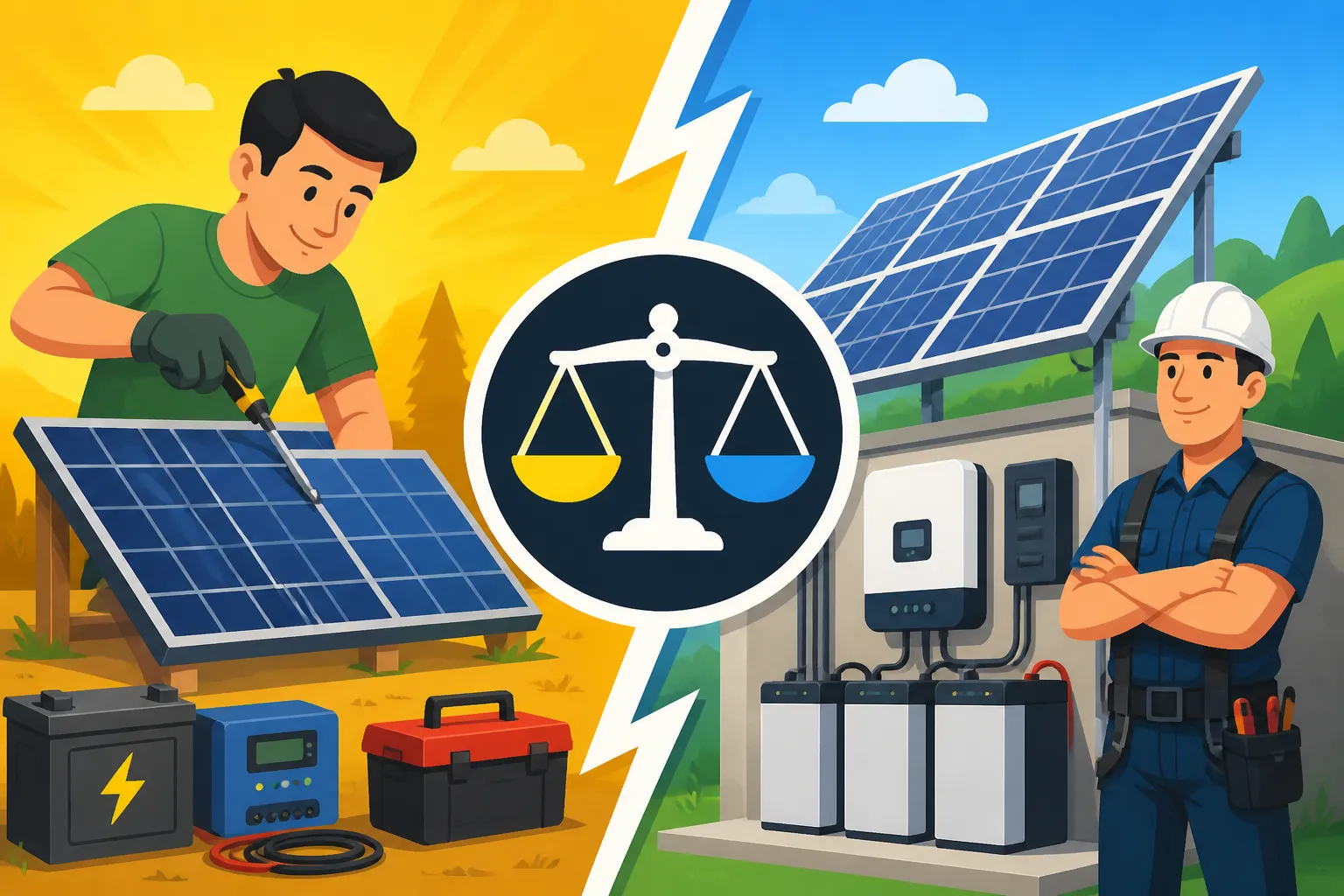
It's tempting to look at the bottom line and immediately gravitate towards the lower number. However, when comparing the costs of DIY versus professional off-grid solar installation, it’s crucial to delve deeper than just the initial price tag. We need to consider all the nuances, the hidden expenses, and the long-term implications to get a truly accurate picture.
Component-by-Component Price Differences
Let's break down the primary costs. For a typical off-grid solar system designed to power a modest cabin or tiny home (say, 3-5kW solar array, 10-20 kWh battery bank), the components themselves will represent the largest share of the expense, regardless of who installs them. Solar panels might range from $0.70 to $1.20 per watt, batteries (especially LiFePO4) from $0.50 to $1.00 per watt-hour, and inverters/charge controllers can run from $1,000 to $5,000+ depending on capacity and features. Wiring, mounting hardware, and safety components usually add another 10-20% of the total component cost.
| Component Category | DIY Cost Range (Estimated) | Professional Install Cost Range (Estimated) | Notes |
|---|---|---|---|
| Solar Panels | $0.70 – $1.20/watt | $0.80 – $1.30/watt | Professionals may get slight bulk discounts, but retail is similar for DIY. |
| Batteries | $0.50 – $1.00/Wh | $0.50 – $1.00/Wh | Same equipment cost; installation labor is the difference. |
| Inverter/Charger | $1,000 – $5,000+ | $1,000 – $5,000+ | Same equipment cost; configuration and installation labor vary. |
| Charge Controller | $200 – $1,500+ | $200 – $1,500+ | Same equipment cost; wiring labor varies. |
| Mounting Hardware | $500 – $2,000+ | $500 – $2,000+ | Varies by roof type, ground mount, etc. DIYers save on labor to install. |
| Wiring & Safety | $300 – $1,000+ | $300 – $1,000+ | Breakers, fuses, disconnects. DIYers save on labor for meticulous wiring. |
| Tools/Incidentals | $200 – $1,500 | Included in Labor | Specialized tools, conduit, sealants, etc. |
| Labor | $0 (your time) | $5,000 – $20,000+ | This is the primary difference. Varies greatly by system size and complexity. |
| Permits/Inspections | $100 – $1,000 (your time/fees) | $1,000 – $3,000 (handled by installer) | DIYers handle paperwork; professionals streamline and ensure compliance. |
| Warranty/Support | Limited to manufacturers | System-wide warranty, ongoing support | DIY troubleshooting is on you; professionals offer comprehensive backing. |
Note: These are estimated ranges and can vary widely based on location, system size, brand choice, and current market conditions.
For a DIY setup, if you're resourceful and already have many tools, you could expect to pay primarily for the raw components. Let's say a 5kW system with 15kWh of battery storage might cost you $15,000-$25,000 in materials alone. On the other hand, a professionally installed system of the same size could see an additional $5,000-$20,000+ tacked on for labor, permits, design, and warranty, bringing the total to $20,000-$45,000+. The gap is significant, often representing 20-50% of the total project cost.
Long-Term Savings and Total Cost of Ownership
The initial cost difference, while substantial, doesn't tell the whole story. The long-term savings and total cost of ownership are where the professional route can sometimes demonstrate surprising value. A professionally designed and installed system is typically optimized for maximum energy production and efficiency. This means less wasted solar energy, more stable power delivery, and potentially longer component lifespans due to correct installation and configuration. Common mistakes, like incorrect wire sizing leading to power loss or improper battery charging parameters shortening battery life, are minimized. The Off-Grid Solar Maintenance Costs can also be lower with a well-installed system, as components are less likely to fail prematurely.
Consider the longevity of your battery bank. If a DIY installation leads to improper charging cycles for your expensive LiFePO4 batteries, you might find yourself needing to replace them years sooner than their rated lifespan, negating a lot of your initial savings. A professional system, correctly installed and often with built-in monitoring, ensures these critical components are always operating within their optimal parameters. Over 10, 20, or even 25 years, these efficiencies and reduced repair costs can substantially narrow the perceived gap in upfront pricing.
Hypothetical Scenarios and Real-World Examples
Let's imagine two hypothetical scenarios:
Scenario A: The DIY Enthusiast
"Alex" wants to power their remote hunting cabin in upstate New York. It's a modest setup, needing enough power for lights, a small refrigerator, and charging electronics for weekend use. Alex is handy, has basic tools, and enjoys learning. They meticulously research components on Amazon, scour forums, and watch countless YouTube videos on How to Install an Off-Grid Solar System. They purchase two 400W solar panels, a 3000W inverter, a charge controller, and two 100Ah LiFePO4 batteries. Total material cost: around $4,500. Alex spends 4-5 full weekends over two months installing everything, encountering minor issues like wrong wire gauges and needing extra conduit, which adds about $300 to their budget. Their total cash outlay is roughly $4,800. The system works, but Alex occasionally has to tweak settings, and they worry if they sized everything perfectly for deeper winter use.
Scenario B: The Peace-of-Mind Planner
"Brenda" is building a full-time tiny home in central Oregon and wants a reliable, worry-free off-grid solar system. She knows enough to be dangerous but prefers to have experts handle it. She contacts a local off-grid solar specialist. After a site visit and detailed load analysis (Brenda needs to run a well pump, refrigerator, washing machine, and office electronics), the company designs a 6kW system with 20kWh of battery storage, a high-quality inverter/charger, and a backup generator integration. The company handles all permits and inspections. The total cost, including equipment, labor, design, permits, and a 10-year workmanship warranty, comes to $38,000. While a significantly higher upfront cost than Alex's, Brenda has a fully warrantied system, peace of mind, and confident knowledge that it will reliably power her home for decades, even through cloudy periods. The professional also gave her great advice on How Much Battery Capacity You Need for her specific loads.
These examples highlight that the "better" option isn't just about the lowest dollar amount; it's about aligning with your skills, your needs, your budget flexibility, and your tolerance for risk and personal effort.
Beyond the Dollar Signs: Other Factors to Consider
While cost is undeniably a major factor in deciding between DIY and professional off-grid solar installation, it's far from the only consideration. Many non-monetary elements can significantly impact your experience, safety, and the long-term viability of your off-grid dreams. Overlooking these can lead to greater expenses or frustrations down the line, regardless of how much you saved (or spent) upfront.
System Reliability and Longevity
The reliability and longevity of your off-grid solar system are paramount, especially if you depend on it for your primary power. A professionally installed system typically benefits from optimal design and meticulous execution. Experts have a deep understanding of component compatibility, voltage drop calculations, proper fusing, and environmental protection for all parts. They know exactly how to integrate all the pieces, from solar panels to the charge controller and the inverter, ensuring they work harmoniously. This precision significantly reduces the chances of premature component failure, system downtime, or inefficient operation. Think about it: an improperly wired connection could lead to a fault, or an incorrectly programmed charge controller could slowly degrade your expensive battery bank. A professional installation minimizes these risks, ensuring your system operates at peak performance for its expected lifespan, maximizing your return on investment over the years. This isn't just about having power; it's about having consistent power when you need it most.
Safety, Warranty, and Resale Value
Safety in electrical work cannot be overstated, especially with high-voltage DC circuits common in solar arrays and powerful battery banks. Improper wiring or grounding can lead to electrocution hazards, fires, or damage to expensive equipment. Professional installers are trained and often certified in electrical safety practices, adhering strictly to codes and standards. They ensure all circuits are properly protected with breakers and fuses, and that the system is correctly grounded, safeguarding both your property and your life.
Furthermore, a professional installation often comes with a comprehensive system warranty on workmanship, alongside the individual manufacturer warranties on components. If a problem arises that's due to the installation itself, you have a clear path to resolution, without having to troubleshoot complex electrical issues yourself. This professional backing provides invaluable peace of mind. Beyond that, if you ever decide to sell your off-grid property, a professionally installed and permitted solar system can significantly increase its resale value. Buyers are often willing to pay a premium for a turn-key, safe, and warrantied system, rather than inheriting a DIY setup with unknown origins or potential compliance issues.
Your Skills, Time, and Peace of Mind
Ultimately, the choice often boils down to a very personal assessment of your own capabilities, available time, and what price you put on peace of mind. Are you an experienced electrician or a highly capable DIYer who genuinely enjoys diving into complex projects? Do you have the free time to dedicate potentially weeks or months to research, planning, sourcing, and physical installation? If so, the DIY route might be incredibly rewarding both financially and personally. You'll gain an intimate understanding of your system, empowering you to handle future maintenance and upgrades yourself.
However, if your electrical knowledge is basic, your free time is limited, or the thought of intricate wiring diagrams and code compliance fills you with dread, then investing in a professional installation is likely the wiser choice. It frees you up to focus on other aspects of your off-grid life, knowing that your power system is in capable hands. It means less stress, fewer potential mistakes, and the confidence that comes with a robust, reliable setup. For many, the ability to simply flip a switch and have dependable power, without having to become a solar expert overnight, is worth every penny of the professional fee. It allows you to actually enjoy your off-grid lifestyle rather than constantly worrying about the power system. For larger systems, especially those meant for full-time living, avoiding Common Off-Grid Sizing Mistakes and installation pitfalls by relying on an expert can save you from immense frustration and costly corrections in the future.
Disclaimer
The information provided in this article is for general informational purposes only and does not constitute professional advice. Off-grid solar system design and installation can be complex and potentially dangerous. Always consult with qualified and certified solar professionals or electricians for specific advice tailored to your situation, and ensure all installations comply with local electrical codes and permitting requirements.