Hidden Costs of Going Off-Grid
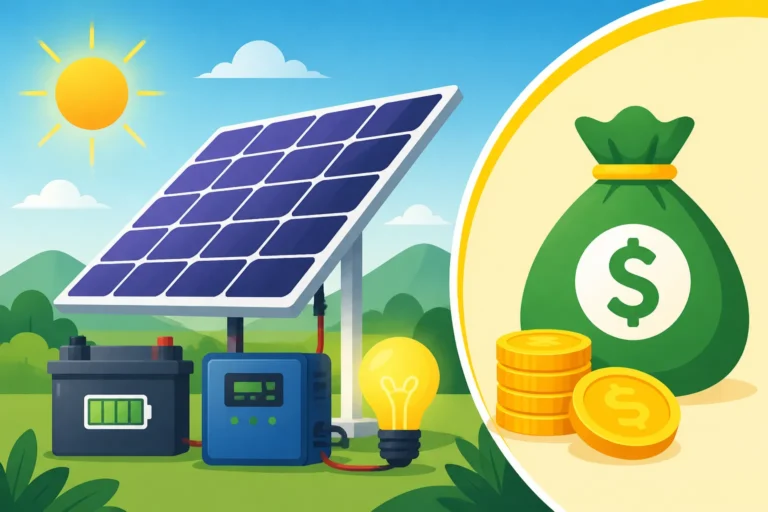
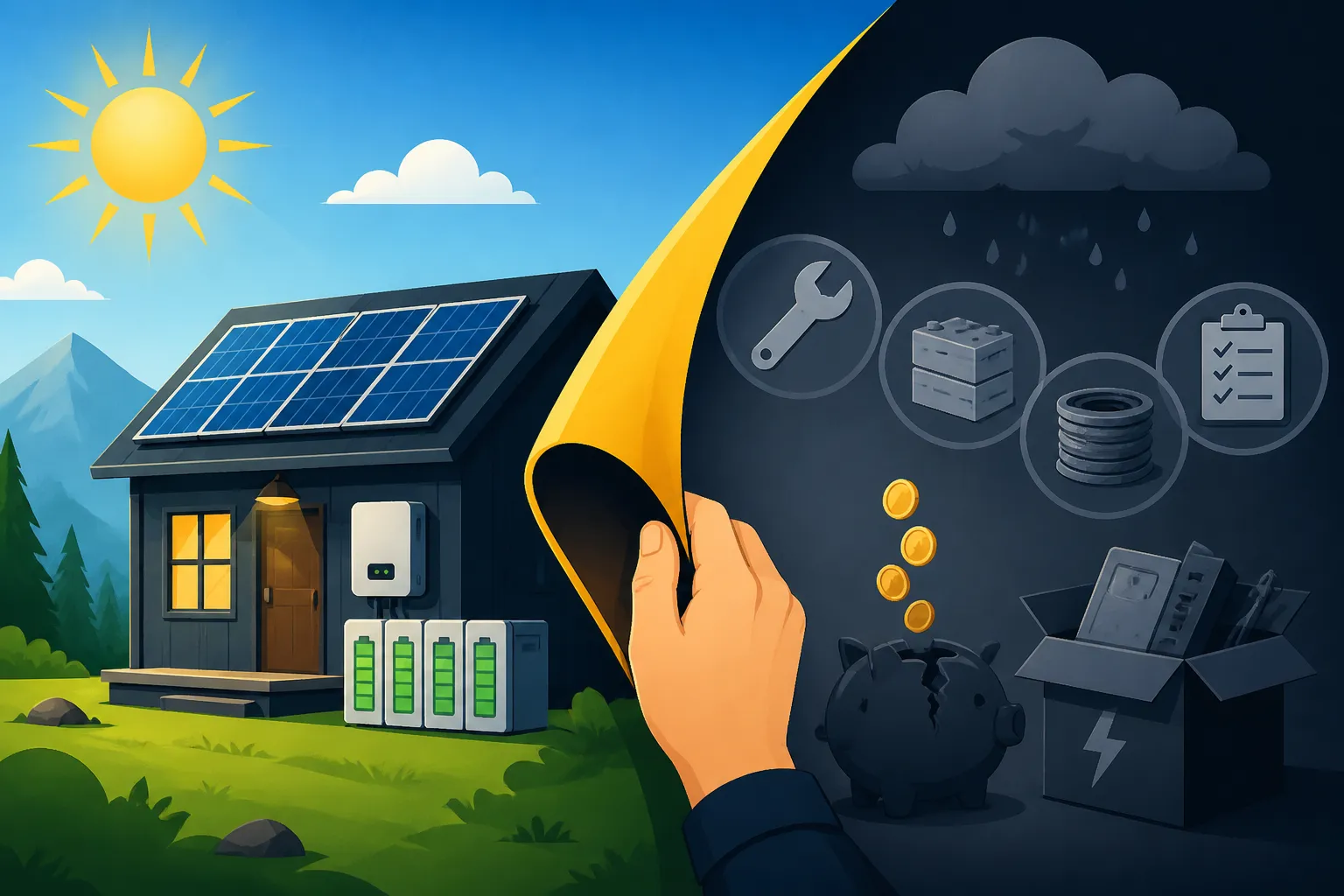
The dream of casting off the shackles of the utility company and embracing true energy independence is incredibly compelling. Many of us picture serene cabins or RVs, silently powered by the sun, completely free from monthly bills. It’s a beautiful vision, but let's be realistic: the path to going off-grid with solar often comes with a handful of sneaky, hidden costs that can surprise even the most prepared adventurer. This guide is dedicated to shedding light on those often-overlooked financial aspects, helping you budget accurately and avoid nasty surprises on your journey to off-grid living.
The Allure Versus the Reality: Why Initial Estimates Fall Short
When people first start exploring off-grid solar, they often focus solely on the big-ticket items: solar panels, batteries, and inverters. They might get an initial quote for these main components and think they have a handle on the budget. However, the reality of powering your life completely off the grid is far more intricate, and many crucial details get missed in those early calculations. The disparity between what you think you'll spend and what you actually spend can be significant, leading to frustration and delays.
Miscalculating Energy Needs
One of the biggest culprits for budget overruns is simply not understanding your true energy consumption. It’s easy to list your appliances, but it's another thing entirely to accurately calculate their daily or even hourly watt-hour draw, especially when considering surge currents for things like refrigerators or well pumps. Many first-timers underestimate their power usage by a substantial margin, thinking they can get by with a smaller system. This often leads to under-sized battery banks and not enough solar panels to recharge them efficiently, forcing costly upgrades down the line. It's not just about what you want to run, but how often and for how long.
Consider a common scenario: a family moves into a cabin, planning to power it with a modest 2kW solar system. They’ve accounted for lights, a TV, and a few small electronics. What they often forget are things like electric toothbrushes, phone chargers that are constantly plugged in, a powerful coffee maker used daily, or the occasional power tool for DIY projects. These "small" loads add up surprisingly quickly. Over time, they realize their batteries are consistently depleted, and their solar array isn't keeping up, especially during cloudy stretches. They then face the unexpected cost of purchasing additional panels, more batteries, and potentially a larger charge controller and inverter. A thorough Off-Grid Solar System Sizing Guide can help prevent this.
Underestimating Days of Autonomy
"Days of autonomy" refers to how long your battery bank can power your home without any input from the sun. This is a critical factor for reliability, especially in regions with unpredictable weather or during winter months when daylight hours are shorter and the sun angle is lower. Beginners often aim for 1-2 days of autonomy to save on initial battery costs, which seems reasonable on paper. However, real life rarely cooperates with ideal conditions.
Imagine living in the Pacific Northwest, where it’s not uncommon to have a week or more of overcast, rainy weather. If you've only budgeted for two days of autonomy, you'll quickly find yourself in the dark, rationing power, or relying heavily on a generator. This often leads to a frantic scramble for more batteries, which are arguably the most expensive component of an off-grid system. The true cost of an off-grid solar battery bank can be a shock if not planned meticulously. Experienced off-gridders often recommend at least 3-5 days of autonomy, and sometimes even more depending on location and lifestyle, to ensure consistent power supply, which significantly increases upfront battery investment.
Beyond the Core Components: Unseen Equipment Costs
When you’re pricing out an off-grid solar system, it’s natural to focus on the big-ticket items: the panels, batteries, and inverter. These are the main players, no doubt. But what many people don't realize is that these components don't just magically connect and work together. There's a whole host of "balance of system" (BOS) components and essential accessories that are absolutely critical for safety, efficiency, and functionality, and these often get left out of initial budget estimates. Skipping these can either lead to an unsafe system or one that simply doesn’t perform as expected, costing you more to fix later.
Balance of System BOS Components
The term "Balance of System" or BOS refers to all the components of a photovoltaic system other than the solar panels themselves. While it technically includes inverters and batteries, for the sake of uncovering hidden costs, we're talking about all the other bits and pieces that are absolutely non-negotiable. This includes charge controllers, which regulate the power flowing from your panels to your batteries; wiring and cabling of various gauges and lengths; mounting hardware for your panels (whether roof or ground mounts); disconnect switches and breakers for safety; and combiner boxes to manage your solar array inputs. Each of these items, while seemingly small individually, adds up.
For instance, robust, UV-resistant solar cabling isn't cheap, especially for longer runs or larger systems that require thicker gauges to prevent voltage drop. High-quality circuit breakers and fuses are essential for protecting your equipment from overcurrents and short circuits, but they come at a price. Don't forget conduit to protect your wiring from the elements and critters, and ground rods for proper system grounding, which is paramount for safety. You might be eyeing a fantastic deal on a Cost of an Off-Grid Solar Inverter, but if you don't budget for the specialized cables and disconnects required to safely connect it, you're looking at unexpected expenses. Many reputable brands like Victron Energy or MidNite Solar offer high-quality BOS components, but they do require a budget allocation.
Backup Power Solutions
Even the most robust off-grid solar system needs a backup plan. While solar offers incredible reliability, there will be times when the sun just doesn't cooperate—think prolonged stretches of bad weather, unexpected heavy snow covering panels, or a sudden surge in energy demand. Relying solely on your solar and battery bank for 100% of your power needs, 100% of the time, often leads to periods of insufficient power if not properly planned for. That’s where a backup power solution comes in, and this is almost always an additional, often significant, cost.
Most off-grid setups incorporate a backup generator, typically running on propane, gasoline, or diesel. A reliable generator can range from a few hundred dollars for a basic portable unit to several thousands for a whole-house automatic start model. Then there's the cost of fuel storage and, of course, the fuel itself. Even if you only run it a few times a year, those costs accumulate. Another option gaining popularity are large portable power stations or solar generators, like a Jackery Explorer 2000 Pro. While these can provide a clean, quiet backup for smaller loads or short periods, they are an additional piece of equipment with their own price tag. The decision to include a generator, and what kind, drastically impacts your overall budget, and it's a cost many aspiring off-gridders initially overlook when focusing solely on the solar components. This topic is deeply explored in articles like Off-Grid Solar Generator Backup Cost.
Installation Intricacies and Labor Expenses
The moment you start to physically put your off-grid system together, whether it’s a tiny cabin setup or a full-blown homestead, you'll quickly realize that the process itself has significant cost implications. It’s not just about buying the parts; it’s about putting them in place correctly and safely. Many people enter the off-grid world with grand DIY intentions, only to find the labor and knowledge required can be overwhelming, leading to unexpected expenses.
DIY Challenges and Hidden Costs
For the handy homeowner or aspiring minimalist, the idea of a "DIY Off-Grid Solar Build Cost" is incredibly appealing. You save on labor, learn new skills, and feel a deep sense of accomplishment. However, a DIY approach isn’t free, and it often comes with its own set of hidden financial and temporal costs. First, there's the cost of tools. You might need specialized crimpers for MC4 connectors, a quality multimeter, wire strippers for heavy-gauge cable, possibly a torque wrench for panel mounts, and safety gear. If you don't already own these, they're a direct expense.
Beyond tools, there’s the learning curve. Mistakes can be expensive, leading to damaged components that need replacing, or inefficient wiring that reduces your system's output. Time is also money; countless hours spent researching, troubleshooting, and correcting errors could be considered a hidden cost. Furthermore, complex systems often require professional electrical expertise for certain stages, like connecting to an AC breaker panel, or for safety inspections. What starts as a fully DIY project often morphs into a hybrid approach, adding unexpected professional fees. You might source some smaller components or specific tools from online retailers like Amazon, but for critical, complex parts, specialized solar suppliers are often necessary, and their pricing can vary.
Professional Installation Premiums
Opting for professional installation certainly simplifies the process for the homeowner, eliminating many of the DIY headaches. However, it introduces a significant upfront labor cost that many initially fail to budget for. Installers bring their expertise, specialized tools, and often quicker completion times, but this comes at a premium. The cost varies widely based on the complexity of your system, your geographical location, and the specific installer's rates. Installing panels on a remote cabin roof, for example, might be more labor-intensive and therefore more expensive than a simple ground mount in an accessible location.
Beyond the direct labor charges, professionals often factor in costs for permits, engineering plans, and ensuring your system meets local electrical codes – all things a DIYer might overlook or struggle with. While these are technically part of the "installation," they are often separate line items or embedded fees that add substantially to the total. For a full-scale home, the professional Off-Grid Solar Installation Cost can easily add 20-30% or more to the equipment costs. While it ensures safety and compliance, it’s a major financial commitment that must be clearly understood from the outset, contrasting sharply with the notion of a 'free' installation.
The Ongoing Investment: Maintenance and Replacements
Many people assume that once an off-grid solar system is installed, the costs pretty much stop, save for the occasional generator fuel top-up. This simply isn't true. Like any complex system, off-grid solar requires ongoing attention, maintenance, and eventual component replacements. Neglecting these can lead to decreased performance, reduced lifespan, and ultimately, even higher costs down the line. It's an investment, and investments require care.
Battery Lifespan and Replacement
Batteries are the heart of any off-grid solar system, storing the sun's energy for use when the panels aren't producing. They are also, without a doubt, the most common component to require replacement and the single most expensive part of your system over its lifetime. Even the best batteries, whether they are deep-cycle lead-acid (AGM or flooded) or the more modern lithium iron phosphate (LiFePO4), have a finite lifespan measured in charge cycles or years. Lead-acid batteries might last 3-7 years, while LiFePO4 batteries can last 10-15 years or even longer with proper care.
However, once their capacity drops significantly, they need to be replaced. The Cost to Replace Off-Grid Solar Batteries can be staggering, often thousands of dollars, depending on the size of your bank. This isn't a one-time cost; it's a recurring expense you'll face every 5, 10, or 15 years. You also need to factor in the cost of proper disposal of old batteries, especially lead-acid, which are hazardous. While lithium batteries like those from Battle Born or EG4 have a higher upfront cost, their longer lifespan and deeper discharge capabilities often make them more cost-effective in the long run, but the replacement still needs to be budgeted for.
System Upgrades and Expansions
Life changes, and so do energy needs. What might be a perfectly adequate system for a single person in a tiny home could quickly become insufficient for a growing family, a new remote work setup, or the addition of energy-intensive appliances like an electric water heater or air conditioning. Expanding an off-grid system isn't always as simple as just adding more panels. Often, it requires upgrading other components too.
If you add more solar panels, you might need a larger charge controller to handle the increased input. If your power demands increase significantly, your existing inverter might no longer be able to handle the peak loads, necessitating a costly upgrade. Even seemingly minor changes can snowball into larger projects. For example, deciding to install a small workshop with power tools could mean adding several new panels, a dedicated battery bank section, and potentially a larger inverter to handle the surge currents. These incremental additions and Cost of Expanding an Off-Grid System can catch people off guard, as they hadn't planned beyond their initial needs.
Maintenance and Monitoring
An off-grid solar system isn't a "set it and forget it" kind of deal. Regular maintenance is crucial to ensure optimal performance, longevity, and safety. This includes cleaning solar panels, especially if you live in a dusty area or one with frequent bird activity. Dirty panels can significantly reduce energy production, forcing your generator to run more often or leaving you short on power. If you have flooded lead-acid batteries, they require periodic topping off with distilled water and specific gravity checks, a task that can be messy and requires safety precautions.
Beyond physical maintenance, monitoring your system's health is paramount. This means investing in a reliable battery monitor to track state of charge, voltage, and current flow. While some advanced inverters and charge controllers offer integrated monitoring, dedicated battery monitors from brands like Victron or Bogart Engineering provide precise data that helps you understand your system's performance and catch issues early. These monitoring tools themselves are an added expense, and the time spent interpreting data and performing maintenance is a hidden labor cost. Neglecting Off-Grid Solar Maintenance Costs can lead to premature component failure, which is far more expensive than routine care.
Lifestyle Adjustments and Their Financial Impact
Going off-grid isn't just about installing hardware; it's about embracing a different way of life, one that often demands a more conscious approach to resource consumption. While this shift can lead to significant long-term savings, the initial transition can come with unexpected costs as you adapt your home and habits to suit your new power source. These are less about the solar equipment itself and more about the holistic change required for sustainable off-grid living.
Energy-Efficient Appliance Upgrades
When you're tied to the grid, you might not think twice about running an older, less efficient refrigerator or relying on a standard electric water heater. However, when every watt-hour comes directly from your solar panels and stored in your battery bank, energy efficiency becomes paramount. Older appliances, particularly refrigerators, freezers, and conventional electric water heaters, can be massive energy hogs, quickly draining even a well-sized battery bank.
This often means that a significant, unbudgeted expense for new off-gridders is the forced upgrade to highly energy-efficient, often DC-powered or inverter-driven AC appliances. A new Energy Star refrigerator can easily run upwards of $1,000-$2,000, and DC refrigerators designed for off-grid or marine use can be even pricier. Similarly, switching from a conventional electric water heater to a propane on-demand unit or a solar thermal system involves significant investment. These purchases are crucial for making your off-grid system viable and reducing your daily load, but they are substantial additional costs that often aren't factored into the initial "solar system" budget.
Water and Waste Management Systems
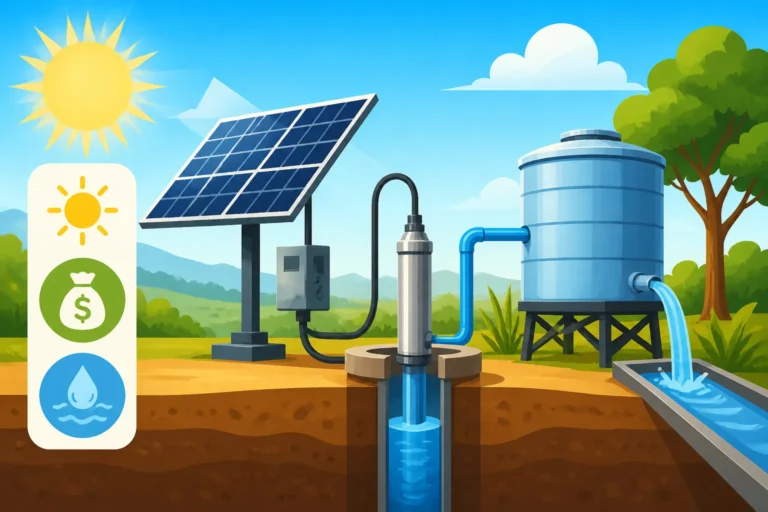
While not directly part of the solar system, water and waste management are inextricably linked to living off-grid, and their costs are often intertwined with your energy needs. Many people dreaming of an off-grid cabin don't consider the comprehensive costs of a reliable water source and waste disposal. If you’re not connected to municipal water, you’ll need a well, a rainwater catchment system, or a combination. A well drilling project can cost thousands of dollars, and then you need a well pump, which itself is a significant power draw. You’ll need to figure out Cost to Run A Well Pump on Off-Grid Solar when sizing your system.
Similarly, waste management goes beyond just plumbing fixtures. If you’re not connected to a sewer system, you’ll likely need a septic system, which involves excavation, permits, and installation costs that can easily run into the tens of thousands. Even if you opt for composting toilets to reduce water usage, there are still costs associated with their purchase and ongoing maintenance. These are essential components of any functioning home, off-grid or not, but their independence from public utilities means you bear the full cost of setting them up, often as hidden expenses not initially allocated within the solar budget.
Unexpected Contingencies and Regulatory Hurdles
Even with the most meticulous planning, unforeseen circumstances and regulatory requirements can throw a wrench into your off-grid budget. These are the costs that might not even cross your mind until you're deep into the process, but they can be significant and unavoidable, adding layers of complexity and expense to your journey toward self-sufficiency. It's vital to have a contingency fund for these "just in case" scenarios.
Permitting, Inspections, and Insurance
Depending on your location and the scale of your off-grid project, you may encounter a maze of local, county, and state regulations regarding electrical systems, building codes, and even land use. While some remote areas are more lenient, many jurisdictions require permits for any electrical work, including solar installations. These permits come with fees, and the process often demands detailed system designs, engineering stamps, and multiple inspections by certified professionals. These can be time-consuming and costly, especially if revisions are required.
Even if you successfully navigate the permitting process, securing appropriate insurance for an off-grid property can sometimes be more complex or expensive than for a grid-tied home. Insurers might view self-built, remote systems as higher risk, leading to higher premiums or specialized policies. The fees for permits, inspections, and potentially increased insurance costs are often completely absent from initial off-grid cost estimates, yet they are a very real, and legally required, part of establishing a permanent off-grid residence. Understanding Off-Grid Solar Permits and Codes is a crucial step.
Generator Fuel and Unexpected Repairs
While we touched on the cost of the backup generator itself, the ongoing operational costs, particularly for fuel, can become a hidden drain on your finances. If your solar system is undersized, or if you experience a prolonged period of bad weather, you might find yourself relying on your generator much more often than anticipated. Running a generator for hours each day consumes significant amounts of fuel – gasoline, diesel, or propane – and these costs add up quickly. A single large propane tank refill can be hundreds of dollars, and if you're doing that frequently, it busts the budget.
Beyond fuel, generators require regular maintenance, just like a car. Oil changes, air filter replacements, spark plugs, and general wear and tear contribute to the overall Off-Grid Solar Maintenance Costs. And then there are unexpected repairs. A breakdown in a remote location can be incredibly inconvenient and expensive, often requiring a specialized technician to travel long distances, incurring significant call-out fees on top of parts and labor. These operational and repair costs for backup power, while seemingly small individually, can become a continuous financial burden that eats into the perceived savings of going off-grid.
Budgeting for the Unseen: Tips for Financial Preparedness
Understanding these hidden costs is the first step towards a successful and less stressful off-grid transition. The goal isn't to discourage you, but to equip you with the knowledge to create a more realistic financial plan. Being prepared for these "surprises" means they're no longer surprises, but budgeted line items.
Create a Comprehensive Load Analysis
Before buying anything, spend a significant amount of time performing a thorough load analysis. Don't just list appliances; measure their actual draw if possible. Use a kill-a-watt meter or look up specific model wattages and estimate daily run times as accurately as possible. Account for phantom loads (electronics drawing power even when off) and surge currents for motors. Then, add a buffer – at least 20-30% – for unforeseen usage or future additions. This detailed analysis is the foundation for properly sizing your solar array and battery bank, preventing costly undersizing issues later. Refer to How to Calculate Off-Grid Solar Needs for a step-by-step guide.
Research Local Regulations and Permit Costs
Don't assume your remote location is exempt from regulations. Before breaking ground or ordering major components, contact your local county planning and zoning department, and your state's electrical inspection board. Ask about permits required for solar installations, septic systems, wells, and any other structures. Inquire about inspection requirements and associated fees. This preemptive research can save you from significant fines, forced system modifications, or expensive delays. A quick search online can often reveal common requirements for your area, or connect you with local off-grid communities who've navigated these waters.
Factor in a Contingency Fund
This is perhaps the most crucial "hidden cost" to budget for: the unexpected. No matter how thoroughly you plan, something will inevitably come up that you didn't foresee. A delivery might be more expensive than anticipated, a component might fail during installation, or you might realize you need a specialized tool you didn't account for. A good rule of thumb is to set aside an additional 10-20% of your total estimated project cost as a dedicated contingency fund. This financial buffer can absorb those inevitable surprises without derailing your entire project or forcing you to compromise on critical components. Think of it as peace of mind insurance for your budget. You can learn more about managing your finances for this journey in How to Budget for an Off-Grid Solar System.
Conclusion
Embarking on an off-grid solar journey is an exciting and empowering decision, but it demands a realistic understanding of all the financial commitments involved. Moving beyond the initial appeal of solar panels and batteries, you'll encounter a myriad of hidden costs, from the essential balance of system components and backup power solutions to the intricacies of installation, ongoing maintenance, and vital lifestyle adjustments. By meticulously planning for these often-overlooked expenses—from accurate energy calculations and local permits to potential system upgrades and a robust contingency fund—you can transform what might otherwise be budget-busting surprises into manageable, planned investments. True independence comes not just from generating your own power, but from being fully prepared for the financial realities of sustaining it.
Disclaimer
The information provided in this article is for general informational purposes only and does not constitute professional advice. Off-grid solar system design, installation, and associated costs can vary significantly based on individual needs, location, local regulations, and component choices. Always consult with qualified professionals for specific advice tailored to your project.