Best Off-Grid Solar for a Prepper Setup
When the grid goes down, whether it's a momentary blackout or a longer-term emergency, the silence can be unsettling. For those of us who believe in being prepared, securing a reliable power source is paramount. This comprehensive guide will walk you through everything you need to know to choose the best off-grid solar system to keep your prepper setup powered, ensuring your peace of mind when it matters most.
Understanding Your Prepper Power Needs
Before you even think about buying solar panels or batteries, the absolute first step is to sit down and honestly assess your power requirements. This isn't just about what you want to run, but what you need to run to maintain safety, communication, and basic comfort during an off-grid scenario. This exercise is often called a load analysis, and it's truly the foundation of a successful system.
Essential Versus Comfort Loads
In a prepper scenario, every watt-hour counts. You need to differentiate between the things that are absolutely critical for survival and well-being, and those that simply add comfort. Imagine a power outage: what are the non-negotiables? Lights for safety and visibility, perhaps a radio for critical information, a way to charge communication devices like cell phones or handheld radios, and potentially a well pump for water or a small medical device. These are your essential loads.
Consider your refrigerator or freezer. In a short outage, keeping food cold might be a luxury, but in a longer scenario, it becomes essential for food preservation. Heating or cooling might fall into the comfort category initially, but in extreme weather, it quickly shifts to essential. Make a list of every single appliance, device, and light fixture you envision needing. For each item, note its wattage and how many hours per day you expect to use it. This will give you your daily watt-hour consumption for each item. You might be surprised at how quickly those numbers add up, especially if you haven't calculated your daily energy usage before.
Days of Autonomy and System Reliability
This is where the prepper mindset truly shines. "Days of autonomy" refers to how many days your battery bank can power your essential loads without any additional input from your solar panels. For someone just looking for weekend cabin power, a day or two might suffice. But for a prepper, you need to think about extended periods of cloudy weather, heavy snowfall, or even system damage that might limit solar production.
Aiming for at least three to five days of autonomy is a common recommendation for robust off-grid living, but for a prepper, pushing for even more can provide critical flexibility and resilience. This means investing in a larger battery bank than you might initially think, and perhaps even oversizing your solar array a bit to ensure rapid recharging when the sun does shine. Remember, reliability is key. You don't want your power system to be another point of failure when everything else is already uncertain. When you're planning, think about how to account for cloudy days and severe weather, and ensure your system can ride out those periods.
Scalability and Future-Proofing
No one knows exactly what the future holds, and a prepper setup should be adaptable. Your initial off-grid solar system might be designed to cover basic necessities, but what if your needs evolve? What if you decide to add more critical systems, like a larger water filtration setup or advanced communication equipment? Planning for scalability from the outset can save you a lot of headache and expense down the road.
Choose components that allow for expansion. For example, some charge controllers can handle additional solar panels, and many inverter systems are designed to allow you to add more batteries in parallel. If you're building a system for a fixed location, consider leaving space for additional panels and running conduit that can accommodate more wiring. Think about how to design an expandable system right from the start, so you're not tearing everything apart if you decide to double your power capacity a few years down the line. It's much easier to plan for growth than to completely overhaul a system.
Key Components of a Resilient Off-Grid Prepper System
Building a reliable off-grid solar system for preparedness isn't just about buying individual parts; it's about selecting components that work seamlessly together, are durable, and can withstand adverse conditions. Each piece plays a critical role in your overall energy independence.
Robust Solar Panels and Mounting
Your solar panels are the heart of your system, responsible for converting sunlight into usable electricity. For a prepper setup, you can't just pick the cheapest panels you find. You need panels that are built to last, can withstand harsh weather, and deliver consistent performance. Monocrystalline panels are generally preferred for their higher efficiency and better performance in low-light conditions, which can be crucial on overcast days. Look for panels with strong aluminum frames, tempered glass, and good hail ratings.
Equally important is how these panels are mounted. A secure mounting system protects your investment from high winds, heavy snow loads, and potential tampering. Roof mounts are common for homes and cabins, while ground mounts offer flexibility in aiming panels for optimal sun exposure, especially useful for adjusting best tilt angle for off-grid panels seasonally. Consider stealth and security in your mounting choices too – perhaps a less visible location or a design that can be quickly covered if needed. Companies like Renogy and Rich Solar offer a range of durable panels suitable for various off-grid applications.
Deep Cycle Battery Banks for Longevity
The battery bank is your energy storage, keeping your lights on and devices charged when the sun isn't shining. This is arguably the most critical component for a prepper system, as it determines your system's autonomy. When it comes to best off-grid solar batteries, LiFePO4 (Lithium Iron Phosphate) batteries have become the gold standard. They offer a significantly longer cycle life, higher depth of discharge, and lighter weight compared to traditional lead-acid batteries. While their upfront LiFePO4 vs Lead-Acid Battery Cost is higher, their longevity and performance often make them more cost-effective in the long run.
For prepper applications, the ability to withstand frequent deep discharges without significant degradation is paramount. LiFePO4 batteries excel here, often allowing 80-100% depth of discharge. However, if budget is a significant constraint, or if you're operating in extremely cold environments without climate control for your batteries, high-quality AGM (Absorbed Glass Mat) lead-acid batteries can be a viable, albeit less efficient, option. Regardless of chemistry, ensure your battery bank is adequately sized for your how many batteries for an off-grid system needs, aiming for those critical days of autonomy. You can always expand your battery bank later by adding more, but it’s best to start with a solid foundation.
Reliable Inverter and Charge Controller Combo
These two components are the brains and brawn of your off-grid system. The charge controller manages the power flow from your solar panels to your batteries, preventing overcharging and optimizing efficiency. MPPT (Maximum Power Point Tracking) charge controllers are highly recommended over PWM (Pulse Width Modulation) controllers for their superior efficiency, especially in larger systems or varied weather conditions. An MPPT controller can extract significantly more power from your panels, which means faster charging and more usable energy for your batteries.
The inverter converts the DC (direct current) power stored in your batteries into AC (alternating current) power, which is what most household appliances use. For sensitive electronics, a pure sine wave inverter is essential. Modified sine wave inverters are cheaper but can damage certain devices or cause them to run inefficiently. Many modern off-grid systems integrate the inverter and charge controller into a single unit, often called an inverter-charger. These units, like those from Victron Energy or Sol-Ark, offer streamlined installation, advanced monitoring, and robust performance, making them excellent choices for critical prepper setups. A reliable inverter is paramount for running everything from a water pump to your communication gear.
Designing for Durability, Security, and Stealth
A prepper solar system isn't just about generating power; it's about protecting that power, ensuring it remains operational, and potentially keeping it out of sight. These considerations are vital for the long-term viability and security of your off-grid setup.
Physical Protection and Camouflage
In a survival situation, your solar equipment could become a target, or simply be vulnerable to environmental damage. Designing your system with physical protection in mind is crucial. Solar panels, while durable, can be damaged by falling branches, large hail, or even intentional acts. Consider placing panels in a sheltered yet sunny location, or designing robust enclosures. For ground mounts, a sturdy fence might offer some protection against both animals and people.
Camouflage can be another valuable layer of security. Bright, reflective solar panels can draw unwanted attention, especially in remote areas. While you can't completely hide them when they're actively collecting sun, consider strategies for concealment when not in active use or during periods of heightened alert. This could involve removable covers or integrating the panels more discreetly into the landscape or building design. For portable systems, like those using a Jackery power station, the ability to quickly deploy and pack away panels offers inherent stealth. Remember, the less visible your power source, the less likely it is to attract unwanted attention.
Redundancy and Backup Power Sources
The prepper philosophy revolves around redundancy: "two is one, and one is none." This principle absolutely applies to your off-grid power system. Relying solely on solar power, no matter how well-designed, carries inherent risks. What if an inverter fails? What if a major storm renders your panels useless for an extended period? Having backup power sources is not just smart; it's essential for true preparedness.
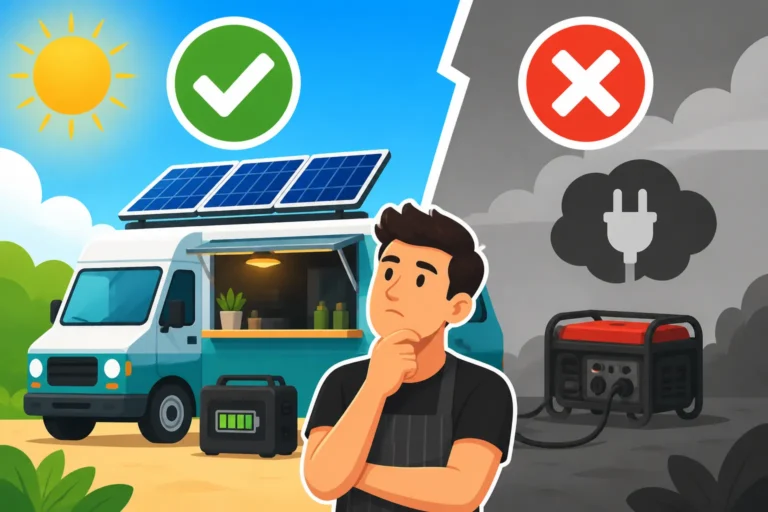
A fossil fuel generator, running on gasoline, propane, or diesel, is a common and effective backup. It can quickly recharge your batteries or directly power critical loads during prolonged periods of low sun. Integrating a generator into your solar system design means having an automatic transfer switch or a manual switch to seamlessly shift between solar and generator power. Many inverter-chargers are designed to work harmoniously with generators, even allowing for auto-start features when battery levels drop too low. Furthermore, consider portable solar generators, like a high-capacity Jackery Explorer, as a secondary or emergency backup. They're self-contained, easy to deploy, and can power essential electronics or provide a trickle charge to a larger system. When you're thinking about how to add a generator to your design, remember to factor in fuel storage and maintenance.
Maintenance and Troubleshooting for Self-Reliance
An off-grid solar system isn't a "set it and forget it" solution, especially in a prepper context where professional help might not be available. Regular maintenance is key to ensuring longevity and optimal performance. This includes keeping your panels clean, especially after dust storms or heavy pollen seasons, checking battery terminals for corrosion, and monitoring system performance through your charge controller or inverter's display. Learning how to maintain an off-grid solar system is a valuable skill.
Even more important for self-reliance is the ability to troubleshoot common issues. Understand what normal system readings look like (voltage, current, battery state of charge) so you can quickly identify anomalies. Keep spare fuses, basic wiring tools, and a multimeter on hand. Knowing how to install an off-grid solar system yourself or at least understanding the fundamental wiring diagrams will empower you to diagnose and fix minor problems without external assistance. This self-sufficiency is a cornerstone of preparedness and can mean the difference between having power and being completely without it.
Choosing the Right Off-Grid Solar Setup for Your Scenario
Selecting the ideal off-grid solar system isn't a one-size-fits-all situation, especially when considering the diverse needs of a prepper. Your specific scenario will dictate the best approach, whether you're securing a remote cabin, outfitting an emergency vehicle, or simply adding redundancy to a residential home.
Portable Versus Permanent Systems
The choice between a portable and a permanent off-grid solar system largely depends on your specific prepper scenario and location.
Portable Systems:
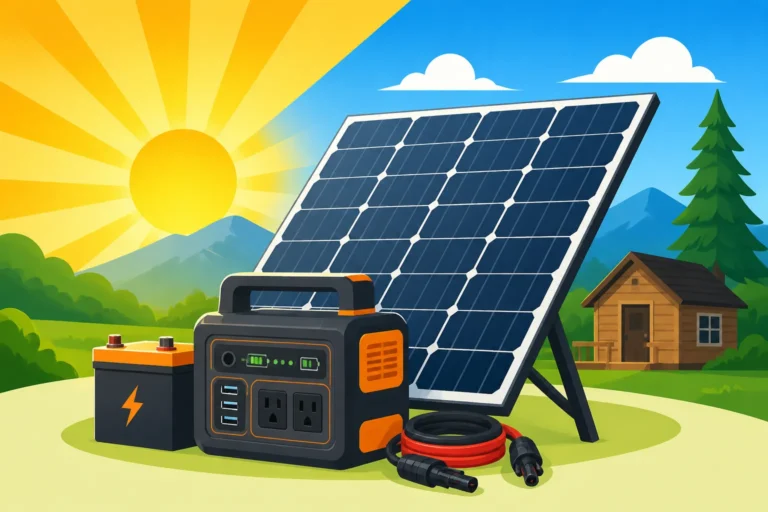
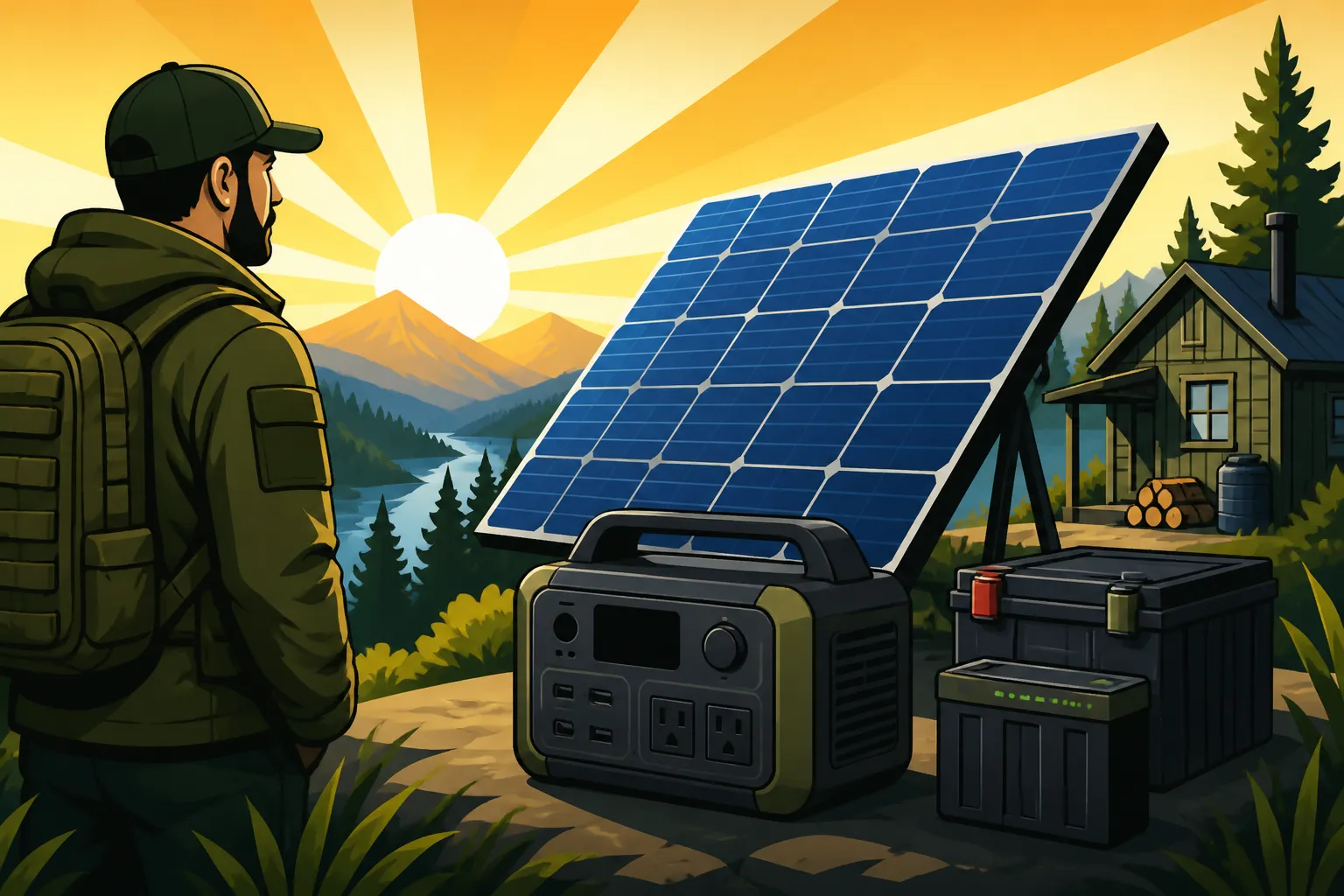
For those who envision mobility as a key component of their preparedness, a portable solar solution is invaluable. Think about an RV, a camper, or even a bug-out vehicle. Portable solar generators, often called power stations, are all-in-one units that combine a battery, inverter, and charge controller into a compact, transportable package. Brands like Jackery and EcoFlow offer a range of these units, from smaller ones capable of charging phones and laptops to larger models that can run a refrigerator or power tools. Many come with foldable solar panels that can be quickly set up and packed away. The advantages are clear: ease of deployment, no complex installation, and the ability to take your power with you. They're excellent for off-grid solar cost for an RV or for emergency backup.
Permanent Systems:
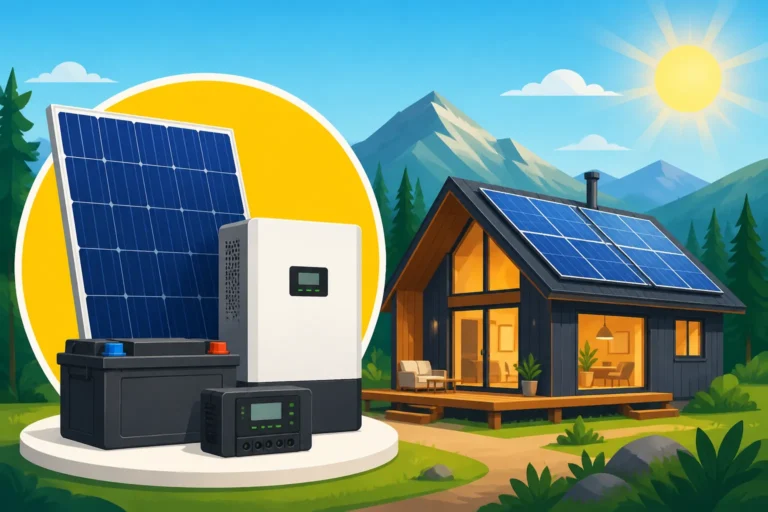
If your prepper setup involves a fixed location – a cabin, a remote homestead, or an existing home – a permanent, installed off-grid solar system is generally the more robust and cost-effective long-term solution. These systems involve roof-mounted or ground-mounted solar panels, a dedicated battery bank (often in a climate-controlled enclosure), a powerful inverter-charger, and proper wiring to your electrical panel. While the initial off-grid solar installation cost and complexity are higher, these systems offer significantly greater power output, larger battery storage capacity, and superior durability. They're designed for continuous, year-round operation and can power an entire home, including heavy-duty appliances. Understanding how to install an off-grid solar system in a fixed location is a deeper dive into electrical work and component integration.
Budgeting for Resilience
Let's be realistic: off-grid solar isn't free. However, viewing it as an investment in energy independence and resilience rather than just an expense changes the perspective. When you're planning how to budget for an off-grid solar system, remember that for a prepper, the cheapest option isn't always the best. Reliability, durability, and capacity are worth paying for.
The major cost drivers include:
- Solar Panels: Price varies by wattage, brand, and efficiency.
- Battery Bank: This is often the most expensive component, with LiFePO4 batteries typically costing more upfront but offering better value over their lifespan. The cost of an off-grid solar battery bank can easily be a significant portion of your total budget.
- Inverter/Charge Controller: Quality units designed for heavy loads and continuous use come with a higher price tag.
- Mounting Hardware, Wiring, and Safety Gear: Don't skimp on these crucial elements, as they ensure safety and system longevity.
- Installation: While DIY can save money, professional installation ensures code compliance and optimal performance, though for a prepper, self-sufficiency might dictate a DIY approach.
Consider phasing your build if your budget is tight. Start with a smaller, essential system and expand it over time. Prioritize critical components first, then add comfort items later. For example, you might initially install enough panels and batteries to run lights and communication, then later add more capacity for a well pump or refrigeration.
Expanding Your System
A well-designed prepper system has the foresight for future growth. Whether you initially start with a modest setup and want to add more panels, increase battery storage, or integrate additional power sources, planning for expansion will simplify the process.
- Adding More Solar Panels: When selecting your charge controller, choose one with enough capacity (amps) to handle your current array plus future additions. This way, you won't need to replace it when you decide to expand your solar input. Ensure your wiring can also accommodate increased current to avoid voltage drop and safety issues. You can learn more about how to expand an off-grid system to ensure your components are compatible.
- Increasing Battery Capacity: If you opt for LiFePO4 batteries, many models are designed to be easily expanded by adding more batteries in parallel to your existing bank. This increases your total amp-hour capacity and, consequently, your days of autonomy. Always match battery types, brands, and ages as closely as possible for optimal performance and lifespan.
- Integrating Other Power Sources: Beyond solar and a generator, consider other options for true redundancy. Small wind turbines can complement solar, especially in windy regions with less sun. Hydroelectric systems are fantastic for properties with year-round flowing water. Planning for these integrations from the start means choosing an inverter that can handle multiple inputs or ensuring you have the necessary transfer switches and charge controllers to manage diverse energy flows.
The ultimate goal for a prepper is a robust, reliable, and adaptable power system. By carefully planning your needs, selecting quality components, and thinking about durability, security, and future expansion, you can build an off-grid solar setup that truly provides energy independence when it's needed most.
Disclaimer
Please remember that the information provided in this guide is for educational purposes only. Off-grid solar system design and installation can be complex and involve electrical hazards. Always consult with qualified professionals and adhere to all local electrical codes and regulations. Prioritize safety in all aspects of planning and implementation.