Best 200W Off-Grid Solar Kit
It’s a common scenario: you’re dreaming of powering a remote cabin, keeping essentials running during an outage, or simply upgrading your RV or van life setup, and you hear about 200W off-grid solar kits. But then the questions flood in. Will 200 watts be enough for what you need? What exactly comes in these kits, and how do you even begin to pick the best one from the sea of options? This guide is designed to demystify the 200W off-grid solar kit, helping you understand its capabilities, identify crucial components, and ultimately choose a system that perfectly aligns with your off-grid aspirations without unnecessary frustration or buyer's remorse.
What Exactly Can a 200W Off-Grid Solar Kit Power?
When you’re first diving into off-grid solar, the numbers can feel a bit abstract. 200 watts. What does that really mean for your daily life? It’s not about how many lights you can turn on at once, but rather how much energy you can generate and store over time. A 200W solar kit is a fantastic entry point for specific needs, but it’s crucial to have realistic expectations about its power capabilities.
Understanding Your Daily Power Needs
Before you even look at a kit, you need to understand your personal energy consumption. This means moving beyond just "watts" and thinking in "watt-hours (Wh)" or "amp-hours (Ah)," which represent energy over time. A 200-watt solar panel, under ideal conditions, generates 200 watts of power at any given moment. But you don't use power only at a given moment; you use it throughout the day. The sun isn't always at its peak, and you'll want to run devices when it's cloudy or dark.
Let’s put this into perspective. A typical smartphone charger might draw 10-20 watts. A laptop charger could be 40-60 watts. An efficient LED light bulb might be just 5-10 watts. If you have a 200W panel, it can theoretically charge your laptop, run a few LED lights, and keep your phone topped off simultaneously during peak sun hours. However, your battery bank is what truly dictates your usable daily energy. A small 200W kit might come with a battery that stores, say, 200-500Wh of energy. This means if you have a 400Wh battery and you're drawing 100 watts continuously, it would last about 4 hours, assuming no solar input.
To get a handle on your specific needs, I highly recommend checking out a resource like How to Calculate Daily Energy Usage to really nail down those numbers. It's a game-changer for planning.
Real-World Scenarios and Limitations
A 200W off-grid solar kit truly shines in scenarios where your power demands are modest and focused. Think about it:
- Weekend Camping Trips: This is where a 200W kit really excels. It's enough to charge phones, cameras, power a portable fan, run a small string of LED lights, and maybe even a portable cooler for a few hours. You’re not trying to run a full home, just maintain comfort and convenience.
- Small Shed or Workshop Lighting: If you have a shed at the back of your property, far from grid power, a 200W system can provide ample lighting, power a radio, and charge small tools for occasional use. You won't be running a table saw all day, but for basic tasks, it’s perfect.
- Emergency Backup: For those unexpected power outages, a 200W setup can keep critical items like medical devices (like a CPAP machine, though check specific power draw), a few lights, and communication devices operational. It’s not meant to power your whole house during a blackout, but it offers a crucial lifeline.
- Van Life or Smaller RVs: For minimalists in a van or small RV, a 200W system can handle basic lighting, device charging, and perhaps a small 12V refrigerator if managed carefully. It's often the starting point for people exploring Off-Grid Solar Cost for a Van.
However, there are clear limitations. A 200W system is not suitable for high-draw appliances like full-sized refrigerators, air conditioners, electric water heaters, or high-powered kitchen appliances. Trying to run these will quickly deplete your battery and potentially damage your inverter. You also need to factor in "peak sun hours" – the equivalent number of hours per day when the sun's intensity is 1000 watts per square meter. In many locations, this might only be 4-5 hours a day, meaning your 200W panel might only produce 800-1000Wh of energy per day (200W * 4-5 hours), even on a sunny day. Overcast days will reduce this significantly, so you’ll need adequate battery storage to carry you through.
Key Components of a 200W Off-Grid Solar Kit
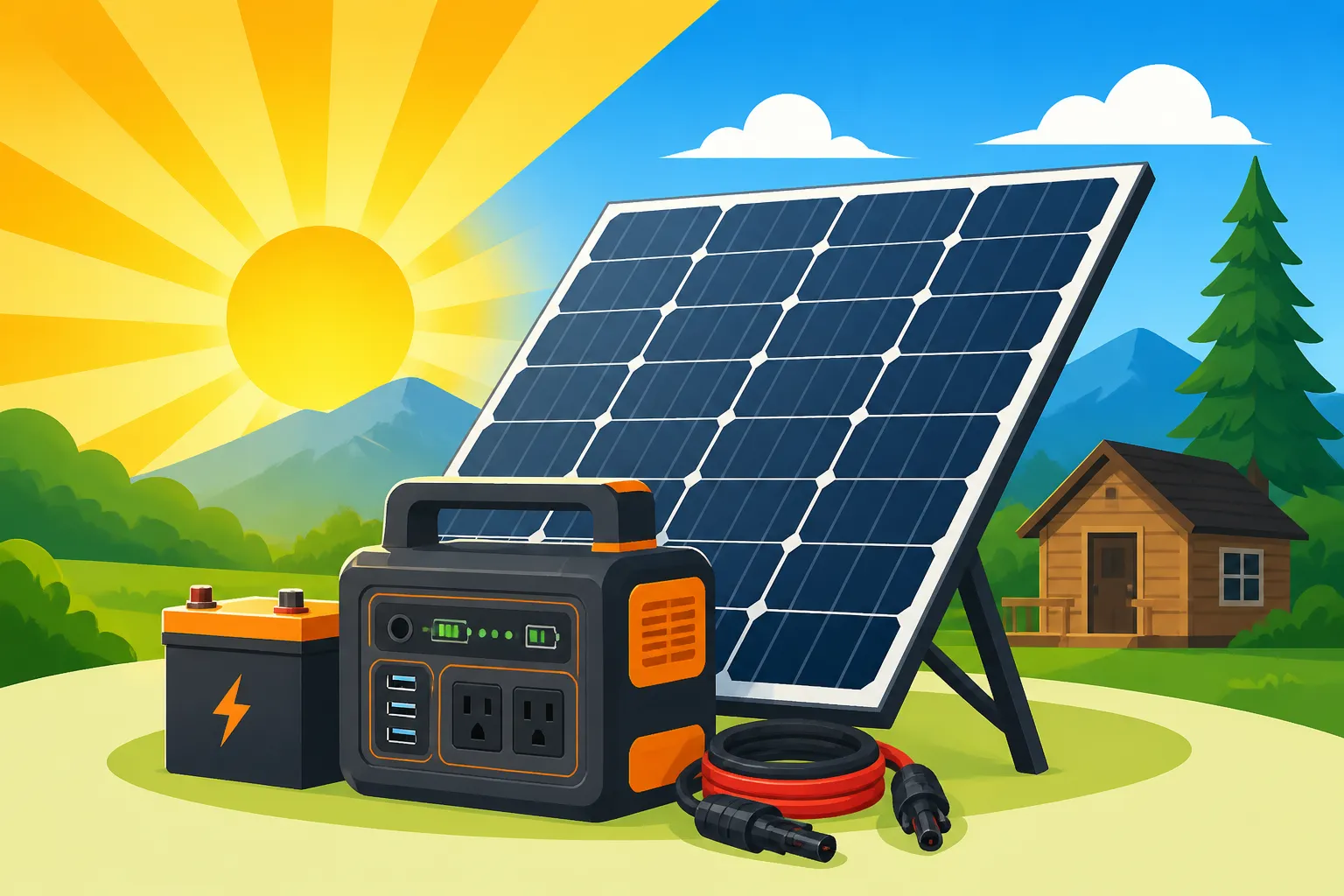
So, you’ve decided a 200W kit might be for you. Now, let’s talk about what actually makes up one of these systems. It's not just a solar panel; it's a carefully coordinated dance of several components, each playing a vital role in harvesting, storing, and delivering power. Understanding each piece will empower you to make an informed decision when comparing different kits.
Solar Panels: Types and Efficiency
The panels are the visible workhorses of your solar system, turning sunlight into electricity. For a 200W kit, you'll typically find one 200W panel or two 100W panels wired together.
- Monocrystalline Panels: These are the most common and generally the most efficient type. They are made from a single crystal of silicon, giving them a uniform, dark appearance. Monocrystalline panels perform well in low-light conditions and have a longer lifespan, making them a premium choice for many off-gridders. They're often slightly more expensive, but their efficiency can mean you need less physical panel space to get your 200 watts.
- Polycrystalline Panels: Made from multiple silicon crystals, these panels have a slightly lower efficiency than monocrystalline but are often more budget-friendly. They have a characteristic blue, speckled appearance. While they take up a bit more space for the same wattage, they can be a great option if space isn't a premium concern.
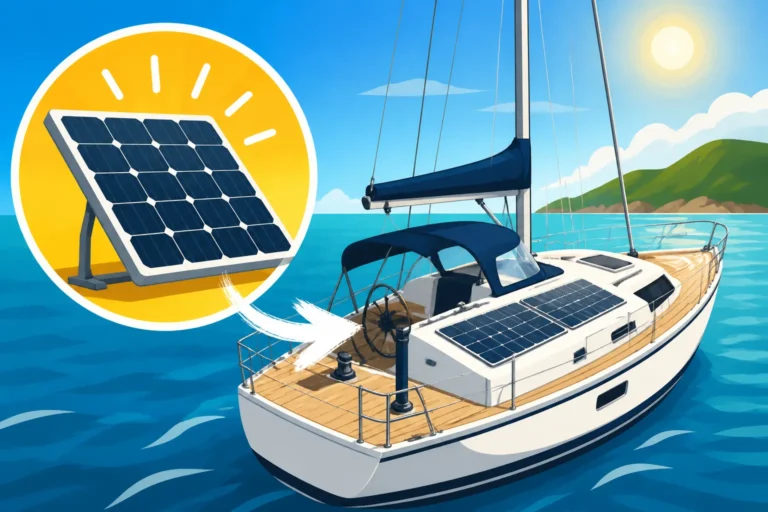
- Flexible Panels: Increasingly popular for RVs, vans, and boats, flexible panels are lightweight and can conform to curved surfaces. While convenient, they generally have lower efficiency and a shorter lifespan compared to rigid panels, and they can be more susceptible to overheating if not properly ventilated. For a 200W kit that prioritizes portability or specific mounting situations, they can be an excellent choice.
- Rigid Panels: These are your standard, robust solar panels, typically framed in aluminum and covered with tempered glass. They are highly durable, efficient, and best for permanent or semi-permanent installations on roofs (like a shed) or ground mounts. You can learn more about How to Choose an Off-Grid Solar Panels to help you decide.
Most 200W kits will include rigid monocrystalline panels due to their balance of efficiency, durability, and cost for this wattage range.
Charge Controller: Protecting Your Investment
This little device is often overlooked, but it's absolutely critical for the health and longevity of your battery bank. The charge controller sits between your solar panels and your batteries. Its primary job is to regulate the voltage and current coming from the solar panels, ensuring your batteries are charged safely and efficiently without overcharging. Overcharging can severely damage batteries, reducing their lifespan and even posing a safety hazard.
- PWM (Pulse Width Modulation) Controllers: These are simpler, more affordable controllers. They essentially act like a switch, rapidly turning the charging current on and off to maintain battery voltage. While effective for smaller systems and less expensive battery chemistries, they are less efficient at converting excess panel voltage into usable charging current.
- MPPT (Maximum Power Point Tracking) Controllers: These are more advanced and significantly more efficient, especially in colder weather or when your panel voltage is much higher than your battery voltage. MPPT controllers actively track the maximum power point of the solar array, optimizing the voltage and current to maximize the power delivered to the batteries. For a 200W system, especially if you plan on using lithium batteries, an MPPT controller is almost always the better choice, even if it adds a bit to the initial cost. Dive deeper into the differences with MPPT vs PWM Charge Controllers.
Most quality 200W kits will include an MPPT charge controller, especially if they are designed for performance and battery longevity.
Battery Storage: The Heart of Your System
The battery bank is where all that hard-earned solar energy gets stored, ready for you to use when the sun isn't shining. For a 200W system, your battery capacity is arguably more important than the panel wattage, as it dictates how much power you have available overnight or on cloudy days.
- Lead-Acid Batteries (AGM): Absorbed Glass Mat (AGM) batteries are a type of sealed lead-acid battery. They are relatively inexpensive, robust, and require no maintenance. However, they have a lower usable capacity (you shouldn't discharge them below 50% regularly to maximize lifespan), are heavier, and have a shorter cycle life compared to lithium. They are a good budget-friendly option for intermittent use.
- LiFePO4 (Lithium Iron Phosphate) Batteries: Lithium batteries, particularly LiFePO4, have become the gold standard for off-grid applications. They are more expensive upfront but offer significant advantages: much higher usable capacity (can be discharged to 80-100% regularly), lighter weight, longer lifespan (thousands of cycles), and faster charging. For a 200W kit where you want maximum reliability and performance, especially for daily use in a van or cabin, LiFePO4 is often the preferred choice. For a comprehensive look, check out Best Off-Grid Solar Batteries and How to Choose Off-Grid Battery Chemistry.
A good 200W kit will likely feature a 100Ah (amp-hour) 12V LiFePO4 battery, offering roughly 1200Wh of usable energy, providing a comfortable buffer for small loads.
Inverter: Converting Power for Your Devices
Your solar panels and batteries produce DC (direct current) power, but most of your household appliances run on AC (alternating current) power. The inverter's job is to convert that DC power into usable AC power.
- Pure Sine Wave Inverters: This is what you want for sensitive electronics like laptops, medical equipment, and modern appliances. A pure sine wave inverter produces a clean, smooth AC waveform that mimics grid power, ensuring your devices run efficiently and without damage.
- Modified Sine Wave Inverters: These are less expensive but produce a "choppier" AC waveform. While they might work for simple loads like incandescent lights or universal chargers, they can cause buzzing in audio equipment, inefficient operation in motors, and potentially damage sensitive electronics. For any modern 200W off-grid kit worth its salt, always aim for a pure sine wave inverter.
For a 200W system, the inverter typically ranges from 500W to 1000W continuous output, allowing for a bit of headroom when running multiple small devices or one medium-sized appliance with a surge capacity.
What to Look for in a Quality 200W Off-Grid Solar Kit
Choosing the best 200W off-grid solar kit isn't just about the sum of its parts; it's about how those parts work together, how the system fits into your life, and the support you can expect down the road. It's easy to get swayed by a low price, but a quality kit will save you headaches and money in the long run.
System Integration and Expandability
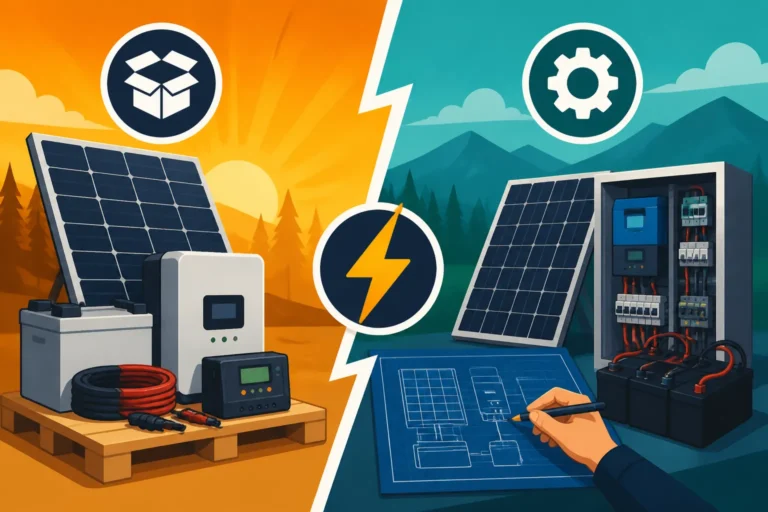
One of the biggest differences between kits is how integrated they are. Some are truly "all-in-one" portable power stations, while others are modular, allowing for more flexibility.
- All-in-One Systems (Solar Generators): Brands like Jackery, EcoFlow, and Bluetti excel here. These units combine the battery, charge controller, and inverter into a single, portable box. You simply plug in your solar panels, and you're good to go. They are incredibly user-friendly and great for beginners or those prioritizing portability. A prime example, though typically larger, is the Jackery 2000 Plus for Off-Grid: Specs and Review, showcasing the brand's commitment to integrated solutions. For a 200W kit, you’d look at their smaller Explorer series or similar products. The downside is that upgrading specific components (like a larger battery) is often not possible.
- Modular Kits: These kits provide separate components – panels, charge controller, battery, inverter – allowing you to wire them together. This offers greater flexibility in placement and future expansion. You might start with a 200W array and battery, then later add more panels or a larger battery bank. This approach is often more suitable for fixed installations like cabins or larger RVs, offering a clear path to Cost of Expanding an Off-Grid System.
When assessing a kit, consider your long-term plans. If you think you might need more power in a few years, a modular kit that explicitly states expandability is usually the smarter choice. If you're certain your needs won't grow beyond the 200W capacity, an all-in-one might offer unmatched convenience.
Durability, Portability, and Ease of Use
Your ideal 200W kit will depend heavily on how you plan to use it.
- Portability: If you're planning to move your solar setup frequently (e.g., for camping, different parts of your property, or for your van), look for lightweight panels and an all-in-one power station. Foldable solar panels are a fantastic option here, often built with integrated stands and carrying handles. A brand like Jackery specializes in making these highly portable and user-friendly systems.
- Durability: For more permanent installations, like on a shed roof or a fixed ground mount, rigid panels with robust aluminum frames and tempered glass are ideal. They are designed to withstand years of outdoor exposure to various weather conditions. Look for components with high IP ratings (Ingress Protection) to ensure they can handle dust and moisture.
- Ease of Use: For beginners, an all-in-one system with clear instructions and pre-wired components is invaluable. These systems usually feature straightforward plug-and-play connections. If you're comfortable with basic electrical wiring, a modular kit offers more control but requires a bit more knowledge during Off-Grid Solar Installation Guide. Many popular brands provide excellent documentation and online communities that can help simplify the process.
Think about the environment where your kit will live. Will it be exposed to extreme temperatures? Frequent rain? High winds? The construction quality of the panels, the casing of the power station, and the robustness of the connectors all play a role in the system's longevity.
Warranty and Customer Support
This is where many people cut corners, only to regret it later. Solar components are an investment, and like any investment, you want to be protected.
- Panel Warranty: Reputable manufacturers typically offer a 25-year performance warranty on their solar panels, guaranteeing a certain percentage of power output (e.g., 80% after 25 years). Product warranties for manufacturing defects are usually 10-12 years. Don't settle for less.
- Battery Warranty: LiFePO4 batteries often come with warranties ranging from 5 to 10 years, sometimes even longer, covering cycle life and capacity retention. Lead-acid batteries will have shorter warranties, typically 1-3 years. Pay close attention to cycle life guarantees, as this is a true indicator of battery quality.
- Inverter and Charge Controller Warranty: These electronics typically have warranties of 2-5 years. While shorter than panels or lithium batteries, a good warranty here indicates the manufacturer's confidence in their product's reliability.
Customer Support: Imagine you’re out in your cabin in the woods, and your charge controller throws an error. Having access to responsive, knowledgeable customer support can be a lifesaver. Look for brands with a good reputation for post-sales service, clear troubleshooting guides, and easily accessible contact methods. This can make the difference between a minor hiccup and a major headache when you're off-grid. Reading reviews specifically mentioning customer service can be incredibly insightful.
Top Picks and Recommendations for 200W Off-Grid Solar Kits
Alright, with a solid understanding of what a 200W system can do and what components make it tick, let's explore some of the best ways to get your hands on a reliable 200W off-grid solar kit. The market offers a range of options, from convenient all-in-one units to more customizable modular setups.
All-in-One Portable Power Stations (Solar Generators)
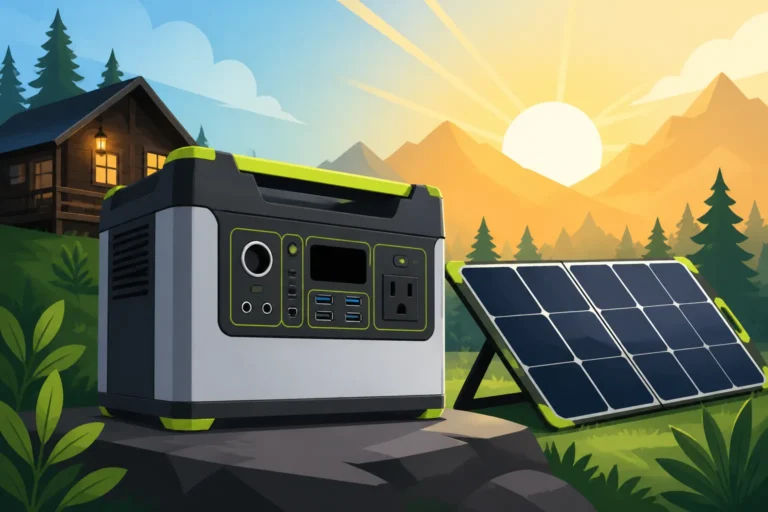
For anyone seeking ultimate simplicity and portability with their 200W solar needs, an all-in-one portable power station, often called a solar generator, is a fantastic choice. These units are designed for plug-and-play ease, making them perfect for camping, tailgating, emergency backup, or simply powering a small remote setup without the complexities of wiring multiple components.
Brands like Jackery, Goal Zero, EcoFlow, and Bluetti dominate this space. For a 200W solar input, you’d typically pair 200W worth of portable solar panels (often foldable or suitcase-style) with a mid-range power station.
- Jackery Explorer Series: Jackery is a household name in portable power, renowned for its user-friendly design and robust construction. For a 200W solar panel setup, you might consider pairing two 100W Jackery SolarSaga panels with an Explorer 500 or Explorer 1000 portable power station. The Explorer 500, for instance, offers a 518Wh battery capacity and a 500W pure sine wave inverter, which is perfect for running lights, charging laptops, and powering small appliances for several hours. The beauty of Jackery is its seamless integration; their panels are designed to plug directly into their power stations. While a larger unit like the Jackery 2000 Plus for Off-Grid: Specs and Review is fantastic for bigger needs, smaller Explorer models provide the same quality and ease of use for 200W applications.
- Renogy Phoenix or Lycan: Renogy, while known for its modular components, also offers all-in-one solutions. Their Phoenix or Lycan series units provide a compact power hub that can be charged by their 200W foldable solar panels. Renogy's offerings tend to be a good balance of features and cost, often including an MPPT charge controller for efficient charging and robust construction.
These units are ideal for someone who needs power on the go and appreciates not having to deal with individual wiring. Just unbox, connect the panels, and enjoy the power. They are fantastic if you're exploring Best Off-Grid Solar Kit for a Van or for simple emergency preparedness.
Modular Kits for Specific Applications
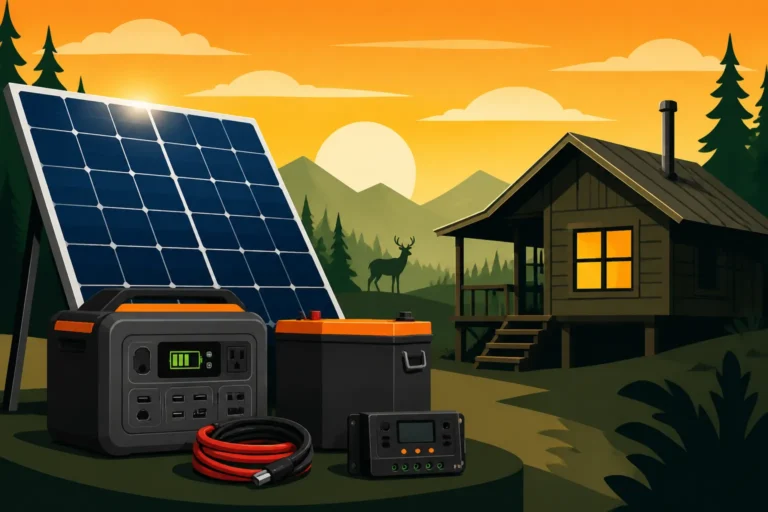
If you're looking for a more permanent or customizable 200W setup, perhaps for a hunting cabin, a tiny home, or a dedicated shed, a modular kit allows you to handpick or assemble components. This often provides better long-term value, upgradability, and the ability to tailor the system to your exact needs.
- Renogy 200W Solar Kit: Renogy offers excellent pre-packaged 200W kits that include two 100W monocrystalline solar panels, a charge controller (often an MPPT model), wiring, and mounting hardware. You then add your preferred battery bank and inverter separately. This allows you to choose exactly the right battery chemistry (e.g., a specific LiFePO4 vs Lead-Acid Battery Cost option) and inverter size for your needs. These kits are popular for those setting up power for a small cabin or RV, giving more flexibility than an all-in-one unit.
- Custom DIY Builds: For the more adventurous, you can source individual components. You might choose two 100W panels from a brand like Newpowa or HQST, pair them with a Victron Energy MPPT charge controller for top-tier efficiency and monitoring, select a high-quality Battle Born 100Ah LiFePO4 battery, and an AIMS Power pure sine wave inverter. This DIY approach allows for maximum customization and often results in a more robust, long-lasting system, though it requires more research and technical know-how. This is often the path taken by those interested in DIY vs Professional Off-Grid Solar Cost.
Modular kits are typically better if you have a fixed location in mind, as they allow for more secure and weather-resistant installations. They also give you the freedom to choose your battery voltage, whether it's 12V for smaller setups or even 24V for slightly more efficiency.
Budget-Friendly Options vs. Premium Kits
The world of 200W off-grid solar kits has options for every budget, but it’s important to understand the trade-offs.
- Budget-Friendly Options (e.g., ECO-WORTHY, WindyNation): You can find 200W kits in the $300-$600 range (panels, charge controller, basic wiring). These often come with PWM charge controllers and might expect you to source your own deep-cycle lead-acid batteries. They are an excellent starting point for very basic needs like a shed or occasional camping. The key to saving money with these kits is often a willingness to do some DIY work and accept slightly lower efficiency or longevity compared to premium components. However, be mindful of "hidden costs of going off-grid" which can sneak up on you if you buy low-quality components.
- Mid-Range Kits (e.g., Renogy, BougeRV): In the $600-$1200 range (including a decent battery), you’ll start seeing LiFePO4 battery options, MPPT charge controllers, and more robust panels. These provide a much better balance of performance, durability, and features for regular use in RVs or small cabins. A good example is a Renogy kit with their own lithium battery, offering a solid investment for reliable power.
- Premium Kits/Components (e.g., Victron, Battle Born): When you opt for top-tier components like Victron charge controllers and inverters, or Battle Born batteries, your 200W system might push into the $1500-$2500+ range. This investment buys you superior efficiency, advanced monitoring features, exceptional durability, and longer warranties. These systems are for those who demand the absolute best reliability and performance, especially for critical applications or year-round use. While the upfront cost is higher, the long-term savings in maintenance and replacement can be significant, making a strong case for Off-Grid Solar Return on Investment.
Here's a quick comparison of typical 200W kit configurations:
| Feature | Budget-Friendly Modular Kit | Mid-Range All-in-One Power Station | Premium Modular Build |
|---|---|---|---|
| Solar Panels | 2x100W Polycrystalline, rigid | 2x100W Monocrystalline, portable/foldable | 2x100W Monocrystalline, rigid |
| Charge Controller | PWM (often integrated) | Integrated MPPT (often proprietary) | External high-end MPPT (e.g., Victron SmartSolar) |
| Battery | 100Ah Lead-Acid (AGM) | 500-1000Wh LiFePO4 (integrated) | 100Ah LiFePO4 (e.g., Battle Born, SOK) |
| Inverter | 500-800W Modified Sine Wave (often external) | 500-1000W Pure Sine Wave (integrated) | 1000-1500W Pure Sine Wave (e.g., AIMS Power, Victron) |
| Primary Use | Occasional camping, shed lights, hobby projects | Weekend camping, emergency backup, van life essentials | Small cabin, full-time van/RV, critical remote power |
| Pros | Low upfront cost, good for basic needs | Extremely portable, easy to use, compact | Highest efficiency, long lifespan, fully customizable |
| Cons | Less efficient, shorter battery life, basic features | Limited expandability, higher initial cost than basic DIY | Higher upfront cost, requires more technical knowledge |
| Est. Price Range | $300 – $600 (without battery) | $700 – $1500 (complete kit) | $1500 – $2500+ (complete kit) |
Ultimately, the "best" 200W off-grid solar kit is the one that best fits your specific power requirements, usage patterns, budget, and comfort level with installation and maintenance. Do your homework, assess your needs realistically, and choose a system that brings you closer to your off-grid independence.
Disclaimer
The information provided in this article is for general informational purposes only and does not constitute professional advice. Off-grid solar system design and installation can be complex and involve electrical hazards. Always consult with qualified professionals and adhere to all local codes and regulations when planning or installing a solar power system. The author and publisher are not responsible for any actions taken based on the information presented herein.