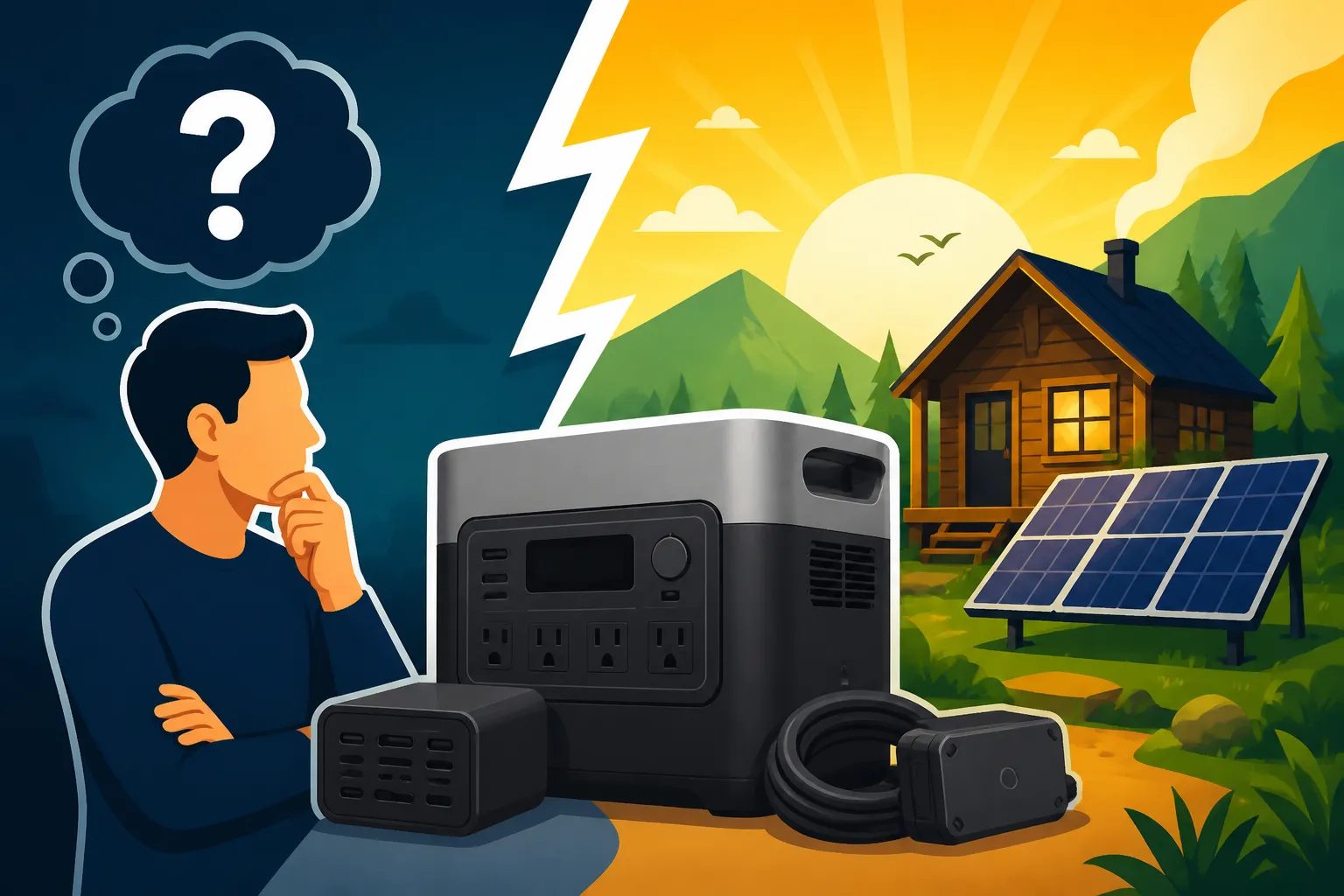
Should You Buy the EcoFlow Power Kit for Off-Grid
Venturing into the off-grid world can feel like stepping into a labyrinth of wires, batteries, and technical jargon. Many folks dream of the freedom that comes with generating their own power, but the sheer complexity of assembling a robust, reliable system often stops them dead in their tracks. That's where integrated solutions like the EcoFlow Power Kit come into play, promising a simpler path to energy independence. But the big question on everyone's mind is: is it truly the right fit for your off-grid aspirations? This guide will dive deep into the EcoFlow Power Kit, helping you cut through the marketing hype and understand if it aligns with your specific needs and dreams.
Demystifying the EcoFlow Power Kit: What It Offers
Before we can even begin to ponder if you should buy the EcoFlow Power Kit, we need to understand what it actually is and how it differs from a typical off-grid solar setup. Imagine a world where building your off-grid system isn't a puzzle of mismatched components and complicated wiring diagrams, but rather a sophisticated LEGO set where everything just clicks together. That's essentially the promise of the EcoFlow Power Kit. It’s designed as a modular, integrated system that takes the guesswork out of combining solar panels, batteries, inverters, and charge controllers.
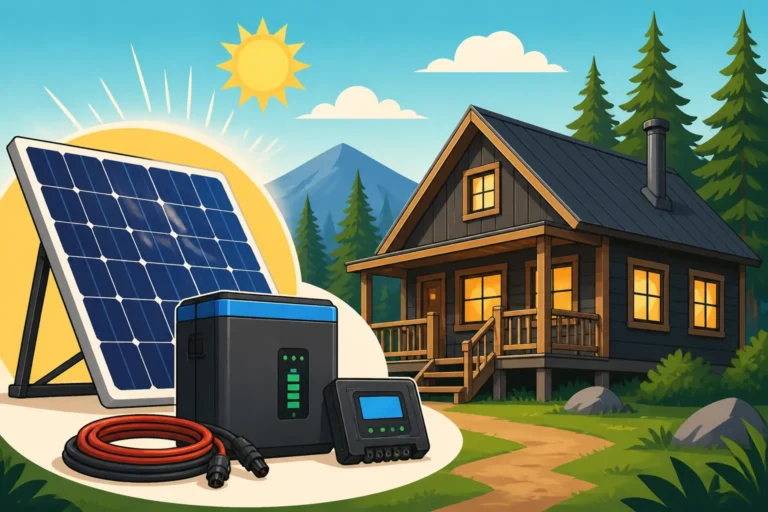
At its heart, the system is built around a central "Power Hub," which cleverly combines the inverter, charge controller, and DC-DC converter into one sleek unit. This significantly reduces the amount of wiring and the potential points of failure that often plague traditional setups. You then connect EcoFlow's proprietary LFP (Lithium Iron Phosphate) batteries, which are known for their longevity and safety, directly to the Power Hub. For those who want more control and monitoring, there's a console and a distribution panel that offer intuitive control and a clear overview of your power usage and generation. You can also integrate EcoFlow's smart generators for backup power or their solar panels for a complete ecosystem. It’s truly a "plug-and-play" solution, ideal for those who feel intimidated by the intricacies of a traditional DIY approach to off-grid power.
Understanding the Core Components
The EcoFlow Power Kit's strength lies in its integrated design, which simplifies what can be a very complex undertaking. Instead of sourcing individual components from various manufacturers and ensuring their compatibility, the Power Kit provides a cohesive ecosystem.
- Power Hub: This is the brains and brawn of the operation, merging five essential components into one: a 3600W pure sine wave inverter, two MPPT solar charge controllers, a DC-DC converter, and a battery charger. This means fewer boxes, less wiring, and a much cleaner installation process. It acts as the central point where all your power sources (solar, shore power, generator) and loads connect, managing the flow of energy seamlessly.
- LFP Batteries: EcoFlow uses robust and long-lasting LiFePO4 (Lithium Iron Phosphate) batteries. These are known for their impressive cycle life (often thousands of cycles), thermal stability, and lighter weight compared to traditional lead-acid batteries. The Power Kit batteries come in various capacities, typically starting from 2kWh and going up to 15kWh, allowing you to choose the storage that best fits your daily energy needs. You can easily expand your battery bank by adding more modules.
- Console and Distribution Panel: These are your command center. The console provides a clear, smart screen interface to monitor your power usage, battery status, and charging sources. It integrates with an intuitive smartphone app for remote control and real-time data. The distribution panel, meanwhile, simplifies the wiring for your AC and DC appliances, acting as a smart breaker box that integrates directly with the Power Hub. This means you can power everything from your refrigerator to your phone charger with ease.
- Solar Panels and Smart Generator: While not strictly part of the core kit, EcoFlow offers its own range of rigid and flexible solar panels that are designed to integrate perfectly. They also have a Smart Generator that can kick in automatically to charge your batteries when solar input is low, providing a reliable backup. This ecosystem approach means everything is designed to work together, minimizing compatibility headaches and maximizing efficiency.
Different Kit Sizes and Configurations
One of the great things about the EcoFlow Power Kit is its modularity. It's not a one-size-fits-all solution; rather, it allows for customization based on your specific energy demands. Whether you're powering a small camper for weekend trips or a full-time tiny home, there’s likely a configuration that fits.
EcoFlow offers kits in different base capacities, often denoted by their battery storage. For instance, you might see kits ranging from 2kWh up to 15kWh of battery capacity, with corresponding inverter sizes. The most common kits revolve around 2kWh, 5kWh, and 10kWh battery banks. A smaller 2kWh kit might be perfect for an RV or van life setup where space is at a premium and energy needs are moderate, providing power for lights, a small fridge, and charging electronics. If you’re looking to power a small cabin or a tiny home with more appliances, including perhaps a well pump or a mini-split AC unit, you’d be looking at a larger 5kWh or 10kWh system, potentially with multiple battery modules. Remember, the Off-Grid Solar Load Calculation Explained is crucial here; understanding your daily watt-hour consumption will guide your choice in kit size. Each kit is scalable, meaning you can start with a smaller setup and add more batteries or solar panels later as your needs or budget allow, offering excellent flexibility for those who want to phase in their off-grid journey.
The Good, the Bad, and the Realistic: Pros and Cons
Deciding on an off-grid solar system isn't just about raw power; it's about finding the right balance of convenience, cost, and control. The EcoFlow Power Kit certainly shines in some areas but, like any solution, it comes with its own set of trade-offs. Let's peel back the layers and look at what makes it a compelling option and where you might need to adjust your expectations.
Advantages of the EcoFlow Power Kit
When you're comparing the EcoFlow Power Kit to building a system from scratch, the benefits quickly become apparent, especially for those new to the off-grid lifestyle or those short on time and technical expertise.
- Ease of Installation: This is arguably the biggest selling point. The "plug-and-play" design means significantly less complex wiring. Instead of running dozens of individual cables between components and worrying about proper gauge and connections, many parts simply plug into the Power Hub with heavy-duty, color-coded cables. For anyone who's ever looked at an Off-Grid Solar Wiring Diagram Explained and felt a cold sweat, this simplification is a godsend. You can literally save days, if not weeks, of installation time compared to a custom-built system, which dramatically lowers the barrier to entry for DIYers.
- Compact and Integrated Design: The Power Hub cleverly combines multiple essential components into one unit. This isn't just about aesthetics; it means fewer individual boxes to mount, less space taken up, and a much cleaner overall look. For RVs, vans, or tiny homes where every square inch counts, this compact footprint is invaluable. Imagine neatly tucking away a single hub rather than finding space for a separate inverter, charge controller, and DC-DC converter.
- Smart Features and App Control: EcoFlow is known for its tech-forward approach. The Power Kit comes with intelligent battery management systems and a sophisticated console, all controllable via a user-friendly smartphone app. You can monitor energy usage, battery state of charge, solar input, and even control individual power outputs from your phone. This level of insight and control helps you manage your energy consumption more efficiently and proactively, avoiding unexpected power outages.
- Safety and Reliability: Because it's a fully integrated system from a single manufacturer, the components are designed to work together flawlessly. This means optimized performance, built-in safety features like overcharge and discharge protection, and rigorous testing for the entire system, not just individual parts. For a new off-gridder, the peace of mind knowing that experts have engineered and tested the compatibility of your entire power system is priceless.
- Scalability: While it's an integrated system, it's not rigid. You can easily add more batteries as your power needs grow, or expand your solar array by adding more panels. This means your initial investment isn't locked into a fixed capacity, allowing your system to evolve with your off-grid journey. This flexibility is a huge bonus, preventing the need to completely overhaul your setup down the line.
Potential Drawbacks and Considerations
While the EcoFlow Power Kit offers many advantages, it's important to be realistic about its limitations and consider if these trade-offs affect your specific off-grid goals.
- Higher Upfront Cost: This is often the most significant hurdle for many. While the convenience and integration are fantastic, the EcoFlow Power Kit typically comes with a higher price tag than a comparable system built from individual, non-proprietary components. For example, when considering How Much Does an Off-Grid Solar System Cost, a DIY system assembled from reputable brands like Victron or Renogy might offer more bang for your buck in terms of raw component cost. The premium you pay for EcoFlow is for the engineering, integration, and user experience.
- Proprietary Ecosystem: The plug-and-play simplicity comes at a cost of flexibility. You're largely locked into the EcoFlow ecosystem. If you want to expand your system, you'll generally need to buy more EcoFlow batteries or panels. While this ensures compatibility, it limits your choices if new, more efficient, or cheaper components from other brands become available. It's not like a traditional system where you can mix and match a Battle Born battery with a Sol-Ark inverter, for example.
- Repairability and Component Replacement: If a single component within the Power Hub fails, you're looking at replacing the entire hub rather than just a specific part (like an individual charge controller). This could potentially lead to higher repair costs and downtime, as you can't simply swap out a small, inexpensive part. While EcoFlow offers warranties, the long-term serviceability compared to a system with easily replaceable, off-the-shelf components is something to consider.
- Limited Customization for Advanced Users: For seasoned off-gridders who love to tinker, optimize, or build highly specialized systems, the EcoFlow Power Kit might feel a bit restrictive. The pre-configured nature means less freedom to choose specific voltage levels, advanced wiring configurations, or integrate niche components that aren't part of the EcoFlow ecosystem. If you're a DIY enthusiast who enjoys diving deep into electrical engineering, the Power Kit might simplify things too much.
| Feature | EcoFlow Power Kit | Traditional Component System |
|---|---|---|
| Initial Cost | Generally higher | Often lower, depending on component choices |
| Installation | Plug-and-play, very easy, minimal wiring | Complex, requires electrical knowledge, extensive wiring |
| Components | Integrated Power Hub, proprietary batteries | Separate inverter, charge controller, batteries (mix/match) |
| Flexibility | Limited to EcoFlow ecosystem, less customization | High, can mix and match brands and optimize |
| Scalability | Easy expansion with EcoFlow batteries/panels | Expandable, but requires careful component matching |
| Monitoring/Control | Integrated app & console, user-friendly | Varies by brand, may require separate monitors |
| Repair/Replacement | Hub replacement if component fails | Individual component replacement, potentially cheaper |
| Best For | Beginners, RVers, van lifers, small cabins | Experienced DIYers, large homes, highly customized needs |
Is the EcoFlow Power Kit Right for Your Off-Grid Dreams? Who Benefits Most?
So, after looking at the nuts and bolts, who exactly is the EcoFlow Power Kit designed for? It's certainly not a one-size-fits-all solution, and its strengths truly shine for a particular segment of the off-grid community. If you've been weighing options like the Best Off-Grid Solar Kits for Beginners or wondering about The Complete Off-Grid Solar Buyer's Guide, this section will help you pinpoint if the EcoFlow Power Kit makes the most sense for you.
Ideal Candidates for the EcoFlow Power Kit
This system truly excels in situations where convenience, simplicity, and a streamlined setup are paramount.
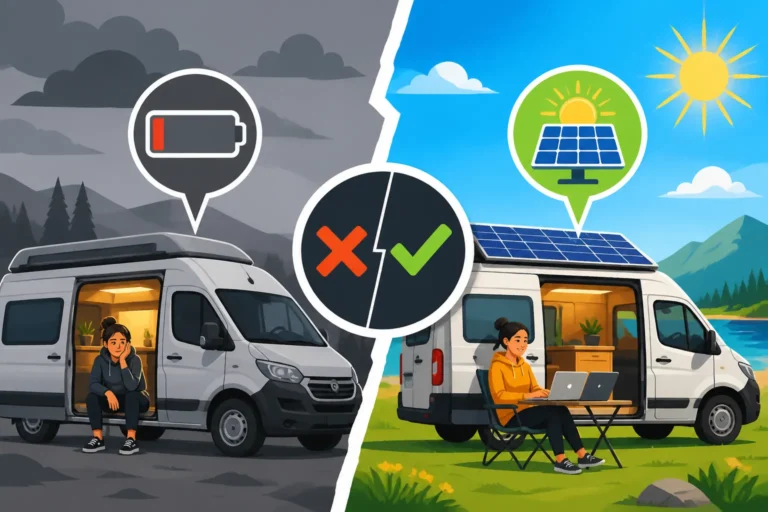
- The RV, Van Life, or Tiny Home Enthusiast: If you're outfitting a mobile dwelling or a compact living space, the EcoFlow Power Kit is almost tailor-made. Its compact design saves precious space, and the reduced wiring makes installation in confined areas far less of a headache. Imagine installing a complete power system in your van conversion in a fraction of the time it would take to individually wire up an inverter, charge controller, and battery bank. For those living in a small Off-Grid Solar Cost for a Van or camper, the ease of installation and integrated monitoring truly enhances the experience.
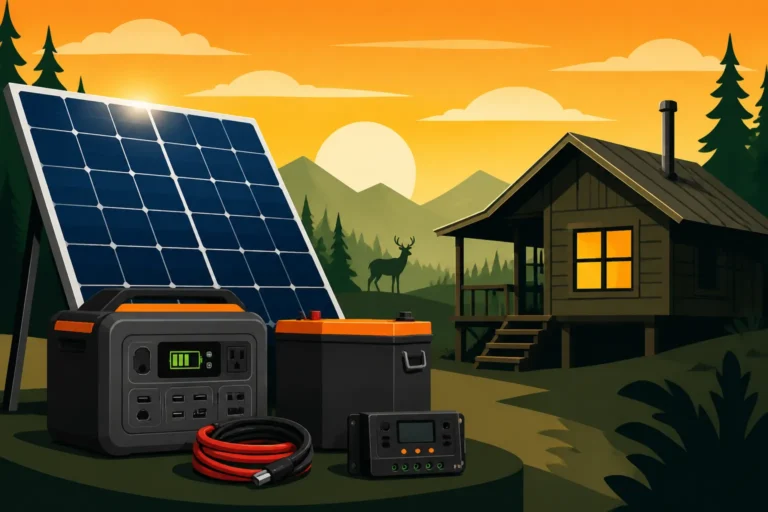
- The Weekend Warrior or Part-Time Off-Gridder: Maybe you have a hunting cabin, a remote workshop, or a small shed that you only use seasonally. You need reliable power, but you don't want to dedicate weeks or months to a complex electrical installation. The EcoFlow Power Kit offers a quick and relatively straightforward path to getting your lights on, your tools running, or your devices charged without needing a degree in electrical engineering. It's the kind of solution that gets you off-grid faster, so you can enjoy your property rather than spend all your time building the infrastructure.
- The Tech-Savvy but Electrically Apprehensive Individual: You love smart home technology, app control, and elegant solutions, but the thought of high-voltage wiring, calculating wire gauges, and troubleshooting electrical faults makes you nervous. The EcoFlow Power Kit provides that modern, integrated experience without forcing you into the deep end of electrical DIY. Its intuitive app and console make monitoring and managing your power consumption a breeze, appealing to those who appreciate a polished user interface.
- Those Prioritizing Safety and Reliability Over Ultimate Budget: While the initial cost might be higher, the peace of mind that comes from a fully engineered, tested, and integrated system is a huge plus. For individuals who want to minimize risks and ensure their system functions reliably from day one, without worrying about component compatibility issues, the EcoFlow Power Kit is a strong contender. This is particularly true if you don't have extensive electrical experience and want to avoid common off-grid solar installation mistakes.
Scenarios Where Other Solutions Might Be Better
It's equally important to understand when the EcoFlow Power Kit might not be the optimal choice.
- The Budget-Conscious Off-Gridder: If your primary goal is to achieve off-grid power at the absolute lowest cost, a custom-built system using carefully selected, budget-friendly components will likely be cheaper. While it requires more effort and expertise, How Much Cheaper Is DIY Off-Grid Solar can be significant, sometimes by thousands of dollars depending on system size.
- The Hardcore DIY Enthusiast or Electrical Expert: If you genuinely enjoy the process of designing and building complex electrical systems, optimizing every component, and having ultimate control over every parameter, then the EcoFlow Power Kit might feel too restrictive. You might prefer the granular control and customization offered by separate inverters, charge controllers, and battery management systems from brands like Victron Energy or MidNite Solar. These systems allow for very specific configurations and future upgrades with diverse component choices.
- Large, Energy-Intensive Homes: For very large off-grid homes with substantial power demands (e.g., running multiple air conditioners, electric water heaters, or heavy-duty workshop equipment simultaneously), a larger, more traditional component-based system might offer greater flexibility in scaling and handling massive surge loads. While EcoFlow offers expandable systems, sometimes a truly custom-engineered solution is necessary for the most demanding applications.
- Those Seeking Absolute Open-Source Flexibility: If you prefer the ability to swap out components from any manufacturer, build your own DIY battery banks with individual cells, or integrate highly specialized third-party monitoring solutions, the proprietary nature of the EcoFlow ecosystem could be a limiting factor. Many traditional systems allow for greater interoperability between different brands.
Making Your Decision: Key Considerations Before Buying
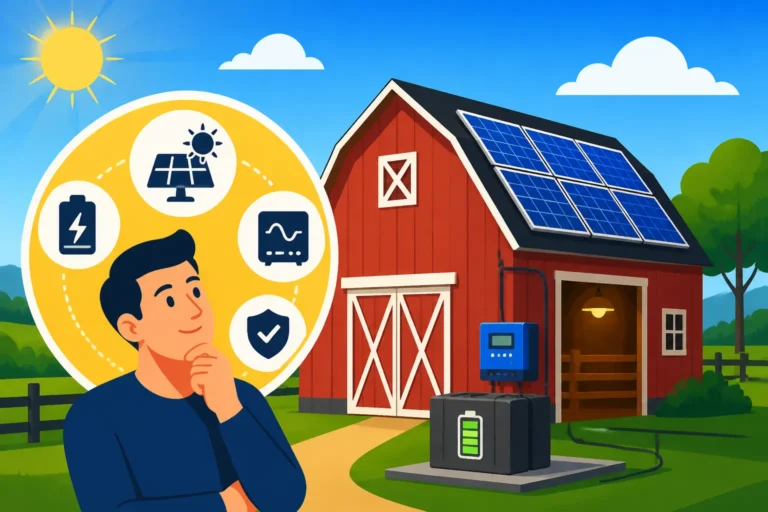
The decision to invest in an off-grid solar system, especially one as integrated as the EcoFlow Power Kit, is a big one. It's not just about the upfront cost; it's about matching the system to your lifestyle, your current and future energy needs, and your comfort level with technology. Let's break down the critical factors to ponder before you pull the trigger.
Assessing Your True Energy Needs and Budget
This is the foundational step for any off-grid power decision. You absolutely must know your daily energy consumption in watt-hours. Without this, you're essentially buying a car without knowing if you need a compact commuter or a heavy-duty truck.
- Daily Watt-Hour Calculation: Take the time to meticulously list every appliance you plan to power, how many watts it consumes (check the label or use a kill-a-watt meter), and how many hours per day you plan to use it. Don't forget those phantom loads! This crucial step will directly inform the size of the EcoFlow Power Kit you'll need – how many batteries (kWh) and how much solar panel capacity (watts) will be sufficient. If you skip this, you risk either oversizing and wasting money or, more commonly, undersizing and constantly running out of power. Remember, How to Calculate Daily Energy Usage is paramount for a successful off-grid experience.
- Inverter Size for Peak Loads: Beyond daily consumption, consider your peak power demands. Do you have a well pump, a microwave, or a coffee maker that draws a lot of power for a short burst? The EcoFlow Power Hub comes with a substantial inverter, but it's essential to ensure its continuous output and surge capability can handle your most power-hungry appliances running simultaneously. You don't want your inverter to trip offline every time you toast bread.
- Balancing Cost and Convenience: As discussed, the EcoFlow Power Kit often comes at a premium for its integrated design and ease of installation. While a traditional DIY setup might have a lower component cost, you're investing significant time and potentially hiring an electrician for complicated wiring. When you're budgeting for an off-grid solar system, weigh the monetary cost against the value of your time and peace of mind. For some, the added cost is well worth avoiding the complexity. For others, every penny saved on components frees up funds for other off-grid essentials.
Future Expandability and Long-Term Goals
Your off-grid needs today might not be your off-grid needs tomorrow. It’s wise to consider the long game.
- Growing Pains and System Expansion: Are you starting small with a few essential appliances but envision adding more luxuries later, like an air conditioner or a washing machine? The EcoFlow Power Kit is designed with expandability in mind, allowing you to easily add more batteries and solar panels. This modularity means your system can grow with your off-grid journey. Contrast this with some basic "solar generators" from other brands, like some Jackery 2000 Plus for Off-Grid: Specs and Review models, which might be more difficult or impossible to expand significantly beyond their initial capacity. Think about how much capacity you might need in 3-5 years, not just today.
- System Longevity and Maintenance: While LiFePO4 batteries are known for their long lifespan (often 10+ years), no system is maintenance-free. Consider the availability of replacement parts from EcoFlow in the long term. Also, factor in basic maintenance, such as cleaning your solar panels, which is important for maximizing energy harvest, especially when considering Off-Grid Solar Maintenance Costs. A robust system that can withstand the test of time and offer readily available parts contributes to a lower Lifetime Cost of an Off-Grid Solar System.
Environmental Factors and Technical Comfort
Your geographical location and your personal aptitude for DIY projects play a surprisingly large role.
- Impact of Climate and Sunlight Hours: Where are you located? Do you experience long, cloudy winters or abundant sunshine year-round? The amount of peak sun hours your location receives directly influences how many solar panels you’ll need to adequately charge your EcoFlow batteries. In regions with less sun, you might need to oversize your solar array or invest in more battery capacity to compensate for those darker days. How to Size an Off-Grid Solar System always starts with understanding your solar resource.
- Your DIY Aptitude vs. Plug-and-Play Preference: Be honest with yourself about your technical skills and patience. If you’re someone who thrives on understanding every circuit, loves wiring diagrams, and enjoys the satisfaction of a completely custom build, then the EcoFlow Power Kit might feel a little too simple. However, if the thought of electrical diagrams gives you a headache, and you prioritize a straightforward, guided installation process, then the plug-and-play nature of the Power Kit is a massive advantage. It empowers those who want off-grid power without becoming an electrician overnight.
Ultimately, the EcoFlow Power Kit represents a fantastic advancement in off-grid solar, offering an accessible and efficient path to energy independence. It's a hero for many, but like all heroes, it has its specific strengths and weaknesses. By carefully evaluating your personal circumstances against these considerations, you’ll be well-equipped to make an informed decision and embark on your off-grid adventure with confidence.
Disclaimer
The information provided in this article is for general informational and educational purposes only and is not intended as professional advice. Off-grid solar system design and installation can be complex and involve electrical hazards. Always consult with qualified professionals and adhere to all local codes and regulations when planning or installing any solar power system.