Lifetime Cost of an Off-Grid Solar System
Deciding to embrace off-grid living or simply power a remote cabin with solar often comes with a big question mark over the financial commitment. It's not just about the sticker price you see on a solar kit; you're looking at a long-term investment, and understanding the true lifetime cost of an off-grid solar system is crucial to avoid those nasty surprises down the road. This comprehensive guide will help you unpack all the expenses, both upfront and over the decades, so you can plan your path to energy independence with confidence.
Understanding the Initial Investment of Off-Grid Solar
When you first start researching off-grid solar, the sheer number of components and their associated costs can feel overwhelming. It's like trying to build a complex puzzle without seeing the full picture. But breaking it down into manageable pieces makes it much clearer. The initial outlay is often the largest hurdle, covering everything from the energy-generating panels to the storage batteries and the brains of the system.
Component Breakdown: Panels, Batteries, Inverters, and More
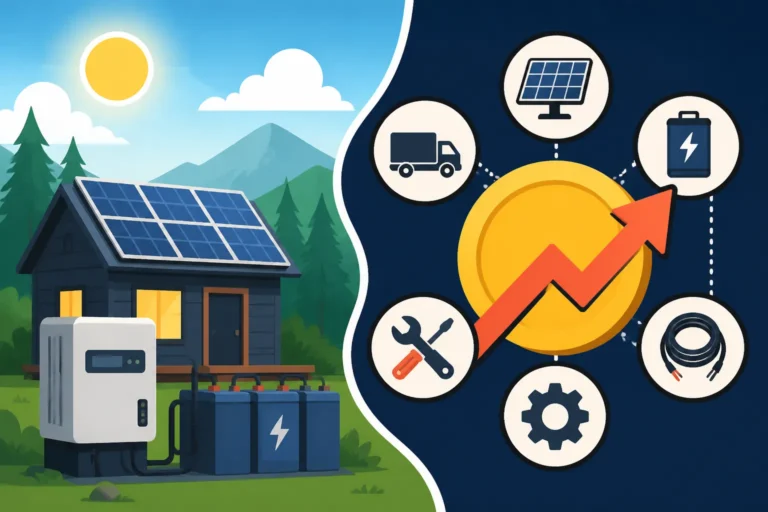
Let's talk about the big-ticket items first. Your solar panels are, of course, the foundation of your power generation. The cost of these has come down significantly over the years, making solar more accessible than ever. For a typical off-grid setup, you might be looking at panels ranging from $0.70 to $1.50 per watt, depending on brand, efficiency, and whether you're buying in bulk. So, a 300-watt panel could be anywhere from $210 to $450. Keep in mind that you'll likely need many of these for a substantial system.
Then there are the batteries, which are arguably the heart of any off-grid system. They store the energy captured by your panels for use when the sun isn't shining. This is often where the biggest cost variation lies, especially when comparing different chemistries. Lithium iron phosphate (LiFePO4) batteries are gaining immense popularity due to their longer lifespan, deeper discharge cycles, and overall efficiency, but they come with a higher initial price tag than traditional lead-acid batteries. A good 100Ah 12V LiFePO4 battery can cost anywhere from $300 to $800, while a comparable lead-acid battery might be $150-$300. The number of batteries you need will depend entirely on your energy consumption, and it's important to understand How Batteries Drive Off-Grid Solar Cost.
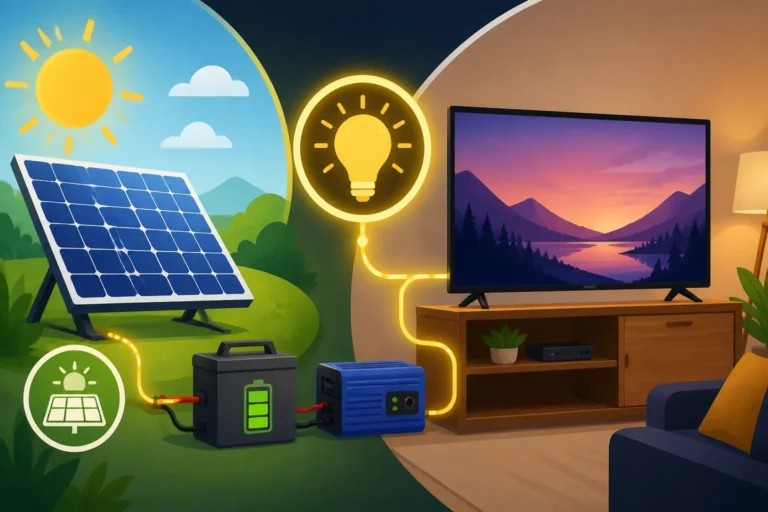
Next up is the inverter, which converts the DC power from your batteries into the AC power that most of your household appliances use. You'll need a pure sine wave inverter for sensitive electronics, and their capacity (measured in watts) will directly influence the price. A 3000-watt inverter, sufficient for many cabins or RVs, might range from $500 to $1,500, while larger, whole-home systems could easily require a 5000-watt or even 10,000-watt inverter, pushing costs significantly higher.
Don't forget the charge controller. This vital piece of equipment regulates the voltage and current coming from your solar panels to your battery bank, protecting the batteries from overcharging. MPPT (Maximum Power Point Tracking) controllers are more efficient and generally preferred for larger systems, costing between $100 and $500, whereas PWM (Pulse Width Modulation) controllers are more budget-friendly but less efficient, typically under $100. Finally, there's a whole host of smaller, but essential, items: wiring, fuses, circuit breakers, mounting hardware for your panels, and possibly a combiner box. These can quickly add up, often accounting for 10-20% of your total initial equipment cost. For a more granular overview, check out our guide on Off-Grid Solar Cost: Complete Breakdown.
Installation Costs: DIY vs. Professional Help
Once you have all your components, you're faced with the decision: Do you tackle the installation yourself, or do you bring in the professionals? Each path has its own cost implications and challenges.
A DIY installation, of course, saves you on labor costs. This can be a huge motivator for many folks looking to go off-grid, especially those with some electrical or construction experience. You're primarily paying for your own time and effort, plus any specialized tools you might need to purchase or rent, like a crimper for MC4 connectors or a multimeter. The satisfaction of building your own system from the ground up is also a significant bonus. However, it's not for the faint of heart. You need to be meticulous, adhere to safety standards, and understand electrical principles. Mistakes can be costly, both in terms of damaged equipment and potential safety hazards. Many beginners start with smaller systems, perhaps for an RV or a shed, before tackling a full home setup.
On the other hand, hiring professionals means paying for expertise, efficiency, and peace of mind. Professional installers understand local codes, permitting requirements, and how to optimize your system for maximum performance and longevity. Their labor costs can range widely, from $2,000 for a small cabin system to $15,000 or more for a complex whole-home installation. This includes everything from designing the system to pulling permits, mounting panels, wiring everything up, and configuring the inverter and charge controller. While the upfront cost is higher, you often get warranties on their workmanship, and knowing it's done correctly can be invaluable. It truly depends on your skill set, your budget, and how much time you're willing to commit. For a deeper dive into this decision, explore DIY vs Professional Off-Grid Solar Cost.
Unexpected Upfront Expenses
It's easy to focus on the major components, but many people get caught off guard by the smaller, "hidden" costs when planning their off-grid system. These aren't usually deal-breakers, but they can certainly add a few hundred or even a few thousand dollars to your initial budget if you haven't accounted for them.
Permitting is a big one. Even if you're off-grid, many jurisdictions still require permits for electrical work and structural installations, especially for ground-mounted arrays or roof-mounted systems on permanent structures. These permits ensure your system meets safety and building codes, and their costs can vary widely depending on your location, from under $100 to several hundred dollars. You might also need engineering reviews if your system is particularly large or complex, or if your local building department is unfamiliar with off-grid installations.
Site preparation is another area that can incur costs. If you're building a ground-mount system, you might need to clear land, pour a concrete pad, or construct a sturdy foundation. This could involve earthmoving equipment or hiring local contractors. For roof-mounted systems, ensuring your roof can handle the additional weight and wind load might require reinforcements. Then there are tools: while DIY saves on labor, you might need to buy specific tools like heavy-gauge wire strippers, torque wrenches, voltmeters, and safety gear. Lastly, consider shipping costs for all your heavy components, especially if you're ordering from multiple suppliers or to a remote location. These costs can often go overlooked, but they're very real. Our guide on Hidden Costs of Going Off-Grid details these nuances.
Ongoing Costs: Maintenance and Operation
Once your off-grid solar system is up and running, the immediate gratification of energy independence is immense. However, like any complex system, it requires ongoing care and attention. Understanding these long-term operational and maintenance expenses is key to grasping the true lifetime cost of your off-grid setup.
Battery Replacement: The Most Significant Recurring Expense
Let's be blunt: batteries don't last forever, and replacing them is almost certainly going to be the largest recurring expense over the lifetime of your off-grid solar system. The good news is that battery technology, especially LiFePO4, has improved dramatically, offering much longer lifespans than older lead-acid options.
Lead-acid batteries (like flooded or AGM) typically last 3-7 years, depending on how well they're maintained and how deeply they're discharged. If you're consistently discharging them deeply and not maintaining their water levels (for flooded batteries), you'll be replacing them on the lower end of that spectrum. Replacing a significant lead-acid bank every 5 years can add up quickly. For example, if you have eight 6V lead-acid batteries, replacing them might cost you $1,200-$2,400 every few years.
LiFePO4 batteries, while more expensive upfront, shine in their longevity. Most quality LiFePO4 batteries are rated for 3,000 to 5,000 cycles, or even more, which often translates to a real-world lifespan of 10-15 years, sometimes even longer under ideal conditions. This drastically reduces the frequency of replacements, making them a more cost-effective choice in the long run despite the higher initial investment. If your LiFePO4 bank costs $5,000 initially, replacing it after 12-15 years is a significant expense, but it's far less frequent than with lead-acid. This difference in lifespan is a major factor in the Cost to Replace Off-Grid Solar Batteries over time, and it's something you absolutely must budget for when planning your system.
System Maintenance and Repairs
While solar systems are generally low-maintenance, they're not entirely set-it-and-forget-it. Regular check-ups and occasional repairs are part of the deal. The good news is that most of these tasks are fairly simple and can be handled by the homeowner.
Cleaning your solar panels, for instance, is important for maintaining efficiency, especially if you live in a dusty area or one with frequent pollen or bird droppings. A simple hose-down or a soft brush can often do the trick. You might also need to periodically check all your electrical connections to ensure they're tight and free of corrosion. This is especially true for battery terminals.
Inverters and charge controllers are generally robust, but they are electronic devices and can fail. A quality inverter from a brand like Victron Energy or Sol-Ark can last 10-15 years, but unexpected surges or defects can shorten that. Replacing an inverter can range from a few hundred to a couple of thousand dollars. Small components like fuses or breakers might need replacing too, though these are typically inexpensive. Even the mounting hardware for your panels should be checked periodically for rust or loosening, particularly after severe weather. While individual repair costs might not be huge, they contribute to the overall Off-Grid Solar Maintenance Costs.
Fueling Backup Generators
For many off-grid homeowners, a backup generator isn't a luxury; it's a necessity. It provides a crucial safety net for those extended periods of cloudy weather, heavy snow, or if your system experiences an unexpected fault. While the generator itself is an upfront cost, the real ongoing expense comes from fueling it.
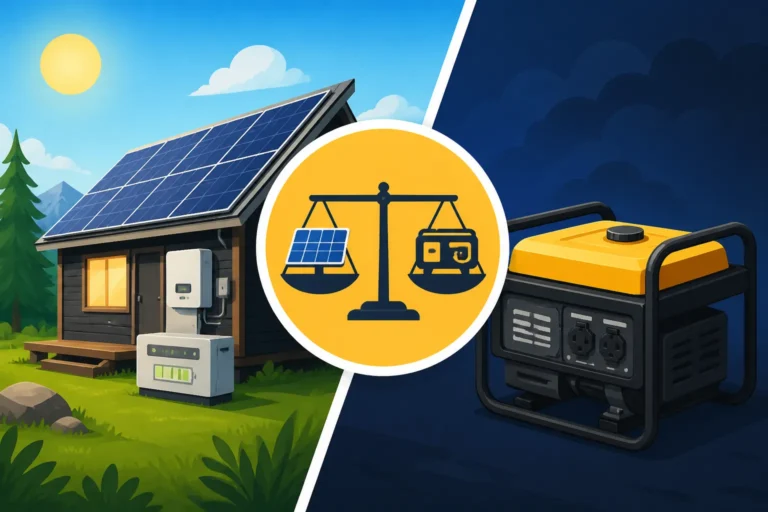
Whether you choose a propane, natural gas, or diesel generator, you'll need to factor in fuel consumption. Generators can be thirsty beasts, especially under heavy load. Running a 5,000-watt generator at full capacity for 8 hours might consume 5-10 gallons of gasoline or its equivalent in propane. Over a year, if you rely on it frequently, those fuel costs can easily amount to hundreds or even thousands of dollars.
For example, a generator running for just 10 hours a week, consuming about half a gallon of fuel per hour, would use 260 gallons in a year. At current prices, that's a significant expense. The goal of an off-grid solar system is to minimize generator use, but acknowledging its role and its associated fuel costs is essential for a realistic lifetime cost assessment. Comparing Off-Grid Solar vs Generator Fuel Cost highlights how solar significantly reduces these, but doesn't always eliminate them entirely.
The Long-Term Financial Benefits and Savings
While the initial investment and ongoing maintenance of an off-grid solar system might seem daunting, it's crucial to balance these costs against the significant financial benefits and savings you'll realize over the long haul. Going off-grid isn't just about paying for electricity differently; it's about achieving a level of financial and energy independence that grid-tied homeowners can only dream of.
Eliminating Utility Bills and Connection Fees
This is perhaps the most obvious and compelling financial advantage of an off-grid solar system: no more monthly electricity bills. Imagine never again having to worry about utility rate hikes, peak demand charges, or confusing billing cycles. For a typical household, electricity costs can easily run $100-$300 or more per month, adding up to $1,200-$3,600 per year. Over a 20-25 year lifespan of a solar system, that's a massive amount of money saved – anywhere from $24,000 to $90,000, not even accounting for inflation or rising electricity prices.
Beyond the monthly savings, there's also the often-forgotten cost of extending utility lines to a remote property. If you're building a new home or cabin far from existing infrastructure, the utility company might charge tens of thousands, or even hundreds of thousands of dollars, to run power poles and lines to your site. In many cases, the Off-Grid Solar vs Utility Extension Cost makes going solar the cheaper option right from the start, despite the significant upfront investment in equipment. When you factor in the long-term savings on bills, the decision becomes even clearer.
Increased Property Value and Energy Independence
An intelligently designed and well-installed off-grid solar system can significantly enhance the value of your property. In an era where energy costs are volatile and environmental consciousness is growing, a home that produces all its own power is a major selling point. Potential buyers are often willing to pay a premium for a property that offers freedom from utility bills and resilience against power outages. It's not just a utility system; it's a valuable asset that contributes to the overall market appeal of your home.
Beyond the monetary value, there's the priceless benefit of true energy independence. When storms hit, grids go down, and your neighbors are scrambling for generators or living in the dark, your off-grid system continues to hum along, providing reliable power. This resilience offers incredible peace of mind and security, knowing you control your own power supply. This stability is particularly attractive to those seeking self-sufficiency or building in areas prone to grid instability. Considering the Off-Grid Solar Return on Investment goes beyond just monetary figures; it includes the invaluable benefit of security and autonomy.
Tax Credits and Incentives
Even though off-grid solar systems aren't connected to the utility grid, they can still qualify for significant financial incentives that help reduce the overall lifetime cost. The most notable is the federal Investment Tax Credit (ITC), often referred to as the solar tax credit.
Currently, this credit allows homeowners to deduct a significant percentage of the cost of their solar energy system from their federal taxes. While the exact percentage can vary over time, it's been as high as 30% in recent years. This applies to the entire system, including panels, inverters, batteries, and installation costs. It’s a direct dollar-for-dollar reduction in your tax liability, not just a deduction from your taxable income, making it incredibly valuable. It's vital to research Does the Federal Tax Credit Apply to Off-Grid Solar as the rules can be nuanced, but generally, off-grid systems are eligible.
Beyond federal incentives, many states and even local municipalities offer their own rebates, property tax exemptions, or other programs to encourage renewable energy adoption. These can vary widely by location, so it's worth checking with your state's energy office or a local solar installer to see what's available in your area. These incentives can significantly lower your initial investment, thereby reducing the overall lifetime cost of your off-grid system. For instance, a $20,000 system could see a $6,000 reduction in cost thanks to a 30% federal tax credit alone.
Calculating Your True Lifetime Cost
Now that we've explored the various components of cost—initial investment, ongoing maintenance, and long-term savings—let's bring it all together to understand how to calculate the true lifetime cost of an off-grid solar system. This isn't a one-size-fits-all calculation, as every system and every homeowner's needs are unique.
A Realistic Cost Calculation Example
Let's walk through a hypothetical scenario for a moderate off-grid system, perhaps for a small, year-round cabin or a large RV setup, designed to provide approximately 5-10 kWh per day. We'll project costs over a 25-year lifespan, which is a reasonable expectation for solar panel longevity.
Initial Investment:
-
Solar Panels (4000W @ $1.00/W): $4,000
-
LiFePO4 Battery Bank (20 kWh capacity): $8,000
-
Inverter/Charge Controller (5000W): $2,500
-
Mounting Hardware, Wiring, Fuses, etc.: $1,500
-
Installation (DIY with some contractor help for wiring): $3,000
-
Total Initial Cost: $19,000
-
(Subtract potential 30% Federal Tax Credit: -$5,700)
-
Net Initial Cost After Tax Credit: $13,300
Ongoing Costs (over 25 years):
- Battery Replacement (1x at year 12, due to long LiFePO4 lifespan): $8,000 (assuming similar cost)
- Inverter Replacement (1x at year 15): $2,500
- General Maintenance/Small Repairs (estimated $100/year): $2,500
- Generator Fuel (used sparingly, estimated $200/year): $5,000
- Total Ongoing Costs: $18,000
Total Lifetime Cost (25 years): $13,300 (Net Initial) + $18,000 (Ongoing) = $31,300
Now, let's compare this to remaining on the grid, assuming an average monthly bill of $150, escalating at 3% per year (a conservative estimate given historical trends).
Grid Power Cost (25 years):
- Year 1: $150/month * 12 = $1,800
- Year 25: $150 * (1.03)^24 * 12 = ~$3,050
- Total over 25 years (using compound growth calculator): ~$60,000 – $70,000
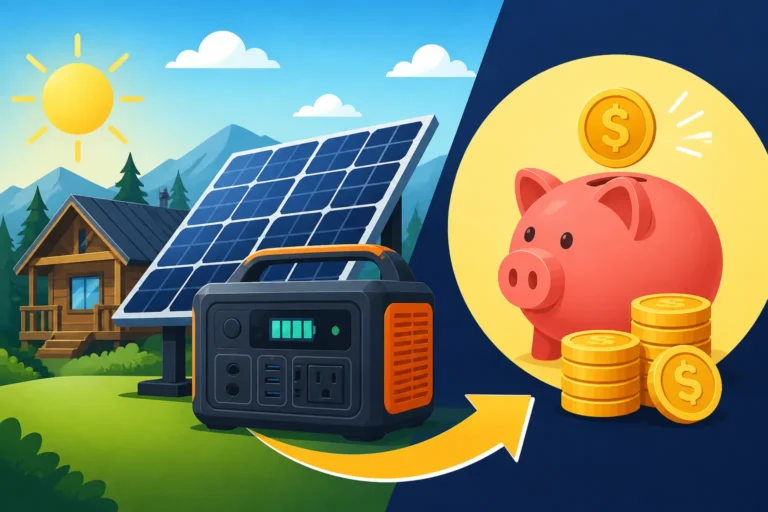
As you can see, even with the upfront costs and battery replacement, the lifetime cost of off-grid solar can be significantly lower than paying for grid power over the same period. For small-scale needs, say for a basic camping setup, the initial investment might be as low as $500-$1,000 for a portable power station like a Jackery, along with a foldable solar panel, making the lifetime costs negligible in comparison to what you'd save on amenities or generator fuel for short trips. Checking platforms like Amazon often reveals competitive prices for individual components, allowing you to compare and potentially save on your initial outlay.
Here’s a table summarizing our example:
| Cost Category | Initial Outlay (Before Tax Credit) | Net Initial Cost (After 30% ITC) | Projected Cost Over 25 Years |
|---|---|---|---|
| Solar Panels | $4,000 | $2,800 | $2,800 |
| Battery Bank | $8,000 | $5,600 | $13,600 (includes 1 replacement) |
| Inverter/Charge Controller | $2,500 | $1,750 | $4,250 (includes 1 replacement) |
| Hardware/Wiring | $1,500 | $1,050 | $1,050 |
| Installation (DIY/Help) | $3,000 | $2,100 | $2,100 |
| Maintenance/Repairs | – | – | $2,500 |
| Generator Fuel | – | – | $5,000 |
| TOTAL | $19,000 | $13,300 | $31,300 |
Factors Influencing Your Specific Lifetime Costs
It's important to remember that the example above is just that—an example. Your personal lifetime costs will be influenced by several unique factors:
- Your Energy Consumption Habits: This is the biggest driver. If you're running heavy appliances like air conditioning, electric heaters, or a well pump, your system will need to be significantly larger, increasing initial costs and potentially leading to more frequent battery cycling. A detailed load analysis to understand How Many Watt-Hours You Use Per Day is paramount.
- Geographic Location and Sun Hours: If you live in a region with abundant sunshine, you might need fewer panels, or your panels will be more productive, reducing the need for extensive battery storage or frequent generator use. Conversely, in cloudy climates, you might need to oversize your array or battery bank, impacting the Off-Grid Solar Cost in Cold Climates or less sunny regions.
- Quality of Components Chosen: Investing in high-quality, reputable brands for panels, batteries, and inverters typically means longer lifespans and fewer failures, reducing replacement and repair costs over time. While a budget option might save you upfront, it could cost you more in the long run.
- System Size and Expandability: A small system for a shed will have a vastly different lifetime cost than a whole-home system. Planning for future expansion, even if you start small, can help manage costs. Learn more about Off-Grid Solar Cost by System Size.
- Personal Diligence in Maintenance: Regularly cleaning panels, monitoring battery health, and performing preventative maintenance can extend the life of your components and prevent costly breakdowns.
- Generator Use: The more you rely on a backup generator, the higher your ongoing fuel costs will be, directly impacting your lifetime expenses.
Ultimately, truly understanding the lifetime cost requires a thoughtful approach to system design and an honest assessment of your needs and habits. Taking the time to How to Budget for an Off-Grid Solar System will pay dividends in the years to come, ensuring your journey to energy independence is both sustainable and financially sound.
Disclaimer
The information provided in this article is for general guidance only and does not constitute professional financial or electrical advice. Off-grid solar system costs and savings can vary significantly based on location, system design, component choices, market conditions, and individual energy consumption. Always consult with qualified solar professionals, electricians, and financial advisors before making any purchasing or installation decisions. Tax credit eligibility and amounts are subject to change by government policy.