What a 5000W Off-Grid System Can Power and Cost
Deciding to go off-grid, even partially, is a huge step, and one of the biggest headaches is figuring out what size solar system you actually need. Many folks hear "5000W off-grid system" and immediately wonder if that's enough to run their entire life or just a few lights. The truth is, it's a fantastic starting point for many scenarios, but understanding its real capabilities and the associated costs requires a deep dive. This guide will help you unpack exactly what a 5000W off-grid solar setup can power and give you a realistic idea of the financial investment involved, so you can make informed decisions without feeling overwhelmed.
Understanding What a 5000W Off-Grid System Really Means
When we talk about a "5000W off-grid system," it's easy to get caught up in that single number. But it's crucial to understand what that wattage refers to and how it plays into the broader picture of your daily energy needs. It's not just about peak power; it's about sustained power, storage, and how all the components work together harmoniously.
Differentiating Watts, Watt-Hours, and Peak Power
Let's clear up some common confusion right away. When you see "5000W" in the context of an off-grid solar system, it most often refers to the continuous output capacity of your inverter. This is the amount of power your system can supply at any given moment to run your appliances. Think of it like the horsepower of an engine – it tells you how much oomph it has when you hit the gas.
However, instantaneous power (Watts) is only part of the story. You also need to consider Watt-hours (Wh) or kilowatt-hours (kWh), which measure energy over time. This is your total daily consumption, the "fuel" you need for an entire day. A 5000W inverter can, for example, run a microwave (around 1000-1500W) and a refrigerator (100-200W running) simultaneously without breaking a sweat. But how much energy it actually produces and stores over a 24-hour period depends on your solar panel array size, the number of peak sun hours you get, and your battery bank capacity. So, while a 5000W inverter is powerful, your solar panels might only generate 20-30 kWh per day on a sunny day, and your batteries store a fraction of that, which is what truly dictates your daily usable power. Many beginners often confuse the inverter's rating with the daily energy production, leading to unexpected power shortages.
The Core Components of a 5000W System
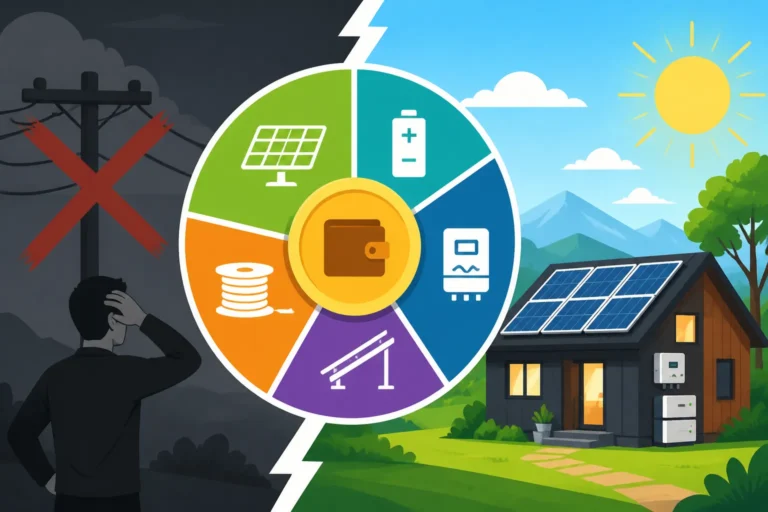
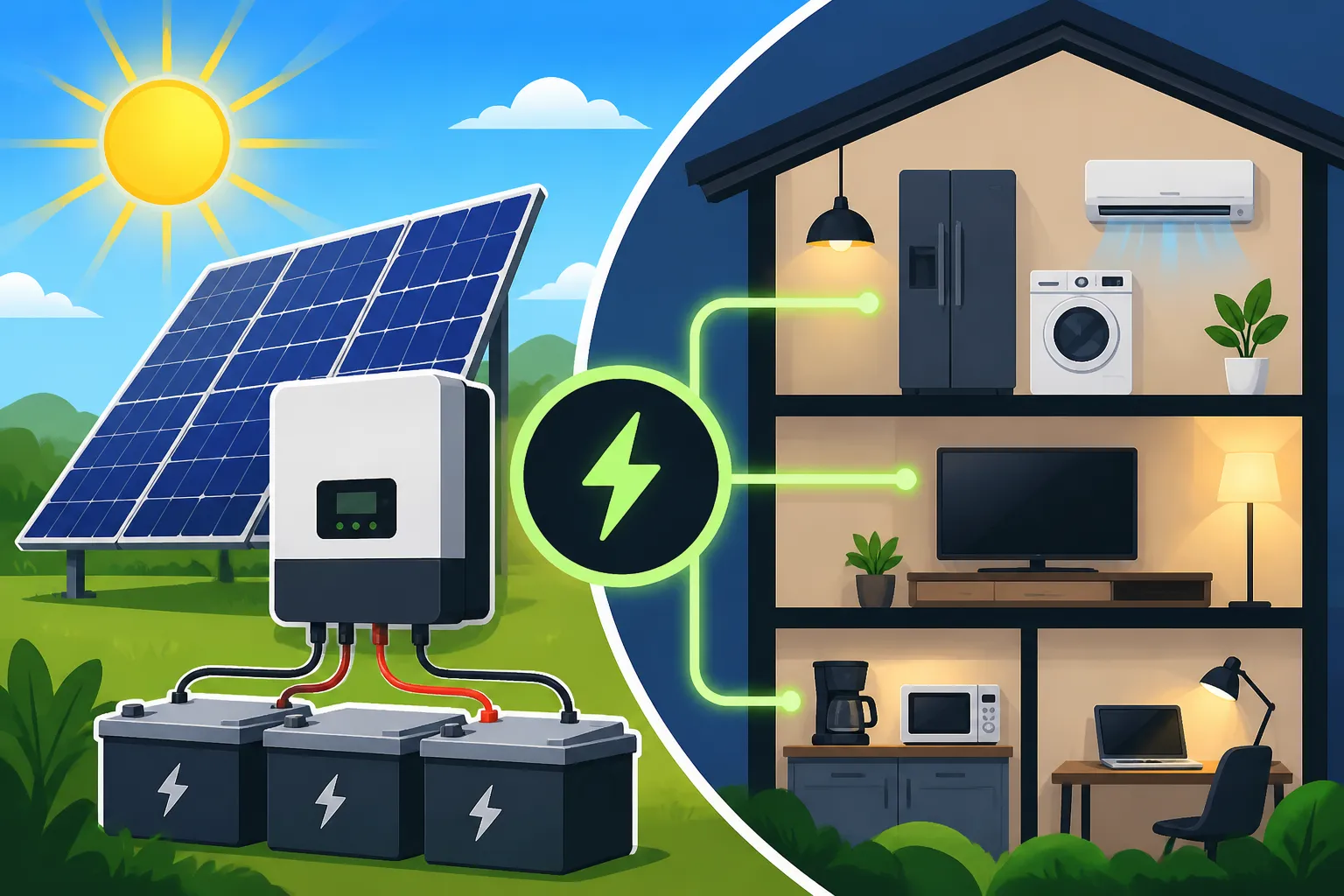
A 5000W off-grid system isn't just one big piece of equipment; it's a symphony of components working together. Each element plays a vital role in harvesting, storing, and delivering power to your loads. Understanding these pieces is fundamental to grasping both capability and cost.
First, you have your solar panels. To generate enough power to keep a 5000W inverter fed and a substantial battery bank charged, you're typically looking at a solar array that has a peak capacity well over 5000W, especially to account for less-than-ideal conditions and charging inefficiencies. For instance, if you have 400W solar panels, you might need 12-15 panels (4,800W – 6,000W total array capacity) to provide sufficient daily energy production. These panels convert sunlight into DC (Direct Current) electricity.
Next in line is the charge controller, which regulates the voltage and current coming from your solar panels to charge your batteries safely and efficiently. For a system of this size, you'll almost certainly be using an MPPT (Maximum Power Point Tracking) charge controller, as it's far more efficient at maximizing solar harvest than its PWM counterpart. You'll need to choose one that can handle the total current and voltage of your solar array.
The heart of your off-grid system, especially for running typical household appliances, is the inverter. A 5000W pure sine wave inverter is critical for running sensitive electronics, power tools, and appliances with motors smoothly and without damage. This component converts the DC power from your batteries into usable AC (Alternating Current) power, just like what comes out of your wall outlets on the grid.
Then, there's the battery bank, which is essentially your energy reservoir. For a 5000W inverter system, a robust battery bank is non-negotiable. You'll need enough capacity to store the energy generated by your panels and supply power when the sun isn't shining – overnight or during cloudy days. Most 5000W systems will operate at 48V for efficiency and to reduce cable thickness, meaning you'd typically have multiple deep-cycle batteries wired together in series and/or parallel to achieve both the desired voltage and ample amp-hour (Ah) capacity. A common setup might involve 400-800Ah at 48V, often using long-lasting lithium iron phosphate (LiFePO4) batteries.
Finally, you have the Balance of System (BOS) components. These include all the essential but less glamorous parts: wiring and cables (appropriately sized for safety and minimal voltage drop), fuses and breakers to protect your equipment and prevent electrical fires, disconnect switches, a combiner box for your solar panels, and mounting hardware for your array. These items might seem minor, but they are absolutely critical for a safe, reliable, and compliant installation. You can learn more about specific component costs in our guide on Off-Grid Solar Cost: Complete Breakdown.
What a 5000W Off-Grid Solar System Can Power
A 5000W off-grid solar system, with its capable inverter and substantial battery storage, opens up a world of possibilities for energy independence. It's truly a sweet spot for many off-grid dwellers, offering enough power for much more than just basic necessities.
Common Appliances and Their Consumption
With a 5000W inverter, you can run a significant array of typical household appliances, often simultaneously. The key is understanding their individual power draw (Watts) and how long you plan to use them, which translates into daily Watt-hour consumption.
Let's break down some common appliances:
- Refrigerator (Energy Star rated): 100-200W running, but cycles on and off. Daily usage might be 800-2000Wh depending on size and efficiency.
- LED Lights: Very efficient, 5-15W per bulb. Even a dozen lights might only draw 100-200W total.
- Television (40-50 inch LED): 50-100W. A few hours of viewing is minimal.
- Laptop Charger: 40-70W.
- Microwave (1000W output): Draws 1500W-2000W at peak for a few minutes. Easily handled by a 5000W inverter.
- Toaster/Coffee Maker: High wattage (800-1500W) but used for very short durations.
- Washing Machine (Front-load, cold water): Varies greatly, but running might be 500-1000W, with short peaks for motor startup. Daily usage 500-1500Wh.
- Well Pump (1/2 HP): A major power draw. Running wattage 700-1500W, but surge (startup) can be 2-3 times that. A 5000W inverter is often just enough for these surge demands, but it’s critical to verify.
- Small Air Conditioner (5,000 BTU window unit): Typically 500-800W running. This is where daily Wh consumption can add up very quickly if run for many hours.
- Starlink internet dish: Around 50-75W continuously.
The important takeaway here is that your 5000W inverter can handle the high wattage demands of things like microwaves, blenders, and even some smaller power tools. The limiting factor for comfort isn't usually the inverter's instantaneous power, but rather your overall daily energy budget (kWh) and your battery bank's capacity. For instance, running a small AC unit for 8 hours could consume 4000-6400Wh (4-6.4 kWh) just for that one appliance. If your solar array only produces 20 kWh on a sunny day and your battery only stores 15 kWh of usable power, that AC unit eats up a huge chunk of your available energy. For detailed advice on this, you might find our article on How to Calculate Daily Energy Usage extremely helpful.
Real-World Scenarios and Daily Energy Budget
Let's imagine some real-world applications where a 5000W off-grid system shines.
Scenario 1: The Comfortable Cabin in the Woods
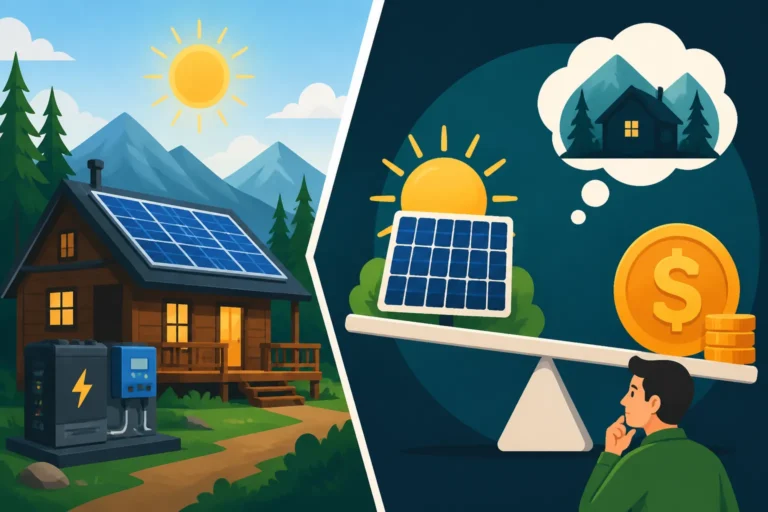
For a small cabin (say, 800-1200 sq ft) with a family of two or three, a 5000W system can provide a very comfortable lifestyle. You could run your energy-efficient refrigerator, LED lighting throughout, a TV for evening entertainment, a laptop for work or school, and charge all your phones and tablets. You could even run a small microwave for quick meals and an electric kettle for tea. On a sunny day, your solar panels would replenish your batteries, ensuring you have enough power through the night. If you're smart about energy consumption, using propane for heating and cooking, and a wood stove for warmth, this system allows for many modern conveniences without constant worry. You might even consider a washing machine for convenience, though perhaps not a large electric dryer. This system size is often ideal for a Cost to Power a Cabin with Solar.
Scenario 2: Full-Time RV or Van Life with All the Amenities
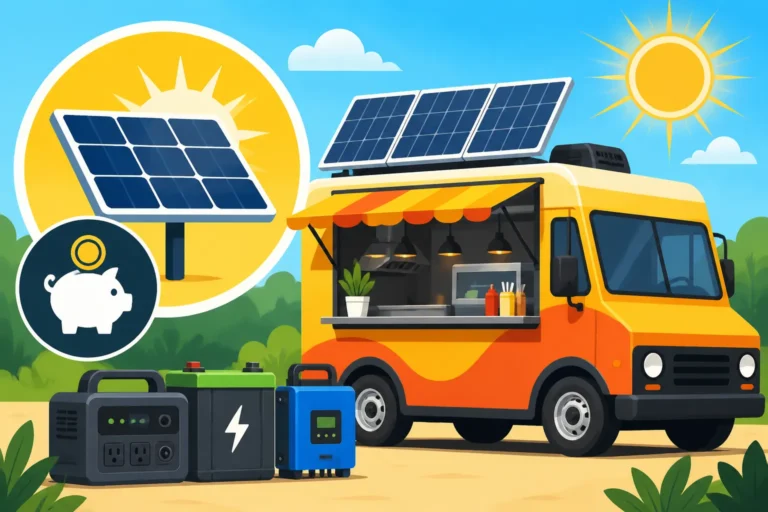
Many full-time RVers and van dwellers dream of the kind of power a 5000W system can provide. This setup is truly excellent for RV life, allowing you to run almost everything you'd expect in a small apartment. Imagine running your RV's residential fridge, a couple of TVs, a robust Starlink internet connection, a coffee maker, and even a small air conditioner or an electric heater for short periods. This allows for long stays off-grid, far from shore power. Brands like Jackery offer portable power stations that are perfect for smaller, more flexible needs, but a full 5000W system takes it to the next level for continuous, high-draw usage. The trick here is often maximizing roof space for solar panels and finding enough room for a substantial battery bank – space is usually at a premium in mobile setups.
Scenario 3: A Small, Energy-Efficient Off-Grid Home
For a truly minimalist small home, especially if built with energy efficiency in mind, a 5000W system can be quite viable. If you rely on passive solar for heating, propane for a stove, and perhaps a wood-fired water heater, your electrical demands are significantly reduced. In this setup, the 5000W system could comfortably power your refrigerator, freezer, all lighting, entertainment electronics, and even occasional use of a well pump for water or a small washing machine. The key is extreme mindfulness of power usage – no running multiple high-draw appliances simultaneously for extended periods unless you have significant battery backup and excellent solar production. This system is not designed to run electric water heaters or large electric central air conditioning units for an entire home. When looking for components, many reputable solar component suppliers on Amazon provide a convenient way to source everything from panels to wiring.
| Appliance | Typical Running Watts | Daily Usage (Hours) | Daily Watt-hours (Wh) |
|---|---|---|---|
| LED Lights (5 bulbs) | 50 W | 6 | 300 Wh |
| Efficient Refrigerator | 150 W | 12 (cycling) | 1800 Wh |
| TV (50-inch) | 80 W | 4 | 320 Wh |
| Laptop Charging | 60 W | 3 | 180 Wh |
| Microwave (1500W surge) | 1500 W | 0.1 (6 min) | 150 Wh |
| Well Pump (1/2 HP) | 1000 W | 0.5 (30 min) | 500 Wh |
| Washing Machine | 800 W | 1 | 800 Wh |
| Total Daily Estimate | ~3,950 Wh (3.95 kWh) |
Note: This table provides typical estimates. Actual consumption varies wildly based on appliance efficiency, usage habits, and environmental factors.
It's important to differentiate between the inverter's capacity and your overall energy budget. While a 5000W inverter allows for powerful momentary usage, your ability to sustain that power depends on your solar array's daily production and your battery bank's storage capacity. Always size your battery bank for sufficient How Many Batteries for an Off-Grid System and consider How to Calculate Days of Autonomy for cloudy periods.
The Cost of a 5000W Off-Grid Solar System
Now for the part that often causes the most sticker shock: the cost. Investing in a 5000W off-grid solar system is a significant financial commitment, but it's one that can pay dividends in terms of energy independence and long-term savings compared to utility extension costs. However, understanding where your money goes is crucial for effective budgeting.
Breaking Down Component Costs
The total price tag for a 5000W off-grid system varies widely based on component quality, brand, and where you purchase them. However, we can look at some general ranges for the main components.
- Solar Panels: To get a sufficient amount of daily energy for a 5000W inverter system (typically requiring a 5kW-6kW solar array capacity), you'll need around 12 to 17 solar panels rated at 350-400W each. High-quality monocrystalline panels can range from $0.80 to $1.20 per watt. So, for a 5kW array, expect to spend anywhere from $4,000 to $6,000 just on panels.
- Batteries: This is often the single most expensive component, but it's also where you get your reliable power storage. For a robust 5000W system operating at 48V, you'd ideally want at least 400Ah to 800Ah of usable capacity (e.g., 4 x 100Ah 48V LiFePO4 batteries, or 8 x 100Ah 12V LiFePO4 batteries in series-parallel). LiFePO4 batteries, while having a higher upfront cost, offer a much longer lifespan and deeper discharge capabilities than traditional lead-acid. Expect to pay anywhere from $5,000 to $15,000+ for a quality lithium battery bank of this size. Our guide on LiFePO4 vs Lead-Acid Battery Cost delves deeper into this comparison.
- Inverter: A high-quality 5000W (or 5kW) pure sine wave inverter, ideally an inverter-charger hybrid, is essential. Leading brands often come with advanced features, monitoring capabilities, and robust construction. Budget anywhere from $1,500 to $4,000 for this critical piece of equipment.
- Charge Controller: An MPPT charge controller sized correctly for your array and battery bank will typically run between $400 and $1,000. Its size depends on the voltage and amperage of your solar array.
- Balance of System (BOS): This category includes mounting hardware for your panels (roof or ground mount), wiring, fuses, breakers, disconnect switches, combiner boxes, and other electrical safeguards. These items are indispensable for safety and functionality. Expect to allocate $1,000 to $3,000+ for BOS components, depending on the complexity and scale of your installation.
Combining these estimates, a well-equipped 5000W off-grid solar system, purchased as individual components, could easily range from $11,900 to $29,000+ before installation costs. Remember that quality matters, and cheaper components might lead to more frequent Off-Grid Solar Maintenance Costs or shorter lifespans.
DIY vs. Professional Installation Costs
Once you have all your shiny new components, you've got to put them together. This is where the DIY vs. professional installation decision comes into play, dramatically affecting your final cost.
DIY Installation: If you're handy, have a solid understanding of electrical systems, and are comfortable working at heights or with heavy equipment, a DIY installation can save you a bundle. You'll only be paying for your time and any specialized tools you might need to rent or buy. For many off-gridders, this is a rite of passage and a huge source of pride. The average cost savings can be significant, potentially cutting your total project cost by 10-30% or more. However, it's crucial to understand the complexities of How to Wire an Off-Grid Solar System and to ensure everything meets electrical code, even if you're not getting formal inspections. Mistakes can be dangerous and costly.
Professional Installation: Hiring licensed electricians and solar installers provides peace of mind, ensures safety, and often means your system will be installed efficiently and correctly the first time. Professional installation typically adds $5,000 to $15,000+ to the overall cost for a system of this size, depending on your location, property specifics (e.g., roof pitch, trenching needs for ground mounts), and the complexity of the design. While this is a significant expense, it can be a worthwhile investment, especially if you're unsure about the technical aspects or want to ensure your system is up to code for insurance purposes. A professional can also help navigate permitting requirements, which can be tricky in some areas.
Hidden Costs and Long-Term Considerations
Beyond the initial purchase and installation, there are other costs to keep in mind when planning your 5000W off-grid system.
- Permitting and Inspections: Depending on your jurisdiction and whether your property is truly "off-grid" in a legal sense (some remote areas have fewer requirements), you might still need permits and inspections. These costs can range from a few hundred to a couple of thousand dollars. Ignoring them can lead to legal issues or insurance problems down the line.
- Maintenance: While solar panels are relatively maintenance-free, batteries do require attention. Lead-acid batteries need regular watering and cleaning. Even LiFePO4 batteries, while low-maintenance, benefit from monitoring and occasional balancing. Panels need to be cleaned periodically, especially in dusty areas or if birds decide to use them as a perch. Factor in the cost of occasional replacement parts or professional check-ups. Our article on Off-Grid Solar Maintenance Costs covers this in detail.
- Battery Replacement: This is a big one. While LiFePO4 batteries can last 10-15+ years, they will eventually need replacement. This is a substantial future cost to budget for, potentially thousands of dollars. Lead-acid batteries have a much shorter lifespan (3-7 years typically), meaning more frequent replacement costs. You can explore this further in Cost to Replace Off-Grid Solar Batteries.
- Backup Generator: Even with a robust 5000W system, most off-gridders rely on a backup generator for extended cloudy periods or unexpected high power demands. This means the initial purchase cost of a generator (e.g., a DuroMax or Generac model), plus ongoing fuel and maintenance costs. Adding a generator to your system provides critical redundancy and peace of mind. Check out our article on the Cost of Adding a Generator to Off-Grid Solar.
- Expansion: Many off-grid setups start small and expand over time. If you plan to add more panels or batteries later, factor in the cost of additional components and any labor involved. Designing an How to Design an Expandable System from the start can save you headaches and money down the road.
Is a 5000W System Right for You? Sizing Considerations
Before you dive headfirst into purchasing a 5000W off-grid solar system, it's absolutely vital to confirm that this size aligns with your actual energy needs and lifestyle. Under-sizing can lead to constant power anxiety, while over-sizing can mean unnecessary upfront expense.
Conducting a Detailed Load Analysis
This is arguably the most crucial step in designing any off-grid system, and a 5000W system is no exception. You need to know exactly how much energy you consume on a daily basis. Don't guess; calculate!
Here's how you can approach it:
- List Every Appliance: Go through your proposed living space (cabin, RV, tiny home) and list every single electrical item you intend to use. Don't forget the small stuff like phone chargers, electric toothbrushes, or even the power draw of your internet router.
- Find the Wattage: For each appliance, find its running wattage. This is usually printed on a label, in the user manual, or easily found with a quick online search. For items with motors (refrigerators, pumps, blenders), also note their surge wattage (the momentary spike in power they draw when starting up). Your 5000W inverter needs to handle these surges.
- Estimate Daily Usage: For each appliance, estimate how many hours per day you plan to use it. Be realistic, or even slightly overestimate, especially for critical items.
- Calculate Daily Watt-Hours: Multiply the running wattage by the daily usage hours for each appliance. Sum these up to get your total estimated daily Watt-hours (Wh) or kilowatt-hours (kWh).
For example, if your refrigerator runs at 150W but cycles on for 12 hours a day, that's 150W * 12h = 1800Wh per day. If you run a 50W LED light for 6 hours, that's 300Wh. Adding these up will give you your energy baseline. You can use our comprehensive guide on Off-Grid Solar Load Calculation Explained to walk through this process step-by-step. Only once you have a solid daily kWh estimate can you determine if a 5000W system (meaning a system designed to deliver roughly 5000W of instantaneous power and enough daily kWh) is truly appropriate.
Accounting for Variables and Future Needs
Your energy consumption isn't static; it fluctuates based on a myriad of factors. A robust off-grid system design needs to account for these variables.
- Peak Sun Hours: This is the equivalent number of hours per day when the sun's intensity averages 1,000 watts per square meter. It varies significantly by geographical location and season. You might get 5-7 peak sun hours in summer but only 2-3 in winter. Your solar array needs to be sized to meet your daily energy needs even during the lowest sun months. Many people underestimate How Winter Affects Off-Grid Sizing, leading to power deficits.
- Days of Autonomy: This refers to how many days your battery bank can power your home without any input from your solar panels (e.g., during extended cloudy weather). For a 5000W system supporting a home, aim for at least 2-3 days of autonomy for comfort and security. This directly impacts the required size and How to Budget for Off-Grid Batteries.
- Seasonal Variations: Think about how your energy needs change seasonally. Will you run more fans or AC in the summer? More heating in the winter? Will you have more guests, leading to more laundry or appliance use?
- Future Expansion: Are you planning to add more appliances later, perhaps a workshop with power tools, or expand your family? It's often more cost-effective to design your system with some expandability in mind rather than having to completely overhaul it later. You might even consider starting with a slightly smaller array and adding more Cost of Expanding an Off-Grid System later if your budget is tight.
Common Misconceptions to Avoid
Steering clear of these common pitfalls will save you headaches and money:
- Inverter Wattage ≠ Daily Production: Just because you have a 5000W inverter doesn't mean your system generates 5000Wh every hour, or 120 kWh per day. The 5000W refers to the maximum power it can deliver at any one time. Your daily energy production (in kWh) depends on your solar array size and available sunlight.
- Underestimating Battery Needs: Batteries are critical. A powerful inverter without sufficient battery storage is like having a large gas tank but only filling it with a gallon of fuel. Always prioritize a robust battery bank that matches your daily consumption and desired days of autonomy.
- Ignoring Surge Loads: Many appliances (pumps, refrigerators, power tools) draw significantly more power for a few seconds when they start up than they do when running. Your inverter must be able to handle these "surge" loads without tripping or failing. A 5000W inverter usually has a higher surge rating (e.g., 10,000W for a few seconds), which is important to verify against your highest surge-demand appliances.
- Not Considering Efficiency: Choosing energy-efficient appliances makes a huge difference in how much power you need to generate and store. An Energy Star refrigerator, for instance, can consume significantly less energy than an older model, freeing up precious Watt-hours for other uses.
By thoroughly assessing your needs, understanding the technical aspects, and avoiding common mistakes, you can confidently determine if a 5000W off-grid solar system is the perfect fit for your energy independence journey.
Disclaimer
Please note that the information provided in this guide is for general informational purposes only and should not be considered professional advice. Off-grid solar system design and installation involve complex electrical work and safety considerations. Always consult with a qualified solar professional or licensed electrician before making purchasing decisions or attempting any installation. Local regulations, permits, and codes may apply.