Is Off-Grid Solar Cost-Effective for a Remote Cabin
Owning a remote cabin is a dream for many, a true escape from the hustle and bustle. But when it comes to powering that slice of paradise, the dream can quickly turn into a financial nightmare. Extending utility lines to a remote property often comes with a jaw-dropping price tag, leaving many to wonder if embracing off-grid solar is a more sensible, and ultimately, cost-effective solution. This guide will walk you through the realistic costs and long-term benefits of off-grid solar for your cabin, helping you decide if it’s the right path to true energy independence.
The Steep Hill of Grid Extension Costs for Remote Cabins
Let's be honest, that initial flicker of excitement about getting electricity to your remote cabin often gets snuffed out the moment you receive an estimate from the utility company. It's a common story: you call, full of hope, only to be quoted figures that make your eyes water. The dream of flicking a switch to bring power to your sanctuary can feel out of reach, and for good reason. Utility companies don't just run a few wires; they need to build infrastructure.
Poles, Wires, and the Almighty Dollar Per Foot
The sheer distance from the nearest power pole to your cabin is usually the biggest cost driver for grid extension. Imagine a crew needing to clear land, dig trenches, and install dozens of new poles across rugged terrain – each step adding significantly to the bill. We're talking about costs that can easily range from $25,000 to well over $100,000, depending on the distance and the difficulty of the terrain. Some folks have reported quotes stretching into the hundreds of thousands for just a few miles! This isn't just about a few feet of wire; it's about extending the entire grid infrastructure, with all its associated labor, materials, and engineering expenses. And let's not forget, once you're connected, you're on the hook for monthly service charges and the utility company's ever-increasing rates.
Permitting Headaches and Infrastructure Limitations
Beyond the per-foot cost, there's a labyrinth of permits, easements, and environmental assessments that can add both time and money to the grid extension process. Local regulations vary wildly, and getting approval to run lines through sensitive areas or across private property can be a lengthy, frustrating, and expensive endeavor. Furthermore, the existing grid in remote areas might not be designed to handle significant new loads, potentially requiring transformer upgrades or even substation enhancements, costs that inevitably get passed down to the consumer. For many remote cabin owners, the hassle and the astronomical, unpredictable costs associated with extending the utility grid make it a non-starter, pushing them to explore truly independent power solutions.
Deconstructing the Cost of an Off-Grid Solar System for Your Cabin
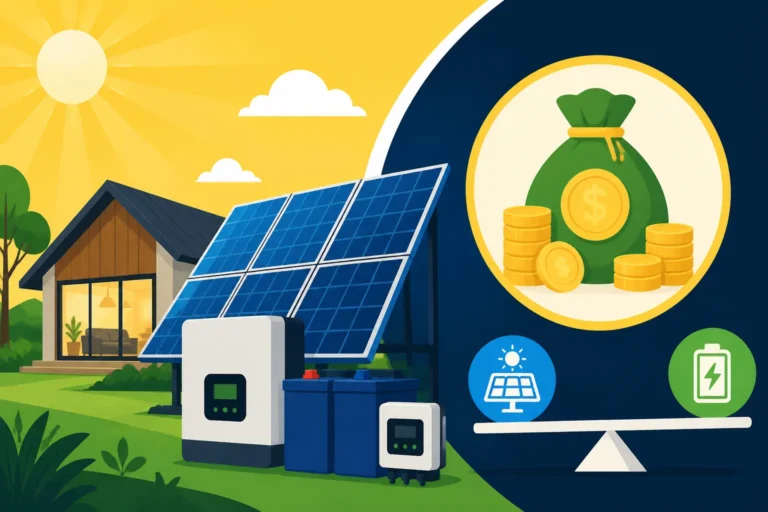
So, if grid extension is off the table, what does it really cost to go off-grid with solar? It's not a single price tag, but rather a system built from several key components, each contributing to the overall investment. Understanding these parts is crucial to making an informed decision about the How Much Does an Off-Grid Solar System Cost for your specific needs.
The Big Four: Panels, Batteries, Inverter, and Charge Controller
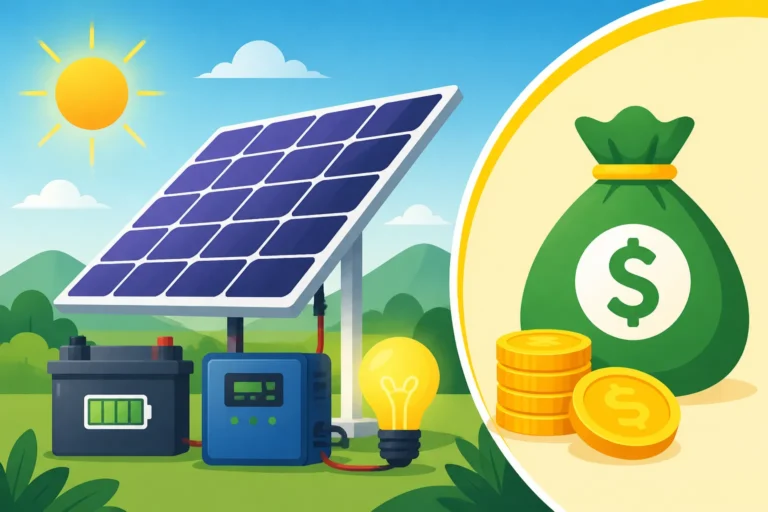
At the heart of any off-grid solar system are four main components: the solar panels, the battery bank, the inverter, and the charge controller.
First, solar panels are what capture sunlight and convert it into electricity. Their cost depends on their wattage and efficiency. For a cabin, you'll typically need multiple panels, which can range from a few hundred dollars for a small setup to several thousand for a larger array. The quality and brand also play a role; some premium panels offer better performance in low light or extreme temperatures. You can learn more about the Cost of Off-Grid Solar Panels.
Next, the battery bank is arguably the most critical and often the most expensive component of an off-grid system. This is where your generated power is stored for use when the sun isn't shining. Options typically include flooded lead-acid, AGM, or the increasingly popular lithium iron phosphate (LiFePO4) batteries. While LiFePO4 batteries have a higher upfront cost, their longer lifespan, deeper discharge capabilities, and lack of maintenance often make them more cost-effective in the long run. To delve deeper, check out our comparison on LiFePO4 vs Lead-Acid Battery Cost and a detailed breakdown of the Cost of an Off-Grid Solar Battery Bank.
The inverter converts the direct current (DC) electricity from your batteries into alternating current (AC) electricity, which is what most standard household appliances use. For a cabin, you'll almost certainly want a pure sine wave inverter to safely power sensitive electronics. Sizing your inverter correctly for your peak load (the maximum amount of power your appliances might draw at once) is vital. A good quality inverter can run from several hundred to a few thousand dollars, depending on its wattage and features. For more information, explore the Cost of an Off-Grid Solar Inverter.
Finally, the charge controller manages the power flow from your solar panels to your batteries, preventing overcharging and optimizing efficiency. MPPT (Maximum Power Point Tracking) controllers are generally more efficient than PWM (Pulse Width Modulation) controllers, especially for larger systems or in varying light conditions, making them a worthwhile investment for most cabins. The Cost of a Charge Controller will vary with type and capacity.
Beyond the Core: Wiring, Mounting, and Safety Gear
While the big four get most of the attention, don't forget the "balance of system" components. These include robust wiring and cables to connect everything safely, mounting hardware for your solar panels (whether on a roof, pole, or ground mount), and crucial safety equipment like fuses, breakers, and disconnect switches. These items, though seemingly minor, are essential for the safe and efficient operation of your system and can add another few hundred to a couple of thousand dollars to your total. Finding quality wiring, connectors, and breakers from reputable suppliers, even online via platforms like Amazon, is a common practice for DIYers. It's also wise to consider surge protectors and proper grounding, especially in remote areas prone to lightning.
The DIY Path vs. Calling in the Pros
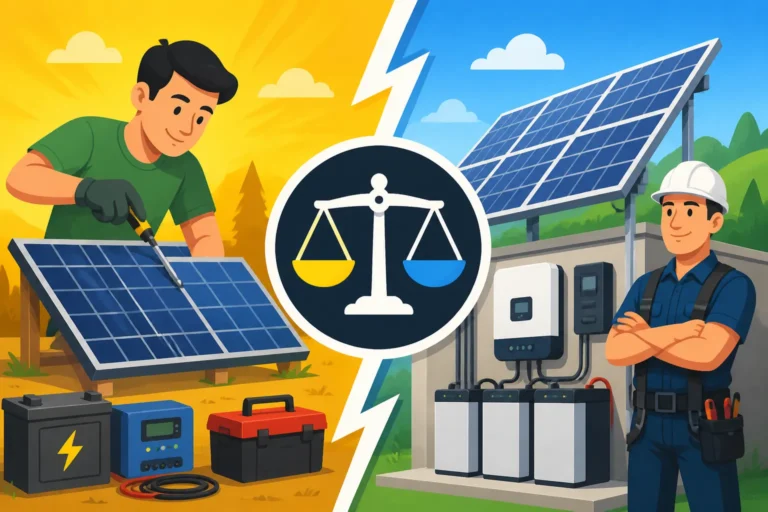
The total cost of your off-grid cabin solar system can vary wildly based on whether you choose a DIY approach or hire professionals. Many remote cabin owners are handy and opt to install their systems themselves, saving significantly on labor costs. A well-researched and carefully executed DIY installation can drastically reduce your overall investment, sometimes cutting costs by 30-50% compared to a professional setup. There are numerous resources and communities available to guide you through the process, and pre-packaged off-grid solar kits often simplify component selection.
However, a DIY installation requires a significant time commitment, a good understanding of electrical principles, and a willingness to troubleshoot. Mistakes can be costly or, worse, dangerous. If you're not comfortable with electrical work, hiring a qualified solar installer or electrician specializing in off-grid systems is a safer bet. They ensure everything is up to code, properly sized, and safely installed, offering peace of mind. While it adds to the upfront cost, the expertise can prevent expensive errors down the line. To get a clearer picture of these options, explore our guide on DIY vs Professional Off-Grid Solar Cost. For a typical remote cabin with moderate energy needs, a fully installed off-grid solar system could range from $15,000 to $40,000, but a robust DIY setup might bring that down to $8,000-$25,000.
Sizing Your System to Match Cabin Needs
This is arguably the most important factor for cost-effectiveness. There's no one-size-fits-all answer for a cabin, because every cabin owner has different energy demands. Are you a weekend warrior who just needs to power some LED lights, charge a phone, and run a small fridge for a couple of days? Or do you dream of year-round living, complete with a well pump, washing machine, and maybe even a mini-split air conditioner? The amount of electricity you need dictates the size of your solar array and battery bank, directly impacting the overall cost. Our detailed guide on How to Size an Off-Grid Solar System can walk you through the process.
A small cabin used seasonally for basic lighting and phone charging might get by with a 400-watt to 1000-watt system, potentially costing a few thousand dollars. This kind of setup might even incorporate a portable power station like a Jackery for quick, deployable power. On the other hand, a cabin intended for full-time living with standard appliances might require a 3,000-watt to 8,000-watt system, pushing costs significantly higher. Understanding your Off-Grid Solar Cost for a Cabin involves a thorough load analysis to determine your daily watt-hour consumption. Oversizing your system wastes money; undersizing it leads to frustration and brownouts. This crucial step directly correlates with the Off-Grid Solar Cost by System Size.
Beyond Upfront Costs: Long-Term Value and Savings
While the initial investment in an off-grid solar system can seem substantial, it's vital to look at the long-term picture. Unlike grid extension, which often comes with a continuous stream of monthly bills and the uncertainty of future rate hikes, an off-grid system represents a fixed investment that pays dividends over many years. When you factor in the peace of mind and the environmental benefits, the value proposition becomes even clearer.
The Escape from Ever-Increasing Utility Bills
Once your off-grid solar system is up and running, your primary source of electricity becomes the sun – which, as you know, is absolutely free. You completely cut ties with the utility company, eliminating those annoying monthly bills and the dread of seeing rate increases. Think about it: no more base fees, no more fluctuating usage charges, no more fuel surcharges. Over the typical 25-year lifespan of solar panels, those savings add up immensely. This freedom from ongoing utility expenses is often one of the most compelling reasons cabin owners choose off-grid solar, effectively locking in their energy costs for decades. It's an investment that puts you in control of your energy future, rather than leaving it to the whims of the energy market.
Longevity and the Lifecycle of Your Off-Grid System
Modern solar panels are incredibly durable, often warrantied for 25 years or more, and typically continue to produce power beyond that. Inverters generally have a lifespan of 10-15 years, and charge controllers can last even longer. The main component with a finite, though substantial, lifespan is your battery bank. High-quality LiFePO4 batteries can last 10-20 years or more with proper care, especially if you avoid consistently deep discharging them. While there will be a Cost to Replace Off-Grid Solar Batteries at some point, this is a predictable expense that you can budget for.
Compared to the continuous fuel costs of a generator (another common remote cabin power solution), solar's maintenance costs are relatively low. Routine tasks mostly involve keeping panels clean, checking connections, and monitoring battery health. These Off-Grid Solar Maintenance Costs are typically minimal, especially if you handle much of it yourself. Over its lifetime, a properly sized and maintained off-grid solar system can easily outcompete the long-term expenses of grid power or repeated generator fuel purchases.
The Intangible Value of True Energy Independence
Beyond the financial calculations, there's an immense, often overlooked value in energy independence. For cabin owners, it means knowing you'll always have power, regardless of what's happening with the grid. No more worrying about distant storms knocking out power lines, no more being beholden to a massive corporation for a basic necessity. This self-reliance offers peace of mind and true security, which is precisely why many people seek out remote cabin living in the first place. You're not just buying electricity; you're investing in autonomy. This also gives you the flexibility to expand or modify your system as your needs change, adding a small portable unit like a Jackery for extra flexibility, or even a few more panels down the line.
Here’s a simplified comparison of factors for grid extension versus off-grid solar for a remote cabin:
| Feature | Grid Extension | Off-Grid Solar |
|---|---|---|
| Upfront Cost | Potentially very high ($25K-$200K+) depending on distance and terrain | Moderate to high ($8K-$40K+) depending on size and DIY/pro installation |
| Monthly Bills | Ongoing utility bills, fluctuating rates | None (once system is paid off) |
| Energy Source | Centralized utility grid | Renewable solar energy (sunlight) |
| Reliability | Subject to grid outages, weather events | Self-sufficient, vulnerable only to system failure (rare if well-designed) |
| Maintenance | Handled by utility company (poles, wires) | Requires owner attention (panels, batteries) |
| Environmental Impact | Depends on grid's energy mix (fossil fuels, etc.) | Clean, renewable, near-zero emissions |
| Expandability | Generally challenging, expensive upgrades from utility | Highly expandable with additional panels, batteries, inverters |
| Permits & Regulations | Often complex and costly for utility right-of-way | Varies by local jurisdiction, usually simpler for self-contained systems |
| Freedom & Independence | Tied to utility company | Complete energy autonomy |
Making the Decision: Is Off-Grid Solar Right for Your Cabin?
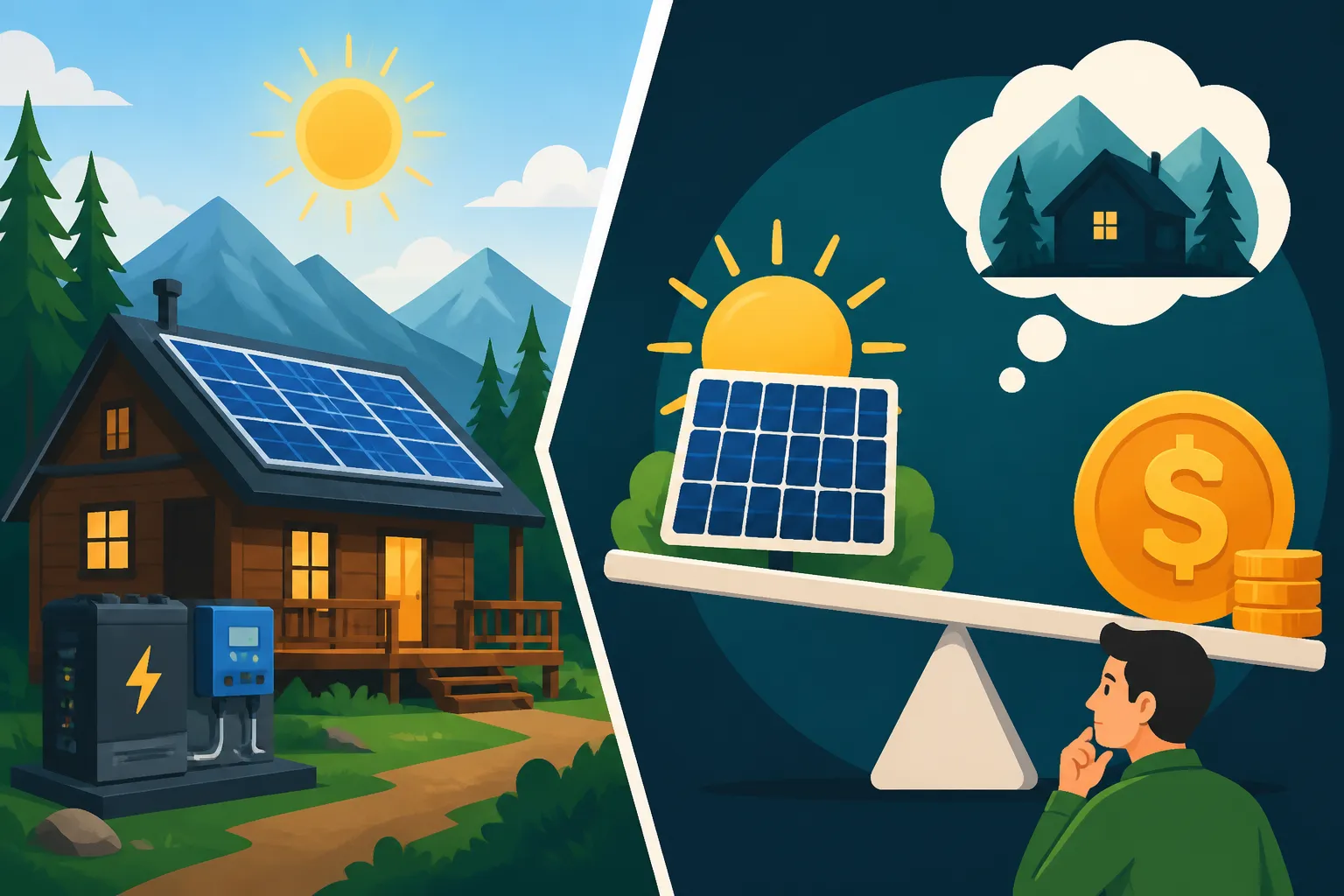
Ultimately, the decision to go off-grid with solar for your remote cabin is a deeply personal one, weighing financial considerations, lifestyle choices, and your desire for independence. It's not just about crunching numbers, but also about envisioning how you want to live and what kind of relationship you want to have with your energy supply.
Matching System Size to Your Cabin's Lifestyle
The first step in determining cost-effectiveness is to honestly assess your cabin's energy demands. Are you looking for a minimalist setup for occasional visits, powering just a few lights, a radio, and your phone charger? Or is your cabin a full-time residence or frequent retreat, where you'll want to run a refrigerator, water pump, TV, and perhaps even major appliances like a microwave or washing machine? This is where a detailed Off-Grid Solar System Sizing Guide becomes your best friend.
Your usage patterns also play a huge role. A cabin used only during sunny summer months will need a smaller, less expensive system than one that needs to provide reliable power through cloudy winter days. Understanding How Many Watts of Solar You Need and How Many Batteries for an Off-Grid System will directly influence your budget and long-term satisfaction. Don't fall into the trap of underestimating your needs, as expanding an undersized system later can often be more expensive than building it right the first time.
Site Assessment and Environmental Considerations
Before committing to off-grid solar, you need to conduct a thorough site assessment. The amount of direct sunlight your cabin receives is paramount. Are there tall trees that cause significant shading, especially during critical morning and late afternoon hours? What's your average number of "peak sun hours" per day throughout the year? A cabin in a dense forest, for example, will require more panels or a larger battery bank to compensate for reduced sun exposure compared to a cabin on an open ridge.
Consider the local climate as well. Regions with frequent cloudy days or heavy snowfall will need a more robust system design to ensure consistent power. Conversely, areas with abundant sunshine can be very efficient. Also, think about the practicalities of installation and maintenance. Is the site easily accessible for delivering equipment and for you to perform routine checks? These environmental factors directly impact the efficiency and necessary scale of your system, and thus, its ultimate cost.
Unlocking Potential Savings: Incentives and Smart Planning
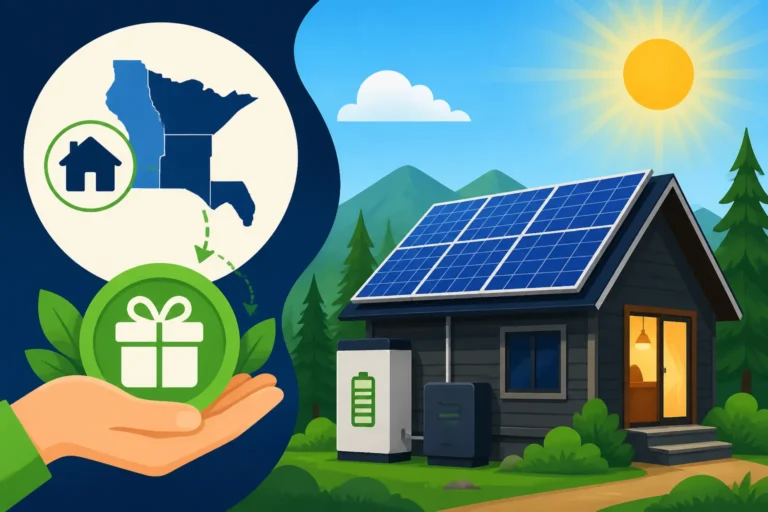
While federal and state incentives are often geared towards grid-tied systems, it's worth investigating if your off-grid installation qualifies for any benefits. For instance, the federal solar tax credit (Investment Tax Credit, or ITC) has sometimes applied to off-grid systems, though the specifics can change. It's always a good idea to research Does the Federal Tax Credit Apply to Off-Grid Solar and any State Incentives for Off-Grid Solar in your specific area. These incentives can shave a significant percentage off your total cost.
Smart planning and budgeting are also key. Consider phasing your system installation if upfront costs are a concern. You might start with a smaller setup to cover basic needs, then expand your solar array and battery bank as your budget allows or your energy demands grow. Buying quality components from reputable suppliers, whether through local distributors or online via platforms like Amazon, and taking advantage of sales can also help manage costs. Creating a detailed budget, as outlined in our guide on How to Budget for an Off-Grid Solar System, will give you a clear roadmap for your off-grid journey. For many remote cabin owners, the long-term freedom and cost stability offered by off-grid solar far outweigh the initial investment, making it a truly cost-effective and empowering choice.
Disclaimer
The information provided in this article is for general informational purposes only and does not constitute professional advice. Off-grid solar system design and installation can be complex and involve electrical hazards. Always consult with qualified professionals and adhere to local codes and regulations when planning or installing an off-grid solar system.