Cost of a 5000W Off-Grid Solar System
Thinking about going off-grid, especially for a homestead or a robust cabin setup, can quickly bring up one huge question: how much is this actually going to cost? It's easy to get overwhelmed by conflicting information and seemingly endless component lists, leaving you wondering if a 5000W off-grid solar system is even within reach. This comprehensive guide is here to demystify the expenses involved, breaking down exactly what you can expect to pay for a 5000-watt setup, from the panels to the battery bank and everything in between.
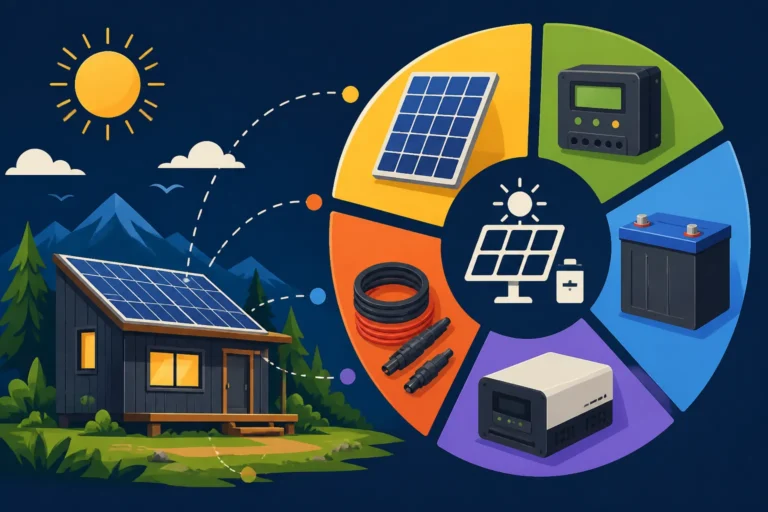
Understanding the Components of a 5000W Off-Grid Solar System
Before we even talk numbers, let's get clear on what we mean by a "5000W off-grid solar system." This isn't just a grab-and-go item you pick up off a shelf. It's a carefully designed assembly of several key parts, each playing a crucial role in delivering reliable power when you're disconnected from the utility grid. A 5000-watt system generally refers to the solar array's nominal power output, meaning you have enough panels to generate 5000 watts of power under ideal conditions. But that's just one piece of the puzzle.
Solar Panels The Power Harvesters
The solar panels are, quite literally, your primary energy source. For a 5000W system, you're not looking at a single panel, of course. You'll be setting up an array, which is a collection of multiple panels wired together. The number of individual panels you'll need depends on the wattage of each panel. For instance, if you're using common 400-watt panels, you'd need about 13 panels (5000W / 400W = 12.5, so you'd round up to 13 or 14 for a bit of wiggle room). With more powerful 500-watt panels, you'd need around 10. The type of panel, whether monocrystalline or polycrystalline, can subtly affect efficiency and space requirements, though most modern setups lean towards monocrystalline for their higher efficiency.
Beyond the panels themselves, you also need to factor in the mounting hardware. Are you planning a ground mount, which might involve more steel and concrete but offers adjustable tilt? Or are you going with a roof mount, which integrates into your existing structure but requires careful planning for roof penetrations and weight distribution? These decisions directly influence the overall Cost of Off-Grid Solar Panels and installation complexity. Don't forget the wiring that connects these panels to the rest of your system – robust, UV-resistant cables are essential and add to the initial outlay.
Battery Bank The Energy Storage Heart
Ah, the battery bank! This is often where the biggest chunk of your budget goes, and for good reason. In an off-grid system, the batteries are your lifeline, storing the solar energy collected during the day so you can use it at night or during cloudy periods. A 5000W system implies significant power demand, meaning you'll need a substantial battery bank to keep everything running smoothly. Without a grid connection, you don't have a backup source, so your battery capacity needs to be robust enough to handle your daily energy consumption and provide sufficient "days of autonomy" – how long your system can run without any solar input.
The choice of battery chemistry is a major cost driver. Lead-acid batteries (flooded or AGM) are generally cheaper upfront but have shorter lifespans, require more maintenance (especially flooded), and have shallower discharge depths, meaning you can only use a smaller percentage of their stated capacity. Lithium iron phosphate (LiFePO4) batteries, like those from Battle Born or EG4, have a higher initial price tag but offer dramatically longer lifespans (often 10+ years), much deeper discharge capabilities (90-100%), are maintenance-free, and are lighter. For a 5000W system, especially for full-time living, LiFePO4 batteries are often the preferred choice due to their efficiency and longevity, despite the higher LiFePO4 vs Lead-Acid Battery Cost. Understanding How Batteries Drive Off-Grid Solar Cost is crucial when planning your budget.
Inverter The AC Power Converter
Your solar panels generate direct current (DC) electricity, and your batteries store it as DC. But most of your appliances, from your refrigerator to your television, run on alternating current (AC). This is where the inverter comes in. A 5000W off-grid solar system will typically require a pure sine wave inverter with a continuous output rating of at least 5000 watts, and often more to handle surge loads (the momentary spikes in power when appliances like a well pump or refrigerator compressor kick on). Many robust off-grid systems opt for an inverter-charger, which combines the functions of an inverter (DC to AC) and a battery charger (useful if you have a generator backup).
A high-quality inverter is absolutely critical for the health of your appliances and the efficiency of your system. Avoid modified sine wave inverters for anything beyond the most basic resistive loads, as they can damage sensitive electronics. The Cost of an Off-Grid Solar Inverter can vary widely based on its capacity, features (like grid-assist or generator integration), and brand reputation. For a 5000W setup, you're looking at professional-grade equipment built to handle significant power flow and protect your entire electrical system.
Charge Controller Battery's Best Friend
The charge controller is the unsung hero of your off-grid system. It acts as the gatekeeper between your solar panels and your battery bank, regulating the voltage and current coming from the panels to ensure your batteries are charged safely and efficiently. For a 5000W solar array, you'll almost certainly want a Maximum Power Point Tracking (MPPT) charge controller. MPPT controllers are far more efficient than their PWM (Pulse Width Modulation) counterparts, especially in varying weather conditions or if your panel voltage doesn't perfectly match your battery bank voltage. They can extract significantly more power from your solar array, which is essential for maximizing your energy harvest.
Sizing your charge controller correctly is paramount to prevent damage to your batteries or controller. It needs to be able to handle the maximum current produced by your 5000W panel array. Choosing a reliable, properly sized MPPT controller is an investment that pays off in system longevity and performance. The Cost of a Charge Controller for a system of this size reflects its sophisticated technology and importance in protecting your valuable battery bank.
Deconstructing the Cost: What to Expect for a 5000W System
Now that we understand the core components, let's talk about the big question: how much does a 5000W off-grid solar system really cost? It's not a fixed price, unfortunately, but we can give you some solid ranges to help you budget. You're typically looking at an investment that can range from $15,000 to $40,000 or even more, depending heavily on your choices in battery chemistry, component quality, and installation method.
Equipment Costs Breakdown
This is where the rubber meets the road. Here’s a breakdown of what you might expect for the major components of a 5000W off-grid system. Keep in mind these are averages, and savvy shoppers can often find better deals, especially on online marketplaces like Amazon, or by looking for sales directly from manufacturers.
| Component | Estimated Cost Range (USD) | Notes |
|---|---|---|
| Solar Panels (5000W) | $2,500 – $6,000 | Based on $0.50 – $1.20 per watt, excluding mounting. Monocrystalline typically higher. |
| Battery Bank | $6,000 – $25,000+ | The most variable cost. LiFePO4 will be on the higher end, lead-acid lower. Dependent on capacity. |
| Inverter (5000W+) | $1,500 – $5,000 | Pure sine wave, often an inverter-charger for off-grid. Higher surge capacity costs more. |
| Charge Controller | $500 – $1,500 | MPPT controller essential for efficiency, sized for the 5000W array. |
| Mounting Hardware | $500 – $2,000 | Roof mounts are often cheaper than ground mounts, which might require concrete. |
| Wiring, Fuses, Breakers | $500 – $1,500 | Essential for safety and code compliance. Heavy gauge wiring for battery banks is critical. |
| Miscellaneous | $500 – $2,000 | Battery monitor, disconnect switches, conduits, junction boxes, lightning arrestors, tools. |
| Total Equipment Est. | $12,000 – $43,000+ | This range excludes installation labor, permits, and significant site prep. |
As you can see, the battery bank alone can represent a massive portion of your total investment. For instance, a quality 400Ah (amp-hour) 48V LiFePO4 battery bank, providing around 19.2 kWh of usable energy, could easily cost upwards of $10,000-$15,000, and many 5000W systems might aim for even more storage capacity depending on their How to Calculate Daily Energy Usage. Brands like Victron Energy or Sol-Ark offer integrated inverter-charger solutions that can streamline your system but often come with a premium price tag due to their quality and advanced features.
Installation and Auxiliary Costs
Beyond just the raw equipment, you need to consider how it all gets put together. Many folks tackle a significant portion of the installation themselves, especially if they have electrical experience, to reduce the overall Off-Grid Solar Installation Cost. However, for a system of this size, professional assistance for certain aspects, like main panel wiring or critical safety connections, is often highly recommended, or even legally required.
If you opt for professional installation, labor costs can add anywhere from $5,000 to $15,000+ to your total, depending on your location, system complexity, and the installer's rates. Site preparation can also be a hidden cost – clearing trees for shade-free panel placement, trenching for underground wires, or pouring concrete pads for ground mounts all add up. Don't forget permitting and inspection fees. Many jurisdictions, even for off-grid systems, require permits to ensure safety and compliance with electrical codes. These fees can range from a few hundred to over a thousand dollars.
Another auxiliary cost to consider is a backup generator. While solar is fantastic, having a generator, perhaps a reliable propane or diesel model, can offer peace of mind during extended cloudy periods or unexpected high-demand events. Integrating a generator, even if it's just for emergencies, adds to the initial setup cost. For instance, a quality portable solar generator like a Jackery might handle lighter loads or serve as a temporary backup during installation, but for truly robust backup on a 5000W system, you're usually looking at a larger, dedicated fuel-powered generator.
Regional Differences and Market Fluctuations
Where you live can significantly impact the final price of your 5000W off-grid solar system. Shipping costs for large, heavy components like batteries and panels can be substantial, especially to remote areas. Local labor rates for electricians and installers vary widely across different states and regions. For example, getting specialized off-grid installers in a rural part of Montana might be more challenging and potentially more expensive than finding one in a more populated, solar-friendly state like California, even though California itself often has higher labor costs overall.
Furthermore, the solar market isn't static. Prices for panels and batteries have fluctuated over the years due to advancements in technology, changes in supply chains, and global demand. Keeping an eye on these trends and purchasing components during sales or off-season periods can sometimes yield considerable savings. However, always prioritize quality and reliability over the absolute lowest price, especially for critical components of an off-grid system where consistent power is paramount.
Factors Influencing Your 5000W Off-Grid System Investment
The cost ranges we discussed are broad because so many variables play into the final figure. A 5000W array is a solid start, but how you design the rest of your system around that power generation capability is what truly shapes your total investment.
Energy Needs and Usage Patterns
While you're building a 5000W generating system, the real cost driver is your consumption. How much power do you actually use on an average day? This dictates the size of your battery bank, and potentially even how much you need to oversize your solar array to ensure consistent charging. Do you run energy-hungry appliances like a well pump, an air conditioner, or a washing machine regularly? These "surge loads" demand a lot of power for short bursts, affecting your inverter choice. Continuous loads, like refrigerators or lights, contribute to your overall daily Off-Grid Solar Load Calculation Explained.
If your daily energy consumption is relatively low (say, under 10 kWh per day), a 5000W array might be ample, and you might get by with a smaller, more affordable battery bank for a given number of days of autonomy. However, if you're powering a full-size home with modern conveniences, even a 5000W array might be considered a baseline, and your battery bank will need to be significantly larger to store enough energy to last through multiple cloudy days or high-demand periods. The more energy you need to store and consume, the higher your investment will be, particularly in batteries.
Battery Chemistry and Capacity
We touched on this earlier, but it truly deserves its own deep dive because it's often the single largest expense. The fundamental choice between lead-acid and LiFePO4 batteries dramatically alters your upfront cost and long-term value.
Lead-Acid Batteries (Flooded, AGM, Gel):
- Cost: Generally 2-3 times less expensive upfront than LiFePO4 for the same nominal capacity.
- Lifespan: Typically 3-7 years, with flooded batteries often requiring more maintenance (watering, equalization).
- Usable Capacity: Only 30-50% of their rated capacity is safely usable to maximize lifespan. For example, a 100Ah lead-acid battery only provides 30-50Ah of usable power.
- Performance: Less efficient at charging and discharging, voltage sags under heavy loads. Sensitive to temperature extremes.
- Weight: Very heavy.
LiFePO4 Batteries (Lithium Iron Phosphate):
- Cost: 2-3 times more expensive upfront.
- Lifespan: 10-15+ years, often with 3,000-8,000+ charge cycles. Virtually maintenance-free.
- Usable Capacity: 80-100% of their rated capacity. A 100Ah LiFePO4 battery gives you almost 100Ah of usable power.
- Performance: Highly efficient, stable voltage output, performs well in varying temperatures (though internal heating for cold weather charging is sometimes built-in).
- Weight: Much lighter than lead-acid for comparable energy storage.
For a 5000W system powering a home, the advantages of LiFePO4 batteries in terms of usable capacity, lifespan, and maintenance often outweigh the higher upfront How Battery Choice Affects Off-Grid Cost. While the initial investment is more significant, the long-term cost of ownership, especially when considering replacements, makes LiFePO4 a compelling choice.
System Expandability and Future-Proofing
When you're making such a substantial investment, it's wise to think about the future. Will your energy needs grow? Do you plan to add more appliances, expand your living space, or welcome more family members to your off-grid homestead? Designing an expandable system from the outset can save you headaches and money down the line. This might mean:
- Oversizing your charge controller and inverter slightly: Investing in components that can handle a bit more power than your current panel array produces, allowing you to add more panels later without replacing these core components.
- Installing extra mounting rails or space: If you're doing a ground mount, planning for additional panel space is much easier during the initial build than adding it years later.
- Using a modular battery system: Many LiFePO4 batteries are designed to be easily expanded by simply adding more identical battery units in parallel. This allows you to increase your storage capacity as your needs or budget allow.
While designing for future expansion might add a small percentage to your initial Cost of Expanding an Off-Grid System, it prevents the much larger expense and hassle of completely overhauling your system later. It's a bit like building a house with an unfinished basement – the rough-ins are there, ready for future development, rather than tearing down walls later.
Maximizing Value and Saving Money on Your 5000W System
Investing in a 5000W off-grid solar system is a significant financial commitment, but there are definitely strategies you can employ to maximize your value and save money without compromising on quality or reliability.
DIY vs Professional Installation Considerations
The question of whether to go the DIY route or hire professionals is often a balancing act between cost savings, time commitment, and specialized knowledge.
- DIY Benefits: The most obvious advantage of a DIY approach is the significant reduction in labor costs. For a 5000W system, this could mean saving $5,000 to $15,000 or more. If you're comfortable with electrical work, can follow detailed wiring diagrams, and are willing to dedicate the time, you can achieve substantial savings. Websites like Amazon offer a wide array of components, making it easier than ever for the DIY enthusiast to source their parts. Learning How Much Cheaper Is DIY Off-Grid Solar really boils down to your comfort level and existing skills.
- DIY Challenges: A 5000W system is not a small plug-and-play setup. It involves high voltages and currents, making safety paramount. Incorrect wiring can lead to dangerous situations, equipment damage, or even fire. You'll need to understand concepts like wire sizing, fusing, grounding, and system balancing. You'll also be responsible for sourcing all components and troubleshooting any issues that arise.
- Professional Benefits: Hiring a qualified off-grid solar installer ensures the system is designed and installed safely, efficiently, and to code. They bring expertise, specialized tools, and often warranties on their work. This is especially valuable for complex tasks like tying into your home's main electrical panel (even if off-grid, proper internal wiring is critical) or ensuring proper grounding.
- Hybrid Approach: Many off-gridders choose a hybrid path. They might do the physical labor of mounting panels or running conduit, but hire an experienced electrician or solar professional to handle the critical electrical connections, inverter setup, and final system commissioning. This can offer a good balance between cost savings and peace of mind.
For a system of this size, even if you are mostly DIY, seriously consider having a professional review your design and perform the final critical hookups to ensure everything is up to snuff. Safety is not an area to cut corners.
Strategic Equipment Sourcing and Kit Options
Another major way to control costs is by being smart about where and when you buy your equipment.
- Shop Around: Don't just settle for the first quote. Get multiple quotes for complete systems or individual components. Compare prices across different suppliers, both online and local. Look for end-of-year sales, holiday promotions, or even discontinued models from reputable manufacturers.
- Consider Kits: While a fully custom 5000W system might be ideal, many reputable manufacturers offer robust Off-Grid Solar Kit Price Ranges that include panels, an inverter, charge controller, and sometimes batteries. Brands like Renogy, EcoFlow, or Victron often offer kits designed for various power needs. These kits can be more cost-effective than buying individual components and ensure compatibility between parts. Just be sure the kit's components are sized appropriately for your needs.
- Buy Used (with Caution): You might find used solar panels or even inverters for sale locally. While this can offer significant savings, proceed with extreme caution. Panels can degrade over time, and used electronics might have hidden issues. Batteries, especially lead-acid, have a finite lifespan, so buying used batteries is generally not recommended unless you can verify their state of health thoroughly.
- Focus on Efficiency: Investing in higher-efficiency components, like MPPT charge controllers and quality pure sine wave inverters, might have a higher upfront cost but can save you money in the long run by maximizing your energy harvest and protecting your appliances.
- Negotiate: Don't be afraid to negotiate prices, especially if you're buying a large order of components from a single supplier. Every dollar saved on components is a dollar back in your pocket. Learning How to Save Money on an Off-Grid Solar Build requires a bit of patience and research.
Long-Term Value and Payback
While the initial cost of a 5000W off-grid solar system can seem daunting, it's important to look at the long-term value. Once installed, your primary energy source – the sun – is free. This means you eliminate monthly utility bills, or at least dramatically reduce your reliance on expensive generator fuel.
Consider the Off-Grid Solar Payback Period Explained. For someone living in a remote area where extending utility lines would cost tens of thousands of dollars, going off-grid can pay for itself almost immediately. For others, the payback might be longer, but the peace of mind, energy independence, and environmental benefits are often priceless. Over the lifespan of your system, which can be 20-30 years for panels and 10-15+ years for LiFePO4 batteries, you'll see substantial savings. Factor in minimal Off-Grid Solar Maintenance Costs, primarily panel cleaning and occasional checks, and you start to appreciate the true How Off-Grid Solar Saves Money Long-Term that independence offers.
Disclaimer
The information provided in this article is for general informational purposes only and does not constitute professional advice. Off-grid solar system design and installation can be complex and involve significant electrical risks. Always consult with qualified solar professionals and licensed electricians, and adhere to all local codes and regulations before installing or modifying any electrical system.