How to Save Money on an Off-Grid Solar Build
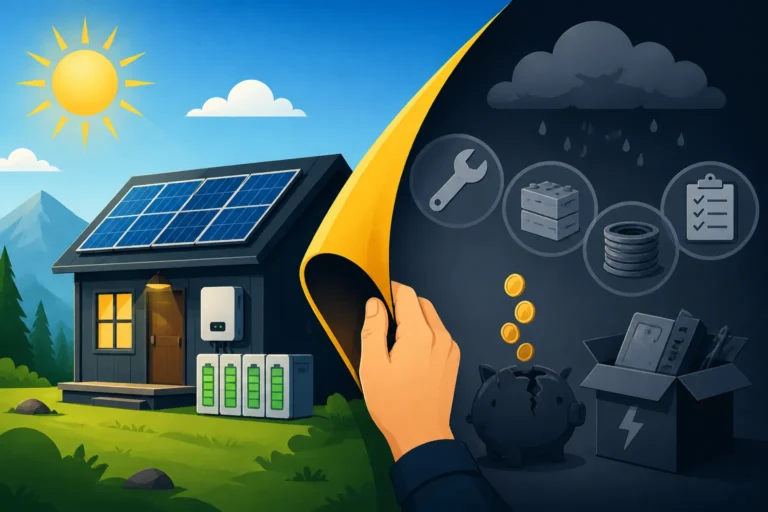
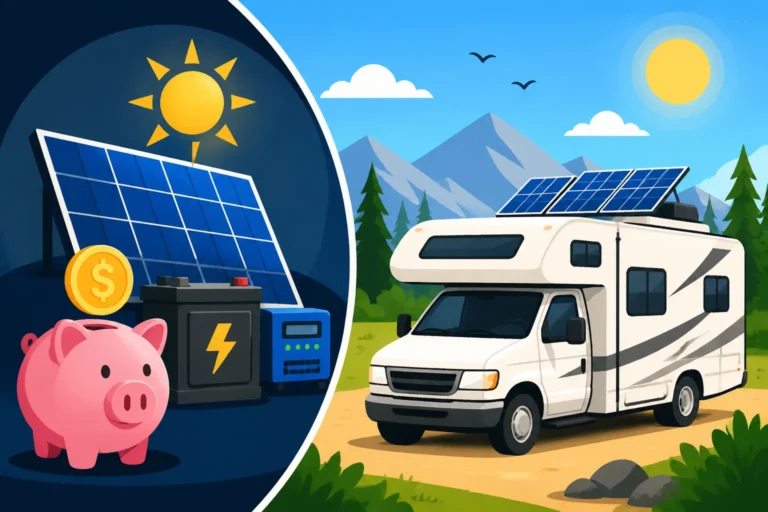
Jumping into the world of off-grid solar can feel like a huge leap, not just in lifestyle but financially too. The initial price tag for a complete system can make even the most determined homesteader or van-lifer pause, wondering if their dream of energy independence is truly within reach. But don't despair! Many people successfully build incredible off-grid systems without breaking the bank, and this comprehensive guide will walk you through real-world strategies to significantly cut costs on your off-grid solar build, making your sustainable dream a reality.
Smart Planning and System Sizing to Avoid Overspending
One of the biggest pitfalls when building an off-grid solar system is overspending on components you don't truly need, or conversely, underspending and having to upgrade too soon. Careful planning and accurate system sizing are your first and most powerful tools for saving money. It’s like building a house; you wouldn’t just start pouring concrete without blueprints, right?
Conducting a Thorough Energy Audit
Before you even think about buying a single solar panel, you absolutely must know your energy needs inside and out. This isn't just about guessing; it's about detailed calculation. Grab a pen and paper, or fire up a spreadsheet, and list every single electrical appliance and device you plan to use. For each item, you need to find its wattage (how much power it consumes) and how many hours per day you intend to use it.
For example, a typical mini-fridge might draw 60 watts and run for 8 hours a day, totaling 480 watt-hours. A laptop charger might be 45 watts used for 4 hours, equaling 180 watt-hours. Don't forget those phantom loads either – devices that draw a small amount of power even when "off." Accumulating all these daily watt-hours will give you your total daily energy consumption. Many seasoned off-gridders swear by monitoring their existing grid-tied usage for a few weeks if possible, using a device like a Kill-A-Watt meter, to get a realistic picture. This step is foundational because it dictates the size of your entire system. If you want to learn more about this crucial step, check out our guide on How to Calculate Daily Energy Usage.
Optimizing for Efficiency and Realistic Usage
Once you have your energy audit, look for ways to reduce consumption. This is where real savings begin. Can you swap out incandescent bulbs for highly efficient LED lighting? Absolutely. Can you invest in Energy Star-rated appliances specifically designed for low power draw? Definitely. A DC-powered refrigerator, for instance, can often use significantly less energy than an AC-powered one, meaning you'll need fewer solar panels and smaller batteries, which translates directly to a lower overall cost.
Consider your usage habits, too. Do you really need to run a high-wattage hair dryer every day, or can you towel dry more often? Can you charge your laptop during peak sun hours instead of at night? Every watt-hour you save means your system can be smaller, more affordable, and still meet your needs. Many folks find that simply being more mindful of their energy use in an off-grid scenario naturally leads to significant reductions without feeling like a sacrifice. If you're wondering How to Size an Off-Grid Solar System, starting with efficiency is key.
Strategic Component Selection: Where to Save and Where to Splurge
The major components of an off-grid solar system – solar panels, batteries, inverter, and charge controller – represent the bulk of your investment. Knowing where to cut costs and where to invest in quality is crucial for a cost-effective and reliable system.
Choosing the Right Batteries and Technology
Batteries are often the single most expensive part of an off-grid system, and their chemistry profoundly impacts your budget and system longevity.
Lead-Acid vs. Lithium Iron Phosphate (LiFePO4)
- Lead-Acid Batteries: These are your traditional, often more budget-friendly upfront option. They come in flooded, AGM, and gel varieties. Flooded lead-acid batteries are the cheapest per amp-hour initially but require regular maintenance (checking water levels, equalizing charges) and have a shorter cycle life (usually 300-1000 cycles) compared to lithium. AGM and gel are sealed, maintenance-free, but still have limited cycle lives and depth of discharge compared to lithium. They're heavy and perform poorly in very cold temperatures unless carefully managed. For many starting out or on a very tight budget for a seasonal cabin, lead-acid can be a viable entry point. However, their total cost of ownership can be higher due to more frequent replacements. If you're interested in a detailed comparison, check out LiFePO4 vs Lead-Acid Battery Cost.
- LiFePO4 Batteries: While they have a higher upfront cost, LiFePO4 batteries offer significant long-term savings. They boast an incredibly long cycle life (3,000-10,000+ cycles), can be discharged much deeper without damage (80-100% vs. 50% for lead-acid), are much lighter, maintenance-free, and perform better across a wider temperature range (though charging in freezing temps still requires caution or heating). Their efficiency is also higher, meaning less wasted energy. For a permanent residence or full-time RV living, the investment in LiFePO4 often pays off many times over, making them the more economical choice in the long run. When considering the Cost of an Off-Grid Solar Battery Bank, this is where you really need to crunch the numbers for lifetime value.
Sourcing Panels and Other Hardware Wisely
Solar panels have become significantly more affordable over the years. You can often find great deals on panels, especially if you're not brand-obsessed.
New vs. Used Components
- New Components: For critical components like inverters and charge controllers, buying new with a warranty is generally recommended, especially for your first system. Reliable brands like Victron, Renogy, and Outback Power offer excellent equipment. However, when you're looking for individual components, online retailers like Amazon can be a treasure trove for good deals on smaller items like wiring, fuses, and connectors.
- Used Components: This is where you can save a considerable amount of money, but it comes with risks. Solar panels are relatively robust, and second-hand panels from reputable sources (like local solar installers upgrading systems or businesses liquidating assets) can be a fantastic value. Always inspect them carefully for cracks, delamination, or burn marks. You can find used items on platforms like Craigslist, Facebook Marketplace, or specialized solar equipment forums. For things like mounting hardware, used materials can often be perfectly acceptable, but for sensitive electronics, proceed with extreme caution. Our guide, Buying Used Off-Grid Solar Equipment: Worth It, goes into more detail on how to assess the risks and rewards.
Considering Solar Kits
For beginners, or those wanting a streamlined approach, off-grid solar kits can offer good value and simplify the purchasing process. Brands like Renogy and BougeRV offer comprehensive kits that include panels, a charge controller, inverter, and necessary cabling, often at a bundle discount. For smaller, portable setups, a robust solar generator from brands like Jackery might be all you need to power basic electronics and tools, acting as an all-in-one power solution without the complexity of a full build.
Here's a quick comparison of cost-saving strategies for components:
| Component Category | Strategy for Savings (Initial Cost) | Considerations & Long-Term View |
|---|---|---|
| Batteries | Start with budget lead-acid (flooded) | Higher long-term cost due to replacement, maintenance, lower DoD. |
| Buy smaller, expand later with LiFePO4 | Higher upfront, but better long-term ROI, no maintenance, deep DoD. | |
| Solar Panels | Purchase used panels from reputable sellers | Inspect thoroughly for damage; ensure still performant. |
| Buy in bulk from wholesalers/liquidators | Requires larger initial outlay; check compatibility. | |
| Choose less common brands (with good reviews) | May save, but research warranty and support. | |
| Inverter/Charge | Buy all-in-one inverter-chargers | Simplifies wiring, but if one part fails, entire unit needs repair. |
| Controller | Match to panel voltage/amperage, don't undersize. | |
| Mounting | DIY ground mounts with local materials | Can save significantly on racking; requires construction skills. |
| Wiring/Connectors | Buy in bulk, check online retailers (e.g., Amazon) | Ensure correct gauge, UV-rated for outdoor use; safety first! |
DIY vs. Professional Installation: Weighing the Financials
The choice between installing your system yourself or hiring a professional is a significant financial decision. While DIY offers substantial savings, it requires a commitment to learning, safety, and physical labor.
The True Cost Savings of DIY
Doing it yourself can cut your overall costs by 30-50%, sometimes even more, especially for smaller systems. This is because labor is a huge component of any professional installation. If you're handy, enjoy learning new skills, and have the time, taking on the installation yourself is arguably the biggest way to save money on an off-grid solar build. You'll need to research heavily, watch countless tutorial videos, and perhaps invest in some specialized tools, but these costs are usually far less than paying for professional labor.
You'll need to understand concepts like How to Wire Solar Panels in Series, How to Wire a Battery Bank, and How to Connect an Inverter to Batteries. Many people start small, perhaps with a portable system for an RV, and gradually expand their knowledge and system size. This phased approach can also help spread out the financial burden. Our guide, How Much Cheaper Is DIY Off-Grid Solar, dives into the specifics.
When to Consider Professional Help
While DIY is great for saving cash, there are times when bringing in an expert makes sense, even for the most budget-conscious.
- Complex Systems: If you're building a large system for a full-sized home with complex wiring or specialized appliances, the intricacies can be overwhelming. An electrician or solar installer can ensure everything is up to code, safe, and optimally configured.
- Permitting and Code Compliance: Depending on your location, off-grid systems may still require permits and inspections, especially if they are permanently connected to a dwelling. Navigating local electrical codes and permitting processes can be a headache, and a professional installer will be familiar with these requirements. Skipping these steps might save money upfront but could lead to issues down the line with insurance or resale.
- Safety Concerns: Working with electricity, especially high-voltage DC from solar panels and powerful inverters, carries inherent risks. If you're uncomfortable with electrical work, it's safer (and often cheaper in the long run, avoiding costly mistakes or injuries) to hire a licensed professional for at least the critical connection points.
A common hybrid approach is to DIY the simpler parts (panel mounting, cable runs) and hire an electrician for the complex, high-voltage connections to the inverter and main electrical panel. This can be a smart compromise to save on overall Off-Grid Solar Installation Cost.
Maximizing Long-Term Savings and Efficiency
Saving money on the initial build is one thing, but true financial wisdom comes from ensuring your off-grid system continues to save you money for years to come. This involves maintenance, monitoring, and smart usage habits.
Regular Maintenance and Monitoring
An off-grid solar system isn't a "set it and forget it" solution. Regular maintenance is crucial to prolong the life of your components and ensure optimal performance.
- Battery Care: For lead-acid batteries, this means checking electrolyte levels and performing equalization charges. For all battery types, monitoring voltage and current with a good battery monitor can alert you to issues before they become expensive problems. Replacing batteries due to neglect is one of the biggest hidden costs. Understanding Off-Grid Solar Maintenance Costs is key to long-term savings.
- Panel Cleaning: Dust, dirt, bird droppings, and even pollen can reduce the efficiency of your solar panels. A simple, occasional cleaning with water and a soft brush can significantly improve energy production, ensuring you get the most out of your investment.
- Wiring and Connections: Periodically inspect all wiring, connections, and fuses for corrosion, loose terminals, or damage. Loose connections can lead to resistance, energy loss, and even fire hazards. A well-maintained system runs more efficiently and safely, preventing costly repairs or premature component failure.
Smart Energy Management Practices
The habits you develop around energy consumption will have a profound impact on your long-term savings.
- Load Shifting: Learn to shift your heaviest electrical loads to times when solar production is abundant. Running your washing machine, well pump, or power tools during the brightest part of the day, rather than at night or on cloudy days, reduces reliance on your battery bank and extends its life.
- Seasonal Adjustments: Understand how your solar production changes with the seasons. In winter, when sun hours are shorter and the sun is lower in the sky, you'll need to be more conservative with your energy use. This might mean relying more on passive heating, cooking with propane, or simply accepting a lower level of electrical convenience for a few months.
- Backup Solutions: While solar is fantastic, having a small, efficient backup generator can prevent you from prematurely discharging your batteries during extended periods of low sun. Using a generator strategically to top off batteries rather than running heavy loads directly can be more fuel-efficient and less stressful on your system. A generator can be a critical part of your overall Off-Grid Solar System Design Basics.
By adopting these practices, you're not just saving money on the build; you're building a lifestyle that inherently saves money and resources, ensuring your off-grid independence is sustainable in every sense of the word. If you're curious about the bigger picture, take a look at How Off-Grid Solar Saves Money Long-Term.
Disclaimer
The information provided in this guide is for general informational purposes only and does not constitute professional advice. Off-grid solar system design and installation can be complex and involve electrical hazards. Always consult with qualified professionals and adhere to all local codes and regulations when planning or installing your system. We are not liable for any losses or damages incurred from the use of this information.