State Incentives for Off-Grid Solar
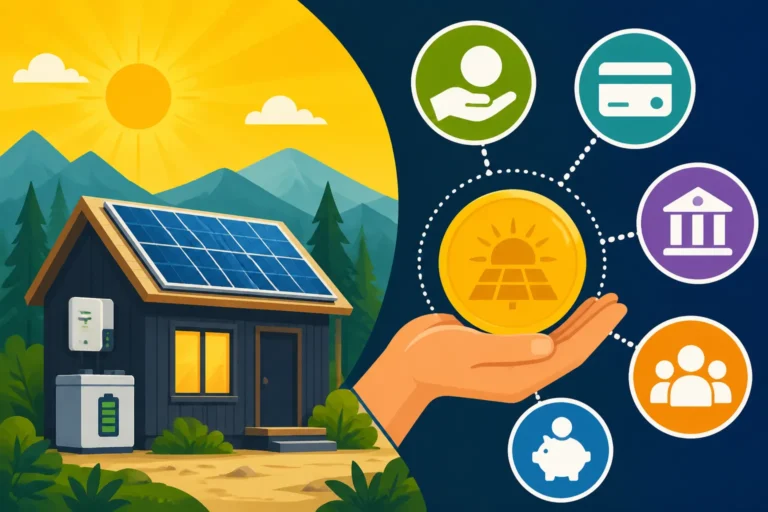
The dream of casting off the shackles of the utility company and embracing energy independence with an off-grid solar system is incredibly appealing. However, let's be real – the upfront investment can often feel like a monumental barrier, leading many aspiring off-gridders to pause. The good news is that many states offer a variety of incentives designed to ease this financial burden and make your transition to solar power more affordable. This comprehensive guide will illuminate these state-specific programs, helping you navigate the options and unlock significant savings.
Why State Incentives are a Game Changer for Off-Grid Living
It’s no secret that the initial cost of setting up a robust off-grid solar system can be substantial. You’re looking at solar panels, an inverter, a charge controller, and, most notably, a significant battery bank. When you start tallying up the figures for your entire How Much Does an Off-Grid Solar System Cost, it can feel overwhelming. That’s where state incentives come into play, acting as a crucial bridge to make energy independence not just a dream, but a tangible reality. These programs are specifically designed to encourage renewable energy adoption within state borders, recognizing the environmental and economic benefits that come with it.
Bridging the Cost Gap for Energy Independence
For many, the biggest hurdle to going off-grid isn’t the technical know-how or the desire, but simply the sheer expense. Imagine planning to power your remote cabin or homestead; the initial outlay for panels, wiring, and especially those critical batteries, can be daunting. You’ve done your research, you understand the Off-Grid Solar Cost: Complete Breakdown, and you’re ready to commit, but a little financial nudge can make all the difference. State incentives can drastically reduce that upfront cost, making sophisticated systems, like those found when you explore Best Off-Grid Solar Batteries, much more accessible. They essentially subsidize a portion of your investment, effectively lowering your personal barrier to entry. This can mean the difference between waiting years to save up and starting your journey to energy freedom much sooner.
Understanding the Local Landscape
While federal incentives, like the Investment Tax Credit (ITC), provide a broad umbrella of support across the nation, state incentives are where things get really interesting and specific. Each state has its own unique energy goals, environmental concerns, and economic landscape, which translates into a diverse array of programs. What works in sunny California might be completely different from what’s available in the snowy mountains of Colorado or the humid climate of Florida. These localized programs are tailored to promote solar in ways that best serve that particular state’s residents and grid infrastructure (even if you’re going *off*-grid, their general renewable energy goals often extend to standalone systems). This means you need to dig into what your specific state offers, because the incentives aren’t a one-size-fits-all solution; they’re as varied as the states themselves.
Exploring the Different Kinds of State-Level Support
When you start looking into state incentives for off-grid solar, you’ll quickly realize that they come in many forms. It’s not just a single tax break; there’s a whole toolkit of financial mechanisms states use to encourage solar adoption. Understanding these different types is key to knowing what to look for and how they can benefit your specific off-grid project.
State Tax Credits and Deductions
Much like the federal Investment Tax Credit, many states offer their own versions of tax credits or deductions for solar energy systems. A tax credit is a direct reduction in the amount of income tax you owe, dollar-for-dollar. For example, if your state offers a 20% tax credit on solar installations, and your system costs $20,000, you could get $4,000 off your state income tax bill. Tax deductions, while also beneficial, work a bit differently; they reduce your taxable income, which in turn reduces your overall tax liability.
These state-level credits can sometimes be combined with federal incentives, amplifying your savings significantly. For instance, residents in states like New York or Oregon have historically benefited from state tax credits that stack on top of federal ones, providing a substantial reduction in the overall cost. It's crucial to understand the specifics: are they refundable (meaning you get the money back even if you owe less than the credit amount), or non-refundable? Are there caps on the amount you can claim? These details are vital when you're crunching numbers and figuring out your total Off-Grid Solar Return on Investment. And remember, while the federal program has a specific timeline, understanding the nuances of the 2026 Solar Tax Credit and Off-Grid Systems is important, as states often align or differ in their long-term approaches.
Rebate Programs and Grants
Beyond tax incentives, many states, and sometimes even local utilities or municipalities, offer direct cash rebates or grants for installing solar power. These are often the most straightforward and immediately impactful incentives, as they provide money back to you directly after your system is installed and operational. Rebate programs can be structured in various ways:
- Upfront Rebates: A fixed amount or percentage of the system cost paid to you shortly after installation.
- Performance-Based Incentives (PBIs): Less common for entirely off-grid systems compared to grid-tied, but some states might offer small, one-time grants based on expected annual generation.
- Specific Component Rebates: Some programs might target specific components, like high-efficiency solar panels or advanced battery storage systems. For example, a state might offer a rebate on certain types of lithium-ion batteries that are highly efficient, which could influence your decision if you're browsing Amazon for components or considering a pre-built power station from a brand like Jackery.
States like Massachusetts, through its Clean Energy Center, have offered various grant and rebate programs to support renewable energy projects. These programs are often highly sought after and can have limited funding, so timing and quick application can be critical.
Property Tax Exemptions and Net Metering Alternatives
One often-overlooked benefit of going solar is the potential increase in your property’s value. However, traditionally, an increase in property value often leads to higher property taxes. To counteract this and further incentivize solar adoption, many states offer property tax exemptions or abatements for the added value that a solar energy system brings. This means that while your property value might increase due to your new off-grid setup, your property tax bill won’t reflect that solar-related increase. This can be a significant long-term saving, especially for homeowners building comprehensive systems for a remote property.
It's important to clarify that traditional "net metering" doesn't apply to truly off-grid systems, as you're not connected to the utility grid. Net metering allows grid-tied solar owners to send excess electricity back to the grid for credit. However, some states might have specific policies or programs that acknowledge the self-sufficiency and resilience benefits of off-grid systems, even if they don't involve grid interaction. These might come in the form of grants for energy independence or programs supporting rural development, where off-grid solutions are particularly vital. Always double-check your state's specific regulations regarding how off-grid systems are treated in property tax assessments and other local benefits.
Finding and Applying for Off-Grid Solar Incentives in Your State
Navigating the world of state-level solar incentives can feel like searching for a needle in a haystack, especially since programs can change frequently. However, with the right approach, you can uncover the opportunities available to you. The key is thorough research and understanding the application process.
Researching Your State’s Offerings
The first and most crucial step is to pinpoint exactly what your state, and possibly even your local county or utility, has on offer. Here’s where to start your detective work:
- State Energy Offices: Almost every state has a department or agency dedicated to energy, often with a focus on renewable energy. These are treasure troves of information on current programs, eligibility, and application procedures. A quick search for "[Your State] Department of Energy" or "[Your State] Renewable Energy Programs" should lead you in the right direction.
- Database of State Incentives for Renewables & Efficiency (DSIRE): This is arguably the most comprehensive resource. DSIRE is a project funded by the U.S. Department of Energy and is an excellent, frequently updated database of federal, state, and local incentives and policies that support renewable energy and energy efficiency. You can filter by state and by specific technology (like solar photovoltaic), giving you a tailored list of programs.
- Utility Company Websites: Even if you're going off-grid, some utility companies, especially those in rural areas, might have historical or even current programs that encourage alternative energy solutions, or offer grants for community resilience that could apply. It’s worth a look.
- Local Government Websites: Check your county or municipal government sites. Sometimes, smaller, hyper-local grants or property tax breaks exist that aren't widely advertised at the state level. These might be particularly relevant if you're planning a project like a Cost to Power a Cabin with Solar in a specific rural county.
Remember, when you're researching, pay close attention to the fine print: eligibility criteria (e.g., must be a permanent residence, system size requirements), application deadlines, and whether the incentive applies specifically to off-grid systems or just grid-tied ones.
The Application Process
Once you’ve identified a promising incentive, the next step is the application. This is where patience and meticulous record-keeping become your best friends.
- Gather Documentation: Expect to provide a lot of paperwork. This typically includes proof of property ownership, detailed system specifications (panel wattage, battery capacity, inverter model), receipts for equipment purchases (whether from a local supplier or an online marketplace like Amazon), proof of installation (photos, inspection reports), and sometimes even a detailed energy load analysis.
- Follow Instructions Meticulously: Each program will have its own set of rules and forms. Read them carefully. Missing a signature, an attachment, or a specific detail can lead to delays or outright rejection.
- Deadlines are Non-Negotiable: Many incentive programs operate on strict timelines or have limited funding that runs out quickly. Mark all deadlines on your calendar and submit your application well in advance.
- Consider Pre-Approval: Some larger programs require pre-approval before you even begin your installation. Skipping this step could mean you don't qualify for the incentive later.
It's not always a quick process. Submitting an application for a state rebate, then waiting for approval, system installation, and final payout can easily take several months, sometimes longer. Be prepared for this timeline when you're planning your overall How to Budget for an Off-Grid Solar System.
Working with Installers and Experts
While many off-gridders are keen on the DIY approach, when it comes to navigating state incentives, a professional installer can be an invaluable resource. They often have established relationships with state energy offices and are familiar with the current programs, eligibility requirements, and application processes.
- Expert Knowledge: A reputable solar installer, especially one with experience in off-grid systems, will likely know which incentives are available in your area and how to apply for them. They can guide you through the paperwork, ensuring everything is submitted correctly and on time.
- System Design for Compliance: Some incentives might require specific equipment certifications or system designs. An installer can ensure your chosen setup, from your solar panels to your charge controller, meets these criteria.
- Time-Saving: While you'll still be involved, an installer can handle much of the administrative burden, freeing you up to focus on other aspects of your off-grid project. This can be a huge benefit, especially if you're trying to figure out How to Install an Off-Grid Solar System yourself.
Of course, using a professional installer adds to your overall cost, which is a key consideration when comparing DIY vs Professional Off-Grid Solar Cost. However, the savings you gain from successfully claiming incentives could easily outweigh the installation fees, making it a worthwhile investment for many.
Overcoming the Hurdles: Challenges and Important Considerations
While state incentives are fantastic tools for making off-grid solar more affordable, it’s not always a smooth sail. There are common challenges and important considerations that every aspiring off-gridder should be aware of to avoid frustration and ensure a successful outcome.
Eligibility Requirements and System Specifications
This is where many people hit their first roadblock. State incentives aren’t just handed out universally; they almost always come with strict eligibility criteria. It’s not enough to simply *want* solar; your system and your property often need to meet specific guidelines.
- System Size and Type: Some programs might have minimum or maximum system sizes (e.g., must be at least 1 kW or no more than 10 kW). They might also specify the type of solar panels or batteries that qualify. For instance, a program might prioritize locally manufactured components or certain energy storage technologies. If you're looking at a smaller, portable solution like a Jackery power station for a very small cabin, check if it fits the definition of a "solar energy system" eligible for larger incentives, or if separate programs exist for smaller, resilience-focused equipment.
- Installer Certification: Many state programs require that your solar system be installed by a certified professional. This can be a significant hurdle for DIY enthusiasts, as a self-installed system might not qualify for certain rebates or tax credits. Even if you're building a system primarily from components ordered online from, say, Amazon, if professional installation is a requirement, you'll need to factor that into your plans.
- Residence Type: Is the incentive for primary residences only? Does it cover seasonal cabins, RVs, or commercial properties? These distinctions are vital. A program aimed at reducing residential electricity bills might not apply to your hunting cabin if it's considered a secondary or recreational property.
- System Location and Orientation: Some programs might have requirements related to the tilt and azimuth (orientation) of your panels to maximize efficiency, even for off-grid systems.
- Energy Audit Requirements: Occasionally, states might require an energy audit of your property before you install solar, ensuring that you've first addressed basic energy efficiency.
Failing to meet even one of these criteria can disqualify you, so scrutinize them carefully before you invest significant time or money into your project.
Budgeting for the Unexpected and Changing Programs
Off-grid living is all about self-reliance and planning, and that extends to your budget. While incentives can significantly reduce costs, it’s wise to budget with a contingency plan, because these programs are not static.
- Program Sunset Dates: State incentives are often legislated or funded for a specific period. They can expire or "sunset" without warning, or with very short notice. What's available today might not be available next year.
- Funding Caps and Depletion: Many rebate or grant programs have limited funding. Once the money runs out for the year or program cycle, that's it until new funds are allocated (if they ever are). This means even if you're eligible, if you apply too late, you might miss out.
- Policy Shifts: Changes in state government, economic conditions, or energy priorities can lead to modifications or even cancellations of existing incentive programs. For example, a new administration might shift focus away from renewable energy or reallocate funds to other areas.
- Unforeseen Costs: Even with incentives, you might encounter unexpected costs during your installation. Permitting fees, unforeseen electrical upgrades, or specialized equipment for unusual site conditions can add to your overall outlay. This is why having a robust understanding of How to Budget for an Off-Grid Solar System with extra wiggle room is always smart.
Always assume that incentives are subject to change and should not be the sole basis for your decision to go off-grid. They are a bonus, not a guarantee.
The Paperwork Mountain and Deadlines
Let’s be honest, dealing with paperwork is rarely anyone’s favorite task, and applying for state incentives is no exception. It can feel like an endless mountain of forms, receipts, and technical specifications.
- Complexity: The application forms themselves can be complex, requiring detailed technical information about your system, financial details, and sometimes even environmental impact statements. This is where the guidance of an experienced installer or a diligent approach to your own research and organization becomes critical.
- Time Commitment: Gathering all the necessary documents, filling out forms accurately, and tracking deadlines is a significant time commitment. It's not something you can rush or do last minute. Many programs require a series of submissions – initial application, post-installation verification, and sometimes even annual reporting for performance-based incentives.
- Strict Deadlines: As mentioned, deadlines for applications or for completing certain stages of your project are often rigid. Missing a deadline by even a day can mean losing out on the incentive altogether, regardless of how perfectly you've filled out the rest of your application. This can be especially frustrating if you’ve been meticulously following a guide like Off-Grid Solar System Sizing Guide and planned your entire system around those potential savings.
Approach the paperwork with the same dedication you'd give to wiring your solar array – carefully, meticulously, and with an eye for detail. Create a checklist, keep copies of everything, and stay organized throughout the entire process.
Strategies for Maximizing Your Off-Grid Savings
Now that we’ve covered the different types of incentives and the potential hurdles, let’s talk strategy. The goal isn’t just to *find* an incentive, but to maximize the financial benefit for your off-grid solar system. This means being smart about how you combine programs, select components, and view the long-term picture.
Stacking State and Federal Incentives
One of the most powerful ways to cut down the overall expense of your off-grid solar system is to combine, or “stack,” state and federal incentives. The federal Investment Tax Credit (ITC) is a major player, offering a significant percentage back on your solar investment. Many state programs are designed to complement this, allowing you to claim both the federal credit *and* a state-level tax credit or rebate on the same system.
For example, if the federal ITC provides a 30% credit, and your state offers an additional 10% tax credit, you could effectively reduce the cost of your system by a whopping 40% (though actual calculations might vary based on program specifics and whether they are applied sequentially or in parallel). This combined approach can make a truly substantial dent in your overall system cost, making the upfront investment for your entire off-grid setup much more manageable. Understanding How Much Does an Off-Grid Solar System Cost without these incentives first, and then applying the potential savings, truly highlights the financial impact. Always verify with your state's energy department or a tax professional that the specific state and federal incentives you're targeting can indeed be combined.
Choosing the Right Components for Incentive Compliance
Your equipment choices can sometimes play a role in qualifying for certain state incentives. While most general solar incentives cover standard panels and inverters, some niche programs might favor specific technologies or local manufacturing.
- Battery Technology: As battery storage is a significant part of off-grid costs, some states might offer incentives specifically for advanced battery chemistries like LiFePO4 (lithium iron phosphate) due to their longevity and efficiency. If you're looking into Best Off-Grid Solar Batteries, research if your state has a program that favors certain types, as this could influence your purchasing decision.
- Energy Efficiency Appliances: Some states have programs that incentivize not just solar generation, but overall energy efficiency. Investing in highly efficient appliances (Energy Star rated refrigerators, LED lighting, etc.) for your off-grid home could make you eligible for additional rebates, which further reduces your overall energy demand and thus, the size and cost of your solar system.
- Local Manufacturing/Assembly: Although less common, some incentives might give preference to systems that utilize components manufactured within the state or region, supporting local industries.
- Integrated Systems: While a DIY system built from various components sourced from places like Amazon is common, some incentives might be geared towards certified, integrated solar kits or systems installed by approved vendors. Even if you're planning a largely DIY build, if you're eyeing a specific component like a Jackery portable power station for supplemental power or emergency backup, check if its certification or specifications align with any state "energy resilience" or "portable power" grants, which sometimes exist.
Making informed decisions about your components, not just for performance but also for potential incentive compliance, can lead to greater overall savings.
Long-Term Benefits and Return on Investment
It’s easy to get caught up in the immediate savings from incentives, but it’s important to remember that these programs are just one part of the larger financial picture of going off-grid. The true power of off-grid solar, especially with incentives, lies in its long-term benefits and significant return on investment.
- Eliminating Utility Bills: This is the most obvious and continuous saving. Once your off-grid system is fully operational, you eliminate monthly electricity bills, providing predictable energy costs for decades. This financial independence is a core reason many ask, Is Off-Grid Solar Worth the Cost?
- Increased Property Value: Even without specific property tax exemptions, a well-designed and installed off-grid solar system generally increases the value of your property, particularly in remote areas where utility access might be difficult or expensive to extend.
- Energy Resilience: While harder to quantify monetarily, the security of having your own power source, unaffected by grid outages or utility price hikes, offers immense peace of mind. This resilience has tangible value, especially in times of emergency.
- Environmental Impact: Reducing your carbon footprint and relying on clean, renewable energy contributes to environmental sustainability, a value that many off-gridders prioritize.
When you factor in the initial incentive-driven cost reduction, combined with decades of avoided utility bills, reduced maintenance compared to fossil fuel generators, and increased property value, the Off-Grid Solar Return on Investment becomes truly compelling. Incentives simply accelerate that payback period, making off-grid solar a more financially attractive proposition sooner.
The Evolving Landscape of State Off-Grid Solar Programs
The world of renewable energy policy is dynamic. State incentives, much like the technology itself, are constantly evolving. What’s available today might be different tomorrow, making it crucial for current and aspiring off-gridders to stay informed.
Policy Shifts and Future Outlook
State energy policies are influenced by a multitude of factors: political administrations, economic conditions, environmental priorities, and even technological advancements. This means that incentive programs can shift, expand, or even contract over time.
- Changing Priorities: A state might initially focus on residential solar adoption, then shift its emphasis to community solar projects or large-scale utility projects. Or, a push for electric vehicle infrastructure could lead to new incentives for charging stations that integrate with home solar.
- Funding Fluctuations: State budgets are not infinite. Economic downturns or changes in state revenue can impact the funding available for solar incentives, sometimes leading to reduced rebate amounts or the suspension of programs.
- New Technologies: As solar and battery storage technologies advance, states might introduce new incentives targeting cutting-edge equipment or specific energy management solutions. For example, incentives for smart inverters or advanced home energy management systems might become more prevalent.
- Legislative Changes: New laws can be passed that either create new programs, modify existing ones, or unfortunately, eliminate them. Staying abreast of state legislative sessions can give you a heads-up on potential changes.
It’s a good idea to view any specific incentive as a temporary opportunity rather than a permanent fixture. This perspective encourages timely action and helps manage expectations.
Staying Informed and Advocating for Off-Grid
Given the fluidity of state incentives, actively staying informed is paramount for anyone serious about off-grid solar.
- Subscribe to State Energy Newsletters: Many state energy offices or renewable energy organizations offer newsletters or email updates that will inform you about new programs, changes to existing ones, and upcoming deadlines.
- Join Local Solar or Off-Grid Communities: Online forums, local meetups, or community groups focused on solar or off-grid living are excellent places to learn from others' experiences and get real-time updates on local incentives. Fellow off-gridders often share tips on applying for specific programs or highlight issues they encountered.
- Engage with Policy Makers: Don't underestimate the power of your voice. If you believe off-grid solar is important for your state, consider writing to your state representatives, attending public hearings, or supporting organizations that advocate for renewable energy policies. For instance, explaining how off-grid solutions address specific needs in remote areas, or provide energy independence, can help influence future policies that consider standalone systems more directly. When considering a substantial system, knowing How to Size an Off-Grid Solar System for your needs, and articulating those needs to policymakers, can also be beneficial.
- Consult Professionals Annually: If you’re planning a multi-phase off-grid build or looking to expand an existing system, touch base with a solar professional or tax advisor annually to check for new or changing incentives that could apply to your future investments.
By being proactive and informed, you can better navigate the evolving landscape of state incentives and continue to maximize your savings on your journey to energy independence.
| State Example | Primary Off-Grid Solar Incentives (May Vary) | Description |
|---|---|---|
| California | Property Tax Exclusion, Net Energy Metering (for grid-tied) | While primarily focused on grid-tied, the state offers a property tax exclusion for solar systems, which can benefit off-grid homeowners by not increasing property taxes due to solar value. |
| New York | NY-Sun Rebate Program, Solar Energy System Equipment Tax Credit | NY-Sun provides upfront rebates (though often grid-tied focused). The state also offers a personal income tax credit for a percentage of system costs, applicable to both grid-tied and potentially off-grid systems. |
| Massachusetts | SMART Program (Performance-Based), Property Tax Exemption | The Solar Massachusetts Renewable Target (SMART) program provides performance-based incentives for generated electricity, typically for grid-tied. However, the state also offers a property tax exemption for the value added by solar. |
| Colorado | Sales and Property Tax Exemptions, Local Utility Rebates | Colorado provides state sales and use tax exemptions on solar equipment and a property tax exemption. Some local utilities (e.g., Black Hills Energy, Xcel Energy) may offer rebates, so check if any apply to off-grid customers. |
| Oregon | Residential Energy Tax Credit, Local Incentives | Oregon has historically offered a residential energy tax credit, often covering a percentage of installation costs. Local governments or utilities sometimes have smaller, specific programs. |
| Arizona | Property Tax Exemption, Sales Tax Exemption | Arizona offers a property tax exemption for residential solar energy devices and an exemption from state sales tax on solar equipment. |
Important Disclaimer
Please be aware that the information provided in this guide is for general informational purposes only and does not constitute financial, legal, or tax advice. State incentive programs, eligibility requirements, and funding availability can change frequently and vary significantly by location. It is crucial to conduct your own thorough research, consult with relevant state energy offices, and seek advice from qualified financial, tax, or solar professionals to determine the specific incentives applicable to your off-grid solar project. We cannot guarantee the accuracy or timeliness of incentive information.