Cost of Adding a Generator to Off-Grid Solar
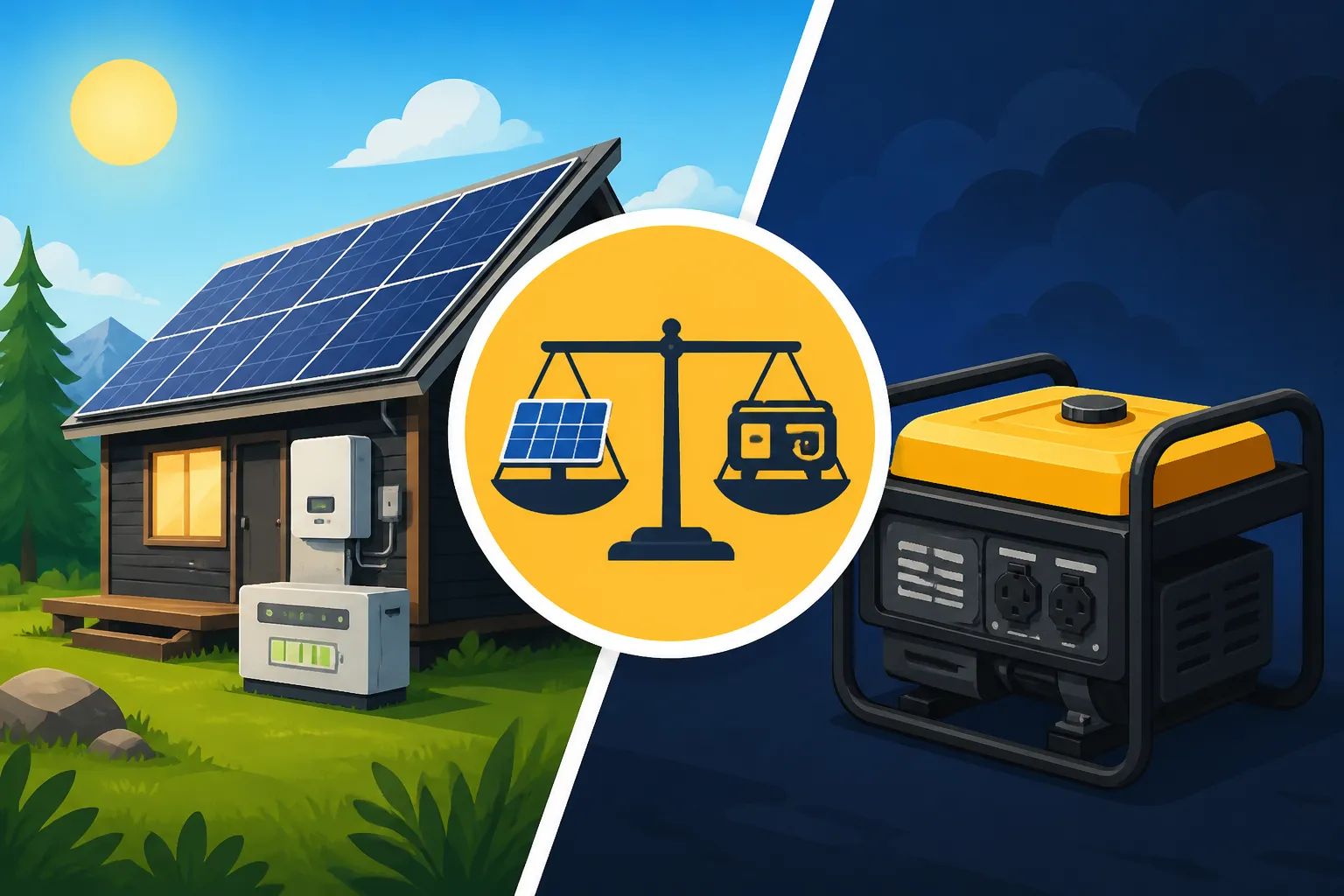
Even the most meticulously planned off-grid solar system can hit a snag. Maybe you’ve had an unusually long stretch of cloudy, dreary weather, or perhaps an unexpected guest brings a surge of extra power demands. Suddenly, your batteries are looking dangerously low, and you're staring down the barrel of a power outage. This is a common and frustrating reality for many living off the grid, and it’s precisely why adding a reliable generator to your solar setup can be a game-changer, even though it adds to your initial investment. This guide will walk you through the various costs associated with integrating a generator into your off-grid solar system, helping you understand the investment and how to budget effectively.
Why a Generator is a Smart Off-Grid Backup
Going fully off-grid with solar is an incredible journey towards self-sufficiency, but let's be realistic: sometimes, the sun just doesn't cooperate. Or maybe your power needs unexpectedly spike. That's where a generator steps in, not as a primary power source, but as a vital safety net. It’s an insurance policy against the unpredictable nature of weather and life itself, providing peace of mind when your solar array simply can't keep up.
Overcoming Solar System Limitations
Off-grid solar systems, while robust, have inherent limitations that a generator can neatly address. Think about those long winter months in many northern climates, where daylight hours are short and the sun angle is low. Or perhaps you live in an area prone to extended periods of heavy rain and dense cloud cover, drastically reducing your solar harvest for days on end. Your battery bank, no matter how large, can only carry you for so long.
When your solar panels aren't producing enough to recharge your batteries, and your reserves start to dwindle, a generator becomes your go-to. It can top off your batteries, power essential loads, and prevent you from plunging into darkness. This capability is especially crucial for sensitive electronics, medical devices, or simply maintaining comfort in your home or cabin. Many off-grid homeowners find that their initial solar setup, while adequate for most of the year, struggles during these challenging periods, making the generator a necessary component for true year-round reliability. For a deeper dive into planning, check out our guide on how to design for year-round off-grid power.
Handling Unexpected Power Demands
Life off-grid isn't always predictable. Maybe you decide to run a power-hungry tool for a DIY project that you hadn't factored into your daily energy budget, like a large air compressor or a welder. Or perhaps you have guests visit, increasing your appliance usage significantly for a few days. These unexpected surges can quickly drain your batteries beyond their safe discharge limits, potentially shortening their lifespan.
A generator can provide that burst of extra power without straining your solar system. Many modern off-grid inverters are designed to work seamlessly with generators, automatically switching to generator power when the battery voltage drops too low or when a large load requires more power than the inverter can supply from the batteries alone. This proactive approach not only keeps your lights on and tools running but also protects your valuable battery bank from excessive cycling and deep discharges, which is critical to their longevity. Understanding how to calculate your off-grid solar needs will help you anticipate these demands.
Breaking Down the Costs of Adding a Generator
When you decide to add a generator to your off-grid solar system, you're looking at more than just the price tag of the unit itself. There are several components to the overall cost, from the initial purchase to installation and ongoing operational expenses. Being aware of all these factors helps you budget accurately and avoid unwelcome surprises.
Generator Purchase Price
The cost of the generator itself is the first major expense, and it varies wildly depending on the type, size, brand, and features you choose. You can find everything from small, portable units suitable for occasional backup to large, stationary models designed for continuous duty.
- Portable Generators: These are typically fueled by gasoline or propane and range from about 2,000 to 10,000 watts. Prices can start from a few hundred dollars for basic models, often found on platforms like Amazon, up to $2,000-$3,000 for more powerful, inverter-style generators that produce cleaner power, which is better for sensitive electronics. Brands like Jackery offer robust portable power stations that combine battery storage with inverter capabilities, sometimes even integrating solar charging, acting as a hybrid generator alternative.
- Standby Generators: These are larger, more powerful units (often 10,000 watts and up) designed to be permanently installed and automatically start when power is lost. They usually run on propane or natural gas. Expect to pay anywhere from $3,000 to $10,000 or more for the unit itself, not including installation. They are built for reliability and longevity but come with a significantly higher upfront cost.
- Diesel Generators: Known for their fuel efficiency and durability, diesel generators are often preferred for larger, long-term off-grid applications. They can range from $5,000 to $20,000 or more, depending on size and features.
The choice largely depends on your specific needs, how frequently you anticipate using it, and your budget for an off-grid solar generator backup.
Fuel and Ongoing Operating Costs
This is where many people underestimate the true cost of a generator. Unlike solar, which has minimal fuel costs once installed, generators require a continuous supply of fuel, and that adds up.
- Fuel Consumption: Generators are not created equal in terms of fuel efficiency. Gasoline generators are widely available and relatively inexpensive to purchase, but they can be less fuel-efficient and gasoline has a shorter shelf life. Propane generators offer cleaner burning fuel, longer storage life, and can often be tied into larger propane tanks, but propane can be more expensive per gallon. Diesel generators are generally the most fuel-efficient for continuous use but diesel fuel costs can fluctuate. A small 3,000-watt gasoline generator might burn 0.5 to 1 gallon per hour under a decent load, meaning a few hours of use can quickly run through a significant amount of fuel.
- Fuel Storage: Beyond the cost of the fuel itself, you need to consider safe and appropriate storage for your chosen fuel type. This might mean purchasing dedicated fuel cans, a larger external propane tank, or a specialized diesel tank, all of which add to the overall expense and require careful consideration for safety and compliance with local regulations.
- Maintenance: Just like any engine, generators need regular maintenance. This includes oil changes, air filter replacements, spark plug checks, and general inspections. These costs can range from $50 to $200 per year for a DIYer, or more if you hire a professional. Neglecting maintenance can lead to costly repairs down the line. To put this into perspective, compare it with the typically lower Off-Grid Solar Maintenance Costs.
Consider this table for a general overview of generator types and their typical costs:
| Generator Type | Fuel Type | Typical Power Output | Purchase Cost Range | Avg. Fuel Consumption (Full Load) | Pros | Cons |
|---|---|---|---|---|---|---|
| Portable | Gasoline, Propane | 2,000 – 10,000 W | $400 – $3,000 | 0.5 – 1.5 gal/hour | Versatile, mobile, lower upfront cost | Noisier, shorter run times, less efficient |
| Inverter | Gasoline, Propane | 1,000 – 7,000 W | $800 – $4,000 | 0.1 – 0.7 gal/hour | Quiet, clean power, fuel-efficient | Higher cost than traditional portable |
| Standby | Propane, Nat. Gas | 8,000 – 25,000 W+ | $3,000 – $15,000+ | 1.0 – 3.0 gal/hour | Automatic operation, high reliability | High upfront and installation cost |
| Diesel | Diesel | 5,000 – 20,000 W+ | $5,000 – $20,000+ | 0.5 – 2.0 gal/hour | Very fuel-efficient, durable, long-lasting | Higher upfront cost, noisier, heavier |
Note: Costs are estimates and can vary based on brand, features, and market conditions.
Installation and Integration Costs
Integrating a generator into an existing off-grid solar system isn't always as simple as plugging it in. There are several installation considerations, especially if you opt for a larger, more permanent solution.
- Electrical Wiring: Connecting a generator to your solar system's inverter charger requires proper wiring, sometimes including an automatic transfer switch (ATS) for seamless operation. This ensures that when the generator turns on, it feeds power safely into your system and charges your batteries without backfeeding the grid (not an issue off-grid, but critical for safety) or damaging your solar components. Professional electricians might charge anywhere from a few hundred to over a thousand dollars for this work, depending on complexity. Understanding how to wire a generator to an inverter charger is crucial here.
- Fuel Line Installation: For standby generators, you'll need professional installation of a dedicated fuel line from a large propane tank or a natural gas source. This involves trenching, plumbing, and safety checks, adding significant costs.
- Exhaust Venting: Proper exhaust venting is non-negotiable for safety, preventing carbon monoxide buildup. This can involve specialized kits or custom fabrication for permanent installations.
- Pad or Enclosure: Standby generators typically require a concrete pad for stable mounting and often an enclosure to protect them from the elements and reduce noise. Building these can add a few hundred to a couple of thousand dollars to your budget.
- Permits and Inspections: Depending on your location and the size/type of generator, you may need permits and inspections, particularly for permanent installations involving fuel lines and electrical work. These fees vary by municipality but can range from $50 to several hundred dollars.
While the DIY route might save you on labor, ensuring all electrical and fuel connections are up to code and safe is paramount. If you're wondering about the overall investment, our article on How Much Does an Off-Grid Solar System Cost provides a broader financial context.
Choosing the Right Generator for Your Off-Grid Setup
Selecting the perfect generator isn't a one-size-fits-all situation. It truly depends on your specific energy needs, the frequency of use, your budget, and even the local environment. Making an informed decision here can save you a lot of headaches and money in the long run.
Sizing Your Backup Generator
One of the biggest mistakes people make is either oversizing or undersizing their generator. An oversized generator wastes fuel and money, running inefficiently. An undersized one won't be able to meet your critical loads, leaving you in a lurch.
- Determine Your Critical Loads: Start by listing all the appliances and devices you absolutely need to run when the solar power is insufficient. Include their running watts and their surge (starting) watts. For instance, a well pump or a refrigerator will have a high surge watt requirement when they kick on, even if their running watts are lower.
- Calculate Total Wattage: Add up the running watts of all critical items you'd want to power simultaneously. Then, identify the single largest surge watt requirement among your critical appliances. Your generator's running watts capacity needs to exceed your total running watts, and its surge capacity must handle that largest surge load.
- Consider Battery Charging: If the primary role of your generator is to charge your batteries, match its output to the charging capabilities of your inverter charger. A 5,000-watt generator might be sufficient to effectively charge a substantial battery bank, but smaller portable units might only offer a trickle charge, which isn't efficient when you're deeply discharged. Our guide on How to Size a Backup Generator goes into greater detail on this critical step.
Fuel Type Considerations
The type of fuel your generator uses significantly impacts its practicality and cost for off-grid living.
- Gasoline: Widely available and often the cheapest upfront, but gasoline has a limited shelf life (a few months, unless stabilized) and can be less efficient. It's often a good choice for intermittent, short-term backup.
- Propane: Offers a longer shelf life, burns cleaner (less engine wear and maintenance), and can be stored in large tanks, reducing the need for frequent refueling. It’s a popular choice for homes with existing propane infrastructure. However, propane can be more expensive than gasoline in some areas.
- Diesel: Known for its longevity, fuel efficiency, and lower fire risk compared to gasoline. Diesel generators are often preferred for continuous or heavy-duty use. However, diesel generators tend to be more expensive to purchase and diesel fuel can gel in extreme cold without additives.
- Natural Gas: The most convenient if you have access to a natural gas line, as it offers an endless fuel supply. However, this is rarely an option for truly off-grid properties.
The best choice depends on your property's specific resources, climate, and how often you expect to run the generator. For those in remote areas, considering the ease of delivery and storage of fuel types is a major factor.
Inverter Generator Advantages
For off-grid solar systems, inverter generators are often the top recommendation, despite their higher price point.
- Clean Power: Unlike traditional "open frame" generators that produce raw AC power, inverter generators convert DC power from the engine into AC via an inverter. This process results in a much cleaner, stable sine wave, which is crucial for sensitive electronics like laptops, medical equipment, and modern appliances that are common in off-grid homes. Running these devices on a traditional generator's "dirty" power can damage them over time.
- Fuel Efficiency: Inverter generators feature variable engine speeds, meaning they can throttle down when loads are light, consuming less fuel. A traditional generator runs at a constant RPM regardless of load, making it less efficient for varying power demands. This translates to significant savings on fuel costs over the life of the unit.
- Quieter Operation: Because they don't always run at full throttle, inverter generators are significantly quieter than conventional generators. This is a huge benefit for off-grid living, where peace and quiet are often primary motivators. Imagine the difference between the roar of a construction site and a quiet hum while you're enjoying your remote cabin.
- Parallel Capability: Many inverter generators can be linked together in parallel to double their power output, offering flexibility if your needs grow or if you need to scale down for lighter loads.
While a basic portable generator from a big box store might seem like a budget-friendly option, investing in a quality inverter generator from brands like Honda, Yamaha, or even some offerings found on Amazon, often pays dividends in terms of fuel savings, quiet operation, and protection for your electronics.
Long-Term Financial Implications and Savings Strategies
Adding a generator to your off-grid solar setup is a significant decision with both immediate and long-term financial consequences. While the initial outlay might seem steep, understanding the ongoing costs and implementing strategies to minimize them can ensure it remains a wise investment rather than a drain on your resources.
Comparing Generator Costs to Other Options
It's easy to look at the cost of a generator and feel a bit of sticker shock. However, it's essential to compare this investment against other potential solutions or the consequences of not having a reliable backup.
- Expanding Your Solar System: Could you avoid a generator by simply adding more solar panels and batteries? Sometimes, yes. But often, the cost to increase your solar array and battery bank enough to cover those extreme, low-sunlight periods or unexpected surges might far exceed the cost of a generator. For example, doubling your battery bank to gain an extra few days of autonomy could easily cost thousands of dollars, whereas a reliable generator might be a fraction of that, offering virtually unlimited backup as long as you have fuel. You might find our article on How to Budget for an Off-Grid Solar System helpful in these comparisons.
- Utility Grid Extension: If your property is somewhat remote but not entirely off-grid, extending utility power lines can be astronomically expensive—think tens of thousands to even hundreds of thousands of dollars per mile. In such scenarios, even a high-end off-grid solar system with a generator backup becomes the vastly more economical choice. Our article on Off-Grid Solar vs Utility Extension Cost delves into this comparison.
- Do Nothing: The cost of not having backup power might not be monetary in the traditional sense, but it can be significant. Loss of refrigerated food, frozen pipes in winter, inability to run critical medical devices, or simply the discomfort and inconvenience of no power can quickly make a generator seem like a bargain.
Ultimately, a generator often represents the most cost-effective and practical solution for addressing the intermittency and variability inherent in solar power generation for many off-grid scenarios.
Maximizing Generator Efficiency and Lifespan
Once you've made the investment, smart usage and maintenance are key to making your generator cost-effective and ensuring it lasts for years.
- Mindful Operation: Use your generator strategically. Don't run it unnecessarily. If your batteries are only slightly low, wait for the sun to come out. If you need to run it, try to consolidate your heavy loads to run them all at once when the generator is on, rather than running it multiple times for short bursts. This maximizes its efficiency when it's operating.
- Optimal Loading: Generators are generally most efficient when running at about 50-75% of their rated load. Running them at very low loads can lead to "wet stacking" (unburned fuel and carbon buildup), which is detrimental to the engine. Conversely, consistently overloading it will wear it out prematurely. Understanding your generator's specific characteristics, especially if you have a larger model from a brand like Generac or Cummins, is helpful.
- Regular Maintenance: We can't stress this enough. Follow the manufacturer's recommendations for oil changes, filter replacements, and spark plug checks. Keep it clean, especially the air intake, and store it in a dry, protected area. Run it periodically (even if you don't need it) to keep components lubricated and ensure it's ready when you do. A well-maintained generator will last significantly longer and require fewer expensive repairs. This is an important part of the overall Off-Grid Solar Maintenance Costs.
- Proper Fuel Storage and Freshness: Use fuel stabilizers for gasoline if it's going to sit for more than a month. Keep propane tanks properly filled and maintained. Ensure your fuel is free of contaminants. Stale or dirty fuel is a common cause of generator problems.
By treating your generator as a valuable, essential component of your off-grid energy system and not just an afterthought, you can extend its life, minimize its operating costs, and ensure it's there for you when you need it most. This thoughtful approach directly contributes to a better return on your overall off-grid solar investment.
Disclaimer
The information provided in this guide is for general informational purposes only and does not constitute professional advice. Off-grid solar system design, installation, and maintenance, especially when integrating generators, can be complex and involve electrical hazards. Always consult with qualified professionals and adhere to all local codes, regulations, and safety guidelines. Prices and product availability are subject to change.