Is Off-Grid Solar Worth It for a Van
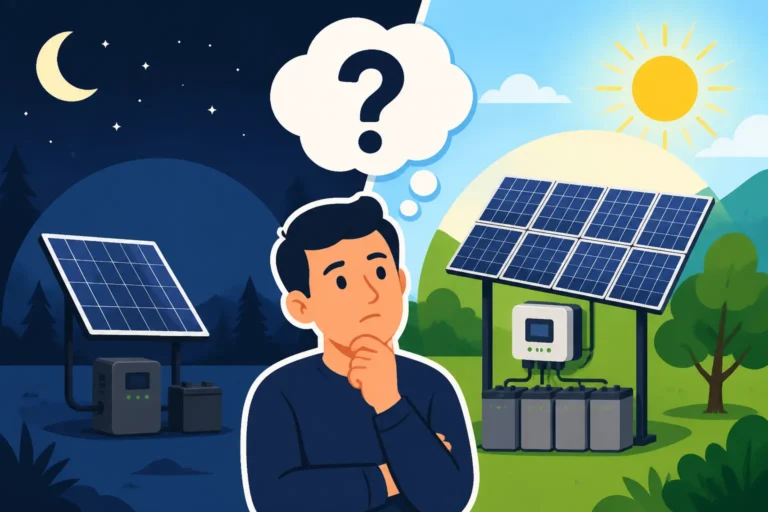
The dream of van life – waking up to a new view every morning, the freedom of the open road, and leaving the traditional rat race behind – is incredibly appealing. But let's be real, a huge question mark for most aspiring van dwellers is figuring out how to keep the lights on, the fridge cold, and the devices charged without constantly searching for shore power. You’re likely wondering if investing in an off-grid solar system for your van is truly a game-changer or just another expensive gadget. This guide is here to untangle those worries, exploring the genuine value, practicalities, and whether going solar is genuinely worth it for your unique mobile adventure.
Understanding the Van Life Dream versus Reality
Van life epitomizes freedom, but that freedom often comes with the challenge of self-sufficiency. You want to roam, to explore remote campsites, and to truly disconnect, but your modern life still demands power. Balancing those desires with the practicalities of energy generation is where off-grid solar truly shines, or sometimes, raises more questions than answers.
The Allure of Mobility and Independence
The primary draw of van life is unparalleled mobility. Imagine parking your home overlooking a stunning national park, or tucking away by a pristine lake, miles from any electrical hookups. With off-grid solar, that vision becomes your everyday reality. You're not tethered to RV parks or campgrounds with utility pedestals. You have the freedom to follow the sun, chase better weather, and choose your own adventure without compromising on basic comforts like charging your phone, running your laptop for remote work, or even brewing a fresh cup of coffee. This level of independence is invaluable for many, transforming a simple vehicle into a true home on wheels.
The Hidden Energy Demands of Van Life
While the dream is idyllic, the reality is that even a minimalist van setup consumes a surprising amount of electricity. It's not just about charging your phone; think about your tiny refrigerator, the fan running on a hot night, your water pump, interior lights, or the laptop you use for work or entertainment. Many people underestimate their true energy needs until they're living in their van and constantly running low on power. A small 12V system might be fine for a weekend warrior, but for full-time van dwellers, the demand grows significantly. Understanding these hidden demands is the first step in deciding if a robust off-grid solar system is "worth it." It's about matching your lifestyle with a reliable power solution, which is where careful planning, as outlined in our guide on How to Size an Off-Grid Solar System, becomes crucial.
Calculating Your Energy Needs for Van Life
Before you can even begin to think about specific solar panels or batteries, you absolutely must understand your daily power consumption. This isn't just a suggestion; it's the foundation of a successful off-grid system and the key to determining its value for your van. Skimping on this step leads to frustrating power shortages or, conversely, overspending on a system you don't fully utilize.
Mapping Out Your Daily Power Consumption
Start by making a detailed list of every electrical device you plan to use in your van. Don't forget anything, from the big hitters to the small chargers. For each item, you'll need its wattage (power draw) and an estimate of how many hours you'll use it per day. You can usually find the wattage printed on the appliance itself or look it up online.
For example, a typical 12V mini-fridge might draw 40 watts and run about 12 hours a day (cycling on and off). Your laptop charger might be 60 watts for 4 hours. LED lights could be 10 watts for 5 hours. A water pump, while not running constantly, might draw 100 watts for 15 minutes total throughout the day. Summing these up will give you your total daily watt-hours (Wh). This calculation is critical because it tells you exactly how much energy your solar system needs to generate and store. It’s a bit like budgeting your money – you need to know your expenses before you can decide how much income you need.
Let's look at a hypothetical daily usage scenario for a van:
| Appliance | Wattage (W) | Hours Used/Day | Daily Watt-Hours (Wh) |
|---|---|---|---|
| Mini Fridge (12V) | 40 | 12 | 480 |
| Laptop Charging | 60 | 4 | 240 |
| LED Lights | 10 | 5 | 50 |
| Phone Charging | 10 | 2 | 20 |
| Water Pump | 100 | 0.25 (15 min) | 25 |
| Fan (small) | 15 | 8 | 120 |
| Total Daily Usage | 935 Wh |
This table helps illustrate a common daily power need. For more comprehensive insights, checking out resources like How to Calculate Daily Energy Usage can provide even deeper understanding.
Considering Days of Autonomy and Weather
Once you have your daily watt-hour total, you need to think about how many "days of autonomy" you want. This refers to how many days your battery bank can power your van without any new solar input – think cloudy days, rainy weeks, or parking in the shade. For van life, where you might be chasing sun but sometimes get stuck in overcast conditions or prefer shaded parking spots, planning for at least 2-3 days of autonomy is a smart move. This means your battery bank needs to store 2-3 times your daily watt-hour usage.
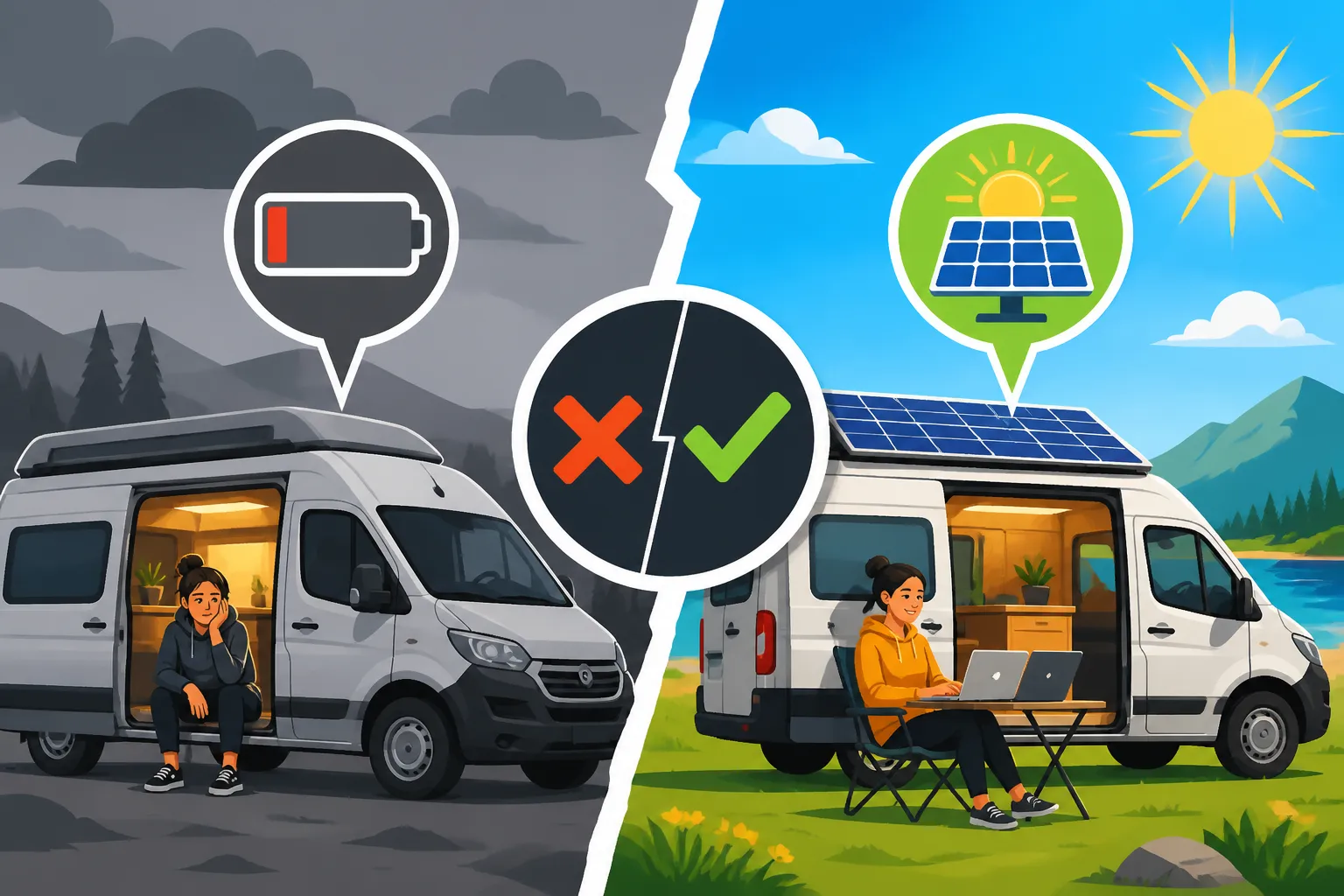
Weather plays a massive role. In sunny Arizona, you might get 6-7 peak sun hours a day, making it easy to replenish your batteries. In the Pacific Northwest during winter, you might only get 1-2 hours of effective sunlight, meaning your solar panels will generate significantly less power. These factors directly influence how many solar panels you'll need and the size of your battery bank. Neglecting to account for these variables is a common pitfall and can lead to frustration, leaving you scrambling for external power sources or running a noisy generator, which defeats the purpose of tranquil off-grid living.
Components of an Off-Grid Solar System for a Van
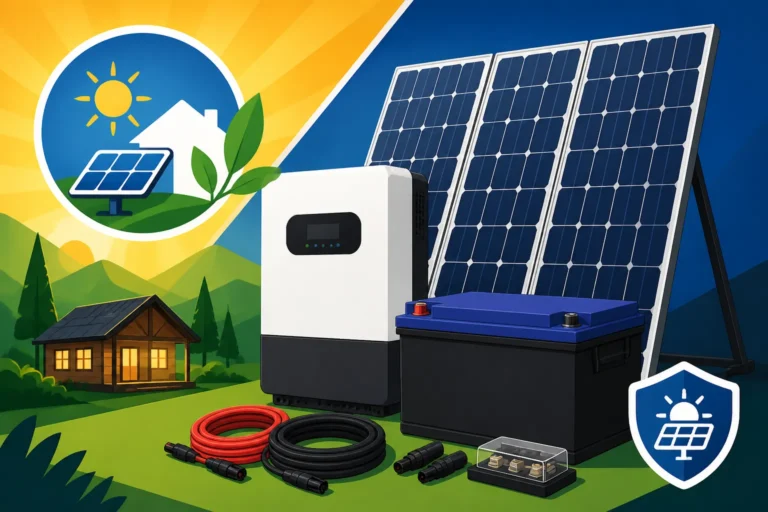
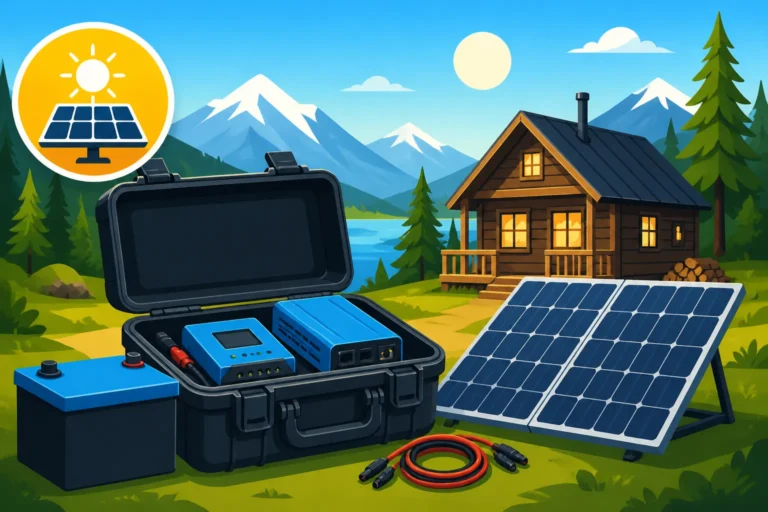
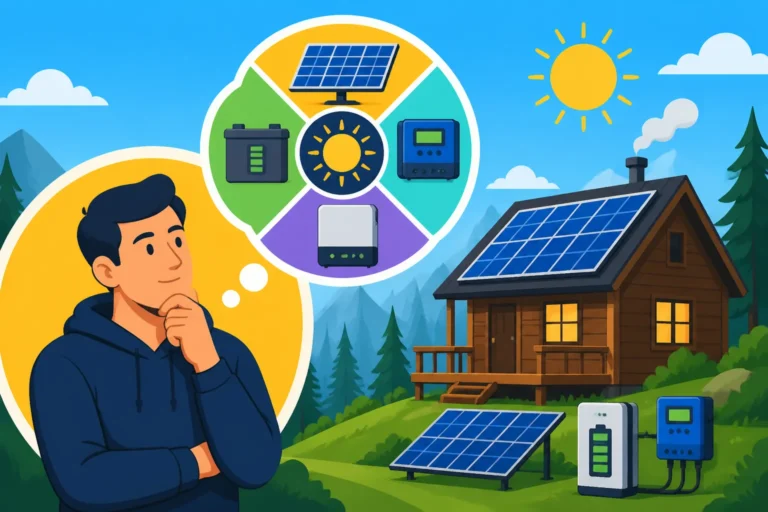
An off-grid solar system in a van, while compact, still consists of the same core components as a larger home system. Each piece plays a vital role in harvesting, storing, and delivering power to your appliances. Understanding these components will help you appreciate the initial investment and the long-term reliability they offer.
Solar Panels: Your Energy Harvesters
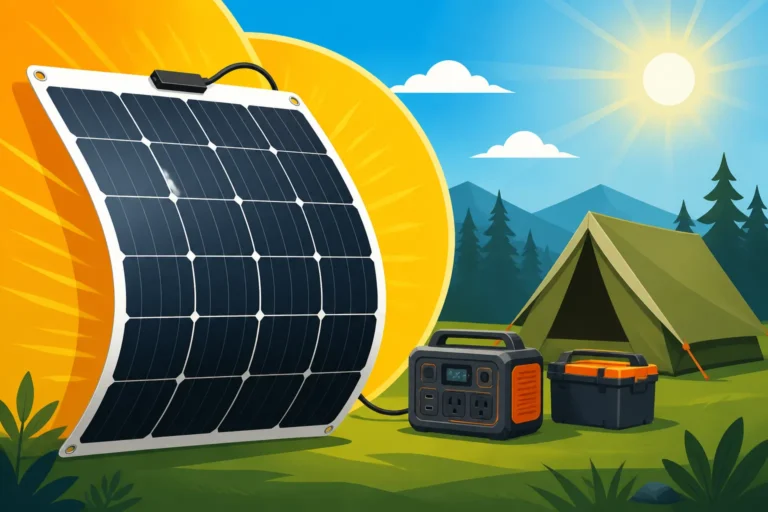
Solar panels are the heart of your system, converting sunlight into electricity. For vans, you'll typically see monocrystalline panels, known for their efficiency and compact size. The choice often boils down to rigid or flexible panels. Rigid panels, mounted on a roof rack, are more durable and generally more efficient per square foot. Flexible panels, which can be adhered directly to the van roof, are stealthier and aerodynamic, but often have a shorter lifespan and can suffer from heat degradation if not properly installed.
The number and wattage of panels you choose directly depend on your calculated daily energy needs and the available roof space on your van. A common setup might include two to four 100-watt to 200-watt panels. For those exploring How Many Solar Panels for Off-Grid Living, the decision for a van involves a careful balance of power generation, weight, and aesthetics. Brands like Renogy and Rich Solar offer popular options for the van life community, providing reliable performance in a mobile environment.
Batteries: Your Power Reservoir
Batteries are arguably the most critical and often the most expensive part of your off-grid van system. They store the energy generated by your solar panels so you can use it when the sun isn't shining. For van life, Lithium Iron Phosphate (LiFePO4) batteries have become the gold standard. They are lighter, last significantly longer (often 10+ years), can be discharged deeper without damage, and maintain a more consistent voltage than traditional lead-acid or AGM batteries. While the upfront cost of LiFePO4 is higher, their longevity and performance often make them more cost-effective in the long run.
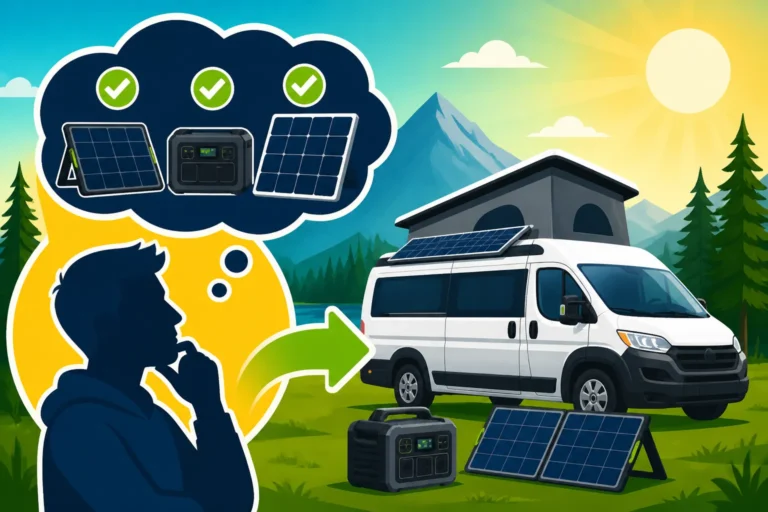
The size of your battery bank, measured in amp-hours (Ah) or watt-hours (Wh), is determined by your daily energy consumption and desired days of autonomy. A typical van might have a 100Ah to 400Ah (12V) LiFePO4 battery bank. Portable power stations, such as the Jackery Explorer series, are also popular options, especially for smaller setups or as a supplementary power source, as they combine battery storage with an inverter in one convenient unit. They offer an excellent entry point for those wondering How Many Batteries for an Off-Grid System without diving into complex wiring.
Charge Controllers and Inverters: The Brains of the Operation
These components manage the flow of electricity within your system.
- Charge Controller: This device sits between your solar panels and your batteries. Its job is to regulate the voltage and current coming from the panels, ensuring your batteries are charged safely and efficiently without overcharging. MPPT (Maximum Power Point Tracking) charge controllers are highly recommended for van systems because they are more efficient, especially in varying light conditions, extracting up to 30% more power from your panels compared to older PWM (Pulse Width Modulation) controllers. For a breakdown of these and other essentials, you can refer to our guide on Off-Grid Solar Equipment Explained.
- Inverter: Your solar panels and batteries produce DC (Direct Current) power, but most of your household appliances run on AC (Alternating Current). The inverter converts DC power from your batteries into usable AC power. For sensitive electronics, a pure sine wave inverter is a must, as it produces clean power similar to what you get from the grid, preventing damage to your devices. The size (wattage) of your inverter needs to be sufficient to handle the total wattage of all AC appliances you plan to run simultaneously. For many van dwellers, a 1000W to 3000W inverter is usually sufficient, depending on their appliance roster. If you're considering a more integrated system, some brands like Jackery also offer combined inverter-charger units in their larger solar generators, simplifying the setup.
Cost vs. Benefit Analysis: Is It Worth the Investment?
Now for the million-dollar question: is off-grid solar worth it for a van? The answer isn't a simple yes or no; it depends heavily on your lifestyle, your budget, and what you value most. It’s a significant investment, but one that offers profound returns beyond just monetary savings.
Initial Outlay vs. Long-Term Savings
The upfront cost of a comprehensive off-grid solar system for a van can range widely. For a basic setup capable of powering lights, charging devices, and a small fridge, you might be looking at $1,000 to $3,000. A more robust system, designed for full-time living with more demanding appliances like an induction cooktop, a mini-split AC, or a larger fridge, could easily cost $5,000 to $15,000 or more, especially if you opt for premium components and professional installation. Our article on Off-Grid Solar Cost: Complete Breakdown dives deeper into these figures.
However, consider the long-term savings. You'll drastically reduce or eliminate your need for expensive campground hookups, which can quickly add up over months or years. You'll save money on fuel that would otherwise be spent driving to find power or running a gas generator. While the direct monetary payback period might be several years, especially for larger systems, the true financial "worth" often comes from avoiding ongoing expenses. For instance, a quality LiFePO4 battery bank, while expensive initially, can last 10-15 years, far outliving cheaper alternatives and saving you replacement costs.
The Intangible Value of Freedom and Self-Reliance
For many van lifers, the monetary cost is secondary to the priceless value of independence. Imagine the ability to park anywhere, knowing your power needs are handled by the sun. This freedom from external infrastructure is profoundly liberating. You're not searching for outlets, not worrying about quiet hours for generators, and not beholden to utility companies or campground rules. This self-reliance fosters a deeper connection to nature and a sense of empowerment.
Beyond freedom, there's the environmental benefit. You're running on clean, renewable energy, reducing your carbon footprint. For many, this aligns with the ethos of van life – living lightly and sustainably. This intangible value, often overlooked when purely crunching numbers, is a significant part of why off-grid solar is unequivocally "worth it" for countless individuals. The peace of mind that comes from knowing you're powered by the sun, whether you're working remotely from a mountain pass or enjoying a quiet evening by the beach, is a huge benefit that can't be put into a spreadsheet.
Potential Downsides and Trade-offs
Of course, it's not all sunshine and roses. There are trade-offs to consider:
- Initial Cost: As discussed, the upfront investment is substantial. This can be a barrier for some, especially those on a tight budget.
- Space and Weight: Solar panels take up roof space, and batteries add considerable weight, which impacts your van's payload capacity and fuel efficiency. You'll need to carefully consider How to Budget for an Off-Grid Solar System and what you're willing to sacrifice in terms of other gear.
- Maintenance: While generally low-maintenance, panels need to be cleaned, and components should be checked periodically. You also need to be mindful of shading, which can severely impact power generation.
- Weather Dependency: Cloudy days, heavy rain, or parking in the shade will reduce your solar input. You'll need to adapt your energy consumption or have a backup plan, like a DC-to-DC charger (which charges your batteries from your van's alternator while driving) or a portable power station like a Jackery for emergencies.
- Complexity: Designing and installing a robust system can be complex, requiring electrical knowledge. While many DIY kits are available, mistakes can be costly or even dangerous. Our guide on DIY vs Professional Off-Grid Solar Cost explores these aspects in detail.
Ultimately, for full-time van dwellers, or those who frequently seek remote camping experiences, the investment in a well-designed off-grid solar system is almost always worth it. The freedom, reduced operational costs, and environmental benefits far outweigh the initial outlay and minor inconveniences. For weekend campers or those who prefer RV parks with hookups, a smaller, simpler setup (perhaps just a portable solar generator and a few small panels) might be sufficient, making a full build less "worth it" for their specific needs. It's about aligning the solution with your vision for van life.
Disclaimer
The information provided in this guide is for general informational purposes only and does not constitute professional advice. Off-grid solar system design and installation can be complex and involve electrical hazards. Always consult with qualified professionals and adhere to all local codes and regulations before installing any solar power system.