Off-Grid Solar Equipment Explained
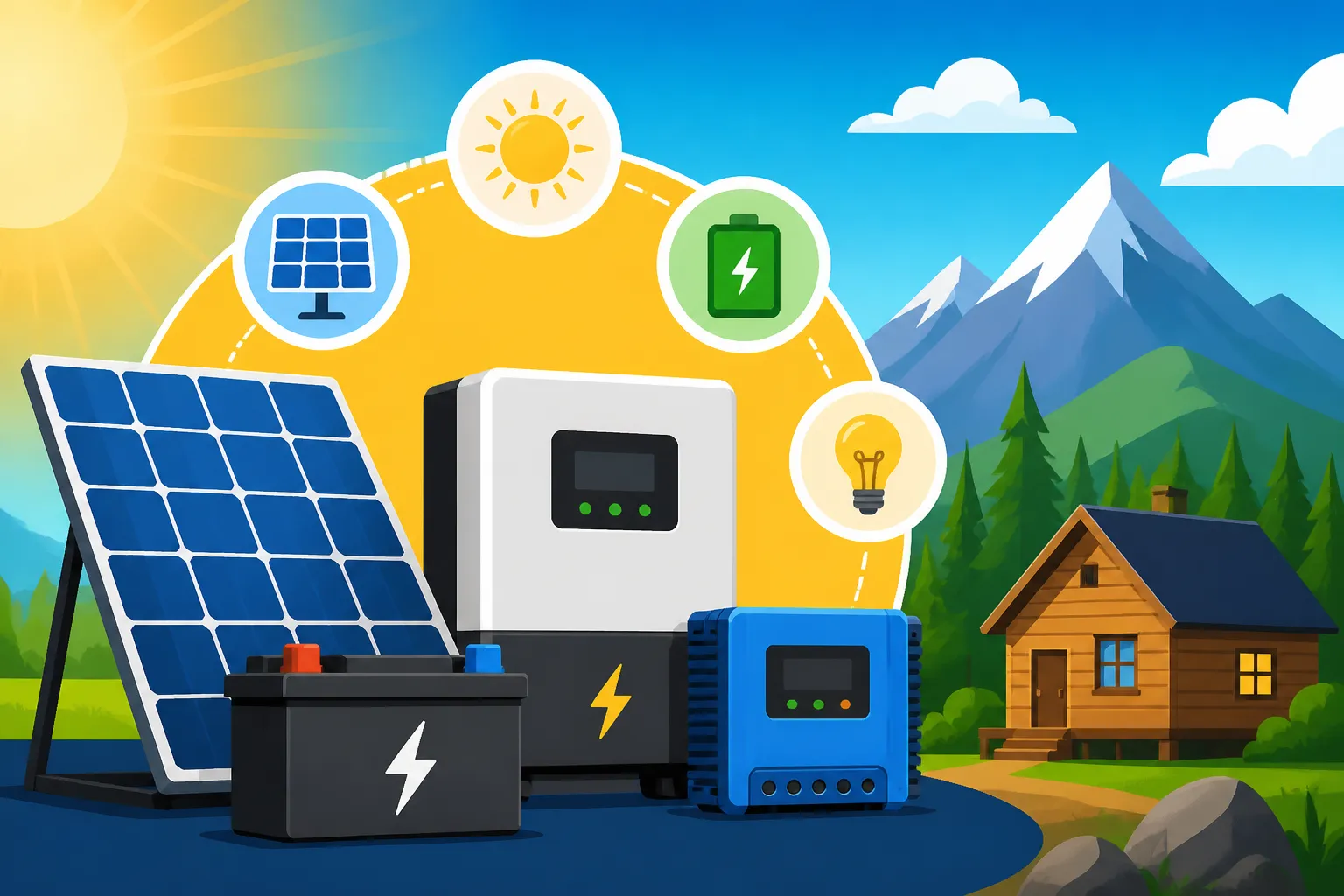
Stepping into the world of off-grid solar can feel a bit like learning a whole new language, filled with terms like inverters, charge controllers, and battery banks. It's completely normal to feel overwhelmed when you're trying to figure out what each piece of equipment does and how it all fits together to power your independent lifestyle. This comprehensive guide is designed to demystify every essential component of an off-grid solar system, explaining their functions and helping you understand what you need to make your solar dreams a reality.
The Foundation: Solar Panels
At the very heart of any off-grid solar setup are the solar panels themselves. These are the workhorses that capture sunlight and transform it into usable electricity, giving your system its initial spark. Without them, you'd just have a very fancy battery box! Understanding how they work and what types are available is the first crucial step in building a reliable system.
How Solar Panels Work
The magic of solar panels lies in something called the photovoltaic effect. Essentially, when sunlight hits the silicon cells within a solar panel, it excites electrons, causing them to move and generate a direct current (DC) of electricity. This DC electricity is what your off-grid system then manipulates and stores. Think of your panels as tiny, silent power plants, constantly soaking up rays and converting them into raw energy.
The efficiency of this conversion varies between different types of panels and is affected by factors like temperature, shading, and the angle at which the sun hits the panel. Even on cloudy days, panels can still produce some power, though significantly less than under direct sunlight. This constant, albeit variable, input of energy is what makes off-grid living possible, fueling your batteries and, ultimately, your appliances.
Types of Solar Panels for Off-Grid
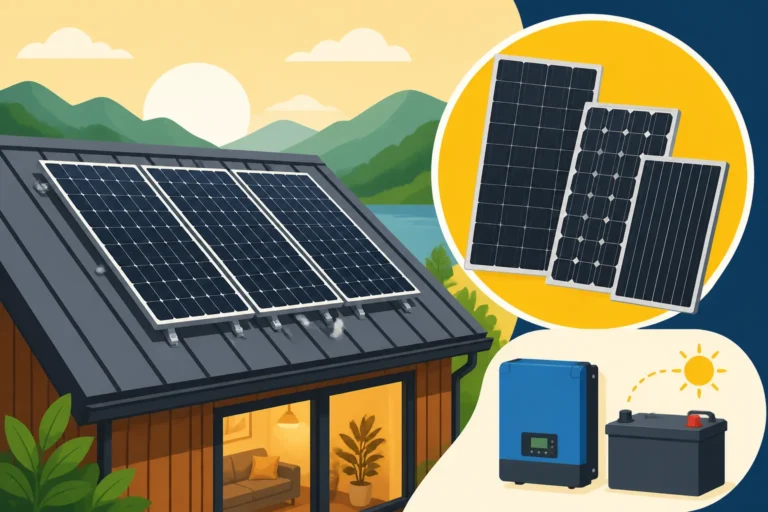
When you start shopping for panels, you'll mainly encounter two types: monocrystalline and polycrystalline. Monocrystalline panels are typically darker, made from a single crystal of silicon, and are known for their higher efficiency rates and sleeker appearance. They tend to perform better in low-light conditions and require less space to generate the same amount of power, which can be a big advantage if you have limited roof space on a cabin or RV.
Polycrystalline panels, on the other hand, are usually blueish and made from multiple silicon fragments melted together. While slightly less efficient than monocrystalline panels, they are often more affordable per watt, making them a great budget-friendly option, especially if you have ample space for installation. Beyond these rigid options, you might also find flexible panels, which are perfect for curved surfaces or situations where weight is a major concern, like on a van or a boat. Regardless of type, reputable brands like Renogy offer a wide array of options to fit diverse needs.
Choosing the Right Panels for Your Setup
Selecting the right solar panels involves a balancing act between cost, efficiency, and available space. For a small RV or van where space is at a premium, opting for higher-efficiency monocrystalline panels might make more sense, allowing you to get more power from fewer panels. However, for a larger off-grid home with plenty of ground space, polycrystalline panels could offer significant cost savings for the same total wattage. It's really about figuring out your daily energy needs and then matching that with the most practical and efficient panel solution.
Consider your climate as well. Panels perform best when they're cool, so good ventilation is important, especially in hotter regions. Thinking about how many solar panels for off-grid living you'll need is often the very first step in designing your system. This decision lays the groundwork for all other components you'll choose down the line.
The Brains of the Operation: Charge Controllers
Once your solar panels start generating electricity, that power needs to be managed carefully before it reaches your battery bank. That's where the charge controller steps in. This often-overlooked component is absolutely vital for the health and longevity of your batteries, acting as a crucial intermediary between your panels and your power storage.
What a Charge Controller Does
Imagine trying to fill a delicate glass with a fire hose—it wouldn't end well, right? Your battery bank is like that delicate glass, and your solar panels can sometimes be like that fire hose, especially on a bright, sunny day. A charge controller's primary job is to regulate the voltage and current coming from your solar panels to prevent overcharging your batteries. Overcharging can severely damage batteries, reducing their lifespan and efficiency, which is something no off-grid enthusiast wants!
Beyond protection, modern charge controllers also optimize the charging process. They ensure your batteries receive the right amount of power at the correct voltage, maximizing their capacity and overall health. They also often include features to prevent reverse current flow at night, which would otherwise slowly drain your batteries back through the panels.
MPPT vs. PWM: The Core Difference
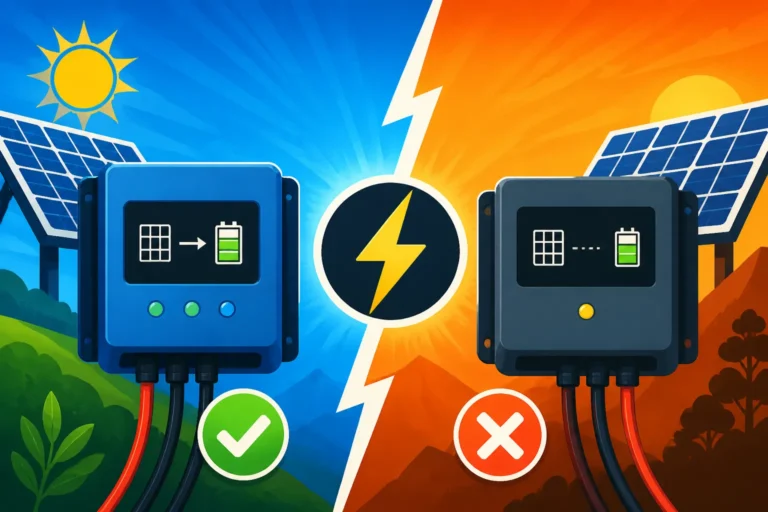
When you're looking at charge controllers, you'll primarily encounter two types: PWM (Pulse Width Modulation) and MPPT (Maximum Power Point Tracking). PWM controllers are simpler and more affordable. They essentially act like a switch, rapidly turning the current on and off to maintain a constant voltage for the battery. This works well for smaller systems where the voltage of your solar array closely matches your battery bank's voltage (e.g., 12V panels with a 12V battery).
| Feature | PWM (Pulse Width Modulation) Charge Controller | MPPT (Maximum Power Point Tracking) Charge Controller |
|---|---|---|
| Efficiency | 75-80% (Can be lower if panel voltage is mismatched) | 92-99% (Significantly higher, especially with high voltage panels) |
| Cost | Lower | Higher |
| Voltage Match | Requires panel voltage to closely match battery voltage | Can handle much higher panel voltages than battery bank |
| Power Output | Less power harvested, especially in cold weather | More power harvested, better in varying conditions |
| Best For | Small, simple systems (e.g., RV, shed), budget builds | Medium to large systems, long-term installations, maximizing energy harvest |
| Panel Wiring | Often parallel wiring for 12V systems | Allows series wiring for higher voltage strings |
| Heat Generation | Less heat | Can generate more heat due to complex electronics |
MPPT controllers, while more expensive, are significantly more efficient. They actively track the maximum power point of the solar array, converting excess voltage into additional amperage. This means they can take a high-voltage input from your panels (say, 60V) and convert it efficiently to charge a lower-voltage battery bank (like 12V or 24V), delivering more usable power to your batteries. For most larger or more complex off-grid systems, and especially for maximizing energy harvest, an MPPT charge controller is almost always the superior choice, making the higher initial investment worthwhile in the long run. To dive deeper, you can learn more about the differences between MPPT vs PWM Charge Controllers.
Sizing and Features to Look For
Sizing your charge controller correctly is critical. It needs to be able to handle the maximum current (amps) your solar array can produce. If you have, say, 400 watts of solar panels running at 12 volts, you'd be looking at roughly 33 amps. Add a 25% safety margin, and you'd want a charge controller rated for at least 40-50 amps. Always err on the side of oversizing slightly.
Beyond amperage, look for controllers with programmable settings for different battery types (LiFePO4, AGM, flooded lead-acid), temperature compensation probes to adjust charging based on ambient temperature, and robust communication ports (like Bluetooth or RS485) for remote monitoring. Many modern charge controllers, even from brands like Renogy, now come with smartphone apps, allowing you to track your system's performance right from your pocket.
The Heartbeat: Battery Banks
If solar panels are the lungs of your off-grid system, breathing in sunlight, then your battery bank is undeniably the heart, pumping stored energy throughout your home when the sun isn't shining. Without adequate battery storage, you'd only have power during daylight hours, which isn't exactly "off-grid living" by most people's standards!
Why Batteries Are Crucial for Off-Grid
The sun, as reliable as it is, doesn't shine 24/7. It sets every night, and cloudy, rainy, or snowy days can severely limit solar production. This is where your battery bank steps in as your energy reservoir. It stores the excess energy generated by your solar panels during peak sunlight hours, making it available for use whenever you need it – whether that's running your lights after dark, charging your laptop, or powering your refrigerator continuously.
Your batteries provide the essential "days of autonomy" for your system, meaning how many days your system can run without any solar input. This storage capacity is what truly grants you energy independence and peace of mind, knowing you won't be left in the dark when the weather turns or night falls. Understanding How Many Batteries for an Off-Grid System is paramount to avoiding frustrating power outages.
Common Battery Chemistries: LiFePO4 vs. Lead-Acid
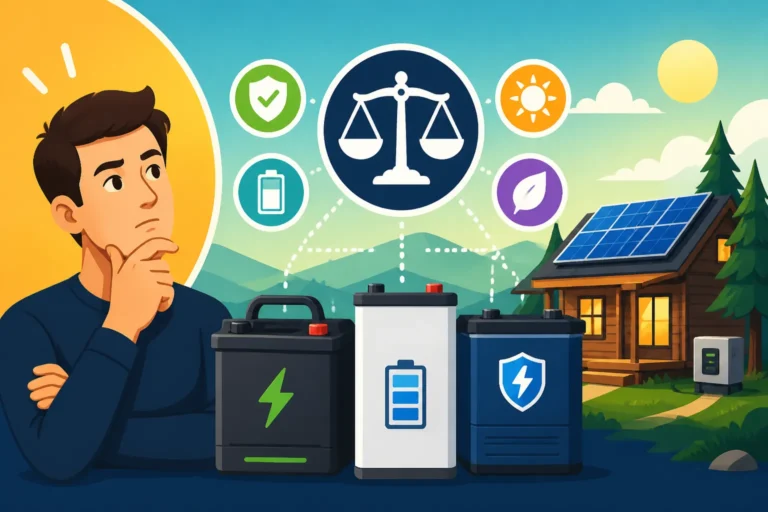
The battery world offers a few choices for off-grid applications, but the two most prominent are lead-acid and lithium iron phosphate (LiFePO4). Lead-acid batteries, including flooded, AGM (Absorbed Glass Mat), and Gel types, have been the traditional choice due to their lower upfront cost. They're reliable but generally have a shorter lifespan, can only be discharged to about 50% of their capacity without damage, and often require more maintenance (especially flooded types). They also tend to be bulky and heavy.
LiFePO4 (Lithium Iron Phosphate) batteries, on the other hand, represent the cutting edge of off-grid battery technology. While their initial cost is higher, they boast an incredibly long cycle life (often 10-20 years), can be discharged much deeper (typically 80-100% without damage), are much lighter, and are virtually maintenance-free. They also offer a more consistent voltage output, which is great for sensitive electronics. For a comprehensive look, check out our guide on LiFePO4 vs Lead-Acid Batteries for Off-Grid. Many off-gridders are choosing LiFePO4 for the long-term value and convenience they provide, even with the higher initial investment. Brands like Battle Born and EG4 are very popular in this space.
Battery Bank Sizing and Maintenance
Properly sizing your battery bank is arguably the most critical step in designing a functional off-grid system. It directly dictates how much power you'll have available during periods of low solar production. You need to calculate your daily energy consumption (in watt-hours or amp-hours) and then multiply that by your desired days of autonomy. For example, if you use 5,000 watt-hours per day and want three days of autonomy, you'd need a battery bank capable of storing 15,000 watt-hours, accounting for depth of discharge limits.
Maintenance varies significantly by battery type. Flooded lead-acid batteries require regular checks of electrolyte levels and distilled water top-ups. AGM and Gel batteries are sealed and require less active maintenance but still benefit from periodic voltage checks. LiFePO4 batteries are the easiest, often just needing occasional monitoring through a battery management system (BMS) that's usually built-in. Regardless of type, keeping batteries within their recommended temperature range and ensuring proper ventilation is key to maximizing their lifespan.
The Powerhouse: Inverters
Your solar panels create DC electricity, and your batteries store DC electricity. But most of the appliances and electronics in our homes run on AC (alternating current) power. This is where the inverter comes in, acting as the bridge between your DC power source and your AC appliances. It's the component that allows you to plug in your coffee maker, laptop, or even a mini-split air conditioner, just like you would on the grid.
The Inverter's Role in Your System
An inverter's job is straightforward yet indispensable: it converts the direct current (DC) electricity from your batteries into alternating current (AC) electricity, which is the standard for most household devices. Without an inverter, you'd be limited to running only 12V or 24V DC appliances, which are far less common than their AC counterparts. Think of it as the translator that makes your solar power understandable to your toaster, television, and power tools.
The size of your inverter, measured in watts, determines how many AC appliances you can run simultaneously and if you can handle high-surge items like a well pump or a microwave. Choosing the right size is crucial; an undersized inverter will trip or fail under load, while an oversized one can be an unnecessary expense. To learn more about selecting the right size, check out our guide on How to Size an Off-Grid Inverter.
Pure Sine Wave vs. Modified Sine Wave
Not all inverters are created equal when it comes to the quality of the AC power they produce. You'll typically find two main types: modified sine wave and pure sine wave. Modified sine wave inverters are generally less expensive and produce an approximation of an AC sine wave. They can run most simple resistive loads like lights, heating elements, and some motors. However, they can cause issues with sensitive electronics, motors with variable speeds, and certain appliances (like refrigerators or microwaves), leading to buzzing, reduced efficiency, or even damage over time.
Pure sine wave inverters, on the other hand, produce a clean, smooth waveform that perfectly mimics the power you get from the utility grid. This makes them ideal for all types of electronics, medical equipment (like CPAP machines), modern appliances, and anything with a sensitive motor. While they come with a higher price tag, the reliability and safety they offer for your valuable electronics and appliances are well worth the investment for any serious off-grid setup. Many of the best off-grid solar inverters, from brands like Victron Energy or Sol-Ark, exclusively offer pure sine wave output.
Sizing Your Inverter and Advanced Features
To size your inverter, you first need to sum up the wattage of all the AC appliances you plan to run simultaneously. Don't forget to account for "surge wattage" or "starting watts" for things like refrigerators, well pumps, or power tools, which draw a much higher current for a few seconds when they start up. Your inverter needs to be able to handle this momentary surge. For instance, a refrigerator might run at 150 watts but surge to 1000-1500 watts for a moment when the compressor kicks on. Always choose an inverter with a continuous wattage rating that exceeds your combined running loads and a surge rating that can handle your highest starting load.
Beyond basic conversion, many inverters offer advanced features. Inverter-chargers, for example, combine the functions of an inverter and a battery charger into one unit, allowing you to charge your batteries from a generator or shore power when solar isn't enough. Some even have integrated transfer switches for seamless transitions between power sources. Other features might include remote monitoring capabilities, sophisticated power management settings, and the ability to stack multiple units for increased power or a split-phase (120/240V) setup for larger homes.
Essential Supporting Cast: Wiring, Monitoring, and Safety
While panels, charge controllers, batteries, and inverters are the main players, an off-grid solar system is only as good as its supporting cast. Neglecting the quality of your wiring, the precision of your monitoring, or the robustness of your safety measures can lead to inefficient operation, frustrating breakdowns, or, worst of all, dangerous situations.
Cables, Fuses, and Breakers: The Unsung Heroes
You've got all the big components, but how does the power actually flow between them? Through cables, of course! It's easy to overlook the importance of proper wiring, but undersized wires can cause significant voltage drop, leading to power loss and excessive heat, which is a fire hazard. You need to use properly sized, high-quality, UV-resistant copper cables for all connections, especially between your panels and charge controller, and between your battery bank and inverter. The bigger the current, and the longer the distance, the thicker your wire needs to be. Understanding How to Size Wire and Cables is a fundamental safety and efficiency consideration.
Fuses and breakers are the critical safety devices that protect your equipment and prevent electrical fires. Fuses are one-time-use devices that melt and break a circuit if current exceeds a safe level, while breakers are resettable switches that do the same. You'll need fuses or breakers on the DC side (between panels and charge controller, and between charge controller and batteries) and on the AC side (between the inverter and your AC load panel). These are non-negotiable components for a safe and compliant system.
Battery Monitors: Keeping an Eye on Your Power
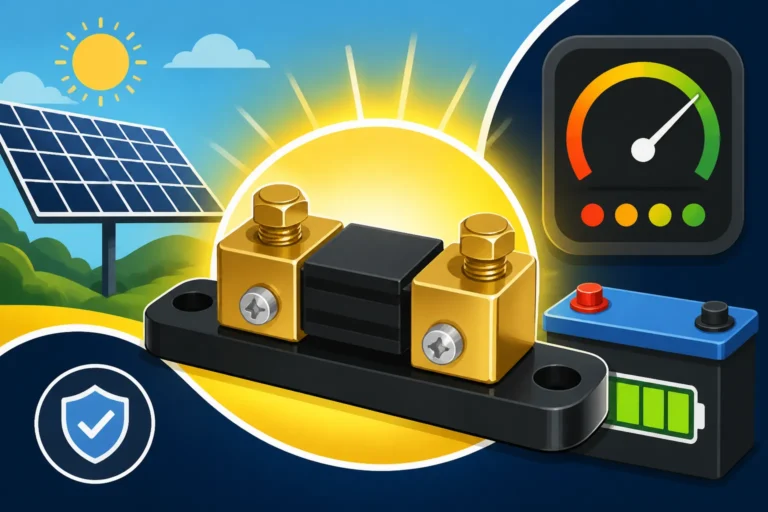
You wouldn't drive your car without a fuel gauge, would you? Similarly, operating an off-grid system without a reliable battery monitor is a recipe for frustration. A battery monitor, typically consisting of a shunt and a display unit, gives you a precise "fuel gauge" for your battery bank. It tracks the exact state of charge (SOC) as a percentage, real-time current draw, voltage, and sometimes even the remaining run-time at your current usage.
This information is invaluable for managing your power consumption, especially on cloudy days or during periods of high demand. Knowing exactly how much power you have left helps you make informed decisions about appliance use and prevents deep discharges that can shorten battery life. Many advanced systems integrate battery monitoring directly into their charge controllers or inverter systems, offering a unified view of your power.
Disconnects and Grounding: Safety First
Safety should always be paramount in any electrical installation, and off-grid solar is no exception. DC disconnect switches, also known as battery disconnects or PV disconnects, are manual switches that allow you to completely isolate components from the power source for maintenance or in an emergency. You'll typically want a disconnect between your solar array and charge controller, and a main disconnect for your battery bank. These are essential for safely working on your system or shutting it down quickly if needed.
Grounding and bonding are equally critical. Grounding connects your electrical system to the earth, providing a safe path for fault currents and preventing dangerous voltage buildup on metal components. All metal enclosures, panel frames, and mounting structures must be properly grounded according to electrical codes. This creates a secure, safe environment for both you and your equipment. For detailed instructions, you might want to explore an Off-Grid Solar Wiring Diagram Explained or a guide on Off-Grid Solar Safety and Grounding.
All-in-One Solutions and Solar Generators
For those seeking simplicity or a portable solution, the off-grid market has evolved to offer integrated systems and powerful solar generators that combine several core components into a single, often plug-and-play, unit. These options can significantly reduce the complexity of designing and installing a system from scratch.
Integrated Inverter-Chargers: Simplifying Your Setup
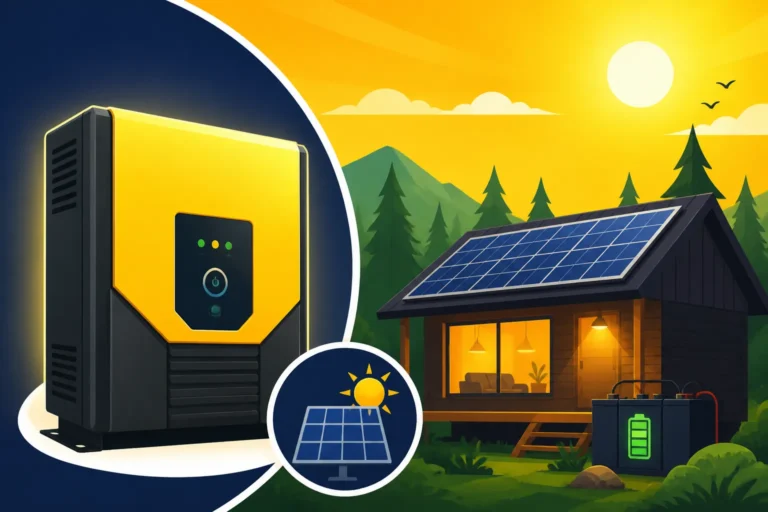
One of the most popular all-in-one solutions for a fixed off-grid system is the inverter-charger. As the name suggests, this single unit houses both an inverter (to convert DC to AC) and a powerful battery charger. Many models also include a charge controller, effectively combining the inverter, charger, and sometimes the solar charge controller into one compact box. This drastically simplifies wiring, reduces the number of components, and often streamlines system management.
These units are particularly common in larger off-grid homes, RVs, and marine applications. They are designed to manage multiple power inputs, seamlessly switching between solar, generator power, or even grid power (if you have a hybrid system). Brands like Victron Energy and Sol-Ark are well-known for their robust and feature-rich inverter-chargers, which form the backbone of many reliable off-grid setups.
Portable Solar Generators: A Flexible Option
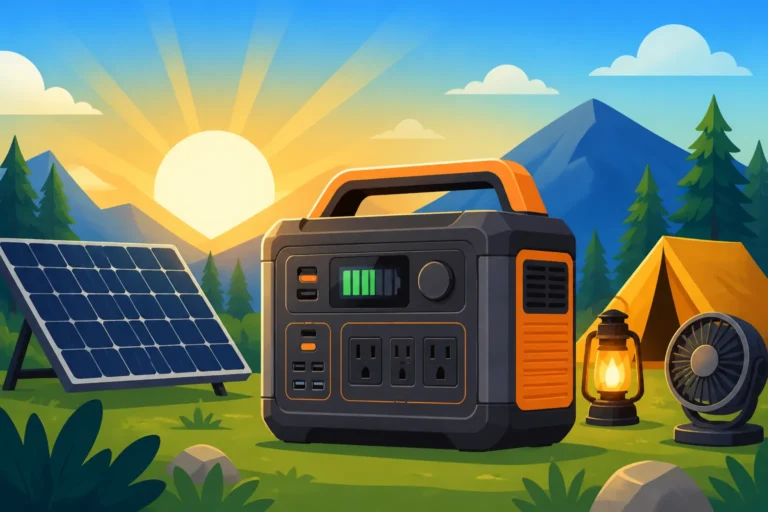
For smaller power needs, emergency backup, or truly mobile applications, portable solar generators have become incredibly popular. These devices are essentially a battery (often LiFePO4), an inverter, and a charge controller all built into a convenient, transportable casing. You simply plug your solar panels into the unit, and it handles the charging and converts the power to AC for your devices.
They range in size from small units capable of charging laptops and phones to massive power stations that can run refrigerators, power tools, and even small air conditioners. Brands like EcoFlow and Bluetti offer a wide range of these devices, providing a quick, easy, and often expandable way to get off-grid power without complex installation. They're perfect for camping, van life, or as a reliable backup for your home. Learn more about the Best Solar Generators for Off-Grid Use to see if this is the right fit for your needs.
When a Pre-built System Makes Sense
Deciding between a completely custom build and a pre-built or integrated system often comes down to your technical comfort level, budget, and specific power needs. For beginners or those who prefer a streamlined process, a pre-built kit or a system centered around an inverter-charger or a large solar generator can be an excellent choice. These kits often come with all the necessary components designed to work together, simplifying the installation process and reducing the risk of compatibility issues.
Many manufacturers, including Renogy, offer comprehensive off-grid solar kits that include panels, charge controllers, inverters, and even batteries. While they might offer less customization than a completely bespoke system, they provide a reliable, straightforward path to off-grid independence, making the initial dive much less intimidating.
Beyond the Basics: Advanced Components
Once you've got the core components dialed in, you might find yourself exploring more advanced features and supplemental equipment to enhance your off-grid experience. These additions can boost efficiency, provide greater convenience, or add layers of reliability to your system.
System Monitoring and Smart Features
Modern off-grid living is increasingly connected, and advanced monitoring systems are a testament to that. Beyond simple battery monitors, comprehensive system monitors can provide real-time data on every aspect of your solar setup: panel output, battery charge/discharge rates, inverter load, energy consumption by specific appliances, and even historical data. These systems often connect via Wi-Fi or cellular networks, allowing you to monitor and sometimes even control your system remotely from a smartphone app or web portal.
Brands like Victron Energy excel in integrated monitoring, offering "smart" components that communicate with each other to provide a holistic view of your power situation. This kind of detailed insight helps you optimize your energy usage, troubleshoot issues quickly, and gain a deeper understanding of your system's performance, ensuring maximum efficiency and peace of mind.
Generators for Backup Power
Even the most robust off-grid solar system can benefit from a reliable backup power source, especially in climates with extended periods of low sunlight or during unforeseen emergencies. A conventional fossil-fuel generator (gasoline, propane, or diesel) is a common and highly effective way to supplement your solar power. When your batteries run low due to prolonged cloudy weather, a generator can kick in to recharge them, ensuring you never run out of essential power.
Many off-grid inverters and inverter-chargers are designed to integrate seamlessly with generators, even offering "auto-start" features that will automatically fire up the generator when your battery bank reaches a certain low-voltage threshold. This automation provides a hands-off solution, giving you truly uninterrupted power regardless of the sun's cooperation. It's an investment that adds a critical layer of security to your off-grid independence.
Transfer Switches and Automatic Operation
For systems that incorporate multiple power sources – like solar, batteries, and a backup generator – a transfer switch is a key component. Its primary function is to safely switch your electrical loads from one power source to another. In an off-grid home, this means you can seamlessly transition from battery power to generator power without manually rewiring anything.
Automatic transfer switches take this a step further, sensing when one power source (like your batteries) is low and automatically switching to a backup (like a generator), and then back again when the primary source is restored. This ensures continuous power without any manual intervention, greatly enhancing convenience and reliability, especially for full-time off-grid living. These sophisticated controls are what elevate a basic solar setup into a truly resilient and user-friendly power system.
Making Sense of Brands and Quality
Navigating the multitude of brands and equipment choices can be daunting, but understanding what to look for in terms of quality and reliability is key to building an off-grid system that lasts. Not all brands are created equal, and some offer better value or specialized features.
What to Look for in Reputable Brands
When you're investing in off-grid solar equipment, you're looking for longevity, performance, and solid support. Reputable brands often have a long history in the solar or power electronics industry, with a proven track record of durable products. Look for companies that offer good warranties, readily available customer support (this is huge when you're troubleshooting), and a strong community of users or installers who can vouch for their products. For example, brands like Victron Energy are renowned for their robust engineering and extensive documentation, while Renogy has built a strong reputation for offering accessible, reliable components often available through marketplaces like Amazon.
Certification is also important. Ensure components meet relevant safety and performance standards (e.g., UL listings). This indicates that the equipment has been tested and meets certain safety benchmarks. Don't be swayed solely by the lowest price; a component failure in an off-grid system can be a major headache or even dangerous. Prioritize brands that focus on quality manufacturing and customer satisfaction. You can find more insights on the Best Off-Grid Solar Brands in our detailed guide.
Balancing Cost and Performance
The off-grid solar market offers a spectrum of price points, and balancing your budget with your performance expectations is a crucial decision. Sometimes, spending a little more upfront on higher-quality components can save you significant money and headaches down the road in terms of efficiency, reliability, and lifespan. For instance, while a budget inverter might get you started, a premium pure sine wave inverter will protect your appliances better and last longer.
Conversely, there are many excellent value-oriented brands that offer a fantastic balance of performance and affordability. For example, while Outback Power systems are known for their extreme durability and high cost, brands like Growatt and EG4 have gained popularity by offering powerful, well-regarded inverter-chargers and battery solutions at more competitive prices. It's about identifying your core needs and finding the best value within your budget, rather than simply seeking the cheapest option. Remember, this is an investment in your energy independence.
Where to Buy Your Equipment
The good news is that off-grid solar equipment is more accessible than ever before. You can find a wide range of components from specialized solar retailers, online marketplaces, and sometimes even local hardware stores or RV supply shops. Online retailers often offer competitive pricing and a vast selection, with customer reviews that can be incredibly helpful. Large platforms like Amazon, for instance, carry many popular brands like Renogy, making it convenient to source panels, charge controllers, and smaller accessories.
However, for larger, more complex systems or if you need technical guidance, buying from a specialized solar distributor or an installer can be beneficial. They often have experienced staff who can help you design your system, ensure component compatibility, and provide post-purchase support. Some brands also sell directly from their websites, sometimes offering unique bundles or deals. Always compare prices, shipping costs, and return policies before making a purchase.
Disclaimer
The information provided in this guide is intended for educational and informational purposes only and should not be construed as professional advice. Off-grid solar system design and installation involve electrical work, which can be dangerous if not performed correctly. Always consult with qualified professionals, adhere to local electrical codes, and prioritize safety when working with electricity. The author and publisher are not liable for any losses, injuries, or damages resulting from the use of this information.