Best All-in-One Off-Grid Power Stations
Feeling overwhelmed trying to figure out which off-grid components to buy, match, and wire together? It's a common frustration when diving into solar independence. Many folks dream of reliable power without the headache of a complex custom build. This guide is all about simplifying that journey by exploring the best all-in-one off-grid power stations, offering a practical solution for a more streamlined setup.
What Exactly is an All-in-One Off-Grid Power Station?
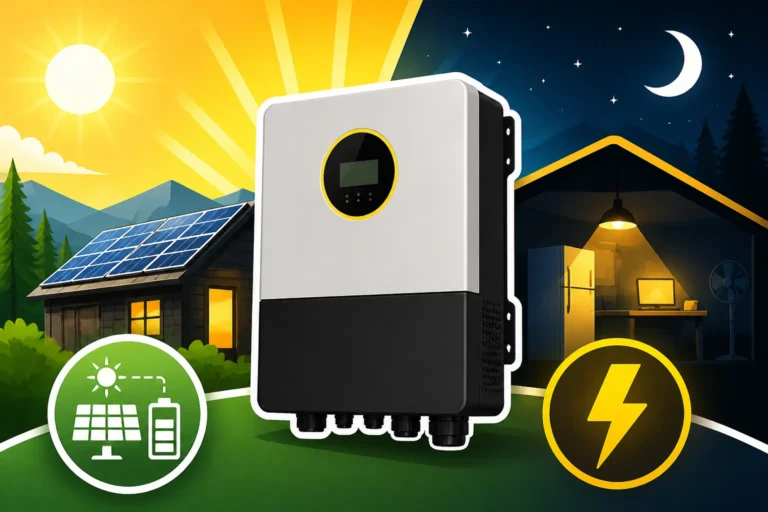
Imagine taking the core brain and heart of an off-grid solar system – the battery bank, the inverter, and the charge controller – and neatly packaging them into a single, cohesive unit. That's essentially what an all-in-one off-grid power station delivers. It's designed to minimize the complexity of selecting individual components and then painstakingly wiring them all together, which, let's be honest, can feel like assembling IKEA furniture without the instructions sometimes. Instead of separate boxes and intricate wiring diagrams, you get a singular device that handles the heavy lifting of power conversion and storage.
The Core Components Integrated
At its heart, an all-in-one power station integrates several critical pieces of equipment that are vital for any off-grid setup. You'll typically find:
- The Battery Bank: This is where your solar energy is stored for later use, especially during cloudy days or at night. Most modern all-in-one units leverage advanced battery chemistries like LiFePO4 (lithium iron phosphate) which offer longer lifespans, lighter weight, and deeper discharge capabilities compared to older lead-acid options. Understanding the importance of this component is crucial, as the performance and longevity of your system heavily rely on it. If you're curious about different battery options, you might want to read our guide on LiFePO4 vs Lead-Acid Batteries for Off-Grid.
- The Inverter: This component is the unsung hero that converts the direct current (DC) stored in your battery into alternating current (AC), which is what most of your household appliances and electronics use. A good quality inverter ensures that your sensitive electronics run smoothly without damage.
- The Charge Controller: When you connect solar panels, this device steps in to regulate the flow of electricity from the panels to the battery. It protects your battery from overcharging, maximizing its lifespan and efficiency. Most high-quality all-in-one units utilize MPPT (Maximum Power Point Tracking) charge controllers, which are far more efficient than their PWM counterparts, especially in varying weather conditions.
By integrating these components, manufacturers aim to provide a plug-and-play experience that makes off-grid living more accessible to a wider audience, from RVers and van dwellers to those setting up remote cabins or emergency backup systems.
The "Why" Behind All-in-One Solutions
The appeal of an all-in-one unit boils down to a few key advantages, especially for those new to off-grid solar or those prioritizing convenience above all else. Firstly, simplicity is a massive draw. You don't need to be an electrical engineer to set one up. The internal wiring is already done for you, adhering to safety standards. Secondly, they often save space. Rather than having a sprawling setup of individual components, you have one compact box. This is particularly valuable in tight living quarters like an RV or a tiny home where every square inch counts. Thirdly, troubleshooting can be easier, as a single unit simplifies the diagnostic process if something goes awry. Finally, for many, the sheer mental relief of not having to worry about component compatibility or complex wiring diagrams is worth the investment. You plug in your solar panels, plug in your devices, and you're good to go.
Differences from "Solar Generators"
It's easy to confuse "all-in-one off-grid power stations" with "solar generators," and honestly, the lines can be blurry as marketing terms often overlap. While both integrate batteries, inverters, and charge controllers, "solar generators" often refer to smaller, highly portable units designed for lighter-duty applications like camping, charging electronics, or running a few small appliances for a limited time. Think of brands like Jackery or Goal Zero. They are typically smaller in battery capacity and inverter output.
All-in-one off-grid power stations, while still relatively compact, tend to be more robust. They offer significantly larger battery capacities, more powerful inverters capable of running higher-wattage appliances (like a refrigerator or even an air conditioner), and often have more advanced features for system monitoring and expansion. They bridge the gap between small portable power and a full-scale, custom-built off-grid system, making them suitable for more continuous or demanding applications in an RV, cabin, or even a modest home.
Key Features and Specifications to Look For
Choosing the best all-in-one off-grid power station isn't a one-size-fits-all decision. Your specific needs, budget, and desired level of energy independence will heavily influence what features matter most. It's a bit like buying a car; you wouldn't get a heavy-duty truck for city driving, nor would you expect a compact car to tow a large trailer.
Battery Capacity (Wh or kWh)
This is arguably the most critical specification. Battery capacity dictates how much energy your power station can store, measured in Watt-hours (Wh) or kilowatt-hours (kWh). To truly understand what you need, you'll have to do a bit of homework: perform a thorough How to Calculate Daily Energy Usage for all the devices you plan to power. For example, a small power station might offer 500Wh, enough to charge laptops and phones for a few days, maybe run a small fan. A larger unit, like those used for a cabin or RV, might have 2000Wh to 10,000Wh (2-10kWh) or even more. This larger capacity allows you to power a refrigerator, lights, and other essentials for extended periods, especially useful when you're considering How Many Batteries for an Off-Grid System.
Think about your "days of autonomy" – how long you need your system to run without any additional solar input. If you're in an area prone to cloudy weather, you'll want a larger capacity to tide you over. You can also explore our guide on How Much Battery Capacity You Need for more in-depth calculations.
Inverter Output (Rated and Surge Watts)
The inverter's output is measured in Watts and determines what appliances you can run and how many simultaneously. There are two important numbers here:
- Rated (Continuous) Power: This is the wattage the inverter can consistently supply. If you plan to run a 1500W microwave, your inverter's continuous rating needs to be at least 1500W.
- Surge (Peak) Power: Many appliances, especially those with motors like refrigerators, well pumps, or power tools, draw a much higher burst of power for a split second when they start up. This is called surge power. Your inverter must be able to handle this brief spike without tripping. A common scenario is sizing solar for a refrigerator, where the startup surge can be 3-5 times its running wattage.
Always check both ratings and ensure they meet the demands of your most power-hungry appliance, particularly its startup surge. A pure sine wave inverter is essential for sensitive electronics to prevent damage and ensure smooth operation. You can learn more about this in our article, How to Size an Off-Grid Inverter.
Solar Input Capability (MPPT, Max V/A)
This specification tells you how much solar panel wattage the all-in-one unit can handle. Look for:
- Maximum Solar Input (Watts): The highest total wattage of solar panels you can connect. The higher this number, the faster you can recharge your battery bank.
- Voltage Range (V): The acceptable voltage range for your solar panels. This is crucial for wiring your panels correctly, whether in series or parallel, to match the unit's input requirements.
- Amperage (A): The maximum current the charge controller can accept.
- MPPT Technology: Ensure the unit uses an MPPT charge controller, as it will harvest significantly more power from your panels compared to a less efficient PWM controller.
Having sufficient solar input is key to ensuring your battery bank gets topped off, especially if you're aiming for true off-grid independence. Consider our general Best Off-Grid Solar Panels article for tips on panel selection.
Charging Options and Speed
Beyond solar, how else can you charge your power station? Most units offer:
- AC Wall Charging: Plug it into a standard household outlet for a quick charge before heading out. This is often the fastest way to charge.
- DC Car Charging: Connect to your vehicle's 12V cigarette lighter outlet for charging on the go. This is generally slower but convenient for travelers.
- Generator Charging: Some larger units can be charged directly from a gas or propane generator, providing a robust backup solution for extended cloudy periods or high demand.
The speed of charging can vary wildly, so check the input wattage for each method. If you're always on the move, fast charging from multiple sources can be a game-changer.
Portability and Durability
Consider where and how you'll be using your power station.
- Portability: If you're hauling it in and out of a vehicle for weekend camping or moving it between locations, weight and handles are important. Smaller units might weigh less than 20 pounds, while larger ones can easily tip the scales at 100+ pounds.
- Durability: For rugged off-grid environments, look for robust construction, dust and water resistance ratings (like IP ratings), and a design that can withstand bumps and vibrations. Some units are built to be part of a permanent installation, while others are truly designed for life on the road.
Choosing the right balance of these features will ensure your all-in-one power station not only meets your power demands but also fits seamlessly into your off-grid lifestyle.
Top Contenders in the All-in-One Power Station Market
The market for all-in-one off-grid power stations has exploded, offering a diverse range of options from compact, highly portable units to powerful, expandable systems. It's truly a buyer's market, but that also means you need to sift through a lot of options to find the perfect fit.
Renogy ONE Core and Other Integrated Systems
Brands like Renogy are making significant strides in offering integrated systems that go beyond just a battery and inverter. The Renogy ONE Core, for instance, isn't just a power station; it's designed as a smart control center that integrates your solar charging, battery management, and even smart home features into a sleek touch screen. This allows for centralized monitoring and control of your entire electrical system, including your inverter, charge controller, and battery bank, all within one ecosystem. It's a testament to how far these systems have come, moving from just providing power to offering comprehensive energy management solutions. For those building out a new system, looking into how these components are designed to work together can simplify the process immensely. You can often find a full Off-Grid Solar Kit Price Ranges from Renogy or other reputable brands, which include panels, mounting, and all the necessary components for a ready-to-go system.
EcoFlow and Bluetti Offerings
EcoFlow and Bluetti are two of the most recognizable names in the higher-capacity portable power station space, often bridging the gap to what we'd consider robust all-in-one off-grid units. Their product lines, such as the EcoFlow Delta series (e.g., Delta Pro) or the Bluetti AC series (e.g., AC200MAX, EP500), offer impressive battery capacities (from 2kWh up to 5kWh or more, expandable in some cases) and powerful pure sine wave inverters that can handle most household appliances.
These stations often boast multiple charging methods, fast charging capabilities, and robust app-based monitoring. They are fantastic choices for individuals looking for a powerful, relatively portable solution for full-time RV living, extended cabin stays, or reliable home backup during outages. For example, a Bluetti AC200L can power a well pump or an air conditioner for short bursts, making it ideal for managing critical loads in an emergency. They are also known for their modularity, allowing users to add extra battery packs to increase their total energy storage, which is a huge benefit for those needing to scale their power over time.
Victron Energy MultiPlus/Quattro (Hybrid Systems)
While not "all-in-one power stations" in the same consumer-ready, plug-and-play sense as EcoFlow or Bluetti, Victron Energy's MultiPlus and Quattro inverter/chargers represent the gold standard for integrated hybrid systems, often forming the heart of larger, custom-built off-grid solar systems. These units combine a powerful inverter, a sophisticated battery charger (for AC charging from shore power or a generator), and an automatic transfer switch into one robust device. They are designed for serious off-grid living or hybrid setups where you might occasionally connect to the grid or a generator.
Victron systems are renowned for their reliability, advanced programmability, and extensive monitoring capabilities via their GX devices (like the Cerbo GX). While you still need to pair them with external batteries and solar charge controllers, the MultiPlus and Quattro simplify the core power conversion and management aspects significantly. They represent a more professional, highly customizable, and extremely durable solution for those seeking maximum control and reliability in their off-grid power strategy. If you're delving into more advanced setups, understanding how to connect batteries, inverter, and panels with a Victron system is key.
Considering Smaller, Portable Options
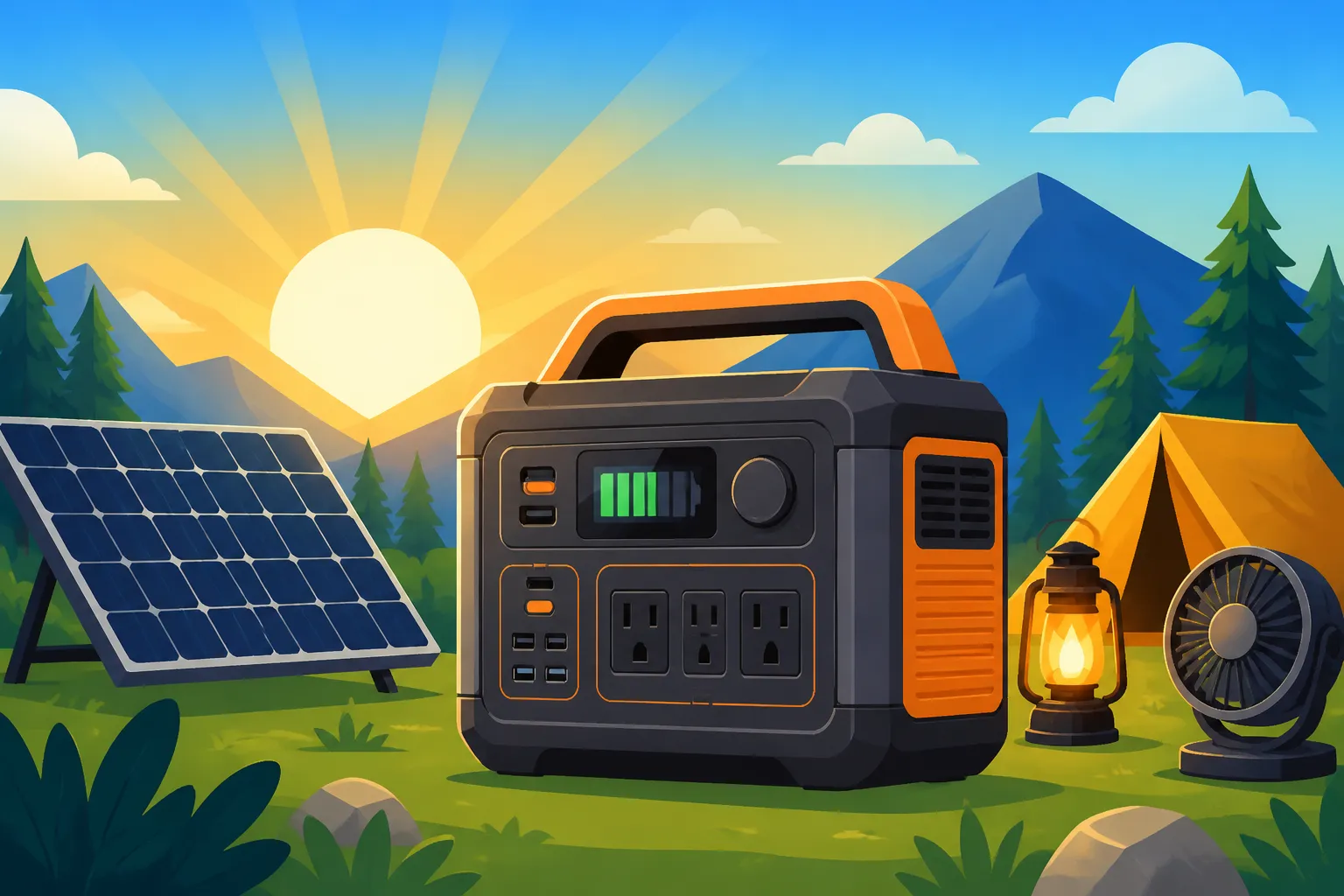
For those with more modest needs, perhaps for light camping, van life on a budget, or simply wanting to keep essentials charged during a power outage, a wide array of smaller, truly portable power stations are available. These might have capacities ranging from a few hundred Watt-hours to a kilowatt-hour and inverter outputs sufficient for laptops, lights, small blenders, or even a mini-fridge.
These smaller units are incredibly convenient, lightweight, and often very affordable. Many reliable brands offer these on platforms like Amazon, making them easily accessible. While they won't power an entire house or a full-time cabin, they offer incredible flexibility and peace of mind for specific use cases. They are an excellent starting point for anyone exploring portable solar power without committing to a larger, more complex system.
| Feature | Small Portable Power Station (e.g., 500Wh) | Mid-Size All-in-One (e.g., 2000Wh) | Large All-in-One (e.g., 5000Wh) |
|---|---|---|---|
| Battery Capacity | 300-700 Wh | 1500-3000 Wh | 4000-6000+ Wh (expandable) |
| Continuous Power | 300-700 W | 1500-2500 W | 3000-5000+ W |
| Surge Power | 600-1400 W | 3000-5000 W | 6000-10000+ W |
| Solar Input | 100-200 W max | 500-1000 W max | 1200-2000+ W max |
| Weight | 10-20 lbs (4.5-9 kg) | 40-70 lbs (18-32 kg) | 100-150+ lbs (45-68+ kg) |
| Appliances | Phones, laptops, drones, small fans | Fridge, TV, microwave, power tools | AC, well pump, washing machine |
| Typical Cost | $300 – $700 | $1500 – $3000 | $4000 – $8000+ |
| Best Use Case | Camping, emergency charging, light use | RVs, small cabins, backup | Full-time off-grid, large backup |
This table provides a general overview and estimated costs. Prices and specifications can vary significantly between brands and models, so always check the latest details.
Real-World Applications and Choosing the Right Fit
Understanding the technical specifications is one thing, but knowing how these all-in-one power stations fit into actual off-grid scenarios is where the rubber meets the road. Your lifestyle, location, and power demands are the ultimate determinants of the "best" choice for you.
For RVs and Van Life
If you're living the nomadic dream, whether in a sprawling RV or a cozy campervan, an all-in-one power station can be a game-changer. Space is at a premium, and the desire for simplicity often outweighs the need for a hyper-customized system. For these applications, you'll want a unit that strikes a balance between portability, sufficient power output for your daily essentials, and robust charging options.
Many van lifers prioritize units that can power a compressor fridge, charge laptops and camera gear, run a fan, and maybe a small induction cooktop for quick meals. The ability to charge from solar panels on the roof (check out How to Mount Panels on an RV for installation tips) and from the alternator while driving is incredibly valuable. Units from brands like EcoFlow or Bluetti, which offer high-capacity batteries and reliable inverters, are extremely popular here. They minimize the complex How to Wire an Off-Grid Solar System into your mobile home and often come with intuitive displays to monitor your power consumption, helping you stay aware of your energy budget on the road.
For Remote Cabins and Tiny Homes
When it comes to a remote cabin or a tiny home that might serve as a full-time residence or a frequent escape, the power demands typically increase. Here, reliability and capacity become paramount. You're likely looking at running larger appliances like a full-size refrigerator, a well pump, lights, and perhaps even a small mini-split air conditioner or heater. This pushes you towards larger all-in-one power stations, often with capacities of 3-5 kWh or more, and inverters capable of 3000W+ continuous output.
In these setups, expandability is a major plus. Can you add more battery packs later if your needs grow? Can the unit handle a significant solar array to quickly recharge even on shorter winter days? Brands like Renogy, with their integrated ecosystem approach, or the larger modular systems from Bluetti and EcoFlow, become very attractive. These systems are often paired with a substantial solar array, making them a core part of a true How to Size an Off-Grid Solar System for continuous living. You might also consider connecting a backup generator to such a system to provide an additional charging source during prolonged cloudy periods or when demand is exceptionally high.
For Emergency Backup
The unpredictability of power outages means many people are looking for reliable backup solutions. An all-in-one power station shines in this role because of its ease of deployment and minimal setup. When the grid goes down, you don't want to be fumbling with wiring; you want to simply plug in your essential appliances.
For emergency backup, prioritize units with strong surge capabilities to handle appliance startup loads, multiple output ports (AC, USB, 12V DC), and flexible charging options. The ability to quickly recharge from existing solar panels you might have, or even a vehicle, is a huge benefit. A mid-sized unit (1-2 kWh) can typically keep a refrigerator running, charge phones, power lights, and run a fan for a day or two, providing critical comfort and safety during an outage. For very small essentials, even a basic portable power station found easily on Amazon can keep your phone and flashlight charged.
DIY vs. All-in-One
This is the classic dilemma. A DIY system, where you individually select each component (panels, charge controller, batteries, inverter, fuses, wiring), offers maximum customization and potentially a lower Off-Grid Solar Cost: Complete Breakdown if you do all the labor yourself. You can precisely tailor every aspect to your unique needs, from the specific type of Cost of an Off-Grid Solar Battery Bank to the exact size of your inverter. However, it requires significant technical knowledge, more time for research and installation, and carries the risk of incompatibility or wiring errors if not done correctly.
An all-in-one power station, on the other hand, sacrifices a degree of customization for unparalleled convenience and simplicity. The components are pre-matched, pre-wired, and tested by the manufacturer. While the initial upfront cost might sometimes be higher than piecing together entry-level components, the reduction in labor, complexity, and potential for costly mistakes often makes it a very attractive option, especially for beginners or those with limited technical expertise. For many, the peace of mind knowing the system is professionally engineered and integrated is worth every penny. For those on a tight budget or with specific, niche power requirements, a DIY approach might still be beneficial, but for most, the all-in-one solution is becoming an increasingly compelling choice.
Disclaimer
Please remember that the information provided in this article is for educational purposes only and should not be taken as professional electrical or financial advice. Always consult with qualified professionals for specific system design, installation, and safety requirements. Off-grid solar systems involve high voltages and currents, which can be dangerous if not handled properly. Local regulations, permits, and codes may also apply to your installation.