Best Flexible Solar Panels for Off-Grid
Let's be real, when you're dreaming of off-grid living, whether it's in a cozy cabin, a bustling RV, or even a nimble van, one of the biggest headaches can be figuring out how to get enough power without turning your space into a rigid, panel-covered monstrosity. Traditional glass solar panels are fantastic, but they're heavy, bulky, and let's face it, they don't exactly conform to the beautiful curves of a van roof or the unique angles of a custom build. This guide is all about cutting through that frustration and showing you how flexible solar panels can be a game-changer for your off-grid aspirations, helping you understand what makes them tick and which ones are genuinely worth your hard-earned cash.
Why Flexible Solar Panels are a Game Changer for Off-Grid Living
The world of off-grid solar is constantly evolving, and one of the most exciting advancements for many adventurers and tiny home dwellers has been the rise of flexible solar panels. These aren't just scaled-down versions of your typical rooftop panels; they're designed with a whole different set of challenges in mind. When space is at a premium, weight is a concern, or you're dealing with curved surfaces, rigid panels simply won't cut it. That's where flexible panels shine, offering a lightweight, adaptable solution that opens up a whole new realm of possibilities for independent power generation.
The Unique Appeal for Mobile and Compact Setups
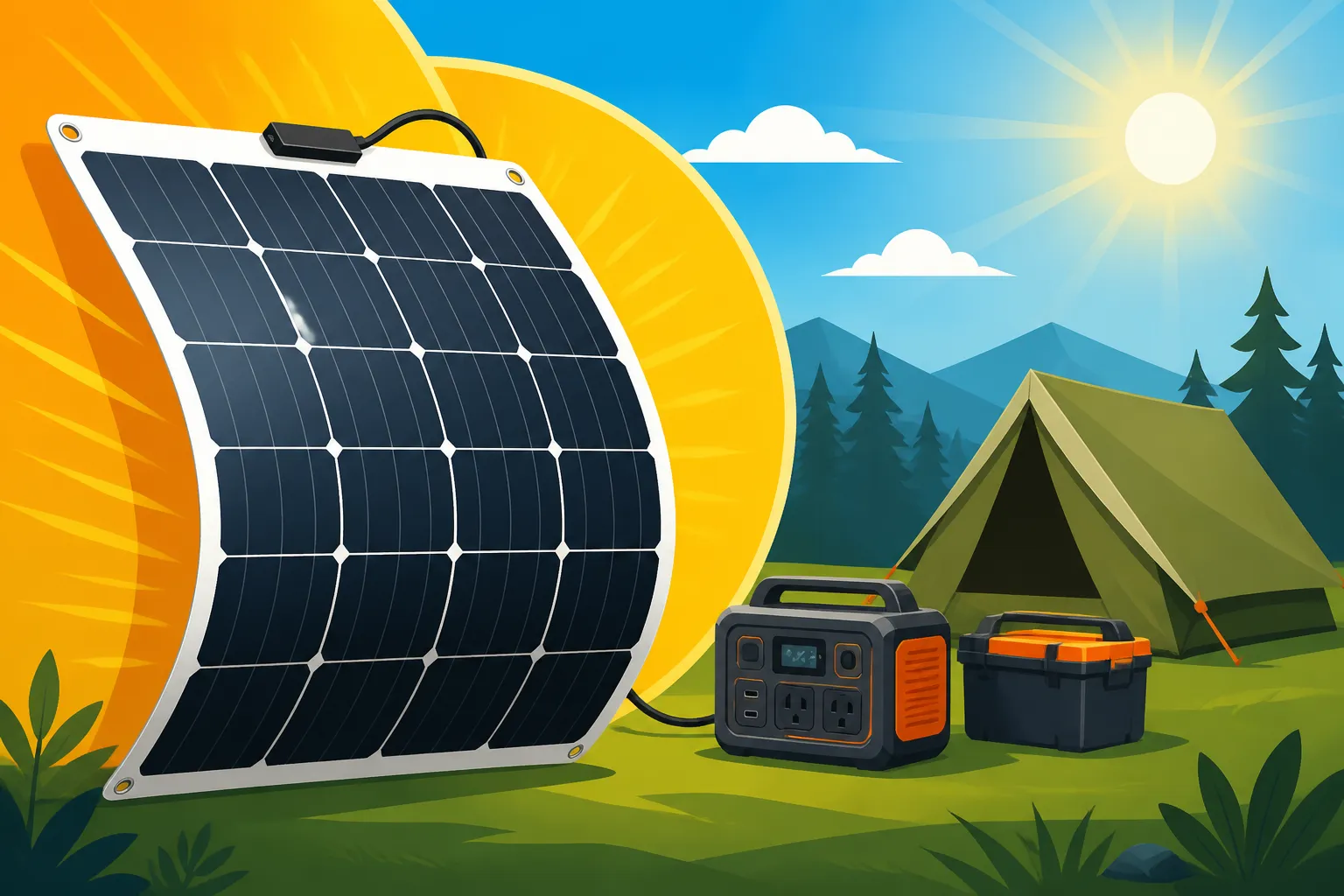
Imagine trying to fit several standard solar panels onto the contoured roof of a camper van or a small sailboat. It's often an impossible task without custom, bulky racking systems that add significant weight and wind resistance. Flexible solar panels, however, are specifically engineered to bend and conform to these irregular surfaces. Their pliability means they can be mounted directly to curved roofs or decks without complex mounting hardware. This isn't just about aesthetics; it drastically reduces the overall profile of your solar setup, which can be a huge advantage for vehicles concerned with aerodynamics, or for boats needing to minimize snag hazards.
Moreover, their significantly lighter weight compared to glass-fronted panels is a massive benefit for anything that moves. For RVs, vans, and even small trailers, every pound counts when you're calculating payload capacity and fuel efficiency. A few flexible panels can provide substantial power without pushing your vehicle past its limits. For backpackers or those setting up temporary camps, portable flexible panels roll up or fold down easily, making them an ideal companion for generating power on the go. Many users find a portable system invaluable for remote charging needs, and brands like Jackery excel in this space, pairing lightweight flexible panels with robust power stations.
Addressing the Challenges of Traditional Rigid Panels
Traditional rigid solar panels, while highly efficient and durable in stationary applications, come with their own set of limitations for off-grid use, especially in mobile or custom scenarios. Their heavy glass construction makes them fragile if not handled with care, and their unyielding form factor means they demand perfectly flat surfaces. This can lead to compromises in panel placement or necessitate expensive, custom fabrication to accommodate them.
Beyond physical constraints, rigid panels often require robust mounting systems that penetrate roofs or decks, introducing potential leak points and adding significant visual bulk. For those trying to maintain a sleek aesthetic or avoid unnecessary modifications to their vehicle or structure, this can be a major deterrent. Flexible panels largely bypass these issues. Their durable, non-glass construction means they're much less prone to shattering from impacts, and their direct adhesive mounting options mean fewer holes and a much cleaner, low-profile installation. This translates to less worry about road vibrations, tree branches, or accidental bumps, giving you more peace of mind while embracing the off-grid lifestyle.
Key Features to Look for in Flexible Off-Grid Solar Panels
When you're ready to dive into the world of flexible solar, it's easy to get overwhelmed by the options. It's not just about how much wattage you can get; it's about making sure that wattage is delivered reliably and durably in your specific off-grid environment. Thinking through the core features will help you pick panels that won't just work, but will thrive, giving you the power independence you crave. To really understand your needs, it might be helpful to look at resources on How to Choose an Off-Grid Solar Panels and Off-Grid Solar Equipment Explained.
Power Output and Efficiency Considerations
Just like rigid panels, flexible solar panels come in various power outputs, typically measured in watts (W). What's crucial for off-grid living is not just the peak wattage, but the panel's efficiency – how well it converts sunlight into usable electricity. Most quality flexible panels today utilize monocrystalline solar cells, which are known for their high efficiency even in a flexible format. While flexible panels generally have a slightly lower efficiency per square foot compared to their rigid counterparts, modern advancements have significantly narrowed this gap. For instance, you can find flexible panels from brands like Renogy or BougeRV that boast efficiency ratings upwards of 20%, which is fantastic for a flexible design.
However, heat is a big factor here. Flexible panels often sit directly on surfaces, which can lead to poorer heat dissipation compared to rigid panels with air gaps underneath. Higher temperatures can temporarily reduce a solar panel's efficiency. So, when comparing, look for panels with good temperature coefficients (a lower percentage per degree Celsius is better). This information is usually found in the product specifications and can greatly affect your real-world power generation, especially in hot climates or on dark-colored roofs. Understanding How Much Solar to Run Lights And Electronics or other specific appliances will help you choose the right wattage.
Durability and Construction Materials
This is arguably the most critical aspect for off-grid flexible panels. Unlike their glass cousins, these panels need to withstand bending, impacts, and harsh weather without cracking or delaminating. The outer layer, or encapsulation material, plays a huge role here. The two most common types you'll encounter are PET (Polyethylene terephthalate) and ETFE (Ethylene Tetrafluoroethylene).
- PET: These panels are generally more affordable. The PET layer is a plastic film that can be quite resistant to UV radiation and some abrasions. However, over time, PET can become cloudy or yellow with prolonged sun exposure, which degrades performance. It's also less resistant to extreme temperatures and chemicals compared to ETFE. If you're looking for a budget-friendly option for occasional use or in less extreme environments, PET might be suitable, but it might not be the best long-term solution for full-time off-grid living.
- ETFE: Panels with an ETFE coating are the premium choice and are highly recommended for permanent or heavy-duty off-grid applications. ETFE is a high-strength fluoropolymer plastic that offers superior UV resistance, meaning it won't yellow or degrade as quickly. It's also more durable against scratches, dirt accumulation, and chemical exposure, making it easier to clean. Furthermore, ETFE allows for better light transmittance, which can contribute to slightly higher overall efficiency and longevity. Many reputable brands offer ETFE-coated panels designed for marine environments or rigorous outdoor use, which is a strong indicator of their robustness.
Always check the flexibility rating – how much the panel can bend without damage. While they're called "flexible," most are truly "semi-flexible," meaning they can handle a certain degree of curvature (e.g., up to 30 degrees) but shouldn't be folded in half. Excessive or repeated sharp bending will damage the cells and connections, leading to premature failure.
Installation and Mounting Versatility
The beauty of flexible panels lies in their versatile installation. Most come with pre-drilled grommets for screws or bolts, making them easy to secure to various surfaces. Many also feature a strong adhesive backing, allowing for direct stick-on application. This is particularly popular for How to Install Solar on a Van or How to Install Solar on an RV where a seamless, low-profile look is desired.
When using adhesive, surface preparation is absolutely critical. The surface must be impeccably clean, dry, and free of any oils or residues to ensure a lasting bond. Some installers also recommend using a secondary sealant around the edges for added weatherproofing, especially on RVs or boats. It's important to consider ventilation if you're mounting directly. While the panel itself might be waterproof, trapping heat underneath can reduce efficiency and shorten the panel's lifespan. Some advanced flexible panels incorporate a breathable backing or are designed with a slight standoff to allow for airflow, mitigating this issue. For a deeper dive into mounting, you might find guides on How to Install Roof-Mounted Solar Panels or How to Mount Panels on an RV useful.
Popular Flexible Solar Panel Brands for Off-Grid Setups
Choosing the right brand for your flexible solar panels can feel like navigating a maze, especially with so many options popping up. It's not just about the name; it's about the reputation for quality, the technology they employ, and the real-world performance experienced by other off-grid enthusiasts. Getting it right here can save you headaches and ensure reliable power for years to come.
Brands Renowned for Quality and Performance
Several brands have established themselves as leaders in the flexible solar panel market, offering products that balance efficiency, durability, and cost-effectiveness. When you're building out an off-grid system, investing in quality components pays off in the long run, avoiding frequent replacements or frustrating power shortages.
- Renogy: This brand is a consistent favorite in the off-grid community, known for offering a wide range of solar products, including high-quality flexible panels. Their flexible monocrystalline panels often feature an ETFE coating, providing excellent durability and weather resistance. Renogy panels are popular for RVs, vans, and marine applications due to their robust construction and reliable power output. They offer various wattages, making it easy to scale your system. You'll often see their 100W or 175W flexible panels recommended for those looking to add discreet power to a curved surface.
- HQST: Often seen as a strong competitor to Renogy, HQST (High Quality Solar Technology) also produces reliable flexible solar panels that are a solid choice for many off-grid scenarios. They typically offer similar construction and performance specifications, including monocrystalline cells and ETFE coatings on their higher-end models. HQST panels provide excellent value for the money, making them a go-to for those balancing budget with performance.
- BougeRV: This brand has gained traction with its durable and aesthetically pleasing flexible solar panels. Their panels are often praised for their build quality and ability to withstand harsh environments, making them suitable for everything from van life to remote cabins. Like Renogy and HQST, BougeRV generally uses high-efficiency monocrystalline cells and robust outer layers.
- Jackery: While primarily known for their portable power stations and solar generators, Jackery also offers flexible solar panels, often bundled with their popular power stations like the Explorer series. Their panels are highly regarded for their portability and ease of use, designed to integrate seamlessly with their ecosystem. The Jackery SolarSaga panels, for example, are known for being lightweight and foldable, making them perfect for campers, hikers, or anyone needing quick, deployable power. If your off-grid setup prioritizes rapid deployment and grab-and-go power, a Jackery system with its accompanying flexible panels can be an excellent choice. They might not be the choice for a permanent rooftop installation, but for a portable boost, they are fantastic. You can learn more about Best Solar Generators for Off-Grid Use which often include flexible panels.
Comparing Performance and Value
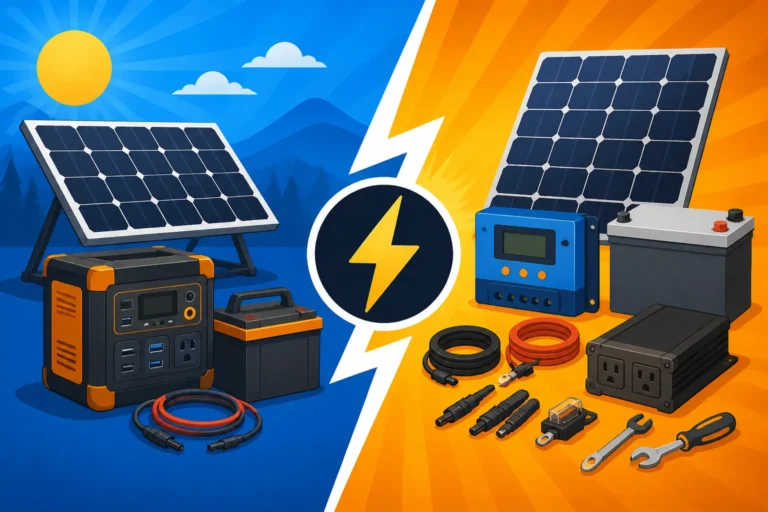
When you're evaluating different flexible solar panels, it's essential to look beyond just the brand name and dive into the specifications. Here's a quick comparison of what you might typically expect:
| Feature/Brand Aspect | Renogy/HQST/BougeRV (Typical) | Jackery (Typical) |
|---|---|---|
| Primary Use Case | Semi-permanent, direct mount for RVs, vans, boats, cabins | Highly portable, temporary setups, camping, emergency backup |
| Material | Monocrystalline, often ETFE coated | Monocrystalline, often robust fabric backing for portability |
| Flexibility | Semi-flexible (up to 30 degrees curvature) | Foldable, designed for repeated setup and takedown |
| Wattage Range | 50W – 200W+ per panel | 60W – 200W per panel (often integrated with power stations) |
| Installation | Adhesive or grommets for screws | Stand-alone with kickstands, plug-and-play with power stations |
| Weight | Moderate (lighter than rigid, heavier than foldable) | Very light, optimized for portability |
| Durability | Excellent for fixed installations if properly ventilated | Excellent for portable use, but might not withstand continuous fixed outdoor exposure as well |
| Efficiency | ~20-22% | ~23-25% (often higher due to focus on portable optimization) |
| Cost | Mid-range to premium for ETFE | Mid-range, often bundled with power stations |
For a permanent installation on a curved RV roof, an ETFE-coated panel from Renogy or HQST would be a more suitable long-term solution due to its superior weather resistance and mounting options. These panels are designed to stay put through various conditions. However, if you're looking for a supplemental power source you can deploy when parked and then pack away, a portable solution like the Jackery SolarSaga 100W panel offers incredible convenience and efficiency. It really boils down to your specific application and whether you prioritize fixed durability or ultimate portability. Don't forget to check out Best Flexible Solar Panels for more options.
Maximizing the Performance and Lifespan of Flexible Panels
So, you've chosen your flexible solar panels, perhaps from a trusted brand like Renogy, or you're using a portable Jackery setup. Great! But getting the most out of them and ensuring they last for years isn't just about the initial purchase; it's about how you install, use, and maintain them. Skipping these crucial steps can lead to reduced efficiency, premature degradation, and ultimately, a less reliable off-grid power experience.
Proper Installation Techniques for Longevity
The way you install your flexible solar panels is paramount to their performance and lifespan. Unlike rigid panels that typically have an air gap beneath them, flexible panels are often mounted directly to a surface. This direct contact, while creating a low profile, can also be their Achilles' heel when it comes to heat. Solar cells lose efficiency as they get hotter, and without proper airflow, heat can build up quickly underneath the panel.
One of the most effective techniques is to create an air gap, even a small one, if possible. This can be achieved using stand-off mounts or by gluing only the edges of the panel and leaving the center slightly raised for air to circulate. If direct adhesive mounting is your only option (common on curved van roofs), ensure the surface is light-colored or reflective if possible, as darker surfaces will absorb more heat. You might also consider installing them in areas that receive some shade during the hottest parts of the day, though this sacrifices some power output.
Beyond heat, ensure the surface you're adhering to is perfectly clean, dry, and structurally sound. Any bumps or irregularities can create stress points on the panel, leading to micro-cracks over time. Use a high-quality, weather-resistant adhesive designed for outdoor use and flexible materials, such as a marine-grade sealant. Properly sealing the edges will prevent water intrusion, which can lead to delamination and short circuits. And never, ever fold or bend a semi-flexible panel beyond its recommended curvature, even during installation, as this can permanently damage the internal wiring and cells. For detailed instructions, check out resources like How to Wire Solar Panels in Series or How to Mount Panels on an RV to ensure a robust setup.
Essential Maintenance and Care Practices
Flexible solar panels, while durable, still require some TLC to maintain peak performance. Their non-glass surface, often ETFE or PET, can be more prone to collecting dirt, dust, and grime compared to smooth glass. Regular cleaning is essential to prevent any blockage of sunlight, which directly impacts power generation.
A simple cleaning routine involves using a soft cloth or sponge with mild soap and water. Avoid abrasive cleaners or harsh brushes, as these can scratch the protective layer, reducing transparency and potentially harboring more dirt in the future. Rinse thoroughly with clean water to remove any soap residue. Make sure to do this when the panels are cool, ideally early morning or late evening, to prevent thermal shock and rapid drying, which can leave water spots.
Beyond cleaning, regular visual inspections are vital. Look for any signs of delamination, cracks, discoloration (especially with PET panels), or fraying of cables. Check the integrity of your mounting adhesive or hardware. If you notice any issues, address them promptly. Small repairs, like resealing an edge, can prevent bigger problems down the line. For portable panels like those from Jackery, ensure they are stored properly – rolled or folded according to manufacturer instructions, and kept in a protective case away from sharp objects when not in use. Regular checks of your entire system, including wiring and connections, as detailed in an Off-Grid Solar Maintenance Guide, will ensure everything is running smoothly.
Conclusion
Embracing flexible solar panels for your off-grid adventure means unlocking a world of possibilities for power generation where traditional, rigid panels simply can't go. Whether you're decking out a curved van roof, outfitting a compact boat, or seeking portable power for remote excursions, their lightweight, conformable nature offers unparalleled versatility. By understanding the critical features like efficiency, durable construction materials such as ETFE, and smart installation techniques that prevent heat build-up, you can make an informed choice that will serve your energy needs reliably.
From established names like Renogy, HQST, and BougeRV offering robust semi-flexible options for more permanent fixtures, to the highly portable and efficient solutions from Jackery designed for easy deployment, there's a flexible panel out there for every off-grid dream. Remember, the longevity and performance of your system ultimately depend on meticulous installation and consistent maintenance. With the right flexible solar panels and a bit of care, you'll be harnessing the sun's power with ease, enjoying the freedom and independence that true off-grid living provides.
Disclaimer
The information provided in this guide is for general informational purposes only and does not constitute professional advice. While we strive to offer accurate and up-to-date content, off-grid solar system design and installation can be complex. Always consult with a qualified solar professional or electrician before making significant purchases or undertaking installations to ensure safety and compliance with local codes. Off-grid solar system components and costs can vary widely.