Best Flexible Solar Panels
The struggle to find reliable, unobtrusive power for your nomadic adventures or compact off-grid setups is real. Traditional rigid solar panels are often too bulky, heavy, and difficult to install on curved surfaces or in situations where aesthetics matter, leaving many feeling limited in their energy independence journey. This comprehensive guide is here to shed light on flexible solar panels, explaining what they are, how they work, and how to choose the best ones to unlock true freedom and efficiency for your unique off-grid lifestyle.
Understanding Flexible Solar Panels
When you think of solar panels, you probably picture those heavy, glass-fronted rectangles on rooftops. But imagine a solar panel that can bend, that’s lightweight, and can conform to uneven surfaces. That's exactly what flexible solar panels offer, and they've become a game-changer for many off-grid enthusiasts.
Defining Flexible Solar Panels
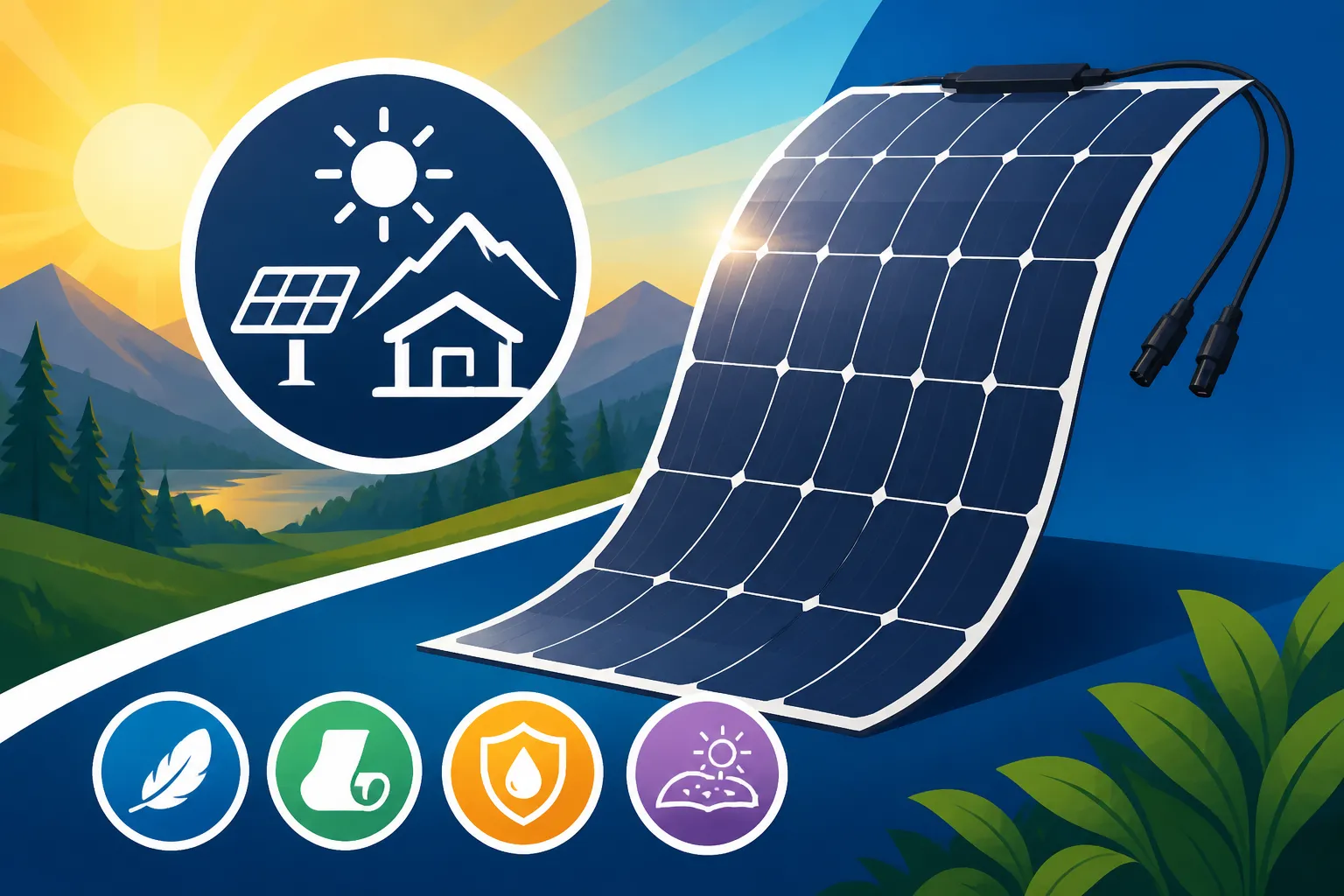
Flexible solar panels, also sometimes called thin-film or semi-flexible panels, are a revolutionary step forward in photovoltaic technology. Unlike their rigid, glass-encased counterparts, these panels are built on thin substrates, often using materials like polymers rather than glass. This construction allows them to bend and flex, typically up to 30 degrees, without compromising their ability to generate electricity. They're significantly lighter and thinner than traditional panels, often weighing just a fraction and being mere millimeters thick. This makes them incredibly versatile for applications where weight and mounting space are at a premium, or where the surface isn't perfectly flat.
The core technology behind flexible panels often involves different types of photovoltaic cells than crystalline silicon, such as amorphous silicon, CIGS (copper indium gallium selenide), or organic photovoltaics (OPV). Each of these technologies has its own characteristics regarding efficiency, durability, and cost. However, many of the more popular flexible panels on the market today, especially those designed for recreational use, actually utilize monocrystalline silicon cells, but they're embedded in flexible, durable polymers instead of rigid glass. This hybrid approach combines the high efficiency of monocrystalline cells with the lightweight and flexible nature of a polymer casing, offering the best of both worlds for many users.
Advantages Over Rigid Panels
The benefits of flexible solar panels become immediately apparent when you consider situations where rigid panels simply won't cut it. Their primary advantage is, of course, their flexibility. This allows them to be mounted on curved surfaces like RV roofs, boat decks, or even tent coverings, opening up a world of possibilities for power generation in unconventional spaces.
Beyond flexibility, weight is a huge factor. Imagine trying to haul multiple heavy glass panels onto an RV roof or a sailboat mast. Flexible panels drastically reduce this burden. They are often less than a quarter of the weight of an equivalent rigid panel, which translates to better fuel economy for vehicles, less stress on structural components, and easier solo installation. This makes them an excellent choice if you're looking into something like the Off-Grid Solar Cost for an RV. Their low profile is another significant plus, reducing wind resistance and making them much less noticeable than bulky rigid panels. This can be particularly appealing for van lifers or boat owners who want a sleek, integrated look without sacrificing precious headroom or adding drag. Plus, their durable polymer construction can often withstand impacts that might shatter a glass panel, adding a layer of resilience that's valuable in dynamic environments.
Ideal Use Cases for Flexibility
Flexible solar panels shine in specific scenarios where their unique characteristics are not just a convenience but a necessity. The most common and popular applications include:
- RVs, Campers, and Vans: This is where flexible panels truly hit their stride. The curved roofs of many RVs and vans make installing rigid panels tricky, if not impossible, without complex mounting systems that add height and weight. Flexible panels adhere directly to the roof, following its contours, maintaining a low profile, and reducing wind resistance. This also helps with minimizing overall vehicle height, which can be critical for clearance under bridges or in parking garages. For those embarking on van life, the ability to discretely attach panels to the roof or even deploy them temporarily on a tent or awning is invaluable. You might be interested in our guide on How to Size an Off-Grid System for a Van to figure out just how much power you'll need.
- Boats and Marine Applications: Similar to RVs, boats often have curved decks or limited flat surface area. Flexible panels can be mounted directly on biminis, dodgers, cabin tops, or even sail covers. Their lightweight nature is crucial for not affecting a boat's stability or performance, and their resilience to salt water spray and impacts from ropes or gear is a huge advantage.
- Tiny Homes and Small Structures: While some tiny homes might opt for rigid panels, flexible options are great for unique architectural designs or sheds where minimizing structural load and maintaining a minimalist aesthetic are important.
- Portable and Temporary Setups: For camping, emergency backup, or remote worksites, flexible panels can be rolled up or laid flat, packed easily, and deployed quickly. They can be attached to tents, tarps, or simply laid on the ground, providing power where and when you need it without a permanent installation. Brands like Renogy and others often offer portable versions with integrated kickstands and carrying cases that are readily available on platforms like Amazon.
Key Considerations When Choosing Flexible Solar Panels
Choosing the right flexible solar panel isn't just about grabbing the first one you see. There are several critical factors to weigh to ensure you get a panel that meets your specific energy needs and stands up to your environment. Neglecting these can lead to underperformance, premature failure, or simply not getting the most bang for your buck.
Power Output and Efficiency
The power output of a flexible solar panel is measured in watts (W) and dictates how much electricity it can generate. Panels range from small 10W or 20W options for charging small devices, up to 100W, 200W, or even larger panels designed to contribute significantly to a larger battery bank. When considering efficiency, it's important to understand that generally, flexible panels tend to be slightly less efficient than their rigid monocrystalline counterparts. This is often due to the materials used and the way heat dissipates in their thin construction. However, advancements are closing this gap, with many modern flexible monocrystalline panels achieving efficiency ratings between 18% and 22%, which is quite respectable.
Don't just look at the peak wattage; consider the real-world performance under various conditions. How well does it perform in partial shade? How does its output degrade with high temperatures? While high efficiency is desirable, it often comes with a higher price tag. You need to balance the efficiency with your available space, budget, and power requirements. For example, if you have ample roof space on an RV, you might opt for more 100W flexible panels to compensate for slightly lower individual panel efficiency, rather than paying a premium for a higher-efficiency model if it means fewer total watts. Calculating your daily energy usage is a crucial first step, as detailed in our guide on Off-Grid Solar System Design Basics.
Durability and Construction
The construction materials of flexible solar panels are paramount to their longevity, especially given they are often exposed to harsh elements in mobile or outdoor settings. Most high-quality flexible panels utilize multiple layers of advanced polymers to protect the delicate photovoltaic cells. The top layer, often made from ETFE (Ethylene Tetrafluoroethylene) or similar materials, is crucial for UV resistance, stain resistance, and scratch protection. Cheap alternatives might use less durable plastics that degrade quickly under sunlight, leading to yellowing, cracking, and a significant drop in power output within a year or two.
The backing material also plays a role in heat dissipation and structural integrity. Some panels have a slightly stiffer, more robust backing, while others are incredibly pliable. Consider the environment where your panels will operate. Will they be walked on? Subjected to tree branches or heavy rain? Look for panels that explicitly state their weatherproofing and impact resistance. Reputable brands will often include specifications like IP (Ingress Protection) ratings, indicating their resistance to dust and water. Remember, these panels are an investment, and choosing durable construction will save you headaches and replacement costs down the line.
Adhesive and Mounting Options
One of the biggest appeals of flexible panels is their ability to be directly mounted, often with adhesive, creating a seamless and low-profile installation. However, the quality of the adhesive and the mounting process are crucial. Some panels come with pre-applied adhesive, usually a strong 3M VHB (Very High Bond) tape, which is excellent for creating a permanent, watertight seal. Other panels might require you to purchase a separate marine-grade adhesive sealant, like those from 3M or SikaFlex, which you'd apply yourself.
Beyond adhesive, many flexible panels also feature grommets or eyelets along their edges. These are incredibly useful if you want to screw the panels down for added security, especially in high-wind environments or on surfaces where adhesive alone might not suffice over time. They also offer options for temporary mounting with bungee cords or zip ties. When installing with adhesive, proper surface preparation—cleaning, degreasing, and sometimes priming—is non-negotiable for a strong bond. Skipping these steps is one of the most common reasons for panels detaching. Always follow the manufacturer's recommendations meticulously for installation to ensure both the safety of your panels and the integrity of your roof or deck. Our article on How to Install Off-Grid Solar Panels offers more detailed advice.
System Voltage Compatibility
Understanding voltage is essential for any solar setup, and flexible panels are no exception. Off-grid solar systems typically operate at 12V, 24V, or 48V. Your solar panels, charge controller, inverter, and battery bank must all be compatible, or correctly matched, to ensure efficient and safe operation.
Most smaller flexible panels (e.g., 50W, 100W) are designed to output around 18-22V (Vmp, or Voltage at Maximum Power), making them suitable for directly charging 12V battery banks through an MPPT (Maximum Power Point Tracking) charge controller. If you have a 24V or 48V system, you'll need to either purchase higher voltage panels or, more commonly, wire multiple 12V-nominal panels in series to achieve the desired voltage. For example, two 100W panels in series might give you approximately 40V, which is ideal for charging a 24V battery bank with an MPPT controller. For larger systems, connecting panels in series is often more efficient as it reduces amperage and allows for thinner wiring. Always check the panel's open-circuit voltage (Voc) and maximum power voltage (Vmp) to ensure it falls within the operating range of your charge controller. Incorrect voltage matching can lead to inefficiencies or even damage to your equipment. You can learn more about this in our guide on How to Choose an Off-Grid Inverter and Best Off-Grid Solar Batteries.
Top Flexible Solar Panel Brands and Models
The market for flexible solar panels has grown significantly, with several manufacturers offering quality products. It's smart to stick with established brands known for their reliability and customer support.
Renogy Flexible Panels
When it comes to flexible solar panels, Renogy is a name that consistently comes up. They've established themselves as a leader in the off-grid solar space, offering a wide range of components, including robust flexible panels. Renogy's flexible panels are particularly popular among RV and van conversion enthusiasts because they strike a good balance between efficiency, durability, and cost. Many of their flexible panels utilize monocrystalline cells embedded in a resilient, lightweight polymer. This construction allows for easy mounting on curved surfaces and provides good resistance to light impacts and weather.
Renogy offers various wattages, commonly seen in 50W, 100W, and 175W configurations. Their 100W Flexible Solar Panel, for example, is a top seller, known for its thin profile (just 0.08 inches thick), light weight (around 4 pounds), and bendability up to 248 degrees. It often features pre-drilled mounting holes in addition to adhesive-compatible surfaces, giving users flexibility in installation. Many users appreciate that Renogy products, including their flexible panels, are widely available on platforms like Amazon, making them easy to acquire and often benefiting from competitive pricing and quick shipping. When pairing Renogy panels with other Renogy components like charge controllers and inverters, you can often achieve a seamlessly integrated system, making the design process much smoother.
Other Reputable Brands and Models
While Renogy is a strong contender, several other brands also produce excellent flexible solar panels worth considering.
- Go Power!: Another well-respected name, Go Power! offers robust flexible solar panels, often found in marine and RV applications. Their panels are known for their high-quality construction and good performance in real-world conditions. They tend to be a bit pricier but are often considered a premium option for those seeking maximum reliability.
- HQST: Often seen as a more budget-friendly alternative to Renogy, HQST (High Quality Solar Technology) also provides reliable flexible panels. They use similar monocrystalline technology and polymer laminates, making them a good option for those looking to build a system on a tighter budget without sacrificing too much quality. They are also widely available through various online retailers.
- SunPower: For those seeking the absolute highest efficiency, SunPower's flexible panels are often at the top of the list. Utilizing their proprietary Maxeon solar cell technology, SunPower flexible panels boast some of the highest efficiency ratings in the flexible market, often exceeding 20%. This premium performance comes at a premium price, but if space is extremely limited and you need to maximize every watt, they are an excellent choice.
- BougeRV: This brand has gained traction with its range of affordable yet effective flexible solar panels. They offer panels with good efficiency and a durable ETFE coating, providing a competitive option for many off-grid scenarios, especially those on a budget. Their products are also frequently found on Amazon and other e-commerce sites.
When choosing a brand, beyond the technical specifications, consider warranty length and customer service. A longer warranty often signifies the manufacturer's confidence in their product's durability. Always check recent reviews, particularly those from users who have had the panels installed for a significant amount of time, to get a real-world perspective on their longevity and performance.
What to Look for in Brand Reputations
Brand reputation in the off-grid solar world isn't just about marketing; it's about proven track record, quality control, and commitment to customer satisfaction. A good brand will have several hallmarks:
- Consistent Performance: Their panels perform as advertised, delivering close to their rated wattage under optimal conditions and showing reasonable performance in less-than-ideal scenarios.
- Durable Construction: The panels stand up to environmental stress (UV, heat, rain, minor impacts) over several years without significant degradation. Look for information on the materials used, especially the top protective layer (ETFE is generally preferred over PET for longevity).
- Reliable Warranty: A strong warranty (typically 5-10 years for material and workmanship) is a good indicator of a manufacturer's confidence in their product. Understand what the warranty covers and the process for making a claim.
- Responsive Customer Support: In case of issues, a brand with helpful and accessible customer service can make a huge difference. This is especially true if you are doing a DIY installation and need technical assistance. Many people rely heavily on the availability of support when purchasing solar components, as troubleshooting can be complex.
- Positive User Reviews: While individual experiences vary, a consistent pattern of positive feedback from a wide range of users across different platforms (like Amazon, specialized forums, or YouTube reviews) is a strong endorsement. Pay attention to reviews that discuss long-term performance and how the panels hold up over time.
Choosing a reputable brand minimizes the risk of purchasing subpar equipment that could lead to frustration and additional costs down the road. It ensures you're investing in a product that's likely to deliver consistent power for years to come.
Installation and Maintenance of Flexible Solar Panels
One of the great appeals of flexible solar panels is their relative ease of installation compared to rigid panels. However, "easy" doesn't mean "careless." Proper installation and diligent maintenance are crucial for maximizing their lifespan and ensuring consistent power generation.
Mounting Techniques
The beauty of flexible solar panels lies in their versatility when it comes to mounting. The most common and popular method, especially for RVs and vans, is direct adhesive mounting. This creates a sleek, low-profile installation that minimizes wind resistance and keeps the aesthetic clean. For this, high-quality VHB tape, often complemented by a strong marine-grade adhesive like SikaFlex 252 or 3M 5200, is used. The key to success here is meticulous surface preparation: the mounting surface must be thoroughly cleaned, degreased, and often primed to ensure maximum adhesion. You definitely don't want your expensive panels flying off down the highway!
Alternatively, many flexible panels come with pre-drilled grommets. These allow for screw-down mounting, which can offer extra security, particularly on larger panels or in high-wind areas. This method is often preferred for more permanent structures like sheds or cabins. For temporary setups, these grommets are perfect for tying panels down with ropes, bungee cords, or even zip ties, making them highly adaptable for camping or emergency power. If you're tackling a DIY installation, our article on DIY Off-Grid Solar Installation Step by Step provides a great overview of general solar installation best practices that apply here as well. Remember to always consider potential shading from roof vents, air conditioners, or satellite dishes when planning your panel layout.
Wiring and System Integration
Connecting your flexible solar panels correctly to your off-grid system is just as important as the physical mounting. Most flexible panels come with standard MC4 connectors, making wiring straightforward. You'll typically wire your panels in series or parallel, or a combination of both, depending on your system's voltage and the specifications of your charge controller.
- Series Wiring: Connects the positive of one panel to the negative of the next, increasing the overall voltage of the array. This is often preferred for 24V or 48V battery banks, as it keeps amperage lower, allowing for thinner wires and minimizing voltage drop over longer distances.
- Parallel Wiring: Connects positives to positives and negatives to negatives, increasing the overall amperage while keeping the voltage the same. This is common for 12V systems when you want to add more power without increasing the voltage.
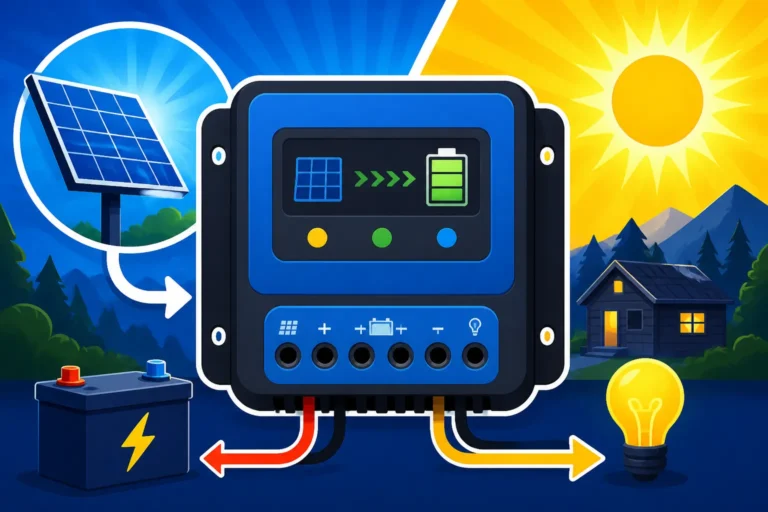
After the panels, the wiring runs to a charge controller, which regulates the power flowing to your batteries. An MPPT charge controller is highly recommended for flexible panels, as it can efficiently convert higher panel voltage down to the battery bank's voltage, maximizing charging efficiency. From the charge controller, power goes to your Best Off-Grid Solar Batteries, and then through an inverter to power your AC appliances. It's crucial to use properly sized wiring and fuses throughout the entire system to prevent overheating and ensure safety. If you're unsure about this, reviewing a detailed Off-Grid Solar Wiring Diagram Explained can be incredibly helpful.
Cleaning and Longevity Tips
While flexible solar panels are generally durable, a little care goes a long way in ensuring their long-term performance and efficiency. Unlike rigid panels, some flexible panels (especially those without an ETFE coating) can be more prone to scratching or staining, so gentle cleaning is advised.
- Regular Cleaning: Aim to clean your panels every few weeks, or more often if they're exposed to significant dust, bird droppings, or pollen. Use a soft cloth or sponge with plain water, or a very mild, non-abrasive soap solution. Avoid harsh chemicals, abrasive brushes, or high-pressure washers, which can damage the protective layer. For more detailed advice, check out our guide on How to Clean Off-Grid Solar Panels.
- Inspect Wiring and Connections: Periodically check all wiring and MC4 connections for signs of wear, corrosion, or looseness. Secure connections prevent voltage drop and potential fire hazards.
- Monitor Performance: Keep an eye on your system's output. A sudden drop in power generation might indicate dirt accumulation, shading issues, or a fault in the panel or charge controller. A battery monitor, like those from Victron Energy, can provide valuable insights into your system's health.
- Avoid Excessive Bending or Creasing: While flexible, these panels aren't indestructible. Avoid bending them beyond their recommended radius or sharply creasing them, as this can damage the internal cells.
- Shading Awareness: Because flexible panels often run hotter due to less airflow beneath them, and are prone to partial shading on curved surfaces, be extra mindful of shadows. Even a small amount of shade on one part of a panel can significantly reduce the output of the entire panel due to series connections within the panel.
Following these maintenance tips, which are also part of a broader Off-Grid Solar Maintenance Guide, will help you get the most out of your investment and enjoy reliable power for years to come.
Pros and Cons of Flexible Solar Panels
Like any technology, flexible solar panels come with their own set of advantages and disadvantages. Understanding these trade-offs is crucial for making an informed decision about whether they are the right fit for your off-grid energy needs.
The Bright Side: Benefits of Going Flexible
The benefits of flexible solar panels are compelling, especially for specific applications:
- Lightweight: This is arguably their biggest advantage. Weighing significantly less than rigid panels, they reduce overall vehicle weight (improving fuel efficiency), make installation much easier, and lessen the structural load on roofs or decks. For mobile applications like RVs, vans, and boats, where every pound counts, this is a game-changer.
- Low Profile: Their thin design means they sit virtually flat against the mounting surface. This drastically reduces wind resistance and drag, which is critical for vehicles, and also maintains a sleek, unobtrusive aesthetic. No more bulky panels sticking up inches from your roof! This low profile also helps in situations with height restrictions, like parking garages for RVs.
- Flexibility and Conformity: The ability to bend and conform to curved surfaces is a unique selling point. This opens up mounting possibilities on irregularly shaped roofs, boat hulls, or even soft surfaces like awnings or tents, where rigid panels would be impossible to install.
- Durability (Impact Resistance): While glass panels can shatter upon impact, flexible panels are often much more resilient to bumps, dropped tools, or even walking on them (depending on the specific panel and installation). Their polymer construction absorbs impacts, making them ideal for dynamic environments.
- Easier Installation: Without heavy frames or complex mounting hardware, installation is often simpler and quicker. Many panels can be secured with just adhesive, reducing the need for drilling holes. This often makes them a favorite for DIY enthusiasts, potentially reducing Off-Grid Solar Installation Cost.
- Portability: Some flexible panels are designed to be easily moved, rolled up, or folded, making them perfect for temporary setups, camping, or emergency kits.
The Realistic View: Challenges and Limitations
Despite their advantages, flexible solar panels aren't without their drawbacks. It's important to have a realistic understanding of these limitations:
- Heat Dissipation Issues: Because flexible panels are often glued directly to a surface with no air gap underneath, heat can become a significant problem. Solar cells lose efficiency as they get hotter. Without airflow to cool the panel, temperatures can climb, leading to a noticeable drop in power output, especially on hot, sunny days. This effect can make their actual power generation lower than advertised peak ratings.
- Generally Lower Efficiency (Historically): While modern flexible monocrystalline panels are catching up, traditional flexible thin-film technologies (like amorphous silicon) tend to be less efficient than rigid crystalline silicon panels. This means you might need more surface area of flexible panels to achieve the same wattage as rigid ones. However, as mentioned, high-efficiency flexible monocrystalline options are readily available from brands like SunPower and Renogy.
- Shorter Lifespan (Potentially): The polymer materials used in flexible panels, while durable, can degrade over time due to constant UV exposure and temperature fluctuations. This can lead to yellowing, cracking, or delamination, potentially shortening their effective lifespan compared to the 25+ year warranties commonly seen on rigid glass panels. A typical warranty for flexible panels might be 5-10 years.
- Cost Per Watt Can Be Higher: Often, the Off-Grid Solar Cost Per Watt for flexible panels can be higher than for rigid panels, especially for those high-efficiency models. This is due to specialized materials and manufacturing processes. You pay a premium for the flexibility, low profile, and light weight.
- Susceptibility to Micro-Cracks: While impact-resistant, repeated bending or continuous flexing beyond their recommended radius can lead to micro-cracks in the solar cells, which can slowly reduce efficiency over time.
- Repair Difficulty: If a flexible panel is damaged, especially if it's delaminated or has significant cell damage, it's typically not repairable and requires full replacement.
When Flexible Panels are the Right Choice
Given these pros and cons, flexible solar panels are the ideal solution in several specific situations:
- Mobile Lifestyles: If you're living the RV, van life, or marine adventure dream, flexible panels are often the most practical choice. Their low profile, light weight, and ability to conform to curved surfaces solve critical challenges inherent in mobile power setups.
- Weight Restrictions: Any application where minimizing added weight is paramount, such as ultralight campers, certain aircraft, or portable systems.
- Aesthetic Preferences: When you want your solar array to be as inconspicuous as possible, blending seamlessly with the vehicle or structure.
- Curved Surfaces: If your mounting surface isn't flat, flexible panels are often the only viable option without significant structural modifications.
- Temporary or Portable Power: For scenarios like car camping, emergency backup, or remote work where panels need to be easily deployed and packed away.
- Budget-Conscious Small Systems: For small setups that don't need massive power, entry-level flexible panels offer a cost-effective way to get some solar input, easily purchased from retailers like Amazon.
Ultimately, the best choice depends on your specific needs, budget, and priorities. Weigh the convenience and aesthetic benefits against potential long-term performance and cost considerations.
| Feature / Type | Flexible Solar Panels | Rigid Solar Panels |
|---|---|---|
| Weight | Very lightweight (e.g., 4-10 lbs for 100W) | Heavy (e.g., 15-25 lbs for 100W) |
| Profile | Ultra-thin, low profile (0.08 – 0.2 inches) | Thicker, higher profile (1.2 – 1.6 inches) |
| Flexibility | Bends up to 30 degrees (some more) | Not bendable, shatterable |
| Efficiency | 18-22% (monocrystalline flexible) | 20-23% (monocrystalline rigid) |
| Durability | Impact resistant, less prone to shattering | Glass can shatter, but cells are well protected |
| Heat Performance | Can run hotter without airflow, slight efficiency loss | Better airflow if mounted, better heat dissipation |
| Mounting | Adhesive, grommets, direct screw-down | Racking systems, clamps, heavy mounting hardware |
| Cost per Watt | Generally higher | Generally lower |
| Lifespan/Warranty | Typically 5-10 years | Typically 25+ years (performance warranty) |
| Ideal Use Cases | RVs, vans, boats, portable, curved surfaces, aesthetics | Homes, cabins, ground mounts, maximum long-term efficiency |
Disclaimer
The information provided in this guide is intended for general informational purposes only and does not constitute professional advice. Off-grid solar system design and installation can be complex and involve electrical hazards. Always consult with a qualified solar professional or electrician before undertaking any solar project. Adherence to local building codes, electrical codes, and permitting requirements is essential for safety and compliance. We are not responsible for any damage, injury, or loss resulting from the use or misuse of this information.