Off-Grid Solar Maintenance Guide
So, you’ve taken the plunge and embraced the incredible freedom of off-grid living, haven't you? It's a fantastic feeling to be independent, but let's be honest, the thought of your precious power system faltering can be a real source of anxiety, especially when you're reliant on it for everything. This guide is all about giving you the peace of mind that comes from knowing how to properly care for your off-grid solar setup, ensuring it keeps humming along reliably for years to come.
Why Off-Grid Solar Maintenance is Crucial
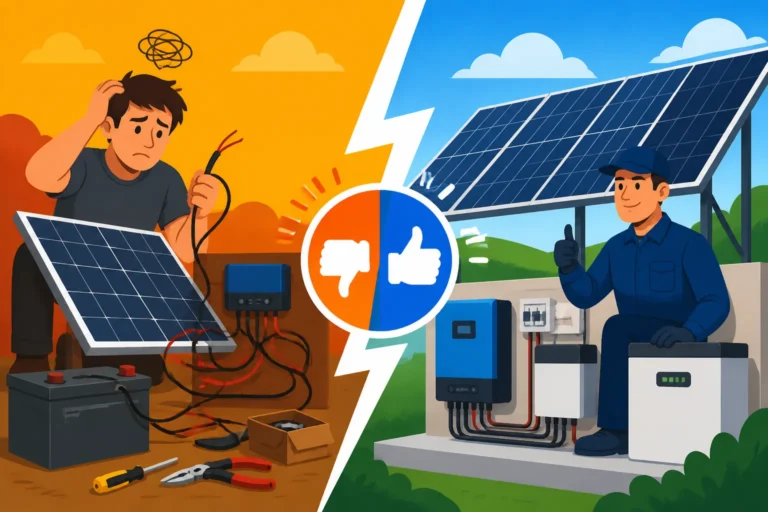
When you live off the grid, your solar power system isn't just a convenience; it's your lifeline. Unlike grid-tied systems where the utility company often handles a good chunk of the oversight and maintenance, you are the steward of your own power here. Ignoring maintenance isn't just a minor oversight; it can lead to catastrophic failures, unexpected costs, and, worst of all, being left in the dark.
Protecting Your Investment
Let's face it, putting together an off-grid solar system is a significant financial commitment. You've invested in panels, batteries, inverters, and charge controllers, all of which represent a sizable chunk of change. Think of your solar setup like a vehicle: you wouldn't buy a brand new truck and never change the oil, check the tires, or top up the fluids, right? The same principle applies here. Regular, proactive maintenance is the single most effective way to protect that investment. It keeps components running efficiently, prevents premature wear and tear, and helps you catch small issues before they snowball into expensive repairs or complete system overhauls. A well-maintained system will simply last longer, giving you a better return on your initial outlay.
Ensuring Consistent Power Supply
The primary goal of going off-grid is reliable, continuous power, right? Nothing is more frustrating than waking up to a dead battery bank or an inverter alarm when you need power the most. Maybe you're relying on your power for essential medical equipment, or perhaps you're just trying to keep your food cold in the fridge. Consistent power means peace of mind, and regular maintenance is the cornerstone of that consistency. It allows you to monitor the health of your system, ensuring that your batteries are charging correctly, your panels are producing optimally, and all components are communicating as they should. This proactive approach drastically reduces the chances of unexpected outages, keeping your homestead, RV, or cabin powered without a hitch.
Preventing Costly Repairs
"An ounce of prevention is worth a pound of cure" couldn't be truer for off-grid solar. Small, easily fixable issues can quickly escalate into major, expensive problems if left unaddressed. A loose wire, a slightly corroded terminal, or a build-up of dirt on your panels might seem minor, but over time, these can lead to reduced efficiency, increased stress on components, and even fire hazards. Imagine replacing an entire battery bank because you neglected to check water levels or clean terminals. That's a huge expense that could have been avoided with simple, routine care. By catching these issues early, you can often fix them with minimal effort and cost, saving yourself from the headache and financial strain of major repairs down the line.
Daily and Weekly Off-Grid System Checks
Staying on top of your off-grid system doesn't have to be a full-time job, but a few routine checks can make a world of difference. These quick daily and weekly glances are your first line of defense against any budding problems.
Monitoring Your System Performance
One of the easiest yet most powerful things you can do is simply pay attention to your system's output. Most modern off-grid inverters and charge controllers come with displays or companion apps that provide real-time data. Take a few minutes each day, or at least a few times a week, to look at your battery state of charge (SOC), the power being generated by your solar panels, and your current load. Are the numbers consistent with what you expect for the time of day and weather conditions? For instance, if it’s a bright, sunny day and your panels are showing significantly lower output than usual, that’s a red flag. Many good quality charge controllers, like those from Renogy, offer detailed logging, which can be invaluable for spotting trends and anomalies. Learning how to read appliance wattage labels and understanding your daily energy usage is a critical first step.
If you have a battery monitor, like a Victron SmartShunt, pay close attention to the amp-hours in and out, and the voltage. Is the voltage fluctuating wildly, or is the battery bank consistently not reaching full charge? These simple observations can alert you to a problem long before it causes a full system failure. It's about developing an intuition for your system's normal behavior so anything out of the ordinary immediately stands out.
Visual Inspection of Components
Beyond the digital readouts, a quick physical walk-around can reveal a lot. Start with your solar panels. Are they free of obstructions? Any new shading from growing trees, satellite dishes, or even bird nests? Check the panel frames for any signs of damage, loose mounting hardware, or corrosion. Follow the wiring from the panels down to your charge controller. Are the cables securely fastened, without any visible fraying, cracks, or signs of animal chewing? Look at your battery bank. Are the terminals clean and tight? Any bulging, leaking, or strange odors? These are all indicators of potential issues.
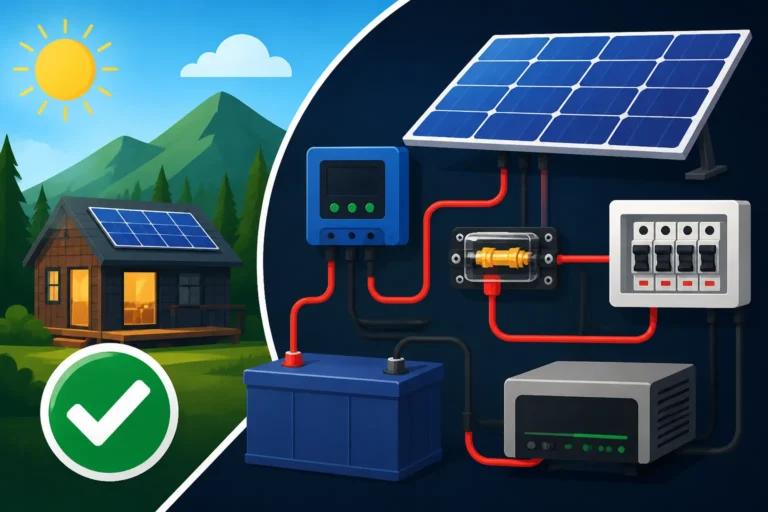
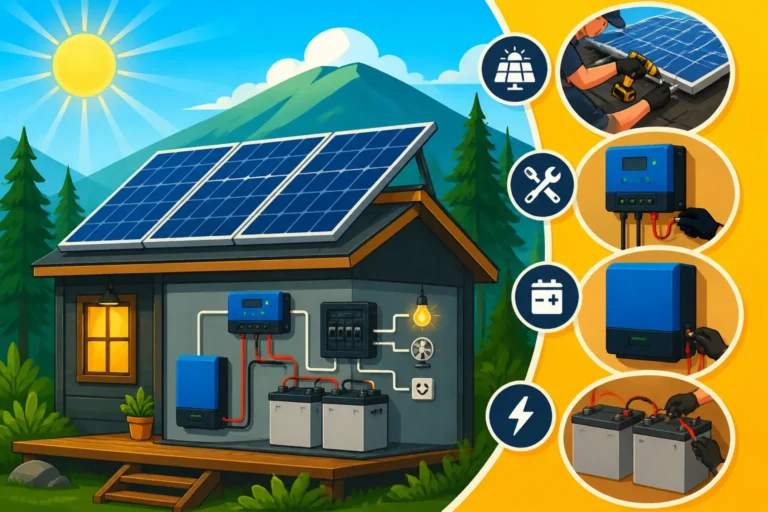
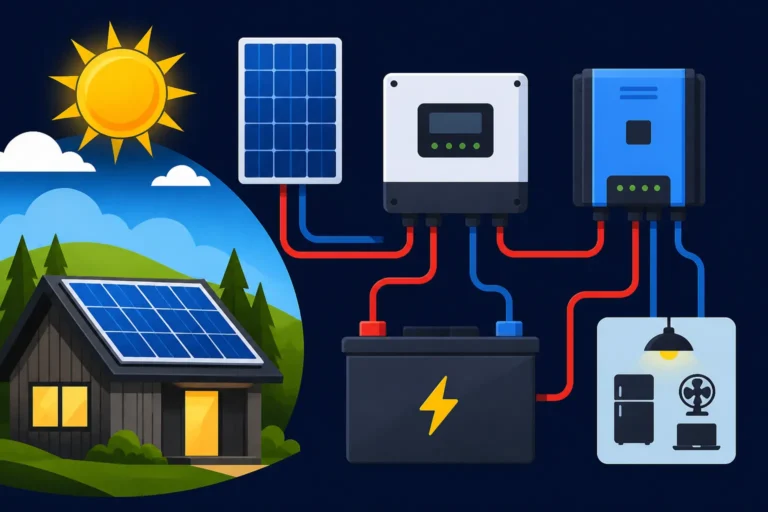
Then, glance at your charge controller and inverter. Are their indicator lights showing green (normal operation) or are there any error codes? Feel the components; are they excessively hot? You should also check your electrical breakers and fuses. Are any tripped? A quick visual sweep for anything that looks out of place, smells odd, or sounds unusual can often pinpoint an issue before it becomes a major headache. This kind of inspection is especially important if you've recently had a storm or high winds, as physical damage can occur without you immediately realizing it. For a deeper dive into connections, you might want to review an Off-Grid Solar Wiring Diagram Explained.
Keeping Your Panels Clean
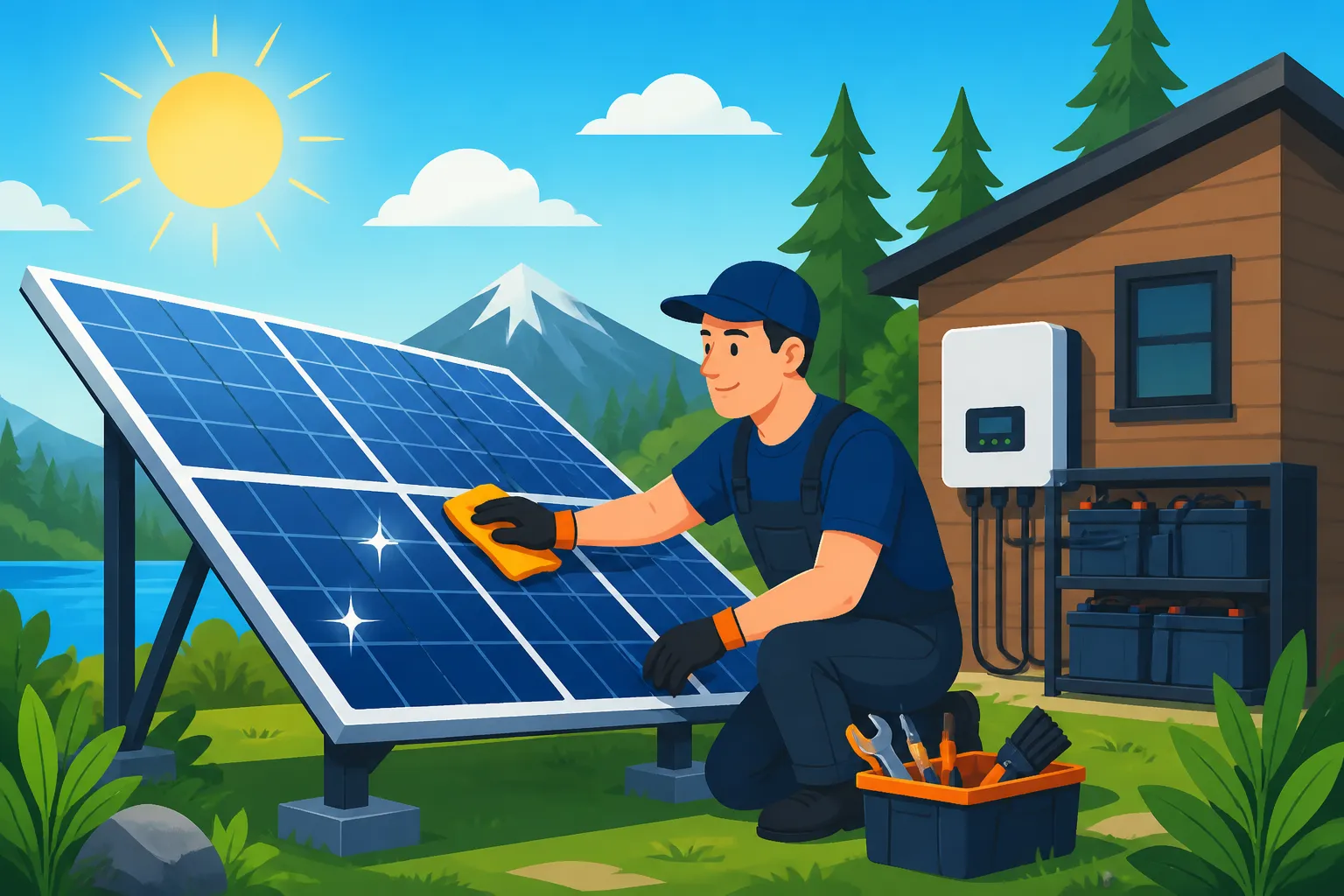
This might seem basic, but dirty solar panels are less efficient panels, plain and simple. Dust, pollen, bird droppings, leaves, and even environmental pollutants can create a film over your panels that blocks sunlight. Over time, this buildup can significantly reduce your system's energy production. A quick rinse with a hose, especially after a dry, dusty period or a heavy pollen season, can make a noticeable difference.
For more stubborn grime, you can use a soft brush or squeegee with a mild, non-abrasive soap (like dish soap diluted in water). Always clean your panels when they are cool, either early in the morning or later in the evening, to prevent thermal shock and to ensure the cleaning solution doesn't dry too quickly and leave streaks. Never use harsh chemicals or abrasive materials, as these can scratch or damage the protective coating on your panels. Depending on your location and climate, you might need to do this weekly, bi-weekly, or monthly. A regular cleaning schedule, as covered in a guide like How to Clean Off-Grid Solar Panels, ensures your panels are always soaking up maximum sunlight.
Monthly and Quarterly Maintenance Tasks
Moving beyond daily observations, monthly and quarterly checks involve a bit more hands-on attention to ensure every part of your system is operating within spec. These tasks are critical for long-term health and preventing unexpected downtimes.
Checking Battery Health
Your battery bank is often the most expensive and temperamental component of your off-grid system, and proper care is paramount. For flooded lead-acid batteries, checking electrolyte levels monthly is non-negotiable. You’ll need to top up with distilled water if levels are low, always making sure to wear appropriate safety gear (gloves, eye protection). These batteries also benefit from occasional equalization charges, which can help balance cell voltages and remove sulfation from the plates, extending their lifespan. Consult your battery manufacturer's guidelines for the correct equalization voltage and frequency.
If you have AGM or gel batteries, you won't need to add water, but you should still visually inspect them for any signs of bulging, cracking, or terminal corrosion. For those with advanced LiFePO4 (lithium iron phosphate) batteries, like those offered by Renogy, maintenance is significantly lower, but regular monitoring of their State of Charge (SOC) and voltage is still crucial. A battery monitor is especially useful here to track individual cell voltages if your battery system supports it. Regardless of chemistry, ensuring terminals are clean and tight is key. Loose or corroded terminals can cause resistance, leading to inefficient charging and discharging, and even potential fire hazards. A detailed guide on How to Maintain an Off-Grid Battery Bank can offer more specific advice for your battery type.
Inspecting Wiring and Connections
Over time, vibrations, temperature fluctuations, and environmental factors can cause wires to loosen or degrade. Quarterly, you should perform a more thorough inspection of all wiring, from the solar panels to the charge controller, from the charge controller to the battery bank, and from the battery bank to the inverter. Look for any signs of wear, fraying, rodent damage, or areas where insulation might be compromised. Give each connection point a gentle tug to ensure it’s secure. If you find any loose connections, tighten them carefully with the appropriate tools.
Pay particular attention to areas exposed to the elements or high foot traffic. UV exposure can degrade cable insulation, while pests might chew through wires in hidden spots. DC circuits, especially those coming directly from the solar panels and going to the batteries, carry significant current, so any loose or corroded connection can create dangerous heat and voltage drops. This isn't just about efficiency; it's a critical safety measure. Regular inspection helps prevent common off-grid wiring mistakes and ensures everything is safely installed.
Charge Controller and Inverter Checks
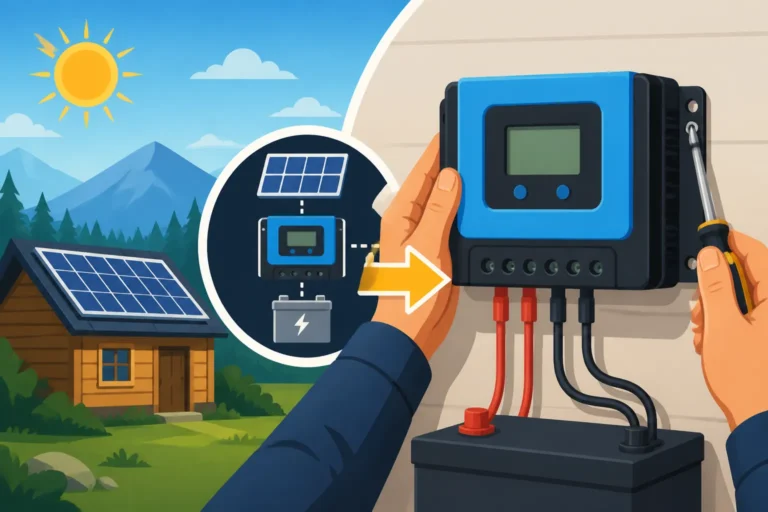
Your charge controller and inverter are the brains of your off-grid system, managing power flow and converting DC to AC power. Monthly or quarterly, take a moment to ensure their vents are clear of dust, dirt, or insect nests. Proper airflow is essential to prevent overheating, which can significantly shorten their lifespan or lead to system shutdowns. You can use compressed air or a soft brush to gently clean the vents and cooling fins.
Also, check for any firmware updates available from the manufacturer. Many modern inverters and charge controllers, especially integrated units, can receive updates that improve performance, add features, or fix bugs. While these are often not critical day-to-day maintenance, staying current can optimize your system's operation. Confirm that all settings, such as battery charging parameters (for lead-acid), are still correct and haven't been accidentally changed. Ensure any external display units or remote monitoring connections are working properly. If you're experiencing unusual power fluctuations, an inverter malfunction could be the culprit, warranting a closer look at these central components.
Annual and Bi-Annual Deep Dives
These are the big maintenance tasks, the ones you schedule less frequently but are absolutely vital for the long-term health, safety, and efficiency of your off-grid power system. Think of them as the major tune-up your system needs to stay in peak condition.
Thorough Panel Inspection and Cleaning
While weekly cleaning keeps the surface grime off, an annual inspection of your solar panels needs to be more comprehensive. This means getting up close and personal. Check for any micro-cracks on the panel glass, which can happen due to hail or falling debris. Look for delamination, where the protective layers of the panel start to separate, often visible as bubbles or discoloration under the glass. Inspect the aluminum frames for structural integrity, signs of bending, or corrosion. The junction boxes on the back of the panels, where the wiring connects, should be checked for water ingress or loose connections.
You might also want to test individual panel output with a multimeter, especially if your overall system production has dropped. This helps identify any underperforming panels that might need repair or replacement. In colder climates, examine panels for frost heave damage to mounting structures or ice damming issues that could lead to water infiltration around roof penetrations. This deeper inspection ensures the physical integrity of your power generation source.
Battery Bank Desulfation or Equalization
For many types of lead-acid batteries, regular equalization or desulfation cycles are crucial. While you might perform a light equalization monthly, an annual or bi-annual deep equalization is often recommended. This is a controlled overcharge that helps reverse sulfation (the buildup of lead sulfate crystals on the battery plates) and balance the voltage of individual cells within the battery bank. Sulfation is the number one killer of lead-acid batteries, and preventing it is key to extending their lifespan.
However, it's vital to follow your battery manufacturer's specific instructions for equalization, as incorrect voltages or durations can damage the batteries. This process typically requires a charge controller that supports equalization, like many Renogy models. For lithium batteries, while they don't sulfation, ensuring the Battery Management System (BMS) is properly balancing cells is important. Many modern LiFePO4 batteries have internal balancing, but checking their health parameters annually is still a good practice. Understanding How Batteries Drive Off-Grid Solar Cost emphasizes why this step is so important for preserving your investment.
Structural and Grounding Integrity
The physical mounting of your solar panels and the grounding of your entire system are critical for both safety and performance. Annually, inspect all mounting hardware. Are the bolts tight? Are there any signs of rust or weakening in the racking system? For roof-mounted systems, check the flashing and seals around penetrations to ensure there are no leaks. High winds or heavy snow loads can stress mounting points, leading to potential instability.
Equally important is verifying your system's grounding. A proper ground protects your components from lightning strikes and surge events, and it safeguards you from electrical shock. Inspect all grounding rods and their connections. Ensure ground wires are intact, securely clamped, and free from corrosion. If you've made any changes or additions to your system, or if you live in an area prone to lightning, this check is non-negotiable. A comprehensive review of your system's Off-Grid Solar Safety and Grounding should be part of this annual deep dive. If you're unsure about any aspect of grounding, it's always best to consult with a qualified electrician.
Troubleshooting Common Off-Grid Solar Issues
Even with diligent maintenance, issues can sometimes pop up. Being able to diagnose and address common problems quickly can save you a lot of frustration and keep your power flowing. Remember, safety first: always disconnect power before working on electrical components.
Low Power Output Diagnostics
One of the most common complaints is "my panels aren't producing enough power!" This can be incredibly frustrating, especially when you're depending on that energy. First, rule out the obvious: Are the panels clean? Is it a sunny day, or is it heavily overcast? Cloudy weather significantly reduces solar production. If those aren't the culprits, start by checking your charge controller display. Is it receiving power from the panels? Compare the input voltage from your solar array to what the panels are rated for. If the voltage is low, you might have a problem with your panel wiring (e.g., a loose connection in a series string) or a faulty panel.
Next, check the output of the charge controller to your batteries. Is the charging current what you'd expect? If the input from the panels is good but the output to the batteries is low, the charge controller itself might be faulty, or your batteries might be full, causing the controller to reduce current. Using a multimeter to test voltage at various points in the circuit can help isolate the problem. You'll want to review your Off-Grid Solar System Sizing Guide to remember what production levels are normal for your system. Don't forget to check all fuses and breakers; a tripped breaker or blown fuse can completely cut off power flow from your panels.
Battery Charging Problems
Your batteries are the heart of your off-grid system, and issues with charging can quickly leave you powerless. If your batteries aren't fully charging, or are discharging too quickly, several factors could be at play. First, ensure your solar array is sized correctly to meet your daily energy needs and fully recharge your batteries, especially in winter. If your solar array is undersized, no amount of maintenance will fix insufficient charging.
Check the battery voltage at rest (no charge or discharge for a few hours). If it's consistently low, the batteries might be nearing the end of their life, especially if they are older lead-acid units, signaling that it might be time for Cost to Replace Off-Grid Solar Batteries. Improper charging parameters on your charge controller (e.g., incorrect bulk, absorb, or float voltages for your battery type) can also prevent full charging or cause premature battery degradation. Over-discharging batteries repeatedly is another common issue that shortens their lifespan; ensure your low-voltage disconnect settings are appropriate. If you're running lead-acid batteries, check electrolyte levels and specific gravity in each cell. Imbalances can indicate a failing cell or a need for equalization.
Inverter Malfunctions
The inverter converts your battery's DC power into the AC power that most of your appliances use. When it malfunctions, your AC loads will suffer or shut down entirely. If your inverter isn't providing power, first check its display for any error codes. Many inverters have internal diagnostics that can point you to the specific problem, such as low battery voltage, overload, or overheating.
Check the AC output breakers on your inverter and in your main panel. A sudden surge or an overloaded circuit can trip these. If the inverter is showing an overload error, identify and temporarily disconnect high-draw appliances to see if the problem resolves. Ensure the battery cables connected to the inverter are secure and free of corrosion, as loose connections can cause voltage drops and stress the inverter. If the inverter is overheating, ensure its cooling vents are clear and it has adequate airflow around it. Sometimes, a simple reboot of the inverter (disconnecting all power for a few minutes and then reconnecting) can clear a temporary glitch. If issues persist, refer to the How to Troubleshoot Off-Grid Solar article for more in-depth diagnostics. For persistent or complex issues, especially with high-end models, reaching out to the manufacturer's technical support is often the best course of action.
Extending the Lifespan of Your Off-Grid Components
Getting the most out of your off-grid solar system means not just fixing problems as they arise, but actively working to extend the life of each component. This involves smart design choices, proper protection, and a forward-thinking approach to upgrades.
Proper System Sizing and Design
One of the biggest factors determining the longevity and reliability of your off-grid system isn't maintenance after installation, but the quality of the planning before it. An undersized system will constantly strain its components, especially the batteries and inverter, leading to premature failure. If your solar array isn't large enough to consistently recharge your batteries, they will suffer from chronic undercharging and sulfation. Similarly, an inverter that's too small for your peak loads will frequently trip or run at its limits, shortening its life.
Taking the time to accurately calculate your daily energy usage and peak loads, and then sizing your system accordingly, is crucial. This includes thinking about seasonal variations and designing for a few days of autonomy for your batteries. When designing, consider redundancy where critical. For example, some people opt for two smaller charge controllers rather than one large one, so if one fails, they still have some charging capability. A comprehensive guide like How to Size an Off-Grid Solar System can help you avoid these pitfalls from the start, setting your system up for a long, healthy life.
Environmental Protection
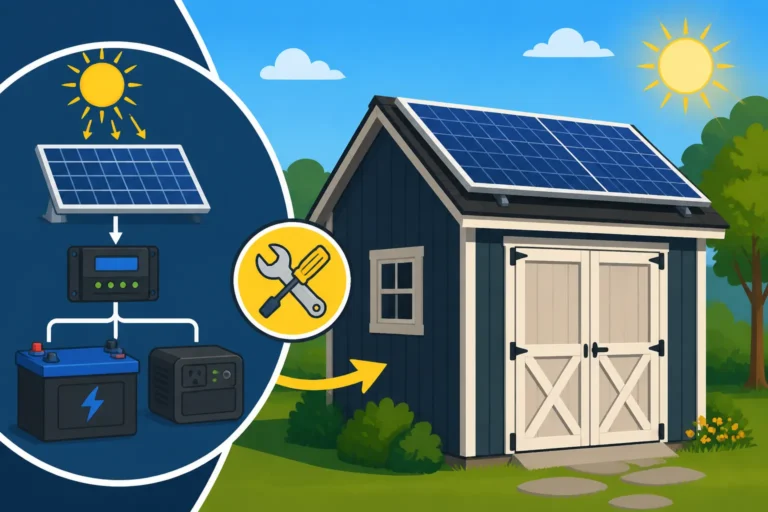
Your off-grid components, particularly those outdoors, are exposed to harsh elements. Protecting them from environmental stressors is vital for their longevity. Solar panels are designed to be tough, but extreme weather like hail, heavy snow, or high winds can still cause damage. Ensure your mounting system is robust and properly rated for your local climate conditions. Consider a small roof or awning over your critical indoor components (batteries, inverter, charge controller) if they are in an open-air shed or workshop, to protect them from direct sun, rain, and extreme temperature swings.
Batteries are especially sensitive to temperature. Lead-acid batteries lose capacity and cycle life in cold temperatures, and overheat in hot temperatures. Lithium batteries also perform better within certain temperature ranges. If possible, house your batteries in a temperature-controlled environment, or at least in an insulated box. For those in frigid zones, learning How to Winterize an Off-Grid Solar System is key to protecting your batteries from damage. Keeping electrical connections dry and free from dust and debris, perhaps using sealed enclosures, also prevents corrosion and short circuits. You can find robust junction boxes and weather-resistant cable glands on platforms like Amazon to enhance protection.
Planned Upgrades and Replacements
Even with the best maintenance, components eventually reach the end of their useful life. Planning for these inevitable replacements can help you manage costs and prevent unexpected downtime. Batteries, for example, have a finite number of charge/discharge cycles. Knowing the expected lifespan of your Best Off-Grid Solar Batteries allows you to budget for their replacement in advance. Monitoring their performance over time will give you clues as to when they are nearing the end.
Similarly, inverters and charge controllers typically have warranties ranging from 5 to 10 years, sometimes more. While they might last longer, planning for an upgrade or replacement around that timeframe can be a wise move, especially as technology advances. Newer models often offer higher efficiency, better monitoring capabilities, or more robust features. Having a phased plan for expanding an off-grid system or replacing aging components ensures your system remains reliable and efficient without sudden, budget-breaking expenses.
Off-Grid Solar Maintenance Checklist
Here's a handy checklist to help you keep track of your off-grid solar system maintenance tasks. Remember to tailor this to your specific system and local conditions.
| Task Category | Frequency | Details |
|---|---|---|
| System Monitoring | Daily/Weekly | Check charge controller/inverter display (SOC, production, load). Note any unusual readings or error codes. |
| Monitor weather conditions and compare to panel output expectations. | ||
| Panel Maintenance | Weekly/Bi-weekly (as needed) | Visual check for debris, dust, bird droppings. Rinse with water if dirty. |
| Annually | Thorough cleaning with mild soap and soft brush. Inspect for cracks, delamination, frame damage. Check junction boxes for water ingress. | |
| Annually | Check mounting hardware for tightness, rust, or damage. Inspect for shading issues from vegetation growth. | |
| Battery Maintenance | Monthly | For flooded lead-acid: Check electrolyte levels, top up with distilled water. |
| Quarterly | Inspect all battery terminals for corrosion; clean and tighten as needed. Visual check for bulging or leaks (all battery types). | |
| Annually | Perform equalization charge (lead-acid, per manufacturer specs). Verify BMS health (lithium). Consider specific gravity test (flooded lead-acid). | |
| Wiring & Connections | Quarterly | Visually inspect all wiring for fraying, damage, or loose connections. Gently tug on connections to ensure security. |
| Annually | Check all fuses and breakers for proper function. Inspect main DC and AC disconnects. | |
| Inverter/Charge Controller | Monthly/Quarterly | Check for error codes/indicator lights. Clean vents and cooling fins. |
| Annually | Check for firmware updates. Verify settings (especially battery charge parameters). Inspect wiring connections to units. | |
| Grounding & Safety | Annually | Inspect grounding rods and connections. Ensure all ground wires are intact and secure. Verify structural integrity of all components. |
Disclaimer
The information provided in this guide is for general informational purposes only and does not constitute professional electrical or solar engineering advice. Off-grid solar systems involve high voltages and currents, which can be dangerous. Always consult with a qualified electrician or solar professional before performing any installation, maintenance, or troubleshooting on your system. Always prioritize safety by wearing appropriate personal protective equipment, using insulated tools, and disconnecting power before working on electrical components.