DIY vs Professional Off-Grid Installation
Embarking on the journey of off-grid solar can feel like a monumental task, often leaving folks wrestling with a big question: do I tackle this myself, or do I bring in the pros? It's a valid concern, filled with dreams of self-sufficiency clashing with the daunting realities of electrical diagrams and heavy lifting. This comprehensive guide is here to walk you through the nuances of DIY versus professional off-grid solar installation, helping you weigh the pros and cons to confidently decide the best path for your unique situation.
The Core Dilemma: DIY vs. Professional Off-Grid Solar Installation
The decision to go off-grid with solar is often born from a desire for independence and a connection to nature, whether it's powering a remote cabin, an RV, or even a full-time homestead. But once that initial excitement settles, the practicalities of installation kick in. This is where many of us hit a crossroads: do we roll up our sleeves and learn the ropes, or do we outsource to experienced professionals? Both avenues have their strong advocates and their fair share of potential headaches.
Understanding the Appeal of Each Approach
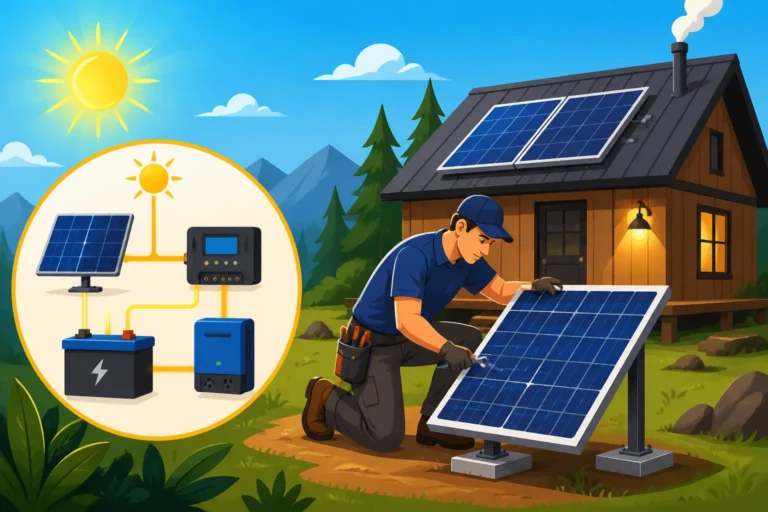
For many, the allure of the DIY route is powerful. There's a real sense of accomplishment in building something with your own hands, especially something as fundamental as your power source. The primary drivers are often significant cost savings on labor, a deep desire to truly understand every component of your system, and the sheer satisfaction of achieving self-reliance. Imagine the pride of flipping a switch and knowing you made that power happen! It's an incredible learning experience, offering unparalleled insight into how to troubleshoot and maintain your system down the line. Many start small, perhaps with a basic system for a shed or a small camper, and gradually expand their knowledge and setup.
On the other hand, the appeal of professional installation is largely about peace of mind and expertise. For those with complex energy needs, large systems, or simply less time and inclination for hands-on electrical work, bringing in certified installers can feel like a huge weight off their shoulders. Professionals come with years of experience, the right tools, knowledge of local codes, and typically offer warranties on their workmanship. They handle everything from system design and permitting to the final commissioning, ensuring safety and optimal performance right from the start.
The Hidden Costs and Benefits You Might Not Expect
When you first look at the price tags, DIY often appears drastically cheaper. You're just paying for the components, right? Well, not exactly. The "hidden costs" of DIY can quickly add up. Beyond just the solar panels, batteries, inverter, and charge controller, you'll need a range of tools you might not own: a good multimeter, wire crimpers, heavy-gauge wire strippers, conduit bending tools, safety gear, and possibly even equipment for lifting panels onto a roof. Then there's the invaluable, yet often uncounted, cost of your time. Researching components, learning the electrical theory, watching endless tutorials, and the actual installation itself can eat up weeks or even months of your life. And let's be honest, mistakes happen, and fixing them can mean re-ordering parts, more downtime, and more frustration. The mental toll of troubleshooting a system that isn't quite working right can be substantial. For a more detailed look, check out our guide on DIY vs Professional Off-Grid Solar Cost.
Conversely, while professional installation carries a higher upfront cost, it also comes with unexpected benefits. Many professional installers offer comprehensive warranties that cover not just the equipment but also their labor. This can be a huge comfort if something goes wrong down the line. They're also often adept at navigating complex permitting processes and ensuring your system meets all local and national electrical codes, which can be a labyrinth for the uninitiated. This compliance isn't just bureaucratic; it's about safety and protecting your property value. While you might pay more initially, you're investing in reliability, safety, and a system that's designed and installed to maximize its efficiency and lifespan. You can get a clearer picture of the overall investment by reading our article on Off-Grid Solar Installation Cost.
The DIY Off-Grid Solar Journey: Is It Right for You?
The romantic idea of building your own power system from scratch is incredibly appealing, and for many, it's a completely achievable dream. However, it's crucial to approach the DIY route with a realistic understanding of what it truly entails. This isn't just about bolting panels to a roof; it's about becoming intimately familiar with electrical principles, safety protocols, and problem-solving.
The Realities of Doing It Yourself
So, who thrives with a DIY off-grid solar setup? Generally, it's someone with a decent mechanical aptitude, a willingness to learn, and an ample supply of patience. If you enjoy tinkering, researching, and aren't afraid of getting your hands dirty (and occasionally scratching your head in confusion), DIY might be a fantastic fit. Many DIYers start with smaller, more manageable projects, like powering a small RV or a basic cabin. For these setups, complete off-grid solar kits from brands like Renogy are incredibly popular. These kits often include panels, a charge controller, an inverter, and all the necessary cables, simplifying the component matching process. Websites like Amazon are also treasure troves for individual components and smaller kits, making it easy to source everything you need.
The typical DIY process usually looks something like this:
- Assess Your Needs: Before buying anything, you need to understand how much power you actually consume. This involves doing a thorough load analysis for all your appliances and devices. Our guide on How to Calculate Off-Grid Solar Needs is a great place to start.
- System Sizing: Once you know your energy usage, you can determine the size of your solar array (panels) and battery bank. This is a critical step; undersize and you'll run out of power, oversize and you'll spend more than necessary. Check out How to Size an Off-Grid Solar System for a detailed walkthrough.
- Component Selection: Research and purchase your panels, batteries, charge controller, inverter, wiring, fuses, and disconnects. This is where knowing reputable brands and understanding specifications really pays off.
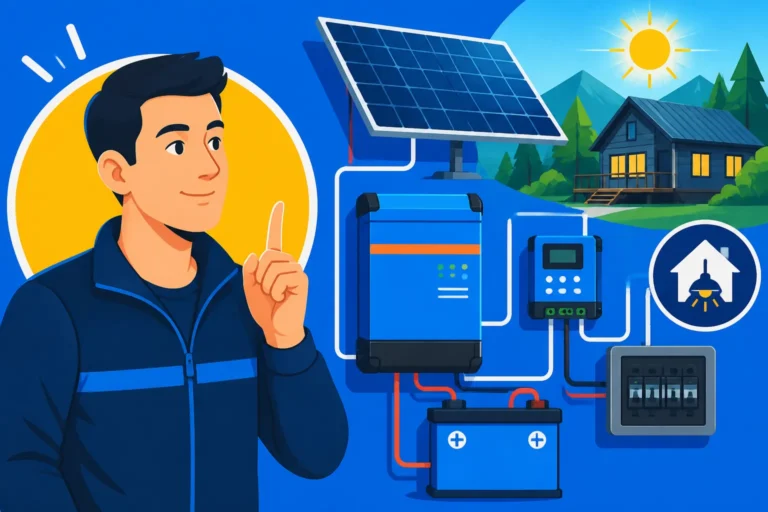
- Installation: This involves mounting panels, wiring them to a combiner box (if applicable), running cables to your charge controller, connecting the charge controller to your battery bank, and finally, wiring the inverter to your batteries and then to your AC loads. A comprehensive resource like How to Install an Off-Grid Solar System will be invaluable.
- Testing and Commissioning: Once everything is hooked up, you'll need to carefully test your system to ensure it's functioning correctly and safely.
The pros of DIY are compelling:
- Cost Savings: By eliminating labor costs, you can significantly reduce the overall investment, potentially saving thousands, especially for larger systems. You'll definitely want to look into How Much Does an Off-Grid Solar System Cost to see the breakdown.
- Deep Understanding: You'll gain an intimate knowledge of every wire, every connection, and every component. This is invaluable for future maintenance, troubleshooting, and even expanding your system.
- Flexibility and Customization: You have complete control over component selection, layout, and how your system is built, allowing for a truly bespoke solution tailored to your exact needs.
- Empowerment: The satisfaction of achieving energy independence through your own efforts is a powerful motivator.
However, the cons are equally important to consider:
- Time and Effort: DIY is incredibly time-consuming, requiring extensive research, planning, and physical labor. It's not a weekend project for a whole-house system.
- Risk of Mistakes: Electrical work carries inherent risks. Improper wiring can lead to system damage, fires, or serious injury. Common errors are detailed in articles like Common Off-Grid Wiring Mistakes.
- Lack of Warranties (on Labor): While individual components come with warranties, your installation labor isn't covered by a professional guarantee. If something goes wrong due to an installation error, you're on the hook to fix it.
- Troubleshooting Challenges: When issues arise, diagnosing them can be incredibly difficult without professional diagnostic tools and experience.
- Permitting and Code Compliance: Depending on your location and the size of your system, you may need permits and inspections. Navigating these requirements and ensuring your system meets the National Electrical Code (NEC) can be complex for non-experts.
Essential Tools, Knowledge, and Resources for DIYers
If you're leaning towards DIY, you need to be prepared. This isn't a task to be taken lightly.
Essential Tools:
- Multimeter: Absolutely non-negotiable for testing voltage, current, and continuity.
- Wire Crimpers and Strippers: For correctly sizing and terminating electrical wires.
- Safety Gear: Insulated gloves, safety glasses, hard hat (if working overhead), appropriate footwear.
- Conduit Bending Tool: If you plan to run wires in conduit for protection.
- Wrenches and Sockets: For mounting hardware and tightening connections.
- Drill: For mounting panels, inverters, and other components.
- Voltmeter/Battery Monitor: To keep an eye on your battery state of charge.
Crucial Knowledge:
- Basic Electrical Principles: Understanding voltage, current, resistance (Ohm's Law), and how DC and AC power differ.
- Series vs. Parallel Wiring: Knowing how to wire solar panels and batteries correctly to achieve the desired voltage and current. Our guide on How to Wire an Off-Grid Solar System covers this in depth.
- National Electrical Code (NEC) Basics: Even if not strictly required for permits in your area, following NEC guidelines ensures safety and best practices.
- Component Specifications: Understanding data sheets for panels, inverters, and charge controllers (e.g., Voc, Isc, max input voltage, surge ratings).
- Battery Chemistry: Knowing the characteristics of LiFePO4 vs. lead-acid batteries and their specific charging/discharging requirements.
Valuable Resources:
- Manufacturer Manuals: Read them thoroughly for all your components. They contain vital information on installation, wiring, and safety.
- Online Forums and Communities: Websites like DIY Solar Forum or dedicated Facebook groups can be goldmines for advice, troubleshooting, and learning from others' experiences.
- YouTube Tutorials: Visual learners can benefit immensely from step-by-step videos on everything from mounting techniques to wiring diagrams.
- Books and Online Courses: Invest in educational materials that provide a structured approach to learning solar power design and installation.
- Wiring Diagrams: Always work from a clear Off-Grid Solar Wiring Diagram Explained to ensure correct and safe connections.
Opting for Professional Off-Grid Solar Installation
For many people, the thought of designing, sourcing, and installing a complex electrical system is simply too much. That's perfectly understandable! This is where professional off-grid solar installers shine, offering expertise and peace of mind that can be worth every penny.
When to Bring in the Experts
There are specific scenarios where hiring a professional isn't just a convenience but almost a necessity.
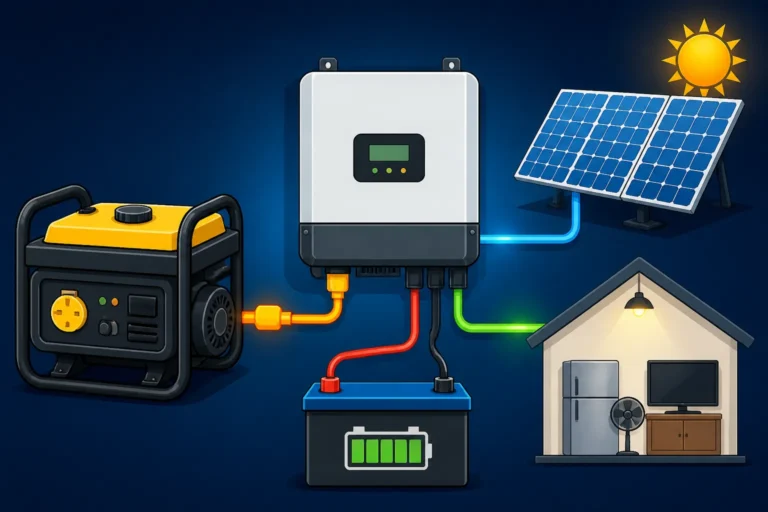
- Complex System Requirements: If you're looking to power a whole house with significant energy demands, or if you need advanced features like generator auto-start integration, the complexity scales quickly. Professionals are equipped to handle intricate system designs that ensure optimal performance and seamless integration of various components.
- Challenging Locations or Climates: Installing panels on a steep roof, in areas prone to heavy snow loads, high winds, or extreme temperatures requires specialized knowledge and equipment. Professionals have the experience to design for these environmental factors, ensuring durability and safety.
- Time Constraints: If you need your system up and running quickly, or if you simply don't have the months required for a large DIY project, professionals can typically complete installations much faster and more efficiently.
- Lack of Technical Expertise: If you're not comfortable with electrical work, circuit design, or intricate wiring, attempting a large-scale DIY project could be dangerous and lead to costly mistakes.
- Permitting and Code Compliance: In many jurisdictions, installing solar, especially grid-interactive or larger off-grid systems, requires permits and adherence to strict local and national electrical codes. Professionals are intimately familiar with these regulations, ensuring your system is compliant and passes inspections without a hitch.
- Desire for Warranties and Support: Professional installers typically offer warranties on their labor, in addition to manufacturer warranties on components. This provides a crucial layer of protection and ongoing support should any issues arise after installation.
The benefits of professional installation are significant:
- Expertise and Experience: Professionals have a deep understanding of solar technology, electrical codes, and best installation practices. They can design a system that is perfectly tailored to your energy consumption and site conditions, maximizing efficiency and longevity.
- Efficiency and Speed: With specialized tools and trained crews, professionals can complete installations much faster and more efficiently than a single DIYer.
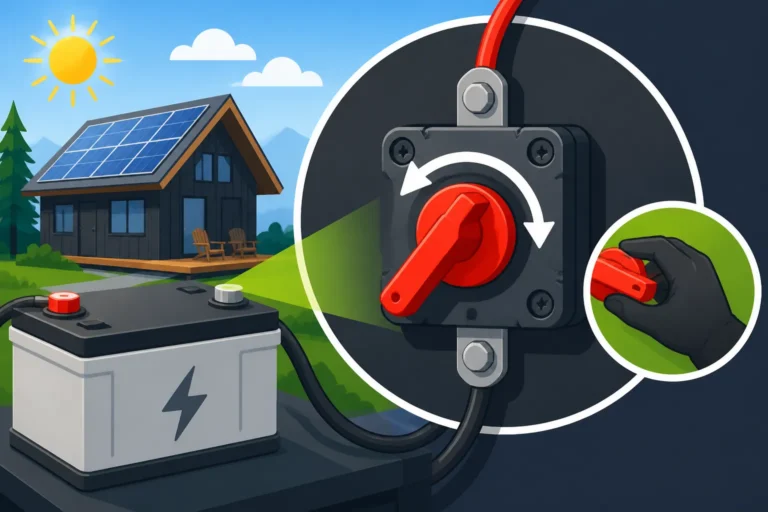
- Safety: Electrical work is inherently dangerous. Professionals are trained in safety protocols and have the right equipment to minimize risks during installation.
- Compliance and Permitting: They handle all the necessary paperwork, permits, and inspections, ensuring your system is legal and safe.
- System Warranties: Most reputable installers offer warranties on their workmanship, providing peace of mind.
- Optimized Performance: An expertly designed and installed system will perform better, charge batteries more efficiently, and minimize losses, ultimately saving you money in the long run.
- Post-Installation Support: Many companies offer maintenance plans and are readily available for troubleshooting or repairs, which is a huge relief when you rely on your system daily.
Of course, there are also some drawbacks:
- Higher Upfront Cost: This is the most obvious one. Labor costs can add significantly to the total price of your system.
- Less Personal Control: You relinquish some control over the specific components and installation methods, relying on the installer's recommendations.
- Scheduling Dependencies: You're on the installer's schedule, which can sometimes lead to delays.
- Finding the Right Installer: It's crucial to thoroughly vet and choose a reputable, experienced off-grid solar installer, as not all solar companies specialize in true off-grid systems.
What to Expect from a Professional Installer
When you decide to hire a professional, the process typically follows a structured path designed to ensure a smooth and successful installation.
- Initial Consultation and Site Assessment: This is where it all begins. An installer will visit your property, discuss your energy goals, assess your daily power needs (which is why knowing How to Calculate Off-Grid Solar Needs is so useful even if you're not doing it yourself!), evaluate potential panel locations for sun exposure and shading, and examine your existing electrical infrastructure. They'll also consider factors like roof pitch, structural integrity, and battery bank location.
- System Design and Proposal: Based on the assessment, the installer will design a custom off-grid solar system. This includes selecting the appropriate size and type of solar panels, batteries, inverter, charge controller, and all balance-of-system components. They'll provide a detailed proposal outlining the equipment, design, expected energy production, costs, and timeline. This is also where they’ll factor in local codes and permitting requirements.
- Permitting and Approvals: Once you approve the design, the installer will handle all the necessary paperwork for local permits and utility approvals (even for off-grid, there might be certain electrical permits). This can be a complex and time-consuming process, so having an expert manage it is a major benefit.
- Equipment Procurement and Installation: After permits are secured, the components are ordered. The installation team will then arrive on-site to mount the solar panels, install the battery bank, inverter, charge controller, and all associated wiring and safety disconnects. This is where you might see quality brands like Victron or Outback Power being installed due to their robust performance in off-grid applications. For larger systems, understanding the Off-Grid Solar Cost: Complete Breakdown can help you anticipate various expenses.
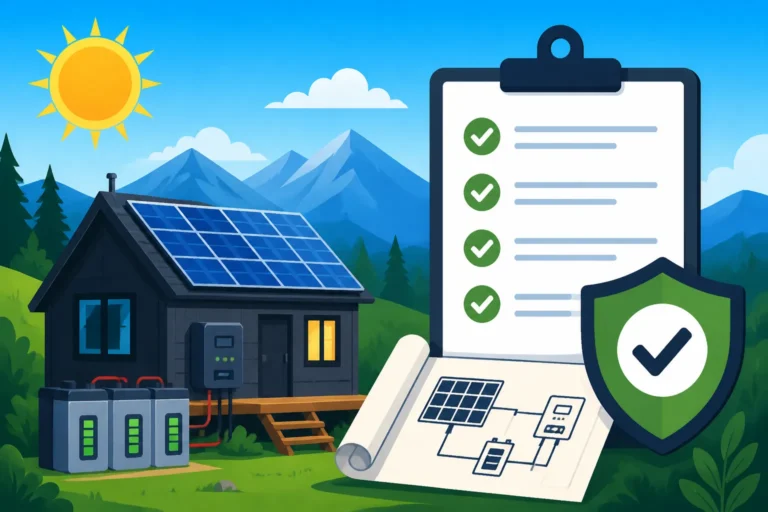
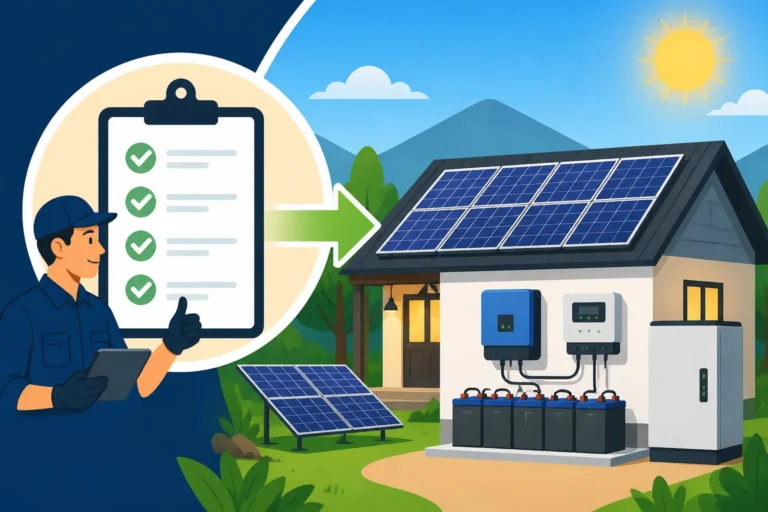
- Testing, Commissioning, and Handover: Once the physical installation is complete, the system undergoes rigorous testing to ensure everything is functioning correctly and safely. The installer will commission the system, turn it on, and then walk you through its operation, maintenance requirements, and how to monitor its performance.
- Post-Installation Support and Maintenance: Reputable installers offer ongoing support. This might include troubleshooting assistance, warranty claims, and scheduled maintenance services to keep your system running optimally for years to come. This long-term relationship can be incredibly valuable for the lifespan and reliability of your off-grid power.
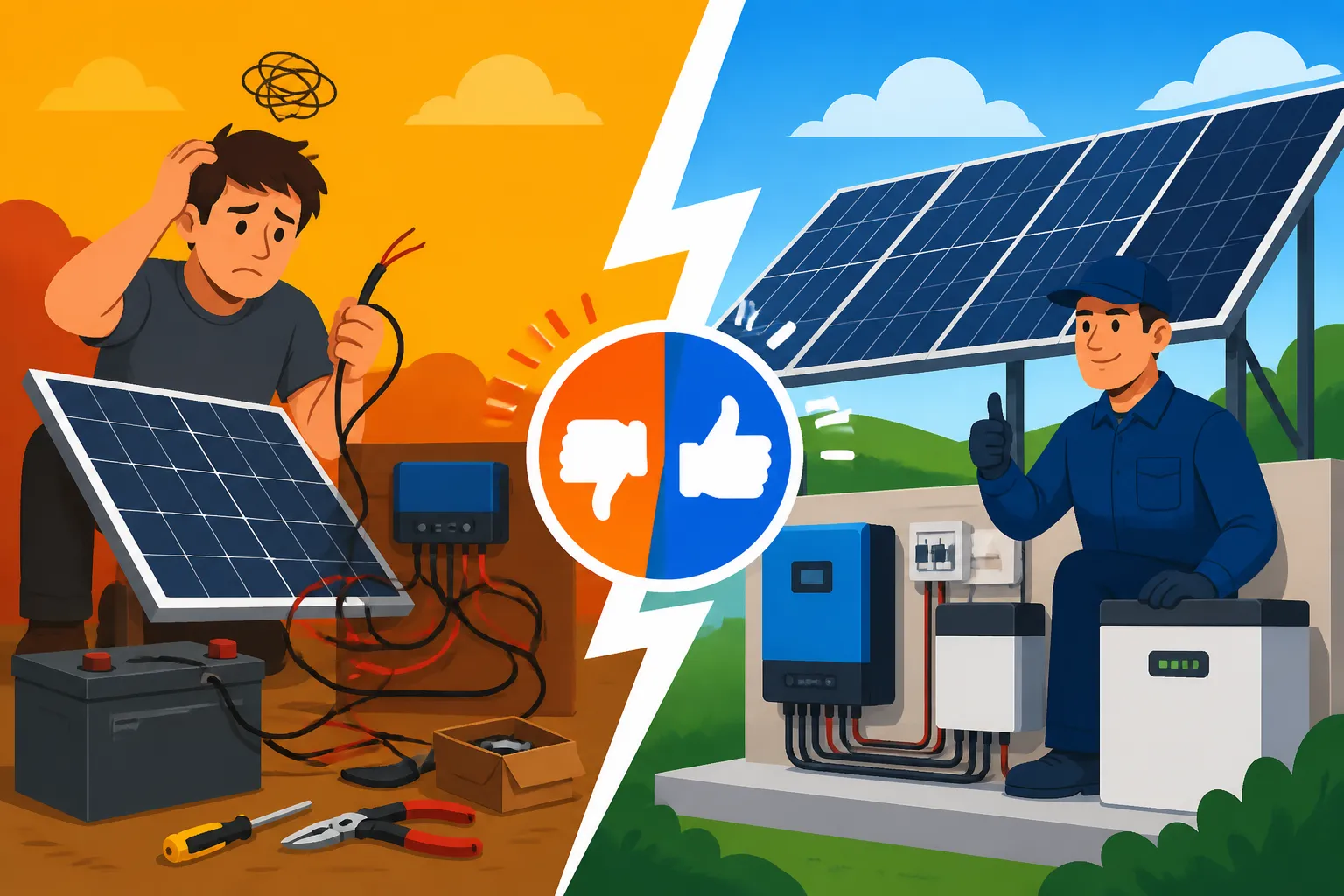
Making Your Decision: A Side-by-Side Comparison
Now that we've explored both paths, it's time to put them head-to-head and consider what truly matters for your off-grid dreams. There's no single "right" answer; it's about finding the best fit for you.
Key Factors to Consider
When weighing DIY against professional installation, ponder these crucial aspects:
- Budget: This is often the first and most pressing concern. Are you trying to minimize upfront costs as much as possible, or are you willing to invest more for a hands-off, professionally guaranteed solution? Remember the hidden costs of DIY (tools, time, potential mistakes) and the long-term value of professional warranties and optimized performance. The initial savings of DIY can be tempting, but it's essential to look at the Lifetime Cost of an Off-Grid Solar System.
- System Complexity: How large and intricate is your planned system? A small setup for a weekend cabin or an RV is far more approachable for DIY than a multi-array system for a year-round home with heavy appliance loads, air conditioning, and a well pump. The more complex the system, the more the expertise of a professional becomes a significant advantage.
- Time Commitment: How much free time do you realistically have to dedicate to this project? DIY isn't just a physical installation; it's a significant time investment in research, learning, planning, sourcing parts (possibly from different vendors like Amazon or specialized solar suppliers), and then the actual build. Professionals complete installations much faster.
- Skill Level and Comfort with Electrical Work: Are you comfortable working with high-voltage DC and AC electricity? Do you understand wiring diagrams, fusing, grounding, and battery safety? If you're hesitant about any of these, a professional installer provides a crucial layer of safety and expertise.
- Risk Tolerance: Are you prepared for the possibility of making mistakes, troubleshooting issues, or even facing safety hazards? While rewarding, DIY carries inherent risks. A professional offers a reduced personal risk and often insurance against installation errors.
- Local Regulations and Permits: Does your local jurisdiction require permits for off-grid solar? Will you need inspections? Navigating these bureaucratic hurdles can be a huge headache for individuals, but it's routine for professional installers.
A Decision-Making Framework and Table
To help you crystallize your thoughts, ask yourself these questions:
- What's my primary motivation? Is it maximum cost savings, total independence, learning a new skill, or simply reliable, worry-free power?
- How much research am I willing to do? Am I ready to deep-dive into manuals, electrical theory, and community forums?
- Do I have access to the necessary tools and equipment? Am I willing to buy or rent them?
- What's my timeline? Can I afford for the project to take longer than initially expected?
- How critical is this power source? If it's for a primary residence, reliability is paramount, making professional installation more appealing.
- What does my partner/family think? Will they support the time and effort of a DIY project, or prefer a turnkey solution?
Here’s a comparative table to summarize the key differences:
| Feature | DIY Off-Grid Solar Installation | Professional Off-Grid Solar Installation |
|---|---|---|
| Upfront Cost | Lower (primarily component costs) | Higher (includes labor, design, permitting) |
| Total Cost | Potentially lower, but includes cost of tools, time, potential re-dos | Higher, but often includes warranties, peace of mind, optimized system |
| Time Commitment | Significant (research, learning, installation, troubleshooting) | Minimal (initial consultation, review, handover) |
| Skill & Knowledge Req. | High (electrical basics, safety, system design, troubleshooting) | Low (rely on expert's knowledge) |
| Control & Customization | Full control over every detail and component choice | Guided by professional recommendations, but still customizable |
| Safety & Risk | Higher risk of errors, potential safety hazards, no labor warranty | Lower risk, professional adherence to codes, labor warranty |
| Permitting & Code | Must research and navigate independently, can be complex | Handled by the professional, ensuring compliance |
| System Performance | Depends on DIYer's skill, potential for suboptimal design/setup | Optimized for efficiency, longevity, and site conditions |
| Troubleshooting | Entirely your responsibility, requires deep system understanding | Professional support and diagnostic services available |
| Learning Curve | Steep, but provides invaluable hands-on experience | Minimal, focus on understanding how to operate your system |
Ultimately, the choice between DIY and professional installation is a deeply personal one, reflecting your comfort level, budget, and desired involvement. Both paths can lead to a successful off-grid solar system, but understanding the journey for each will help you make the best decision for your energy independence. For a broader overview of starting your off-grid journey, consider reading our The Complete Off-Grid Solar Buyer's Guide.
Disclaimer
The information provided in this guide is for general informational purposes only and does not constitute professional electrical or solar engineering advice. Off-grid solar installations involve high voltage electricity and should be approached with extreme caution. Always consult with qualified professionals and adhere to all local electrical codes and safety regulations before undertaking any electrical work.