How to Clean Off-Grid Solar Panels
Living off-grid is a dream for many, but the reality is that maintaining your independent power system takes work. One common oversight that can silently steal your hard-earned electricity and shorten your system's life is neglecting to clean your solar panels. Dust, pollen, bird droppings, and even leaves can drastically cut down on your power production, forcing you to rely more on backup generators or simply go without. This guide will walk you through everything you need to know about keeping your off-grid solar panels spotless and performing at their peak, ensuring you get every last watt of power you deserve.
Why Keeping Your Off-Grid Solar Panels Squeaky Clean Matters More Than You Think
When you've invested in the freedom of off-grid living, every single component of your solar setup works tirelessly to keep your lights on, your fridge cold, and your devices charged. It's easy to set up your panels and assume they'll just keep doing their thing, but the truth is, the environment is constantly working against them. Over time, a film of grime can build up, and this seemingly innocent layer can have a significant, detrimental impact on your energy independence.
The Silent Thief of Power Production
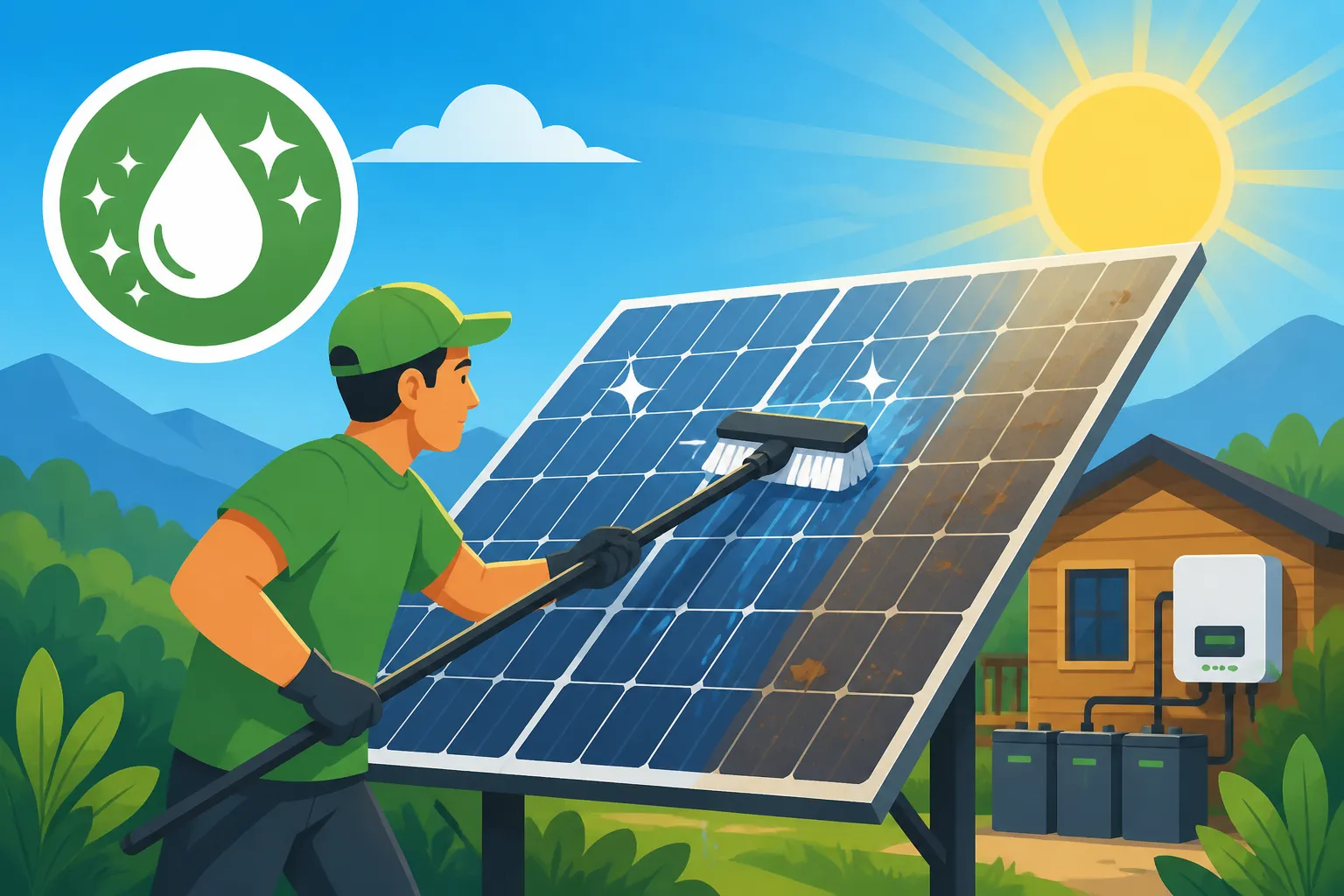
Imagine a thin, dark veil slowly creeping over your solar panels. That's essentially what happens when dust, dirt, pollen from nearby trees, or even a collection of bird droppings accumulates. Each speck, each streak, acts like a tiny shade, preventing sunlight from reaching the photovoltaic cells beneath. While one bird dropping might not seem like much, a consistent buildup across an entire array can significantly reduce its efficiency. We're not just talking about a couple of percentage points here; studies show that dirty solar panels can lose anywhere from 10% to 30% of their power output, sometimes even more depending on the type and severity of the soiling.
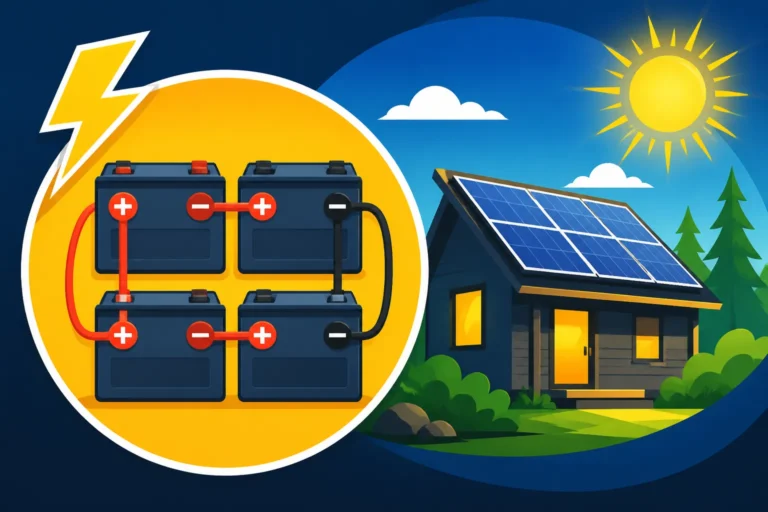
For off-grid systems, where you're completely reliant on what your panels can generate and store, this loss is particularly critical. Less power generated means less power making it to your Off-Grid Solar Battery Bank, which in turn means your batteries aren't getting a full charge. This can lead to shallower discharge cycles, meaning you're effectively using less of your battery capacity each day and might find yourself running out of juice sooner than expected. Over time, persistently undercharging your batteries can even shorten their lifespan, adding unexpected costs to your off-grid journey. If you find your system struggling to meet your needs, cleaning could be the first, simplest solution before you start troubleshooting more complex issues or wondering if you need more How Many Solar Panels for Off-Grid Living.
Protecting Your Investment for the Long Haul
Your solar panels are a significant investment in your off-grid lifestyle, designed to last for decades. Just like any other valuable asset, they require proper care to ensure they reach their full potential and longevity. Beyond the immediate power loss, accumulated dirt can lead to more insidious problems over the long term. Uneven shading, where some parts of a panel are covered while others are exposed to full sun, can create "hot spots." These hot spots occur when shaded cells heat up excessively due to current being forced through them by unshaded cells, and this localized overheating can cause permanent damage to the cell and even the panel itself.
Regular cleaning prevents this kind of thermal stress, helping to maintain the structural integrity and optimal performance of your panels. Think of it as preventative medicine for your solar array. Many solar panel manufacturers, including popular brands like Renogy, suggest regular cleaning to maintain efficiency and often outline recommended practices in their warranty terms. While the specifics can vary, adhering to a consistent cleaning schedule helps safeguard your warranty and ensures your panels continue to produce reliable power for years to come. Ultimately, protecting your panels through proper maintenance contributes directly to minimizing your overall Off-Grid Solar Maintenance Costs and maximizing the return on your investment in energy independence.
Gathering Your Arsenal: The Right Tools for the Job
Before you even think about hosing down your panels, it's crucial to understand that not all cleaning methods or tools are created equal. Using the wrong approach can easily scratch your panels, damage their protective coatings, or even put you in a precarious position. Success in cleaning off-grid solar panels hinges on having the right supplies and prioritizing safety.
Essential Cleaning Supplies
The goal here is simple: clean effectively without causing damage. The most crucial ingredient is often just plain water, but not just any water will do for a streak-free finish.
- Water: For routine cleaning, especially if you live in an area with hard water, distilled or deionized water is your best friend. Tap water, laden with minerals, can leave behind unsightly and performance-reducing spots and streaks, especially after it dries in the sun. If distilled water isn't practical for a large array, soft tap water used with a squeegee can be acceptable, but always be mindful of drying quickly.
- Cleaning Solutions: For most light dirt, plain water is often sufficient. However, for stubborn grime like bird droppings, tree sap, or built-up pollutants, a mild, biodegradable cleaning solution can be very effective. Look for specialized solar panel cleaning solutions available on platforms like Amazon or at solar supply stores. These are formulated to be gentle on solar panel surfaces. Alternatively, a very dilute solution of mild, non-abrasive dish soap (a few drops per gallon of water) can work, but ensure it leaves no residue and rinse thoroughly. Absolutely avoid harsh detergents, abrasive cleaners, or anything with ammonia, bleach, or solvents, as these can damage the panel's surface or coatings.
- Cleaning Tools: This is where gentleness is key.
- Soft-bristle brush: A non-abrasive brush, often with a telescopic handle, is ideal for scrubbing away dirt without scratching. Think car wash brushes, but specifically designed for delicate surfaces.
- Squeegee: For a streak-free finish, especially after applying a cleaning solution, a high-quality squeegee with a soft rubber blade is invaluable. Choose one with a comfortable handle, and ensure the blade is clean and free of nicks before use.
- Microfiber cloths or sponges: These are excellent for spot cleaning or wiping down accessible panels. Their soft fibers trap dirt without scratching.
- Garden hose with adjustable nozzle: A standard garden hose is perfect for an initial rinse to remove loose debris and for the final rinse. An adjustable nozzle allows you to create a gentle spray or a more directed stream for specific areas.
- Safety Gear: Never compromise on safety.
- Non-slip shoes: Essential if you're working on a roof or any elevated surface.
- Gloves: Protect your hands from cleaners and rough surfaces.
- Safety glasses: Protect your eyes from splashed water, cleaning solutions, or dislodged debris.
- Sturdy ladder: If your panels are on a roof or high mount, ensure your ladder is stable, properly secured, and rated for your weight plus equipment. Consider a ladder stabilizer for extra safety.
Specialized Equipment for Hard-to-Reach Arrays
Some off-grid solar setups are on tall roofs, pole mounts, or large arrays that are simply out of arm's reach. For these situations, you might need to step up your cleaning game with more specialized tools.
- Telescopic poles: These extendable poles, often reaching 10-30 feet or more, can attach to a brush or squeegee head. They allow you to clean panels from the ground or a safer, lower vantage point, significantly reducing the risk of falls. Many even come with internal water-fed systems that connect to your garden hose, allowing you to scrub and rinse simultaneously.
- Water-fed pole systems: These are professional-grade tools, essentially specialized telescopic poles that deliver purified water directly to a brush head. The continuous flow of pure water eliminates the need for squeegeeing, as the water dries spot-free. While an investment, they can be a game-changer for large or challenging installations and are available from specialized cleaning suppliers.
- Safety harnesses and fall protection: If you absolutely must access your roof or a high platform to clean, and you are comfortable with such work, always use proper fall protection. This includes a full-body harness, a lifeline, and anchor points. However, for most DIY off-grid homeowners, avoiding roof work whenever possible by using telescopic tools is the safest bet. If you're unsure or uncomfortable, consider hiring a professional service, especially for complex How to Install Off-Grid Solar Panels on steep roofs.
- Robotic cleaners: While still a niche and often expensive solution, robotic solar panel cleaners exist for very large, flat arrays. These autonomous devices can move across the panels, brushing and sometimes even washing them. For most residential off-grid setups, they are overkill, but it's an interesting technology to keep an eye on for the future.
Here’s a quick overview of common cleaning tools and their uses:
| Cleaning Tool | Primary Use | Pros | Cons |
|---|---|---|---|
| Garden Hose | Initial rinse, general wash for light dirt | Easy to use, readily available, removes loose debris | May leave mineral spots, not effective for stubborn grime |
| Soft-Bristle Brush | Scrubbing away accumulated dirt and grime | Safe for panel surface, effective cleaning action | Requires manual effort, needs extension for high panels |
| Squeegee | Achieving streak-free finish | Excellent for removing water and preventing spots | Requires good technique, only for accessible panels |
| Microfiber Cloths | Spot cleaning, gentle wiping of accessible areas | Very gentle, highly absorbent, effective for fine dust | Limited reach, time-consuming for large arrays |
| Telescopic Pole + Brush | Reaching high or distant panels from the ground | Enhances safety by minimizing ladder use, good reach | Can be heavy, less direct control than handheld tools |
| Water-Fed Pole System | Professional-grade cleaning for large arrays | Spot-free drying, highly efficient for large surfaces | Expensive initial investment, requires purified water |
| Specialized Cleaner | Tackling stubborn bird droppings, sap, or grease | Formulated to be safe and effective for solar panels | Costs extra, requires careful rinsing |
Your Step-by-Step Guide to Sparkling Off-Grid Solar Panels
Okay, you've got your gear ready, you understand why this is important, now let's get down to the actual cleaning process. Remember, a careful approach ensures safety and effectiveness. Don't rush it; this is a vital part of your off-grid system's routine maintenance.
Safety First: Pre-Cleaning Preparations
Before you even think about grabbing that hose or stepping onto a ladder, a few critical steps will make your cleaning experience safer and more efficient. Ignoring these can lead to personal injury or damage to your valuable solar system.
First and foremost, choose the right time of day. The absolute worst time to clean your panels is when they are hot, typically midday on a sunny day. Spraying cold water onto hot glass can cause thermal shock, potentially cracking the glass. It also causes water to evaporate rapidly, leading to stubborn streaks and mineral deposits. The best times are early morning, late afternoon, or on a cool, cloudy day. These conditions minimize thermal shock and allow cleaning solutions and water to work effectively without drying too quickly.
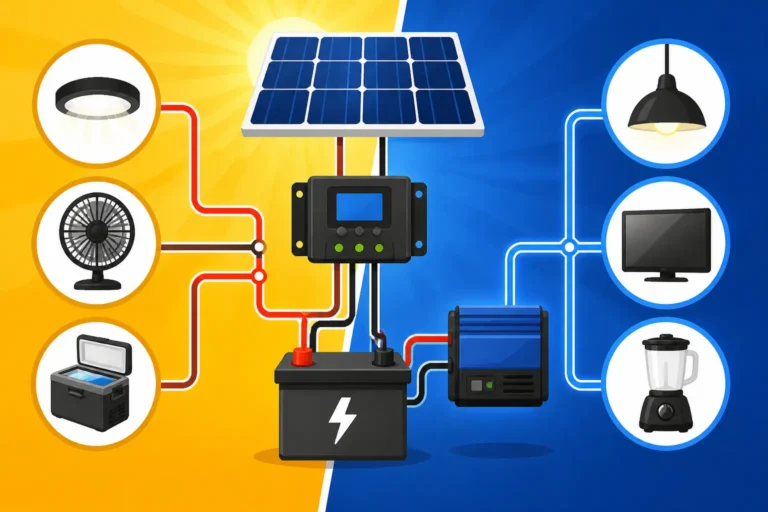
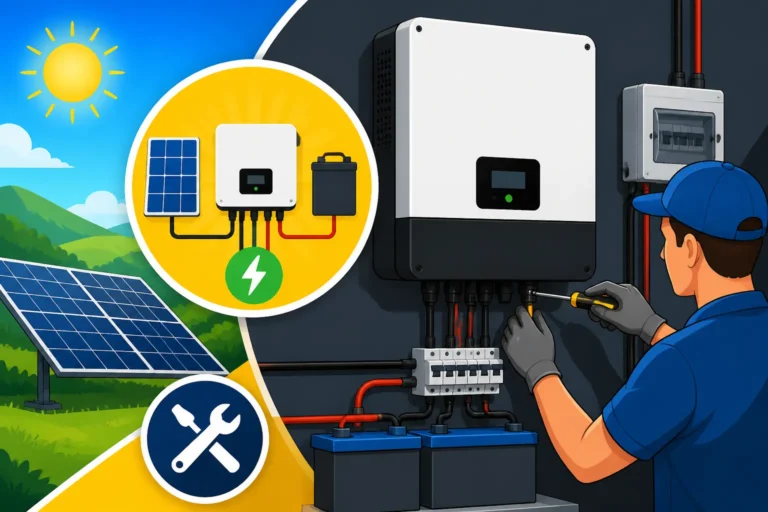
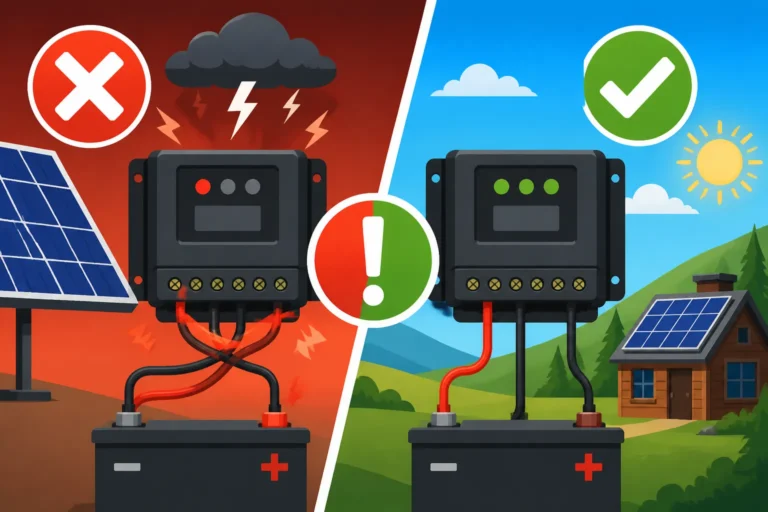
Next, and this is absolutely critical for any off-grid system: disconnect your solar array from your charge controller and inverter. While solar panels only produce DC voltage, handling them when they're actively generating power can still pose an electrical shock hazard, especially if you're using water, which is a conductor. Locate your DC disconnect switch, often found near your charge controller, and switch it off. If you have an AC disconnect from your inverter, switch that off too. This isolates the panels and ensures no current is flowing through the system while you're working. It's a small step that provides a huge safety margin. If you're unsure about this, refer to your system's Off-Grid Solar Wiring Diagram Explained or consult a qualified electrician.
Finally, assess the situation. Take a moment to look at your panels. What kind of dirt are you dealing with? Is it just a light layer of dust, or are there stubborn bird droppings, sticky tree sap, or a greasy film? This assessment will help you decide if plain water is enough or if you'll need a mild cleaning solution. Also, check for any visible damage to the panels, wiring, or mounting structure. If you spot anything concerning, address that before proceeding with the cleaning.
The Cleaning Process Itself
With preparations complete, it's time to get those panels sparkling!
- Initial Rinse: Start by giving your panels a thorough rinse with your garden hose. Use a gentle to medium spray to wash away any loose dirt, dust, leaves, or other debris. This prevents scratching the surface later when you apply your brush or sponge. Make sure to cover the entire surface of each panel, letting gravity help carry the grime away.
- Apply Cleaning Solution (if needed): If your panels have stubborn dirt that the rinse didn't remove, it's time for your cleaning solution. Mix your mild solar panel cleaner or dilute dish soap according to the manufacturer's instructions in a bucket of water (preferably distilled, especially for the final rinse later). Apply the solution liberally to the panels using a soft-bristle brush, sponge, or a spray bottle. Work on one section or panel at a time if you have a large array to prevent the solution from drying.
- Gentle Scrubbing: Using your soft-bristle brush or sponge (attached to a telescopic pole if needed), gently scrub the surface of the panels. Use circular motions or straight passes, applying only light pressure. The goal is to lift the dirt, not to scrape it off. Pay particular attention to areas with heavy buildup like bird droppings or sap; you might need to let the cleaner sit for a minute or two to soften these. For really tough spots, a soft plastic scraper (like those used for car windows, but ensure it's truly non-abrasive) can be used very carefully, but always after softening the grime with cleaner.
- Thorough Final Rinse: This is arguably the most important step after scrubbing. Rinse the panels very thoroughly with clean water to remove all traces of the cleaning solution and dislodged dirt. Any residue left behind can attract more dust or create streaks when it dries, defeating the purpose of your hard work. Again, use a steady, even spray. If you're using tap water, a final rinse with distilled water can significantly reduce spotting.
- Drying (Optional but Recommended): For the absolute best, streak-free finish, especially in hard water areas or if you just want that showroom shine, use a squeegee immediately after the final rinse. Work from top to bottom, overlapping each pass slightly. Wipe the squeegee blade clean with a microfiber cloth after each stroke to prevent redistributing dirt or streaks. While not strictly necessary for performance, a well-squeegeed panel looks fantastic and helps repel future dirt. If you’re not squeegeeing, simply let the panels air dry, ideally on a cool, cloudy day to prevent rapid drying and spotting.
Post-Cleaning Checks and Maintenance Tips
Once your panels are sparkling clean, you're almost done! Don't forget these final steps.
First, reconnect your solar system. Re-engage your DC disconnect switch, and then your AC disconnect if applicable. Make sure everything is securely connected as it was before. You should immediately see your charge controller begin to register current from your panels, indicating they are once again sending power to your batteries.
After reconnecting, monitor your system's performance. Check your charge controller or system monitoring app (many modern off-grid inverters and charge controllers from brands like Victron or Growatt offer these features) to see if your panel output has improved. You should notice a bump in amperage or wattage coming from your array, especially if they were particularly dirty. This immediate feedback helps confirm the effectiveness of your cleaning efforts.
Finally, think about the frequency of cleaning. There's no one-size-fits-all answer here, as it heavily depends on your location and environment.
- High-dust areas: If you live in a desert climate, near agricultural fields, or on a gravel road, you might need to clean your panels monthly or quarterly.
- Coastal or industrial areas: Salt spray or industrial pollutants can create a sticky film, requiring more frequent cleaning, perhaps quarterly to semi-annually.
- Rural, forested areas: Pollen in spring, falling leaves in autumn, and bird activity can necessitate cleaning two to four times a year.
- Temperate climates with infrequent dust: You might only need to clean your panels once or twice a year, or simply on an as-needed basis if you notice a significant drop in power output.
Sometimes, heavy rain can do a decent job of rinsing away light dust, but it often isn't enough to remove sticky grime or bird droppings. Make it a habit to visually inspect your panels regularly. If they look dirty or your energy production seems low compared to typical sunny days, it's probably time for a cleaning. Keep in mind that consistent cleaning can help mitigate some of the challenges, such as How Winter Affects Off-Grid Sizing and overall performance, by ensuring maximum efficiency when sunlight is available.
Common Pitfalls and Smart Solutions When Cleaning Off-Grid Panels
Even with the best intentions, it's easy to make mistakes when cleaning solar panels. Avoiding these common pitfalls will protect your equipment, ensure your safety, and lead to a more effective cleaning outcome.
Avoiding Damage and Injury
The delicate nature of solar panels combined with the electrical components and often elevated positions means that safety should always be your top priority. Accidents can be costly, both in terms of equipment and personal well-being.
- Never use abrasive materials: This is a golden rule. Steel wool, scouring pads, harsh brushes, or any gritty cleaners are a definite no-go. The surface of your solar panels is typically made of tempered glass, but it's still susceptible to scratches. Even tiny micro-scratches can accumulate over time, creating opaque areas that reduce light transmission and can even lead to hot spots. Always opt for soft-bristle brushes, microfiber cloths, or specialized squeegees.
- Don't walk on panels: Unless explicitly designed for it (which most standard PV panels are not), never walk or put significant weight directly on your solar panels. This can cause micro-cracks in the solar cells, which are often invisible to the naked eye but can severely degrade performance and lead to premature panel failure. If panels are on a roof, always use proper safety equipment and walk on the roof structure around the panels, never on them. For ground-mounted arrays, always work from the sides or between rows.
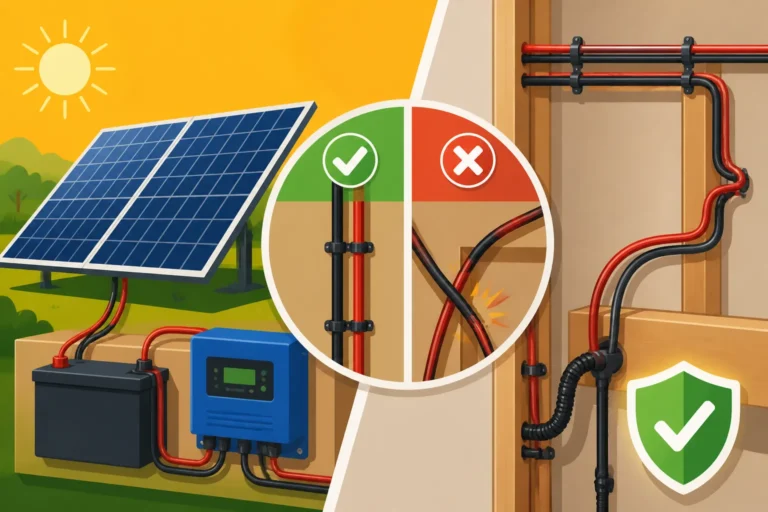
- Watch out for electrical hazards: We've already stressed disconnecting your system, but it bears repeating. Water and electricity are a dangerous combination. Ensure all wiring, junction boxes, and connectors are intact and well-sealed. Never clean a system with damaged wiring or exposed electrical components. If you notice any frayed wires or damaged insulation while cleaning, stop immediately and address the electrical issue before continuing. This is crucial for your safety and the longevity of your How to Install an Off-Grid Solar System.
- Be mindful of weather conditions: Beyond avoiding cleaning hot panels in direct sun, also consider other weather factors. Don't attempt to clean in high winds, which can make ladders unstable and blow debris onto wet surfaces. Avoid cleaning during freezing temperatures, as water can quickly turn to ice, creating a slip hazard and potentially damaging the panels. If you're managing an off-grid cabin in a snowy region, snow removal is a different task entirely, often involving soft brooms or specialty snow rakes, not typically a water-based cleaning.
Dealing with Stubborn Grime and Unique Situations
Sometimes, standard cleaning just won't cut it. Off-grid locations can present unique challenges, and knowing how to tackle them without resorting to desperate, damaging measures is key.
- Heavy bird droppings: These are often the most problematic. They're acidic, sticky, and can harden like concrete in the sun. For fresh droppings, a simple rinse might be enough. For older, hardened ones, pre-soaking is your best strategy. Spray the droppings with water or a mild cleaning solution and let it sit for 5-10 minutes to soften. Then, gently scrape with a soft plastic tool (like a plastic spatula or credit card edge) or scrub with your soft brush. Never try to scrape them dry, as this is a sure way to scratch the panel.
- Pollen or sap: If your off-grid property is surrounded by trees, especially pines or oaks, you'll be familiar with the yellow film of pollen in spring or sticky sap. Pollen generally washes off easily with water. Sap, however, is stickier. A mild, specialized solar panel cleaner is usually effective. For very stubborn sap spots, a small amount of isopropyl alcohol applied to a microfiber cloth and gently wiped can help, followed by a thorough water rinse. Always test a small, inconspicuous area first if using anything stronger than mild soap.
- Remote locations with limited water: If you're really out there, hauling gallons of distilled water might not be feasible. In such cases, prioritize the initial rinse to remove abrasive dust, then use a squeegee with a very minimal amount of mild, soapy water. Alternatively, invest in a good telescopic pole brush that can be used effectively with less water or even dry-brushed for light dust, though this carries a higher risk of micro-scratches. Some folks even consider self-cleaning coatings for panels in such areas, though these are an added expense and have varying degrees of effectiveness.
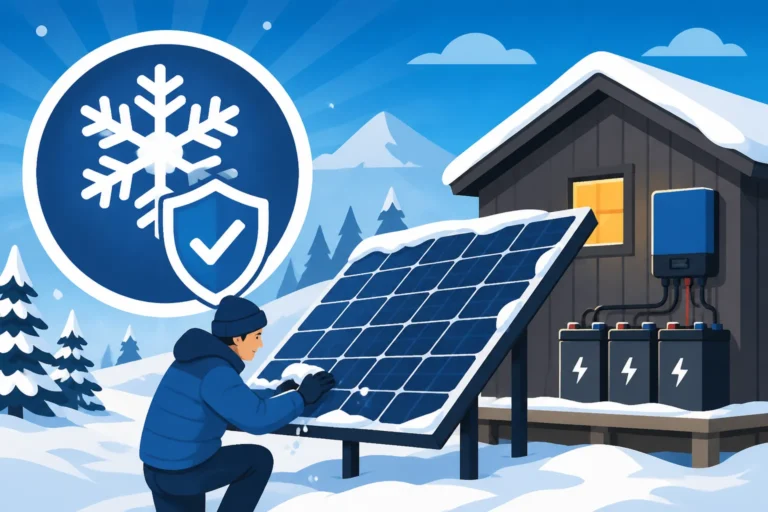
- Winter cleaning and snow removal: While not strictly "cleaning" in the traditional sense, managing snow on panels is essential for winter power generation. Never use hot water to melt snow or ice, as this can cause thermal shock. Instead, use a soft broom or a specialized solar panel snow rake to gently push snow off the panels. Be careful not to damage the panel surface or the mounting hardware. You can also explore options for Off-Grid Solar Cost in Cold Climates which might include more robust panel racking or even small heaters for the panels, though the latter adds to parasitic load.
By understanding these nuances and preparing accordingly, you can ensure your off-grid solar panels remain efficient, safe, and productive, giving you peace of mind and reliable power for your independent lifestyle.
Disclaimer
The information provided in this guide is for general informational purposes only and does not constitute professional advice. While we strive to provide accurate and up-to-date information, off-grid solar installations and maintenance can be complex and involve electrical hazards. Always consult with a qualified solar installer or electrician for specific advice tailored to your system and local regulations. Follow all manufacturer instructions for your solar panels and cleaning products. Prioritize safety, and if you are uncomfortable or unqualified to perform any task, seek professional assistance. We are not responsible for any damage, injury, or loss incurred as a result of following the information presented here.