Is Off-Grid Solar Worth It for a Rv
The dream of hitting the open road in your RV, unconstrained by campground hookups and the hum of a generator, is incredibly appealing. But when you start looking into off-grid solar for your home-on-wheels, a big question quickly pops up: is it really worth the investment and effort for an RV? Many folks grapple with the upfront costs and technical details, wondering if they'll truly see a return in freedom and quiet. This comprehensive guide will help you unpack all the considerations, from financial costs to lifestyle benefits, so you can decide if off-grid solar is the right move for your RV adventures.
Understanding the RV Off-Grid Solar Landscape
Stepping into the world of off-grid solar for your RV can feel a bit like learning a new language. You hear terms like "boondocking," "inverter," and "amp-hours," and it's easy to get overwhelmed. But at its heart, off-grid solar for an RV is about gaining energy independence, allowing you to power your adventures without relying on external sources.
Why RVers Consider Off-Grid Solar
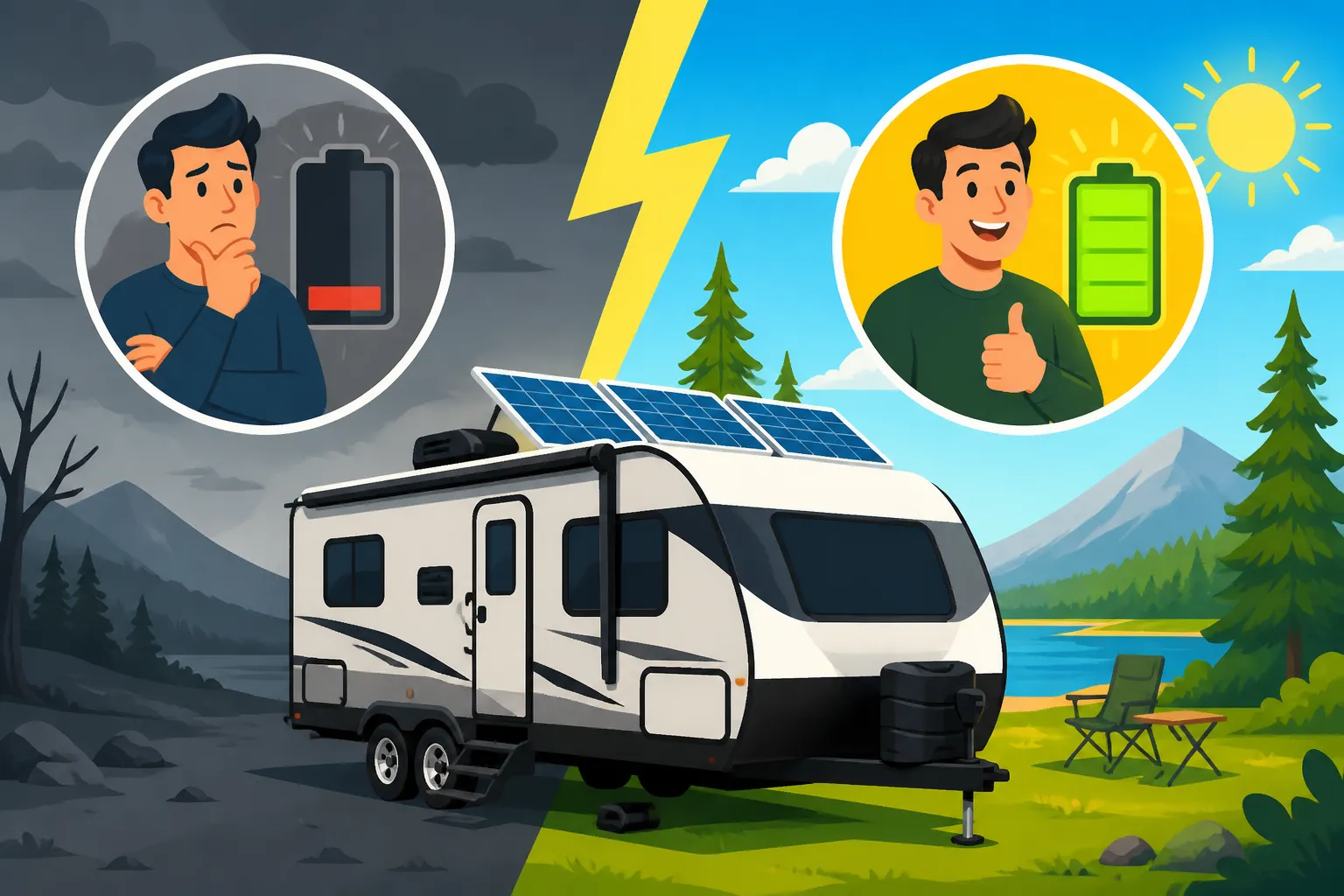
For many RV enthusiasts, the allure of off-grid solar boils down to one word: freedom. Imagine pulling into a breathtaking national forest campsite, far from the nearest electrical hookup, and knowing you still have power for your lights, fridge, and devices. This is a stark contrast to the common frustrations RVers face:
- Reliance on Shore Power: Being tethered to an RV park's electrical pedestal can feel restrictive. You're paying for a spot, often surrounded by other campers, and limited to locations that offer utilities. The whole point of an RV, for many, is to escape that kind of structure.
- Generator Noise and Fuel Costs: When shore power isn't an option, generators become the go-to. While reliable, they're noisy, produce exhaust, and guzzle expensive fuel. Trying to enjoy a peaceful evening campfire only to have it interrupted by your (or your neighbor's) generator can be incredibly annoying. Not to mention the constant need to haul extra gas cans.
- Limited Boondocking Options: Without a robust power solution, your boondocking adventures are often cut short or heavily restricted. You might find yourself constantly rationing power, worrying if your batteries will last through the night, or having to leave a prime spot early to recharge. It's a constant mental juggle that takes away from the relaxation of being out in nature.
- Environmental Impact: For those mindful of their footprint, generators contribute to air and noise pollution. Solar offers a clean, quiet alternative that aligns with a more sustainable lifestyle, letting you enjoy nature without disturbing it (or your neighbors).
The Basic Components of an RV Solar System
Before we dive into the "worth" of it all, let's quickly touch on what an RV solar system generally consists of. It's not as complex as it might seem!
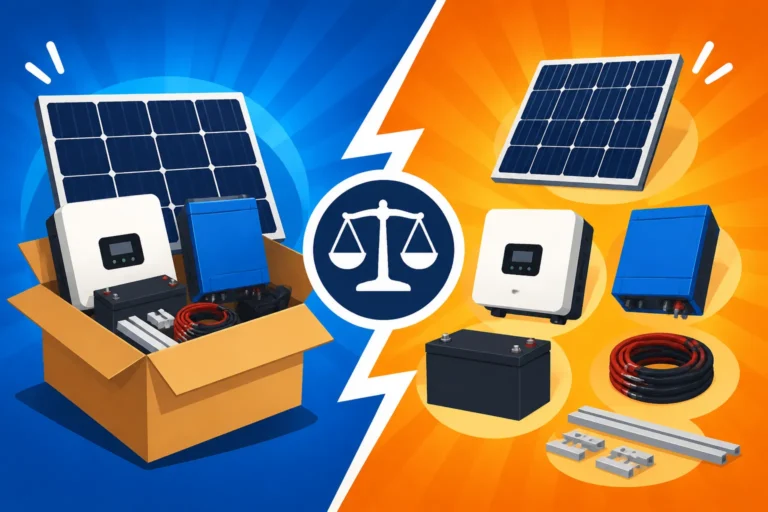
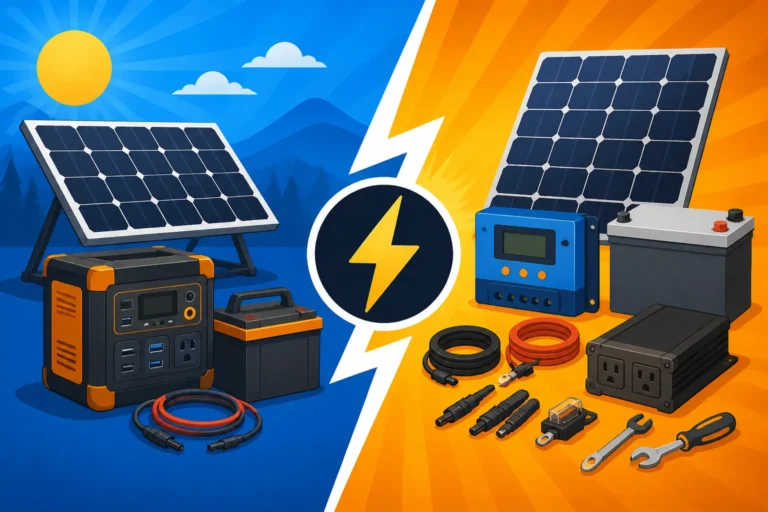
First, you have the solar panels themselves, which capture sunlight and convert it into usable electricity. These are typically mounted on your RV's roof, though portable options also exist. Then there's the charge controller, the brain of the operation, regulating the power flow from your panels to your batteries, preventing overcharging and damage. Next, you have your battery bank, which stores the energy generated by your panels so you can use it when the sun isn't shining. This is a critical component, and its capacity directly impacts how much power you have on hand. Finally, the inverter takes the DC power from your batteries and converts it into AC power, which is what most of your household appliances (like a microwave, TV, or coffee maker) run on.
Understanding these core components helps demystify the system and prepares you to evaluate the costs and benefits. When considering How to Size an Off-Grid System for a Rv, you'll be looking at how these components integrate to meet your specific power demands.
The Financial Equation: Costs vs. Savings
Let's be real: the first thing many RVers think about when considering off-grid solar is the price tag. It's a significant investment, and it's natural to wonder if it will ever pay for itself. While the upfront costs can be daunting, it's crucial to look at the bigger picture, including long-term savings and the intangible value of energy independence.
Initial Investment for an RV Solar System
The cost of setting up an off-grid solar system for your RV can vary wildly, much like the cost of the RV itself. It's not a one-size-fits-all scenario, and your total outlay will depend on several factors:
- System Size: Are you just looking to keep your phone charged and run a few LED lights, or do you want to power an air conditioner, microwave, and all your creature comforts? A small, basic system for minimal use might cost anywhere from $500 to $2,000. A medium system, capable of running a refrigerator, lights, and charging laptops, often falls into the $2,000 to $7,000 range. For a full-fledged system that can handle heavier loads like an AC unit or well pump, you could be looking at $7,000 to $20,000+. This is why understanding Off-Grid Solar Cost by System Size is so important.
- Component Quality: Just like anything else, there are budget-friendly options and premium, high-efficiency components. High-quality panels from reputable brands, advanced MPPT charge controllers, and robust lithium iron phosphate (LiFePO4) batteries will naturally increase the cost compared to cheaper alternatives. For example, a reliable power station like a larger Jackery unit or a full Renogy kit might be more expensive upfront but offer better performance and longevity.
- DIY vs. Professional Installation: This is a major cost differentiator. If you're handy and comfortable with electrical work, a DIY installation can save you thousands of dollars in labor costs. However, if you're not confident, hiring a professional RV solar installer ensures safety and proper functionality, though it adds to the overall expense. The Cost to Power an RV with Solar article goes into more detail on how these costs break down.
- Battery Chemistry: Your choice of battery significantly impacts the overall cost and performance. Lead-acid batteries (like flooded or AGM) are generally cheaper upfront but have shorter lifespans, require more maintenance, and can only be discharged to about 50% without damaging them. LiFePO4 batteries, while a higher initial investment, offer a much longer lifespan (often 10+ years), can be discharged deeper (80-100%), are lighter, and require virtually no maintenance. This trade-off is extensively covered in discussions about LiFePO4 vs Lead-Acid Battery Cost.
Given these variables, it’s clear that the Off-Grid Solar Cost for an RV is a personal calculation, aligning with your usage and budget.
Long-Term Savings and Payback
While the initial investment can seem steep, the long-term savings and benefits often make off-grid RV solar a worthwhile endeavor for many. It's not just about money; it's about value.
- Reduced Campground Fees: This is perhaps the most direct financial saving. RV parks that offer full hookups (electricity, water, sewer) are significantly more expensive than basic dry camping or boondocking sites. With solar, you can bypass those hookup fees altogether, or at least opt for cheaper sites, saving you anywhere from $20 to $100+ per night. If you're a full-timer or frequent traveler, these savings quickly add up.
- Fuel Savings from Less Generator Use: Every hour your generator runs, it's burning gasoline or propane. For heavy users, this can be a substantial expense. An off-grid solar setup drastically reduces your reliance on a generator, cutting down on fuel costs and extending the life of your generator (meaning fewer maintenance and replacement costs down the line).
- Extended Battery Lifespan: While some generator use might still be necessary on very cloudy days, solar charging is much gentler on your batteries than constant deep cycling from only using a generator. This can extend the life of your battery bank, especially if you've invested in LiFePO4 batteries, further delaying replacement costs.
- Increased Resale Value: A well-designed and professionally installed off-grid solar system can be a significant selling point for your RV, potentially increasing its resale value. Many prospective RV buyers are looking for the freedom and independence that solar offers.
- Avoiding Utility Extensions: If you're considering setting up a stationary RV on a remote property, the cost of extending utility lines can be astronomical. In such cases, a standalone off-grid solar system is almost always the more economical choice.
Considering How Off-Grid Solar Saves Money Long-Term and the Off-Grid Solar Payback Period Explained work out, many RVers find that the system pays for itself over several years, especially with frequent use.
| Feature | Initial Cost (Estimate) | Long-Term Savings/Benefits | Considerations |
|---|---|---|---|
| Small System | $500 – $2,000 | Reduced small appliance charging costs, basic lighting. | Limited power, mainly for essentials. May still need generator for larger loads. |
| Medium System | $2,000 – $7,000 | Significant reduction in campground fees, generator fuel savings, extended boondocking. | Can power fridge, lights, electronics. May struggle with AC or heavy appliances. |
| Large System | $7,000 – $20,000+ | Maximize boondocking, near-total generator independence, high comfort, increased resale. | High upfront cost, requires more roof space, heavier components (batteries). |
| DIY Install | Component Cost Only | Substantial labor cost savings. | Requires technical knowledge, time, and comfort with electrical work. Potential for mistakes if not careful. |
| Pro Install | Component + Labor Cost | Peace of mind, proper installation, warranty (often). | Higher upfront cost. Ensures safety and optimal performance. |
| LiFePO4 Batt. | Higher | Longer lifespan (10+ years), deeper discharge, lighter weight, no maintenance, faster charging. | Higher initial investment compared to lead-acid. |
| Lead-Acid Batt. | Lower | Lower initial cost. | Shorter lifespan (2-5 years), shallower discharge, heavier, requires maintenance. |
Lifestyle Benefits and Practical Considerations
Beyond the numbers, off-grid solar for your RV profoundly impacts your lifestyle on the road. It opens up new possibilities and provides a sense of self-sufficiency that's truly empowering. However, it also comes with its own set of practical considerations and limitations that every RVer should be aware of.
Freedom and Flexibility
This is where the true value of off-grid solar shines for many RVers. The ability to simply go where you want, when you want, without a second thought about power is incredibly liberating.
- Unrestricted Boondocking: Imagine parking your rig at a stunning overlook in a national forest, or a quiet desert spot, and staying there for days, even weeks, without worrying about draining your batteries. This allows you to truly immerse yourself in nature, away from crowded campgrounds and their amenities. You can wake up to the sound of birds, not generators, and enjoy uninterrupted peace.
- Quiet and Serenity: The hum of a generator, while sometimes necessary, can really detract from the tranquility of a beautiful natural setting. With solar, your power generation is silent. This means peaceful mornings, quiet evenings, and the ability to hear the sounds of nature around you, not the roar of an engine. It also makes you a better neighbor in shared spaces, reducing noise pollution for everyone.
- Environmental Harmony: For those who cherish the outdoors, a solar setup aligns perfectly with a desire to minimize environmental impact. You're harnessing clean, renewable energy directly from the sun, reducing carbon emissions and your reliance on fossil fuels. It's a way to enjoy the wilderness responsibly.
- Emergency Preparedness: An off-grid solar system isn't just for adventures; it's also a fantastic backup power source. If there's a grid outage at home (or wherever your RV is parked), you have a reliable way to keep essential appliances running, charge devices, and maintain communication. This provides a significant sense of security. Even a portable solar generator, like a mid-range Jackery, can be a lifesaver in such situations.
System Sizing and Maintenance for RVs
Getting the right system for your RV involves a bit of homework, and once it's installed, a little TLC goes a long way.
- Accurate Energy Audit: The biggest mistake new solar users make is underestimating their power needs. Before you even think about buying panels or batteries, you need to conduct a thorough energy audit to determine your daily watt-hour consumption. This means listing every appliance you use, how many watts it draws, and for how long you use it each day. Don't forget those "phantom" loads from devices left plugged in! Understanding How to Calculate Daily Energy Usage is your first, most critical step. This calculation will dictate How Many Solar Panels for Off-Grid Living your RV really needs.
- Space Limitations: RV roofs aren't infinite. You'll need to consider how many panels can physically fit on your roof, taking into account vents, air conditioners, and other obstructions. This often means optimizing for higher efficiency panels or supplementing with portable panels that can be deployed on the ground.
- Battery Bank Importance: Your battery bank is your energy reservoir. It needs to be sized appropriately to store enough power for your daily needs, plus a few days of autonomy for cloudy weather. The choice between 12V, 24V, or 48V systems will depend on your total power draw and inverter size. Check out articles like How Many Batteries for an Off-Grid System to get a better grasp.
- Routine Maintenance: While modern solar systems are fairly low-maintenance, they're not entirely hands-off. You'll need to periodically clean your solar panels to ensure maximum efficiency, especially after dusty travels or if they're parked under trees. Regularly check all connections for tightness and corrosion. If you have lead-acid batteries, you'll need to monitor water levels. LiFePO4 batteries are virtually maintenance-free in comparison. While Off-Grid Solar Maintenance Costs are generally low, they are present.
Limitations and Challenges
Despite all the wonderful benefits, it's also important to be realistic about the challenges and limitations of RV off-grid solar. It's not a magic bullet, and understanding these can help you manage expectations.
- Limited Roof Space and Shading: As mentioned, RV roofs have finite space. This can limit the size of your solar array, especially on smaller rigs or those with multiple AC units, satellite dishes, or skylights. Furthermore, shading from trees, other RVs, or even your own roof obstructions can drastically reduce panel output. Even a small shadow on one part of a panel can significantly decrease the efficiency of the entire array. This is a common frustration for RVers who love to camp in wooded areas.
- Weather Dependency: Solar power, by its very nature, relies on the sun. Cloudy days, heavy rain, snow, or even short winter days can severely reduce your power generation. You'll need to factor in "days of autonomy" when sizing your battery bank to ensure you have enough stored power to last through periods of low sunlight. This often means either oversizing your system, being prepared to conserve energy, or having a backup charging method like a generator.
- Weight Considerations: Adding solar panels, a charge controller, an inverter, and especially a large battery bank can add significant weight to your RV. This needs to be carefully considered in relation to your RV's Gross Vehicle Weight Rating (GVWR) and axle capacities. While LiFePO4 batteries are much lighter than lead-acid, a substantial bank can still add hundreds of pounds.
- Upfront Cost and Complexity: The initial outlay for a comprehensive system can be a barrier for many. While DIY can save money, it demands a certain level of technical skill and comfort with electrical wiring. Professional installation mitigates the complexity but adds to the overall cost. For some, the initial hurdle just feels too high.
- System Expandability: While it's great to design an How to Design an Expandable System, you still need to ensure you have space and budget for future upgrades. It's not always easy to add more panels or batteries once the initial system is installed, especially if you've already maximized your roof space.
Making the Decision: Is it Worth It for You?
Ultimately, the question of whether off-grid solar is "worth it" for your RV is a personal one. There's no universal answer, as it depends heavily on your unique RVing style, budget, and power needs. But we can certainly explore scenarios where it's a clear win and others where you might want to start small or reconsider.
When Off-Grid Solar is a Clear Win for RVers
For certain types of RVers, off-grid solar isn't just a nice-to-have; it's a game-changer that pays dividends in freedom and peace of mind.
- Frequent Boondockers and Dry Campers: If your ideal RV trip involves heading out to remote locations, state parks, or BLM land where hookups are nonexistent, solar is almost essential. It allows you to extend your stays indefinitely (as long as you have water and waste capacity) without constant generator use. This is where the cost savings on campground fees truly begin to accumulate.
- Full-Time RVers and Digital Nomads: For those living the RV life full-time or working remotely from their rig, reliable power is paramount. Solar provides a consistent, sustainable power source for laptops, monitors, Wi-Fi hotspots, and all the comforts of home, enabling a truly mobile lifestyle. You can often recover a lot of your initial investment by avoiding paid campgrounds for much of the year.
- Quiet Seekers and Nature Enthusiasts: If the primary reason you RV is to connect with nature and escape the hustle and bustle, then silent solar power is invaluable. It eliminates the disruptive noise of a generator, allowing you to fully enjoy the peace and quiet of your surroundings.
- Environmentally Conscious Travelers: For RVers dedicated to reducing their carbon footprint, solar offers a clean, renewable energy solution that aligns with their values. It's about enjoying the beauty of the planet without unnecessarily impacting it.
If any of these descriptions resonate with you, then the investment in an off-grid solar system for your RV is very likely to be worth every penny, both financially and in terms of quality of life.
When to Reconsider or Start Small
On the flip side, not everyone needs a massive, expensive solar setup right away. There are situations where a smaller investment or a different approach might be more suitable.
- Primarily Campground Hoppers: If your RV adventures mostly consist of staying in full-hookup campgrounds, you might not see the financial payback from a large solar system as quickly. You're already paying for electricity, so the savings on fuel and fees will be minimal. In this case, a small portable system for occasional boondocking or emergency backup might suffice.
- Budget-Conscious Beginners: The upfront cost can be a major hurdle. If you're just starting out in RVing or have a very tight budget, it might be more sensible to start with a smaller, more affordable system, perhaps focusing on a portable solar generator like a Jackery Explorer series unit paired with a single folding solar panel. This gives you a taste of solar power without breaking the bank and can be expanded later. Remember, How to Phase an Off-Grid Solar Build to Spread Cost is a perfectly valid strategy.
- Low Power Users: If your power needs are very minimal—just charging a phone, running a few lights, and perhaps a small fan—a very basic, inexpensive solar setup might be all you need. Investing in a huge system for such low usage might be overkill.
- RVers in Heavily Shaded Areas: If your preferred camping spots are always deep in the woods with dense tree cover, even the best solar panels will struggle to generate power. In these scenarios, a generator might remain your primary power source, with solar playing a supplementary role.
Popular Options and Brands for RVers
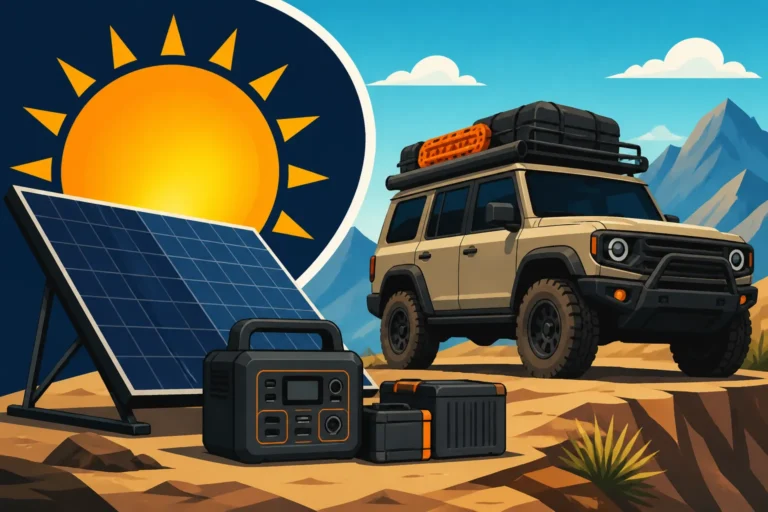
When you start diving into the equipment, you'll find a wide range of options, from comprehensive kits to individual components. Many RVers start with all-in-one portable solar generators that combine a battery, inverter, and charge controller into a single unit, often paired with foldable solar panels. Brands like Jackery, Goal Zero, and EcoFlow are popular for these solutions, providing an easy entry point for light use or backup power. The Best Solar Generators for Off-Grid article provides a good overview of these options.
For more robust, permanent installations, you'll be looking at fixed roof-mounted solar panels from companies like Renogy, Rich Solar, or Grape Solar, paired with dedicated charge controllers (often MPPT for better efficiency), a large LiFePO4 battery bank (e.g., Battle Born or EG4), and a powerful pure sine wave inverter (like those from Victron Energy or Xantrex). These systems offer greater capacity and reliability for full-time living but require more planning and installation effort.
No matter your choice, make sure to do your research on reputable brands and ensure components are compatible. The beauty of the off-grid solar market today is that there’s a solution for almost every RVer, from those who just need to keep a Jackery charged for their devices to those building a full-blown system for year-round comfort.
Disclaimer
This article is for general informational purposes only and does not constitute professional advice. Laws, prices and regulations vary by location and change over time. Consult a qualified professional for guidance on your specific situation.