Is Off-Grid Solar Worth It for a Remote Cabin
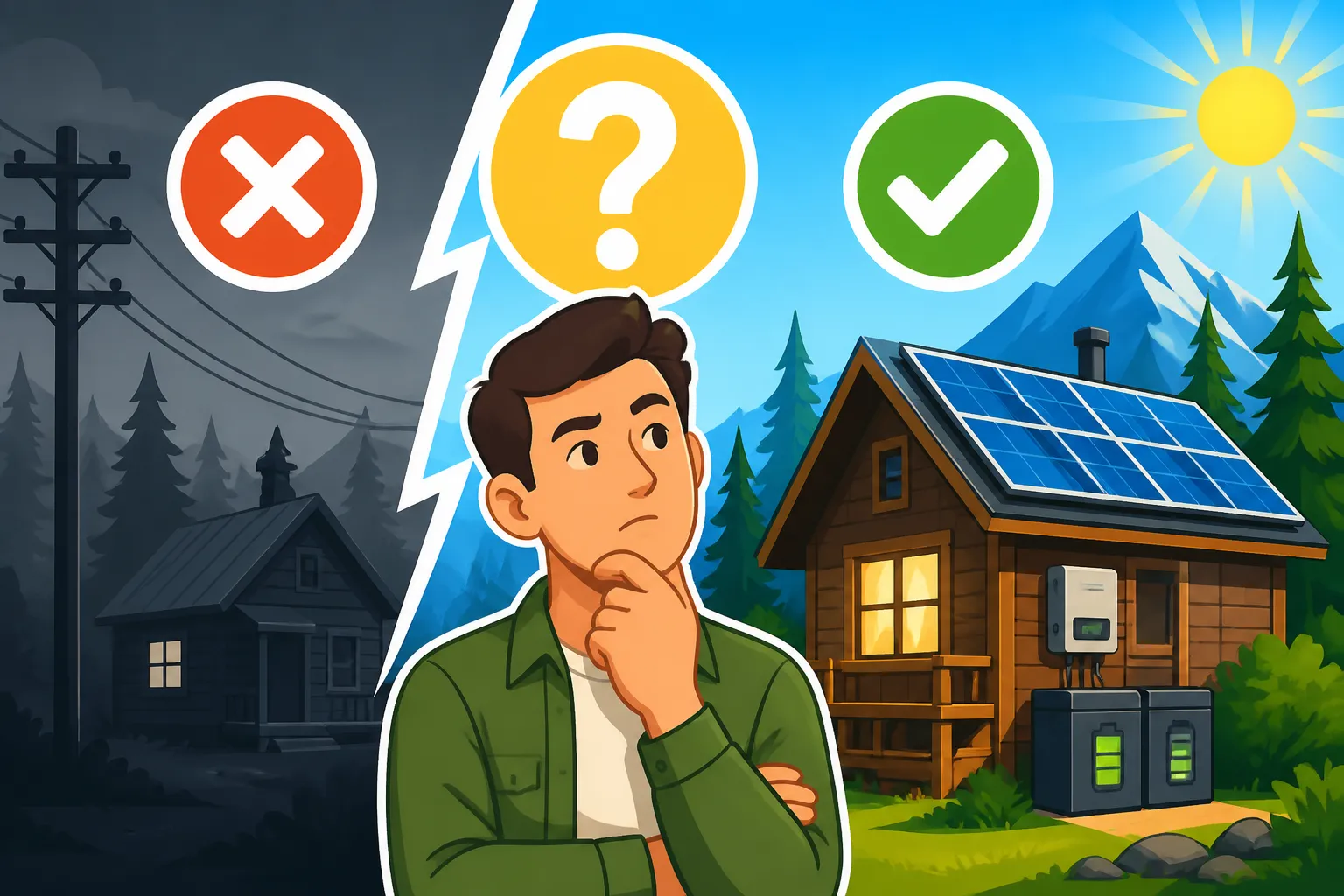
Living in a remote cabin often sounds like a dream – the peace, the solitude, the direct connection with nature. But then reality hits: how do you get power out there? For many, the idea of living off the grid with solar power is appealing, but the big question looms: is it truly worth the investment and effort for a remote cabin, or will it just be a never-ending headache? This guide is here to walk you through the real considerations, costs, and benefits so you can decide if off-grid solar is the right move for your wilderness retreat.
Understanding the Challenges of Powering a Remote Cabin
The dream of a remote cabin often bumps up against the very practical challenge of electricity. Unlike suburban homes, your little slice of heaven deep in the woods or high in the mountains doesn't typically come with a power outlet ready to go. This fundamental hurdle is often the first step in considering off-grid solutions.
The High Cost of Grid Extension
Let's be brutally honest: extending utility lines to a remote property can be an astronomical expense. We're not talking about a few thousand dollars here; often, it runs into the tens, if not hundreds, of thousands of dollars per mile. Imagine you've found the perfect cabin lot, but it's three miles off the nearest paved road where power lines actually exist. That's three miles of poles, wires, trenching, transformers, and permits, all adding up to a number that can easily overshadow the cost of the land itself.
Many folks get sticker shock when they call their local utility company. The utility often charges for the entire infrastructure upgrade needed to reach your property, including easements, tree clearing, and the labor for specialized crews. Plus, these projects often have long lead times, meaning you could be waiting months or even a year or more just to get a quote, let alone the actual installation. This prohibitive cost is often the primary driver for people to seriously consider off-grid solar as a more financially viable, albeit still substantial, upfront investment.
Reliability and Independence
Even if you managed to extend the grid to your remote cabin, you might still face reliability issues. Remote power lines are often more susceptible to outages from weather events like ice storms, heavy snow, or falling trees. When a problem occurs, your cabin might be low on the priority list for repairs compared to densely populated areas, leading to prolonged blackouts. There's nothing quite like being stuck in the dark for days on end because a branch took out a transformer miles down the road.
Choosing off-grid solar, on the other hand, offers a profound sense of independence. You become your own utility company. While you're still reliant on the sun, a well-designed system with ample battery storage can provide reliable power, day in and day out, regardless of what's happening on the main grid. This self-sufficiency is a huge draw for those seeking true freedom from external infrastructure and the peace of mind that comes with controlling their own power supply. It’s about more than just electricity; it’s about resilience.
Core Components of a Remote Cabin Off-Grid Solar System
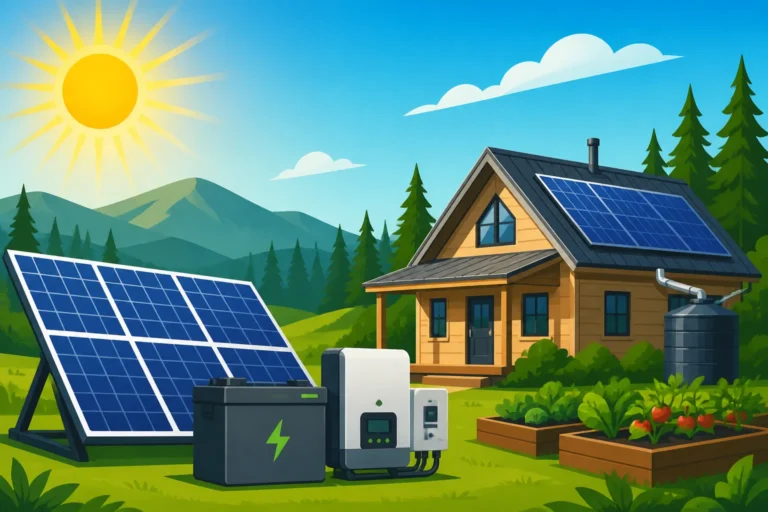
Setting up an off-grid solar system for your remote cabin isn't as simple as just sticking a panel on the roof. It's a carefully orchestrated symphony of components, each playing a vital role in harvesting, storing, and delivering power to your appliances. Understanding these core elements is crucial to appreciating the "worth" of such a system.
Solar Panels: The Power Harvesters
The solar panels are the most visible part of your system, the frontline soldiers converting sunlight into electricity. For a remote cabin, you'll typically be looking at rigid monocrystalline panels, known for their efficiency and durability. These panels are designed to withstand harsh outdoor conditions, from scorching summer sun to heavy winter snowfalls.
When planning your array, consider the angle and orientation of your panels. For year-round use, especially in regions with distinct seasons, optimizing for winter sun might be more important than summer, as winter days are shorter and the sun sits lower in the sky. Adjustable tilt mounts can be incredibly useful here, allowing you to maximize energy harvest throughout the year. Proper placement also means avoiding shading from trees or other structures, which can drastically reduce a panel's output. You can learn more about finding the best panels in our guide on the topic, Best Off-Grid Solar Panels.
Battery Bank: The Energy Storage Hub
This is arguably the heart of any off-grid system, especially for a remote cabin. Solar panels only produce power when the sun is shining, so you need a way to store that energy for use at night or on cloudy days. The battery bank dictates how much autonomy you have – how long your cabin can run without new solar input.
Modern off-grid systems largely favor LiFePO4 (lithium iron phosphate) batteries over older lead-acid options. While LiFePO4 batteries have a higher upfront cost, they offer a significantly longer lifespan (often 10+ years), deeper discharge capabilities (you can use more of their stored energy without damage), faster charging, and require virtually no maintenance. For a remote cabin, where frequent visits might be impractical for battery upkeep, the "set it and forget it" nature of lithium batteries is a huge advantage. Understanding How Many Batteries for an Off-Grid System is a critical step in your planning.
Inverter and Charge Controller: The System Brains
These two components act as the brains and muscle of your off-grid system, ensuring everything runs smoothly and safely.
- Charge Controller: This device sits between your solar panels and your battery bank. Its primary job is to regulate the voltage and current coming from the panels to prevent overcharging and damage to your batteries. Most modern off-grid systems use MPPT (Maximum Power Point Tracking) charge controllers, which are highly efficient at optimizing the power harvest from your panels, especially in varying light conditions. A good MPPT controller can make a noticeable difference in your overall system performance.
- Inverter: While your solar panels and batteries operate on DC (direct current) power, most of your cabin appliances (refrigerator, microwave, lights, laptops, etc.) run on AC (alternating current). The inverter converts the DC power from your batteries into usable AC power for your home. For a remote cabin, you'll want a pure sine wave inverter, as it provides clean, stable power that's safe for sensitive electronics and appliances. The size of your inverter (measured in watts) will depend on the maximum amount of power you expect to draw at any given moment.
These components work in tandem to ensure your cabin has reliable power whenever you need it. Investing in quality components from reputable brands like Victron Energy, Outback Power, or Growatt can save you headaches and costly replacements down the line.
The Worth of Off-Grid Solar for Remote Cabins: Pros and Cons
Deciding if off-grid solar is "worth it" for your remote cabin boils down to weighing the benefits against the challenges. There's no one-size-fits-all answer, as your specific needs, budget, and expectations will play a significant role.
Advantages of Off-Grid Solar for Cabins
The allure of off-grid solar for a remote cabin is strong, and for good reason. The advantages often extend beyond just having electricity.
Firstly, there's the freedom from utility bills. Once your system is installed and paid for, your ongoing electricity costs are minimal, primarily limited to maintenance. This means no more escalating rates or confusing charges from a power company. Over the long term, this can result in substantial savings compared to what you'd pay for grid power, especially if you consider the initial cost of grid extension. This long-term financial benefit is often a key factor for many in determining if Is Off-Grid Solar Worth the Cost.
Secondly, off-grid solar offers unparalleled reliability and resilience. As discussed, remote grid connections can be tenuous. With your own solar setup, you control your power supply. A well-designed system can weather most storms, providing continuous power when the grid might be down for days. This self-sufficiency is a huge comfort, particularly in emergencies or during prolonged stays.
Thirdly, there's the environmental benefit. Generating your own clean energy means a reduced carbon footprint, aligning perfectly with the ethos of living closer to nature. It's a tangible way to lessen your impact and embrace sustainable living.
Finally, a solar system can increase the value and usability of your cabin. A cabin with reliable, independent power is significantly more attractive and functional than one that relies solely on a generator or has no power at all. It makes the cabin a more comfortable and practical retreat, potentially expanding its use from seasonal to year-round.
Potential Drawbacks and Considerations
However, it wouldn't be a realistic assessment without discussing the hurdles. Off-grid solar, while empowering, comes with its own set of challenges.
The most immediate concern for many is the initial investment. Building a robust off-grid solar system isn't cheap. Panels, batteries, inverters, charge controllers, wiring, mounting hardware – it all adds up. Depending on your energy needs and desired days of autonomy, the total cost can range from a few thousand dollars for a basic setup to well over $30,000 for a comprehensive system capable of powering a full-time residence. Our detailed guide on How Much Does an Off-Grid Solar System Cost provides a complete breakdown.
Then there's the maintenance and management. While modern systems are more hands-off, they aren't entirely maintenance-free. Panels need occasional cleaning, battery banks require monitoring, and components can eventually wear out and need replacement. This often means you need a basic understanding of electrical systems or access to a qualified technician, which can be challenging in truly remote areas. You’ll also need to consider Off-Grid Solar Maintenance Costs over the lifespan of your system.
Weather dependency is another factor. Solar panels need sunlight. Prolonged cloudy periods, heavy snowfall, or short winter days can significantly reduce your power generation. A properly sized system accounts for this with sufficient battery storage and sometimes a backup generator, but it’s a reality you must prepare for. This is where calculating How to Calculate Days of Autonomy becomes crucial.
Finally, sizing accurately can be tricky. Over-sizing means wasted money; under-sizing means running out of power. You need to carefully assess your energy usage habits, factoring in both daily consumption and peak loads. This process is detailed in our article on How to Size an Off-Grid Solar System.
Budgeting and Sizing Your Off-Grid Cabin System
Before you start pricing out individual components, you need a clear picture of what you actually need. This is where proper budgeting and system sizing come into play – two crucial steps that will directly impact whether your off-grid solar system is truly "worth it" for your remote cabin.
Estimating Your Energy Needs
The first, and perhaps most critical, step is performing a thorough load analysis. This means listing every single electrical appliance and device you plan to use in your cabin, along with its wattage (how much power it consumes) and how many hours per day you expect to use it. Don't forget those phantom loads or things you only use occasionally, like a power drill for cabin repairs.
For example, a small refrigerator might draw 60 watts but run for 8 hours a day, while a microwave might draw 1500 watts but only for 10 minutes a day. Lights, phone chargers, a well pump, an electric kettle, a TV – jot everything down. Be realistic, and maybe even a little generous, with your estimates, especially if your usage habits might change once you're fully powered. This calculation will give you your total daily watt-hour (Wh) consumption, which is the foundation for sizing your entire system. Many resources, including guides like Off-Grid Solar Load Calculation Explained, can help you through this process.
Calculating the Investment
Once you have your energy needs figured out, you can start to estimate the cost. The primary factors influencing the total cost will be:
- System Size: Larger energy needs mean more panels, more batteries, and potentially a larger inverter, all driving up the price.
- Battery Chemistry: As discussed, LiFePO4 batteries are excellent but more expensive upfront than lead-acid options.
- Component Quality: Premium brands often come with higher price tags but also offer better efficiency, reliability, and longer warranties.
- DIY vs. Professional Installation: Doing it yourself can save significantly on labor costs, but requires electrical knowledge and time. If you’re considering going this route, our guide on Cost of a DIY Off-Grid Solar Build is a must-read.
Here’s a general breakdown of typical costs for an average remote cabin:
| Component | DIY System (Estimated Range) | Professional Install (Estimated Range) | Notes |
|---|---|---|---|
| Solar Panels | $1,000 – $5,000 | $1,500 – $7,000 | Varies by wattage, efficiency, and quantity. |
| Battery Bank | $3,000 – $15,000 | $4,000 – $20,000 | LiFePO4 will be on the higher end, but offers superior performance and lifespan. |
| Inverter | $500 – $3,000 | $700 – $4,000 | Pure sine wave, wattage dependent. |
| Charge Controller | $200 – $1,500 | $300 – $2,000 | MPPT controllers are more efficient. |
| Mounting Hardware | $200 – $1,000 | $300 – $1,500 | Roof vs. ground mount, tilt capability. |
| Wiring & Safety | $300 – $1,500 | $500 – $2,500 | Cables, fuses, breakers, disconnects. |
| Installation Labor | $0 (DIY) | $5,000 – $15,000+ | This is where professional installation costs can really add up. |
| Misc. (Generator, Monitoring) | $500 – $5,000 | $1,000 – $6,000 | Backup generator, battery monitor, surge protectors. |
| TOTAL ESTIMATE | $5,700 – $32,000 | $13,300 – $58,000+ | Ranges widely based on size, components, and labor. |
Remember, these are estimates. The actual Off-Grid Solar Cost for a Remote Cabin can fluctuate based on market prices and your specific location. It's crucial to get multiple quotes if you plan on professional installation. You can also explore options like solar kits, which package many components together, though they may require some additional wiring.
Real-World Scenarios and Practical Tips
Making off-grid solar "worth it" for your remote cabin often involves tailoring the system to your specific lifestyle and preparing for the unexpected. There are distinct differences in approach depending on how you plan to use your cabin.
Seasonal Use Versus Year-Round Living
The biggest determinant in your off-grid system's complexity and cost is how often you'll be using your cabin.
- Seasonal or Weekend Use: If your cabin is primarily a summer getaway or a weekend retreat, your energy demands might be relatively low. You might only need to power lights, charge phones, a small mini-fridge, and perhaps a water pump for a few days at a time. In this scenario, a smaller, more budget-friendly system with fewer panels and a smaller battery bank could suffice. You wouldn't need to over-engineer for weeks of cloudy weather, and occasional generator use during prolonged bad weather wouldn't be a significant expense. This allows for a more incremental approach, perhaps starting with a basic setup and expanding later. Consider a system sized around 1000-2000 watts for these scenarios.
- Year-Round or Full-Time Living: For those dreaming of a permanent off-grid homestead or extended stays through all four seasons, the system needs to be significantly more robust. You'll need enough panels to generate power even on short winter days, and a much larger battery bank to carry you through multiple days of low sun. Heating, cooling, and cooking appliances can be major power hogs, requiring careful consideration. You might even look into solar thermal for hot water or wood stoves for primary heat to reduce electrical loads. A 3000-watt to 10kW system or even larger could be necessary for full-time living, dramatically increasing the Off-Grid Solar Cost by System Size. Planning for year-round reliability is a different beast entirely.
Integrating Backup Power
Even the most perfectly sized off-grid solar system benefits from a backup plan. There will always be those extended periods of adverse weather – multiple days of heavy clouds, deep snow covering panels, or simply higher-than-expected usage – when your batteries might run low. This is where backup power comes in.
- Traditional Generators: A gasoline or propane generator is the most common form of backup. They can quickly recharge your battery bank during low solar periods or directly power heavy loads that your inverter might struggle with. Modern generators can even be integrated with smart inverters (often called inverter-chargers) that can automatically start the generator when battery levels drop too low and shut it off when they're recharged. While they incur fuel costs, a generator offers peace of mind and ensures you're never truly without power.
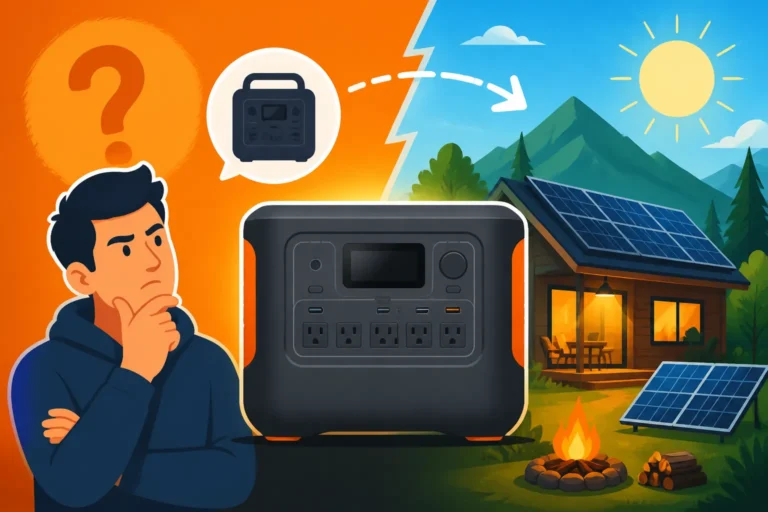
- Portable Power Stations: For smaller cabins or as a supplementary backup, a high-capacity portable power station can be incredibly useful. These all-in-one units, like the Jackery Explorer series, combine a battery, inverter, and charge controller into a compact, portable unit. They can be charged via solar panels, a car 12V outlet, or a wall outlet when grid power is available (or from your main generator). They are fantastic for powering small electronics, lights, or even a mini-fridge during a minor outage, saving you from firing up your main generator for trivial tasks. Many cabin owners find a Jackery or similar unit to be an invaluable addition for flexibility and smaller power needs. You can learn more about these versatile units in our guide on Best Solar Generators for Off-Grid.
- Phased Approach: If the initial cost of a full system feels daunting, consider a phased approach. Start with a smaller system for essential loads and add more panels and batteries as your budget allows or your needs grow. This can make the journey to off-grid independence more manageable. For example, you might start by only powering lights and phone charging with a basic Jackery and a few portable panels, then upgrade to a full cabin system later.
Ultimately, the worth of off-grid solar for your remote cabin is a deeply personal calculation. It involves balancing the significant upfront investment and ongoing management against the priceless benefits of independence, reliability, and sustainable living in your cherished retreat. For many, the peace of mind and freedom it offers far outweigh the challenges.
Disclaimer
The information provided in this guide is for general informational purposes only and does not constitute professional advice. Off-grid solar system design and installation can be complex and involve electrical hazards. Always consult with qualified professionals and adhere to local building codes and regulations when planning or installing an off-grid solar system.