Off-Grid Solar Cost for a Remote Cabin
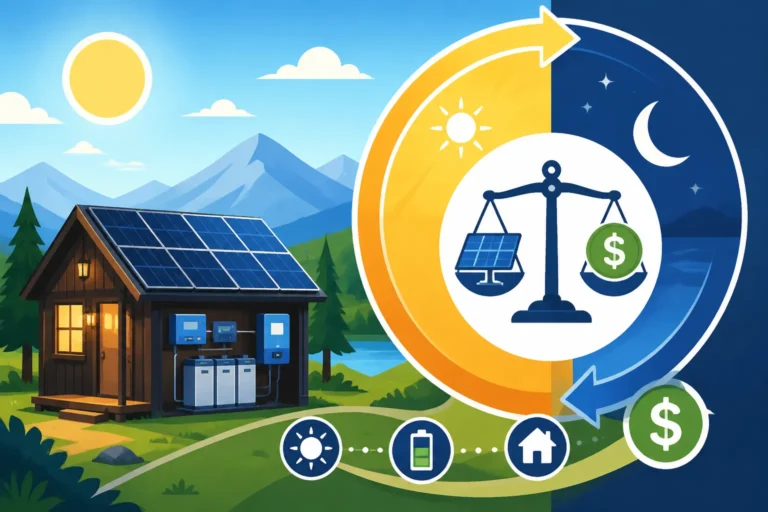
Dreaming of that peaceful retreat away from it all, nestled deep in the woods or high on a mountain, only to be jolted back to reality by the thought of trying to get power out there? You're not alone. Many aspiring cabin owners face the daunting challenge of illuminating their remote haven without sky-high utility extension costs. This guide is going to walk you through everything you need to know about the true cost of setting up an off-grid solar system for your remote cabin, helping you plan your budget and make informed decisions.
Understanding the Unique Challenges of Powering a Remote Cabin
Bringing electricity to a remote cabin isn't like installing solar on a suburban home or even powering an RV. There are distinct factors at play that can significantly influence the design, complexity, and ultimately, the cost of your off-grid solar system. The "remote" aspect itself introduces hurdles, from logistics to environmental considerations, that need careful thought long before you start buying components.
Calculating Your Cabin's Energy Needs
This is perhaps the single most crucial step in figuring out your off-grid solar cost for a remote cabin. Without a clear understanding of your energy consumption, you're essentially shooting in the dark. Cabins vary wildly in their usage – from a rustic hunting cabin that only sees weekend use with a few LED lights and a radio, to a full-blown year-round residence complete with a refrigerator, well pump, and even a mini-split AC. Each appliance, every lightbulb, contributes to your daily energy footprint.
To truly get a handle on this, you'll need to perform a thorough load analysis. This means listing every electrical device you plan to use, its wattage (or amperage), and how many hours per day you intend to operate it. For example, a tiny 5W LED bulb used for 4 hours a day consumes very little, but a 1500W microwave used for 10 minutes (0.16 hours) will have a significant momentary draw and contribute to your overall daily watt-hour total. Don't forget those intermittent loads like a water pump that might only run for a few minutes but draws a lot of power in that short burst. Knowing your How to Calculate Daily Energy Usage is fundamental to designing a system that won't leave you in the dark.
Environmental Factors and Location Specifics
The environment where your remote cabin sits plays a massive role in system sizing and cost. Are you in a sunny desert climate, or tucked away in a heavily wooded area of the Pacific Northwest known for its persistent cloud cover? The number of "peak sun hours" your location receives, especially during the shortest, darkest days of winter, will dictate how many solar panels you need. A cabin in Arizona might get away with fewer panels than a similar cabin in Michigan, simply due to the differing sunlight availability.
Accessibility is another huge factor for remote locations. If your cabin is at the end of a long, unmaintained dirt road, or even worse, requires off-road vehicles or snowmobiles for access, shipping heavy solar panels, batteries, and other equipment becomes a logistical and financial challenge. Think about the added costs for specialized delivery services, or even the sheer effort of hauling components in yourself. Also, consider local building codes or environmental regulations. Some remote areas might have specific requirements for ground-mounted arrays or battery storage solutions, which could add to your overall Off-Grid Solar Installation Cost.
Breaking Down the Components and Their Costs
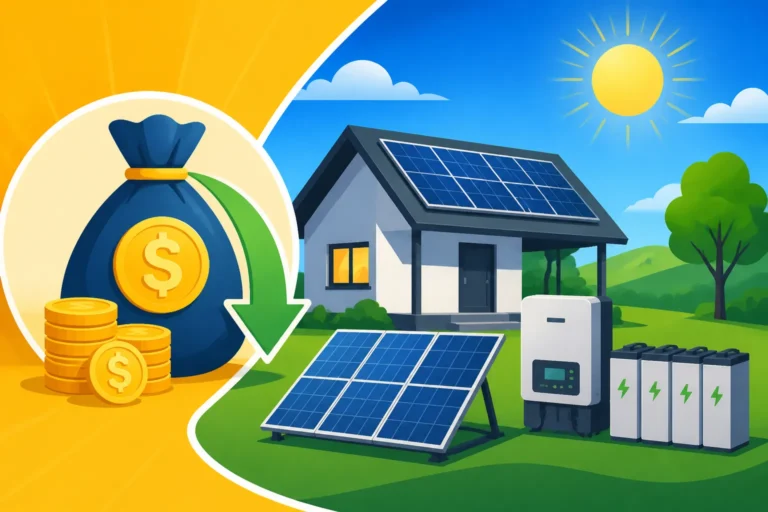
When you embark on your off-grid solar journey for a remote cabin, you'll quickly realize it's not just about slapping a few panels on a roof. A complete system is an interconnected web of specialized components, each with its own purpose and price tag. Understanding these pieces is key to budgeting effectively and realizing the Cost to Power a Cabin with Solar.
Solar Panels: The Power Collectors
These are the most visible part of your system, the workhorses that convert sunlight into usable electricity. The cost of solar panels has steadily decreased over the years, making off-grid solar more accessible than ever. However, the exact price still varies based on wattage, efficiency, brand, and type. Monocrystalline panels are generally more efficient and thus popular for off-grid use, especially where space might be a concern on a cabin roof.
You can expect to pay anywhere from $0.70 to $1.50 per watt for panels. So, a 300W panel might cost you between $210 and $450. For a modest cabin, you might need anywhere from 1000W (1kW) to 5000W (5kW) or more of panels, depending on your energy needs and sun exposure. This means your panel array alone could range from $700 to $7,500. Quality brands like Renogy, Rich Solar, and Grape Solar are often found on platforms like Amazon, making them accessible even in remote areas. Remember, more panels generally mean more power generated, which is crucial for those cloudy days or high-demand appliances. Dive deeper into the specifics with our guide on the Cost of Off-Grid Solar Panels.
Batteries: Your Energy Bank
The battery bank is the heart of any off-grid system, especially for a cabin that needs power after the sun goes down or during extended cloudy periods. Unlike grid-tied systems that can send excess power back to the utility, off-grid systems must store all generated power for later use. This is where the bulk of your off-grid solar cost often lies, as batteries are expensive and have a finite lifespan.
You essentially have two main choices: lead-acid (flooded, AGM, or Gel) or lithium-ion (specifically LiFePO4).
- Lead-Acid Batteries: These are the more traditional, budget-friendly option upfront. AGM batteries, like those from Battle Born or Renogy, are popular for their sealed, maintenance-free nature. A 100Ah 12V AGM battery might cost $200-$300, but you’ll need several in series/parallel for a useful bank, and their usable capacity is typically only 50%.
- LiFePO4 Batteries: While more expensive initially, costing anywhere from $500 to $1,000+ for a 100Ah 12V battery from brands like Battle Born or EG4, they offer superior performance, a much longer lifespan (2,000-5,000+ cycles compared to lead-acid's 500-1,000), and nearly 100% usable capacity. This means you need fewer LiFePO4 batteries to achieve the same usable power as lead-acid, often evening out the long-term cost.
For a cabin, a robust battery bank can easily run from $2,000 to $15,000 or more, depending on your desired "days of autonomy" (how many days your cabin can run without sun) and overall energy needs. Understanding How Batteries Drive Off-Grid Solar Cost is critical to budgeting. To learn more about selecting the right power storage, check out our guide on Best Off-Grid Solar Batteries.
Inverters and Charge Controllers: The Brains of the Operation
These components are crucial for managing the flow of electricity within your system.
- Charge Controller: This device regulates the voltage and current coming from your solar panels to charge your battery bank safely and efficiently. The two main types are PWM (Pulse Width Modulation) and MPPT (Maximum Power Point Tracking). MPPT controllers are more efficient, especially in varying light conditions, extracting up to 30% more power from your panels compared to PWM, making them ideal for cabin systems. An MPPT charge controller can range from $150 to $800+, depending on its size and features.
- Inverter: Your solar panels and batteries produce DC (Direct Current) power, but most common cabin appliances run on AC (Alternating Current). The inverter converts DC power from your batteries into usable AC power. For a cabin, you'll almost certainly need a pure sine wave inverter to safely run sensitive electronics like laptops, TVs, and modern appliances without damage. Inverter sizes are measured in watts, corresponding to the total wattage of AC devices you want to run simultaneously. A good quality pure sine wave inverter can cost anywhere from $300 for a small 1000W unit to $2,500+ for a large 5000W unit with advanced features and reliable performance, like those offered by Victron or Sol-Ark. Some powerful units, often available through vendors found on Amazon, can even handle surge loads for well pumps. For more detailed information, see our article on Best Off-Grid Solar Inverters.
Mounting, Wiring, and Balance of System
These are the unsung heroes of your off-grid system, often overlooked in initial budget calculations but absolutely essential for a safe, efficient, and durable setup.
- Mounting Hardware: Whether you're putting panels on the cabin roof or building a ground mount, you'll need racking, rails, and fasteners. These can range from a few hundred dollars for a small roof mount to over a thousand for a robust ground mount that can withstand snow loads and high winds.
- Wiring and Cabling: You'll need appropriate gauge wire for DC circuits (panels to charge controller, charge controller to batteries) and AC circuits (inverter to distribution panel). Don't skimp here; undersized wires can lead to efficiency losses, overheating, and fire hazards. This includes specialized solar cables (MC4 connectors), battery cables, and regular electrical wire. Budget $200-$1000 for quality wiring, conduits, and connectors.
- Safety Components: Fuses, circuit breakers, and disconnect switches are critical for protecting your system and ensuring safety. A DC breaker box, AC breaker panel, and various disconnects might add another $200-$700.
- Monitoring Equipment: While not strictly necessary to function, a battery monitor (like a Victron SmartShunt) and system monitor display can provide invaluable insights into your system's performance, battery state of charge, and energy usage. These can add $100-$500 but are highly recommended for peace of mind and optimizing usage.
- Permits and Inspections: Depending on your local jurisdiction and how remote your cabin truly is, you might need permits and inspections, which carry their own fees. Even if not legally required in a truly remote area, following electrical codes is a smart move for safety.
All these "balance of system" components can easily add $1,000 to $3,000+ to your total cost. It's a significant portion of the Off-Grid Solar Cost: Complete Breakdown that many first-timers forget to consider.
Real-World Cost Scenarios for Remote Cabins
To give you a better idea of what to expect, let's explore a few hypothetical scenarios for off-grid solar costs for remote cabins, from basic to full-time living. Keep in mind these are estimates, and actual costs can vary based on brand choices, deals you find, and installation complexity.
Basic Lighting and Small Electronics Cabin Setup
This scenario is for a small, seasonal cabin used primarily for weekend getaways, hunting trips, or as a serene escape where you only need basic comforts. Think LED lighting, charging phones, running a laptop, and maybe a small fan.
- Energy Needs: Very low. Perhaps 500-1000 Wh per day.
- Solar Panels: 200-400W. (e.g., two 200W panels).
- Estimated Cost: $200-$600
- Batteries: 100-200Ah 12V LiFePO4 or 200-400Ah 12V AGM. A single 100Ah LiFePO4 battery from a brand like Jackery or a similar reputable manufacturer could be sufficient.
- Estimated Cost: $400-$800 (LiFePO4) or $400-$600 (AGM)
- Charge Controller: 20-30A MPPT.
- Estimated Cost: $100-$250
- Inverter: 500-1000W pure sine wave inverter.
- Estimated Cost: $150-$300
- Balance of System (Wiring, mounts, safety):
- Estimated Cost: $300-$700
- Total Estimated Cost (DIY): $1,150 – $2,650
This kind of setup might be perfect for someone who uses their cabin sparingly and is content with a minimalist power footprint.
Moderate Comforts Cabin Setup
This is for a cabin that sees more regular use, perhaps monthly, or for longer stays. You want a small refrigerator, a few more lights, a well pump for running water (even if gravity-fed), and the ability to use small kitchen appliances like a coffee maker or blender occasionally.
- Energy Needs: Moderate. Around 2-5 kWh (2000-5000 Wh) per day.
- Solar Panels: 1000-2000W (1-2kW). (e.g., four to eight 250W panels).
- Estimated Cost: $700-$3,000
- Batteries: 200-400Ah 24V or 400-800Ah 12V LiFePO4. (e.g., two 200Ah 12V LiFePO4 batteries in series for 24V).
- Estimated Cost: $1,500-$4,000
- Charge Controller: 40-60A MPPT.
- Estimated Cost: $250-$500
- Inverter: 2000-3000W pure sine wave inverter, preferably with good surge capacity for the well pump.
- Estimated Cost: $500-$1,000
- Balance of System (Wiring, mounts, safety, monitoring):
- Estimated Cost: $700-$1,500
- Total Estimated Cost (DIY): $3,650 – $10,000
This system provides a good balance between comfort and cost, suitable for extended visits where reliable power is important.
Full-Time Living Cabin Setup
For those who dream of making their remote cabin a permanent residence or a frequent, long-term retreat, you'll need a robust system capable of handling daily household loads, including a full-size refrigerator, washing machine, hot water heater (if electric), and potentially even air conditioning or significant heating elements.
- Energy Needs: High. 5-15 kWh (5000-15000 Wh) or more per day.
- Solar Panels: 3000-8000W (3-8kW). (e.g., twelve to thirty-two 250W panels).
- Estimated Cost: $2,100-$12,000
- Batteries: 400-800Ah 48V LiFePO4. This will likely involve multiple server-rack style batteries or several 100-200Ah LiFePO4 batteries wired in series/parallel.
- Estimated Cost: $4,000-$15,000+
- Charge Controller: 80-100A+ MPPT, possibly multiple units.
- Estimated Cost: $500-$1,500
- Inverter: 5000-8000W (or more) pure sine wave inverter, often an inverter-charger hybrid for generator integration. Brands like Victron, Sol-Ark, or Growatt are common.
- Estimated Cost: $1,500-$4,000+
- Balance of System (Wiring, robust mounts, extensive safety, advanced monitoring, potential generator integration):
- Estimated Cost: $1,500-$4,000
- Total Estimated Cost (DIY): $9,600 – $36,500+
For a full-time living setup, the costs escalate significantly due to the sheer volume of power generation and storage required. This type of system often benefits from professional design, if not installation. If you're looking at a complete breakdown of what goes into these costs, our article on How Much Does an Off-Grid Solar System Cost offers a fantastic overview.
Here's a quick summary table:
| Cabin Usage Type | Daily Energy Need (Wh) | Estimated Panel Size (Watts) | Estimated Battery Bank (Wh Usable) | DIY Component Cost Range |
|---|---|---|---|---|
| Basic (Weekends/Seasonal) | 500-1,000 | 200-400 | 1,200-2,400 | $1,150 – $2,650 |
| Moderate (Regular Stays) | 2,000-5,000 | 1,000-2,000 | 4,800-12,000 | $3,650 – $10,000 |
| Full-Time Living | 5,000-15,000+ | 3,000-8,000+ | 12,000-36,000+ | $9,600 – $36,500+ |
Note: These ranges are for component costs only and do not include professional labor, significant site preparation, or unexpected logistics for extremely remote locations.
Strategies for Budgeting and Saving on Your Cabin Solar
Now that you have a clearer picture of the costs, let's talk about how to manage them. Going off-grid can be a significant investment, but with careful planning and smart decisions, you can optimize your spending without sacrificing reliability. Proper budgeting is key to understanding How to Budget for an Off-Grid Solar System.
DIY vs Professional Installation
One of the biggest cost variables for a remote cabin off-grid system is who does the installation.
- DIY Installation: If you're handy, comfortable with electrical work, and willing to invest the time in learning, doing it yourself can save you anywhere from 30% to 50% on labor costs. Many reputable brands like Renogy, EcoFlow, or Jackery offer comprehensive kits and excellent online resources, often found with good deals on Amazon, that can guide you through the process. However, this route requires a significant time commitment, careful adherence to safety protocols, and a solid understanding of how all the components work together to avoid costly mistakes. For example, understanding How to Wire an Off-Grid Solar System correctly is paramount.
- Professional Installation: Hiring a qualified electrician or solar installer will obviously cost more upfront. Labor rates can range from $75 to $150 per hour, and a full system installation might take days or even weeks for complex setups. However, a professional ensures your system is safely and correctly installed, often comes with warranties on their work, and can navigate any local permitting or inspection requirements. This option offers peace of mind, especially for larger, more critical systems, and can save you headaches (and potential repair costs) down the line. To weigh your options, consider our article on DIY vs Professional Off-Grid Solar Cost.
Phased Installation and Smart Purchasing
You don't necessarily have to build your dream off-grid system all at once. For many, a phased approach makes perfect financial sense, especially for a cabin that might start as a seasonal retreat and gradually become a more permanent dwelling.
- Start Small: Begin with a basic system that covers your absolute essentials (lights, phone charging). This could be a small portable solar generator system like a Jackery Explorer paired with a few flexible panels, or a small DIY setup with just a couple of panels and batteries. This allows you to get your feet wet, understand your actual consumption patterns, and expand as your budget and needs grow.
- Buy Components on Sale: Keep an eye out for sales and discounts from major solar component retailers. Black Friday, Cyber Monday, and seasonal promotions can offer substantial savings on panels, batteries, and inverters. Online marketplaces like Amazon are also fantastic places to find deals on individual components or bundled kits. This takes patience but can significantly reduce your overall outlay.
- Used Equipment: While it comes with risks, buying certain used components (like solar panels, which have long lifespans) can save money. Exercise caution, however, especially with batteries, where a used unit might have significantly degraded capacity. Always check warranties and thoroughly vet sellers.
Long-Term Savings and Maintenance
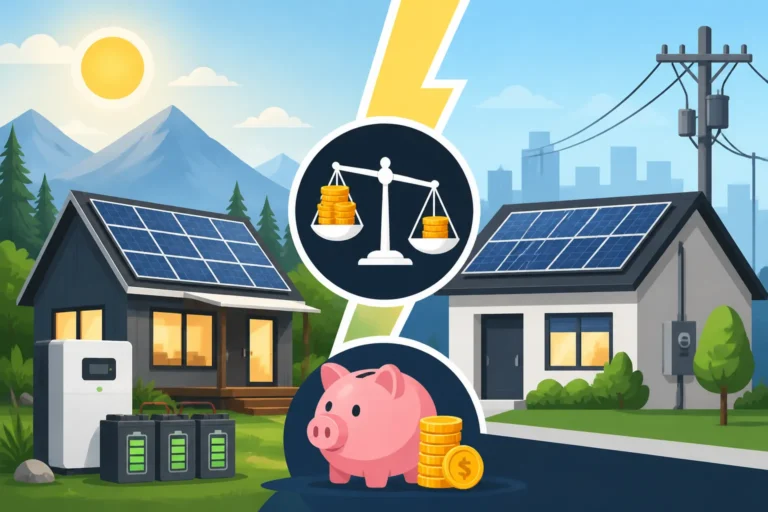
While the upfront cost is a hurdle, remember that off-grid solar for your cabin offers significant long-term savings by eliminating utility bills forever. However, to maximize these savings and ensure your system runs efficiently for years, proper maintenance is key.
- Efficient Appliances: Invest in energy-efficient appliances. An Energy Star-rated refrigerator, LED lighting, and low-wattage electronics might cost a bit more upfront but will drastically reduce your daily energy consumption, meaning you can get away with a smaller (and therefore cheaper) solar array and battery bank. This is often the most overlooked way to save money on your off-grid system.
- Regular Maintenance: Keep your panels clean, especially in dusty or snowy environments. Check battery terminals for corrosion, and ensure all wiring connections are secure. Regular visual inspections and occasional performance checks can identify small issues before they become expensive problems. Proactive maintenance extends the life of your components, particularly your batteries, which are the most costly to replace. Our guide on Off-Grid Solar Maintenance Costs offers more insights.
- Proper Sizing: Avoid the temptation to undersize your system to save money, as this leads to frustration and reliance on a noisy, fuel-guzzling backup generator. Conversely, oversizing can be an unnecessary expense. The goal is to perfectly match your energy production and storage to your actual needs. A well-sized system, as outlined in our article on How to Size an Off-Grid Solar System, is the most cost-effective in the long run.
Ultimately, powering a remote cabin with off-grid solar is a rewarding journey toward self-sufficiency. By understanding the costs involved, planning meticulously, and making smart choices, you can achieve that dream of a powered retreat, far from the grid, without breaking the bank.
Disclaimer
Please note that the cost estimates provided in this guide are general and can vary widely based on specific equipment choices, brand, location, local labor rates, market fluctuations, and unforeseen challenges in remote installations. It is always recommended to conduct your own detailed load analysis, research current component prices, and consider consulting with a qualified solar professional for a personalized quote. This information is for educational purposes only and should not be considered professional financial or engineering advice.