Best Off-Grid Solar Kit Under $5,000
Deciding to go off-grid, even partially, can feel like you're staring at a mountain of expenses, and the fear of breaking the bank often stops people before they even start. It's easy to get overwhelmed by complex system designs and sky-high quotes for massive setups. But what if I told you that you could actually get a really solid start on your off-grid journey without emptying your savings account? This guide is here to walk you through the very best off-grid solar kit options available for under $5,000, helping you understand what's truly possible within that budget.
Why $5,000 is a Sweet Spot for Off-Grid Solar
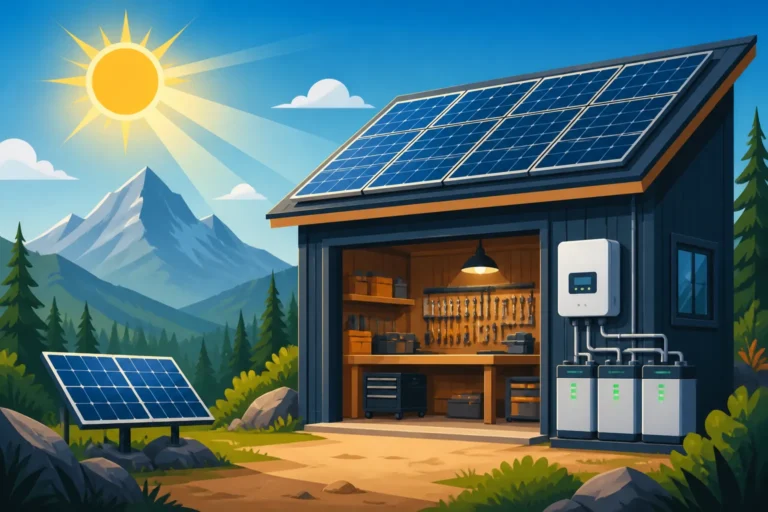
When you start researching off-grid solar, it's easy to see systems that cost tens of thousands of dollars, making a $5,000 budget seem almost laughable. However, for many folks just beginning their off-grid adventure, or those looking to power a smaller structure like an RV, a tiny home, a hunting cabin, or even a remote workshop, $5,000 is actually a fantastic budget. It's enough to get you a capable system that can handle your essential needs and often leaves room for future expansion. It’s about finding that sweet spot where affordability meets functionality, allowing you to experience the freedom of solar power without the crushing initial investment. This budget typically allows for quality components rather than the absolute cheapest, ensuring a more reliable and longer-lasting system right from the start.
Realistic Expectations for Your Budget
It's crucial to set realistic expectations when working with a $5,000 budget for an off-grid solar kit. You're probably not going to power a full-sized, energy-hungry home with central air conditioning and multiple high-wattage appliances running simultaneously. Instead, this budget is ideally suited for powering essentials. Think LED lights, a mini-fridge, charging laptops and phones, running a water pump for occasional use, or perhaps a small microwave for quick meals.
For instance, if you're looking to power a remote cabin, a $5,000 kit might comfortably handle your lights, a small television, a composting toilet fan, and your communication devices. If it's for an RV, you can expect to keep your essential 12V appliances running, along with an inverter for a few AC devices. The key here is conducting a thorough load analysis to understand exactly what your daily energy consumption will be. You can learn more about this process in our guide on How to Size an Off-Grid Solar System. Without a clear picture of your energy needs, it’s easy to buy a system that's either overkill or, more likely with this budget, insufficient. Prioritizing your loads and embracing energy-efficient appliances will be your best friends when sticking to this price point.
Benefits of Starting Small
There’s a common misconception that if you’re going off-grid, you have to go big or go home. But starting with a smaller, more manageable system within the $5,000 range offers several significant advantages. Firstly, it’s a fantastic way to learn the ropes. Solar power systems, especially off-grid ones, have a learning curve. By starting with a smaller setup, you get hands-on experience with installation, monitoring, and maintenance without the added complexity and potential for costly mistakes that come with a massive system. You'll learn how to optimize your energy consumption, understand your system's limitations, and troubleshoot minor issues.
Secondly, many kits designed for this budget are modular and expandable. This means you can add more solar panels, batteries, or even upgrade your inverter down the line as your needs grow or as your budget allows. It’s like building blocks for your power independence. This incremental approach can also help you spread out the overall financial commitment, making the journey to complete energy independence less daunting. For example, you might start with enough power for your lights and basic electronics, then gradually add more capacity to run a refrigerator or a well pump. It truly empowers you to dip your toes into the off-grid lifestyle without diving headfirst into a potentially overwhelming investment.
Essential Components of an Off-Grid Solar Kit Under $5,000
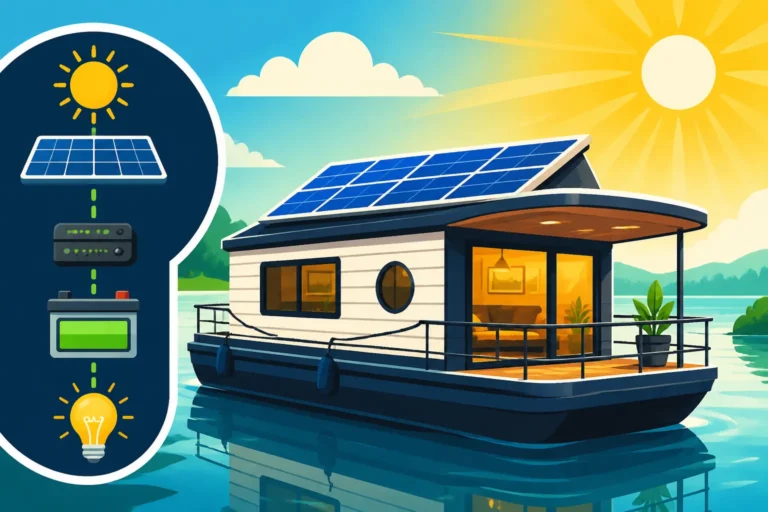
Understanding the core components of an off-grid solar system is vital, even when you're looking at pre-packaged kits. A kit isn't just a collection of random parts; it's a carefully balanced ecosystem designed to capture, store, and deliver electricity. For a budget of $5,000, you'll find kits that include quality versions of these essential elements, though perhaps scaled for smaller demands. Knowing what each part does will help you evaluate different kits and ensure you're getting the best bang for your buck.
Solar Panels: Generating Your Power
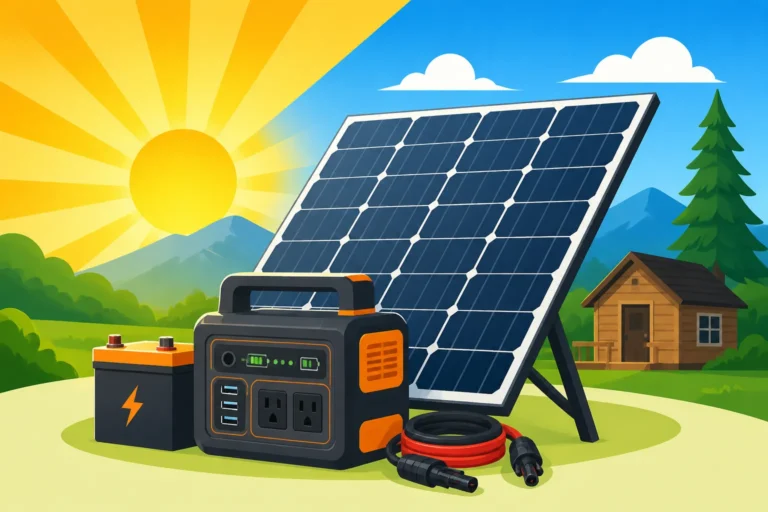
The solar panels are the frontline workers of your off-grid system, soaking up sunlight and converting it into usable electricity. Within the $5,000 budget, you'll typically find monocrystalline or sometimes polycrystalline panels. Monocrystalline panels are usually more efficient and perform better in low-light conditions, making them a popular choice even for smaller systems. You might receive anywhere from 200 watts to 1000 watts, or even more, depending on the kit's focus and the individual panel wattage.
For example, a common kit might include two to four 100-watt or 200-watt panels. When considering panels, think about their physical size and mounting options. Are they rigid panels designed for a permanent roof or ground mount, or are they flexible or portable panels suitable for an RV or temporary setup? The total wattage of your solar array directly impacts how quickly your batteries can recharge, which is a critical factor for sustained off-grid living, especially during shorter winter days or periods of cloudiness. Getting the right amount of panels is key, and our guide on Best Off-Grid Solar Panels can help you choose wisely.
Batteries: Storing Your Energy
If solar panels are the producers, batteries are the crucial storage tanks that ensure you have power when the sun isn't shining. This is often where a significant portion of your $5,000 budget will be allocated because batteries are a core, expensive component. For this price point, you'll primarily encounter two main types: deep-cycle lead-acid (often AGM or Gel) and Lithium Iron Phosphate (LiFePO4).
Lead-acid batteries, while generally cheaper upfront, have a shorter lifespan, require more maintenance (especially flooded lead-acid), and can only be discharged to about 50% of their capacity without significantly shortening their life. This means you need more capacity to get the same usable energy as LiFePO4 batteries. LiFePO4 batteries, on the other hand, offer a much longer cycle life (often 10 years or more), can be discharged to 80-100% of their capacity, are lighter, and require virtually no maintenance. While they have a higher initial cost, their long-term value often makes them more cost-effective. A $5,000 kit might include one or two 100Ah (Amp-hour) LiFePO4 batteries or a larger bank of lead-acid batteries to provide comparable usable capacity. Understanding the Cost of an Off-Grid Solar Battery Bank and comparing LiFePO4 vs Lead-Acid Battery Cost is essential for making an informed decision within your budget.
Charge Controllers and Inverters: The Brains of the System
These components are the unsung heroes, managing the flow of electricity and converting it into a usable format for your appliances.
The charge controller is responsible for regulating the voltage and current coming from your solar panels to your battery bank. It prevents overcharging and optimizes the charging process, extending battery life. Within the sub-$5,000 range, you'll typically find kits with either PWM (Pulse Width Modulation) or MPPT (Maximum Power Point Tracking) charge controllers. MPPT controllers are generally more efficient, especially in varying light conditions or when your panel voltage is significantly different from your battery voltage, maximizing the power harvested from your panels. While a bit pricier, an MPPT controller can make a noticeable difference in your system's performance. Our article on MPPT vs PWM Charge Controllers delves deeper into these differences.
The inverter takes the DC (Direct Current) power stored in your batteries and converts it into AC (Alternating Current) power, which is what most household appliances use. For kits under $5,000, you'll likely see pure sine wave inverters, which are crucial for running sensitive electronics like laptops, medical devices, and modern appliances without risk of damage. The inverter's wattage rating will determine how many AC appliances you can run simultaneously and if it can handle the surge (start-up) current of certain motors, like those in a refrigerator. A common size for this budget might be a 1000-watt to 3000-watt pure sine wave inverter, offering a good balance of capability for typical off-grid needs.
Top Off-Grid Solar Kits Under $5,000
The market for off-grid solar kits has expanded dramatically, offering solutions for a variety of needs and budgets. Within the sub-$5,000 range, you're looking at systems that provide a solid foundation for independent power, often prioritizing portability, ease of installation, or specific use cases like powering recreational vehicles or small structures. Many reputable brands offer kits that fit this bill, designed to take some of the guesswork out of component matching.
Kits for RVs and Vans
For those embracing the nomadic lifestyle, whether in an RV, camper, or van, an off-grid solar kit under $5,000 can be a game-changer. These kits often prioritize portability, compact design, and robust components that can withstand constant movement. You'll typically find kits with high-efficiency monocrystalline panels, often around 400-800 watts, paired with one or two 100-200Ah LiFePO4 batteries. Brands like Renogy and BougeRV are popular in this space, offering comprehensive kits that include panels, charge controllers, inverters, and all necessary wiring and mounting hardware.
Consider a scenario: You're out boondocking in your van, miles from the nearest hookup. A well-designed 400-watt kit with a 200Ah LiFePO4 battery and a 2000-watt inverter would allow you to run your compressor fridge, charge your phones and laptop, power LED lights, and even use a small coffee maker in the morning. These kits are often designed for relatively straightforward DIY installation, meaning you can save on professional labor costs, making your $5,000 budget stretch further. You'll often find flexible panels or portable solar suitcase options within this category, adding to their versatility. Many van life enthusiasts start with a kit around this budget and then expand as they realize their true power consumption needs on the road.
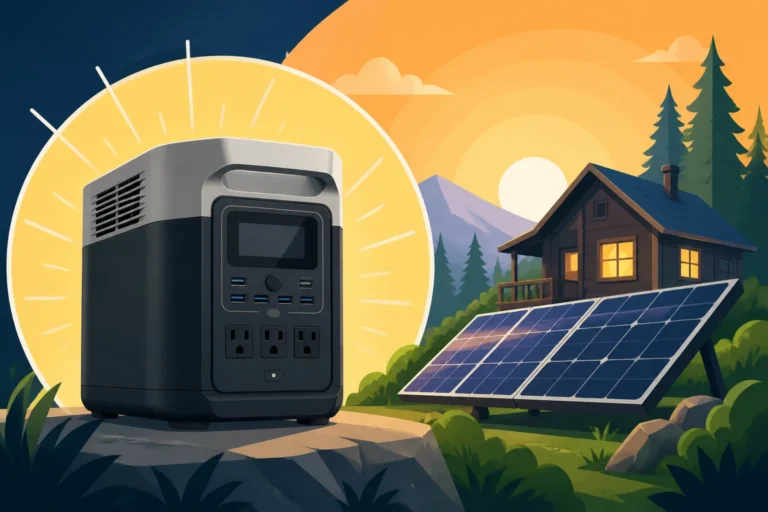
One popular option in this segment are powerful solar generators or portable power stations, which often integrate a battery, inverter, and charge controller into one compact unit. While not a "kit" in the traditional sense of separate components, many people pair these with a solar panel for a complete portable off-grid solution. For instance, a Jackery Explorer 1000 or 2000 Pro, paired with their SolarSaga panels, can provide a fantastic portable power solution for an RV or camping trip, easily falling within the $5,000 budget when considering the combined cost of the unit and a few panels. These types of setups are incredibly user-friendly, offering a plug-and-play experience that's perfect for beginners or those who prefer minimal installation hassle.
Kits for Cabins and Tiny Homes
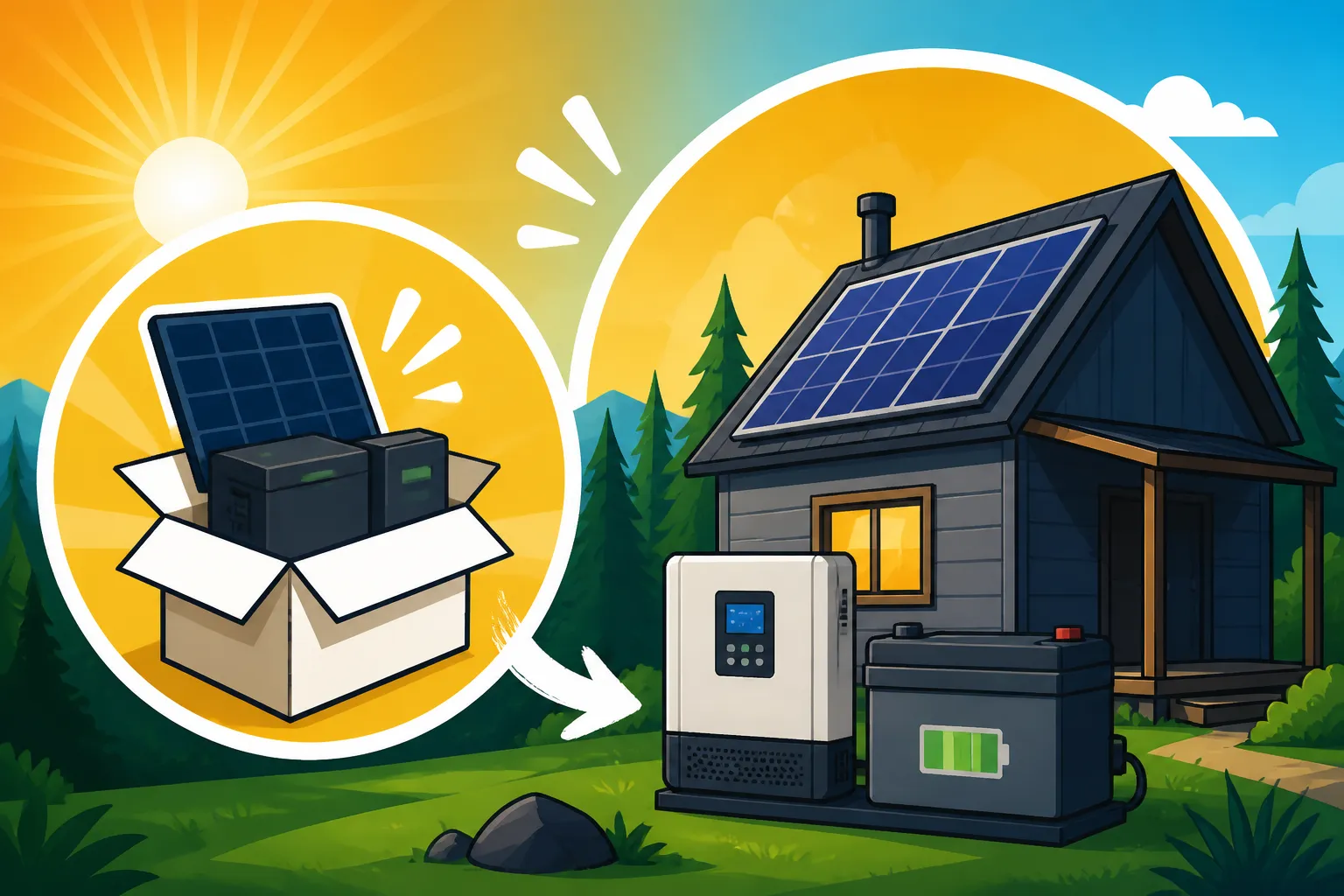
For more stationary applications like a remote hunting cabin, a small shed, or a tiny home, off-grid solar kits under $5,000 tend to feature more permanent mounting solutions and perhaps slightly larger, more robust components than their portable counterparts. These kits usually target essential power needs, making them perfect for weekend retreats or seasonal living. A typical kit might include 800-1200 watts of rigid solar panels, a 200-400Ah battery bank (either LiFePO4 or a robust lead-acid option), an MPPT charge controller, and an inverter capable of handling 2000-3000 watts.
Imagine your cozy cabin in the woods, far from grid lines. A kit from brands like EG4 or Growatt, featuring a combination of panels and a robust all-in-one inverter-charger, could provide enough power for your lights, a small refrigerator, a well pump for intermittent use, and charging personal electronics. This budget often allows for a foundational system that can be the sole power source for a minimally equipped cabin. When looking at these kits, consider the scalability. Can you easily add more panels or batteries later without having to replace core components? This flexibility is invaluable as your energy needs evolve or as you decide to live in your tiny home or cabin for longer periods. You might also want to look into how to plan for the Cost to Power a Cabin with Solar, as this can influence your kit choice.
| Component Category | Typical Range (within $5,000 budget) | Notes |
|---|---|---|
| Solar Panels | 400W – 1200W | Usually monocrystalline; includes mounting hardware for roof or ground, or portable options. Efficiency and physical size vary. |
| Batteries | 200Ah – 400Ah (usable capacity) | Can be 1-2 LiFePO4 100-200Ah batteries or a larger bank of deep-cycle lead-acid (AGM/Gel). LiFePO4 offers better longevity and depth of discharge. |
| Charge Controller | 30A – 60A MPPT or PWM | MPPT controllers are more efficient and preferred for maximizing panel output, especially in variable conditions. |
| Inverter | 1000W – 3000W Pure Sine Wave | Essential for running AC appliances. Ensure sufficient surge capacity for motor-driven devices like refrigerators. |
| Cabling & Fuses | Included | Necessary wires, connectors (e.g., MC4), fuses, and breakers for safe installation. Quality and gauge are important. |
| Optional Extras | Battery monitor, disconnects, transfer switch | Some kits include these; otherwise, they might be add-ons to enhance safety and monitoring. |
Factors to Consider When Choosing Your Kit
Navigating the options for off-grid solar kits under $5,000 requires more than just looking at the price tag. It involves a thoughtful assessment of your specific needs, the environment you're operating in, and your comfort level with installation. Making informed decisions now will save you headaches and potential costs down the road. It's about finding the right balance between what a kit offers and what you truly require for your off-grid aspirations.
Understanding Your Energy Needs
This is arguably the most critical step in choosing any off-grid solar system, regardless of budget. Without a clear understanding of your energy consumption, you're essentially shooting in the dark. Start by making a detailed list of every appliance, light, and electronic device you plan to power. For each item, note its wattage (how much power it uses when running) and how many hours per day you expect to use it. This will give you your daily watt-hour (Wh) consumption. Remember to account for surge wattage for appliances with motors, like refrigerators or microwaves, which can draw significantly more power for a few seconds at startup.
For example, a typical mini-fridge might draw 60 watts but run for 8 hours a day, totaling 480 Wh. Your laptop might draw 50 watts for 4 hours, adding 200 Wh. Totaling these up will give you a clear picture of your daily energy demands. Our comprehensive Off-Grid Solar Load Calculation Explained guide can walk you through this process in detail. Once you have this number, you can compare it against the output capacity of the kits you're considering. A $5,000 kit will likely support a daily average of 1 kWh to 3 kWh (1000-3000 Wh), depending heavily on the included battery capacity and solar array size. Don't forget to factor in "days of autonomy" – how many days your system can power your essentials without sun. In cloudy regions, you might need more battery capacity or a slightly larger solar array to compensate for reduced generation.
Installation Considerations and DIY Potential
When working with a $5,000 budget, the cost of installation can be a significant factor. Many kits in this price range are designed with the DIY enthusiast in mind, offering relatively straightforward installation instructions. If you're comfortable with basic electrical wiring and hand tools, installing the kit yourself can save you thousands of dollars, effectively stretching your budget further. However, it's crucial to be honest with your skill level. Incorrect installation can lead to system malfunctions, reduce efficiency, and even create safety hazards.
Most kits come with detailed diagrams and all the necessary cables, connectors (like MC4 connectors for panels), and mounting hardware. While many aspects are DIY-friendly, certain parts, especially anything involving AC wiring to a breaker panel or grounding, might require the expertise of a licensed electrician to ensure safety and compliance with local codes. Always review the installation manual thoroughly before purchasing and gauge whether you feel capable of tackling the project. Our article on How to Install an Off-Grid Solar System offers a general overview that can help you assess the complexity. Remember, cutting corners on installation, especially with safety components like fuses and breakers, is never worth the risk. Some brands, like Renogy and EcoFlow, also offer excellent customer support and online resources specifically for DIY installers, which can be incredibly helpful.
Maximizing Your Budget and Future-Proofing Your System
Getting the most out of your $5,000 off-grid solar budget isn't just about finding the cheapest kit; it's about strategic planning and making smart investments that will pay off in the long run. Thinking about the future now can prevent costly upgrades or replacements later, truly maximizing your path to energy independence.
Prioritizing Quality Components
It might seem counterintuitive when you're on a tight budget, but prioritizing quality over the absolute lowest price for individual components can actually save you money in the long run. Cheap solar panels might degrade faster, leading to lower output within a few years. Low-quality inverters can fail prematurely or not provide clean power, potentially damaging your sensitive electronics. And, as we discussed, choosing a good battery can significantly impact the lifespan and performance of your entire system.
For example, investing in a reputable MPPT charge controller, even if it adds a couple hundred dollars to the initial cost, can often yield more usable power from your panels compared to a cheaper PWM controller, especially in less-than-ideal weather. Similarly, a LiFePO4 battery, though more expensive upfront than a lead-acid counterpart, typically lasts 5-10 times longer and requires no maintenance, making its Off-Grid Solar Payback Period Explained far more attractive. Look for brands known for their reliability and customer support. Victron Energy, Outback Power, and MidNite Solar are often considered top-tier for individual components like charge controllers and inverters, though integrated kits from brands like EG4 or Growatt offer a great balance of cost and quality for a complete system. While you might not be able to afford all top-tier components on a $5,000 budget, identifying the critical parts where quality matters most (like batteries and inverters) is a smart play.
Planning for Future Expansion
One of the smartest ways to approach an off-grid solar system on a budget is to design it with future expansion in mind. Your energy needs might grow, or you might decide to add more appliances later. A modular system allows you to easily scale up without having to replace your entire setup. When evaluating kits under $5,000, ask yourself:
- Can I easily add more solar panels? Look for kits with charge controllers that can handle a higher input wattage than the initial panels provide, or systems that allow for additional charge controllers to be integrated.
- Can I expand my battery bank? LiFePO4 batteries are excellent for this, as new batteries can often be added to an existing bank (within certain guidelines for age and State of Charge) more easily than lead-acid. Consider systems that use a common battery voltage (e.g., 12V or 24V) which makes finding compatible additions simpler. Our guide on Cost of Expanding an Off-Grid System can give you more insights.
- Is the inverter expandable or easily upgradeable? Some inverter-chargers allow for parallel operation to increase output, or you can plan to upgrade to a higher wattage unit if your AC loads increase significantly.
For instance, a kit from Renogy or Jackery that includes a charge controller with extra capacity means you could buy two 100-watt panels now and easily add two more later simply by wiring them in parallel to your existing controller. This strategic thinking allows your initial $5,000 investment to be a stepping stone rather than a limiting factor. It ensures that as you learn more about your energy habits and potentially acquire more devices, your solar system can grow with you. Ultimately, being able to expand your system incrementally makes the long-term investment more manageable and sustainable, aligning perfectly with a budget-conscious approach to off-grid living.
Disclaimer
The information provided in this guide is for general informational purposes only and does not constitute professional advice. Off-grid solar system design and installation can be complex and involve electrical hazards. Always consult with qualified professionals and adhere to local electrical codes and regulations when planning and installing your off-grid solar system.