Best Off-Grid Solar for Desert Climates
Living off-grid in a desert climate might sound like a dream for some – endless sunshine, wide-open spaces, and that undeniable sense of freedom. But let's be real, the desert is beautiful, but it's also incredibly harsh on everything, especially your delicate solar power setup. The intense heat, relentless sun, and swirling dust can make reliable off-grid power feel like an uphill battle. This guide is here to walk you through the unique challenges of desert living for your solar system and show you how to build a resilient, dependable power source that can stand up to Mother Nature's toughest tests.
Understanding Desert Challenges for Off-Grid Solar
You might think that abundant sunshine makes the desert the perfect place for solar, and while that's true in terms of raw energy, it's also a double-edged sword. The very elements that provide that glorious sunlight also conspire to degrade and diminish your system's performance. It’s not just about getting enough sun; it’s about surviving the sun.
Intense Heat and UV Radiation
When you're out in the Mojave or Sonoran Desert, you're not just dealing with warm days; you're often facing triple-digit temperatures that bake everything they touch. This extreme heat is a major enemy of solar components.
Solar panels, for instance, actually lose efficiency as their temperature rises. A panel rated for 300 watts might only produce 250 watts or less when it's scorching hot because the heat makes the semiconductor material less efficient at converting sunlight into electricity. This is often quantified by a "temperature coefficient" – a negative percentage that tells you how much power is lost per degree Celsius above a standard test temperature (usually 25°C or 77°F). So, while you have more sun, you might be getting less power than you expect during the hottest parts of the day. Beyond just efficiency, the intense UV radiation that comes with all that sunshine can accelerate the degradation of plastic components on your panels, like the back sheets, junction boxes, and wiring insulation, leading to premature failure.
Batteries hate extreme heat even more than panels do. Lead-acid batteries will experience accelerated water loss and sulfation, while lithium iron phosphate (LiFePO4) batteries, while more tolerant, can still suffer reduced lifespan and even thermal runaway if they get too hot without proper management. Imagine investing thousands in a battery bank only for it to prematurely fail because it’s constantly roasting in a poorly ventilated shed. It's a real and expensive frustration many off-gridders face. Even your inverter and charge controller, the brains of your system, are susceptible. High ambient temperatures can cause these devices to "derate," meaning they automatically reduce their output to protect internal components from overheating, which can leave you short on power when you need it most.
Dust, Sand, and Wind Concerns
Deserts are, by their very nature, dusty places. Whether it's a gentle breeze kicking up fine silt or a full-blown haboob (a massive dust storm), your solar panels are constantly under assault.
This isn't just an aesthetic issue; accumulated dust and sand on your solar panels can dramatically reduce their power output. Even a thin layer can block a significant amount of sunlight from reaching the photovoltaic cells. Think about trying to see through a dirty car windshield – that's what your panels are experiencing. Many off-gridders report having to clean their panels weekly, or even daily during windy seasons, just to maintain decent production. This adds a chore and uses precious water, which is often a scarce resource in desert environments.
Beyond merely blocking light, the abrasive nature of sand can actually etch and scratch the glass surface of your panels over time, further reducing transparency and efficiency. Strong winds are another factor. They can exert tremendous force on your panels, especially if they are not securely mounted. A poorly designed or installed mounting system can fail in a strong desert gust, sending panels flying and creating a costly mess. This is why paying close attention to things like wind load ratings and robust racking systems is non-negotiable when you're setting up off-grid in places like the Arizona desert or the high plains of Nevada.
Extreme Temperature Swings
It's a common misconception that deserts are just hot all the time. While daytime temperatures can be brutal, many desert regions experience surprisingly dramatic drops at night. It's not uncommon for a day that hit 110°F to plummet to 50°F or even lower after sunset.
These extreme temperature swings put incredible stress on all your system components. Materials expand and contract with temperature changes, which can lead to fatigue over time in electrical connections, mounting hardware, and even the solar cells themselves. This is particularly critical for batteries. Rapid and extreme temperature fluctuations can reduce their overall lifespan and affect their performance. For example, charging a cold battery can be damaging, especially for LiFePO4 batteries, which often require internal heating elements to safely charge below freezing temperatures, even if the daytime is scorching.
Your wiring and connections are also vulnerable. The constant expansion and contraction can loosen terminals or cause insulation to become brittle and crack, leading to potential shorts or resistance issues. Imagine your system working perfectly during the day, only to struggle to deliver consistent power after a chilly desert night because connections have stretched or become compromised. This is a critical factor when designing an off-grid solar system for year-round reliability.
Key Components for Desert-Proof Solar Systems
Building a solar system that thrives in the desert isn't about throwing any old equipment at it. It requires careful selection of components designed to withstand, and even excel, under extreme conditions. You're not just buying solar; you're investing in resilience.
Robust Solar Panels Built for the Sun
Choosing the right solar panels for a desert environment is paramount. You need panels that aren't just efficient, but durable and designed to handle the heat without losing too much steam.
First, look for panels with excellent temperature coefficients. As discussed, solar panel output decreases as temperatures rise. A typical panel might lose 0.4% per degree Celsius, but some higher-quality panels are designed to lose only 0.25-0.35%. This difference might seem small, but over a long, hot desert day, it can add up to significant energy gains. Monocrystalline panels are generally preferred for their higher efficiency, which means you need fewer panels to achieve your desired output, reducing the surface area exposed to wind and dust. You can learn more about finding the right amount of panels in our guide on .
Beyond the cells themselves, the construction quality is crucial. Seek out panels with sturdy aluminum frames that can withstand strong winds without twisting or warping. The glass covering the cells should be low-iron, tempered glass, designed for impact resistance against blowing sand and hail, and to maximize light transmission. Pay close attention to the junction box on the back of the panel – this is where the electrical connections are made. It should be robust, waterproof (IP67 or IP68 rated), and made of high-quality, UV-resistant plastic or aluminum to prevent degradation from the sun's relentless UV rays. Brands like Renogy and Newpowa offer panels that are known for their durability and good performance in various conditions, making them a solid choice for off-grid applications. Don't skimp on these details, as replacing a failed panel in a remote location is a headache you definitely want to avoid.
Batteries That Can Handle the Heat (and Cold)
Your battery bank is the heart of your off-grid system, and in the desert, it's also one of the most vulnerable components. Protecting your batteries from extreme temperatures is non-negotiable. If you want to know more about the different choices, check out our guide on .
When it comes to battery chemistry, LiFePO4 (lithium iron phosphate) batteries have become the gold standard for off-grid living, even in deserts, largely due to their high cycle life, deeper discharge capabilities, and relatively better thermal stability compared to traditional lead-acid batteries. However, "better" doesn't mean impervious. While LiFePO4 batteries can operate in a wider temperature range, they perform best and last longest when kept within a moderate temperature window, typically around 50-80°F (10-27°C). Critically, they cannot be charged when their internal temperature is below freezing without risking permanent damage. Many quality LiFePO4 batteries designed for off-grid use, such as those from Battle Born or EG4, include built-in Battery Management Systems (BMS) with low-temperature charge cutoff and often internal heating elements, which are a game-changer for desert nights that dip below freezing. This feature allows them to safely accept a charge even when it's chilly, preventing damage.
If your budget leans towards lead-acid, sealed AGM (Absorbed Glass Mat) batteries are generally a better choice than flooded lead-acid for desert conditions because they don't require maintenance (like watering) and are less prone to evaporation in high heat. However, they are still highly sensitive to heat; every 18°F (10°C) increase above 77°F (25°C) can halve their lifespan. Regardless of chemistry, the key is enclosure and ventilation. Batteries should be stored in a well-insulated, well-ventilated enclosure, ideally located in a shaded area or even underground if practical, to mitigate the extreme temperature swings. Active cooling (fans) or heating (for cold nights) might be necessary for optimal battery health, especially for large, critical systems.
Inverters and Charge Controllers with Thermal Management
The electronics that manage your solar power – the inverter that converts DC to AC, and the charge controller that regulates charging your batteries – are also susceptible to heat-related issues. For deeper insights into these vital components, explore our guide on .
Look for inverters and charge controllers that are explicitly designed for harsh environments or heavy-duty use. These units often feature robust internal components, oversized heat sinks, and efficient cooling fans to prevent overheating. Brands like Victron Energy and Sol-Ark are highly regarded for their robust and intelligent inverter-chargers and charge controllers, many of which are built with excellent thermal management capabilities. A good MPPT (Maximum Power Point Tracking) charge controller is almost a given for desert systems, as they are significantly more efficient at harvesting power from panels, especially when panel temperatures fluctuate throughout the day.
When sizing your inverter, it's wise to consider derating. If an inverter is rated for 5000 watts at 77°F, it might only reliably produce 4000 watts at 100°F. Oversizing your inverter slightly can provide a buffer against this derating and ensure you still have enough power when the heat is extreme. Pay attention to the operating temperature range specified by the manufacturer. Adequate ventilation for these devices is crucial. They should be installed in a shaded, well-ventilated area, preferably not in direct sunlight or in a small, unventilated box that traps heat. In some cases, adding auxiliary fans to their enclosure can significantly extend their lifespan and improve reliability.
| Component Type | Desert Considerations | Recommended Features |
|---|---|---|
| Solar Panels | Efficiency loss in high heat, UV degradation, dust accumulation, wind loading. | Low temperature coefficient, sturdy frames, tempered glass, IP67/IP68 junction boxes, monocrystalline cells. |
| Batteries | Accelerated degradation in heat, inability to charge in cold, temperature swings, water loss (lead-acid). | LiFePO4 with BMS (low-temp cutoff, internal heaters), sealed AGM (if lead-acid), robust, insulated, and ventilated enclosure. |
| Inverter/Charge Controller | Derating in high heat, component stress from temperature swings, dust ingress. | Wide operating temperature range, robust heat sinks, active cooling (fans), MPPT technology, high IP rating for dust, quality brands (e.g., Victron, Sol-Ark). |
| Mounting Hardware | Extreme wind forces, UV degradation of plastics, corrosion in some arid environments. | Heavy-duty aluminum or galvanized steel, secure anchoring, UV-resistant cable ties/clips, adjustable tilt. |
Strategic Design and Installation for Desert Environments
Once you've got your robust components, the next step is to put them together in a way that maximizes their performance and longevity in the desert. It's not just about what you buy, but how you set it up. Check out our guide on how to size an off-grid solar system for a more in-depth look.
Optimizing Panel Placement and Mounting
How and where you install your solar panels can make a huge difference in their performance and durability in a desert climate. This is more than just finding a sunny spot. For those planning their own setup, our article on provides a great starting point.
First, consider airflow around your panels. While panels lose efficiency in heat, mounting them directly flush with a roof can exacerbate this problem by trapping heat underneath. Using mounting systems that allow for several inches of air gap between the panel and the mounting surface can provide crucial convective cooling, helping to keep panel temperatures lower and boosting efficiency. Ground mounts are often a superior choice in the desert compared to roof mounts for several reasons: they usually allow for better airflow, are easier to clean, and offer more flexibility for adjusting tilt angles.
Speaking of tilt, while the optimal year-round tilt for solar panels is generally considered to be roughly equal to your latitude, in desert regions with extreme summer heat, you might consider slightly over-tilting your panels during the peak summer months. A steeper tilt can help the panels shed dust more effectively during wind events and can also reduce the direct overhead sun exposure during the hottest, highest-sun angle times of the day, slightly mitigating heat build-up. For instance, in the Arizona desert, setting panels closer to a 25-30 degree tilt for the summer might be more beneficial than a lower angle. Ensure your mounting hardware is heavy-duty and rated for high wind speeds, well above what you expect in your area. Guy wires or extra bracing for ground mounts can be a wise investment against unexpected gusts or haboobs.
Protecting Your System from the Elements
The desert is relentlessly unforgiving, so active protection of your off-grid system components is paramount. This goes beyond just getting robust equipment; it means creating a micro-environment where your critical electronics and batteries can thrive.
For your charge controller and inverter, installing them inside a well-ventilated, shaded enclosure is a must. Think of a small shed, a dedicated utility room, or even a robust outdoor electrical box specifically designed to be waterproof and dust-proof, like those from MidNite Solar. This enclosure should be out of direct sunlight and ideally have passive or active ventilation (like small, solar-powered exhaust fans) to pull hot air out. Consider placing it on the north side of a building or under a significant overhang to maximize natural shade.
Batteries require even more attention. As mentioned, an insulated enclosure is critical. For instance, if you're using a small shed, adding insulation to the walls and ceiling, and installing a vent fan that pulls cooler air in and pushes hot air out, can help maintain a more stable temperature. Some off-gridders even opt for burying battery boxes a few feet underground where soil temperatures remain more constant, which can be an excellent passive cooling strategy. Protecting your wiring is also vital. All exposed wiring should be run in UV-resistant conduit to shield it from sun degradation and physical damage from blowing sand or animals. Use weather-resistant connectors (MC4 for panels) and ensure all connections are tight and secure. Proper grounding of your entire system is also a non-negotiable safety measure, providing protection against lightning strikes which are common in many desert thunderstorm seasons.
Regular Maintenance and Monitoring
The best off-grid solar system in the desert is one that you actively maintain and monitor. Neglecting it is a surefire way to shorten its lifespan and invite frustrating power outages. Understanding your .
Panel cleaning is perhaps the most frequent task. Dust and sand can build up quickly, drastically reducing efficiency. Depending on your location and the season, you might need to clean your panels weekly, or even after every significant wind event. A soft brush and water (preferably de-ionized to avoid mineral deposits) are usually sufficient. During dry periods, compressed air might work for light dust, but often a rinse is needed.
Battery monitoring is critical. Even with a good BMS, regularly checking your battery voltage, state of charge, and internal temperatures (if your system allows) can help you catch issues before they become major problems. A good battery monitor, like those from Victron, provides essential data on what's happening inside your power bank. Periodically inspect all electrical connections – from your panels to your charge controller, to your batteries, and to your inverter. Heat cycles, vibration from wind, and general wear and tear can cause connections to loosen over time. A loose connection can lead to increased resistance, heat buildup, and potential fire hazards. Look for any signs of corrosion, fraying wires, or compromised insulation. Regularly check that your ventilation systems (fans, vents) are clear of dust and operating correctly. Proactive maintenance is your best defense against the desert's relentless assault on your off-grid independence. If you're wondering about the overall costs, our article on is a useful read.
Recommended Off-Grid Solar Kits and Brands for Deserts
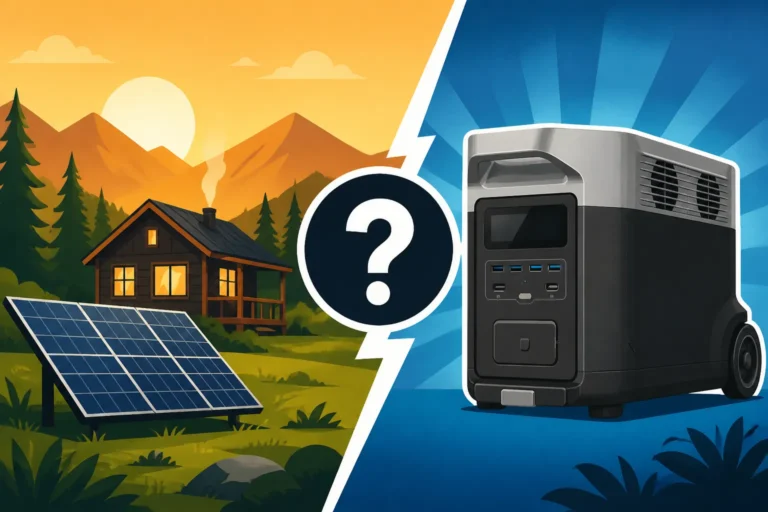
When venturing into off-grid solar in a desert climate, you have options ranging from complete, integrated systems to building a custom setup component by component. Each has its advantages, but some are particularly well-suited for the desert's unique challenges. Our guide on provides an extensive overview.
All-in-One Portable Power Stations
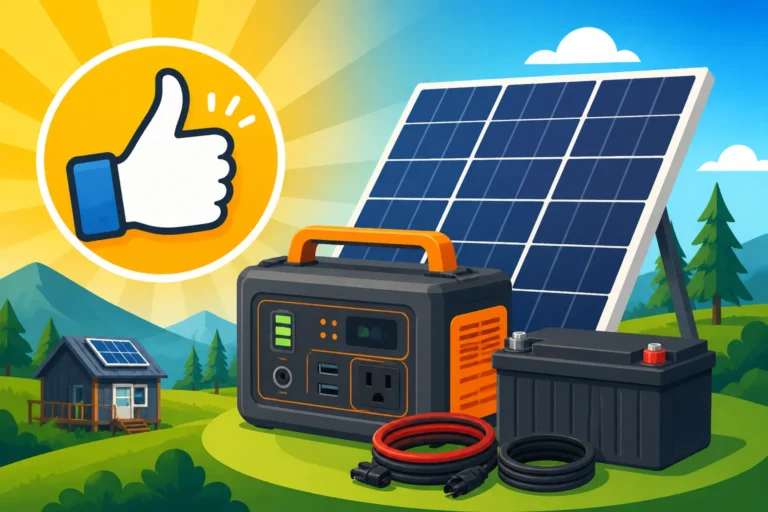
For smaller, more mobile, or less demanding desert setups, all-in-one portable power stations or "solar generators" can be an excellent starting point. They integrate the battery, inverter, and charge controller into a single, compact unit. This simplifies setup immensely – you just plug in your solar panels and you're good to go.
Many of these units, like the popular Jackery Explorer series or larger EcoFlow Delta models, feature robust designs, some with high IP ratings for dust and water resistance, which is a major plus in sandy environments. They are incredibly easy to deploy, move into shade when the sun is most intense, or pack away during a dust storm. For a simple setup for a desert camping trip, a remote worksite, or even as backup power for a small cabin, a Jackery Explorer 1000 or 2000 Pro can power lights, charge devices, and even run small appliances.
The downside is that they are generally less scalable and less powerful than a custom-built system for a full-time residence. Their internal batteries are typically not designed for long-term extreme temperature exposure without care, meaning you'll still need to manage their environment, perhaps bringing them inside a vehicle or shaded structure during peak heat or cold. However, for sheer convenience and a lower entry barrier, they offer a practical and often robust solution for lighter power needs in the desert.
Modular Systems for Scalability
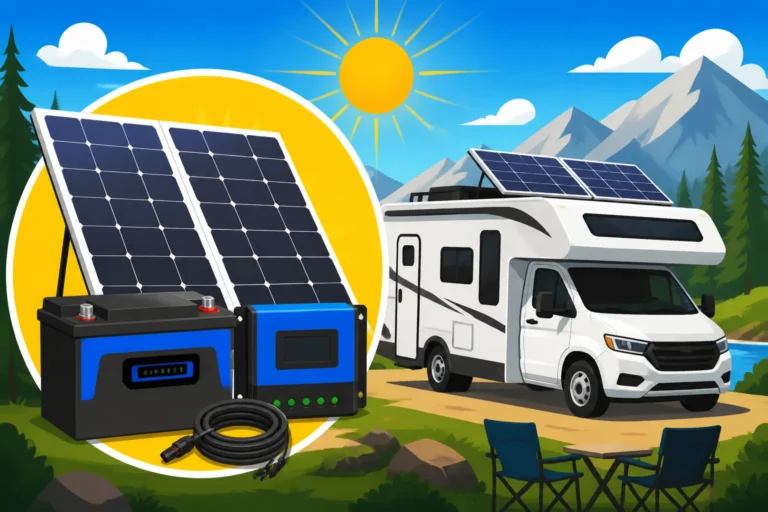
For serious off-grid living in the desert, particularly for homes, cabins, or large RVs, a modular system built from individual components is usually the best and most resilient option. This allows you to select each part for its desert-specific performance and design a truly tailored system.
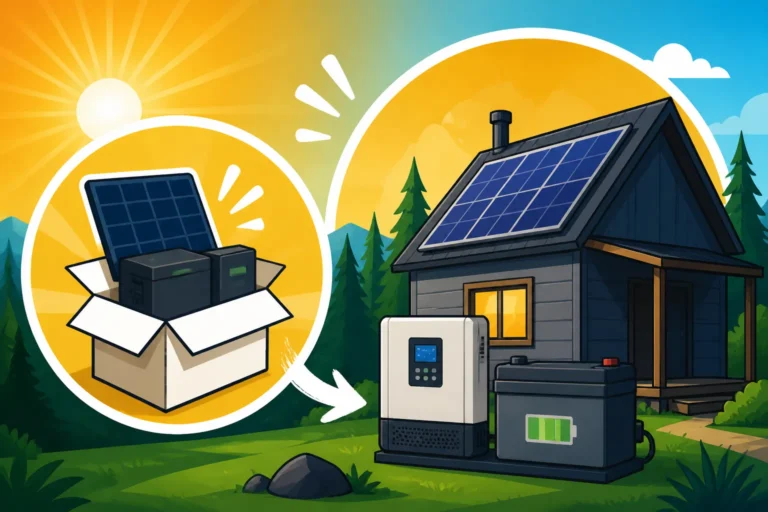
You can choose high-efficiency monocrystalline solar panels with excellent temperature coefficients, pair them with a robust MPPT charge controller like a Victron SmartSolar that can handle fluctuating panel input, and then connect to a sizable LiFePO4 battery bank with built-in heating elements and a sophisticated Battery Management System. Finally, an industrial-grade pure sine wave inverter, such as a Sol-Ark or OutBack Power unit, will provide clean, reliable AC power for all your appliances, even sensitive electronics. These brands are known for producing components that withstand harsh conditions.
The beauty of a modular system is its scalability and redundancy. If one component fails, it can often be replaced without overhauling the entire system. You can start with a smaller setup and add more panels or batteries later as your needs grow, which is a common approach many take when budgeting for an off-grid solar system. While the initial planning and installation (perhaps even involving a licensed electrician for certain aspects) are more complex, the long-term reliability, efficiency, and adaptability of a well-designed modular system make it the champion for desert off-grid living.
Disclaimer
The information provided in this guide is for general informational purposes only and does not constitute professional advice. Off-grid solar system design and installation can be complex and involve electrical hazards. Always consult with qualified professionals and adhere to all local codes and regulations before installing or modifying any electrical system. The author and publisher are not responsible for any actions taken based on the information presented herein.