Off-Grid Solar vs Grid-Tied Cost Comparison
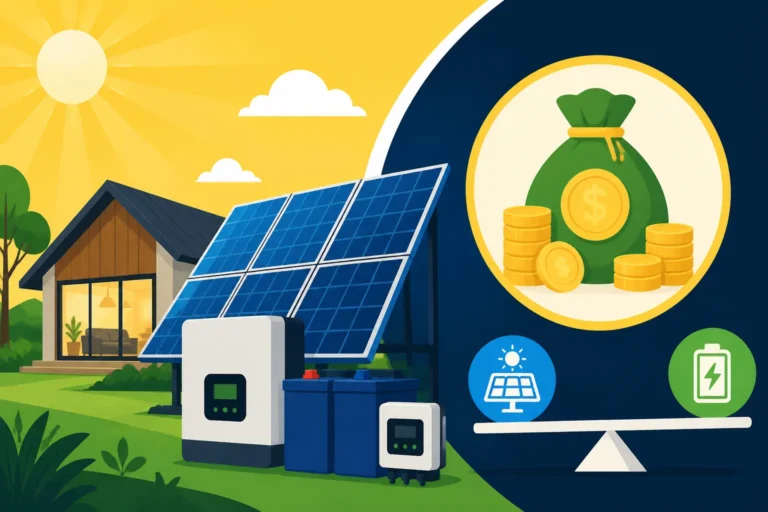
Deciding to make the leap to solar power is a huge step, and one of the biggest questions that immediately comes to mind is often about the money. Specifically, many folks wrestle with whether to go fully off-grid or connect to the utility grid, and the cost difference can feel like a massive, confusing maze. It's not just about the sticker price; it's about what you're actually getting for your investment in both the short and long run. This guide is here to untangle that financial confusion, offering a realistic, in-depth comparison of off-grid and grid-tied solar system costs, helping you figure out which path truly aligns with your budget and lifestyle.
Understanding the Basics: Off-Grid vs. Grid-Tied Solar
Before we dive deep into the dollars and cents, it's crucial to understand what exactly distinguishes an off-grid solar system from a grid-tied one. Many people use the terms interchangeably or have a fuzzy idea, but the differences are fundamental, not just in how they operate, but in their component needs and, ultimately, their price tags. Getting a clear picture of these core distinctions will set the stage for our cost comparison.
Defining Grid-Tied Solar Systems
A grid-tied solar system, sometimes called an on-grid or grid-direct system, is the most common type of residential solar installation you'll see. The core idea here is that your solar panels generate electricity, which is then converted by an inverter into AC power suitable for your home. However, instead of storing excess energy, any power your panels produce that your home doesn't immediately use is sent back to the public utility grid. When your panels aren't producing enough power – like at night or on very cloudy days – your home simply draws electricity from the grid, just like always.
The magic of grid-tied systems often lies in what's known as net metering. This policy, available in many areas, means your utility company gives you credits for the excess electricity you feed into the grid. These credits then offset the power you draw from the grid at other times, effectively using the grid as a giant, communal battery. You still have a connection to your utility provider and usually still pay a minimal monthly fee for that connection, even if your net usage is zero. The financial appeal is clear: lower or eliminated electricity bills without the need for expensive battery storage.
However, there's a significant drawback for many: most grid-tied systems are designed to shut down automatically during a power outage to protect utility workers. So, even if the sun is shining brightly, if the grid goes down, your house goes dark right along with your neighbors. This reliance on the grid, even as you generate your own power, is a key characteristic.
Defining Off-Grid Solar Systems
An off-grid solar system, on the other hand, is all about complete energy independence. There's no connection to the public utility grid whatsoever. Your home or cabin relies 100% on the power generated by your solar panels and stored in your battery bank. When the sun shines, your panels charge your batteries and power your loads. When the sun isn't available, you draw power directly from those batteries.
The promise of living off-grid is compelling: freedom from utility bills, independence from blackouts, and the ability to build almost anywhere, regardless of grid access. For those looking to power a remote cabin or a tiny home far from existing infrastructure, off-grid isn't just an option, it's often the only viable solution. This lifestyle choice requires a deeper understanding of your energy consumption and a robust system design to ensure you have enough power, especially during periods of low sunlight.
This freedom, however, comes with increased complexity and cost, primarily due to the necessity of a substantial battery bank and often a backup generator. You become your own utility company, responsible for every aspect of power generation, storage, and distribution.
Key Differences in System Components
The fundamental difference in operation naturally leads to different component requirements, which directly impacts the overall cost breakdown.
- Grid-Tied Systems: Typically consist of solar panels, a grid-tied inverter (or microinverters), and a way to connect safely to the utility grid (like a disconnect switch and meter). Sometimes, if backup power during outages is desired, a battery bank can be integrated, forming a "hybrid" system, but this adds complexity and cost similar to an off-grid setup. The simplicity of not needing batteries is what often makes these systems more budget-friendly upfront.
- Off-Grid Systems: These systems require a more comprehensive set of components. You'll need solar panels, a charge controller (to manage the power flow from panels to batteries), a substantial battery bank (often the most expensive single component), an inverter (to convert battery DC power to household AC power), and typically a backup generator. This generator isn't just for emergencies; it's a vital part of the system design for extended cloudy periods or when your energy demands temporarily exceed solar production. The wiring and safety components also tend to be more robust to handle higher currents and ensure system integrity without grid backup.
Understanding these distinctions is the first step in appreciating why the financial picture for each type of system varies so dramatically. It's not just about panel output; it's about the entire ecosystem supporting your power needs.
Initial Investment Costs: Where Your Money Goes
When you first start exploring solar, the upfront cost can feel like a mountain. But it's important to break down what contributes to that initial price tag for both off-grid and grid-tied systems. While some components overlap, the necessity of energy storage for off-grid living significantly shifts the cost landscape.
Solar Panels and Mounting Hardware
Whether you're going off-grid or grid-tied, solar panels are your primary energy collectors, and they represent a significant portion of the initial investment. The number and wattage of panels you need will depend heavily on your energy consumption, the amount of sunlight your location receives, and whether you're grid-tied (where the grid can supplement) or off-grid (where you need to meet all needs, plus charge batteries).
For a typical residential grid-tied system, you might aim for enough panels to offset a large percentage of your electricity bill, maybe 5-10 kW. For an off-grid home, the calculation is often about ensuring sufficient power for your entire daily load plus enough extra to fully charge your batteries, especially in winter or on cloudy days. This often means a larger solar array than a comparable grid-tied home might install, simply because there’s no grid to lean on. Mounting hardware—racking systems for roofs or ground mounts—also contributes to the cost. Ground mounts can be more expensive due to additional labor and foundation work, but they allow for optimal panel angling and easier maintenance. For more details on sizing, check out our guide on How to Size an Off-Grid Solar System.
Let's consider a hypothetical 5kW system. For panels alone, you might be looking at anywhere from $1.50 to $2.50 per watt, so $7,500 to $12,500 for the panels themselves, depending on efficiency and brand. The mounting hardware could add another $1,000 to $3,000. While the per-watt cost of panels is fairly consistent across both system types, the sheer number of panels might be higher for a comparable off-grid setup to account for battery charging and autonomy.
Inverters and Charge Controllers
These are the brains of your solar system, and their role differs significantly between grid-tied and off-grid setups.
- Grid-Tied Inverters: For grid-tied systems, you'll typically use a string inverter that converts all the DC power from your panels into AC power for your home and the grid, or you might opt for microinverters, which are installed on each panel. Microinverters offer panel-level optimization and are often preferred for roofs with partial shading. A good quality grid-tied inverter might cost $1,500 to $4,000 for a residential system, with microinverter setups potentially adding 10-20% to the overall panel cost. The primary function is conversion and synchronization with the utility grid.
- Off-Grid Inverters and Charge Controllers: Off-grid systems require a more robust and intelligent inverter that can handle variable loads, battery charging, and seamlessly switch to a backup generator if needed. These are often pure sine wave inverters, crucial for sensitive electronics. Additionally, an off-grid system requires a charge controller, which regulates the voltage and current from your solar panels to your battery bank, preventing overcharging and optimizing battery life. High-quality MPPT (Maximum Power Point Tracking) charge controllers are highly efficient and necessary for optimizing energy harvest. The combined cost of an off-grid inverter and a capable charge controller can range from $2,000 to $10,000 or even more, depending on the system size and features (e.g., whether it’s an all-in-one inverter-charger unit). This is a substantial added cost compared to grid-tied systems.
Battery Banks: The Off-Grid Differentiator
Here's where the cost differences truly diverge. For an off-grid system, a battery bank is not optional; it's the heart and soul, providing power when the sun isn't shining. This component alone can easily account for 30-50% of the total system cost, sometimes even more.
- Types of Batteries: The most common options are lead-acid (flooded or AGM) and lithium iron phosphate (LiFePO4). Lead-acid batteries are cheaper upfront, but have a shorter lifespan, require more maintenance, and have a lower usable depth of discharge. LiFePO4 batteries, while more expensive initially, offer a much longer lifespan (often 10-15+ years), deeper discharge cycles, higher efficiency, and are virtually maintenance-free. For a truly reliable off-grid setup, most experts and veteran off-gridders recommend LiFePO4 batteries despite the higher upfront cost due to their superior performance and longevity. You can learn more about LiFePO4 vs Lead-Acid Battery Cost to help with your decision.
- Sizing and Cost: A typical off-grid home might need anywhere from 10 kWh to 50 kWh or more of battery storage capacity, depending on daily usage and desired "days of autonomy" (how many days the system can run without sun). For example, a modest 20 kWh LiFePO4 battery bank could cost anywhere from $10,000 to $25,000, depending on the brand and capacity. Lead-acid might be half that initially but will likely need replacement sooner, negating some of the savings. Grid-tied systems, on the other hand, usually forego batteries entirely, saving this entire chunk of expenditure. If a grid-tied system does include batteries for backup, it becomes a "hybrid" system, and its cost will creep closer to that of an off-grid setup.
Wiring, Electrical Components, and Installation Labor
Beyond the major components, there's a myriad of smaller but essential parts that add to the cost, alongside the significant expense of installation.
- Balance of System (BOS) Components: This includes all the wiring, conduits, circuit breakers, fuses, disconnect switches, and monitoring equipment. Off-grid systems often require heavier gauge wiring for longer runs or higher currents, and more complex electrical panels to manage various power sources (solar, batteries, generator). The cost for these BOS components can range from a few hundred to several thousand dollars, depending on system size and complexity. For example, a critical component for safe off-grid operations is a robust battery monitor, ensuring you always know the state of charge.
- Installation Labor: This is often the single largest line item after major equipment. Professional installation for a grid-tied system can range from $1.00 to $2.00 per watt. So, for a 5kW system, that's $5,000 to $10,000. Off-grid systems typically incur higher labor costs due to their increased complexity, additional components, and often remote locations. Running conduit, wiring up a charge controller and a large battery bank, integrating a generator, and ensuring proper grounding for an isolated system all require specialized expertise. This could push installation costs significantly higher, potentially $2.00 to $4.00 per watt or more, meaning $10,000 to $20,000 for a 5kW equivalent off-grid setup, if not more depending on site challenges. For those considering a DIY approach, check out DIY vs Professional Off-Grid Solar Cost to understand the potential savings and challenges.
Initial Investment Cost Comparison (Hypothetical 5kW System for a Modest Home)
| Component Category | Grid-Tied System (No Batteries) | Off-Grid System (LiFePO4 Batteries, Generator) | Notes |
|---|---|---|---|
| Solar Panels | $7,500 – $12,500 | $9,000 – $15,000 | Off-grid may need more panels for battery charging/autonomy |
| Mounting Hardware | $1,000 – $3,000 | $1,500 – $4,000 | Similar, but off-grid might use ground mounts more often |
| Inverter/Charge Controller | $1,500 – $4,000 (Grid-tied Inverter) | $2,000 – $10,000 (Off-grid Inverter + Charge Controller) | Off-grid needs both, more robust/feature-rich components |
| Battery Bank | $0 (Optional hybrid: $10,000+) | $10,000 – $25,000 (20 kWh LiFePO4) | Primary cost driver for off-grid. |
| Backup Generator | $0 (Optional: $1,000+) | $1,000 – $5,000 | Essential for off-grid reliability. |
| BOS & Wiring | $500 – $2,000 | $1,000 – $3,000 | More complex for off-grid. |
| Installation Labor | $5,000 – $10,000 | $10,000 – $20,000 | Higher for off-grid due to complexity and often remote locations. |
| Total Estimated Upfront Cost | $15,500 – $33,500 | $33,500 – $82,000+ | Off-grid is generally significantly more expensive upfront. |
Note: These are rough estimates and can vary wildly based on location, component quality, specific energy needs, and labor rates.
As you can see, the initial outlay for an off-grid system is substantially higher due to the mandatory inclusion of a battery bank and the often more complex inverter and charge controller setup, not to mention a backup generator.
Long-Term Financial Implications and Savings
While the upfront cost is a big hurdle, solar power is a long-term investment. Understanding the financial implications over the lifespan of your system is where the true value proposition emerges for both off-grid and grid-tied solutions. The way each system interacts with your wallet over years, even decades, is vastly different.
Utility Bill Elimination vs. Reduction
This is the most straightforward and often most appealing financial benefit of solar.
- Grid-Tied Systems: Your primary long-term saving comes from drastically reduced or even eliminated monthly utility bills. With net metering, you're essentially banking excess solar production to use later. Many homeowners find their annual electricity costs plummet, often paying only the minimal connection fee to their utility company. Over 20-30 years, this can amount to tens of thousands of dollars in savings, depending on your energy consumption and local electricity rates. The exact figure depends on how comprehensively your system offsets your usage, as well as the local utility rates. If you're in an area with escalating electricity prices, these savings become even more pronounced.
- Off-Grid Systems: The most immediate and satisfying financial benefit is the complete elimination of utility bills. No monthly statements, no connection fees, no rate hikes. For properties that are far from existing grid infrastructure, this isn't just a saving, it's a massive avoidance of potentially exorbitant costs to extend power lines to a remote location. Utility line extensions can cost anywhere from $20,000 to $100,000 per mile or more, making off-grid solar the cheaper option in many remote scenarios from day one. Over the decades, this means consistent, predictable energy costs (primarily maintenance and eventual battery replacement) rather than fluctuating utility rates. This predictability is a huge win for long-term budgeting.
Potential for Net Metering Benefits
This benefit is exclusive to grid-tied systems (or hybrid systems that are still connected to the grid). Net metering allows you to send excess electricity generated by your solar panels back to the grid and receive credits on your electricity bill. These credits can then be used to offset the cost of electricity drawn from the grid at night or on cloudy days.
The value of net metering can vary significantly by state and utility provider. Some offer 1:1 retail rate credits, meaning you get paid the same rate for power exported as you pay for power imported. Others offer lower rates or different compensation structures (e.g., net billing). This can profoundly affect the Off-Grid Solar Return on Investment. For example, in California, net metering policies have changed, affecting the payback period for new solar installations. It's crucial to research the specific policies in your area when considering a grid-tied system, as they directly impact your long-term savings and how quickly your system pays for itself. Without net metering, a grid-tied system still reduces your immediate consumption but offers fewer benefits for excess production.
Fuel Savings and Avoiding Future Rate Hikes
Beyond direct utility bills, there are other long-term financial considerations.
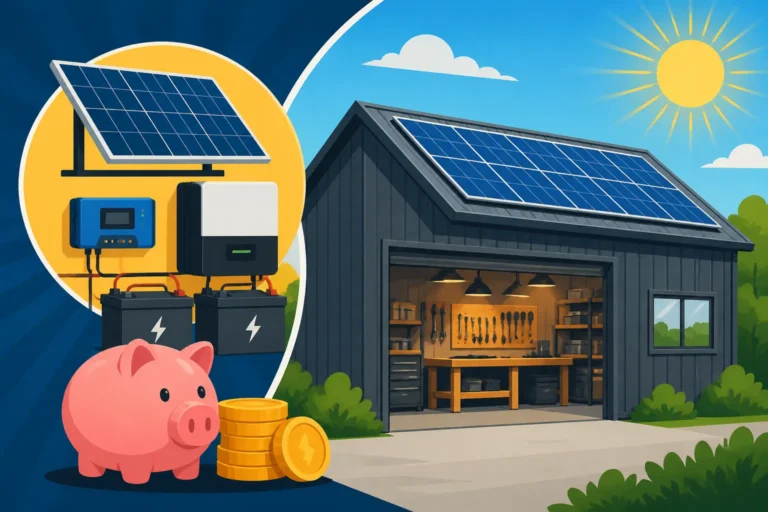
- Fuel Savings (Off-Grid): For off-grid setups, a backup generator is almost always part of the plan. However, with a well-designed solar system and ample battery storage, the generator should only be running during extended periods of low solar production or unusually high demand. This means significant savings on fuel costs compared to relying solely on a generator. Imagine powering a remote workshop with a generator running all day versus using an off-grid solar system where the generator only kicks in for an hour or two on a very overcast week. That's thousands of dollars in fuel savings over a year, especially with current fuel prices. This is a subtle but powerful long-term saving that truly makes off-grid solar worth it.
- Avoiding Future Rate Hikes: This is a benefit shared by both system types but felt most acutely by off-grid systems. Utility rates have historically, and will likely continue to, increase over time. By generating your own power, you are largely immune to these fluctuations. For grid-tied users, you're hedging against future increases. For off-grid users, you're completely insulated. Imagine having a fixed energy cost (maintenance) for 25+ years while your neighbors' bills continue to climb. This long-term financial stability offers immense peace of mind.
Operational and Maintenance Costs Over Time
The initial installation cost isn't the end of the financial story. Both off-grid and grid-tied solar systems require ongoing operational expenses and occasional maintenance. However, the nature and scale of these costs differ significantly, once again tipping the scales in favor of grid-tied for simplicity and off-grid for long-term self-sufficiency.
Battery Replacement Cycles and Costs
This is arguably the largest and most frequent long-term expense unique to off-grid systems. Batteries have a finite lifespan, measured in charge/discharge cycles or years.
- Lead-Acid Batteries: While cheaper upfront, lead-acid batteries typically last 3-7 years with proper maintenance. Their replacement cost, especially for a large bank, can be significant, often requiring multiple replacements over the lifespan of your solar panels. For a 20 kWh lead-acid bank costing, say, $5,000 initially, you might replace it 3-5 times over a 20-year period, bringing the total battery expenditure to $15,000-$25,000. These also require more vigilant monitoring and occasional watering for flooded types.
- LiFePO4 Batteries: These are the long-term champions. With lifespans often exceeding 10-15 years, and sometimes even 20 years for high-quality units, they drastically reduce the frequency of replacement. While a 20 kWh LiFePO4 bank might cost $15,000-$25,000 initially, you might only need one replacement over a 20-30 year period. This makes their lifetime cost potentially comparable to or even lower than multiple lead-acid replacements. Learning about Off-Grid Solar Battery Replacement Cost Over Time is essential for accurate long-term budgeting.
Grid-tied systems, generally lacking batteries, completely bypass this significant recurring expense. This is a massive long-term cost advantage for grid-tied solar.
Inverter Longevity and Replacement
Inverters are critical components for both system types, and they have a lifespan that's typically shorter than solar panels but longer than lead-acid batteries.
- Grid-Tied Inverters: String inverters usually last 10-15 years, while microinverters often come with longer warranties (20-25 years), reflecting their design for individual panel optimization and robustness. Replacing a string inverter might cost $1,500 to $4,000, including labor.
- Off-Grid Inverters: These are often built more robustly to handle higher loads and more complex operations, and many are designed for 10-15 years of continuous service. However, their replacement cost can be higher, potentially $2,000 to $7,000 for a quality unit, not including labor for the more complex swap. All-in-one inverter-charger units, while convenient, can also be pricier to replace if they fail.
While both systems incur this potential replacement cost, the off-grid inverter is often a more specialized and expensive piece of equipment.
Panel Cleaning and System Monitoring
Regular maintenance is key to maximizing energy production and system longevity.
- Panel Cleaning: For both grid-tied and off-grid, keeping your panels clean is important. Dust, pollen, bird droppings, and leaves can reduce efficiency by 5-20%. A simple hose-down a few times a year is often sufficient, a DIY task. Professional cleaning might cost $100-$300 annually, depending on your array size and accessibility. This is a relatively minor and shared cost, though off-grid arrays might be in more remote or dusty locations, making regular cleaning more challenging or necessary.
- System Monitoring: Most modern solar systems come with monitoring capabilities, allowing you to track production and consumption. For grid-tied systems, this is primarily to ensure optimal performance and billing accuracy. For off-grid systems, robust monitoring is absolutely crucial. You need to know your battery state of charge, current loads, and solar input to manage your energy effectively and prevent deep discharges that harm batteries. Systems from brands like Victron Energy offer incredibly detailed monitoring solutions, but these can add to the initial setup cost and require some user familiarity. While monitoring apps are often free, the hardware for comprehensive off-grid monitoring (like a battery shunt and display) can add a few hundred dollars. This vigilance is a form of ongoing "operational cost" in terms of your time and attention.
Generator Fuel and Maintenance
For off-grid systems, the backup generator is a critical component that brings its own set of running costs.
- Fuel Costs: While the goal is to minimize generator run time, it will still need to run. Whether it's gasoline, diesel, or propane, fuel costs can add up. If you have an undersized solar array or live in a very cloudy region, your generator might run more frequently, increasing this expense. This is a direct, ongoing operational cost that grid-tied systems simply don't have.
- Maintenance: Like any engine, a generator requires regular maintenance—oil changes, filter replacements, spark plugs, etc. This could be a few hundred dollars a year for parts and labor, or more if you encounter major issues. This is an essential cost to ensure your backup power is always available when you need it most. Considering the Cost of Adding a Generator to Off-Grid Solar is part of the initial planning.
Overall, while grid-tied systems have relatively low ongoing maintenance costs, off-grid systems demand more attention and recurring expenses, predominantly from battery replacements and generator operations. This is a trade-off for energy independence.
The Intangible Value of Energy Independence
While pure financial numbers are important, the decision to go off-grid or grid-tied isn't always solely about dollars and cents. There are significant intangible benefits, particularly with off-grid living, that hold immense value for many people. These aren't line items on a balance sheet, but they contribute profoundly to quality of life and peace of mind.
Reliability During Outages
One of the most immediate and tangible intangible benefits is system reliability during widespread power outages.
- Grid-Tied (Standard): As mentioned, most standard grid-tied solar systems shut down during a utility outage. This means you're still beholden to the grid for continuous power. If your region experiences frequent storms, wildfires, or other events that lead to blackouts, a standard grid-tied system won't provide relief. This can be a significant source of frustration, as you're generating power, but can't use it.
- Off-Grid Systems: True energy independence means uninterrupted power, regardless of what's happening with the public utility grid. When the lights go out for your neighbors, your off-grid home remains powered by its battery bank and solar array. This capability is invaluable for those in areas prone to power interruptions, or for anyone who values constant access to essentials like refrigeration, heating/cooling, communication, and medical devices. The psychological comfort of knowing you're self-sufficient during a crisis is hard to quantify, but for many, it's a primary driver for choosing off-grid. Even hybrid grid-tied systems with battery backup offer this resilience, bridging the gap between full grid-reliance and complete off-grid living.
Environmental Impact and Personal Satisfaction
Many people choose solar for reasons beyond their wallets, and the environmental benefits play a huge role.
- Reduced Carbon Footprint: Both grid-tied and off-grid solar systems significantly reduce your reliance on fossil fuels, thereby lowering your carbon footprint. You're generating clean, renewable energy, contributing to a healthier planet. For many, this aligns with their personal values and provides a deep sense of satisfaction. It's a tangible step towards combating climate change and promoting sustainable living.
- Self-Sufficiency and Empowerment: Going off-grid, in particular, offers a profound sense of self-sufficiency and empowerment. You're not just a consumer of electricity; you're an active participant in its generation and management. This fosters a deeper connection to energy usage, often leading to more mindful consumption habits. There's a certain pride in knowing you're powering your own life, independent of external systems. This can be especially true for those living in remote cabins or embracing van life, where the ability to power their existence without external help is a core part of their chosen lifestyle. For many, this intrinsic satisfaction outweighs purely financial considerations.
Property Value Considerations
While solar can increase property value, the impact varies between system types.
- Grid-Tied: Grid-tied solar installations are generally seen as an attractive upgrade that boosts property value. Multiple studies have shown that homes with solar panels sell faster and for more money than comparable homes without them, especially in areas with high electricity rates. The appeal is clear: lower operating costs for the new homeowner.
- Off-Grid: The impact of off-grid systems on property value is more nuanced. For a specific niche buyer looking for an off-grid homestead or a remote escape, an established off-grid solar system can be a huge selling point and significantly increase value. However, for a broader market, an off-grid system can sometimes be viewed with skepticism or perceived as more complex, potentially limiting the pool of buyers. Location plays a crucial role here; an off-grid system on a property deep in the wilderness might be highly valued, whereas the same system on a suburban plot might be less appealing to the average buyer. Therefore, while there can be a significant boost in value for the right buyer, it's not as universally recognized as grid-tied solar.
Specific Scenarios and Their Cost Realities
To bring these cost comparisons to life, let's explore a few real-world scenarios. The "best" financial choice heavily depends on your specific situation, location, and energy needs. What works for a remote cabin won't necessarily be ideal for a suburban home.
Residential Off-Grid Home vs. Grid-Tied Urban Dwelling
Consider two families, each aiming for a comfortable, modern lifestyle, but in different settings.
- Urban Dwelling with Grid-Tied Solar: A family in a suburban area like Sacramento, California, decides to install a grid-tied solar system on their home. Their primary goal is to significantly reduce or eliminate their monthly electricity bill, which averages $200. After a thorough sizing assessment, they opt for an 8 kW grid-tied system. The initial cost, after considering the 30% federal tax credit (like the one available under the 2026 Solar Tax Credit), might be around $18,000-$25,000. They enjoy net metering, sending excess power to Pacific Gas & Electric and drawing from it when needed. Their utility bill drops to a minimum connection fee, saving them over $2,000 annually. The system pays for itself in 8-12 years, and they continue to reap savings for decades, though they lose power during grid outages.
- Remote Off-Grid Home: Another family builds a new homestead in rural Idaho, 2 miles from the nearest power pole. Extending utility lines would cost them an estimated $50,000. Instead, they choose a robust off-grid solar system. Their energy audit reveals they need a 10 kW solar array and a 40 kWh LiFePO4 battery bank to comfortably power their home year-round, especially through Idaho's winters. The upfront cost for such a system, including a reliable inverter-charger, MPPT charge controllers, a propane backup generator, and professional installation for their custom components, might be $60,000-$90,000. While the upfront cost is higher than the grid-tied scenario, they avoided the $50,000 utility extension fee, immediately making off-grid a more competitive option. Over the long term, they pay no utility bills, saving thousands annually compared to what they would have paid if grid power were available, and they have complete energy independence, even when severe snowstorms knock out power elsewhere.
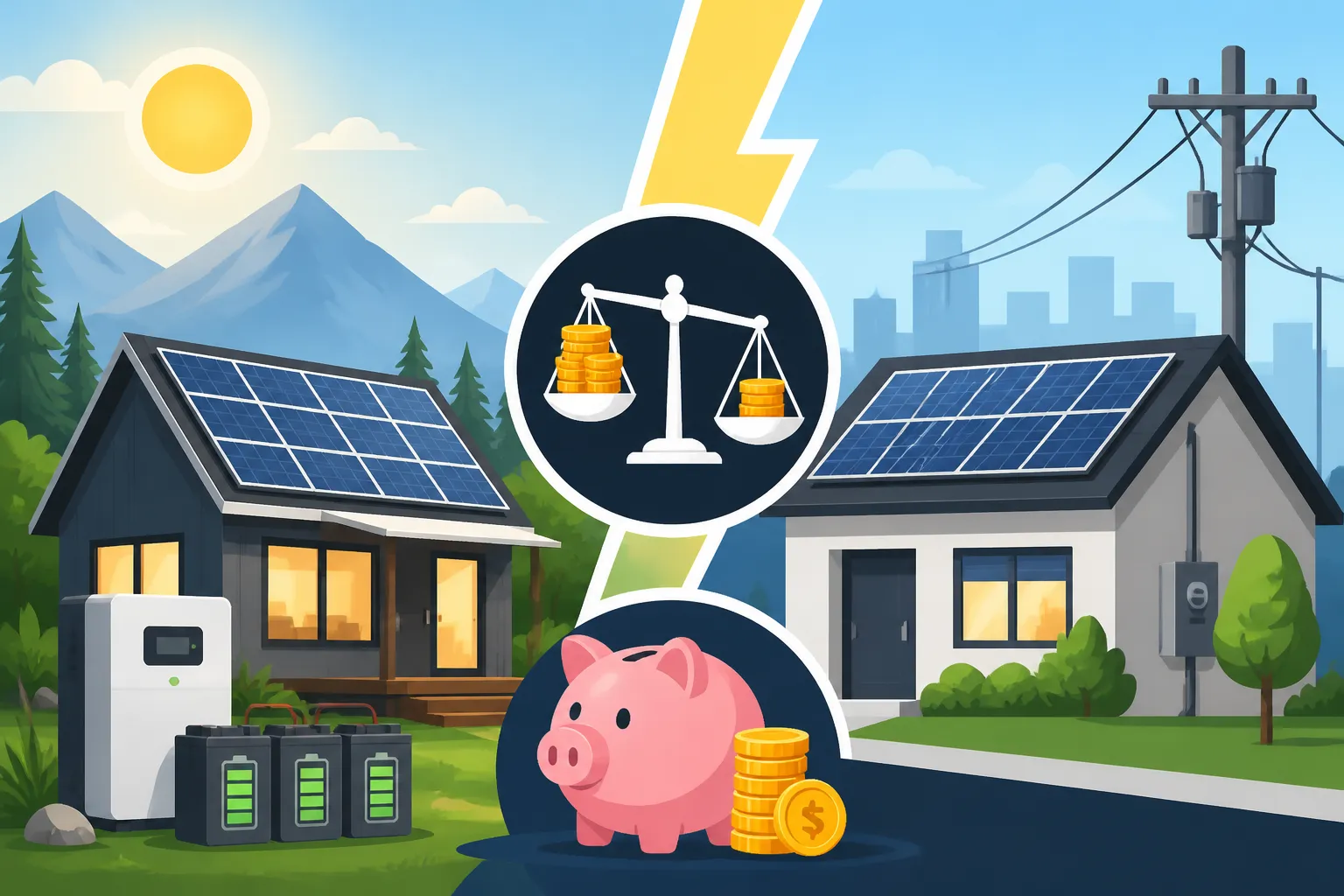
In this comparison, for the urban dweller, grid-tied is the clear financial winner for bill reduction. For the remote homesteader, off-grid isn't just a lifestyle choice, it's often the most economically sensible path when factoring in the cost of utility line extensions.
RV or Van Life Off-Grid vs. Shore Power
The mobile lifestyle also presents a unique cost comparison. Many people embrace van life or RVing for the freedom, and solar power is central to that independence.
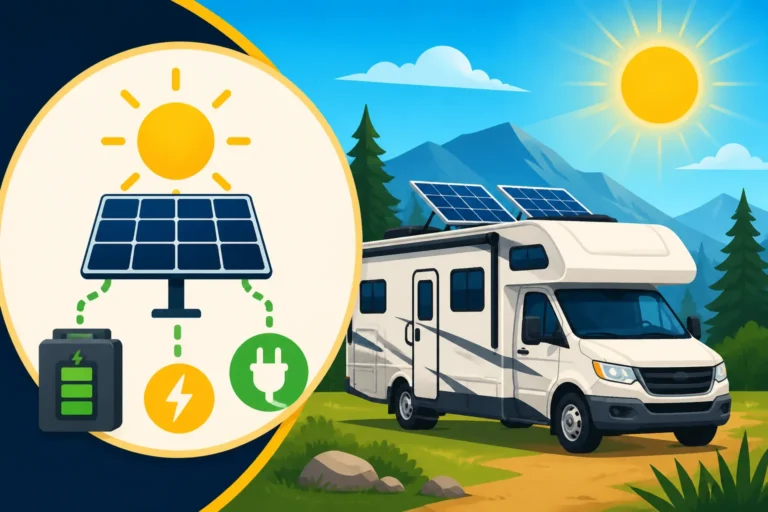
- RV with Off-Grid Solar: A couple decides to embrace full-time RV life, traveling across the country. They want to be able to boondock (camp without hookups) for extended periods. They invest in a 600W solar panel array, a 3000W pure sine wave inverter, and a 400Ah (5.12 kWh) LiFePO4 battery bank, along with a high-quality MPPT charge controller. They may also carry a portable solar generator like a Jackery or a smaller gas generator as a backup for extreme weather. The total cost for this off-grid RV system, including installation components bought on Amazon, might be $4,000-$8,000. This investment allows them to power their refrigerator, lights, fan, laptop, and charge their phones without relying on shore power. Their ongoing costs are minimal (perhaps fuel for the occasional generator run and battery maintenance). They save on campground fees that charge for electrical hookups, and they have the freedom to stay in remote, beautiful locations. Learn more at Off-Grid Solar Cost for an RV.
- RV Relying on Shore Power: Another couple travels in a similar RV but opts to primarily stay at campgrounds with electrical hookups. Their initial cost for solar is $0. However, they consistently pay $25-$50 per night for campground fees that include electricity. Over a year of full-time travel, this could easily amount to $9,000-$18,000 in accommodation costs, much of which is for power access. While they have guaranteed power, their flexibility is limited, and their annual expenses are significantly higher than the off-grid solar couple. The off-grid investment, though higher upfront, provides long-term savings and freedom that quickly makes it more cost-effective for dedicated boondockers.
Remote Cabin Power vs. Suburban Grid-Tied Setup
Let's look at seasonal or part-time use cases.
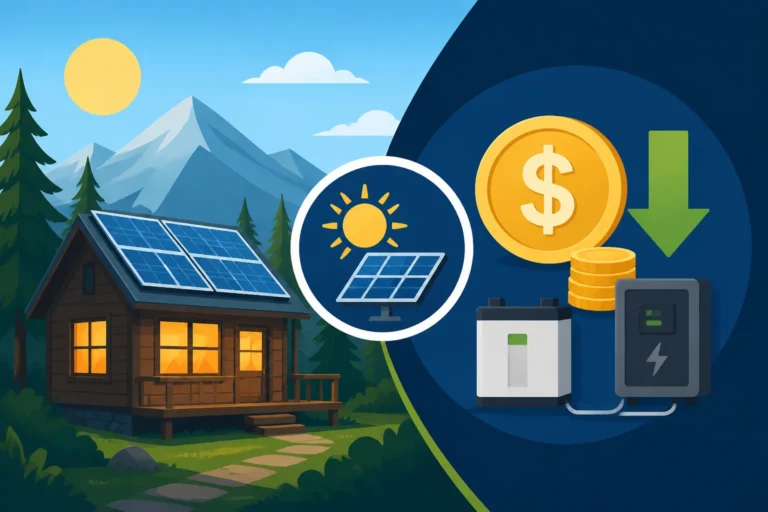
- Remote Hunting Cabin with Off-Grid Solar: A hunter wants to power a small, remote cabin deep in the woods of Montana for weekend use and hunting season. The grid is miles away. Their needs are simple: lights, a small refrigerator, a well pump, and charging electronics. A modest 1.5kW solar array, a 2000W inverter, and a 10 kWh LiFePO4 battery bank, along with a small portable generator for backup, might cost $8,000-$15,000 for a DIY setup or $15,000-$25,000 professionally installed. This initial cost provides complete power independence for their seasonal visits, avoiding the impossible cost of grid extension. The payback isn't just financial; it's the ability to have power where otherwise none would exist. Check out Cost to Power a Cabin with Solar for more insights.
- Suburban Home with Grid-Tied Solar (Partial Offset): A suburban homeowner in Arizona wants to reduce their summer electricity bills, which skyrocket due to air conditioning. They install a 4kW grid-tied system, costing them perhaps $10,000-$15,000 after incentives. This system significantly reduces their high summer bills, maybe saving them $800-$1,200 annually. While they still have a bill and rely on the grid, their initial investment is lower, and their energy needs are met reliably, leveraging the grid during peak demand.
These scenarios illustrate that the "cost-effectiveness" of off-grid vs. grid-tied is not a universal truth. It's deeply situational, tied to your location, your energy habits, and your ultimate goals.
Financial Incentives and Their Impact
No discussion of solar costs is complete without talking about incentives. These can dramatically alter the financial equation, often making solar more accessible and affordable. It's crucial to understand what's available for both off-grid and grid-tied systems.
Federal Tax Credits
The most significant incentive for solar in the United States is the federal solar Investment Tax Credit (ITC).
- For Grid-Tied Systems: The ITC allows you to claim a percentage of the cost of your solar system as a credit against your federal income taxes. Currently, this credit is 30% for systems installed through 2032. This directly reduces your out-of-pocket expenses by a substantial amount. For a $30,000 grid-tied system, a 30% credit means $9,000 back in your pocket. This has been a game-changer for grid-tied solar adoption, making it much more financially attractive.
- For Off-Grid Systems: Good news! The federal solar ITC does apply to off-grid solar systems, provided the electricity generated is for a dwelling unit that is used as a residence by the taxpayer. This includes batteries that are charged by solar panels. So, if you're installing an off-grid system for your primary residence or even a qualifying second home, you can claim that 30% credit. This is a huge boost for off-grid viability, helping to offset the higher upfront costs. For detailed eligibility, refer to Does the Federal Tax Credit Apply to Off-Grid Solar. This credit can significantly reduce the overall cost of an off-grid setup, making it a more feasible option for many.
It's important to remember that a tax credit reduces your tax liability, it's not a direct refund unless your tax liability is zero and the credit is refundable (which the ITC typically is not, though unused portions can usually be carried forward). Always consult with a tax professional to understand your specific eligibility.
State and Local Rebates and Incentives
Beyond the federal level, many states, municipalities, and even local utilities offer their own incentives.
- Varied Landscape: This is where the landscape gets very diverse. Some states offer additional tax credits, property tax exemptions, sales tax exemptions, or direct rebates. For example, New York has the NY-Sun program, which offers incentives for solar installations. Massachusetts also has robust solar incentive programs.
- Grid-Tied Focus: Historically, many state and local incentives have been geared towards grid-tied systems to promote grid stability and reduce reliance on centralized power plants. This can include attractive net metering policies (as discussed earlier) or specific rebates from utility companies for connecting solar to their grid.
- Off-Grid Specifics: While less common, some states or rural development programs might offer incentives for off-grid or remote power solutions, especially in areas where grid extension is prohibitively expensive or to promote energy independence for rural communities. You might find specific grants or loan programs aimed at sustainable rural development that could apply to off-grid solar. It's absolutely worth researching State Incentives for Off-Grid Solar for your specific location, as this can shave thousands off your project cost. Websites like DSIRE (Database of State Incentives for Renewables & Efficiency) are excellent resources for finding these local programs.
Loans and Financing Options
For many, financing is key to making solar affordable, regardless of system type.
- Solar Loans: Various banks and credit unions offer specialized solar loans, often with favorable interest rates. These allow homeowners to finance the upfront cost and pay it back over time, using the monthly savings on utility bills (for grid-tied) or avoided costs (for off-grid) to offset the loan payments.
- PACE Programs: Property Assessed Clean Energy (PACE) programs, available in some areas, allow property owners to finance energy efficiency and renewable energy projects through an assessment on their property tax bill. This can be an attractive option as the loan is tied to the property, not the individual.
- Home Equity Loans/Lines of Credit: Many homeowners leverage their home equity to finance solar installations, taking advantage of potentially lower interest rates compared to unsecured loans.
- Off-Grid Specific Financing: For off-grid projects, especially larger homesteads, financing might be a bit more challenging as traditional lenders are more accustomed to grid-tied setups. However, rural development grants, specific green energy funds, or even owner-financing arrangements for raw land with off-grid potential can be explored. Some solar installers also offer in-house financing plans. Brands like Renogy and EcoFlow often have financing options directly through their websites for their component kits, which can be useful for DIYers or smaller off-grid setups.
Understanding and leveraging these financial incentives and financing options can significantly reduce the burden of the initial investment, making both grid-tied and off-grid solar more attainable.
Making the Right Choice for Your Wallet and Lifestyle
Ultimately, deciding between an off-grid and grid-tied solar system is a deeply personal choice that balances financial considerations with lifestyle aspirations. There's no single "best" option; it's about what makes the most sense for you.
Assessing Your Energy Needs and Goals
Before you even look at price tags, you need a clear picture of what you want your solar system to achieve.
- Energy Audit: Start by conducting a thorough energy audit. For an existing home, look at your past utility bills to understand your kWh consumption. For a new build or off-grid setup, meticulously list every appliance you plan to use, its wattage, and how many hours per day it will run. This will give you your daily watt-hour or kilowatt-hour demand. This is the absolute first step in figuring out How Many Watts of Solar You Need or How Many Batteries for an Off-Grid System. You need to understand your load profile thoroughly to avoid both undersizing (leading to frustration) and oversizing (leading to unnecessary cost).
- Desired Autonomy: How important is it to have power during an outage? For grid-tied, if backup is critical, you'll need a hybrid system with batteries, which increases costs. For off-grid, how many "days of autonomy" do you want your battery bank to provide during cloudy weather? More autonomy means a larger, more expensive battery bank.
- Future Expansion: Do you plan to add more appliances or grow your energy needs in the future? Designing an expandable system from the start might cost a little more initially but saves significant headaches and expenses down the line.
Budgeting for Your Solar Journey
Once you have a handle on your needs, it's time to get realistic about your budget.
- Total Cost of Ownership: Don't just look at the upfront installation price. Factor in the long-term operational costs (like battery replacement for off-grid, or minimal utility fees for grid-tied), potential maintenance, and the value of incentives. Calculate the Off-Grid Solar Payback Period Explained for your projected system. This gives you a more accurate picture of the true financial commitment.
- DIY vs. Professional Installation: As noted in our DIY vs Professional Off-Grid Solar Cost guide, tackling an installation yourself can save a significant amount on labor, but it requires substantial electrical knowledge, time, and the right tools. If you're not comfortable with complex wiring and safety protocols, professional installation is a wise investment, especially for larger systems.
- Phased Approach: For off-grid systems especially, a phased approach can help manage costs. You might start with a smaller system to cover essential loads, then expand your solar array and battery bank as your budget allows or as your energy needs grow. This allows you to spread the significant upfront investment over time.
Considering Location and Climate Factors
Your geographical location and typical weather patterns play a huge role in system design and cost.
- Sunlight Hours: Areas with abundant, consistent sunshine (like the American Southwest) will require fewer solar panels to meet a given energy demand compared to regions with frequent cloud cover or shorter winter days (like the Pacific Northwest or parts of the Northeast). Fewer panels mean lower initial costs. You need to understand your Peak Sun Hours Explained to accurately size your system.
- Temperature Extremes: Batteries perform best within a specific temperature range. In extremely cold climates, you might need insulated battery enclosures or even heating elements, adding to the complexity and cost of an off-grid system. Similarly, extreme heat can degrade components faster. These factors influence not only system design but also long-term maintenance.
- Remote vs. Urban: If your property is in a remote location far from existing grid infrastructure, the cost of extending utility lines can easily push the total expenditure far beyond that of a comparable off-grid solar system. In such cases, off-grid becomes the economically rational choice, even with its higher component costs. Conversely, for an urban homeowner, the low cost and reliability of grid connection make grid-tied solar the simpler and generally more affordable option.
Ultimately, the choice comes down to your personal priorities. Is it the lowest upfront cost and maximum bill savings with grid reliance? Or is it ultimate independence, self-sufficiency, and power during any outage, even if it means a higher initial investment and more hands-on maintenance? Both off-grid and grid-tied solar offer compelling benefits, and by thoroughly understanding their respective cost profiles, you can confidently embark on your solar journey. For a deeper dive into finding the right setup, our The Complete Off-Grid Solar Buyer's Guide can offer more personalized insights.
Disclaimer
The information provided in this guide is for general informational purposes only and does not constitute financial, electrical, or engineering advice. Solar system costs, incentives, and regulations vary significantly by location, system size, and component choices. Always consult with qualified solar professionals, licensed electricians, and tax advisors for specific recommendations tailored to your situation. DIY solar projects carry inherent risks; proceed with caution and ensure compliance with all local codes and safety standards.