Off-Grid Solar Cost for Seasonal Use
Thinking about getting away to a cabin for the summer, a hunting lodge for the fall, or a weekend RV trip, but the thought of relying on a noisy generator or an unreliable power grid feels like a non-starter? Many folks dream of having power in their seasonal retreats without breaking the bank, and understanding the true off-grid solar cost for seasonal use is often the biggest hurdle. This guide will walk you through what to expect financially, helping you plan your perfect off-grid escape.
Understanding Seasonal Off-Grid Power Needs
When we talk about seasonal off-grid solar, we're not usually talking about powering a full-time residence with all the bells and whistles. Instead, it's about providing reliable, convenient power for specific periods or during certain activities. This distinction is crucial because it directly impacts the complexity and, therefore, the cost of your system. You might think, "Oh, it's just for a few months, it must be cheap!" but there are nuances that can add up or save you a lot.
The Defining Factors of Seasonal Use
Seasonal use generally implies that your system won't be operational, or at least not heavily used, year-round. This could be a cabin that's only occupied in warmer months, an RV used for road trips during vacation, or even a workshop that sees activity primarily in the spring and fall. The key characteristics influencing cost include:
- Intermittent Operation: You're not aiming for 24/7/365 power. This means you might not need as large a battery bank or as extensive a solar array as a full-time residence. The system can "rest" when not in use, potentially extending the lifespan of some components if properly maintained.
- Reduced Load Demands: Typically, seasonal setups don't have the same energy hungry appliances as a home. Think mini-fridges, lights, phone chargers, and maybe a small microwave, rather than electric stoves, central air conditioning, or multiple large entertainment systems. Your needs dictate your system size, and smaller needs mean smaller costs.
- Environmental Considerations: The specific season you're operating in matters. A summer cabin in Arizona will have different solar input and temperature considerations than a winter hunting cabin in Michigan. This affects panel choice, battery storage requirements, and potentially the need for weatherproofing or heating/cooling for sensitive components. For example, if you're only using it in summer, you might get away with fewer panels due to longer daylight hours and stronger sun intensity compared to a system designed for year-round use in a region with short, cloudy winter days.
Why Seasonal Systems Often Cost Less
The primary reason why off-grid solar for seasonal use tends to be more affordable than a full-time residential setup is scalability. You're designing for a specific, often lower, power demand. This means:
- Smaller Component Sizing: Fewer solar panels, a smaller battery bank, and a less powerful inverter are usually sufficient. This directly translates to lower upfront costs for each major component.
- Simpler Installation: Less equipment generally means a less complex installation process. For many seasonal setups, especially smaller ones like those for an RV or a shed, a DIY installation is entirely feasible, saving on labor costs. Even if you hire help, the job is often quicker and simpler.
- Reduced Redundancy Needs: While reliability is always important, a brief power outage during a seasonal trip might be less catastrophic than losing power to your full-time home. This means you might not need to build in as many layers of redundancy (like a massive backup generator or heavily oversized components) as you would for a permanent dwelling. You might choose to tolerate a day or two of reduced power if the sun isn't shining, which cuts down on battery costs significantly.
For those curious about the overall picture, diving into articles like How Much Does an Off-Grid Solar System Cost] or Off-Grid Solar Cost: Complete Breakdown] can offer a broader perspective, but remember that seasonal use is a distinct, often more budget-friendly, niche.
Core Components and Their Cost Implications for Seasonal Use
Every off-grid solar system, whether for full-time living or seasonal escapes, relies on a few fundamental components. The biggest difference for seasonal use comes down to the size and type of these components you choose, which directly influences the overall budget.
Solar Panels: The Power Harvesters
Solar panels are the heart of your system, capturing sunlight and converting it into electricity. For seasonal use, you might not need a massive array.
- Panel Type and Efficiency: Monocrystalline panels are generally more efficient and perform better in lower light conditions, but they can be pricier. Polycrystalline panels are a bit less efficient but more budget-friendly. For a seasonal cabin or RV, efficiency might be less critical if you have ample space and consistent sun during your use period. You could opt for more affordable, slightly less efficient panels.
- Wattage and Quantity: This is where seasonal use really shines in terms of cost savings. Instead of needing 2,000 to 5,000 watts for a whole home, a seasonal setup might only require 100 to 1,000 watts. For example, a small cabin for weekend use might only need 400-800W of panels to keep lights, a fan, and device chargers running. This significantly reduces your Cost of Off-Grid Solar Panels].
- Mounting: Flexible panels are great for RVs or vans where roof space and weight are concerns. Rigid panels are more common for cabins or sheds. Portable panels, often sold by brands like Jackery, are excellent for camping or short-term backup, offering flexibility without permanent installation costs. A simple tilt mount for a ground array can optimize sun exposure without the complexity of roof mounts, further saving on installation.
Batteries: The Energy Reservoir
Batteries are arguably the most significant cost driver in any off-grid system, and for seasonal use, careful sizing is paramount. Your choice here will heavily impact your Cost of an Off-Grid Solar Battery Bank].
- Capacity Needs: Since you're not powering a full-time residence, your "days of autonomy" (how long your system can run without sun) might be shorter. Instead of planning for 3-5 cloudy days, you might only need 1-2 days of backup, especially if you're willing to conserve power or have a small backup generator for emergencies.
- Battery Chemistry:
- Lead-Acid (Flooded/AGM/Gel): These are traditionally more affordable upfront. AGM batteries are sealed and maintenance-free, making them popular for RVs or cabins where you don't want to check water levels. However, they have a shorter lifespan and lower usable depth of discharge (DOD) compared to lithium. If you only use your system a few months a year, and maintain lead-acid batteries properly during storage, they can be a cost-effective choice.
- Lithium Iron Phosphate (LiFePO4): These batteries are more expensive initially but offer a much longer lifespan, deeper DOD, and lighter weight. For setups that see frequent cycling during their seasonal use, or where weight is a factor (like an RV), the long-term value might outweigh the higher upfront cost. Many users find the 'set-it-and-forget-it' nature of LiFePO4 appealing.
- Voltage: Smaller seasonal systems (like those for a van or tiny shed) often use 12V systems, which are simpler to wire. Larger cabins might benefit from 24V or 48V systems for better efficiency and to handle more substantial loads, but they also require more careful design.
Charge Controller and Inverter: The System Managers
These components manage the flow of electricity, making sure your batteries charge safely and your appliances receive usable power.
- Charge Controller: This device protects your batteries from overcharging. MPPT (Maximum Power Point Tracking) controllers are more efficient, especially in varying light conditions, extracting more power from your panels. PWM (Pulse Width Modulation) controllers are simpler and cheaper but less efficient. For smaller, budget-conscious seasonal systems with limited panel arrays, a PWM controller might suffice, but an MPPT will almost always perform better if your budget allows.
- Inverter: An inverter converts the DC (Direct Current) electricity from your batteries into AC (Alternating Current) electricity, which is what most household appliances use. For seasonal use, sizing your inverter is critical. You need one that can handle the peak surge of all appliances running simultaneously, not just the continuous load. If you're only running lights and a phone charger, a small 500W pure sine wave inverter might be enough. If you want to run a microwave or a small power tool, you might need a 1500W or 2000W inverter with good surge capability. Brands like Renogy and Victron Energy offer robust options, but even smaller brands available on Amazon can work for simpler setups.
Cost Scenarios for Different Seasonal Setups
The beauty of off-grid solar for seasonal use is its versatility. Whether you're powering a simple shed or a more comfortable cabin, the cost will vary significantly based on your specific needs. It's truly a spectrum, not a single price point. Thinking about your typical usage, how long you'll be there, and what comforts you can't live without will really help you nail down your budget.
Simple Seasonal Setups: Sheds, Small RVs, and Camping
For those who just need basic power for short periods, the costs can be surprisingly manageable. We're talking about running lights, charging phones, perhaps a small fan, and a portable radio.
- Typical System Size: 100W to 400W of solar panels, 100Ah to 200Ah of 12V lead-acid or LiFePO4 batteries, a small PWM or MPPT charge controller, and a 500W to 1000W inverter.
- Estimated Cost Range: $500 – $2,500
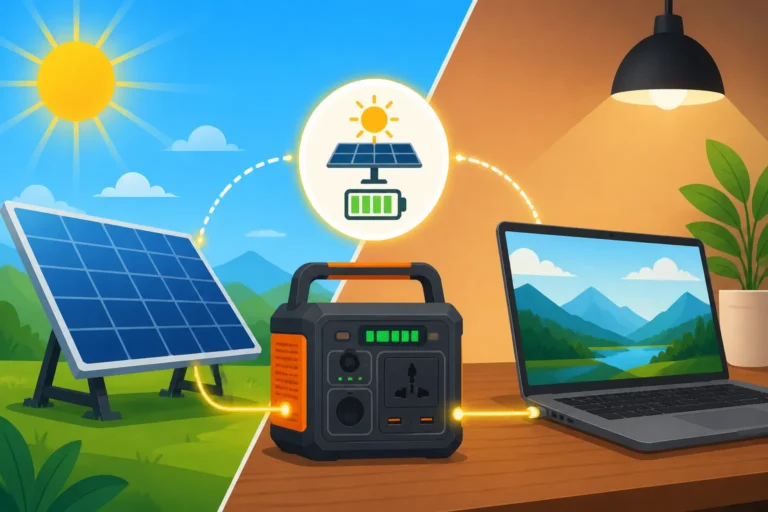
- Real-World Example: Imagine a small garden shed in rural Oregon that needs power for occasional work. A single 200W panel, a 100Ah LiFePO4 battery, a basic MPPT controller, and a 1000W inverter could power LED lights, a radio, and charge power tools. Many popular solar generators, like those from Jackery, offer a convenient all-in-one solution for these needs, often including a battery, inverter, and charge controller in one portable unit, and can be paired with foldable solar panels. This kind of setup aligns well with the budget for a Cost of a 200W Off-Grid Solar System]. You could find many components like these on Amazon.
- Cost Drivers: The main drivers here are battery chemistry (LiFePO4 costs more upfront but lasts longer) and whether you go for a pre-built portable solar generator versus individual components. Installation is typically DIY, saving a lot on labor.
Mid-Range Seasonal Setups: Cabins, Larger RVs, and Workshops
This category covers more extensive seasonal use where you might want to run a small refrigerator, a microwave, multiple lights, a laptop, and perhaps some light power tools.
- Typical System Size: 400W to 1500W of solar panels, 200Ah to 600Ah of 12V or 24V LiFePO4 batteries (or larger lead-acid equivalent), an MPPT charge controller, and a 2000W to 3000W pure sine wave inverter.
- Estimated Cost Range: $3,000 – $8,000
- Real-World Example: Consider a hunting cabin in the Wisconsin woods used for a few weeks each fall. They might want to power a small refrigerator, some LED lighting, charge devices, and run a well pump for a few minutes a day. A 800W solar array, two 200Ah 12V LiFePO4 batteries (wired for 24V), a 40A MPPT charge controller, and a 2000W inverter would provide comfortable power. This kind of setup fits nicely into the range for a Cost to Power a Cabin with Solar].
- Cost Drivers: Battery capacity becomes a bigger factor here. If you want a few days of autonomy for a refrigerator, your battery bank size increases significantly. The need for a pure sine wave inverter with higher wattage and good surge capacity also adds to the cost. Installation might still be DIY, but could involve more complex wiring or professional assistance, especially if connecting to an existing electrical panel. Thinking about How Many Batteries for an Off-Grid System] for a refrigerator is key here.
Advanced Seasonal Setups: Large Remote Cabins or Year-Round Recreational Homes
While still seasonal, these setups blur the line with full-time living, aiming for a high degree of comfort and appliance use, albeit not 365 days a year. They might include air conditioning, larger well pumps, or other high-draw appliances for extended periods.
- Typical System Size: 1500W to 3000W+ of solar panels, 600Ah to 1000Ah+ of 24V or 48V LiFePO4 batteries, a robust MPPT charge controller, and a 3000W to 5000W+ inverter/charger.
- Estimated Cost Range: $8,000 – $20,000+
- Real-World Example: Imagine a large remote cabin in the Rocky Mountains, used frequently in summer and occasionally in winter, boasting a well, a full-size refrigerator, and even a mini-split AC unit. A system with 2500W of panels, a 48V 800Ah LiFePO4 battery bank, a high-capacity MPPT controller, and a 5000W inverter/charger (perhaps a Sol-Ark or Victron model) would be appropriate. This is where the Off-Grid Solar Cost for a Cabin] can approach residential levels, and understanding How Many Solar Panels for Off-Grid Living] becomes crucial for year-round reliability during seasonal use.
- Cost Drivers: The sheer scale of components, especially the battery bank and high-output inverter, drives costs up. If you're going to run heavy loads like air conditioning, your solar array also needs to be substantial. Professional installation is highly recommended for safety and optimal performance with these larger systems, adding to the overall Off-Grid Solar Installation Cost].
| Seasonal Use Case | Typical Panel Size (Watts) | Typical Battery Capacity (Ah @ 12V) | Inverter Size (Watts) | Estimated Cost Range (DIY) |
|---|---|---|---|---|
| Simple Camping/Shed | 100W – 400W | 100Ah – 200Ah | 500W – 1000W | $500 – $2,500 |
| Mid-Range RV/Small Cabin | 400W – 1500W | 200Ah – 600Ah | 2000W – 3000W | $3,000 – $8,000 |
| Large Remote Cabin | 1500W – 3000W+ | 600Ah – 1000Ah+ | 3000W – 5000W+ | $8,000 – $20,000+ |
Note: These are estimated ranges for DIY systems and can vary widely based on component quality, brand, and specific requirements.
Strategies to Manage and Reduce Seasonal Off-Grid Solar Costs
Going off-grid, even seasonally, is an investment. But there are smart ways to approach it that can save you a significant amount of money without sacrificing the freedom you're seeking. It's all about making informed choices and being realistic about your power needs.
Prioritizing and Calculating Your Energy Needs Accurately
The absolute biggest mistake people make, which leads to unnecessary spending, is overestimating their power needs or not properly calculating them. For seasonal use, this is even more critical because you might only be there for limited hours or days.
- Load Analysis is Key: Before you buy anything, sit down and list every single appliance you truly need to run. Don't just list everything you own; list what you'll actually use during your seasonal visits. Calculate the wattage of each item and how many hours per day you'll run it. This gives you your daily watt-hour (Wh) consumption. This is a foundational step in learning How to Calculate Off-Grid Solar Needs].
- Focus on DC Appliances: Wherever possible, opt for 12V DC appliances. Running things directly from your battery bank (like LED lights, phone chargers, or even some small fridges) avoids the energy loss that occurs when converting DC to AC through an inverter. This can mean a smaller inverter and less overall battery capacity, saving you money.
- Embrace Energy Efficiency: Every watt-hour saved is a watt-hour you don't need to generate or store. Use LED lighting, unplug chargers when not in use, choose highly efficient appliances, and think about passive cooling/heating solutions for your cabin. For instance, using a propane fridge instead of an electric one can drastically reduce your power demand.
Phased Approach and DIY vs. Professional Installation
You don't have to build your dream system all at once, especially for seasonal use. A phased approach can spread out the financial burden and allow you to learn as you go.
- Start Small and Expand: Begin with a basic system that covers your absolute essentials (lights, charging). Live with it for a season or two, see what your actual usage patterns are, and then expand. For instance, you could start with a compact setup like an EcoFlow or Bluetti solar generator and a few panels for basic needs, and later add a more robust permanent array and battery bank as you understand your longer-term demands. Many systems are designed to be How to Design an Expandable System].
- DIY Where Possible: For smaller to mid-sized seasonal systems, a DIY installation can save you thousands of dollars in labor costs. There are countless resources online, and many components are designed for relatively straightforward installation. However, safety is paramount. Make sure you understand electrical principles, proper wiring, grounding, and fusing. If you're uncomfortable with any part of the process, hiring a qualified electrician for specific tasks (like connecting to a subpanel) is a smart investment. For those curious, exploring DIY vs Professional Off-Grid Solar Cost] can give you a better idea of the savings involved.
- Leverage Kits: Many reputable brands offer comprehensive off-grid solar kits for various applications, including RVs and cabins. These kits bundle panels, charge controllers, inverters, and sometimes batteries, ensuring compatibility and often coming at a lower price than buying individual components. Websites like Amazon often carry these kits, from brands like Renogy or BougeRV, providing options for different budgets and system sizes.
Smart Component Choices and Long-Term Value
The cheapest option upfront isn't always the most cost-effective in the long run.
- Invest in Quality Batteries (When It Makes Sense): While lead-acid batteries are cheaper initially, LiFePO4 batteries offer a much longer lifespan (often 10+ years vs. 3-5 years for lead-acid), deeper discharge cycles, and better performance. For a seasonal system you plan to use for many years, the higher upfront cost of LiFePO4 might actually save you money on replacements down the line. Check out guides on LiFePO4 vs Lead-Acid Battery Cost] for a deeper dive.
- Consider Future Expansion: Even if you're starting small, choose components (especially your charge controller and inverter) that can handle future additions. For example, getting an MPPT charge controller with a higher amp rating than your initial panel array allows you to add more panels later without needing to replace the controller. This forethought prevents future 'rip and replace' costs.
- Shop Around and Look for Deals: Prices for solar components can fluctuate. Keep an eye out for sales, compare prices across different retailers (both specialized solar suppliers and general online marketplaces like Amazon), and consider buying slightly older models of panels or inverters, which can offer significant discounts while still providing excellent performance. When you're ready to make a purchase, refer to our comprehensive The Complete Off-Grid Solar Buyer's Guide] to ensure you're making the best choices.
By carefully planning your needs, considering a phased installation, and making smart choices about your components, you can achieve your seasonal off-grid dream without overspending.
Disclaimer
The information provided in this article is for general informational purposes only and does not constitute professional advice. Off-grid solar system design and installation can be complex and involve electrical hazards. Always consult with qualified professionals and adhere to local codes and regulations when planning or installing any solar power system. Prices and product availability are subject to change.