Are ACOPower Panels Good for Off-Grid
Trying to navigate the vast world of solar panels for your off-grid dreams can feel like staring at a complex spreadsheet with a foggy brain. You’re looking for panels that perform well, won't break the bank, and are genuinely good for life off the grid, but the sheer number of brands and technical jargon can make your head spin. This comprehensive guide aims to cut through the confusion and give you a straight, honest look at ACOPower solar panels, helping you understand if they're the right fit for your unique off-grid setup.
Understanding ACOPower Solar Panels for Off-Grid Living
When you're out there, away from the hum of the city and the convenience of grid power, your solar panels are literally your lifeline. It's not just about generating electricity; it's about reliability, efficiency, and how well they integrate into your independent lifestyle. ACOPower has carved out a niche in the solar market, often appealing to a specific segment of off-gridders.
What Sets ACOPower Apart?
ACOPower generally focuses on accessibility and portability, making their products quite popular among those new to off-grid living or those with mobile setups. You'll find their offerings frequently cater to RVers, van lifers, campers, and folks looking to power small, remote cabins or workshops. Their product range isn't typically geared towards powering a massive off-grid homestead with multiple appliances and heavy energy demands. Instead, they shine with solutions that are easy to deploy, store, and move around, emphasizing convenience over sheer raw power output for industrial-scale applications. They're often seen as a stepping stone for beginners or a supplementary power source for existing systems.
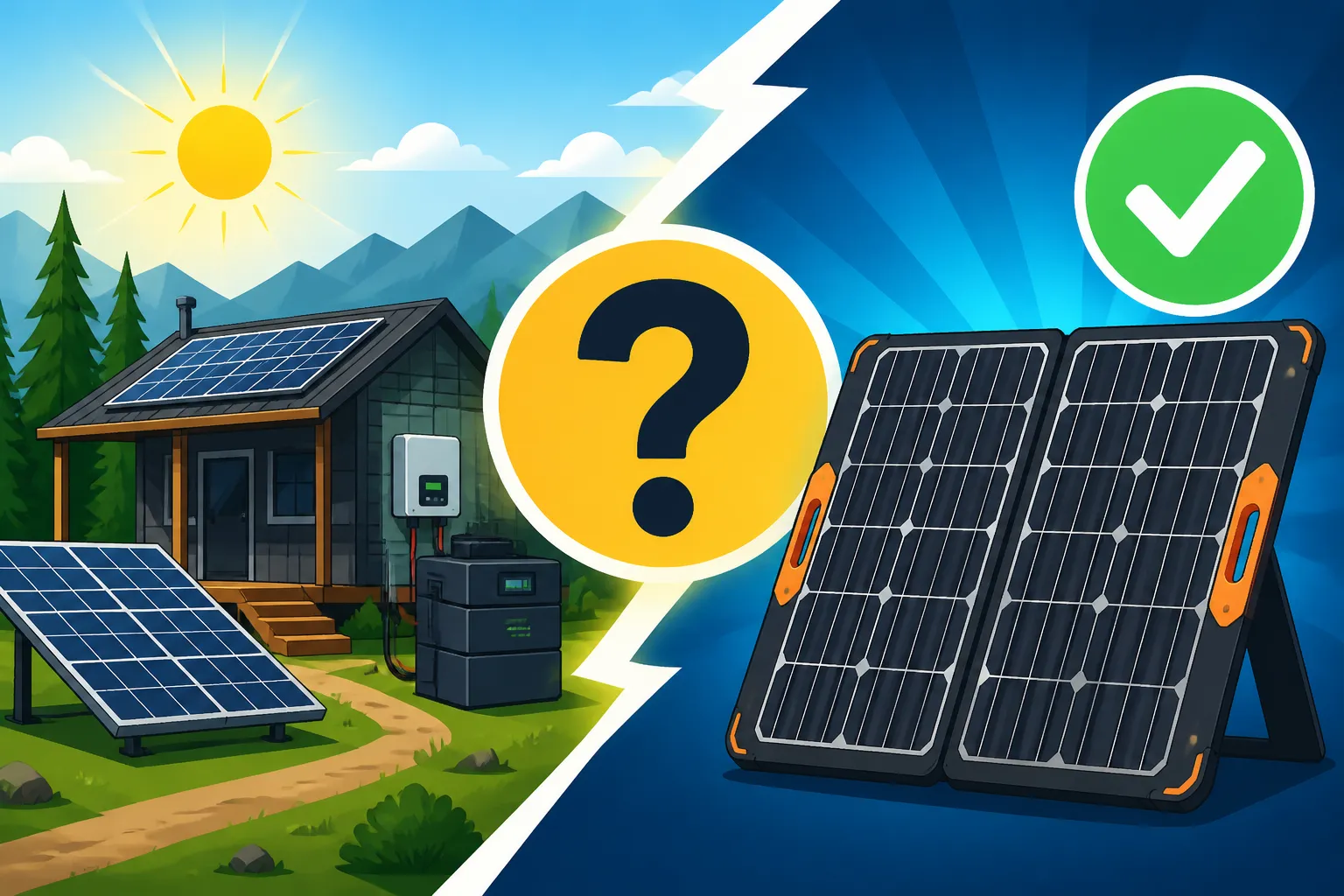
They're not trying to compete with the behemoths that provide panels for utility-scale solar farms or complex residential installations. Instead, ACOPower has focused on the practical needs of individual users. This means you’ll often find them offering smaller rigid panels, flexible options, and, notably, a good selection of portable folding solar panels. These are designed for quick setup and takedown, making them perfect for temporary power needs or augmenting a fixed system when you need an extra boost. Their product philosophy centers on empowering adventurers and casual off-gridders with straightforward, user-friendly solar solutions.
Key Features and Specifications
ACOPower panels, whether rigid or flexible, often utilize monocrystalline silicon cells. This is a common and efficient technology that provides good power output per square foot, which is crucial when you have limited space on an RV roof or need to keep your portable array compact. You'll typically find their panels ranging from smaller 50-watt units to larger 200-watt rigid panels, with many popular portable folding kits around the 100-watt to 200-watt mark.
Many of their rigid panels come with sturdy aluminum frames and pre-drilled mounting holes, simplifying the installation process for permanent fixtures on roofs or ground mounts. Their flexible panels are, as the name suggests, highly adaptable, conforming to curved surfaces on campers or boats, and are incredibly lightweight. For their portable folding panels, features like adjustable kickstands are common, allowing you to angle the panels for optimal sun exposure throughout the day—a small detail that makes a big difference in energy harvest. They also frequently include charge controllers within their portable kits, turning a complex system into a simple plug-and-play solution, especially for those venturing into solar for the first time. For more on how these components fit together, check out our guide on Off-Grid Solar System Design Basics.
Pros and Cons of Using ACOPower Panels Off-Grid
Deciding on the right solar panels is a balancing act, weighing your specific needs against what different brands offer. ACOPower panels, like any equipment, come with their own set of advantages and potential drawbacks for the off-grid lifestyle.
The Bright Side: Advantages for Off-Gridders
One of the most compelling reasons off-gridders turn to ACOPower is their undeniable portability and ease of setup. Imagine pulling up to a stunning remote campsite in your van. Instead of wrestling with heavy, cumbersome equipment, you can quickly unfold a 100W ACOPower solar suitcase, prop it up with its integrated kickstands, and start charging your batteries within minutes. This kind of plug-and-play convenience is a huge win for mobile living, weekend warriors, and those who don't want a permanent installation. Their smaller footprint also means they're easier to store when not in use, making them a fantastic option for small spaces like a truck bed or a tiny home's shed.
Beyond portability, ACOPower panels are often quite budget-friendly. This affordability makes them an attractive entry point for individuals who are just beginning their off-grid journey or who have specific, limited power needs. If you're looking to simply keep your phone charged, run some LED lights, or power a small water pump for a Cost to Power a Cabin with Solar, an ACOPower setup might be a very cost-effective solution. They also frequently offer all-in-one kits that bundle panels, charge controllers, and necessary cables, simplifying the buying process and eliminating the guesswork for beginners. This makes learning How to Install an Off-Grid Solar System much less daunting.
The Shadow Side: Potential Drawbacks
While ACOPower excels in portability and affordability, there are considerations to keep in mind, especially if your off-grid dreams involve higher energy demands or long-term, year-round reliance. Their panels, while efficient for their class, typically don't boast the cutting-edge efficiency or extreme durability of some higher-end brands. For example, a premium rigid panel from a brand like Renogy might offer slightly better performance under less-than-ideal conditions (like partial shading or very hot temperatures) and generally comes with longer performance warranties, suggesting a greater long-term power output. This is a crucial factor when you're looking at the Lifetime Cost of an Off-Grid Solar System.
Another potential drawback, particularly with flexible solar panels, is longevity. While incredibly convenient, flexible panels inherently have a shorter lifespan and can degrade faster than rigid panels, especially if exposed to constant flexing, extreme heat, or harsh UV rays. For a permanent installation on a cabin roof in the sunny Arizona desert, a robust rigid panel might be a more durable choice in the long run. If you're aiming to power a full-sized off-grid home with appliances like an air conditioner or a well pump, ACOPower's typical offerings might not provide the sheer wattage or the robust build quality needed for such sustained, heavy usage. For those larger projects, exploring options in Best Off-Grid Solar Panels would be advisable.
Common Applications and Best Use Cases
Knowing where a particular brand truly shines can save you a lot of headache and expense. ACOPower panels aren't a one-size-fits-all solution, but they certainly have their sweet spots in the off-grid world.
Ideal Scenarios for ACOPower Panels
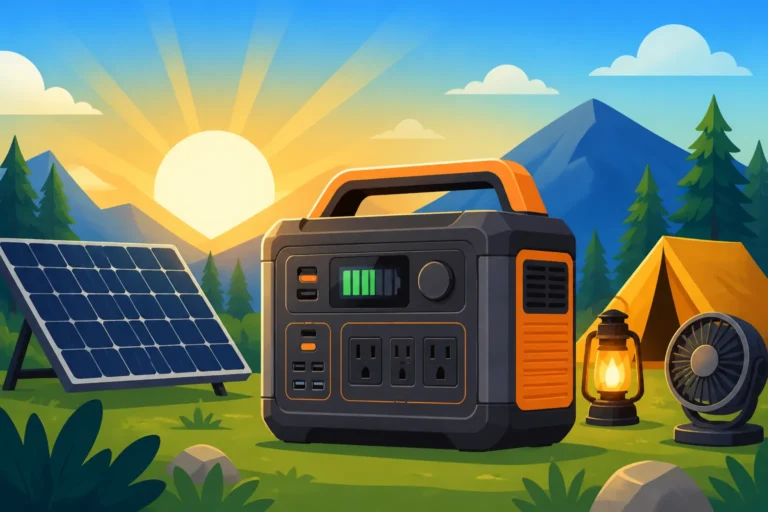
ACOPower panels are truly in their element when powering mobile, temporary, or smaller fixed off-grid setups. Think about the bustling world of van life or RV adventures: these panels, particularly the portable folding units, are a dream come true. Imagine you're spending a week boondocking near the stunning red rocks of Moab, Utah. You need to keep your laptop charged for work, run a small fridge, and ensure your phone has juice for navigation and emergencies. An ACOPower 100W or 200W portable solar suitcase can easily handle these demands, allowing you to maximize your enjoyment without worrying about finding an electrical hookup. The ease with which you can reposition them throughout the day to chase the sun's optimal angle is a huge bonus in varied terrains. This portability is also great for camping trips, tailgating, or even powering a remote pop-up market stand.
Similarly, for small, seasonal structures like a hunting cabin deep in the wilderness, a remote workshop where you occasionally use power tools, or a garden shed that needs lighting and maybe a fan, ACOPower offers practical and economical solutions. You don't need to over-engineer a system for occasional use, and the lower initial investment means you can get started with solar without a massive commitment. For specific power calculations for these types of uses, our article on How to Calculate Daily Energy Usage can be a great starting point. Many people find them on platforms like Amazon, where the convenience of purchase and quick delivery often aligns with their immediate needs for these smaller projects.
When to Consider Other Options
However, there are definite situations where ACOPower panels, due to their design and typical specifications, might fall short of your off-grid aspirations. If your goal is to power a full-time residence—a proper off-grid home in the Pacific Northwest that relies on solar for all its electrical needs year-round, including major appliances like a washing machine, a large refrigerator, and potentially a well pump—you'll likely need a much more robust system. Such a setup requires a larger solar array with higher-wattage, often more efficient rigid panels, a substantial battery bank, and a powerful inverter. In these cases, brands known for their heavy-duty, long-lasting components and higher overall system integration capabilities would be a more suitable choice. You'd want to look into How Many Solar Panels for Off-Grid Living and How Many Batteries for an Off-Grid System to meet those significant demands.
Furthermore, if you're building a system in extreme climates—think areas with heavy snowfall, high winds, or intense, prolonged heat—you'll need panels engineered for such conditions. While ACOPower panels are weather-resistant, panels from manufacturers that specialize in rugged, commercial-grade solar solutions often come with superior certifications for environmental stress, ensuring decades of reliable performance. For such mission-critical, high-demand, or extreme-environment systems, exploring Best Off-Grid Solar Kits for a Whole House would be a logical next step, often involving a higher Off-Grid Solar Cost by System Size but providing the necessary reliability and longevity.
Making an Informed Decision
Choosing solar panels is a big commitment to your off-grid future. It’s not just about the price tag, but about how well the equipment aligns with your lifestyle and energy philosophy. Let’s break down how to weigh your options.
Factors to Weigh Before Buying
Before you click "add to cart" or commit to any specific solar panel, take a moment to honestly assess your energy needs and long-term goals. The absolute first step is to perform a thorough load analysis to determine precisely How to Calculate Off-Grid Solar Needs. How many Watt-hours you use per day is paramount. Are you simply charging phones and running a few LED lights, or do you plan to power a refrigerator, a well pump, or even an air conditioner? The scale of your power consumption directly dictates the size and type of panels you'll need. Don't undersize your system, or you'll constantly be running out of power, which is incredibly frustrating.
Consider your budget, but don't let it be the only driving factor. While ACOPower panels can be very budget-friendly, sometimes a slightly higher initial investment in a more efficient or durable panel can lead to greater savings and reliability over time. Think about the available space for your panels: do you have a large, unobstructed roof, or are you limited to a small area on an RV? The climate of your location also plays a huge role; regions with less sunlight or extreme temperatures require careful consideration of panel efficiency and durability. Finally, think about future expansion. Will your power needs grow? Choosing components that are easily expandable, as discussed in How to Design an Expandable System, can save you money and headaches down the road.
Where to Find and What to Expect
ACOPower products are widely available through various online retailers, with Amazon being a prominent platform where many people discover their solar solutions. You can also find them through their own website and other specialized solar equipment distributors. When you're browsing, pay close attention to user reviews. Real-world experiences from other off-gridders, especially those with similar setups (like an RV or a small cabin), can provide invaluable insights into a panel's actual performance, durability, and any quirks you might encounter.
Regarding warranties, it's important to understand what you're getting. Most solar panels come with two types of warranties: a product warranty (covering defects) and a performance warranty (guaranteeing a certain percentage of power output over a long period, typically 25 years for rigid panels). For portable or flexible panels like many of ACOPower's offerings, these warranties might be shorter, reflecting their intended use and expected lifespan. Always read the fine print! If you're building a system piece by piece, remember to account for the Cost of Off-Grid Solar Panels as just one part of the overall investment, which also includes batteries, inverters, and charge controllers. Doing your research on How to Choose an Off-Grid Solar Panels is key to a successful, long-lasting setup.
Here’s a quick comparison of ACOPower panels versus a more robust, general-purpose rigid panel you might consider for larger installations:
| Feature | ACOPower (Typical Offerings) | General-Purpose Rigid Panel (e.g., Renogy, HQST) |
|---|---|---|
| Primary Focus | Portability, affordability, ease of use | Durability, higher efficiency, long-term performance |
| Panel Types | Portable folding, flexible, smaller rigid (50-200W) | Standard rigid (100W-400W+), often for permanent installs |
| Efficiency | Good, suitable for mobile/smaller needs | Often higher, better performance in varied conditions |
| Durability | Good for intended use; flexible panels have shorter lifespan | Very high; designed for decades of outdoor exposure |
| Cost | Generally lower initial investment | Moderate to higher initial investment |
| Best Use Cases | RVs, vans, camping, small cabins, temporary power | Full-time off-grid homes, larger cabins, permanent structures |
| Setup | Often plug-and-play kits, easy to move | Requires more involved installation, fixed mounting |
Remember, your off-grid journey is unique. Whether ACOPower panels are "good" depends entirely on your specific requirements. They're a solid choice for certain applications, offering a pathway to solar independence that is accessible and convenient.
Disclaimer
The information provided in this guide is for general informational purposes only and does not constitute professional advice. Off-grid solar system design and installation can be complex and involve electrical hazards. Always consult with qualified professionals and adhere to all local codes and regulations before installing or modifying any solar power system.