Are Newpowa Panels Good for Off-Grid
Deciding which solar panels to invest in for your off-grid adventure can feel like navigating a maze, especially when you're trying to balance performance with your budget. You’ve likely stumbled upon brands that promise affordability, and Newpowa is often one of them. For many folks just dipping their toes into self-sufficient power or expanding an existing system, the question "Are Newpowa panels good for off-grid?" is a really common one, and it's absolutely worth a deep dive to see if they fit your specific needs and lifestyle.
Understanding Newpowa Solar Panels for Off-Grid Living
When you're outfitting your cabin, RV, or even a tiny home with solar, every component matters, and the panels are, quite literally, your energy collectors. Newpowa has carved out a niche in the market, often appealing to the DIY enthusiast and those on a tighter budget. But what does that really mean for someone relying on them day in and day out?
What Sets Newpowa Apart (or Doesn't)?
Newpowa panels are generally known for being a more budget-friendly option compared to some of the higher-end brands out there. They often fall into the category of accessible solar equipment, making off-grid dreams a bit more attainable for many. You'll typically find them as rigid monocrystalline panels, which are the workhorse of many solar setups. These aren't the flexible, super-high-efficiency panels you might see on a cutting-edge van build, nor are they necessarily designed for massive, industrial-scale projects. Instead, they’re geared towards providing reliable power for more modest, individual systems.
Think of it this way: if you’re comparing solar panel brands, Newpowa often sits in a similar tier to popular options like Renogy when it comes to serving the DIY and recreational vehicle market. While Renogy might offer a broader range of products and potentially more integrated ecosystem components, Newpowa focuses on delivering solid, basic solar panels that get the job done without breaking the bank. They are frequently available through online retailers like Amazon, which makes them incredibly easy to acquire for many independent builders and homeowners. This accessibility and cost-effectiveness are often their biggest selling points, allowing more people to step into the world of off-grid living without the hefty initial investment.
Key Specifications and Features
Newpowa panels come in a variety of common wattages, with 100W and 200W panels being particularly popular among off-grid users, though larger options are certainly available for those with greater energy demands. These panels typically boast decent, but not groundbreaking, efficiency ratings, usually hovering in the 17-19% range. While this might be slightly lower than some premium panels that push above 20-22%, it's more than sufficient for many applications, especially when you can simply add more panels to compensate if space allows.
In terms of construction, Newpowa panels are built with durable materials, featuring anodized aluminum frames and tempered glass, designed to withstand typical outdoor conditions. They're robust enough to handle snow loads in colder climates or strong winds in more exposed areas, though like any panel, proper mounting is key. Most Newpowa panels come with standard MC4 connectors, simplifying the wiring process for most DIYers. This makes them relatively straightforward to integrate into an existing system or to use for a new installation. When considering how to size an off-grid solar system, it's these practical specifications that really matter—how many panels can you fit, what's their individual output, and how easily can they be connected?
Pros and Cons of Using Newpowa Panels Off-Grid
Every piece of equipment in your off-grid setup comes with its own set of trade-offs. Newpowa panels are no exception. Understanding these advantages and disadvantages can help you make an informed decision that aligns with your budget and energy goals.
The Bright Side: Advantages for Off-Gridders
One of the most compelling reasons people choose Newpowa panels is their undeniable affordability. For many pursuing the dream of off-grid living, especially those just starting out or working with a strict budget, the initial investment can be a significant hurdle. Newpowa helps lower that barrier, making solar power more accessible. This cost-effectiveness means you might be able to purchase more wattage for the same budget compared to higher-priced brands, which can be a huge plus for increasing your overall energy harvest without overspending.
Beyond the price tag, Newpowa panels are readily available. You can often find them with ease on large online marketplaces like Amazon, reducing the headache of sourcing specialized equipment. This availability is a lifesaver for DIYers who prefer to order components directly to their doorstep. They are also generally straightforward to install. Their standard sizing and common connections mean they integrate well with widely available mounting hardware and components like charge controllers and inverters. For a small cabin, an RV, or even just powering a remote workshop, these panels provide a solid, no-frills solution that delivers reliable power without unnecessary complexity. If you're wondering about the DIY vs Professional Off-Grid Solar Cost, opting for budget-friendly panels like Newpowa can significantly reduce your initial outlay if you're tackling the installation yourself.
The Cloudy Side: Potential Drawbacks to Consider
While the affordability of Newpowa panels is attractive, it's important to be realistic about what that sometimes entails. One common trade-off with budget brands is often lower efficiency compared to premium manufacturers. This means that for the same physical footprint, a higher-efficiency panel from a different brand might generate more power. If you have limited roof space, say on a small RV or a tiny home, this could mean needing more panels, or physically larger panels, to meet your energy demands, which isn't always feasible.
Another aspect to consider is customer support and warranty. While Newpowa does offer warranties, experiences can vary, and some users report less comprehensive support compared to established, higher-end brands. This isn't to say their support is bad, but it might not be as robust as what you’d find with a company like Victron or Sol-Ark, which often have extensive technical documentation and dedicated support teams. Furthermore, like many budget-conscious options, the long-term reliability and consistency in quality control might not always match that of panels from tier-1 manufacturers. This could potentially lead to a slightly shorter effective lifespan or greater variability in performance over many years, although specific longevity data for individual panels can be hard to track. Lastly, Newpowa typically focuses on standard rigid panels, so if you're looking for specialized options like flexible panels for curved surfaces or bifacial panels for unique installations, you might need to look elsewhere.
Real-World Scenarios and Use Cases
Choosing solar panels isn't just about watts and efficiency numbers; it's about matching the equipment to your specific lifestyle and energy needs. Newpowa panels shine in certain applications while others might call for a different approach.
Ideal Off-Grid Applications for Newpowa
Newpowa panels are an excellent choice for a wide range of smaller, independent off-grid setups where budget and straightforward functionality are key drivers. Imagine a remote hunting cabin in upstate Michigan, used primarily on weekends for lights, charging phones, and perhaps a small refrigerator. A few Newpowa 100W or 200W panels, paired with a suitable battery bank and inverter, could easily meet these needs. The low initial Cost to Power a Cabin with Solar makes it an attractive proposition for recreational properties.
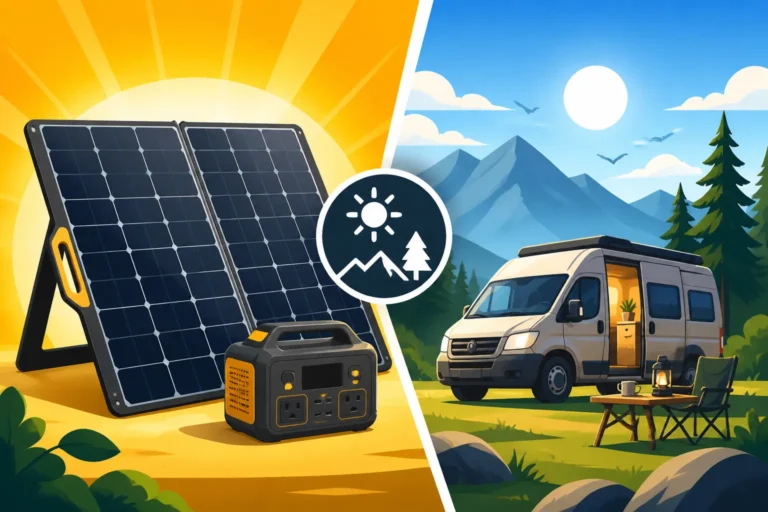
Similarly, they're often a perfect fit for RVers and van lifers who need reliable power for their nomadic lifestyle but don't want to break the bank. For a smaller travel trailer running a few essentials, or a shed out back used for hobbies, these panels provide the necessary juice without overcomplicating the system. Their availability on platforms like Amazon means you can get them quickly, making them ideal for folks who are eager to get their system up and running without long lead times. These panels are really for the practical off-gridder who prioritizes functional, affordable power over cutting-edge technology or maximum space efficiency.
When to Consider Other Options
While Newpowa panels are great for many scenarios, there are times when investing in a more premium or specialized panel might be a wiser decision. For example, if you're planning for full-time off-grid living in a family home in, say, the Pacific Northwest, where cloudy days are frequent and energy demands include things like a well pump, refrigerator, and maybe even a mini-split AC, efficiency becomes paramount. In such cases, higher efficiency panels, perhaps from brands known for their resilience in challenging weather, might be worth the extra investment to ensure you're harvesting every possible ray of sunshine.
Furthermore, if your installation space is extremely limited, such as on a very small cabin roof or a unique vehicle design, the slightly lower efficiency of budget panels might mean you can't generate enough power within the available area. Here, higher-efficiency panels, even at a greater cost, could be the only way to achieve your desired power output. For those aiming for a system that needs to operate flawlessly for decades with minimal intervention, a more robust and warrantied panel from a high-tier manufacturer could offer greater peace of mind. It’s also important to think about future expansion. While Newpowa panels can be added to, it’s always smart to How to Design an Expandable System from the start, regardless of panel choice, to ensure compatibility and ease of upgrade down the line.
Integrating Newpowa Panels into Your Off-Grid System
Once you've decided on your panels, the next big step is fitting them into your overall off-grid electrical system. This involves ensuring all your components work together seamlessly, from the charge controller to the battery bank and inverter.
Component Compatibility and System Design
Newpowa panels, like most standard solar panels, are designed to be compatible with a wide array of off-grid solar equipment. The crucial link between your panels and your batteries is the charge controller. You'll need to select either an MPPT (Maximum Power Point Tracking) or PWM (Pulse Width Modulation) charge controller. For most systems involving panels of 100W or more, especially if you're using multiple panels, an MPPT controller is almost always recommended because it’s significantly more efficient at converting the panel's output into usable battery charge. This efficiency can be critical, particularly on less-than-sunny days.
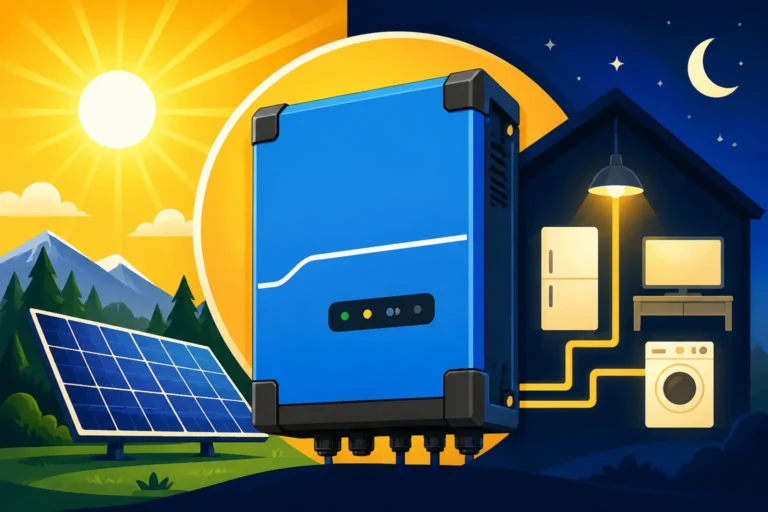
Your battery bank is where all that harvested energy is stored. Newpowa panels will charge any type of off-grid battery, whether you're using traditional lead-acid batteries or the increasingly popular lithium iron phosphate (LiFePO4) batteries. The choice between LiFePO4 vs Lead-Acid Battery Cost will significantly impact your total system cost and longevity, but the panels themselves don't dictate this. Finally, the inverter takes the DC power from your batteries and converts it into AC power for your household appliances. When selecting your inverter, you'll want to ensure its wattage rating can handle the peak load of all the AC appliances you plan to run simultaneously. Checking out guides on Best Off-Grid Solar Inverters can help you find a reliable match for your system.
To illustrate how Newpowa panels compare to a more premium option, here's a brief table:
| Feature | Newpowa Panels (Typical) | Premium Panels (e.g., REC, LG) |
|---|---|---|
| Cost per Watt | Lower | Higher |
| Efficiency | 17-19% | 20-22% or more |
| Warranty (Product) | 1-5 years (material/workmanship) | 10-25 years |
| Warranty (Performance) | 20-25 years (to 80% output) | 25-30 years (to 85-90% output) |
| Availability | Widely available online (e.g., Amazon) | Specialized distributors, installers |
| Ideal Use | Budget-conscious, DIY, smaller systems | High-efficiency, long-term, limited space |
This table shows that while Newpowa offers a cost-effective entry, there are performance and warranty differences that justify the higher price tags of premium alternatives.
Installation Tips and Best Practices
Installing your Newpowa panels correctly is just as important as choosing them. Even the best panels won't perform optimally if not installed properly. First, decide on your mounting location and method – roof mount, ground mount, or pole mount – ensuring it gets maximum sun exposure throughout the day and year. Next, secure the panels firmly to their mounts. Always follow the manufacturer's instructions, especially regarding wind ratings and structural support.
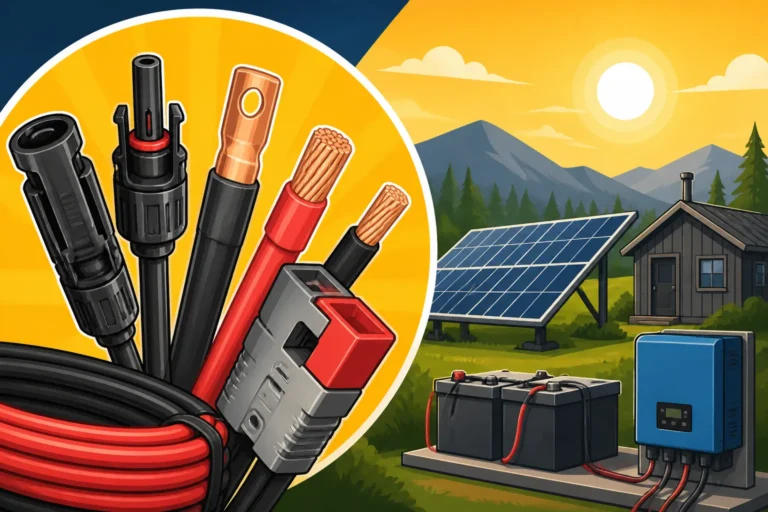
Wiring is another critical step. Most Newpowa panels come with MC4 connectors, which are standard for solar panels, making connections relatively easy. You'll need to decide whether to wire your panels in series, parallel, or a combination of both, depending on your system voltage (12V, 24V, or 48V) and charge controller input limits. A detailed guide like How to Wire an Off-Grid Solar System can be incredibly helpful here. Don't forget proper grounding and fusing for safety – this is non-negotiable. If you're not comfortable with electrical work, it's always wise to consult or hire a qualified electrician, even for a DIY build. Remember that regular maintenance, like keeping your panels clean and inspecting connections, will ensure they continue to perform well for years to come. And don't forget to adequately How Much to Budget for Off-Grid Batteries as they are the heart of your system.
Disclaimer
Please remember that the information provided here is for general guidance and educational purposes only. Off-grid solar system design and installation can be complex and involve electrical hazards. Always consult with qualified professionals and adhere to local codes and regulations before undertaking any solar project. Individual results and experiences with specific products may vary.