Ground Mount vs Roof Mount for Off-Grid
When you're diving into the world of off-grid solar, one of the first big questions that usually pops up, right after "how much is this all going to cost?" is "where on earth do I put these panels?" It’s a common dilemma, whether you’re planning to power a cozy cabin in the woods, a bustling tiny home, or a mobile RV adventure. The choice between mounting your solar panels on your roof or setting them up on the ground can feel overwhelming, with so many variables to consider from sunlight to structural integrity. This comprehensive guide is here to break down the pros, cons, and essential considerations for both ground-mounted and roof-mounted off-grid solar systems, helping you confidently decide which path is best for your unique energy independence journey.
Understanding Your Off-Grid Solar Panel Placement Options
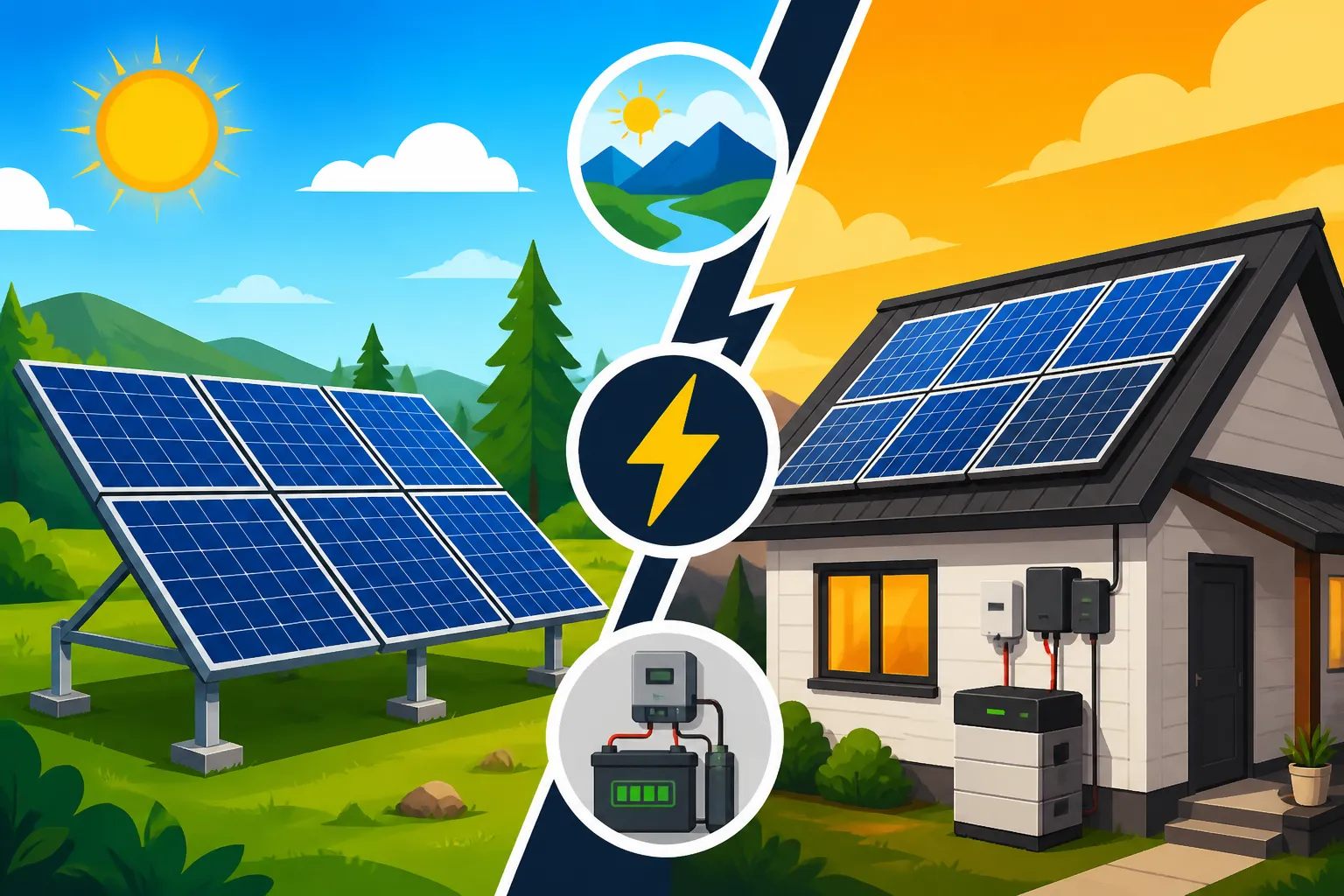
Deciding where your solar panels will live is more than just a matter of aesthetics; it deeply impacts your system's efficiency, longevity, and even your daily life off the grid. There are two primary avenues: attaching them directly to the roof of your structure or dwelling, or installing them on a standalone frame on the ground. Each has its own distinct set of benefits and challenges, and understanding these is the first step toward a well-designed off-grid setup.
The Allure of Roof Mounting for Off-Grid Systems
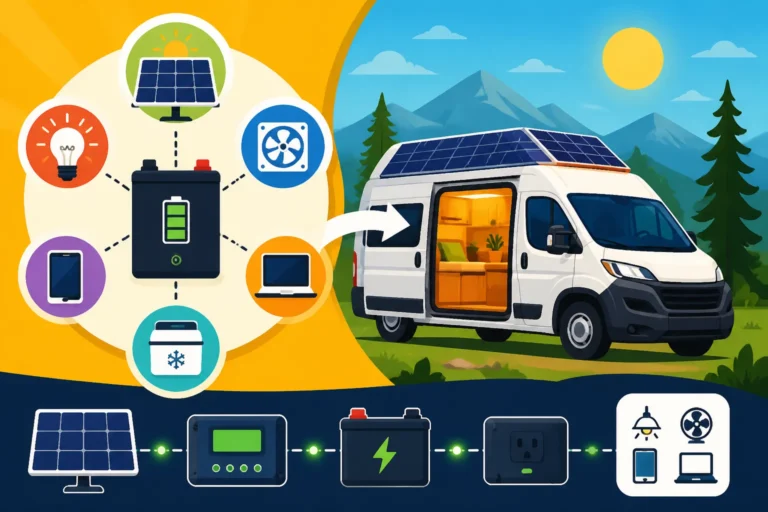
Roof mounting is often the default choice for many, especially when space is at a premium or for mobile applications. It just seems logical to use the expansive, often unused surface of a roof, doesn't it? For vehicles like RVs, campers, or even tiny homes, it's frequently the most practical, if not the only, option.
When you mount panels on a roof, you're tapping into some immediate advantages. First off, you save precious ground space. Imagine trying to set up a full array of panels on the ground next to a small cabin or an RV at a campsite – it’s often simply not feasible. The roof keeps your footprint compact. Secondly, roof-mounted panels often enjoy better security. They're typically out of reach for casual tampering or theft, offering a layer of peace of mind that ground mounts might not. Plus, getting them up high can sometimes mean they're above potential shading obstacles like low bushes or fences, though taller trees can still be a significant issue. Many folks find the integrated look of panels flush with a roof more appealing, as they tend to blend in rather than stand out. For those building a small off-grid home, linking to something like How to Install Roof-Mounted Solar Panels can be incredibly helpful for understanding the process.
However, roof mounting comes with its own set of headaches. The primary concern is the integrity of your roof. Drilling holes for mounting brackets means potential leak points, which absolutely need to be waterproofed meticulously. Access for maintenance and cleaning can also be a real pain. Climbing up on a roof, especially during bad weather or when panels are covered in grime or snow, isn't just inconvenient; it can be downright dangerous. Furthermore, most roof-mounted systems are fixed at a certain tilt angle, which means you might not be able to optimize them for seasonal sunlight changes. In winter, when the sun is lower, your panels might not capture as much energy as they could if they were more steeply angled. Finally, panels sitting directly on a roof can get quite hot, and excessive heat can actually reduce their efficiency. This is particularly true for flush-mount systems that don't allow for much airflow underneath.
For instance, consider an RV owner traveling through different latitudes. A fixed roof mount on their RV might be great in the summer, but come winter in a colder, lower-sun region, they might really wish they could tilt those panels up more. Or, if they've used flexible panels, like some of the offerings from Renogy that can be directly adhered to an RV roof, they might find cleaning them a bit awkward without standing on the roof itself.
The Freedom of Ground Mounting for Off-Grid Systems
On the flip side, ground mounting offers a degree of flexibility and accessibility that roof mounting simply can't match. If you have the land, this option opens up a world of possibilities for your off-grid power setup.
The biggest perk of ground-mounted panels is the freedom to orient them exactly how you want. You can choose the perfect south-facing (in the Northern Hemisphere) spot, away from shade, and adjust the tilt angle to maximize solar gain throughout the year. Want more power in winter? Tilt them steeper. Need to shed snow easily? Adjust the angle. This kind of optimization can significantly boost your How to Size an Off-Grid Solar System and overall energy harvest, especially crucial for year-round off-grid living where every watt-hour counts. Maintenance becomes a breeze as well. No ladders, no precarious balancing acts; you can easily clean off dirt, leaves, or snow from the panels while standing safely on the ground. This also makes troubleshooting and repairs much simpler down the line. Plus, ground mounts are often more scalable. If you realize later that your How Many Solar Panels for Off-Grid Living estimate was a bit low, adding more panels to an existing ground array is often easier than trying to expand a roof-mounted system on an already crowded roof.
However, ground mounting isn't without its own set of considerations. First, they take up valuable land, which might be an issue on smaller properties or in areas where you want to preserve open space for gardening or recreation. Security can be a bigger concern, as panels are more accessible to vandals or thieves, making robust fencing or surveillance a wise investment. The installation itself can be more involved, often requiring digging trenches for underground wiring to connect the panels to your battery bank and inverter, which might be located in a shed or inside your home. This trenching adds to the labor and material costs, and you’ll want to ensure proper conduit and wire sizing to prevent voltage drop, which you can learn more about in How to Size Off-Grid Wiring for Safety. While the mounting hardware for ground mounts can sometimes be more expensive than basic roof mounts, the long-term flexibility and ease of maintenance often justify the upfront investment for many off-gridders.
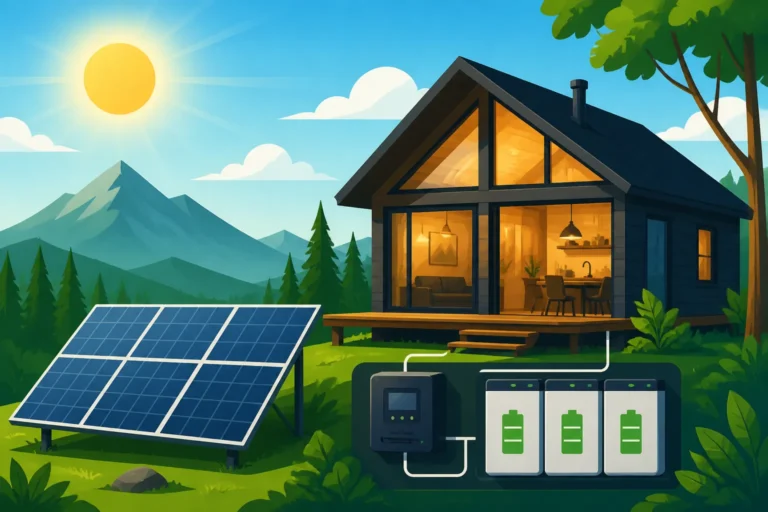
For a homesteader in a rural area, ground mounts could be ideal. They can place their panels in a wide-open field, away from their main dwelling, and ensure they get full sun exposure all day long, year-round. They might even build a small, secure shed right next to the array to house their charge controller, batteries, and inverter, minimizing long wire runs.
Key Factors to Consider When Choosing Your Mount Type
Making the choice between a ground mount and a roof mount isn't something to rush. It requires a thoughtful evaluation of several interconnected factors specific to your location, your budget, and your long-term off-grid goals. It's about finding the sweet spot where efficiency, practicality, and cost align perfectly for your situation.
Site Specifics and Solar Resource Assessment
Your geographical location and the characteristics of your specific property are paramount in this decision. You need to become a detective of your own sunlight. The first thing to scrutinize is shading. Walk around your property throughout the day, at different times of the year if possible, to observe where shadows fall. Tall trees, neighboring buildings, or even your own dwelling can cast significant shadows that drastically reduce your solar panel output. Roof mounts might seem higher, but a nearby oak tree can still create havoc. Ground mounts offer the advantage of placing your panels in the clearest, most sun-drenched spot on your property, often far from existing structures or tall foliage. This is where understanding your Peak Sun Hours Explained really comes into play, as consistent, unobstructed sunlight is key to maximizing energy harvest.
Beyond shade, consider the available space. Is your roof large enough and structurally sound to support the weight and wind load of an entire array? Some roofs might be too small, too steep, or made of materials that make installation difficult or risky. For ground mounts, do you have a clear, flat, unused area that receives ample sunlight year-round? Think about local climate conditions too. If you live in an area with heavy snowfall, easy access to clean panels is crucial – a clear win for ground mounts. High winds? Both systems need robust engineering, but ground mounts can often be anchored more securely into the earth. The type of soil also matters for ground mounts; rocky soil will require more effort to install foundations.
Installation Complexity, Cost, and Maintenance
The financial and labor investment differs significantly between the two mounting types, and this is where many off-gridders find themselves weighing their options carefully.
For roof mounts, the installation can be technically challenging, especially if you're not comfortable working at heights or penetrating your roof. While the actual mounting hardware might appear simpler, the labor involved in ensuring a watertight seal and safely running conduits through the roof can be specialized. When considering the Cost of Off-Grid Solar Panels and overall system, don't forget the mounting hardware, which can vary. If you’re hiring a professional, roof work typically involves higher labor costs due to safety equipment and the inherent risks. If you're a DIY enthusiast, you'll need the right tools and a strong understanding of roof construction and electrical wiring. Once installed, maintenance primarily involves cleaning. For pitched roofs, this means getting on a ladder or the roof itself. Flat roofs or those on smaller structures like sheds might be more accessible.
Ground mounts, conversely, often involve more groundwork upfront. You might need to dig footings, pour concrete, or use specialized ground anchors. This can be physically demanding and may require heavy equipment for larger arrays. However, the electrical wiring from the panels to your power center is often simpler once the trenching is done, as you’re typically running wires in a protected conduit underground. For those comparing DIY vs Professional Off-Grid Solar Cost, ground mounts can sometimes be more DIY-friendly in terms of physical access during installation, but require more civil engineering know-how for foundations. The long-term maintenance is generally much easier and safer. Cleaning panels, inspecting wiring, or making adjustments can all be done from ground level. This ease of access can lead to better system performance over time because you’re more likely to keep them clean and well-maintained.
Security, Aesthetics, and System Expandability
These factors often come down to personal preference and practical considerations for your unique off-grid property.
Security is a genuine concern, especially in remote areas or if your system components are expensive. Roof-mounted panels are generally less susceptible to casual theft or vandalism simply because they're harder to reach. While determined individuals can still access them, the elevated position acts as a deterrent. Ground-mounted systems, being at ground level, are more vulnerable. You might need to invest in robust fencing, security cameras, or even incorporate them into a secure compound to protect your investment. Brands like Amazon offer a wide array of security solutions, from cameras to motion-sensing lights, that can bolster the security of a ground-mounted array.
Aesthetics are subjective. Some people prefer the clean, integrated look of panels on a roof, where they are often less conspicuous. Others might find them an eyesore, particularly on a beautiful architectural design. Ground mounts, especially larger arrays, can be quite visible and might detract from the natural landscape if not carefully planned. However, they can also be strategically placed out of sight, perhaps behind a stand of trees or in a dedicated utility area, which might be impossible with a fixed roof structure.
Finally, consider your future energy needs. Off-grid living often evolves, and you might find yourself wanting to expand your solar array as your power demands grow or as you add new appliances. Ground mounts typically offer greater flexibility for expansion. You can often add more panels to an existing frame or easily build an adjacent array. Roof space, on the other hand, is finite. Once your roof is full, expanding means looking for another suitable roof section, building a new structure, or adding ground mounts anyway, which can be more complex and costly. Planning for expansion from the outset is a smart move for any off-grid system, big or small.
Practical Considerations for Each Mounting Style
Once you’ve weighed the general pros and cons and considered your specific site, it’s time to drill down into the nitty-gritty details of how to implement each mounting type effectively. Practicality is the name of the game when you're relying solely on your own power generation.
Maximizing Efficiency with Roof Mounts
When opting for roof mounts, maximizing efficiency means working within the constraints of your roof's design. The most significant limitation is often the fixed tilt angle. While most residential roofs have a pitch that can be somewhat beneficial for solar, it's rarely optimized for year-round sun capture. If your roof faces east or west, for example, you'll be sacrificing a significant portion of your potential energy harvest compared to a south-facing array. However, for mobile applications like an RV or a van, a slightly off-optimal angle is often a trade-off for the convenience of having power wherever you park. For tiny homes or cabins, the roof pitch will largely dictate your panel angle.
Different roof types also present unique challenges and opportunities. Asphalt shingle roofs require careful flashing and sealing around every penetration point to prevent leaks. Metal roofs, especially standing seam, can sometimes use clamps that avoid penetrations altogether, making installation simpler and less invasive. EPDM or rubber roofs, common on RVs, typically involve adhering mounting feet and then sealing extensively. For structures like tiny homes, understanding How to Install Solar on a Tiny Home can guide you through these specific considerations. If you’re limited by roof space or design, you might look into higher-efficiency panels, or perhaps flexible solar panels from brands like Renogy, which can conform to curved surfaces and are popular for vans and campers. However, remember that flexible panels often have lower efficiency and a shorter lifespan than rigid panels, and can suffer more from overheating if not properly ventilated. Ventilation under roof-mounted panels is actually quite important; an air gap helps keep them cooler, which improves their electrical output.
Designing an Optimal Ground Mount System
If you have the space, ground mounting allows for a highly optimized system. The greatest advantage is the ability to choose your exact tilt angle and azimuth (the direction the panels face). For most of the Northern Hemisphere, facing due south is ideal. However, in regions with very distinct seasons, you might consider adjusting your tilt angle. For example, in winter, when the sun's path is low, you might tilt your panels more steeply to capture those lower rays more directly. In summer, a flatter angle might be appropriate. Some ground mount systems even offer seasonal manual adjustment, or, for the truly ambitious, active tracking systems that follow the sun (though these add significant complexity and cost, usually only justified for very large, critical systems). Learning about Best Tilt Angle for Off-Grid Panels can help you determine the optimal angles for your specific latitude and seasonal needs.
Designing a robust ground mount system involves proper foundation work. This could mean concrete piers, ground screws, or ballasted systems that rely on weight. The choice depends on your soil conditions, local frost lines, and wind loads. Once the physical structure is in place, attention shifts to wiring. Ground-mounted panels are often located some distance from your main power center (where your batteries, inverter, and charge controller reside). This necessitates running wires underground in conduit, protecting them from physical damage, UV exposure, and wildlife. Proper trenching depths and conduit sizing are crucial for safety and longevity. You'll need to carefully calculate the wire gauge to minimize voltage drop over longer distances, which can significantly reduce your system's efficiency. You can typically find detailed guides on sizing all your components, including How to Size Off-Grid Wiring for Safety, on resources like Amazon where many DIY components are sold, or directly from manufacturers.
Comparison Table: Ground Mount vs. Roof Mount
To give you a quick overview, here's a side-by-side comparison of the key aspects of ground-mounted and roof-mounted off-grid solar systems:
| Feature | Roof Mount | Ground Mount |
|---|---|---|
| Space Utilization | Uses existing, often unused roof space; compact. | Requires dedicated land footprint. |
| Sunlight Optimization | Limited by roof pitch/direction; often fixed. | Full control over tilt and azimuth; seasonal adjustment possible. |
| Installation Complexity | Involves roof penetration, working at heights; waterproofing critical. | Requires foundations/anchors, trenching for wiring. |
| Maintenance & Cleaning | More difficult and potentially hazardous access. | Easy and safe access from ground level. |
| Security | Generally better, panels are less accessible. | More vulnerable; may require additional security measures. |
| Cost (Installation) | Varies; may include specialized roof work; lower material for simple mounts. | Higher material cost for robust frames; trenching adds labor. |
| Expandability | Limited by available roof space. | Generally easier to expand as needs grow. |
| Aesthetics | Can blend in or be conspicuous depending on design. | Can be more visible; placement allows for hiding. |
| Shading Issues | Can be shaded by nearby trees/structures; less flexibility to avoid. | Easier to place in shadow-free zones. |
| Heat Management | Can suffer from higher temperatures, reducing efficiency. | Better airflow, typically cooler operating temperatures. |
Making the Right Choice for Your Off-Grid Lifestyle
Ultimately, there's no universally "best" option when it comes to ground mount vs. roof mount for off-grid solar. The ideal choice is deeply personal and depends entirely on your specific circumstances, priorities, and environment.
If you're living in a mobile dwelling like an RV, van, or even a tiny house on wheels, a roof mount might be your only realistic option. You're limited by the structure itself, and the convenience of having power integrated into your moving home often outweighs the efficiency losses of a fixed angle. For these setups, the focus is often on maximizing every inch of available roof space and perhaps incorporating portable panels as supplementary power when parked in a sunny spot. For these mobile dwellers, checking out specific guides like Off-Grid Solar Cost for an RV can help them budget and plan effectively.
On the other hand, if you're establishing a permanent homestead, a remote cabin, or a workshop on a piece of land with ample open space, a ground mount system typically offers superior performance and long-term convenience. The ability to perfectly orient and adjust your panels to capture maximum sunlight, especially during challenging winter months, can be a game-changer for energy independence. The ease of maintenance and the flexibility for future expansion are also significant advantages that can pay dividends over the decades you'll be relying on your system.
Consider your personal comfort level with DIY projects. Are you handy with roofing, or do you prefer working closer to the ground? Think about your budget for the initial setup. While ground mounts can have higher upfront material costs for the racking and foundations, the simplified maintenance might save you money and headaches in the long run. If you are starting from scratch, it’s always a good idea to consider Off-Grid Solar System Design Basics before settling on a mounting solution.
The most important thing is to thoroughly assess your site. Observe the sun path, identify potential shading obstacles, and measure your available space. Think about your desired level of system expandability and how much active maintenance you're willing to do. By carefully evaluating all these factors, you'll be well-equipped to make an informed decision that ensures your off-grid solar system is not only functional but also perfectly suited to your independent lifestyle.
Disclaimer
Please remember that the information provided in this guide is for general informational purposes only and does not constitute professional advice. Off-grid solar system design and installation can be complex and involve electrical hazards. Always consult with qualified professionals and adhere to all local codes, regulations, and safety guidelines before installing any solar power system.