When 12V Is Enough for Off-Grid
The dream of off-grid living often comes with a healthy dose of confusion, especially when you start diving into the technical jargon of solar power systems. One of the biggest head-scratchers for newcomers is deciding on the right system voltage. Should you go for a 12-volt (12V), 24-volt (24V), or even a 48-volt (48V) setup? It’s a common frustration to feel like you need a degree in electrical engineering just to figure out what will power your lights. This guide will help clarify exactly when a 12V off-grid solar system is not just adequate, but often the perfect, most straightforward solution for your specific power needs, saving you from overcomplicating things.
Understanding the Basics of a 12V Off-Grid System
Before we get into specific use cases, let's peel back the layers and understand what a 12V system actually entails. It's often the first step for many people venturing into self-sufficient power, and for good reason.
What "12V" Really Means for Your Power Needs
When we talk about a "12V system" in off-grid solar, we're referring to the nominal voltage of your battery bank, which then dictates the voltage of other components like your charge controller and inverter. Think of voltage as the electrical "pressure" that pushes current through your system. A 12V system means your main energy storage (batteries) operates at a nominal 12 volts, making it compatible with a vast array of readily available appliances and components.
This voltage standard is fundamental to many everyday applications. It's the same voltage found in your car, RV, or boat battery, which is why so many small DC appliances are designed to run on 12V. From LED lights and phone chargers to small portable refrigerators and water pumps, these devices are built with 12V compatibility in mind, simplifying the integration into your off-grid setup. This widespread compatibility makes a 12V system feel incredibly accessible and intuitive for those just starting out, as you're likely already familiar with many 12V devices.
Furthermore, the inherent simplicity and relative safety of 12V systems make them very appealing for DIY enthusiasts. While all electrical work demands respect and proper safety protocols, working with 12V systems generally presents a lower risk of severe electrical shock compared to higher voltage setups. This lower voltage means components are less prone to arcing, and mistakes are often more forgiving. This ease of handling, combined with the sheer availability of compatible products, makes 12V systems an excellent entry point into the world of off-grid solar.
The Core Components of a 12V Setup
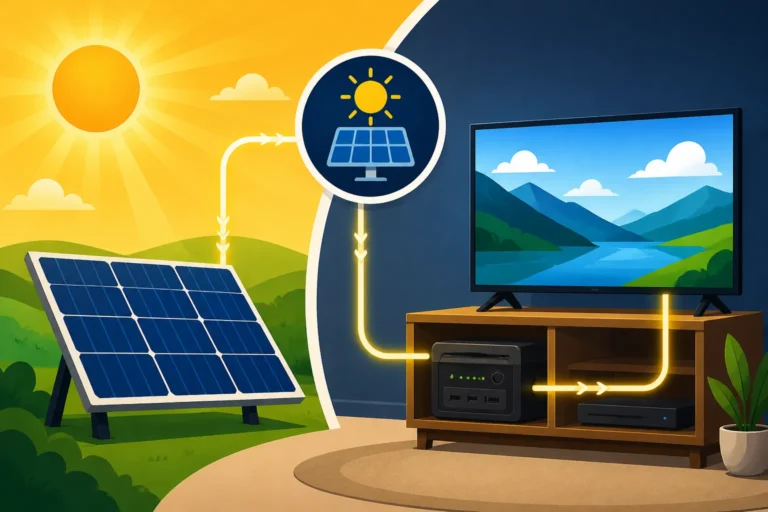
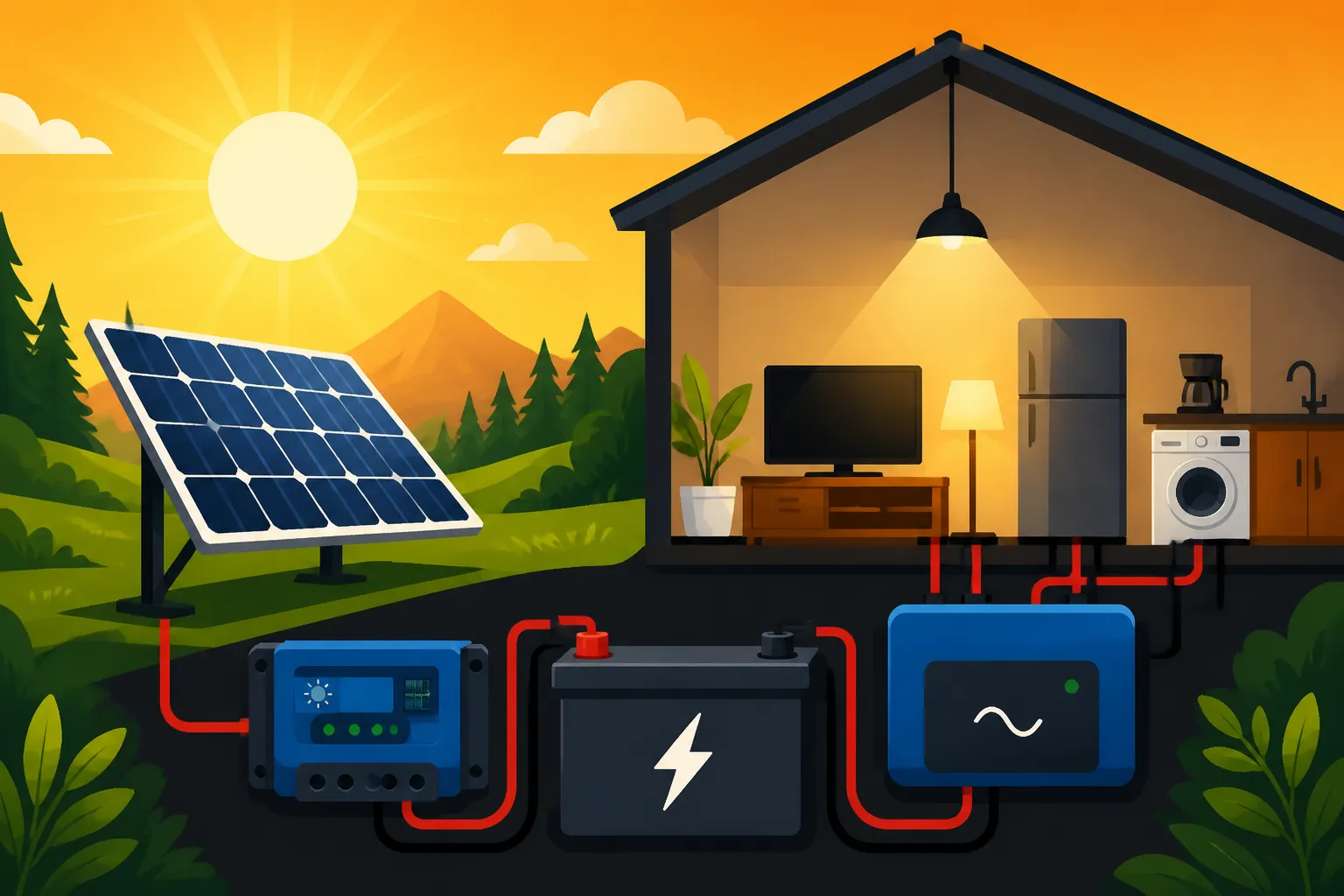
Every off-grid solar system, regardless of its voltage, relies on a few core components: solar panels, a charge controller, a battery bank, and an inverter. In a 12V system, these components are specifically chosen or configured to operate at this voltage, ensuring compatibility and efficient power flow. Understanding these parts is crucial for anyone looking into how to install an off-grid solar system.
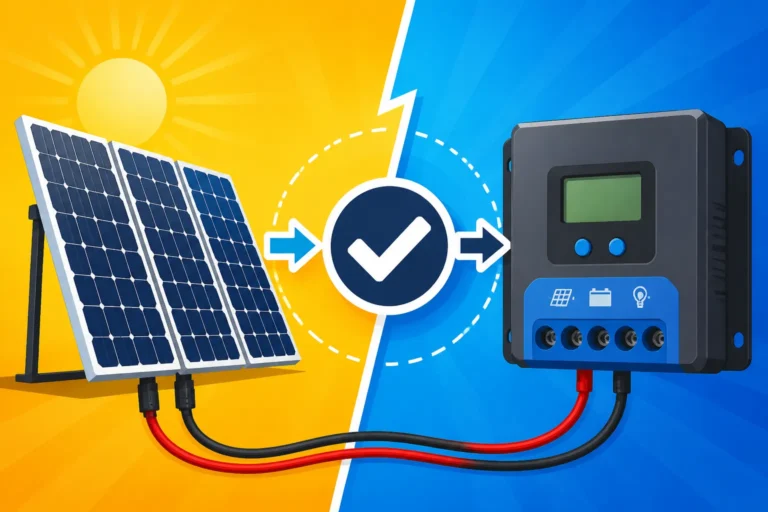
Firstly, you have your solar panels. These are responsible for capturing sunlight and converting it into electrical energy. For a 12V system, you'll typically use panels that have a nominal output voltage suitable for charging 12V batteries, often around 18-20V (Voc – open circuit voltage). Multiple panels might be wired in parallel to increase the current (amps) while maintaining the 12V nominal voltage, rather than increasing the voltage itself.
Next in line is the charge controller, which acts as the brain between your solar panels and your batteries. Its job is to regulate the voltage and current coming from the panels, preventing your batteries from overcharging and ensuring they're charged optimally. For 12V systems, you'll select a 12V compatible charge controller, whether it's a more basic Pulse Width Modulation (PWM) type or a more efficient Maximum Power Point Tracking (MPPT) controller. Many popular brands like Renogy offer excellent 12V charge controllers that are straightforward to install and configure.
The battery bank is where your solar-generated power is stored for use when the sun isn't shining. In a 12V system, this will consist of one or more 12V batteries connected in parallel to increase their total amp-hour (Ah) capacity, thus providing more stored energy. For instance, two 100Ah 12V batteries wired in parallel would give you 200Ah of capacity at 12V. Finally, if you want to power standard household appliances (which typically run on 120V AC), you'll need an inverter to convert the 12V DC power from your batteries into usable AC power. A 12V inverter is specifically designed for this task, transforming the direct current from your battery bank into alternating current.
Ideal Scenarios Where 12V Off-Grid Systems Excel
When considering how to choose an off-grid solar system, it's easy to get caught up in the idea that bigger is always better. However, for many applications, a 12V system truly hits the sweet spot, offering simplicity, affordability, and ample power.
Small-Scale Mobile and Portable Applications
This is where 12V systems truly shine. If you're looking to power a mobile lifestyle or simply need portable energy on the go, a 12V setup is often the most practical and efficient choice. Many people looking for an off-grid solar kit for a van, for example, find 12V to be perfectly suited.
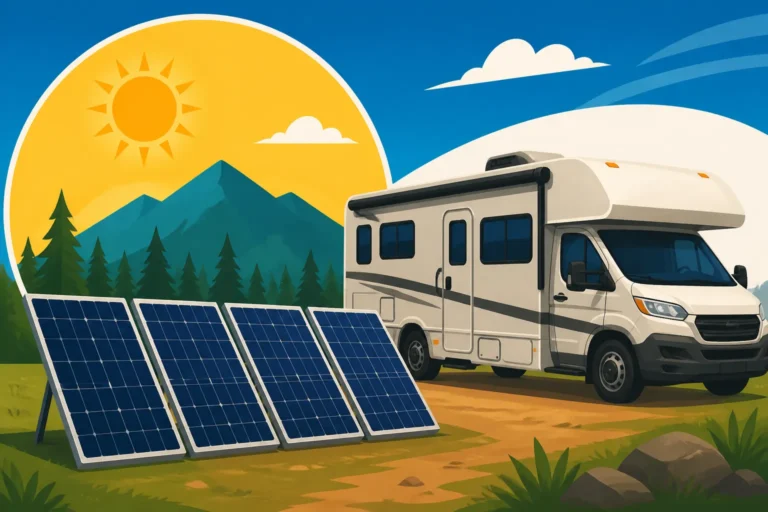
For RV and Van Life enthusiasts, a 12V system is almost a natural fit. Most RVs and vans are already wired for 12V DC for their internal lighting, fans, water pumps, and charging ports. Integrating a 12V solar system means you can directly power these existing appliances without the need for an inverter, maximizing efficiency. Think about running your small 12V refrigerator, charging your phone and laptop, enjoying your interior lights in the evening, and perhaps a small fan to keep cool. For these typical power needs, a robust 12V system with appropriately sized batteries and panels is usually more than enough. If you’re curious about how much this might cost, consider reading about the Off-Grid Solar Cost for an RV.
Similarly, for camping, overlanding, and other outdoor adventures, a portable 12V solar setup is ideal. These systems are designed to be compact, relatively lightweight, and easy to deploy. They can keep your portable cooler running, charge headlamps, run a small air pump for an inflatable mattress, and power your essential communication devices. You can find ready-made portable solar generators that integrate all 12V components into a single unit, or piece together a custom kit with a flexible solar panel and a small 12V battery, often sourced conveniently from online retailers like Amazon.
Even for boats and marine use, 12V systems are the standard. From navigation lights and fish finders to VHF radios and cabin lights, marine vessels are predominantly designed around 12V DC power. A dedicated 12V solar setup can keep your house batteries topped off, ensuring you have reliable power for safety and comfort while out on the water. When you're trying to figure out how to size an off-grid system for a boat, starting with a 12V baseline is almost always the way to go.
Basic Off-Grid Structures and Backup Power
Beyond mobile applications, 12V systems also prove their worth in fixed, smaller-scale off-grid installations where power demands are moderate and intermittent. This includes structures that aren't meant for full-time, heavy energy consumption.
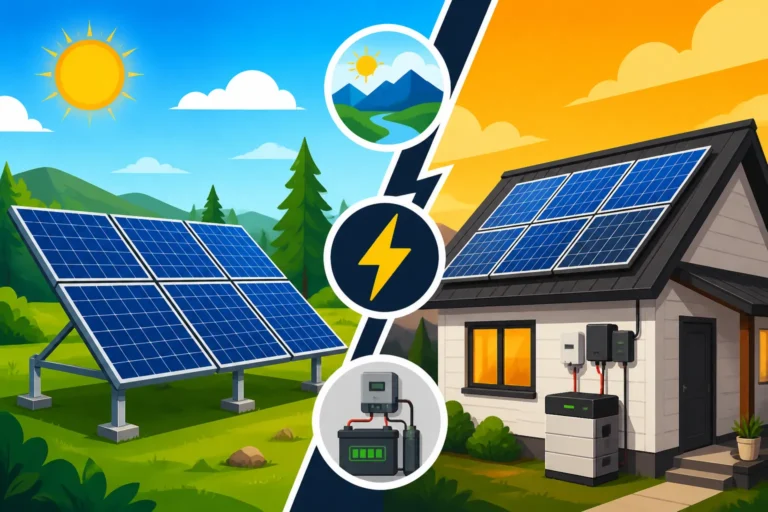
Consider a hunting cabin, a remote shed, or a tiny home used for weekend getaways. These structures typically require power for basic necessities: lighting during the evening, charging small electronics like phones or power tools, and perhaps running a small radio or a low-wattage fan. For these scenarios, a 12V system can provide ample electricity without the complexity and higher cost associated with larger voltage systems. Imagine a cabin lit by efficient LED lights, where you can charge your drill batteries after a day of projects, and keep a small weather radio on – all perfectly achievable with a well-designed 12V solar setup. Understanding the Off-Grid Solar Cost for a Hunting Cabin can give you a clearer picture of typical expenses.
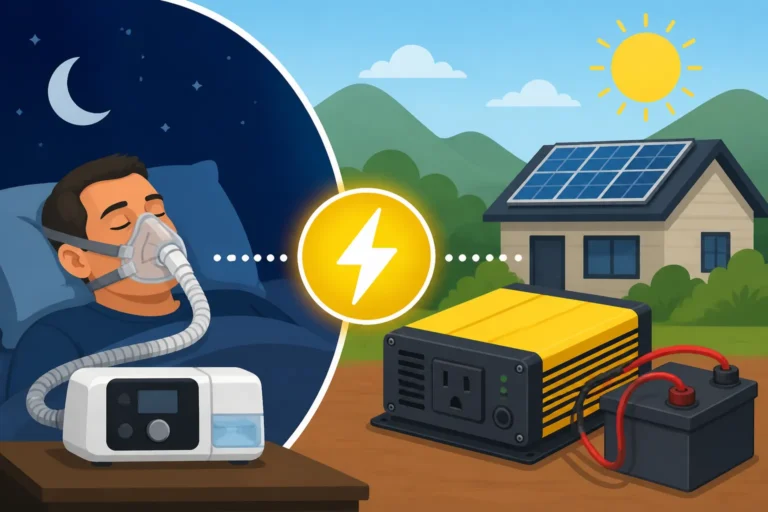
Another excellent application for a 12V system is emergency backup power. When the grid goes down, having a reliable way to power essential items can be a lifesaver. A relatively small, self-contained 12V solar generator or a basic 12V solar kit can keep critical communications charged, provide lighting, and run small medical devices like a CPAP machine. These systems are often portable enough to be moved or set up quickly, making them ideal for short-term outages or for those who prioritize immediate preparedness. For more details on budgeting, check out the article on Off-Grid Solar Cost for Seasonal Use.
Essentially, if your power needs are focused on basic comforts, intermittent use, or smaller loads, a 12V system offers a straightforward, budget-friendly, and highly effective path to energy independence. It's often the perfect solution for anyone exploring off-grid options for the first time or looking for a practical solution without significant financial outlay.
Recognizing the Limitations and When to Upgrade
While 12V systems are fantastic for many applications, they do have inherent limitations. It’s important to be realistic about what they can and cannot do effectively, especially when your power demands start to grow. Understanding these limits is key to avoiding common off-grid sizing mistakes.
The Challenge of Higher Power Loads
The biggest hurdle for 12V systems arises when you try to power high-wattage appliances. These are the energy hungry devices that draw a lot of current (amps) to operate. Think about major household appliances: microwaves, electric water heaters, air conditioners, well pumps, or even powerful hair dryers. All these items demand a significant amount of power.
Here’s the rub: for a given amount of power (watts), a lower voltage system needs to draw a much higher current (amps) than a higher voltage system (Power = Voltage x Current). So, if you have a 1500-watt microwave, at 12V, it would theoretically draw about 125 amps (1500W / 12V = 125A). That’s an enormous amount of current! To safely carry such high currents, you need extremely thick and expensive wiring to prevent excessive voltage drop and overheating. The longer the wire run, the thicker the cable needs to be, increasing costs and installation complexity. This is why you'll often see recommendations on how to size wire and cables that specify much heavier gauge wire for 12V systems compared to 24V or 48V systems for the same power output.
Beyond the wiring, the components themselves come under significant strain. Your inverter has to work much harder to convert high DC current to AC, which generates more heat and reduces efficiency. Your battery bank, too, experiences much heavier discharge cycles, which can impact its lifespan if not properly sized and managed. Trying to push large, continuous loads through a 12V system can quickly lead to inefficiencies, potential safety hazards, and premature component wear.
Scaling Up for Whole-Home or Continuous Use
If your vision of off-grid living includes powering a full-size home with all the modern conveniences, or if you plan for continuous, year-round occupancy, a 12V system will almost certainly fall short. For scenarios requiring substantial daily energy usage, the inherent limitations of 12V become impractical and uneconomical.
Imagine trying to run a full-size refrigerator, a washing machine, a small air conditioner, and maybe a well pump – all concurrently or regularly – on a 12V system. The sheer number of 12V batteries required to store enough energy, and the extensive solar panel array needed to replenish them daily, would be immense. You’d end up with a battery bank that's physically huge, heavy, and disproportionately expensive. Not to mention the extremely thick cabling, hefty fuses, and oversized inverters necessary to handle such loads, pushing the limits of what a 12V infrastructure can efficiently support. For comprehensive power needs, it’s worth looking into how many kWh does an off-grid home need to get a clear picture.
This is precisely why higher voltage systems like 24V and 48V exist and are recommended for larger applications. These systems significantly reduce the current required for a given power output, leading to thinner, more affordable wiring, higher overall system efficiency, and less strain on components. For example, that same 1500-watt microwave would only draw about 31 amps at 48V (1500W / 48V = 31.25A), a much more manageable current. You can learn more about these differences in "12V vs 24V vs 48V: Which to Choose" and understand why 48V is better for large systems. For anyone serious about designing an off-grid solar system for year-round living, stepping up to a 24V or, more commonly, a 48V system, is not just an upgrade—it's often a necessity for reliability, efficiency, and long-term satisfaction.
Designing and Equipping Your 12V Off-Grid System
Once you’ve determined that a 12V system is indeed the right fit for your needs, the next step is to design and equip it properly. This involves careful planning and choosing the right components to ensure your system performs optimally and reliably.
Sizing Your 12V System for Optimal Performance
The foundation of any successful off-grid system, 12V or otherwise, begins with a thorough understanding of your energy needs. This is often called a load analysis, and it's the most critical first step. You need to calculate your daily energy usage by listing every appliance you intend to power, its wattage, and how many hours per day you'll run it. For instance, a 10W LED light used for 4 hours is 40 Watt-hours (Wh). A 60W laptop charger used for 3 hours is 180 Wh. Adding all these up gives you your total daily Watt-hours. If this sounds daunting, don't worry, there are excellent guides on how to calculate daily energy usage to walk you through it.
Once you have your total daily Wh, you can then size your battery bank. For a 12V system, battery capacity is typically measured in Amp-hours (Ah). To convert your daily Wh to Ah for a 12V system, you divide your total Wh by 12V. For example, if you need 500 Wh per day, you'd need approximately 42 Ah of usable battery capacity (500 Wh / 12V = 41.67 Ah). However, you always need to account for battery depth of discharge (DoD) – especially with lead-acid batteries, you might only want to discharge them to 50%. Lithium batteries, like LiFePO4, can safely be discharged much deeper, often to 80-100%, meaning you need less overall capacity. You should also build in some "days of autonomy" to cover cloudy weather, so you'll need significantly more capacity than just your daily usage. Knowing how to calculate battery amp-hours needed is crucial here.
Finally, you'll size your solar array to replenish your batteries. This depends on your location's "peak sun hours" – the average number of hours per day your panels receive direct, optimal sunlight. If you have 5 peak sun hours and need to put 500Wh (or ~42Ah at 12V) back into your batteries, you'll need roughly a 100W solar panel (500Wh / 5 hours = 100W). Always remember to factor in system inefficiencies and seasonal variations, especially during winter months, by oversizing your panels somewhat. Many beginner-friendly brands, such as Renogy, offer complete 12V off-grid solar kits that bundle appropriately sized panels, charge controllers, and batteries, making the sizing process less intimidating for newcomers. These kits are often an excellent starting point for those just learning the ropes and are highlighted in guides like Best Off-Grid Solar Kits for Beginners.
Component Choices for a Reliable 12V Setup
Even with a 12V system, the quality and type of your components make a huge difference in reliability and longevity. Investing wisely upfront can save you headaches and expenses down the line.
When it comes to batteries, the choice can significantly impact your system's performance and cost. For 12V systems, LiFePO4 (Lithium Iron Phosphate) batteries have become the preferred modern option. They offer a much deeper depth of discharge, a longer cycle life (thousands of cycles compared to hundreds for lead-acid), lighter weight, and consistent voltage output. While the upfront cost of LiFePO4 batteries is higher, their longevity and performance often make them more cost-effective over their lifespan compared to traditional lead-acid or AGM batteries. For those on a tighter budget, AGM batteries can still be a viable 12V option, though you'll need more capacity to achieve the same usable energy due to their shallower recommended DoD. You can compare the differences in articles like LiFePO4 vs Lead-Acid Battery Cost to help make an informed decision. Finding good quality batteries for your specific needs is a key part of choosing the best off-grid solar batteries.
For charge controllers, an MPPT (Maximum Power Point Tracking) controller is almost always recommended over a PWM (Pulse Width Modulation) controller, even for 12V systems. MPPT controllers are significantly more efficient, especially when your panel voltage is higher than your battery voltage (e.g., using a common 18V nominal panel to charge a 12V battery). They can "step down" the voltage while increasing the current, harvesting up to 10-30% more power from your solar panels, which is a huge advantage, particularly on cloudy days or during lower sun angles. Many affordable and reliable MPPT controllers are available for 12V systems.
Finally, for your inverter, opting for a pure sine wave inverter is crucial, even in a small 12V system. While modified sine wave inverters are cheaper, they can damage sensitive electronics (like laptops, TVs, and some appliance motors) and run less efficiently. A pure sine wave inverter produces clean, reliable power identical to what you get from the grid, ensuring all your devices run safely and efficiently. The size of your inverter (measured in watts) should be chosen based on the total continuous wattage of all AC appliances you might run simultaneously, plus a surge capacity to handle the startup current of motor-driven devices like a refrigerator. For example, if you want to run a refrigerator on 12V, you'll need an inverter capable of handling its running watts, and more importantly, its much higher startup (surge) watts. Many reputable brands offer a range of pure sine wave 12V inverters suitable for various small to moderate off-grid demands.
| Application / Use Case | Typical Power Needs | Is 12V Enough? | Why / Why Not | Recommended Upgrade |
|---|---|---|---|---|
| Van Life / RV | Lights, phone, small fridge, fan | YES | Low, intermittent loads, existing 12V wiring, easy expansion. | Larger 12V system or 24V if A/C desired. |
| Small Cabin (weekend) | Lights, radio, laptop charging, basic water pump | YES | Basic comforts, not permanent living, minimal appliance use. | 24V for more appliances, extended use. |
| Emergency Backup | Phones, basic lighting, CPAP, small medical devices | YES | Critical loads only, short duration, easy portability. | Portable solar generator or larger dedicated 12V. |
| Whole Home (full-time) | Fridge, A/C, well pump, water heater, tools | NO | High continuous loads, inefficiency, heavy wiring, high cost. | 24V or 48V system is essential for efficiency. |
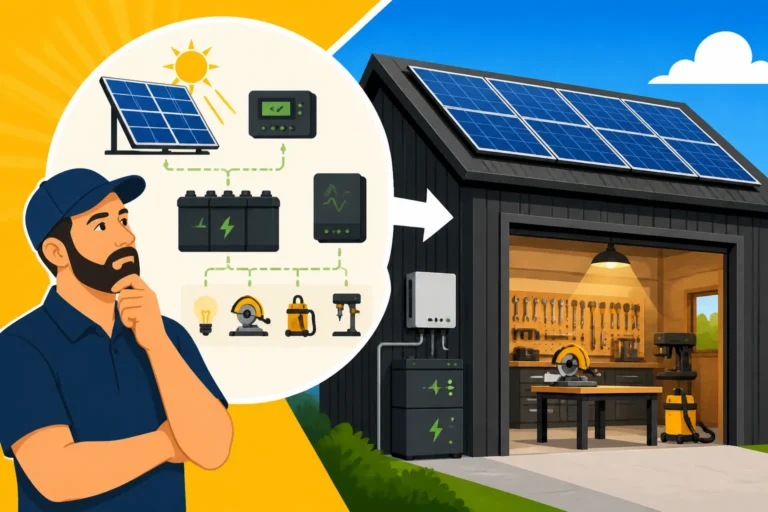
| Remote Workshop (heavy tools) | Power tools (saws, drills), heavy lighting | NO | High surge currents, continuous high draw, strain on components. | 24V or 48V system. |
| Small Greenhouse | Small fans, lighting, low-power irrigation pump | YES | Moderate, consistent loads for specific equipment. | 24V if heating/cooling needs are significant. |
Disclaimer
The information provided in this article is for educational and informational purposes only and does not constitute professional electrical or solar engineering advice. Off-grid solar system design and installation can be complex and involve significant risks, including electrical shock and fire, if not done correctly. Always consult with a qualified and licensed solar professional or electrician before designing, purchasing, or installing any off-grid solar power system. Local codes and regulations vary, and it is your responsibility to ensure compliance with all applicable standards.