Best 200Ah LiFePO4 Battery
The struggle is real when you're trying to achieve true energy independence. Many off-gridders find themselves constantly battling with inadequate battery power, leading to frustrating shutdowns and a never-ending cycle of replacements. This guide is here to cut through the confusion and illuminate why a 200Ah LiFePO4 battery could be the absolute cornerstone of your robust off-grid solar system, helping you pick the very best one to escape those power woes for good.
Why 200Ah LiFePO4 Batteries are a Game-Changer for Off-Grid Living
For anyone serious about living off the grid, or even just having reliable backup power, the battery bank is the heart of the system. And for many, traditional lead-acid batteries have been a source of ongoing frustration, demanding constant vigilance and prone to failing just when you need them most. Enter LiFePO4 batteries – a true revolution that offers a vastly superior experience for modern off-grid setups.
The Undeniable Advantages of Lithium Iron Phosphate
Let’s be honest, we’ve all dreamt of a power source that just works, without the constant fuss. That’s where Lithium Iron Phosphate (LiFePO4) batteries truly shine compared to their older, heavier, and more temperamental lead-acid cousins. The first and most striking advantage is their incredible longevity. While a typical lead-acid battery might give you 300-500 cycles before its capacity significantly degrades, a quality LiFePO4 battery often boasts 3,000 to 5,000 cycles, sometimes even more. This means you could be looking at a decade or more of reliable service without needing to replace your battery bank, which is a massive relief for your wallet and your peace of mind.
Beyond sheer lifespan, LiFePO4 batteries offer a much deeper depth of discharge (DoD). You can regularly discharge them to 80-100% of their capacity without causing significant damage or shortening their lifespan, whereas lead-acid batteries prefer to stay above 50% DoD to avoid premature failure. This means that a 200Ah LiFePO4 battery effectively provides you with almost double the usable energy compared to a 200Ah lead-acid battery. Imagine having access to virtually all your stored power, rather than constantly worrying about hitting an invisible discharge limit. They’re also incredibly efficient, boasting charge and discharge efficiencies upwards of 99%, meaning very little energy is lost as heat during operation. This translates directly into more usable power from your solar panels and less waste.
Another often-overlooked benefit, especially for mobile applications like RVs or vans, or even small cabins where space is at a premium, is their size and weight. LiFePO4 batteries are significantly lighter and more compact than lead-acid batteries of comparable usable capacity. This makes installation much easier and frees up valuable space. Plus, they’re truly maintenance-free; no more checking electrolyte levels or dealing with corrosive acid fumes. They’re also inherently safer, as they are non-toxic, non-gassing, and have a much lower risk of thermal runaway compared to other lithium chemistries. If you’re weighing the options, exploring the LiFePO4 vs Lead-Acid Battery Cost breakdown can further highlight these long-term savings and benefits.
When a 200Ah Capacity Hits the Sweet Spot
So, you know LiFePO4 is the way to go, but why 200Ah specifically? For many off-grid scenarios, this capacity hits a real sweet spot between providing ample power and remaining manageable in terms of cost, weight, and footprint. At 12 volts, a 200Ah battery offers roughly 2,400 watt-hours (Wh) of usable energy. If you choose a 24V or 48V system, you’d typically wire multiple 200Ah batteries in series to achieve the higher voltage while maintaining the 200Ah at the battery level (or combine in parallel for more amp-hours, depending on your system design).
This capacity is often ideal for medium-sized RVs, camper vans, small cabins, or even a remote workshop. It’s enough to comfortably run essential appliances like a refrigerator, lights, water pump, and charge electronics for a day or two without sunshine, especially when paired with a well-sized solar array. For example, a single 200Ah 12V LiFePO4 battery can generally run a modest 12V refrigerator (consuming around 40-50W per hour on average) for well over 24 hours, alongside lights and device charging, without completely depleting its charge. This provides a great buffer against cloudy days and ensures your creature comforts remain powered.
Going much smaller, say 100Ah, might leave you feeling constrained, constantly monitoring your power usage, and potentially running out of juice quicker than you’d like. On the other hand, jumping straight to 300Ah or 400Ah might be overkill for certain setups, adding unnecessary weight and significant cost without a proportional increase in practical benefit for your specific needs. The 200Ah sweet spot offers a fantastic balance for many who want reliable power without breaking the bank or oversizing their system. It’s truly a versatile size that supports a wide array of appliances. If you’re curious about powering specific devices, you might find it helpful to look into how many batteries you need to run lights and electronics, or even specific appliances like a refrigerator, with a resource like How Many Batteries to Run Lights And Electronics.
Key Factors to Consider When Choosing Your 200Ah LiFePO4 Battery
Picking the right 200Ah LiFePO4 battery isn’t just about the capacity; it’s about the entire package. There are crucial features and considerations that can make or break your off-grid experience, influencing everything from safety to lifespan and overall system performance. It’s tempting to just grab the cheapest option, but trust me, a little research now will save you a world of headaches later.
Battery Management System (BMS) Quality and Features
Think of the Battery Management System (BMS) as the brain of your LiFePO4 battery. It’s not an optional extra; it’s absolutely essential for the safe and efficient operation of the battery. A good BMS protects your investment by monitoring and managing critical parameters like voltage, current, and temperature for each individual cell within the battery. Without a reliable BMS, a LiFePO4 battery can be vulnerable to overcharging, over-discharging, overcurrent, and extreme temperatures, all of which can severely shorten its lifespan, damage the battery, or in extreme cases, even pose a safety risk.
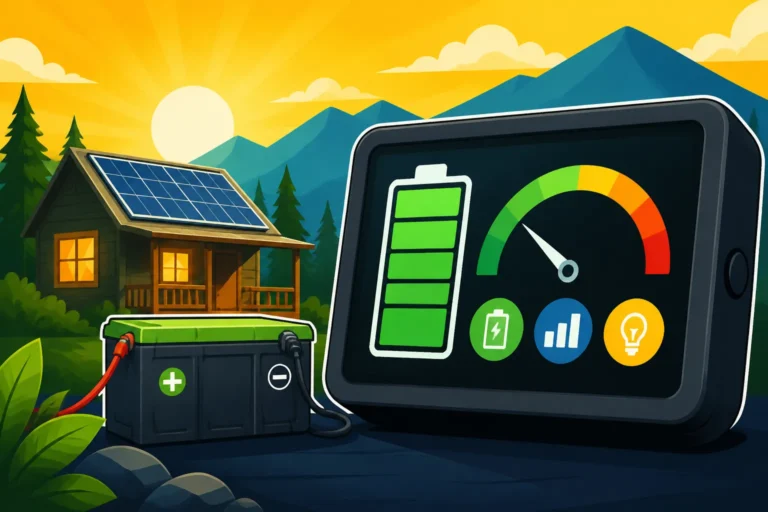
When you’re shopping for a 200Ah LiFePO4 battery, delve into the BMS specifications. Look for a BMS that includes comprehensive protections: overcharge protection, over-discharge protection, short-circuit protection, overcurrent protection, and high/low-temperature protection. Some advanced BMS units also offer active cell balancing, which ensures all the individual cells within the battery are kept at a similar state of charge, further extending the battery’s life and efficiency. Many modern LiFePO4 batteries, including those from brands like Renogy, now feature “smart” BMS technology, often with Bluetooth connectivity. This allows you to monitor your battery’s state of charge, voltage, current, temperature, and even individual cell health directly from your smartphone. This kind of real-time insight is invaluable for proactive maintenance and troubleshooting, giving you total control and peace of mind over your power system.
Cold Weather Performance and Heating Elements
One of the most important considerations for off-gridders living in regions that experience freezing temperatures is the battery’s ability to handle cold. While LiFePO4 batteries perform exceptionally well in a wide range of temperatures, they have one critical limitation: they cannot be charged when their internal temperature drops below 0°C (32°F). Attempting to charge a frozen LiFePO4 battery can cause irreversible damage to the cells, significantly reducing capacity and lifespan, and potentially creating a safety hazard.
For this reason, many premium 200Ah LiFePO4 batteries now come with built-in heating elements. These integrated heaters automatically activate when the battery temperature falls below freezing, warming the cells to a safe charging temperature before allowing any current to flow in from your solar panels or charger. This feature is an absolute game-changer for anyone planning year-round off-grid living in colder climates, or for applications like cabins and RVs that are used in winter. Without a built-in heater, you’d need to either house your battery in a climate-controlled environment, wrap it in insulation with external heating pads, or simply avoid charging during cold snaps, which isn’t always practical. Understanding Off-Grid Solar Cost in Cold Climates often highlights the value of these integrated solutions, and tips on How to Protect Batteries from Cold can be invaluable.
Brand Reputation and Customer Support
In the world of off-grid solar, the brand behind your battery matters, often more than you might think. A battery is a significant investment, and you want to be sure it’s reliable and backed by a company that stands behind its products. A reputable brand typically means higher quality components, more rigorous testing, and a trustworthy warranty. Brands like Battle Born, Victron Energy, and even some offerings from Renogy have built strong reputations for producing durable and high-performing LiFePO4 batteries.
Beyond the product itself, consider the quality of customer support and warranty. What happens if you encounter an issue a few years down the line? A company with excellent customer service and a clear, comprehensive warranty (often 5-10 years for LiFePO4) can be a lifesaver. Being able to easily reach knowledgeable technical support to help troubleshoot or process a warranty claim is invaluable, especially when you’re reliant on your off-grid system. There’s nothing worse than having an expensive piece of equipment fail and then facing an uphill battle with a non-responsive manufacturer. Before making a final decision, take some time to read reviews, check independent forums, and see what other off-gridders are saying about their experiences with different brands. Sometimes, paying a little extra for a well-established brand provides peace of mind that is truly priceless. For more insights, delve into discussions around the best off-grid solar battery brands.
Top Contenders for Best 200Ah LiFePO4 Batteries
When it comes to selecting the best 200Ah LiFePO4 battery for your off-grid setup, you’ll find a spectrum of options, ranging from premium, high-performance units to more budget-friendly alternatives. The “best” choice really depends on your specific needs, budget, and how critical reliability is for your lifestyle. Let’s break down some of the leading contenders.
Premium Choices for Ultimate Reliability
If your off-grid system is your primary power source, or if you demand absolute top-tier performance and peace of mind, investing in a premium 200Ah LiFePO4 battery is often the wisest choice. Brands like **Battle Born Batteries** are often considered the gold standard in the industry. Their 12V 200Ah LiFePO4 batteries are renowned for their robust construction, advanced internal Battery Management Systems (BMS) with comprehensive protections, and exceptional longevity, often backed by a 10-year warranty. They are built to withstand harsh conditions, including vibration and extreme temperatures, making them ideal for RVs, marine applications, and full-time off-grid homes. While the upfront cost is higher, their unparalleled reliability, efficiency, and long lifespan often justify the investment in the long run. Many off-gridders swear by their performance and the peace of mind they offer, making them a hero product for critical systems. You can find detailed breakdowns like the Battle Born Battery Review for Off-Grid Solar to learn more about their offerings.
Another strong contender in the premium category is **Victron Energy**. Known for their incredibly high-quality and integrated off-grid components, Victron’s Smart Lithium batteries, including their 200Ah options, integrate seamlessly into their entire ecosystem of charge controllers and inverters. Their batteries feature a sophisticated internal BMS, and when paired with a Victron Lynx Smart BMS or a VE.Bus BMS, they offer unparalleled control, monitoring, and safety features. Victron products are often favored by those building large, complex, and highly integrated off-grid systems where every component is designed to work together flawlessly. The level of engineering and build quality is exceptional, ensuring maximum reliability and a long service life.
These premium batteries are often chosen by full-time off-gridders, remote homesteaders, or anyone whose daily life critically depends on a flawless power supply. They minimize the risk of unexpected failures and significantly reduce the need for maintenance or premature replacements, which can translate into substantial savings and less stress over the lifetime of your system. While the initial sticker shock might be real, the confidence and performance you gain are well worth considering for serious applications.
Value-Oriented Options for Savvy Off-Gridders
For those looking to get into LiFePO4 technology without the premium price tag, there are excellent value-oriented options that still deliver solid performance and reliability. Brands like **Renogy**, **EG4**, and **SOK Batteries** have become incredibly popular in the off-grid community for offering a fantastic balance of features, performance, and affordability. Renogy, for instance, offers 12V 200Ah LiFePO4 batteries that are a favorite among RVers and cabin owners. Their batteries often include a reliable BMS, some even featuring low-temperature cut-off protection or Bluetooth monitoring, making them a very attractive package for the price. They strike a good balance, providing many of the core benefits of LiFePO4 without some of the more advanced (and costly) features of the premium brands.
EG4 and SOK batteries are also gaining significant traction, particularly with their robust server rack-style LiFePO4 batteries, which can be a highly cost-effective solution for larger, modular systems. While their 200Ah single-unit offerings might vary, they typically provide excellent cycle life and a solid internal BMS. When considering these value-oriented options, it’s crucial to pay close attention to the detailed specifications. Check the warranty period, the specifics of the built-in BMS (especially regarding low-temperature charging protection if you’re in a cold climate), and ensure the continuous discharge current rating meets your inverter’s needs. You can often find a comprehensive Renogy Battery Review for Off-Grid Solar to help you make an informed decision.
These brands are often readily available through online retailers, including large platforms like Amazon, or directly from their respective websites. When purchasing from Amazon or other third-party sellers, always check the seller’s reputation and review the warranty details carefully to ensure you’re getting a legitimate product and proper support. While you might not get the same level of white-glove customer service or the absolute longest warranty periods as with premium brands, these value-oriented batteries represent a significant upgrade over lead-acid and can provide reliable power for many years, making off-grid living more accessible to a broader audience.
Where to Find Your Perfect Battery
Once you’ve narrowed down your choices, the next step is actually acquiring your new 200Ah LiFePO4 battery. For the premium brands like Battle Born and Victron, you’ll often find them directly on their company websites, or through authorized dealers and specialized solar equipment suppliers. These channels usually provide direct access to technical support and ensure you’re getting a genuine product with full warranty coverage.
For value-oriented brands such as Renogy, EG4, SOK, and many others, you have a wider array of purchasing options. Major online retailers like Amazon are a very popular choice due to competitive pricing and convenient shipping. However, when buying from Amazon, always be diligent: verify the seller’s ratings, ensure the product description matches your needs exactly, and confirm the warranty terms. Many of these brands also sell directly from their own websites, which can sometimes offer special promotions or bundles. Dedicated online solar equipment stores are another excellent resource, as they often carry a range of brands, provide product comparisons, and have knowledgeable staff who can offer advice. No matter where you decide to purchase, taking the time to compare prices, read recent customer reviews, and confirm return policies will always be time well spent. For a broader understanding of various components, checking out Off-Grid Solar Equipment Explained can be quite useful.
Maximizing the Lifespan and Performance of Your 200Ah LiFePO4 Battery
Investing in a high-quality 200Ah LiFePO4 battery is just the first step towards a reliable off-grid power system. To truly get the most out of your investment, ensuring its longevity and peak performance, proper care and careful integration into your solar setup are absolutely critical. It’s not just about hooking it up; it’s about understanding how to treat it right.
Proper Charging and Discharge Practices
One of the beautiful things about LiFePO4 batteries is their robustness, but even the best technology benefits from good habits. While they can handle deep discharges (up to 100% DoD) much better than lead-acid, consistently discharging them to their absolute limit can still put a little extra strain on the cells over many, many cycles. Ideally, for maximum longevity, try to keep your discharge cycles within the 80-90% range if possible, meaning you leave a small buffer. Your BMS will prevent over-discharge, but minimizing trips to the absolute cut-off voltage will certainly help your battery live its longest life.
On the charging side, ensure your charge controller—whether it’s an MPPT or PWM—is specifically configured for LiFePO4 batteries. This means setting the correct bulk, absorption, and float voltages as recommended by the battery manufacturer. Most LiFePO4 batteries prefer a bulk/absorption voltage around 14.4V to 14.6V for a 12V system, with no need for a “float” charge in the traditional lead-acid sense, though many charge controllers will maintain a lower voltage like 13.6V. Crucially, as we discussed, avoid charging below 0°C (32°F) if your battery doesn’t have a built-in heater, as this can cause permanent damage. If your battery has Bluetooth monitoring, you can easily verify these settings and monitor charge status directly. Making sure your Best MPPT Charge Controllers are properly configured is key to health, and understanding How to Connect a Charge Controller correctly ensures optimal operation.
Installation Considerations and System Integration
A 200Ah LiFePO4 battery is a powerful component, and its installation and integration into your overall off-grid system should be handled with care and attention to detail. First and foremost, proper wiring is non-negotiable for both safety and efficiency. Always use appropriately sized cables (wire gauge) for the expected current draw to minimize voltage drop and prevent overheating. For a 200Ah 12V battery, especially if it’s powering a high-wattage inverter, you’ll need thick gauge cables (e.g., 2/0 AWG or 4/0 AWG) for the battery-to-inverter connection. Incorporate appropriate fuses and circuit breakers between all major components—solar panels, charge controller, battery bank, and inverter—to protect against overcurrents and short circuits. It’s not just about protecting the equipment; it’s about protecting yourself and your property.
While LiFePO4 batteries don’t produce explosive gases like lead-acid, good ventilation in the battery compartment is still a smart idea to dissipate any heat generated by the BMS or internal components, especially during high charge/discharge cycles. Securely mount your battery to prevent movement, particularly in mobile applications like RVs or boats. When connecting multiple 200Ah batteries in series or parallel to achieve a higher voltage or greater capacity, ensure all connections are tight, clean, and wired correctly to maintain balance and performance across the bank. Understanding How to Wire a Battery Bank is essential here. Taking the time to plan your layout, use high-quality connectors, and adhere to Off-Grid Solar Wiring Best Practices will ensure your 200Ah LiFePO4 battery performs flawlessly for years to come.
Here’s a quick comparison of some popular 200Ah LiFePO4 battery options:
| Feature | Battle Born 12V 200Ah | Renogy 12V 200Ah (Smart) | EG4 LifePower4 12V 200Ah | SOK 12V 200Ah |
|---|---|---|---|---|
| **Nominal Voltage** | 12.8V | 12.8V | 12.8V | 12.8V |
| **Usable Capacity (Ah)** | 200Ah | 200Ah | 200Ah | 200Ah |
| **Max Continuous Discharge** | 200A | 200A | 200A | 200A |
| **Cycle Life (at 80% DoD)** | 3,000-5,000+ | 3,500+ | 8,000+ | 4,000+ |
| **Built-in Heater** | No (Low Temp Cut-off) | Yes (Smart version) | Yes | Yes |
| **Smart BMS (Bluetooth)** | No (Advanced Internal) | Yes (Smart version) | Yes | Yes |
| **Weight (approx.)** | 64 lbs (29 kg) | 62 lbs (28 kg) | 60 lbs (27 kg) | 57 lbs (26 kg) |
| **Warranty** | 10 Years | 5 Years | 5 Years | 10 Years |
Disclaimer
The information provided in this article is for general informational purposes only and does not constitute professional advice. Off-grid solar systems involve electrical components and should be installed by qualified professionals or with thorough understanding of electrical safety practices. Always consult product manuals and local codes.