Battle Born Battery Review for Off-Grid Solar
Deciding on the heart of your off-grid solar system – the battery bank – can feel like an overwhelming task. There are so many options out there, and the last thing anyone wants is to invest in something that constantly leaves you in the dark, literally. We've all been there, wondering if we're making the right choice, especially when it comes to something as crucial as reliable power. This guide is here to give you an honest, in-depth look at Battle Born Batteries, exploring what makes them stand out, how they perform in real-world off-grid scenarios, and whether they're truly the right power solution for your unique lifestyle.
Why Battery Choice Matters for Your Off-Grid Journey
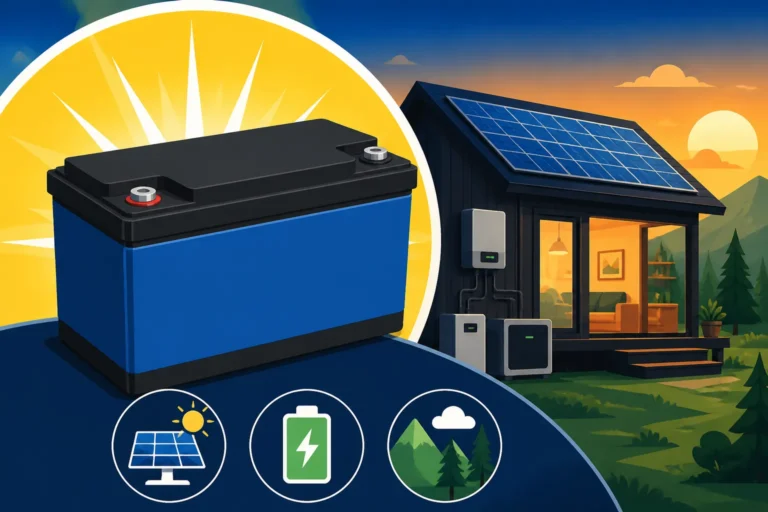
When you're living off the grid, your batteries aren't just a component; they're the very lifeblood of your entire power system. They're what store all that beautiful solar energy your panels capture, making sure you have electricity even after the sun goes down or on those dreary, cloudy days. A robust, reliable battery bank means consistent power for your lights, refrigerator, water pump, and all the creature comforts that make off-grid living enjoyable rather than a constant struggle.
The Core Role of Your Battery Bank
Think about your battery bank as your personal power reservoir. Your solar panels are like the rain that fills it, and your appliances are like the taps drawing water out. Without a good, well-maintained reservoir, you'd quickly run dry, or worse, have inconsistent water pressure. In an off-grid solar system, batteries perform several critical functions: they store excess solar energy generated during peak sunlight hours, provide power during the night or when solar input is low, and stabilize the voltage for your inverter and appliances. This continuous, stable supply is what truly separates comfortable off-grid living from an endurance challenge. Understanding how many batteries for an off-grid system you need is paramount to ensuring you have enough storage for your daily demands.
Common Frustrations with Subpar Batteries
If you've spent any time researching or dealing with off-grid power, you've likely heard the horror stories, or maybe even experienced them firsthand. One of the biggest frustrations with cheap or ill-suited batteries is their short lifespan. You buy a set, install them, and then a few years later, sometimes even less, they're barely holding a charge. This leads to unexpected costs and the hassle of replacing heavy, often toxic, components.
Another common complaint is poor performance in varying conditions. Lead-acid batteries, for instance, don't like being deeply discharged, meaning you can only use about half of their rated capacity without significantly shortening their life. This often means you need to buy a much larger battery bank than you actually need in terms of usable energy, driving up the initial cost and footprint. Then there's the maintenance – constantly checking water levels, dealing with corrosive fumes, and hoping they don't freeze in winter. These frustrations can quickly turn the dream of off-grid independence into a never-ending chore. It's why many folks, once they've experienced these issues, start looking at higher-performance options like the ones we're reviewing today.
Diving Deep into Battle Born Batteries
Battle Born Batteries have carved out a significant niche in the off-grid and mobile power world, and for good reason. They specialize in a specific type of battery chemistry: Lithium Iron Phosphate, or LiFePO4. This isn't just a fancy name; it represents a fundamental shift in battery technology that addresses many of the common frustrations off-gridders face.
What Sets Battle Born Apart from the Crowd
Battle Born didn't invent LiFePO4 technology, but they certainly popularized it and refined it for the demanding conditions of off-grid living, RVs, and marine applications. What truly sets them apart is their commitment to quality, their robust internal Battery Management System (BMS), and their focus on customer support. Many cheaper LiFePO4 batteries available on platforms like Amazon might offer a tempting price point, but they often cut corners on the BMS, which is arguably the most critical component of a lithium battery. A high-quality BMS protects the battery from overcharging, over-discharging, over-current, and extreme temperatures, ensuring safety and longevity.
Furthermore, Battle Born batteries are known for their exceptional cold-weather performance. While most LiFePO4 batteries struggle to charge below freezing temperatures, many Battle Born models feature a low-temperature cutoff, preventing damage by refusing a charge when it's too cold. Some advanced models even incorporate internal heating elements to allow charging in sub-zero conditions, which is a game-changer for folks living in colder climates or using their systems year-round. This attention to detail and robust engineering is why many off-gridders consider them a premium choice. If you're pondering whether LiFePO4 vs Lead-Acid Battery Cost is worth the difference, these features definitely factor into the value.
Key Features and Specifications
Let's get down to the nitty-gritty. Battle Born Batteries typically come in a standard 12V form factor, making them highly compatible with most existing off-grid solar setups. Their most popular models, like the BB10012, offer 100 Amp-hours (Ah) of capacity, which translates to a substantial 1200 Watt-hours (Wh) of usable energy. Unlike lead-acid batteries, where you can only comfortably use 50% of the capacity, LiFePO4 batteries can be discharged to 100% without significant damage, meaning you get the full stated capacity.
Here are some standout features you'll often find:
- Deep Cycle Capability: Designed for repeated deep discharges, perfect for daily off-grid use.
- High Cycle Life: Most Battle Born batteries boast 3,000 to 5,000 cycles at 100% depth of discharge, which can translate to 10-15 years or more of daily use. Compare that to 300-500 cycles for many lead-acid batteries.
- Lightweight Design: Significantly lighter than comparable lead-acid batteries, which is a huge plus for RVs, vans, and boats where weight is a concern.
- Fast Charging: They can accept a much higher charge current than lead-acid batteries, meaning your solar panels or generator can replenish them much faster.
- Zero Maintenance: No watering, no gassing, no corrosion. Just install and forget.
- Integrated BMS: As mentioned, this is crucial. It protects against common battery abuses and ensures optimal performance and safety.
These specifications aren't just numbers; they directly translate to a more reliable, efficient, and enjoyable off-grid experience. For example, if you're trying to figure out How to Calculate Off-Grid Solar Needs, the full usable capacity of Battle Born makes your calculations much more straightforward.
Real-World Performance and Durability
Out in the wild, whether it's powering a remote cabin in Montana or a full-time RV traversing the country, Battle Born Batteries consistently deliver. Users frequently report experiencing the full advertised capacity, even after years of use. Their ability to handle high surge currents makes them excellent for running demanding appliances like microwaves or power tools through a good quality inverter. One user, a full-time RVer, mentioned how their Battle Born bank, paired with a solid inverter from a brand like Victron or Renogy, flawlessly powered their induction cooktop and mini-split AC unit, something that would have stressed their previous lead-acid setup to its limits.
Durability is another hallmark. The batteries are housed in robust, sealed cases that protect them from dust, moisture, and vibration – essential for mobile applications or installations in less-than-ideal environments. The internal components are also built to withstand the rigors of constant charging and discharging. This kind of real-world resilience is what people are paying for when they choose a premium battery solution. Many DIY builders often find that investing in quality components upfront, like Battle Born, ultimately leads to a much more reliable and less frustrating system in the long run.
Pros and Cons of Choosing Battle Born for Off-Grid Solar
Like any significant investment in your off-grid lifestyle, choosing Battle Born Batteries comes with its own set of advantages and disadvantages. It's about weighing these factors against your specific needs, budget, and long-term goals for your power system.
The Upsides: Longevity, Efficiency, and Peace of Mind
Let's start with the positives, because there are many when it comes to Battle Born.
Exceptional Longevity: This is perhaps the biggest draw. With 3,000 to 5,000 deep discharge cycles, these batteries are built to last a decade or more. For context, if you cycle your battery daily, 3,000 cycles is over eight years of continuous use. This dramatically reduces the Cost to Replace Off-Grid Solar Batteries over the lifetime of your system, making the initial higher price much more palatable when you look at the total cost of ownership. Imagine not having to worry about battery replacement for ten years!
High Efficiency and Usable Capacity: LiFePO4 batteries are incredibly efficient, typically boasting a 99% charge/discharge efficiency. This means nearly all the energy you put in is available for use, unlike lead-acid batteries which can lose 10-20% in heat during charging. Plus, being able to consistently use 100% of the rated capacity simplifies system design and gives you more power from a smaller, lighter bank. This efficiency can directly impact How Much Off-Grid Solar You Really Need in terms of panel wattage, as less energy is wasted.
Lightweight and Compact: For mobile setups like RVs, vans, and boats, weight and space are precious commodities. Battle Born batteries are typically half the weight and often more compact than their lead-acid equivalents, freeing up valuable cargo capacity and storage space.
Maintenance-Free Operation: The sealed design and advanced BMS mean you don't have to monitor water levels, worry about acid spills, or deal with corrosive fumes. This is a huge benefit for anyone who values simplicity and doesn't want to dedicate precious time to battery upkeep.
Fast Charging Capabilities: When your solar input is good, or you're running a generator, Battle Borns can accept charge at a much higher rate. This means you spend less time waiting for your batteries to top up and more time enjoying your powered lifestyle. This is particularly useful when you need to recharge quickly, perhaps after a string of cloudy days.
Peace of Mind: Ultimately, investing in a high-quality battery like a Battle Born gives you peace of mind. You know you have a reliable, safe, and long-lasting power source that you can depend on, whether you're trying to Cost to Run A Refrigerator on Off-Grid Solar or power a full workshop.
The Downsides: Initial Investment and Considerations
While Battle Born batteries offer compelling advantages, they aren't without their drawbacks, primarily the upfront cost.
Higher Initial Cost: This is the most significant hurdle for many. Battle Born batteries typically cost more per Amp-hour than traditional lead-acid or even many budget LiFePO4 options. For example, a single 100Ah Battle Born 12V battery can cost upwards of $900-$1,000, whereas a comparable lead-acid battery might be $200-$300. This higher entry price point means that for those on a tight budget, the initial outlay can be a shock. However, as we discussed in How Batteries Drive Off-Grid Solar Cost, comparing just the upfront price without considering longevity and performance can be misleading.
Cold Weather Charging Limitations (for some models): While Battle Born does offer cold-weather versions with internal heaters, their standard LiFePO4 batteries cannot be safely charged below 25°F (-4°C). If you live in a very cold climate and don't opt for the heated versions, you'll need to ensure your battery bank is stored in a climate-controlled environment, like inside your heated cabin or RV, during winter months to allow for charging. This is an important consideration for year-round off-gridders.
Specific Charging Requirements: LiFePO4 batteries require specific charging profiles. While most modern charge controllers (especially MPPT controllers) and inverters can be configured for LiFePO4, it's crucial to ensure your existing equipment is compatible or that you purchase compatible components. This might mean upgrading an older charge controller designed only for lead-acid batteries. Many solar charge controllers from brands like Renogy or Victron are designed with adjustable settings to accommodate various battery chemistries, including LiFePO4.
Voltage Compatibility: Battle Born primarily offers 12V batteries, though they can be wired in series for 24V or 48V systems. For very large whole-house systems that ideally run on 48V, a single-source 48V battery might offer simpler wiring, though stacking 12V Battle Borns works perfectly well. You'll need to plan your How to Install an Off-Grid Battery Bank carefully to ensure proper series connections.
Is a Battle Born Battery the Right Fit for Your Setup?
Ultimately, the decision to invest in Battle Born Batteries comes down to your specific off-grid scenario, your budget, and what you value most in a power system. They are a premium product, and like all premium products, they aren't for everyone.
Who Benefits Most from Battle Born
Battle Born batteries truly shine for certain types of off-grid users:
- Full-Time RVers and Van Lifers: The lightweight, compact, maintenance-free nature, combined with their incredible longevity, makes them ideal for mobile living. Space and weight are critical, and the ability to get full usable capacity without constant upkeep is a huge advantage.
- Remote Cabin Owners: If you have a cabin that you visit frequently or live in year-round, Battle Born provides reliable power without the need for constant maintenance trips just to check battery levels. Their durability in varied weather conditions (with appropriate housing or heated models) is also a major plus.
- Boaters and Marine Enthusiasts: Saltwater environments are tough on equipment. The sealed, maintenance-free design of Battle Borns means less corrosion risk and more time enjoying the water, rather than fussing with your battery bank.
- Anyone Prioritizing Reliability and Longevity: If you want to "set it and forget it" for the next decade and are willing to pay a higher upfront cost for that peace of mind, Battle Born is an excellent choice. They remove a significant amount of the headache often associated with off-grid battery banks.
- Users Looking for Fast Recharging: If your solar array isn't massive or you frequently rely on a generator for charging, the fast-charging capability of LiFePO4 batteries can drastically reduce recharge times.
If you fit into any of these categories, then taking a closer look at Battle Born and considering their long-term value against their initial cost is definitely worthwhile. For some, they may even be a component of the Best Off-Grid Solar Kit for a Cabin or the Best Off-Grid Solar Kit for an RV.
Comparing Battle Born to Other Off-Grid Battery Options
When you're evaluating your options, Battle Born typically sits at the higher end of the price and performance spectrum.
- Vs. Lead-Acid (AGM/Gel/Flooded): Battle Born (LiFePO4) blows lead-acid out of the water in terms of cycle life, usable capacity, weight, and maintenance. While lead-acid is cheaper upfront, its shorter lifespan, lower efficiency, and maintenance requirements often lead to a higher Off-Grid Solar Cost: Complete Breakdown over the long run. If your budget is extremely limited for a small, infrequent use system, lead-acid might be an option, but for serious off-grid use, LiFePO4 is superior.
- Vs. Other LiFePO4 Brands: This is where the comparison gets more nuanced. Many other LiFePO4 brands, some available directly from manufacturers or on platforms like Amazon, offer competitive pricing. Brands like EG4, SOK, or even the offerings from Renogy have made significant strides. The key difference often lies in the quality of the Battery Management System (BMS) and the consistency of cell quality. Battle Born is known for its robust BMS, comprehensive warranties, and excellent customer support, which some cheaper brands might lack. While a budget LiFePO4 might seem like a great deal, a subpar BMS can lead to premature failure or safety issues, negating any initial savings. It’s important to research specific models and reviews for any brand, as quality can vary widely.
When making your choice, think about what you value: lowest upfront cost, longest lifespan, least maintenance, or best customer support. Each battery type and brand brings a different balance to the table. For a truly reliable system, it's often best to consider your Off-Grid Solar Return on Investment over many years, not just the first purchase.
Where to Find and Purchase Battle Born Batteries
You won't typically find Battle Born Batteries in your local big-box hardware store. They are primarily sold through their official website, specialized off-grid solar retailers, and reputable online distributors.
- Official Battle Born Website: This is usually the best place to start, as you'll get direct access to their full product lineup, specifications, and often the best warranty support. They frequently have bundles and promotions.
- Specialized Solar Retailers: Many online and brick-and-mortar stores that cater specifically to RV, marine, and off-grid solar markets carry Battle Born products. These retailers often have knowledgeable staff who can help you integrate Battle Born into a larger system, potentially recommending compatible charge controllers or inverters.
- Online Marketplaces (with caution): While you might occasionally find Battle Born batteries listed on platforms like Amazon or eBay through third-party sellers, it's crucial to exercise caution. Always verify the seller's authenticity and ensure you are buying new, warrantied products directly from an authorized dealer to avoid counterfeit goods or issues with warranty claims. Sticking to their official channels or well-known solar equipment suppliers is generally the safest bet.
Before making a purchase, it's always a good idea to create a detailed budget for your off-grid system. You can learn more about How to Budget for an Off-Grid Solar System to ensure you account for all components, not just the batteries.
Disclaimer
This article is intended for informational purposes only and should not be taken as professional electrical or financial advice. Off-grid solar systems involve high voltages and currents, and improper installation or handling can result in serious injury or death. Always consult with a qualified electrician or solar professional before designing or installing any solar power system. Prices and product specifications mentioned are subject to change and should be verified with the manufacturer or retailer.