Is EG4 a Good Off-Grid Inverter Brand
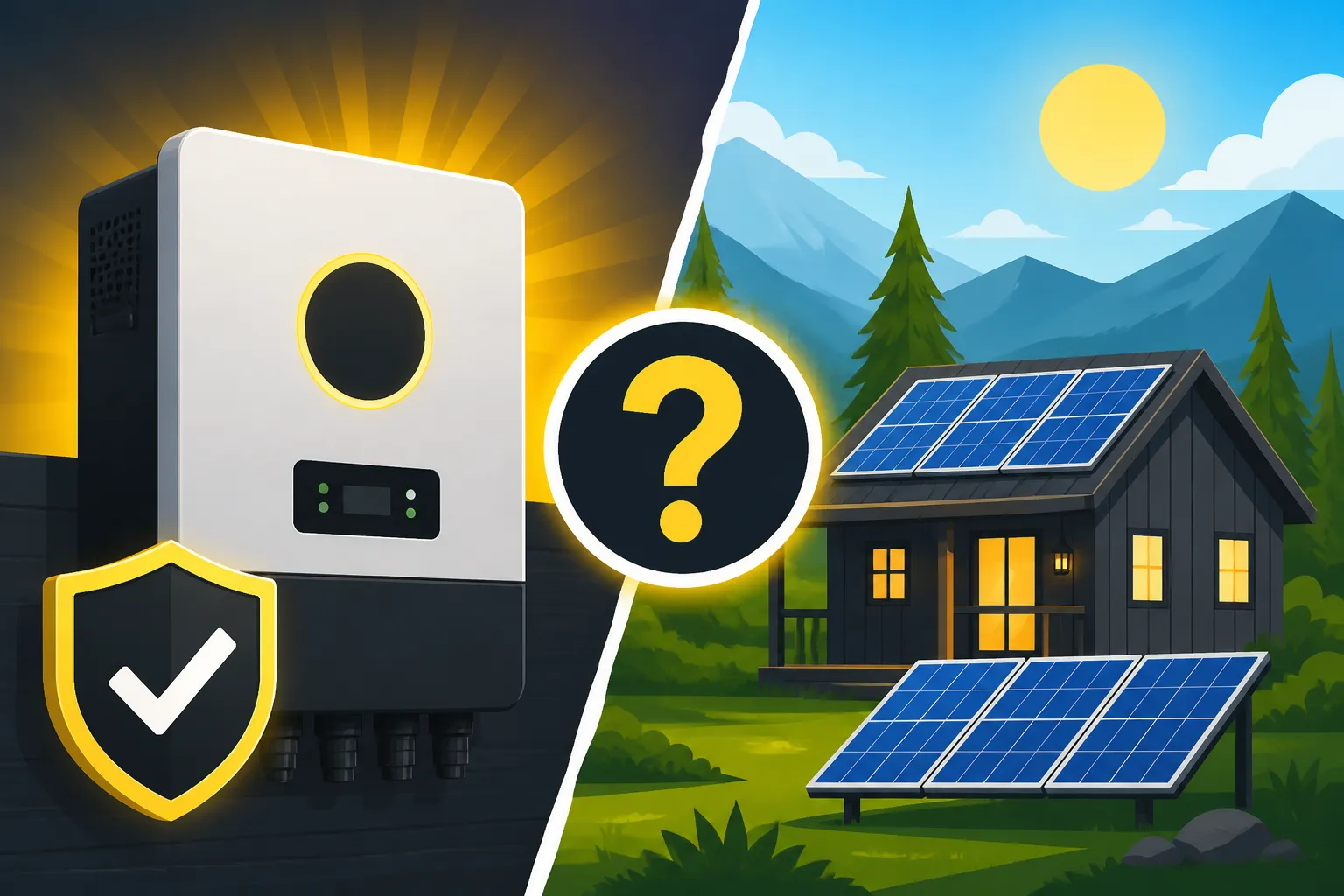
Navigating the world of off-grid solar can feel like stepping into a dense forest without a compass. One of the biggest challenges, and often a source of real head-scratching, is figuring out which inverter brand you can truly rely on to power your remote cabin, RV, or homestead. It's a critical decision, as your inverter is the heart of your electrical system, converting your battery power into usable AC electricity. This comprehensive guide will deeply explore EG4 as an off-grid inverter brand, helping you understand its reputation, features, and whether it’s the right choice for your unique independence journey.
Understanding EG4 as an Off-Grid Inverter Brand
When you start researching off-grid power solutions, you'll quickly encounter a dizzying array of brands. EG4, a brand often associated with Signature Solar, has steadily carved out a significant niche, particularly among the DIY off-grid community. They’ve become known for blending robust features with relatively accessible pricing, but what exactly does that mean for someone trying to live off the grid?
A Brief History and Philosophy
EG4 is fundamentally a brand focused on making off-grid and backup power solutions more attainable for the everyday person. They emerged from the ethos of providing high-quality, high-performance energy storage and conversion devices that don't break the bank. While many traditional off-grid brands have a long-standing history, EG4 is a newer player that has rapidly gained traction by paying close attention to what the modern off-grid user truly needs: reliable power, ease of installation, and smart features. They're often seen as a value-driven brand, appealing especially to those who are comfortable with a bit of DIY and want to maximize their dollar without sacrificing core functionality. Their product lines, including their popular EG4 Battery Review for Off-Grid Solar, are designed with integration in mind, aiming to create a seamless ecosystem for solar power.
Key Product Lines and Offerings
EG4 offers a range of inverters that typically fall into the "hybrid" or "all-in-one" category, which means they combine multiple critical functions into a single unit. This is a huge benefit for off-gridders, as it simplifies wiring and reduces clutter. Instead of separate charge controllers, inverters, and transfer switches, many EG4 units integrate these components.
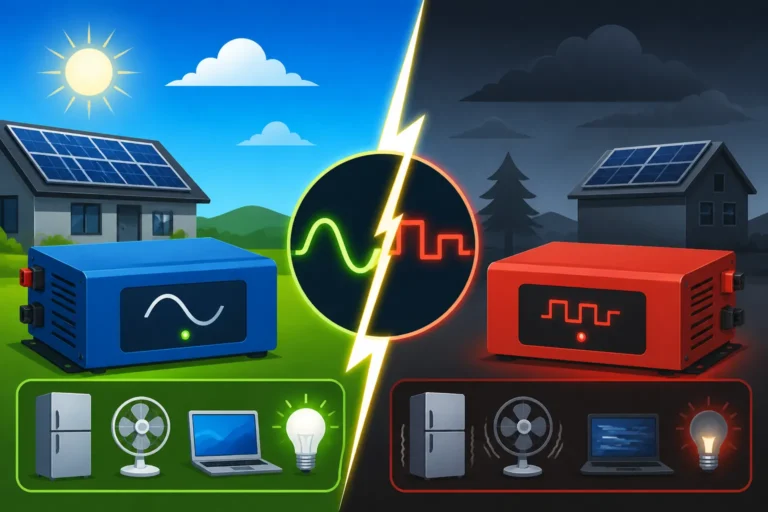
You'll find their inverters commonly available in various power output levels, from smaller units suitable for a modest cabin or RV to larger, more powerful models capable of running a full-sized home. Their offerings usually feature pure sine wave output, which is crucial for sensitive electronics and appliances, ensuring smooth operation and preventing damage. Models like the EG4 6500EX, for example, are highly regarded for their ability to handle substantial loads and integrate cleanly into complex systems. When you're considering How to choose an off-grid inverter, the integrated nature of EG4's offerings can be a significant draw.
Market Reputation and Customer Perception
In the tight-knit off-grid community, EG4 generally enjoys a positive reputation, especially for its value proposition. Many users praise the robust build quality and the extensive feature set offered for the price. They've become a go-to for those who are serious about building a capable system without the premium cost associated with some long-established brands. However, like any brand, there are nuances to this perception. Some users, particularly those with less technical expertise, have noted that while the products are feature-rich, the learning curve for programming and optimizing them can be steeper than with some more plug-and-play options. Customer support experiences can vary, which is a common sentiment across many rapidly growing companies in a specialized niche. Overall, the consensus leans towards EG4 being a solid, dependable choice for those who are willing to learn their system and appreciate a strong bang-for-your-buck.
Diving Deep into EG4 Inverter Features and Performance
When you're trying to achieve true energy independence, the details of your inverter's features and its real-world performance matter immensely. An inverter isn't just a box that changes DC to AC; it's a sophisticated piece of equipment that manages power flow, protects your batteries, and ensures your appliances run smoothly.
Core Features That Stand Out
EG4 inverters are packed with features that make them particularly attractive for off-grid applications:
- Integrated MPPT Charge Controllers: Most EG4 hybrid inverters come with a built-in Maximum Power Point Tracking (MPPT) solar charge controller. This is a game-changer because it optimizes the power harvest from your solar panels, especially during varying sunlight conditions. Instead of needing to buy and wire a separate charge controller, it's all in one unit. This streamlined approach makes it easier to install and maintain your system, which is a big win for any DIYer or for someone looking into a DIY Off-Grid Solar Installation Step by Step.
- High Surge Capacity: Off-grid life often means dealing with appliances that have high "starting watts" or surge requirements – think refrigerators, well pumps, or power tools. EG4 inverters are generally known for their excellent surge capabilities, meaning they can handle these sudden spikes in demand without tripping or failing. This is a critical factor for anyone trying to run a well pump on off-grid solar or other motor-driven devices.
- Programmable Settings: Modern off-grid systems thrive on customization. EG4 inverters offer extensive programmable settings, allowing users to fine-tune charging parameters for different battery chemistries (like LiFePO4 or lead-acid), set AC input priorities, and configure generator auto-start functions. This flexibility is invaluable for optimizing system performance and battery longevity, especially when considering How to Calculate Off-Grid Solar Needs.
- Parallel Capabilities: For larger off-grid homes or expanding existing systems, the ability to parallel multiple inverters is crucial. Many EG4 models support parallel operation, allowing you to scale up your power output simply by adding more inverters. This future-proofing aspect is a big plus, as your energy needs might grow over time.
Performance in Real-World Off-Grid Scenarios
In practical off-grid settings, EG4 inverters consistently perform well, earning the trust of users from Alaska to Arizona. Take, for instance, a couple living in a remote cabin in Montana. They're running their EG4 3000W inverter to power their refrigerator, lights, a small TV, and occasional power tools. The integrated MPPT charge controller ensures that even on partially cloudy days, their system is pulling as much energy as possible from their solar array. The inverter handles the initial surge of their refrigerator compressor effortlessly, a common pain point with less capable inverters.
Another example might be a van lifer using a smaller EG4 unit. The compact, all-in-one design makes installation straightforward in limited spaces, and the pure sine wave output means they can confidently charge their laptop and run a high-efficiency induction cooktop without worry. The efficiency of these inverters, typically around 90-94%, ensures that minimal energy is lost in the conversion process, which is vital when every watt-hour counts. This solid performance contributes greatly to the discussion around Is Off-Grid Solar Worth the Cost.
Integration with Other Components
One of the great strengths of EG4 inverters is their relatively open architecture and compatibility. While they pair perfectly with EG4’s own line of lithium batteries and solar panels (which are also well-regarded for their value), they are not locked into a proprietary ecosystem. This means you can often integrate them with solar panels from other manufacturers, or battery banks from brands like Battle Born or SOK, giving you flexibility in building your system. This is a significant advantage, particularly when you’re comparing options like LiFePO4 vs Lead-Acid Battery Cost or searching for Best Off-Grid Solar Batteries that fit your budget and needs. The ability to mix and match components is a huge plus for DIYers who often source parts from various suppliers, including online marketplaces like Amazon, to get the best deals.
The Pros and Cons of Choosing an EG4 Inverter
Making a decision about an inverter is a balance of features, cost, reliability, and support. Like any piece of critical equipment, EG4 inverters come with their own set of advantages and considerations that you should weigh carefully.
Advantages for the Off-Grid Enthusiast
EG4 has genuinely impressed many off-grid enthusiasts with several compelling benefits:
- Cost-Effectiveness: This is perhaps the biggest draw. EG4 inverters often provide features and power output comparable to much more expensive units from other brands, making off-grid living more accessible. For those on a tight budget or looking to optimize their Off-Grid Solar Cost: Complete Breakdown, EG4 offers significant value.
- All-in-One Convenience: The integrated design (inverter, charge controller, sometimes even a transfer switch) simplifies system design and installation. This means fewer components to buy, wire, and troubleshoot, reducing the overall complexity and the risk of Common Off-Grid Sizing Mistakes.
- Robust Features: With pure sine wave output, high surge ratings, and extensive programmability, EG4 inverters don't skimp on the critical features needed for reliable off-grid power. They are designed to handle demanding loads and provide clean, stable power for all your appliances.
- Strong Community Support: While direct manufacturer support can sometimes be a point of discussion, the EG4 community online (forums, Facebook groups, YouTube channels) is incredibly active and helpful. Many users share wiring diagrams, programming tips, and troubleshooting advice, creating a valuable peer-to-peer support network.
- Excellent for Expandable Systems: Their parallel capability means you can start with a smaller system and easily add more inverters as your energy needs grow, making it a flexible choice for long-term planning. This is especially useful if you're building a system for a property where you anticipate future growth, such as a full-time residence.
Potential Drawbacks and Considerations
No brand is perfect, and EG4 also has areas where potential buyers should exercise caution or manage expectations:
- Customer Service Responsiveness: While the products are generally solid, some users report that direct customer service for technical issues or warranty claims can sometimes be slower or less comprehensive than with more established, premium brands. This is a common growing pain for popular brands. For critical systems, this can be a source of frustration.
- Learning Curve for Advanced Settings: The extensive programmability, while an advantage, can also be a challenge for beginners. Optimizing all the parameters for specific battery types or load requirements might require a bit of research and experimentation. If you prefer a simpler, more automated setup, you might find yourself spending extra time with the manual or online guides.
- Warranty Process: Like with customer service, some users have reported the warranty process can be somewhat involved, potentially requiring shipping units back for repair or replacement. This is something to consider if you're in a very remote location where shipping is difficult or if downtime is absolutely not an option.
- Brand Perception vs. Established Players: While gaining popularity, EG4 still doesn't have the decades-long track record and widespread certified installer network that brands like Victron Energy or Outback Power boast. For those who prioritize a globally recognized brand name and extensive professional support, this could be a factor.
Here’s a quick overview of how EG4 inverters often stack up in key areas:
| Feature/Aspect | EG4 Inverters (Typical) | General Mid-Range Competitor (e.g., Renogy, Growatt) | Premium Brands (e.g., Victron, Outback) |
|---|---|---|---|
| Price Point | Excellent value, budget-friendly for features | Moderate, good feature set for the price | Higher upfront cost, premium pricing |
| Integrated Features | Often all-in-one (inverter, MPPT charger) | Varies, some all-in-one, some require separate components | Often modular, components sold separately (e.g., Victron MultiPlus + SmartSolar) |
| Surge Capacity | Very good, handles motor loads effectively | Good, but may struggle with very high surge appliances | Excellent, designed for demanding loads |
| Programmability | Extensive, deep customization | Moderate to good, basic settings easily accessible | Highly advanced, extensive monitoring and configuration options |
| Ease of Installation | Relatively easy for DIYers due to all-in-one design | Can be straightforward, depending on kit vs. individual components | Can be complex due to modularity, often requires professional setup |
| Customer Support | Varies, strong community support, direct support improving | Generally responsive for standard inquiries | Excellent, often through a network of certified distributors/installers |
| Warranty Process | Can be involved, requires return shipment | Standard process, usually through retailer | Streamlined, often supported by local distributors |
Is EG4 the Right Fit for Your Off-Grid Setup?
Deciding on an inverter brand is deeply personal, influenced by your specific needs, budget, and comfort level with technology. EG4 presents a compelling case, but it's essential to ensure it aligns with your vision for off-grid power.
Ideal Use Cases for EG4 Inverters
EG4 inverters shine in several scenarios, making them a fantastic choice for many off-grid enthusiasts:
- DIY System Builders: If you're someone who enjoys learning, researching, and building your own system, EG4 offers excellent value and all the features you need to create a robust setup. The straightforward, all-in-one units simplify the wiring process considerably, allowing you to focus on How to Install an Off-Grid Solar System without too much hassle.
- Budget-Conscious Individuals: For those who need substantial power and features without the premium price tag, EG4 delivers. They allow you to allocate more of your budget to other critical components like batteries or solar panels, which can be significant parts of your Cost of an Off-Grid Solar Inverter and overall system cost.
- Medium to Large Off-Grid Systems: From full-time RVers and tiny home dwellers to those powering a permanent off-grid residence, EG4's range of power outputs (from 3kW up to 18kW in parallel) can handle diverse energy demands. They're particularly well-suited for a How to Size an Off-Grid System for a Cabin or a How to Size an Off-Grid System for a Tiny Home.
- Expandable Systems: If you anticipate your power needs growing in the future, the parallel capability of many EG4 inverters means you can easily add more capacity without replacing your entire core system. This adaptability is a key advantage for long-term planning.
What to Consider Before Buying
Before you click that "add to cart" button, take a moment to reflect on these key considerations:
- Your Technical Comfort Level: Are you comfortable diving into manuals, watching YouTube tutorials, and tweaking settings? If you're a true beginner who prefers a fully automated, plug-and-play experience with minimal configuration, you might find the initial setup more involved than expected. However, the comprehensive online resources and community support go a long way in bridging this gap.
- Availability of Support: While EG4 products are readily available from retailers like Signature Solar and sometimes through other specialized solar equipment vendors, even on platforms like Amazon, think about how you'll handle potential issues. Are you near a qualified installer who is familiar with EG4, or are you prepared to troubleshoot and potentially ship components if necessary?
- System Size and Criticality: For a small, non-critical setup (like a shed or a weekend camper), almost any reliable inverter will do. But for a full-time off-grid home where consistent power is paramount, reliability and ease of repair or replacement become even more critical. While EG4 is generally reliable, understand the support ecosystem.
- Future Expansion Plans: If you foresee expanding your system significantly down the road, confirm that the specific EG4 inverter model you're eyeing supports parallel operation or other forms of expandability. This will save you headaches and costs later on, as discussed in How to Design an Expandable System.
Making an Informed Decision
Ultimately, the choice of an off-grid inverter is one of the most significant you'll make for your power system. EG4 has firmly established itself as a reputable and valuable brand in the off-grid solar landscape, particularly for its blend of performance, features, and affordability. They provide robust solutions that empower individuals to take control of their energy needs.
If you're a DIY enthusiast looking for a powerful, feature-rich inverter that delivers excellent value, and you're comfortable engaging with a supportive online community for advice and troubleshooting, then an EG4 inverter could very well be an outstanding choice for your off-grid journey. Be sure to perform a thorough Off-Grid Solar Load Calculation Explained to accurately size your system and then explore whether an EG4 inverter meets those specific power requirements. With careful planning and a bit of research, you can confidently integrate an EG4 inverter into a reliable and efficient off-grid power setup.
Disclaimer
This guide offers general information about EG4 inverters for off-grid solar applications. While we strive for accuracy, product specifications and market conditions can change. Always consult the manufacturer's documentation, seek professional advice, and adhere to local electrical codes for your specific installation.