SunGold Power Solar Panels Review for Off-Grid
Choosing the right solar panels for your off-grid adventure can feel like navigating a maze blindfolded, especially when every dollar counts and reliability is paramount. It’s tough to sift through all the options and marketing jargon to find panels that genuinely deliver consistent power and stand up to the elements without breaking the bank. This comprehensive guide will take a deep dive into SunGold Power solar panels, offering a detailed review to help you understand their strengths, weaknesses, and whether they're the right fit for your unique off-grid setup.
Understanding SunGold Power Solar Panels for Off-Grid Living
When you're building an off-grid system, the solar panels are literally your lifeline to continuous power. They’re the workhorses, converting sunlight into the electricity that fuels your independent lifestyle, whether you're powering a cozy cabin in the woods or a mobile tiny home. SunGold Power is a brand that has carved out a niche for itself by offering a range of solar products, including panels, inverters, and charge controllers, often at competitive prices. But what specifically makes their solar panels a consideration for off-grid applications?
One of the first things that often catches the eye of off-gridders, particularly those on a budget or embarking on their first DIY system, is the cost-effectiveness of SunGold Power panels. They tend to sit in a sweet spot, offering decent quality and performance without the premium price tag associated with some of the more established, high-end brands. This can be a huge relief when you’re trying to manage the overall Off-Grid Solar Cost: Complete Breakdown for your project. Their panels typically feature monocrystalline silicon technology, known for its higher efficiency compared to older polycrystalline panels, which is a big plus when roof space is at a premium or you’re trying to maximize energy harvest in limited sunlight. This means more power from a smaller footprint, an invaluable trait for RVs, vans, or smaller cabins where every square inch matters.
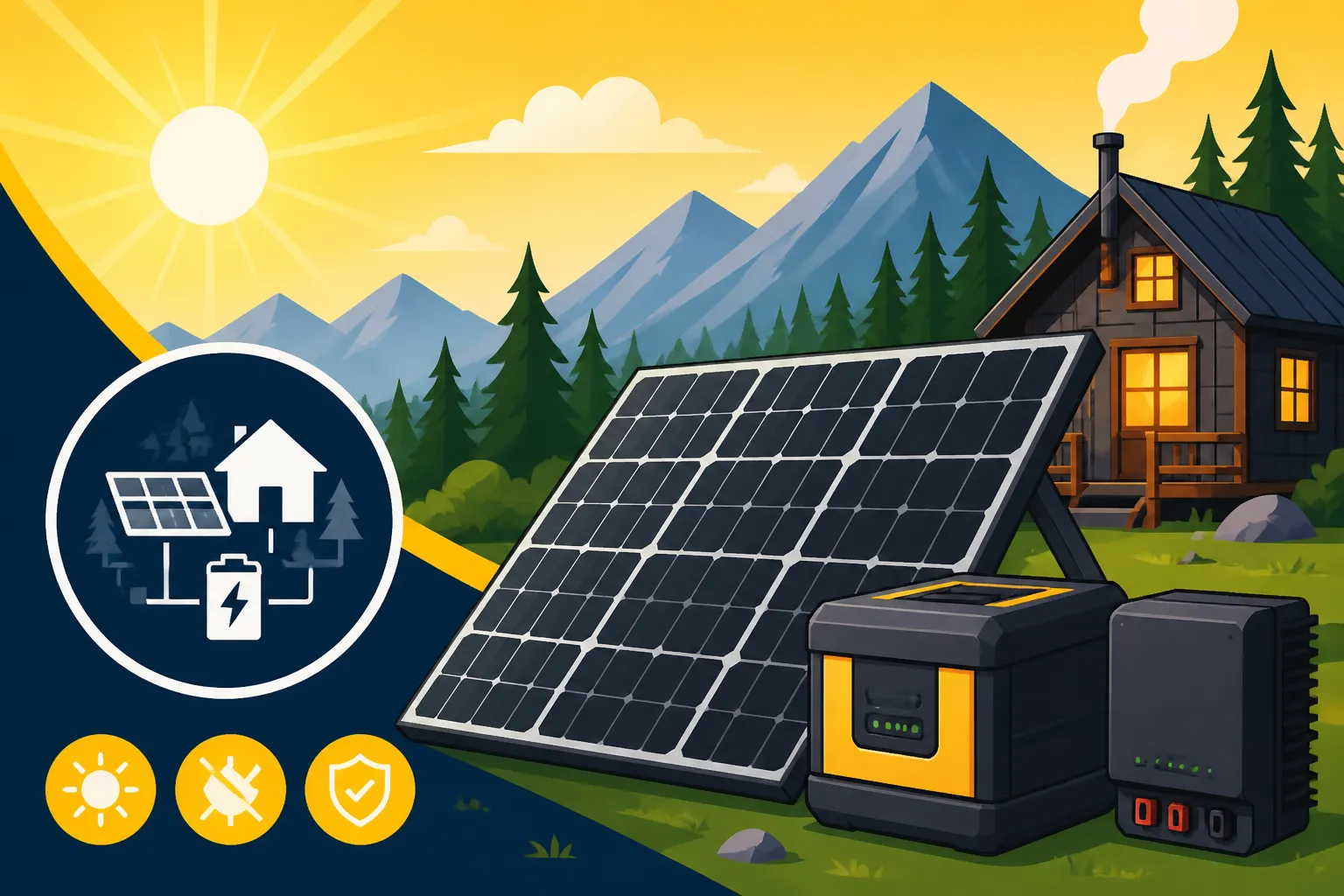
Beyond just the price, the construction and design principles of SunGold Power panels are geared towards durability, a non-negotiable for off-grid use. They usually come with sturdy aluminum frames designed to withstand various weather conditions, from heavy snow loads to strong winds. The panels are generally covered with high-transparency, low-iron tempered glass, which not only protects the solar cells but also optimizes light absorption, ensuring that as much sunlight as possible makes its way to the silicon. The junction boxes are typically IP65 or IP67 rated, offering excellent protection against dust and water ingress, which is crucial for outdoor installations that are exposed to the elements year-round. Thinking about How to Install Off-Grid Solar Panels on your remote property, these features translate directly to a more reliable and long-lasting energy source.
Performance and Durability in Real-World Scenarios
It’s one thing to read specifications on a product page, but it’s another to see how those numbers translate into tangible performance when the panels are actually out there, baking in the sun or enduring a winter storm. When we talk about SunGold Power solar panels, we're looking at components designed with the practicalities of off-grid living in mind, aiming for a balance of power output, resilience, and affordability.
Daily Energy Harvest and Efficiency
The efficiency of a solar panel directly impacts how much electricity it can generate from a given amount of sunlight. SunGold Power monocrystalline panels generally boast efficiencies in the 17-20% range. While this might not be at the very top tier of the market, it's certainly respectable and perfectly adequate for most off-grid applications. For example, a typical 200W SunGold Power panel, receiving 5 peak sun hours a day, could realistically generate around 1 kWh (kilowatt-hour) of electricity. This might be enough to run a small refrigerator, some LED lights, and charge a few devices in a compact Off-Grid Solar Cost for a Tiny Home. For larger setups, you’d simply scale up the number of panels.
What this means in a real-world context is that you need to be mindful of your How to Calculate Daily Energy Usage and then size your array accordingly. If you live in an area with consistently good sun exposure, like the desert Southwest, these panels will perform admirably. However, if you’re in a region prone to frequent cloudy days or have significant seasonal variations in sunlight, like the Pacific Northwest, you’ll need to account for that by potentially oversizing your array or having a robust battery bank with sufficient How Many Batteries for an Off-Grid System to carry you through periods of low production. Users often report consistent performance from SunGold Power panels, especially when properly angled and free from shading. The relatively lower cost allows many DIYers to add a few extra panels to their array, effectively boosting their total energy harvest and providing a buffer for less-than-ideal conditions.
Longevity and Environmental Resilience
Off-grid solar panels aren't just decorative; they're vital infrastructure, expected to last for decades in often unforgiving environments. SunGold Power panels are built with this in mind. The tempered glass surface is incredibly tough, capable of resisting impacts from hail and debris. The aluminum frames protect the edges of the panels and provide rigid support, preventing warping or damage during high winds or significant snow loads. Many users who have installed these panels on their cabins or RVs report them holding up well against harsh winter conditions in places like the Rocky Mountains, or the intense summer heat of Arizona. This robust construction is key for anyone investing in How to Design a Reliable Off-Grid System that can withstand the test of time and weather.
The quality of the backsheet and encapsulation materials is also critical. These components protect the delicate solar cells from moisture and UV degradation, which can severely impact performance over time. SunGold Power panels generally use industry-standard materials and manufacturing processes that ensure good sealing and long-term protection. While no panel is entirely immune to wear and tear, these panels are designed for the long haul, backed by typical industry warranties of 25 years for power output, ensuring you’re getting a product that’s expected to perform for a significant portion of your off-grid journey. Comparing them to other mid-range options often found on platforms like Amazon, their build quality holds up, making them a solid choice for those who might also consider brands like Renogy.
Pros and Cons of SunGold Power Solar Panels
Every piece of off-grid equipment comes with its own set of trade-offs, and solar panels are no exception. Understanding the advantages and disadvantages of SunGold Power panels will help you make an informed decision tailored to your specific needs and budget.
Advantages of Choosing SunGold Power
The most compelling argument for SunGold Power panels often boils down to their exceptional value for money. For many aspiring off-gridders, especially those assembling their first system, the initial capital investment can be daunting. SunGold Power offers a way to get reliable, decently performing monocrystalline panels without draining your entire budget. This cost-effectiveness allows you to allocate more funds to other critical components, like your battery bank, or even to expand your solar array to achieve greater energy independence. Many DIY enthusiasts find them particularly attractive because the savings on panels can mean a more powerful overall system.
Another significant pro is their broad product range and accessibility. SunGold Power offers panels in various wattages, from smaller 100W flexible panels perfect for an RV or van to larger 300W+ rigid panels suitable for a permanent home or cabin installation. This variety means you can often find panels that precisely match your system's needs and available space. They are readily available through various online retailers, including general marketplaces like Amazon, making them easy to acquire for projects no matter your location. This accessibility contrasts with some niche brands that might require specialized orders or longer shipping times, which can be a real headache when you're trying to get your system up and running.
Finally, the reputation for solid, consistent performance is a notable advantage. While they may not boast the absolute highest efficiency ratings on the market, they consistently deliver their rated power output under optimal conditions. User reviews often highlight their reliability and durability, even in challenging weather. They’re not prone to unexpected failures, and their robust construction means they can endure the physical demands of off-grid installation and exposure. This steady performance is crucial for maintaining a stable power supply and avoiding the frustration of unreliable equipment, something any off-grid veteran will tell you is priceless. When considering Best Off-Grid Solar Panels, SunGold Power definitely earns a spot in the mid-tier category for its dependable output.
Potential Drawbacks to Consider
No product is without its downsides, and SunGold Power panels have a few considerations that might sway your decision, depending on your priorities. One potential drawback is that they may not offer the absolute cutting-edge efficiency of some premium brands. If you have extremely limited roof space or are striving for maximum power density from every square foot, you might find panels from brands like SunPower or LG (though often at a much higher price point) offering a few percentage points more efficiency. For a small van conversion, where every inch counts, those extra percentage points might mean the difference between running all your appliances comfortably or needing to scale back. For larger systems with ample space, this difference is usually negligible, but it's worth noting for specialized setups.
Another point to ponder is brand recognition and after-sales support compared to industry giants. While SunGold Power has a solid presence in the DIY and budget off-grid markets, their brand recognition isn't as widespread as, say, Victron Energy or even Renogy, which have broader dealer networks and perhaps more extensive communities for troubleshooting. This isn't to say their support is poor; many users report positive experiences. However, if you prioritize having a local dealer or a massive online forum dedicated to your exact panel model for every conceivable question, you might find the community smaller. For most DIYers who are comfortable doing their own research and installations, this isn't a significant hurdle, but it's a factor for those who prefer more hand-holding.
Lastly, while typically well-built, their aesthetic design might be more utilitarian than some of the sleek, all-black panels offered by premium brands. For ground-mount systems or panels tucked away on a cabin roof, this is a non-issue. However, if your off-grid home is also a design statement and you want panels that seamlessly blend into a modern aesthetic, you might notice the traditional silver frames and white backsheets more than with some other options. Again, this is a minor point for most off-gridders where function and cost trump form, but worth mentioning for those with specific aesthetic preferences.
Here's a quick comparison table to summarize:
| Feature/Consideration | SunGold Power Panels | Premium Tier Panels (e.g., SunPower) |
|---|---|---|
| Cost | Generally very competitive, excellent value for money. | Significantly higher price point. |
| Efficiency | Good (17-20% monocrystalline), sufficient for most off-grid needs. | Excellent (20-23%+ monocrystalline), ideal for space-constrained applications. |
| Durability | Robust aluminum frames, tempered glass, good weather resistance. | Similar high-quality construction, often with enhanced impact resistance. |
| Product Range | Diverse range of wattages and sizes, including flexible options. | Also diverse, but often focused on high-wattage, high-efficiency rigid panels. |
| Aesthetics | Traditional silver frames, white backsheets; functional design. | Often sleek all-black designs, designed for aesthetic integration. |
| Brand Recognition/Support | Growing, good for DIY, online support. | Wider recognition, extensive dealer networks, strong community support. |
| Availability | Readily available through online retailers like Amazon and specialized solar stores. | Available through specialized dealers and large online solar equipment suppliers. |
| Best For | Budget-conscious DIYers, small to medium off-grid systems, cabins, RVs. | High-end custom builds, very limited space, maximizing energy output regardless of cost. |
Is SunGold Power the Right Choice for Your Off-Grid Setup?
Deciding on the perfect solar panels for your off-grid system is a deeply personal choice, intertwined with your budget, lifestyle, location, and long-term goals. SunGold Power solar panels certainly hold their own in the crowded market, offering a compelling blend of performance and affordability that makes them a strong contender for many off-grid enthusiasts.
If you’re a DIY enthusiast working with a reasonable budget, SunGold Power panels are an excellent choice. Their straightforward design makes them easy to work with, whether you’re mounting them on a rooftop or building a How to Install Ground-Mounted Solar Panels. The cost savings on the panels themselves can free up funds for other critical components, such as a larger Cost of an Off-Grid Solar Battery Bank or a more powerful inverter. This brand allows you to achieve significant power output without having to compromise too much on quality or future expansion possibilities. Many people find that by choosing value-oriented panels, they can actually afford to build a larger system than they initially thought possible, increasing their energy security.
For those planning to power a cabin, a tiny home, or a moderately sized RV, SunGold Power panels are often an ideal fit. They provide reliable power generation to handle everyday appliances like lights, a refrigerator, and charging electronics. If you’re building a Off-Grid Solar Cost for a Remote Cabin and need a dependable source of electricity without the exorbitant price tag of grid extension, these panels present a very practical solution. Their durability means they can be installed and largely forgotten, with only routine How to Maintain Off-Grid Solar Panels needed, which aligns perfectly with the hands-off reliability many off-gridders seek. However, remember to factor in potential Off-Grid Solar Cost in Cold Climates if you're in a northern region, as colder temperatures require careful battery management and potentially more panels to account for shorter, darker days.
However, if your primary concern is achieving the absolute highest efficiency in a very constrained space, perhaps for a small van conversion where every square inch is precious, you might want to explore ultra-high-efficiency panels from other brands, even if it means a higher upfront cost. Similarly, if you require extensive, specialized technical support or have extremely complex system requirements that necessitate a highly integrated, single-brand ecosystem (like some commercial or industrial-grade setups), you might find the support resources for SunGold Power to be more geared towards the capable DIYer or general residential off-grid installer rather than highly specialized niche applications.
Ultimately, SunGold Power offers a solid, dependable foundation for most off-grid solar systems. They deliver consistent power, are built to last in challenging environments, and do so at a price point that makes going off-grid more accessible to a wider audience. Before making your final decision, take the time to meticulously calculate your Off-Grid Solar Load Calculation Explained, assess your available space, and consider your local weather patterns. Armed with this information, you can confidently integrate SunGold Power panels into a robust and reliable off-grid system that serves your needs for years to come.
Disclaimer
The information provided in this article is for general informational purposes only and does not constitute professional advice. While we strive to provide accurate and up-to-date information, off-grid solar system design and installation can be complex. We recommend consulting with certified solar professionals or electricians for specific guidance tailored to your individual project and local regulations. All investments in solar equipment carry inherent risks, and individual results may vary.