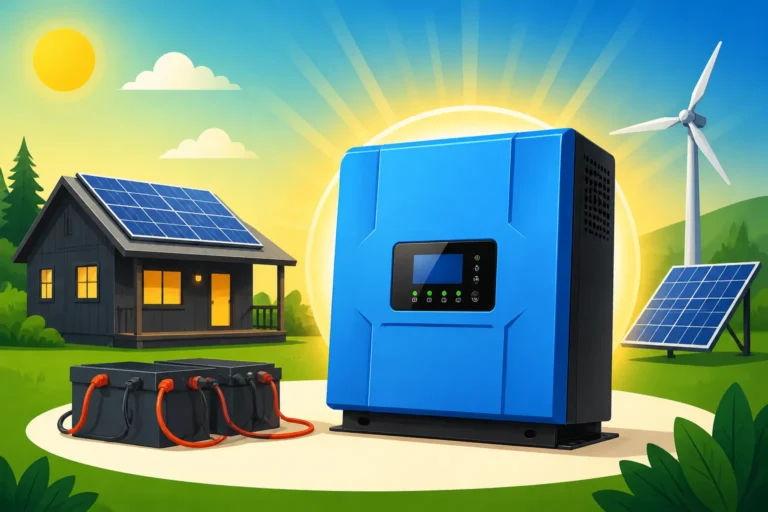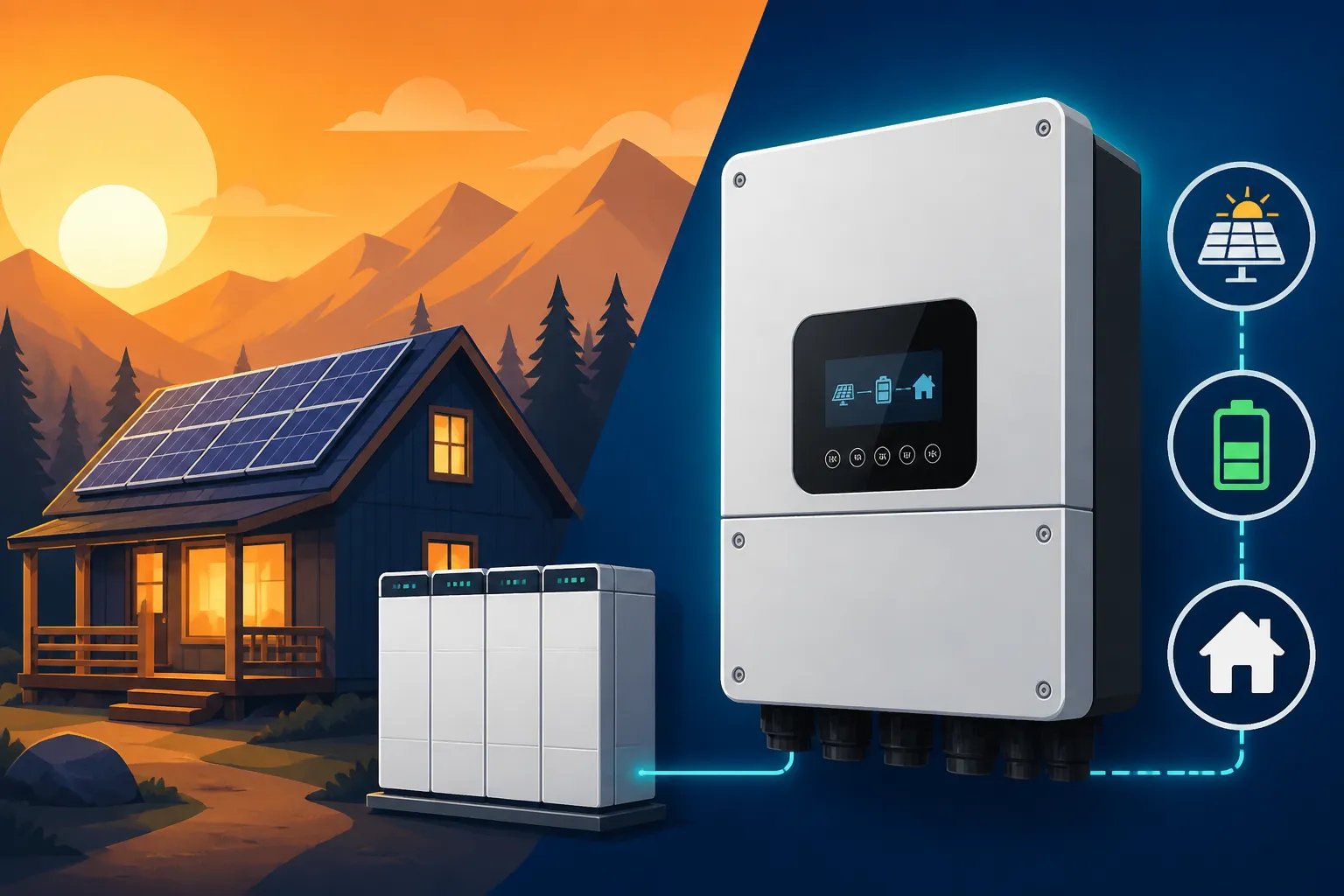
Sol-Ark Off-Grid Inverter Review
One of the biggest headaches for anyone living off-grid, or even just dreaming about it, is making sure your power system is rock-solid and reliable. There's nothing worse than investing your hard-earned money and time into a solar setup, only to have a critical component fail when you need it most, leaving you scrambling for power in the dark. This guide is all about one such critical component – the off-grid inverter – and we're going to take a really deep dive into the Sol-Ark off-grid inverter to help you understand if it’s the robust, integrated solution you’ve been searching for to keep your lights on, your fridge running, and your peace of mind intact.
Why a Reliable Inverter Matters for Off-Grid Living
When you commit to off-grid living, you're not just buying equipment; you're investing in independence and reliability. The inverter is arguably the most crucial piece of the puzzle, acting as the bridge between your solar panels and batteries, and every appliance in your home. It’s where raw DC power gets converted into the usable AC power that most of your modern comforts require.
The Heart of Your Off-Grid System
Think of your off-grid solar system as a body. The solar panels are the skin, soaking up the sun's energy. The batteries are the stomach, storing that energy for later. But the inverter? That's the heart, pumping vital, life-giving power to every "organ" (your appliances) in your home. A strong, efficient, and intelligent inverter ensures that power flows smoothly, safely, and consistently, no matter what you throw at it. It takes the variable DC power from your solar array and transforms it into stable AC power, mimicking exactly what you'd get from the utility grid. This is why when you're looking at your total Off-Grid Solar System Design Basics it's paramount to understand each component.
Without a good inverter, even the most impressive array of solar panels and a massive battery bank become useless. It's the central command unit, often integrating a charge controller, transfer switch, and system monitoring all into one package. This multi-functional aspect is particularly valuable in off-grid setups, reducing complexity and potential points of failure, which is a common concern for many looking to transition away from traditional grid power.
Common Frustrations with Subpar Inverters
Many off-gridders have faced the frustration of a subpar inverter. Perhaps it's an inverter that struggles with surge loads, causing your well pump to stutter or your microwave to refuse to start. Maybe it's inefficient, silently draining precious battery power even when nothing is running. Or worse, it could be a complete system shutdown due to poor build quality or inadequate protection features. I’ve heard stories from folks who bought cheap inverters on places like Amazon, only for them to fail within months, leaving them scrambling to find a replacement and costing them more in the long run.
Then there's the headache of trying to integrate disparate components – a separate charge controller, an inverter, a transfer switch, and a battery monitor – all from different manufacturers, each with its own quirks and compatibility issues. This often leads to a tangled mess of wires, confusing displays, and endless troubleshooting. These experiences can make the dream of off-grid living feel more like a nightmare. A good inverter, especially one designed as an all-in-one unit, significantly reduces these common pain points, offering a more streamlined and reliable experience. This is why understanding How to Choose an Off-Grid Inverter is so crucial from the start.
Diving Deep into the Sol-Ark Off-Grid Inverter
Now, let's talk about the Sol-Ark inverter. Sol-Ark has become a name whispered with respect in many off-grid circles, and for good reason. They've built a reputation for creating robust, reliable, and highly integrated hybrid inverters that simplify complex off-grid and hybrid solar installations.
Key Features and Specifications
The Sol-Ark inverters are not your average inverters; they're high-performance hybrid inverter-chargers. This means they combine several essential functions into one compact unit: a pure sine wave inverter, an advanced MPPT solar charge controller, a battery charger, and a system controller, often with grid-tie capabilities if you ever want to expand into a hybrid setup.
Let's look at some standout features:
- High Efficiency: Sol-Ark inverters are designed to be highly efficient, minimizing energy loss during conversion and ensuring you get the most out of your solar production and battery storage. This directly impacts your How Much Solar to Run A Refrigerator or other crucial appliances without drawing down your battery too quickly.
- Integrated Charge Controller: This isn't just any charge controller; it's a high-voltage, high-amperage MPPT controller that can handle significant solar input. This means fewer components to buy and wire, and seamless communication between solar production and battery charging.
- Built-in System Monitoring: Sol-Ark units come with an intuitive touchscreen display and robust remote monitoring capabilities. You can track your power production, consumption, battery state of charge, and system health from anywhere, which is invaluable for off-grid peace of mind.
- Fast Transfer Time: For those considering hybrid or backup scenarios, the near-instantaneous transfer time means your sensitive electronics won't even blink during a grid outage, keeping your home powered without interruption.
- Generator Integration: They're designed to seamlessly integrate with backup generators, allowing for automatic starting and stopping based on battery levels or specific power needs. This adds another layer of security to your off-grid system, especially during prolonged cloudy periods.
Models like the Sol-Ark 12K or Sol-Ark 15K are particularly popular, offering substantial power output for larger homes or cabins. For smaller setups, other integrated solutions might work, but Sol-Ark shines when you need serious power and versatility.
What Sets Sol-Ark Apart
What truly distinguishes Sol-Ark from many other off-grid inverters on the market is its "all-in-one" philosophy, combined with a strong emphasis on user experience and robust engineering. While other brands might offer excellent individual components, Sol-Ark excels at integrating them into a cohesive, intelligent system.
- Ease of Installation: While it's a powerful piece of equipment, Sol-Ark units are designed with DIYers and professional installers in mind. The clear labeling, comprehensive manuals, and integrated components reduce wiring complexity, which can save a lot of time and potential headaches during How to Install an Off-Grid Inverter.
- Scalability: Sol-Ark systems are built to be expandable. You can easily add more solar panels, additional battery banks, or even parallel multiple inverters to increase your power capacity as your needs grow. This modularity is a huge benefit for long-term off-gridders. This future-proofing can save you a lot in Cost of Expanding an Off-Grid System.
- Advanced Battery Management: They are highly compatible with various battery chemistries, including lead-acid and modern lithium-ion batteries, like those from Battle Born or EG4. Sol-Ark's advanced battery charging algorithms ensure optimal charging and longevity for your battery bank, a critical factor given How Batteries Drive Off-Grid Solar Cost.
- Durability and Support: Sol-Ark inverters are built to withstand the rigors of off-grid life. They are often backed by strong warranties and have a reputation for excellent customer support, which is a huge plus when you're relying on your system day in and day out. This attention to reliability means fewer Off-Grid Solar Maintenance Costs over the lifetime of your system.
Compared to building a system from scratch with separate Renogy panels, a Victron charge controller, and a separate inverter, a Sol-Ark system offers a simplified, plug-and-play like experience that many find incredibly appealing.
Real-World Performance and Reliability
In real-world scenarios, Sol-Ark inverters consistently perform as advertised, and often exceed expectations. Users frequently praise their ability to handle significant surge loads, which is crucial for starting motors in appliances like refrigerators, washing machines, or well pumps. For instance, a Sol-Ark 12K can typically handle the momentary spike from a well pump without breaking a sweat, ensuring consistent water supply for an off-grid homestead.
The integrated monitoring system is another frequently lauded feature. Imagine being able to check your system's status from your phone while you're away, ensuring everything is running smoothly. This level of insight allows off-gridders to optimize their energy usage, anticipate weather changes affecting solar production, and proactively address any potential issues. It's not just about power; it's about control and peace of mind. Many off-grid homeowners report that their Sol-Ark systems have weathered severe storms and prolonged cloudy periods with remarkable resilience, thanks to their robust design and intelligent management features. The ability to seamlessly switch to generator backup when solar is insufficient truly solidifies its reputation as a reliable workhorse.
Pros and Cons of Choosing a Sol-Ark Inverter
Like any significant investment in your off-grid setup, there are distinct advantages and disadvantages to choosing a Sol-Ark inverter. Understanding these can help you make an informed decision that aligns with your specific needs and budget.
The Upsides for Off-Gridders
The benefits of a Sol-Ark inverter for an off-grid lifestyle are substantial and often outweigh the initial investment for many.
- Simplified Installation and Integration: As mentioned, the all-in-one design significantly streamlines the installation process. You're dealing with one main unit rather than several separate boxes, each needing its own wiring and configuration. This can be a huge time-saver and reduces the chances of errors, making it a favorite for both DIY enthusiasts and professional installers alike. It’s a compelling option when considering a comprehensive Off-Grid Solar Kit Price Ranges.
- High Efficiency and Performance: Sol-Ark units are known for their impressive efficiency ratings, meaning more of the power generated by your solar panels makes it to your appliances. Their robust surge capacity ensures that even power-hungry tools or appliances start up without tripping the system, which is a common complaint with less capable inverters.
- Advanced Monitoring and Control: The integrated touchscreen and remote monitoring via their app or web portal provide unparalleled insight into your system's performance. You can see real-time power flow, battery state, historical data, and even control certain aspects of your system from anywhere with an internet connection. This level of control is invaluable for optimizing energy usage and troubleshooting.
- Exceptional Versatility: Sol-Ark inverters are incredibly versatile, capable of functioning in various modes: off-grid, grid-tied with battery backup (hybrid), or even purely grid-tied with storage. This flexibility means your system can adapt if your needs or utility regulations change down the line. It's truly a solution that can evolve with you.
- Scalability: The ability to easily expand your system by adding more panels, batteries, or even paralleling multiple Sol-Ark units means your initial investment is protected. You won't outgrow your inverter as your power demands increase. This is a critical aspect when planning for How to Design an Expandable System.
Potential Drawbacks to Consider
While Sol-Ark offers a lot to love, it's also important to be realistic about some potential downsides that might influence your decision.
- Higher Upfront Cost: Sol-Ark inverters are premium products, and their price tag reflects that. Compared to a basic inverter or even piecing together separate components from more budget-friendly brands, the initial investment for a Sol-Ark unit can be significantly higher. This is definitely a factor to consider when looking at the overall Cost of an Off-Grid Solar Inverter for your project. However, many find the long-term reliability and integrated features justify this cost.
- Complexity for Beginners (Initially): While designed for easier installation once understood, the sheer number of features and customization options can be a bit overwhelming for someone completely new to solar. There's a learning curve involved in setting up and optimizing all the parameters to perfectly match your specific system and lifestyle. Getting comfortable with all the settings requires a bit of dedication.
- Size and Weight: These are robust units, and that means they can be quite large and heavy. This might be a consideration if you have limited space, like in a small cabin or an RV, or if you're attempting a solo installation. Planning for appropriate mounting and ventilation is crucial.
- Specific Compatibility Needs: While compatible with many battery brands, especially lithium-ion batteries, it's always wise to double-check specific communication protocols if you're planning on using a less common battery brand. While Renogy, for instance, offers great products, ensuring seamless communication with your inverter is key for optimal performance. You want your inverter to 'talk' to your battery management system (BMS) for the best efficiency and longevity, which is why researching Best Off-Grid Solar Batteries is important.
- Software Updates: Like any sophisticated electronic device, Sol-Ark units receive firmware updates. While these bring improvements and new features, they can sometimes require a bit of technical know-how to perform, and occasionally, an update might introduce a minor bug that needs to be ironed out.
Ultimately, the "cons" for Sol-Ark are often a trade-off for its advanced capabilities and robust design. For those seeking a highly integrated, reliable, and powerful heart for their off-grid system, the benefits often outweigh these considerations.
Sol-Ark Models and What They Offer
Sol-Ark isn't a one-size-fits-all company. They offer a range of inverter models, each designed to meet different power demands and system sizes. Understanding the differences between their popular models can help you pinpoint the best fit for your off-grid aspirations.
Comparing Popular Sol-Ark Inverter-Chargers
When people talk about Sol-Ark, they're usually referring to their formidable hybrid inverter-chargers. The key differences often lie in their continuous power output, surge capacity, and maximum solar input. Let's look at a couple of their most popular offerings.
| Feature / Model | Sol-Ark 8K | Sol-Ark 12K | Sol-Ark 15K |
|---|---|---|---|
| Continuous Power | 8,000W (8kW) | 12,000W (12kW) | 15,000W (15kW) |
| Surge Rating | 16,000W for 100ms | 20,000W for 100ms | 24,000W for 100ms |
| Max Solar Input | 13,000W (13kW) | 19,500W (19.5kW) | 26,000W (26kW) |
| MPPT Trackers | 2 | 2 (expandable to 3 or 4 with accessory) | 2 (expandable to 3 or 4 with accessory) |
| Battery Voltage | 48V | 48V | 48V |
| Integrated Charge Controller | Yes | Yes | Yes |
| Generator Integration | Yes | Yes | Yes |
| Monitoring | Built-in touchscreen & remote app | Built-in touchscreen & remote app | Built-in touchscreen & remote app |
| Size (Approx.) | 28.5" x 18" x 7" | 30" x 21" x 9" | 30" x 21" x 9" |
| Weight (Approx.) | 90 lbs | 110 lbs | 110 lbs |
As you can see, the progression largely involves increased power handling capabilities. The Sol-Ark 8K is a fantastic choice for many medium-sized off-grid cabins or smaller homes, offering a robust amount of power for essential appliances and some creature comforts. The Sol-Ark 12K steps things up considerably, making it suitable for larger homes with more diverse power needs, including running multiple larger appliances simultaneously. The Sol-Ark 15K is for those who truly demand maximum power and expandability, perfect for large homesteads or commercial off-grid applications. Each unit is built around a 48V battery system, which is generally considered the most efficient and practical voltage for larger off-grid systems. For smaller, simpler setups, you might find that the Cost of a 1000W Off-Grid Solar System or even Cost of a 2000W Off-Grid Solar System with a different brand fits the bill, but for robust systems, Sol-Ark really steps up.
Ideal Scenarios for Different Sol-Ark Units
Choosing the right Sol-Ark model depends entirely on your energy footprint and aspirations.
- Sol-Ark 8K: This model is often an excellent fit for smaller full-time off-grid homes, larger tiny homes, or substantial cabins that operate year-round. If your daily energy consumption hovers around 10-20 kWh and you have standard appliances (fridge, microwave, TV, lights, some power tools), the 8K can manage it beautifully. It’s also a great option for those who want robust backup power for a medium-sized grid-tied home. When you’re trying to figure out How to Size an Off-Grid Solar System for a typical family, the 8K often hits a sweet spot.
- Sol-Ark 12K: Stepping up to the 12K is ideal for larger off-grid homes, small homesteads, or properties with higher energy demands. If you run multiple large appliances, perhaps an air conditioner occasionally, a well pump, or have a workshop with heavy-duty tools, the 12K provides that extra headroom. It's designed to handle a more substantial daily energy draw, typically in the 20-40 kWh range, and provides superior surge capabilities for starting those tough loads. This is often the choice for those who need reliable power for things like Cost to Run A Well Pump on Off-Grid Solar or even a small mini-split.
- Sol-Ark 15K: The 15K is the powerhouse. This is for large off-grid estates, multi-family compounds, or even light commercial applications where maximum power, redundancy, and expandability are paramount. If you have multiple wells, central air conditioning, electric water heating (though solar thermal is often better for that off-grid), and a large array of electronics and appliances, the 15K can handle it. It's also an excellent choice for a robust hybrid system on a large home, offering extensive backup and grid interaction capabilities. When you're trying to figure out how to power a cabin with solar for a large family or for year-round living with many amenities, the 15K becomes a serious contender.
Regardless of the model, these Sol-Ark inverters are designed to be at the core of a reliable, high-performance off-grid solar system. They offer peace of mind that many other systems, cobbled together from disparate parts, often can't match.
Integrating Sol-Ark with Other Off-Grid Components
Choosing a Sol-Ark inverter is a big step, but it's just one part of a complete off-grid power solution. The beauty of Sol-Ark lies in its integrated nature, which also extends to how easily it plays with other components of your solar electric system.
Pairing with Solar Panels and Batteries
The Sol-Ark inverter's integrated MPPT charge controller is highly versatile, capable of handling a wide range of solar panel configurations and voltages. This means you have a lot of flexibility when selecting your solar panels. Whether you're opting for high-efficiency monocrystalline panels from a brand like Renogy, or exploring bifacial panels for increased yield, the Sol-Ark can typically integrate them smoothly.
- Solar Panel Sizing: Each Sol-Ark model has a maximum solar input rating (e.g., 13kW for the 8K, 19.5kW for the 12K, 26kW for the 15K). This tells you the total wattage of solar panels you can connect. It's always a good idea to slightly oversize your array within this limit to account for less-than-ideal conditions like cloudy days or lower winter sun angles. The multiple MPPT inputs on Sol-Ark units also allow you to connect different strings of panels with varying orientations or shading conditions, maximizing your overall harvest. Understanding How Many Solar Panels for Off-Grid Living becomes much simpler when your inverter can handle a diverse array.
- Battery Compatibility: Sol-Ark inverters are designed to be highly compatible with 48V battery banks, and they excel with modern lithium iron phosphate (LiFePO4) batteries. Many popular LiFePO4 battery brands, like Battle Born, EG4, and others, offer communication protocols (like CAN bus) that allow them to "talk" directly to the Sol-Ark inverter. This direct communication allows the inverter to precisely manage charging and discharging, maximizing battery life and efficiency. While they can work with lead-acid batteries, the intelligence and performance gains with LiFePO4 are usually worth the investment for a Sol-Ark system. This intelligent battery management is key to understanding How Battery Choice Affects Off-Grid Cost over the long term.
When you install your Sol-Ark, connecting the panels and batteries is typically straightforward, thanks to clear terminals and comprehensive instructions. However, remember to always follow safety protocols, use appropriately sized wiring, and adhere to local electrical codes. If you're unsure about How to Wire an Off-Grid Solar System, it's always best to consult with a qualified electrician.
Considerations for System Expansion
One of the most attractive features of Sol-Ark inverters is their inherent scalability. Off-grid living often starts with essential needs, but as you grow accustomed to the lifestyle, you might find yourself wanting to add more comforts or expand your property. Sol-Ark is built with this in mind.
- Adding More Solar Panels: If you decide you need more power – perhaps you bought a new electric stove or want to run a mini-split air conditioner more frequently – adding more solar panels to your existing Sol-Ark system is usually a simple upgrade, as long as you stay within the inverter's maximum PV input capacity. If you've already filled your MPPT inputs, you might consider an external charge controller, or even upgrading to a larger Sol-Ark model if it makes sense.
- Increasing Battery Storage: Expanding your battery bank is also straightforward. As long as you maintain the 48V system voltage, you can typically add more compatible battery modules in parallel to increase your overall capacity and days of autonomy. This is especially easy with modular lithium battery systems that are designed for expansion. Check out guides on How Many Batteries for an Off-Grid System to plan your expansion wisely.
- Paralleling Inverters: For truly massive power demands, Sol-Ark allows you to parallel multiple inverters. This means you can connect two or more Sol-Ark units together to effectively double or triple your continuous power output and surge capability. For instance, two Sol-Ark 12K units paralleled together would give you 24kW of continuous power, capable of powering even a very large home or a small business completely off the grid. This kind of flexibility ensures your initial investment in Sol-Ark can grow with your needs, protecting you from having to replace your entire system down the road. This modular approach is a huge advantage for anyone designing an Off-Grid Solar System Sizing Guide that anticipates future needs.
The intelligent design of Sol-Ark makes these expansions relatively seamless, preventing the headache of entirely re-designing your power system from scratch.
Disclaimer
This article is for general informational purposes only and does not constitute professional advice. Laws, prices and regulations vary by location and change over time. Consult a qualified professional for guidance on your specific situation.