Is Growatt a Good Off-Grid Inverter Brand
Choosing an off-grid inverter can feel like navigating a maze, with so many brands out there promising the moon and stars, and a seemingly endless list of technical specs to decipher. It's truly frustrating when you just want to know if a particular brand can reliably power your remote cabin or RV without breaking the bank or leaving you stranded in the dark. This guide is here to cut through the noise and help you understand if Growatt is a solid choice for your off-grid solar system, covering everything from its reputation to real-world performance.
Understanding Growatt's Place in the Off-Grid Solar Market
When you're diving into the world of off-grid living, you quickly realize that your inverter isn't just a component; it's the heart of your electrical system. It takes the DC power from your batteries and turns it into the AC power your appliances crave. Naturally, you want a brand that's dependable, efficient, and offers good value. Growatt has certainly made a name for itself, but where exactly does it stand in the grand scheme of things?
Growatt's Background and Reputation
Growatt New Energy, founded in 2011, isn't a newcomer to the solar scene. They've built a substantial presence globally, particularly in the grid-tied inverter market, where they are considered one of the leading manufacturers. Over the years, they've expanded their offerings to include energy storage solutions and, crucially for us off-gridders, a robust line of off-grid and hybrid inverters. This extensive background in solar technology gives them a certain gravitas; they're not just a fly-by-night operation.
Their reputation in the off-grid space tends to be favorable, often highlighted for offering a good balance between features, performance, and cost. While some might consider premium brands like Victron Energy to be the gold standard, Growatt carves out a niche for those looking for capable, feature-rich inverters without the top-tier price tag. Many users, especially those building a homestead on a budget or setting up a robust RV system, find Growatt to be an appealing option. They've proven to be a reliable choice for many, bringing advanced technology to a more accessible price point.
Range of Off-Grid Inverters They Offer
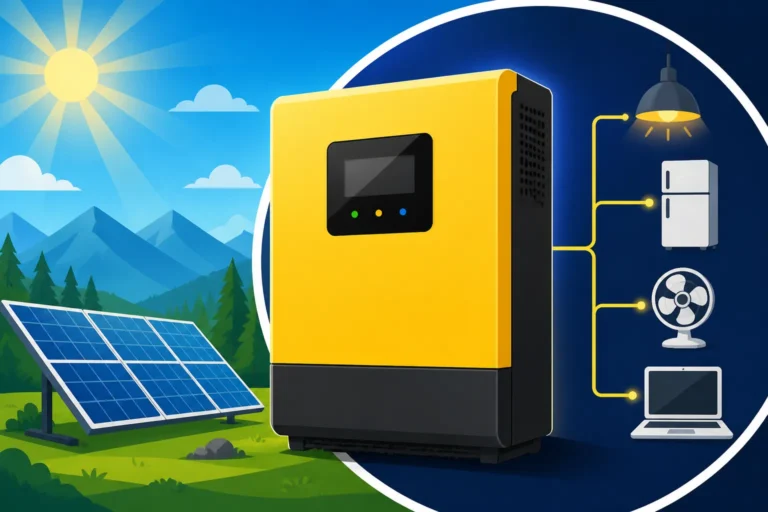
Growatt’s product line for off-grid applications is quite comprehensive, catering to a variety of needs and system sizes. They offer pure sine wave inverter-chargers, which are absolutely essential for running sensitive electronics without damage. These units often integrate a solar charge controller, usually an MPPT (Maximum Power Point Tracking) type, and a battery charger, making them "all-in-one" solutions. This integration simplifies system design and installation, which is a huge plus for DIYers.
You'll find Growatt inverters ranging from smaller 1kW models suitable for a shed or a basic cabin, all the way up to powerful 5kW and 8kW units that can comfortably handle a full-sized off-grid home. They also have offerings that support different battery voltages, like 12V, 24V, and 48V, which is critical when you're How to Choose System Voltage While they might not have the sheer variety of highly specialized units that some niche brands offer, their core range covers the vast majority of off-grid requirements effectively. Many popular models, such as the Growatt SPF series, have garnered positive attention for their features and reliability.
Key Features and Technology of Growatt Off-Grid Inverters
Delving into the specifics, Growatt inverters come packed with features designed to make off-grid living smoother and more efficient. It’s not just about converting DC to AC; it's about intelligent power management, robust performance, and user-friendliness.
Inverter Charger Capabilities and Hybrid Options
One of the standout aspects of many Growatt off-grid inverters is their integrated inverter-charger capability. This means they not only convert battery power to AC for your home but also manage charging your batteries from multiple sources. Most units include an MPPT solar charge controller, which is highly efficient at converting solar panel output into battery charge, maximizing the energy harvested from your panels. This is crucial for optimizing your Off-Grid Solar System Sizing Guide.
Beyond just solar charging, these inverters often feature a built-in AC charger. This allows you to charge your battery bank from a generator or shore power (if you have an RV or boat), providing a vital backup or supplemental charging option during long stretches of cloudy weather or high demand. Some of their more advanced models even offer hybrid functionalities, allowing for optional grid connection for those who want the security of being off-grid but the flexibility to use the grid when available, or even feed excess power back if regulations permit (though this is less common for true off-grid setups). These comprehensive features really simplify what could otherwise be a complex setup, consolidating several critical components into one sleek unit.
Monitoring and User Experience
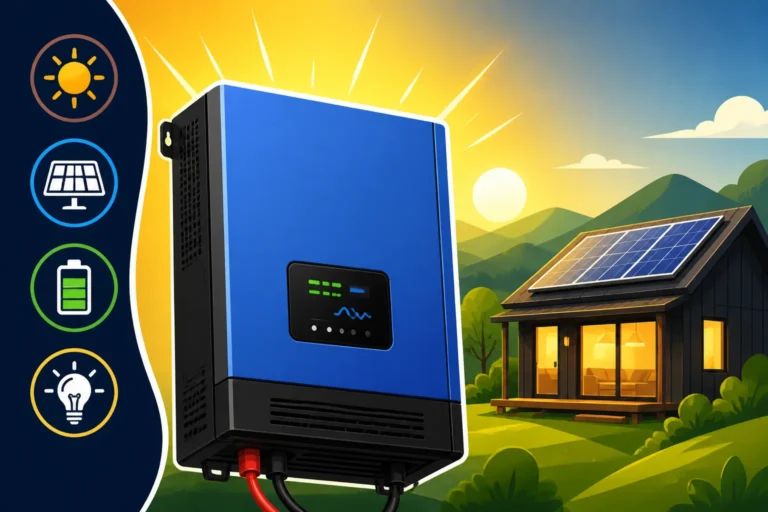
A modern off-grid system isn't complete without good monitoring, and Growatt generally delivers here. Most of their off-grid inverters come with an LCD display that provides real-time data on battery voltage, solar input, load output, and charging status. This immediate feedback is invaluable for managing your power consumption and understanding your system's health. You can often adjust various settings directly from this interface, tailoring the inverter's behavior to your specific needs, such as charge voltages for different battery types.
Many Growatt inverters also offer remote monitoring capabilities, often through a Wi-Fi or GPRS module. This allows you to check your system's performance, view historical data, and even adjust some parameters from your smartphone or computer, no matter where you are. Imagine being able to monitor your cabin's power while you're away, or check on your RV's battery state from inside the coffee shop. This level of connectivity and user-friendly interface is a significant advantage, especially for those who appreciate detailed insights into their energy usage and production. It’s a feature that really enhances the overall user experience and helps prevent issues before they become major problems.
Weighing the Pros and Cons of Growatt Inverters
Deciding on an inverter brand is a big commitment for your off-grid journey. Let's break down the advantages and disadvantages of choosing Growatt, so you can make an informed decision that aligns with your specific needs and priorities.
Advantages for the Off-Grid Homesteader
One of the most compelling advantages of Growatt inverters is their cost-effectiveness. Compared to some of the higher-end brands, Growatt offers robust functionality and reliable performance at a more accessible price point. This is a huge factor for many off-gridders, allowing them to allocate more of their budget to other essential components like additional solar panels or a larger battery bank. For example, a Growatt inverter often costs significantly less than a comparable Outback or Victron unit, making How Much an Off-Grid Solar System Costs more manageable.
Furthermore, their all-in-one design is a major benefit. Integrating the inverter, solar charge controller, and AC charger into a single unit simplifies wiring, reduces clutter, and often makes installation quicker and easier. For DIY enthusiasts, this streamlines the process significantly. Many Growatt models also feature parallel capability, meaning you can link multiple inverters together to increase your total power output or create a split-phase 120/240V system, which is crucial for larger homes or those needing to power heavy 240V appliances like well pumps or certain water heaters. This scalability is a huge plus if you foresee your power needs growing over time.
Potential Drawbacks and Considerations
While Growatt offers great value, there are a few potential drawbacks and considerations to keep in mind. Some users report that while the core functionality is solid, the build quality might not always match the absolute top-tier brands. This isn't to say they are poorly made, but perhaps not as ruggedized for extreme environments as some competitors. If you're building a system in a harsh climate or where components will be subject to significant vibrations, you might want to consider additional protection.
Another point of consideration can be customer support. While Growatt has a global presence, individual experiences with technical support can vary. It’s always a good idea to check recent reviews regarding support in your specific region. Additionally, while their monitoring is good, some advanced users accustomed to the deep customization and diagnostics offered by more expensive brands like Victron might find Growatt's interface slightly less granular. For most off-gridders, however, the provided monitoring is perfectly adequate. Lastly, availability can sometimes be a factor, though popular models are widely available on platforms like Amazon or through specialist solar retailers.
Real-World Performance, Reliability, and Support
Beyond the spec sheet, what really matters is how an inverter performs day in and day out. This is where real-world experiences and the quality of support come into play, offering a glimpse into what you can expect when you rely on a Growatt unit for your power needs.
User Experiences and Community Feedback
Many off-grid solar enthusiasts, myself included, rely heavily on community feedback when choosing equipment. The consensus regarding Growatt inverters is generally quite positive. Users frequently praise them for their robust performance, especially considering their price point. Many reports highlight their ability to handle surge loads effectively, which is critical for starting appliances with motors like refrigerators or power tools. This real-world capability is often a pleasant surprise for those who might have expected less from a more budget-friendly option.
You’ll find numerous testimonials from individuals who have successfully used Growatt inverters to power everything from small cabins and RVs to full-time off-grid homes. They're often seen as reliable workhorses that simply get the job done without fuss. Of course, like any electronic device, occasional issues can arise, but these seem to be within normal expectations for the industry. Many people appreciate the comprehensive features, particularly the integrated MPPT charge controller, which simplifies their Off-Grid Solar Installation Guide and reduces the number of separate components they need to purchase and wire.
Support and Warranty
When something does go wrong – and let's face it, with complex electrical systems, it's always a possibility – good support and a solid warranty are invaluable. Growatt typically offers a standard product warranty, often ranging from 2 to 5 years, depending on the specific model and region. It's crucial to check the exact warranty terms at the time of purchase. Having a warranty provides peace of mind, knowing that you're covered against manufacturing defects.
Regarding support, Growatt has a global service network. While direct factory support can sometimes involve navigating time zones and language barriers, many users report success with their local distributors or the retailers from whom they purchased the inverter. Companies like Signature Solar, for example, often act as distributors and provide excellent customer service and technical assistance for Growatt products. It's always a smart move to buy from a reputable vendor who can offer localized support, rather than just grabbing the cheapest option online without considering post-sale assistance. Having access to a knowledgeable local team can make a huge difference if you encounter a technical hitch.
Deciding if Growatt is Right for Your Off-Grid System
So, after all this, is Growatt the right choice for your off-grid setup? It really boils down to your specific needs, budget, and comfort level with the various trade-offs.
Comparing Growatt with Other Brands
When you're looking at the vast landscape of off-grid inverters, Growatt often sits comfortably in the "mid-range" category. It offers significantly more features and robustness than entry-level or pure budget brands you might find on Amazon, which often skimp on important protections or pure sine wave output. However, it's generally more affordable than premium brands like Victron Energy, Schneider Electric, or Outback Power.
Consider a comparison: if you're looking at a brand like Renogy, which is fantastic for smaller, more portable setups or budget-conscious RV conversions, Growatt often offers more power, more advanced features like parallel stacking, and a more robust build for permanent installations. On the other hand, while a Victron MultiPlus inverter might offer unparalleled configurability, advanced communication protocols, and a reputation for extreme durability, a Growatt inverter can often provide 80-90% of the functionality at 50-70% of the cost. The key is to evaluate what features are absolutely essential for your system. For most off-gridders, Growatt provides an excellent sweet spot.
Here’s a simplified comparison table to illustrate where Growatt typically sits:
| Feature/Brand | Entry-Level Budget (e.g., Basic Amazon units) | Growatt Off-Grid Inverters | Premium High-End (e.g., Victron, Outback) |
|---|---|---|---|
| Price Point | Low | Mid-Range | High |
| Build Quality | Basic, may lack robustness | Good, solid | Excellent, very robust |
| Features | Basic inversion, limited charging | Comprehensive (Inv/Chg/MPPT), parallel, gen-start | Highly customizable, advanced comms, extreme durability |
| Reliability | Variable | Generally High | Exceptional |
| Support | Limited, often online community-driven | Good, distributor-based | Excellent, extensive global network |
| Monitoring | Basic display, sometimes simple app | Good LCD, remote app | Advanced, highly detailed |
| Scalability | Limited | Good (parallel capability) | Excellent |
| Warranty | Short | Standard (2-5 years) | Often longer, comprehensive |
Scenarios Where Growatt Shines and Where It Might Not
Growatt truly shines in several common off-grid scenarios. It's an excellent choice for:
- Mid-to-Large Off-Grid Cabins or Homes: If you're building a system for a permanent dwelling or a frequently used cabin and need to power typical household appliances, Growatt provides ample power and features like parallel stacking and generator integration without exorbitant costs.
- Budget-Conscious but Feature-Demanding Projects: If you need a reliable inverter-charger with an MPPT controller and monitoring but have a defined budget, Growatt offers fantastic value. It allows you to build a substantial system without cutting corners on essential functionality.
- DIY System Builders: The all-in-one nature and relatively straightforward installation make Growatt a popular choice for those looking to build their own systems, especially when following detailed guides on How to Install an Off-Grid Inverter and other components.
- Expanded RV or Van Life Systems: For those who’ve outgrown simple portable solar setups and need a more permanent, powerful solution for full-time living on the road, Growatt's larger units can be perfect.
However, Growatt might not be the absolute best fit for:
- Extreme Environments Requiring Ultra-Ruggedized Equipment: If your system will be exposed to severe vibrations, extreme temperatures (beyond typical operating ranges), or very harsh marine conditions, some more specialized and higher-cost brands might offer better long-term durability, although careful installation and housing can mitigate this.
- Mission-Critical Applications Where Budget Is No Object: For highly sensitive medical equipment or industrial-grade setups where absolute uptime and precision control are paramount, and budget is secondary, investing in top-tier commercial-grade inverters might be justified.
- Absolute Minimalist, Ultra-Portable Setups: If you only need to charge a phone and run a few lights, a tiny portable solar generator or a very small, simple inverter from a brand like Renogy might be overkill and more cost-effective. But for anything more, Growatt quickly becomes a compelling option.
Ultimately, for the vast majority of people embarking on an off-grid journey, Growatt is indeed a good off-grid inverter brand. It provides a sweet spot of performance, features, and affordability that makes reliable solar power accessible to more people. Just like planning for Off-Grid Solar Maintenance Costs or understanding your Off-Grid Solar Payback Period Explained, choosing your inverter requires careful thought, but Growatt gives you a strong contender to consider.
Disclaimer
Please remember that while I strive to provide accurate and up-to-date information, the world of off-grid solar technology is constantly evolving. Product specifications, prices, and availability can change. Always consult the manufacturer's latest documentation and consider seeking advice from qualified professionals for your specific off-grid solar system design and installation.