How to Choose System Voltage
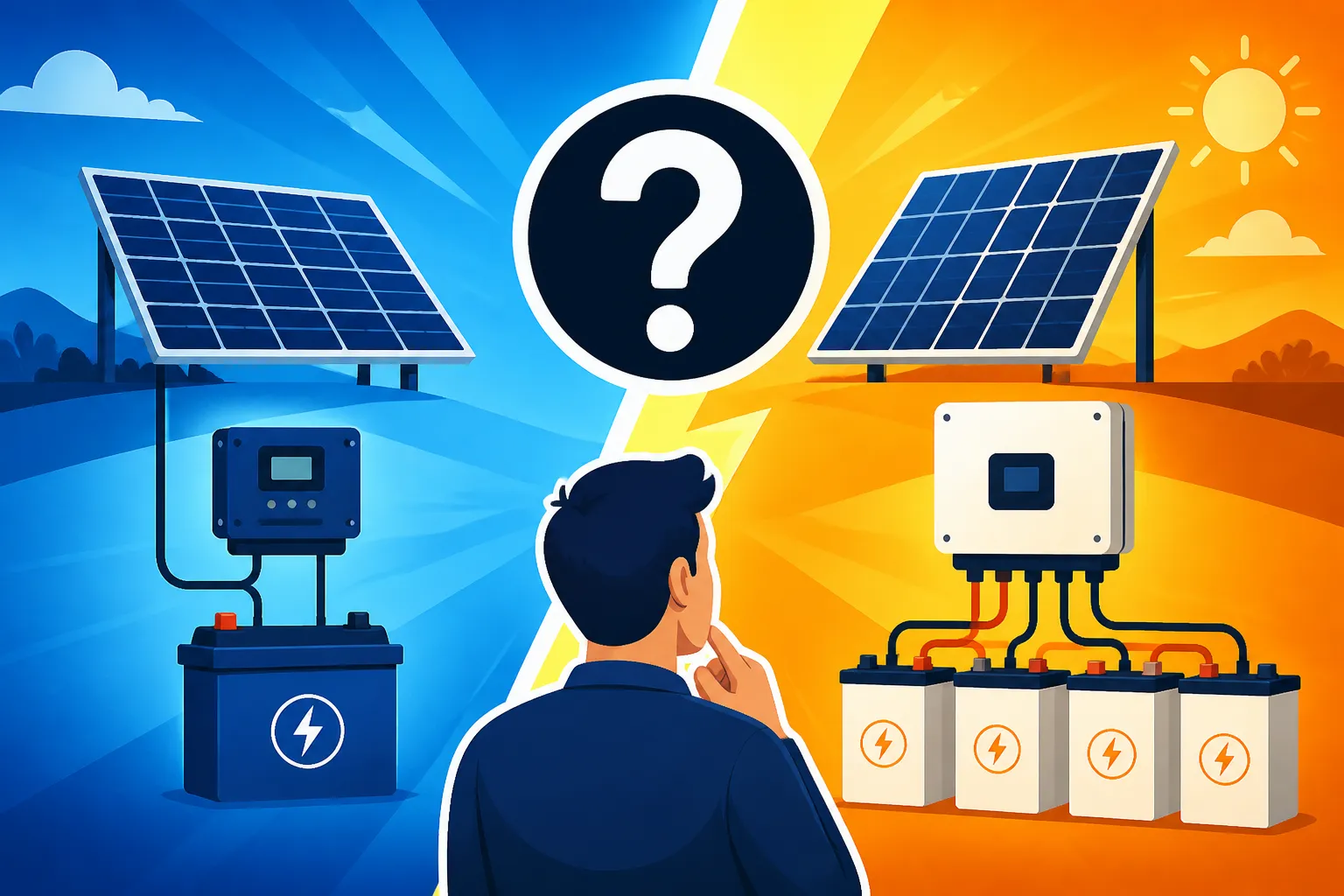
Stepping into the world of off-grid solar can feel like deciphering a secret code, and one of the first terms that often trips people up is "system voltage." It's not just a number; it dictates the very foundation of your power setup, influencing everything from the thickness of your wires to the efficiency of your appliances. Many aspiring off-gridders get stuck wondering whether to go 12V, 24V, or even 48V, fearing they'll make the wrong choice and end up with an undersized, inefficient, or overly complex system. This guide is here to demystify system voltage, helping you confidently choose the right foundation for your off-grid power dreams, whether you're powering a small camper or a full-sized homestead.
Understanding Off-Grid System Voltage Basics
When we talk about off-grid system voltage, we're essentially referring to the nominal DC voltage at which your main power components – your battery bank, charge controller, and inverter – are designed to operate. Think of it as the agreed-upon standard for your electrical highway. Choosing the right voltage is crucial because it directly impacts efficiency, component selection, wiring requirements, and ultimately, the overall cost and performance of your system. It's not just a technical detail; it's a fundamental decision that shapes your entire off-grid experience.
The Role of Voltage in Power Transmission
Voltage is often compared to water pressure in a pipe: the higher the pressure (voltage), the more water (power) can flow through a pipe of a given size (wire gauge). In electrical terms, for a given amount of power (watts), a higher voltage means a lower current (amps). This is a huge deal for off-grid systems. Lower current means less energy is lost as heat in the wires, which translates to better efficiency. It also means you can use thinner, less expensive wires for longer runs without significant voltage drop, saving you money and reducing potential fire hazards. Imagine trying to run a powerful well pump with a 12-volt system from panels located 50 feet away – you'd need wires as thick as your arm to avoid major power loss! Higher voltage mitigates this problem, allowing power to travel more effectively.
Common System Voltages and Their Origins
The off-grid world typically revolves around three main DC system voltages: 12V, 24V, and 48V. Each has evolved to suit different power demands and applications.
- 12-Volt Systems: These are the most common starting point for smaller applications, primarily due to their long-standing use in automotive and RV electrical systems. Most portable electronics and smaller DC appliances are designed for 12V, making it a natural choice for basic setups. It's user-friendly and widely understood by DIY enthusiasts.
- 24-Volt Systems: As power needs grew beyond basic lighting and phone charging, 24V systems emerged as a more efficient option. They allow for roughly half the current of a 12V system for the same amount of power, meaning better efficiency and less demanding wiring. This became popular for medium-sized RVs, vans, and small cabins where more appliances were being used.
- 48-Volt Systems: For serious off-grid homes and larger power demands, 48V became the standard. At 48V, the current is a quarter of what it would be at 12V for the same power, significantly reducing wire losses and allowing for more powerful inverters and larger battery banks. Most modern grid-tied solar systems and many higher-end off-grid components operate at 48V for maximum efficiency and scalability.
Understanding these origins helps contextualize why these voltages are prevalent and why your specific needs will point you towards one over the others.
Diving Deep into 12-Volt Systems
The 12-volt system is often the entry point for many off-grid adventurers, especially those with smaller power needs. It's straightforward, and components are generally easy to find, making it a comfortable choice for beginners. However, it's essential to understand its limitations alongside its benefits to ensure it aligns with your long-term off-grid goals.
Advantages and Disadvantages of 12-Volt
One of the biggest advantages of a 12-volt system is its sheer simplicity and widespread compatibility. If you're coming from a background of automotive electrical work or just want to power simple DC loads like LED lights, a car stereo, or a phone charger, 12V components are ubiquitous and often less expensive upfront. Many small appliances, fans, and pumps are readily available in 12V versions, which means you might not even need an inverter for some of your basic needs. This simplicity also makes troubleshooting relatively easier for those new to solar. You can often find small Off-Grid Solar Kit Price Ranges that are 12V and include everything you need for a basic setup.
However, the downsides become apparent as your power demands grow. For a given wattage, a 12V system draws twice the current of a 24V system and four times that of a 48V system. This means thicker, more expensive wiring is required to avoid excessive voltage drop and heat loss, especially over longer distances or for higher-wattage appliances. If you're trying to run anything over a few hundred watts continuously, your wire runs can become quite cumbersome and costly. Furthermore, inverters designed for 12V systems tend to be less efficient and have lower power capacities compared to their 24V or 48V counterparts. If you're thinking about how to Cost to Run A Refrigerator on Off-Grid Solar, a 12V system might struggle or require very heavy gauge wiring.
Ideal Applications for 12-Volt Setups
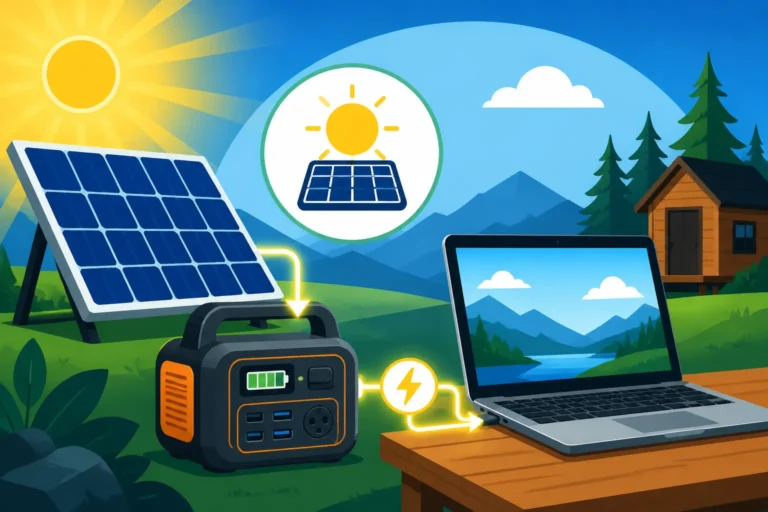
12-volt systems truly shine in applications where portability, simplicity, and low-to-moderate power consumption are key. Think about the typical setup for a weekend camper van or a small hunting cabin that's only used seasonally. These systems are perfect for powering basic DC lighting, charging phones and laptops, running a small 12V cooler, or maybe a small fan. For a How to Install Off-Grid Solar on a Rv for casual use, a 12V system is often adequate and easy to implement. Brands like Renogy offer a wide array of 12V solar panels, charge controllers, and portable power stations that are popular choices for these smaller applications, often found readily available on platforms like Amazon. They provide excellent options for those just dipping their toes into off-grid living or who have very specific, modest power needs.
Exploring 24-Volt Systems
If 12-volt systems are the comfortable starter home, 24-volt systems are the spacious upgrade. They strike a compelling balance between the simplicity of 12V and the efficiency benefits of higher voltages, making them a popular choice for a broader range of off-grid applications. Many off-gridders find that this voltage hits the sweet spot for their evolving power needs without diving headfirst into the complexities of a full-scale 48V system.
The Balance of Power and Efficiency with 24-Volt
The core advantage of a 24-volt system lies in its improved efficiency over 12V. By doubling the voltage, you effectively halve the current needed to deliver the same amount of power. This means significantly less heat generated in your wires, allowing you to use thinner, more manageable wiring for a given distance and load, or extend your wire runs without as much voltage drop. For example, if you're pulling 500 watts, a 12V system demands over 40 amps, whereas a 24V system only needs about 20 amps. This reduction in current is not just about efficiency; it's also a safety feature, as less current means less risk of overheating cables and components.
While still relatively simple to design and install, 24V systems offer access to a wider range of mid-sized inverters and charge controllers that are generally more robust and efficient than their 12V counterparts. This improved component quality and performance can make a big difference in the longevity and reliability of your off-grid setup. However, it's worth noting that while 24V components are common, there might be slightly less variety in specific DC appliances compared to 12V, often requiring the use of an inverter for standard AC household items.
Where 24-Volt Systems Shine
24-volt systems are a fantastic choice for mid-sized off-grid applications where power needs extend beyond basic lighting and device charging, but aren't quite at the level of a full residential setup. They are ideal for larger RVs, conversion vans, medium-sized cabins, or even tiny homes that want to run a few AC appliances like a compact refrigerator, a microwave, or a television. If you're looking at Off-Grid Solar Cost for a Tiny Home, a 24V system can often provide the necessary juice without breaking the bank on oversized wiring.
They also work well for workshops where you might be using some power tools intermittently, but not heavy-duty machinery. For anyone designing a system that needs to operate efficiently for several days of autonomy, 24V offers a better foundation for a larger battery bank compared to 12V. You'll find many reputable brands offer integrated 24V systems that bundle panels, charge controllers, and inverters, making it easier to select compatible components. Before deciding, it's crucial to perform a thorough How to Calculate Daily Energy Usage to ensure a 24V system truly meets your demands.
The Power of 48-Volt Systems
When you envision a true off-grid homestead running like a conventional home, you're almost certainly thinking about a 48-volt system. This is the heavy-hitter of off-grid power, offering the highest efficiency and scalability for significant energy demands. While it comes with a bit more complexity in terms of components and wiring, the long-term benefits for a permanent, power-hungry setup are undeniable.
Benefits of High Voltage for Large Loads
The primary benefit of a 48-volt system is its ability to handle large power loads with minimal current. For the same wattage, a 48V system draws only a quarter of the current a 12V system would. This drastically reduces the need for thick, expensive copper wiring, especially on longer runs from your solar array to your charge controller, or from your battery bank to your inverter. Imagine the difference in wire gauge for a 3,000-watt load: at 12V, that's 250 amps, requiring extremely thick, specialized cables; at 48V, it's a manageable 62.5 amps. This not only saves on material costs but also makes installation much easier and safer.
Higher voltage also translates to better efficiency, particularly for your inverter. Many high-capacity inverters, especially those designed for whole-home use or How Many Solar Panels for Off-Grid Living that are quite extensive, perform optimally at 48V. They experience less internal heat loss and can handle larger surge loads more effectively, which is critical for appliances like well pumps, refrigerators, and air conditioners that have high startup current demands. For serious off-grid applications, 48V systems are often designed with expansion in mind, making it easier to add more solar panels or increase battery capacity down the line without a complete system overhaul. You might find a high-quality inverter like a Victron MultiPlus or a Sol-Ark system, which typically operate at 48V, making them exceptionally reliable for demanding applications.
Best Scenarios for 48-Volt Off-Grid Living
A 48-volt system is the undisputed champion for full-time off-grid living in a house, cabin, or large workshop where daily energy consumption rivals that of a modest grid-tied home. If your load analysis, which is an essential step in Off-Grid Solar System Sizing Guide, reveals that you need to power a well pump, run a washing machine, operate a full-sized refrigerator, or even consider Cost to Run An Air Conditioner on Off-Grid Solar, then 48V is almost certainly your best bet.
These systems are also ideal for homesteads with multiple outbuildings, where longer wire runs are inevitable. The reduced voltage drop at 48V makes it feasible to transmit power over greater distances without significant losses. Moreover, if you plan to incorporate a generator as a backup power source, many modern inverter-chargers that integrate seamlessly with generators are optimized for 48V systems. While the initial investment in components for a 48V system might seem higher, the long-term savings in wiring, increased efficiency, and the ability to confidently power all your creature comforts often make it the most economical and practical choice for robust off-grid living.
Key Factors Influencing Your Voltage Choice
Choosing the right system voltage isn't just about picking a number; it's about making an informed decision based on your specific needs, budget, and future plans. There are several critical factors that play into this choice, and overlooking any of them could lead to an inefficient or frustrating off-grid experience. It’s a bit like building a house – the foundation needs to be right for the structure you intend to build on it.
Your Energy Needs and Appliance Compatibility
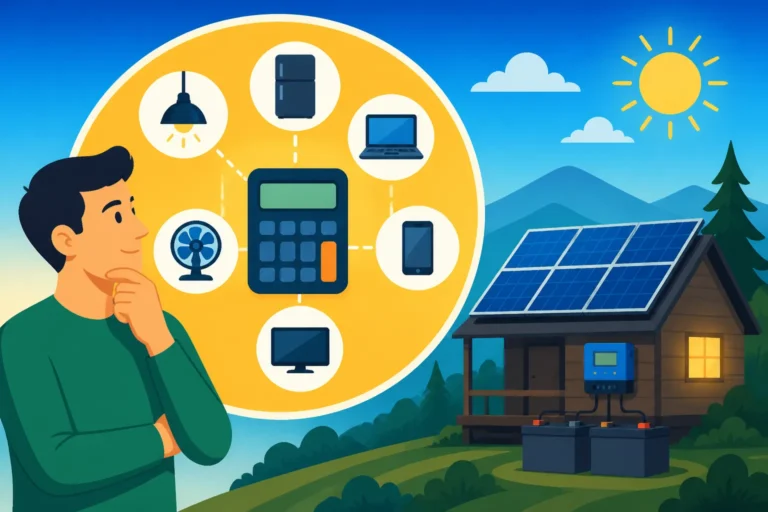
The absolute first step in deciding your system voltage is understanding your total energy consumption. This means meticulously cataloging every appliance and device you plan to power, calculating their wattage, and estimating how many hours per day or week they’ll be in use. This process, often called a How to Do an Off-Grid Load Analysis, will give you a clear picture of your daily watt-hour (Wh) requirements and your peak power draw (watts).
Once you have these numbers, consider the type of appliances you'll be using. Are they primarily low-power DC loads (like LED lights, phone chargers, small fans) that are readily available in 12V? Or are you planning on running standard AC household appliances (refrigerator, microwave, well pump, power tools) that require a substantial inverter? High-surge appliances, especially those with motors, will dictate the minimum continuous and surge wattage your inverter needs to handle. As we've discussed, larger loads and higher surge requirements generally push you towards higher voltages (24V or 48V) for optimal performance and efficiency, and to avoid excessively thick wiring. Remember, a bigger system often benefits from a higher voltage simply due to the physics of power transmission.
Component Availability and Cost
Another significant factor is the availability and cost of components for each voltage.
- 12V Components: These are incredibly common and often the most budget-friendly initially. You can find a vast array of 12V solar panels, charge controllers, inverters (usually smaller ones), and batteries from various manufacturers. For instance, small 12V setups are readily available on Amazon, making it easy to source individual pieces or complete Best Off-Grid Solar Kits for Beginners. Many smaller off-grid specific appliances, like certain refrigerators or water pumps, are designed for 12V.
- 24V Components: These offer a good middle ground. Panels can often be wired in series to create 24V arrays, and 24V charge controllers and inverters are widely available, providing a step up in power handling and efficiency without a massive jump in cost. Best Off-Grid Solar Inverters often come in 24V options that balance cost and capability.
- 48V Components: While generally more expensive per component than 12V or 24V, 48V components are designed for high performance and durability. This is where you find the most powerful inverters, large capacity charge controllers, and robust battery management systems. The cost savings on wire gauge for large systems can partially offset the higher component cost. Brands like Renogy and others also offer specific 48V components designed for larger home systems, often requiring more specialized retailers than a quick Amazon search. When considering Best Off-Grid Solar Batteries, higher voltage systems typically use larger battery banks, which are more efficiently managed at 48V.
Wire Sizing, Safety, and Future Expansion
This is perhaps one of the most practical and often underestimated considerations.
- Wire Sizing: Higher voltage means lower current for the same power, which translates directly to thinner, less expensive wiring for long runs. Conversely, a 12V system with a significant load will require extremely thick, heavy-gauge copper wire to prevent dangerous overheating and unacceptable voltage drop. Calculating proper wire gauge is critical for safety and efficiency. This is a key element in Off-Grid Solar System Components Explained.
- Safety: While higher voltage can be perceived as more dangerous, lower current reduces heat generation in wires, which is a major fire hazard. Proper fusing and circuit protection are paramount regardless of voltage, but the physical handling of wires and potential for issues are simplified with lower current.
- Future Expansion: Think ahead. Are you likely to add more appliances, expand your living space, or increase your energy demands in the next 5-10 years? It's much easier and more cost-effective to expand a 24V or 48V system than to try and scale a 12V system beyond its practical limits. Upgrading a 12V system to handle significantly more power often means replacing major components and re-wiring with much heavier gauge cables, essentially starting from scratch. Designing an How to Design an Expandable System from the outset with a higher voltage can save you considerable headaches and expenses down the road.
Choosing wisely here will save you headaches, money, and potentially even prevent safety issues in the future.
Making the Right Decision for Your Off-Grid Journey
Making the final decision on your system voltage can feel daunting, but by breaking it down into a logical process and avoiding common pitfalls, you can confidently build a system that perfectly suits your needs. It's not about finding a universally "best" voltage, but rather the right voltage for your unique off-grid lifestyle.
A Step-by-Step Approach to Choosing Voltage
Let's walk through a sensible approach to land on your ideal system voltage:
- Conduct a Detailed Load Analysis: This is non-negotiable. List every single AC and DC appliance you plan to use. For each, note its running wattage and its surge/starting wattage (if applicable). Estimate how many hours per day or week it will run. Sum these up to get your total daily watt-hour (Wh) consumption and your peak instantaneous wattage demand. This crucial step informs your entire system design, including How Many Watts of Solar You Need and How Many Batteries for an Off-Grid System.
- Determine Your Peak Inverter Size: Your peak wattage demand will tell you the minimum continuous output your inverter needs. Add a buffer for safety (e.g., 20-30% extra capacity). If your peak load is, say, 2500W, a 12V inverter would be enormous and inefficient, whereas a 24V or 48V inverter would be much more practical.
- Consider Wire Lengths: Measure the approximate distance from your solar panels to your charge controller, and from your battery bank to your inverter. Longer runs with higher current demand (lower voltage) mean significantly thicker wires and more voltage drop. Use online voltage drop calculators to see how different voltages affect wire gauge for your specific distances and loads.
- Evaluate Your Battery Bank Size: If you need a large battery bank (e.g., more than 400 Ah at 12V), consider moving to 24V or 48V. Wiring multiple batteries in series-parallel for higher voltages is often more efficient and manageable than connecting many in parallel for 12V. For instance, if you need 800Ah, four 200Ah 12V batteries in parallel is a lot of current; two 200Ah 24V batteries in parallel (total 400Ah at 24V) is much more efficient. Check out How to Wire a Battery Bank for more details.
- Assess Future Expansion Potential: Even if your current needs are modest, think about potential upgrades. Will you add more panels, more batteries, or more appliances in the future? It’s far easier to expand a 24V or 48V system gracefully than to force a 12V system beyond its optimal performance envelope.
- Match Components: Once you have a preliminary voltage in mind, start researching compatible components. Ensure your charge controller, inverter, and battery bank are all designed for that same nominal voltage. While some components can handle a range (e.g., MPPT charge controllers that can step down voltage), your core system should be voltage-matched.
Common Mistakes to Avoid
In the excitement of going off-grid, it’s easy to make choices that seem good at first but lead to headaches later.
- Underestimating Energy Needs: This is probably the most common mistake. People often forget about small loads that add up, or they underestimate the surge power required by motors. A detailed load analysis, like the one covered in Watts vs Watt-Hours vs Amp-Hours Explained, is crucial here. Always add a buffer to your calculations.
- Choosing 12V "Because it's Easy": While 12V is simpler for very small systems, many people default to it for applications that would be far better served by 24V or 48V. If you plan to run anything beyond basic lighting and charging, a 12V system can quickly become cumbersome, inefficient, and expensive due to oversized wiring.
- Ignoring Voltage Drop and Wire Sizing: This is a big one for both efficiency and safety. Running high current (low voltage) over long or undersized wires leads to significant power loss (heat) and can even be a fire hazard. Always calculate your wire sizes based on current, length, and acceptable voltage drop for your chosen voltage.
- Not Planning for Expansion: Off-grid needs often grow over time. What starts as a basic setup for a shed might evolve into wanting to power a small workshop. Designing with an eye toward future growth, particularly by choosing a higher voltage if there's any chance of increased demand, can save you from costly overhauls.
- Mismatched Components: Attempting to mix and match different nominal voltages between major components (e.g., a 12V battery bank with a 24V inverter without proper conversion) is a recipe for disaster. Ensure all your core components are designed for your chosen system voltage.
By carefully considering your needs, doing your homework, and looking ahead, you can confidently choose the system voltage that will provide reliable and efficient power for your off-grid adventure for years to come.
| System Voltage | Ideal Applications | Pros | Cons | Typical Components/Features |
|---|---|---|---|---|
| 12-Volt | Small RVs, Vans, Basic Camping, Small Cabins (lights, phone, small fan) | Simple, widely available components, easy for beginners, many DC appliances available | Inefficient for high power/long runs, requires very thick wiring for large loads, limited inverter capacity | Small panels, basic charge controllers, small inverters (up to ~2000W), lead-acid or small LiFePO4 batteries |
| 24-Volt | Medium RVs, Tiny Homes, Larger Cabins (refrigerator, microwave, TV) | Better efficiency than 12V, thinner wiring, wider range of robust components, good balance | Fewer native DC appliances than 12V, less efficient for whole-home compared to 48V | Mid-sized panels, MPPT charge controllers, inverters (2000-4000W), LiFePO4 battery banks |
| 48-Volt | Full Off-Grid Homes, Large Workshops, Properties with heavy appliances (well pump, AC) | Highest efficiency, thinnest wiring for given power, most robust inverters, ideal for large battery banks | Higher initial component cost, more complex for beginners, fewer native DC appliances (requires step-down converter for 12V/24V loads) | Large panels, advanced MPPT controllers, high-capacity inverters (>4000W), large LiFePO4 battery banks (often server rack style) |
Disclaimer
The information provided in this guide is for general informational purposes only and does not constitute professional advice. Off-grid solar system design and installation can be complex and involve electrical hazards. Always consult with a qualified solar professional or electrician and adhere to all local codes and regulations when planning or installing your system. Personal results may vary based on individual circumstances, equipment choices, and installation quality.