How to Protect Batteries from Cold
Living off-grid is an incredible journey towards self-sufficiency, but let's be honest, it comes with its fair share of challenges. One of the biggest headaches, especially for those of us who experience real winters, is figuring out how to keep our precious off-grid solar batteries happy and healthy when the temperatures plummet. There’s nothing quite as frustrating as waking up to diminished power or, worse, a dead battery bank because the cold has taken its toll. This guide is here to walk you through exactly how to protect your off-grid batteries from cold weather, ensuring your power system remains robust and reliable, no matter how low the mercury drops.
Why Cold Weather is a Major Problem for Off-Grid Batteries
It might seem obvious that cold affects batteries, but many folks don't realize just how detrimental extreme cold can be to their off-grid solar setup. It's not just about a temporary dip in performance; we're talking about potential permanent damage that can shorten the lifespan of your expensive battery bank and leave you in the dark.
Impact on Battery Performance and Capacity
When the temperature drops, the chemical reactions inside your batteries slow down significantly. This isn't just a minor inconvenience; it directly translates to a noticeable reduction in their usable capacity. Imagine having a 100Ah battery, but in freezing temperatures, it only behaves like an 80Ah or even 60Ah battery. You're effectively losing a significant portion of your stored energy without even drawing much power.
This reduced capacity means you'll hit your battery's lower voltage cutoff much faster, especially during periods of high demand. Your inverter might shut down prematurely, leaving you without power when you need it most. It also means your solar panels, even if they're producing well, might struggle to fully charge the battery bank, leading to a perpetual state of undercharging which itself can cause long-term issues. Understanding these nuances is crucial when you're trying to figure out How Much Battery Capacity You Need and ensure you have enough juice for your daily needs.
Beyond capacity, cold weather also increases the internal resistance of the battery. This means the battery has to work harder to deliver power, and it can also make charging less efficient. You'll notice slower charging times and potentially higher voltage drop under load. This isn't just theory; it's a real-world problem that can leave you scrambling for power on a chilly morning, wondering why your usually reliable system isn't pulling its weight.
Risk of Permanent Damage to Batteries
This is where things get serious. For certain battery chemistries, cold weather doesn't just reduce performance; it poses a risk of irreversible physical damage. If a lead-acid battery freezes, the electrolyte (a mixture of sulfuric acid and water) expands. This expansion can crack the battery casing, warp the plates, and utterly destroy the cell, rendering the battery useless.
Even if it doesn't crack immediately, repeated freezing and thawing cycles can lead to micro-fractures and plate sulfation, severely degrading the battery's lifespan and capacity over time. This is a common and costly mistake for many off-grid homeowners who don't adequately protect their battery banks. It's why thinking about insulation is so critical from the very beginning.
Lithium Iron Phosphate (LiFePO4) batteries, while generally more robust and cold-tolerant in terms of discharge, have a critical Achilles' heel: they cannot be charged when their internal temperature is below freezing (typically 32°F or 0°C). Attempting to do so can cause lithium plating on the anode, which permanently reduces capacity and can even lead to dangerous thermal runaway conditions. Many modern LiFePO4 batteries have internal Battery Management Systems (BMS) that will simply cut off charging in freezing conditions to prevent damage, but this still leaves you without power if you can't warm them up.
Safety Concerns and System Reliability
Aside from performance and structural damage, cold weather can also introduce safety hazards. A damaged lead-acid battery could leak corrosive electrolyte. For LiFePO4 batteries, while less prone to leakage, forcing a charge in freezing conditions can lead to internal shorts and a heightened risk of fire. Ensuring your batteries are properly sized and installed is paramount for safety.
A system that repeatedly fails or significantly underperforms in cold weather is not a reliable system. For those living off-grid, reliability isn't just a convenience; it's a necessity for basic living, especially if you rely on power for critical systems like well pumps, refrigeration, or heating. A failing battery bank can mean no running water, spoiled food, or a dangerously cold cabin. It’s a harsh reminder that while off-grid living is liberating, it demands diligent planning and protection for your essential components.
Understanding Different Battery Chemistries in Cold
Not all batteries are created equal when it comes to braving the cold. The type of battery chemistry you've chosen for your off-grid system heavily dictates the kind of protection it will need. Let's break down the common types and their cold-weather quirks.
Lead-Acid Batteries Flooded, AGM, and Gel
Lead-acid batteries are often the entry point for many off-grid setups due to their lower upfront cost. Within this category, you'll find flooded (wet cell), Absorbed Glass Mat (AGM), and Gel batteries, each with slightly different cold tolerances. Flooded batteries, in particular, are the most susceptible to freezing if they're not fully charged. A fully charged lead-acid battery (specific gravity around 1.265-1.277) has an electrolyte freezing point of approximately -70°F (-57°C). However, a deeply discharged lead-acid battery, say at 50% state of charge, might freeze at just 10°F (-12°C). This is a critical distinction: the more discharged your lead-acid battery, the easier it is for the electrolyte to freeze and destroy the battery.
AGM and Gel batteries are a bit more resilient because their electrolyte is suspended or gelled, which helps prevent stratification and can offer a slightly better freezing tolerance than a deeply discharged flooded battery. However, they still suffer from significant capacity loss and increased internal resistance in cold. They also cannot be charged below certain temperatures without risking damage, though their exact thresholds are often a bit more forgiving than some LiFePO4 batteries for charging. The key takeaway for all lead-acid types is to keep them as fully charged as possible during cold snaps and to understand that their performance will undoubtedly dip. This is a crucial factor to consider when you're looking at battery chemistry for your system.
Temperature compensation is another vital aspect for lead-acid batteries. Charge controllers, like those made by Renogy, often have temperature sensors that adjust charging voltage based on ambient temperature. In cold weather, lead-acid batteries require a slightly higher charging voltage to achieve a full charge. Without this compensation, your batteries will consistently be undercharged, leading to sulfation and premature failure. Always ensure your charge controller has a properly installed and functioning battery temperature sensor for lead-acid banks in cold climates.
Lithium Iron Phosphate LiFePO4 Batteries
LiFePO4 batteries have revolutionized off-grid solar with their long lifespan, deep discharge capabilities, and lightweight nature. However, their primary vulnerability in cold weather is charging. As mentioned, most LiFePO4 batteries cannot be safely charged when their internal temperature is below freezing (0°C/32°F). Discharging them in cold weather is generally fine, although their usable capacity will still decrease as temperatures drop, similar to lead-acid, just typically not as drastically.
Many premium LiFePO4 batteries, especially those designed for cold climates, come with built-in internal heating elements. Brands like Battle Born and even some offerings from Renogy have "low-temperature" versions that will use a small amount of power from the charge source (solar or DC input) to heat the battery internally to a safe charging temperature before allowing the main charging current to flow. This feature is a game-changer for cold-weather off-grid living and significantly reduces the need for external heating solutions. When budgeting, consider that Cost of an Off-Grid Solar Battery Bank can vary wildly based on these features.
If your LiFePO4 batteries don't have internal heaters, you absolutely must ensure they are kept above freezing during charging cycles. This often means relying on external heating, insulation, or strategic placement. Failing to protect non-heated LiFePO4 batteries from charging in sub-freezing conditions is a surefire way to damage them permanently. While LiFePO4 batteries generally boast a longer lifespan and better performance, this cold-weather charging caveat is a critical design consideration for anyone planning an off-grid system in colder regions.
| Feature | Lead-Acid Batteries (Flooded/AGM/Gel) | LiFePO4 Batteries (Standard) | LiFePO4 Batteries (Low-Temp/Heated) |
|---|---|---|---|
| Charge Temp Range | Down to ~0°F (-18°C) with compensation | Above 32°F (0°C) | Can charge below 32°F (0°C) with heating |
| Discharge Temp Range | Down to -4°F (-20°C) (significant loss) | Down to -4°F (-20°C) (less significant loss) | Down to -4°F (-20°C) |
| Freezing Risk | High if discharged, electrolyte expands | No electrolyte, no freezing risk | No electrolyte, no freezing risk |
| Capacity Loss in Cold | Significant, especially below 32°F | Moderate, noticeable below 32°F | Moderate, but often offset by heating |
| Internal Resistance | Increases significantly in cold | Increases moderately in cold | Less affected due to internal heating |
| Charging Voltage Compensation | Critical for full charge in cold | Not typically needed (BMS manages) | BMS manages, may activate heating |
| Longevity Impact | Severely reduced with freezing cycles | Reduced if charged below freezing | Maintained with proper heating |
| Cost Implications | Lower initial, higher replacement freq. | Higher initial, longer lifespan, internal heaters add cost | Highest initial cost, best cold performance |
Practical Strategies for Cold Weather Battery Protection
Now that we understand why cold is such a threat and how it impacts different battery types, let's dive into the practical steps you can take to keep your battery bank safe and sound through the winter months. It’s all about creating the right environment and managing your system intelligently.
Insulation and Enclosures
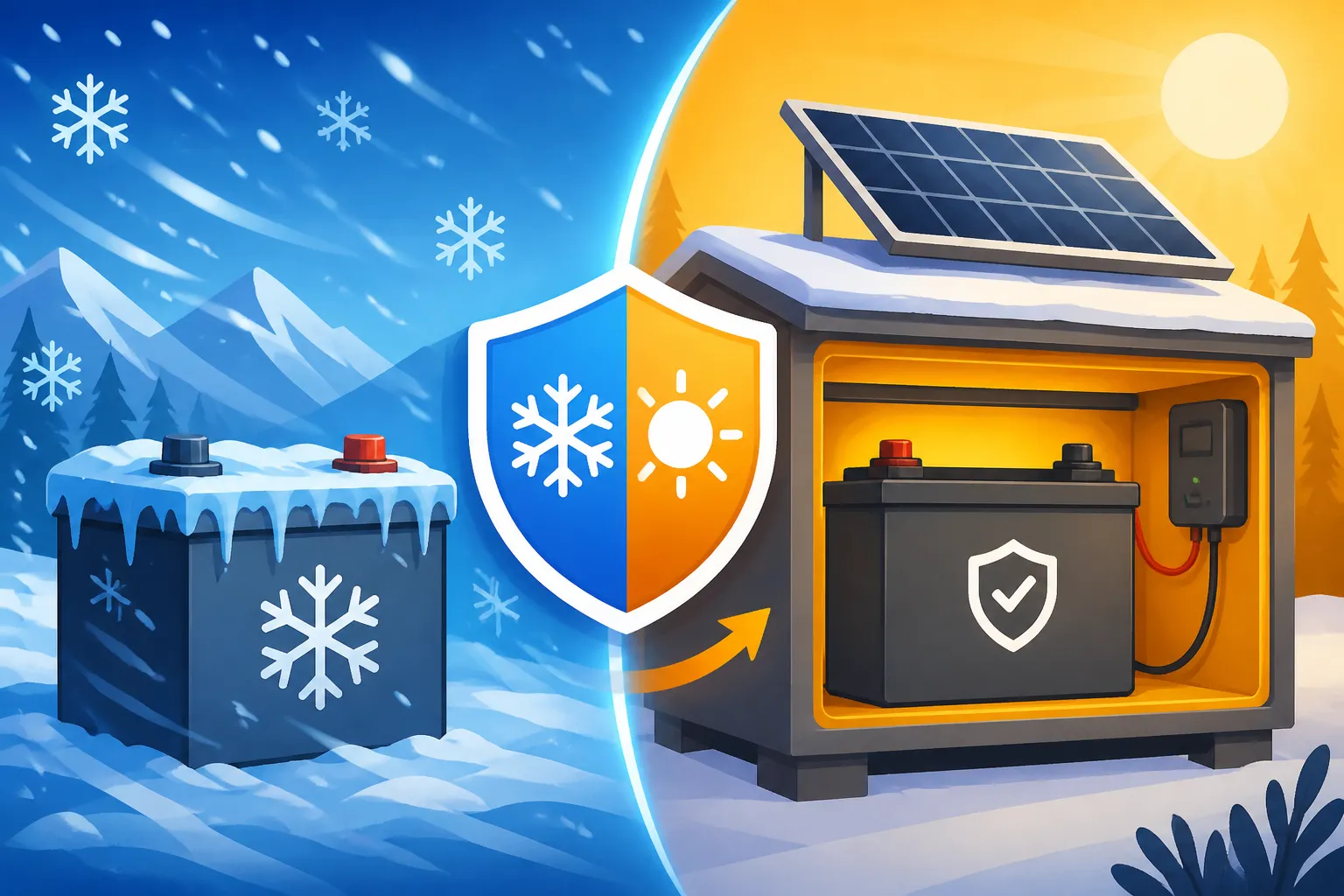
One of the most straightforward and effective ways to protect your batteries is to provide them with a well-insulated home. Think of it like dressing your batteries in a warm winter coat. A properly designed battery box or enclosure can significantly buffer the batteries from extreme external temperatures, keeping them warmer for longer and slowing down heat loss.
When considering insulation for your battery bank, think about using materials with good R-values (thermal resistance). Rigid foam insulation, like XPS or polyisocyanurate panels, is excellent for lining the inside of a wooden battery box. Even a simple, well-sealed plywood box can provide a surprising amount of protection, especially if it's placed in a sheltered area. Some off-gridders even build a double-walled box, filling the cavity with sawdust or other natural insulation for an extra layer of defense. You can often find a variety of suitable insulation materials and DIY guides on platforms like Amazon.
For RVs or vans, space is often at a premium, making a dedicated, large battery box challenging. In these cases, focus on insulating the compartment where your batteries are stored. Adding insulation to the walls, floor, and ceiling of the battery bay, or even wrapping individual batteries in thermal blankets, can make a real difference. Just ensure that any enclosure has adequate ventilation to prevent gas buildup from lead-acid batteries, or simply to prevent overheating for LiFePO4 batteries with internal heaters. Overheating is rarely a cold-weather problem, but it's a critical safety consideration for any battery enclosure.
Heating Solutions for Batteries
Sometimes insulation isn't enough, especially in truly frigid climates. That's when active heating comes into play. There are several ways to provide a little warmth to your battery bank, ranging from simple to more sophisticated.
Battery heating pads or blankets are a popular choice. These low-wattage heating elements adhere directly to the battery or wrap around the bank, providing gentle warmth. Many are thermostatically controlled, meaning they only kick on when the temperature drops below a certain point, saving power. You can find various sizes and types on online marketplaces like Amazon, designed for different battery capacities. For specific brands, even Renogy offers their own line of heating pads and blankets, often bundled with their battery offerings, designed to integrate seamlessly into a solar system. Just be mindful of the power draw; while low, it still comes from your battery bank, so ensure your solar array can keep up.
Another option, particularly for larger, stationary setups, is a small space heater or a ceramic heater placed within the insulated battery enclosure. This can be more effective for maintaining ambient temperature around the entire bank. However, this method requires more careful monitoring, as heaters can draw significant power and pose a fire risk if not properly sized, installed, and kept clear of flammable materials. Consider using a smart thermostat to control the heater, turning it on only when absolutely necessary to conserve power. Some advanced charge controllers or inverter chargers can even be configured to activate a heating circuit based on battery temperature.
Strategic Placement for Thermal Advantage
Where you locate your battery bank can be as important as how you insulate it. Choosing a naturally warmer spot can drastically reduce your heating needs and extend battery life.
Indoors is almost always preferable to outdoors for cold climates. A basement, utility room, or even a well-insulated garage offers a much more stable and warmer environment than an exposed exterior wall or a shed. The ambient heat from your living space, even if minimal, can make a huge difference in keeping batteries above critical temperature thresholds. For smaller systems like those in your RV or a van, locating batteries under a bed, inside a cabinet, or even under a seat can benefit from the passive heat of the vehicle's interior.
If your batteries absolutely must be outside, choose a spot that is sheltered from prevailing winds and direct exposure to the coldest elements. A north-facing wall might seem like a good idea for solar panels, but it's terrible for batteries. Opt for a south-facing, protected spot, perhaps against the side of a heated structure. Burying batteries partially underground (in a waterproof, well-ventilated enclosure) is another old trick that leverages the earth's stable temperature to keep them warmer in winter and cooler in summer. However, this is no small undertaking, requiring careful planning and significant effort.
Proper Charging and Discharging Management
Beyond physical protection, intelligent management of your battery system plays a crucial role in cold weather. This is where your charge controller and inverter settings become your best friends.
For lead-acid batteries, enabling temperature compensation on your charge controller is non-negotiable. This feature, which requires a connected battery temperature sensor, tells the charge controller to slightly increase the charging voltage in cold weather. This ensures your batteries receive a full charge, which in turn helps prevent the electrolyte from freezing. If your system doesn't have a temperature sensor, consider upgrading your charge controller or adding one if your existing unit supports it. Regular monitoring of your battery's state of charge and capacity in cold weather can provide valuable insights into its overall health.
For LiFePO4 batteries without internal heating, strict adherence to the 0°C (32°F) charging limit is paramount. If your charge controller doesn't have a specific low-temperature cutoff for lithium, you might need to manually intervene or implement a system that cuts off charging current when temperatures are too low. Some advanced Battery Management Systems (BMS) in LiFePO4 batteries handle this automatically by simply stopping charge current, but it's always good to verify. Also, try to avoid excessively deep discharges in cold weather for any battery chemistry, as this stresses the battery more and can exacerbate cold-related performance issues. It’s also important to minimize unnecessary loads, especially overnight, to prevent your batteries from getting too low.
Setting Up a Cold-Resistant Off-Grid Battery Bank
Building a robust off-grid system for cold climates requires intentional choices from the very beginning. It’s not just about slapping some panels on a roof; it's about creating an integrated system that can withstand the elements.
Choosing the Right Equipment for Cold
The foundation of a cold-resistant off-grid system starts with your equipment choices. This is especially true for the battery bank itself. If you live in a region with significant cold, investing in batteries specifically designed for such conditions will save you immense headaches and costs down the road.
For LiFePO4 batteries, prioritize models with integrated low-temperature charging protection and, ideally, internal heating elements. Many manufacturers, including leading brands, offer these "LT" (low temperature) versions. While they come with a higher upfront cost, the peace of mind and extended lifespan they offer in cold climates often outweigh the initial expense. These batteries have a built-in thermostat and heating pads that activate automatically, using a small portion of the incoming solar charge to warm the cells to a safe charging temperature before allowing full power delivery. This means you don't have to worry about external heaters or manual intervention, making them ideal for truly set-it-and-forget-it cold weather operations. Considering how heated LiFePO4 batteries factor into your overall setup, making this choice early can prevent costly retrofits.
If you opt for lead-acid batteries, focus on high-quality deep-cycle batteries, either flooded or AGM, and ensure your charge controller has a robust temperature compensation feature. Don't cheap out on the battery itself; a more robust battery can handle the stresses of cold better. Remember, a fully charged lead-acid battery is much more resistant to freezing, so ensuring reliable charging even in lower light winter days is critical. This might mean oversizing your solar array slightly or having a backup generator as part of your system to ensure consistent charging.
Monitoring and Automation for Winter Resilience
In a cold-weather off-grid system, knowledge is power. Having a reliable battery monitor and leveraging automation can significantly enhance your system's resilience and longevity.
A good battery monitor, like those offered by Victron Energy or Renogy, will give you real-time data on your battery's state of charge, voltage, current in/out, and crucially, its temperature. Monitoring battery temperature allows you to confirm that your insulation and heating strategies are actually working. If you see temperatures dipping too low, you know it's time to take action. Many of these monitors come with alarms that can alert you if temperatures fall below a critical threshold, giving you precious time to intervene before damage occurs. This level of oversight is essential for any serious off-grid setup, helping you keep track of battery temperature and ensure your system is performing optimally.
Automation takes this a step further. Modern charge controllers and inverter chargers can be programmed with sophisticated rules based on battery temperature. For example, you can set your charge controller to halt charging if the battery temperature drops below 0°C for LiFePO4 batteries. Or, for a lead-acid system, you could configure a smart relay to turn on a battery heating blanket if the temperature drops too low. Some advanced systems can even trigger a backup generator to run and charge the batteries if solar input is insufficient and temperatures are falling. This level of automation means you don't have to constantly babysit your system, providing reliable protection even when you're away or asleep.
Maintenance Tips for Winter Performance
Even with the best equipment and smart automation, a little proactive maintenance goes a long way, especially in the harsh winter months.
For lead-acid batteries, regular checks of electrolyte levels are crucial, especially for flooded batteries. Cold weather can sometimes affect water consumption, and you want to ensure the plates are always submerged. Also, verify that your temperature compensation sensor is clean, correctly positioned on the battery (or in the battery bank), and functioning properly. Wipe down any condensation or corrosion that might build up due to temperature fluctuations, as this can impede performance and lead to shorts. For more details on this, check out our guide on How to Maintain an Off-Grid Battery Bank.
For LiFePO4 batteries, maintenance is generally much simpler, but still important. Periodically check connections for tightness and corrosion. If your batteries have internal heaters, confirm that they are activating when temperatures drop. Many smart BMS systems allow you to monitor heater activity through an app. Ensure that any ventilation for your battery enclosure is not blocked by snow or ice, even if it's primarily designed to keep heat in. A small amount of airflow is still necessary, especially for safety. Remember, while modern LiFePO4 batteries are low-maintenance, they're not no-maintenance, and a quick check can prevent major issues.
Real-World Scenarios and Considerations
Every off-grid setup is unique, and while the principles of cold weather protection remain the same, their application can vary widely depending on your specific circumstances. Let's look at a few common scenarios.
RV and Van Life in Winter
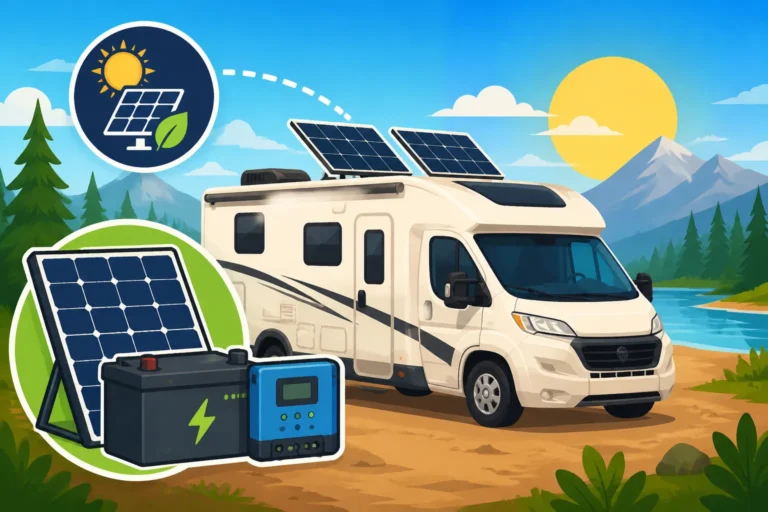
For those embracing the freedom of RV or van life, protecting your off-grid batteries in cold weather presents distinct challenges. Space is at a premium, and you're often moving through different climates, making a fixed, heavily insulated battery room impractical.
The key here is often integrated solutions and smart usage. If you plan to travel or live in cold climates, prioritize LiFePO4 batteries with internal heating elements. Brands like Battle Born, Victron, and some Renogy models specifically offer these for mobile applications, understanding the fluctuating temperatures vehicles encounter. These batteries will allow you to charge safely even if your van interior drops below freezing overnight. You might find a good selection of these specifically designed batteries on Amazon or other specialized RV solar retailers.
Beyond battery choice, focus on insulating the battery compartment itself. Under-bed storage, benches, or dedicated outdoor battery boxes that are well-insulated and tucked away from direct wind chill can help. Even simple things like parking your RV to block prevailing winds or running your engine for a bit to warm up the battery area before solar charging begins can make a difference. Many full-time RVers also opt for a robust DC-to-DC charger that can charge the house batteries from the alternator, providing a powerful and temperature-regulated charge even in cold conditions, especially if your solar production is low on cloudy winter days.
Cabins and Remote Homesteads
For a stationary cabin or a remote homestead, you have more flexibility to build robust, permanent solutions, but also the expectation of year-round reliability. The stakes are often higher, as a power outage could mean more than just discomfort.
Here, a dedicated, insulated battery shed or an interior battery room within a conditioned space is often the best solution. For a battery shed, think about heavy insulation, proper ventilation (especially for lead-acid), and perhaps a small, dedicated heat source like a radiant heater controlled by a thermostat that activates only when temperatures approach critical levels. This protects the batteries and keeps the components within their optimal operating range. Consider how much effort goes into your battery enclosure and incorporate robust battery protection from the outset.
If batteries must be stored in an unheated cabin, perhaps in a utility closet or crawl space, focus on creating an extremely well-insulated enclosure. You might even consider having a small, low-wattage electric heater inside the enclosure, again controlled by a reliable thermostat. For LiFePO4, internal heating is a huge advantage. For lead-acid, regularly check the specific gravity if using flooded, and ensure your charge controller's temperature compensation is always active and accurate. Long-term reliability is the goal, so investing in good infrastructure now will pay dividends over decades.
Extreme Cold Environments
For those truly pushing the boundaries in places like Alaska, the Canadian Prairies, or high altitudes, standard solutions might not be enough. Extreme cold requires extreme measures.
In these environments, redundant systems become critical. You might have your primary battery bank indoors and heavily insulated, but also a smaller, highly robust, heated backup battery system, perhaps powered by a standalone solar generator for emergencies. This ensures you always have a minimum level of power for critical loads, even if your main system struggles. Consider an off-grid solar system's higher upfront cost as a significant factor in these harsh climates.
Specialized components are also important. Look for industrial-grade batteries designed for extreme temperatures, even if they come at a premium. Some systems employ heat trace cables around battery enclosures or integrate with wood stoves or other cabin heating systems to divert excess heat to the battery bank. Monitoring is paramount; consider systems with remote monitoring capabilities so you can check on battery temperatures from afar. This ensures you're always aware of your system's health and can intervene before a catastrophic failure in unforgiving conditions.
Disclaimer
The information provided in this guide is for general informational purposes only and does not constitute professional advice. Off-grid solar system design and installation can be complex and involve significant electrical hazards. Always consult with a qualified electrician or solar professional before undertaking any work on your off-grid system, especially concerning battery protection and wiring. Incorrect installation or maintenance can lead to serious injury, fire, or damage to property.