Most Reliable Off-Grid Inverter Brands
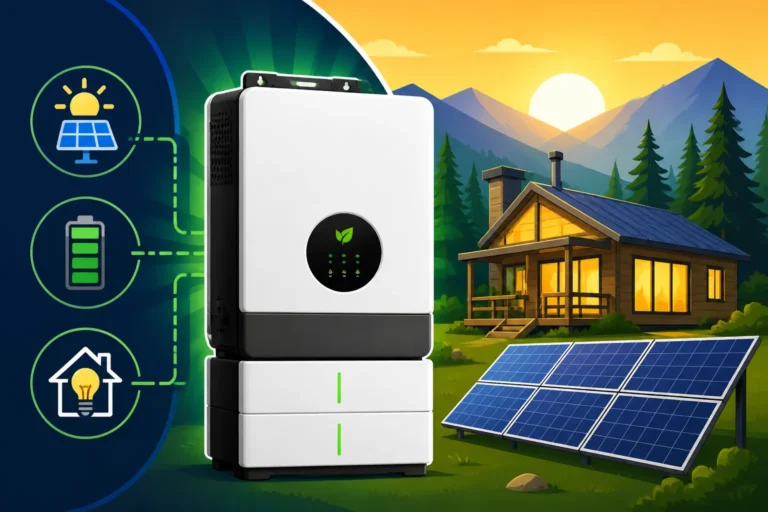
Living off-grid is a dream for so many of us, offering true independence and freedom from the relentless utility company bills and frustrating outages. But let's be real, that dream can quickly turn into a nightmare if your essential power components fail, especially your inverter, which is the heart of your electrical system. This guide is dedicated to helping you navigate the sometimes-overwhelming world of off-grid inverters, focusing on the brands that have proven their reliability time and time again so you can avoid costly mistakes and enjoy uninterrupted power.
Why Inverter Reliability is the Unsung Hero of Off-Grid Living
When you're disconnected from the grid, every piece of your power system carries a heavy weight. There’s no utility company to call when the lights go out, and troubleshooting in the dark is nobody's idea of a good time. That's why investing in a truly reliable off-grid inverter isn't just a smart choice; it's absolutely crucial for peace of mind and the smooth operation of your entire homestead, RV, or cabin.
The Cost of Failure in a Remote Setting
Imagine this: it’s the middle of winter, you’re nestled in your remote cabin, and suddenly, your power blips out. Your furnace stops, your well pump goes silent, and your refrigerator starts slowly warming up. If your inverter, the component responsible for converting your battery's DC power into usable AC electricity for your appliances, decides to quit, you're not just inconvenienced—you're facing a potentially dangerous situation. The cost of a failed inverter isn't just the price of a new unit; it's the cost of spoiled food, frozen pipes, a cold house, and the sheer stress of trying to diagnose and replace a critical component when you might be hours from the nearest hardware store or a reliable internet connection for help. This is where focusing on a brand's proven track record for dependability really pays off.
The Interconnectedness of Your Off-Grid System
Your off-grid solar system isn't just a collection of parts; it's a finely tuned orchestra, and the inverter is the conductor. If the conductor falters, the whole show stops. A high-quality, reliable inverter ensures that the energy harvested by your solar panels and stored in your batteries is consistently and safely delivered to your appliances. It protects your sensitive electronics from power surges and brownouts, which can be just as damaging as a complete failure. Think of it as the gatekeeper of your electricity. Without a dependable one, even the best solar panels and most robust battery bank won't matter much. Understanding Off-Grid Solar System Design Basics helps put this critical component into perspective.
Key Factors Defining Inverter Reliability
When we talk about an inverter being "reliable," what exactly does that mean? It's not just about turning on every day, though that's certainly a big part of it! True reliability encompasses several critical aspects, from how it's built to how the company stands behind its product.
Robust Build Quality and Component Durability
The internal components and the overall construction of an inverter are paramount to its longevity. High-quality inverters use industrial-grade components designed to withstand fluctuations in temperature, humidity, and continuous heavy use. You want to see sturdy enclosures, effective heat dissipation (often through large heat sinks and well-placed fans), and robust internal wiring. Cheaper inverters might cut corners here, using lower-grade capacitors or less efficient cooling systems, which can lead to premature failure, especially when pushed to their limits in demanding off-grid environments. A reliable inverter is built like a tank, designed to handle the rigors of constant operation without flinching.
Surge Capacity and Overload Protection
One of the most frequent demands placed on an off-grid inverter is its ability to handle surge loads. Many appliances, especially those with motors like refrigerators, well pumps, or power tools, draw a significant burst of power for a split second when they first start up. This is known as a "starting watt" or "surge watt" requirement. A truly reliable inverter will have a surge capacity that can comfortably handle these temporary spikes, often two to three times its continuous wattage rating, without shutting down or being damaged. Furthermore, robust overload protection mechanisms are vital. These safeguards prevent damage to the inverter (and potentially your appliances) if you accidentally draw more power than it's designed to handle for an extended period. For instance, if you're looking to run a well pump, knowing What Size Inverter to Run A Well Pump is crucial.
Efficiency and Thermal Management
An inverter's efficiency indicates how much DC power from your batteries it successfully converts into AC power for your home, versus how much is lost as heat during the conversion process. Higher efficiency means less wasted energy and less strain on your batteries, leading to a more sustainable system. However, even the most efficient inverters generate some heat. How effectively an inverter manages this heat—through active cooling (fans) or passive cooling (heat sinks)—directly impacts its lifespan. Excessive heat is the enemy of electronics, and a reliable inverter will have an intelligent thermal management system to prevent overheating and ensure stable operation, even under heavy loads or in warmer climates. This is a subtle but incredibly important aspect of long-term reliability.
Manufacturer Warranty and Customer Support
Even the best equipment can sometimes have an issue. That's why a strong manufacturer's warranty is a significant indicator of reliability. Companies that are confident in their products offer longer warranties, typically 5 years or more for high-quality inverters. But a warranty is only as good as the company backing it. Excellent customer support – knowledgeable technicians, readily available spare parts, and responsive service – is indispensable. When you're miles from civilization and your power goes out, you need a company that answers the phone and helps you troubleshoot or process a repair quickly, not one that leaves you hanging.
Top Contenders: Most Reliable Off-Grid Inverter Brands
When it comes to the brands that consistently deliver on reliability for off-grid applications, a few names rise to the top. These companies have earned their reputation through years of performance, innovation, and dedicated support for the off-grid community.
Victron Energy: The Industry Gold Standard
Victron Energy, a Dutch company, is widely regarded as one of the most reliable and robust brands in the off-grid and marine power industries. Their MultiPlus and Quattro series inverter/chargers are legendary for their bulletproof construction, advanced features, and exceptional longevity.
- Why they're reliable: Victron products are built to commercial-grade standards, often exceeding what's typically expected for residential use. They boast incredibly high surge ratings, excellent thermal management, and sophisticated software that allows for deep customization and monitoring. Their equipment is designed for continuous duty in harsh environments.
- Best for: Serious off-gridders, full-time RVers, marine applications, and anyone who absolutely cannot compromise on power availability. If you're building a system for year-round living or a critical remote setup, Victron is often the first choice. While they come at a premium price, many consider it a worthwhile investment for the peace of mind they offer. For a deeper dive, check out our guide on Victron Inverter Lineup Compared.
Outback Power: A Long-Standing American Favorite
Outback Power has been a staple in the North American off-grid market for decades, known for its rugged and dependable inverters and charge controllers. Their Radian and FX series inverters are particularly popular among homesteaders and those building permanent off-grid homes.
- Why they're reliable: Outback inverters are designed with simplicity and durability in mind. They are known for their robust transformers, which provide excellent surge capability, and their ability to handle tough inductive loads. Many off-gridders appreciate their straightforward design, which often makes them easier to troubleshoot and maintain in the field.
- Best for: Established off-grid homes, cabins, and properties where robust, no-nonsense power is required. Their equipment is often found in systems that have been running reliably for 10-20 years or more.
Sol-Ark: The All-in-One Powerhouse
Sol-Ark is a newer player that has quickly gained a reputation for combining multiple critical components into a single, highly reliable unit. Their all-in-one inverter/chargers simplify installation and offer impressive performance.
- Why they're reliable: Sol-Ark units are packed with features like integrated charge controllers and transfer switches, all housed in a durable enclosure. They offer high surge capabilities, excellent efficiency, and a user-friendly interface. Their designs often prioritize ease of installation and comprehensive system monitoring, which contributes to long-term reliability by allowing users to quickly identify and address potential issues.
- Best for: Modern off-grid homes, complex systems that require grid-tie capability (though our focus is off-grid, this capability speaks to their robust design), and those who appreciate integrated solutions that simplify wiring. If you're considering a comprehensive system, understanding Sol-Ark 15K Review might be helpful.
Schneider Electric (formerly Xantrex): Industrial-Grade Dependability
While many know Schneider Electric for commercial and industrial electrical solutions, their Xantrex line of inverters has a strong history in the off-grid and mobile power sectors. Products like the Conext series are known for their industrial-grade quality and reliability.
- Why they're reliable: Schneider Electric's offerings benefit from extensive engineering and manufacturing expertise. Their inverters are designed for heavy-duty applications, featuring robust power electronics and advanced protective features. They often boast excellent efficiency and are built to last in demanding conditions.
- Best for: Large, permanent off-grid installations, commercial off-grid applications, and situations where you need industrial-grade robustness and a globally recognized brand for support.
Renogy: Accessible Reliability for Many Applications
Renogy has carved out a significant niche by offering reliable, yet more accessible, off-grid solar components, including a range of inverters. While often seen as a popular choice for smaller setups, their higher-end inverter/chargers demonstrate solid dependability for many common off-grid needs.
- Why they're reliable: Renogy focuses on providing comprehensive off-grid solutions that are user-friendly. Their inverters often include features like pure sine wave output (critical for sensitive electronics) and clear diagnostic indicators. For many, Renogy strikes a good balance between cost and performance, making them a reliable entry point or choice for moderately sized systems. You can find many Renogy products on platforms like Amazon, making them quite accessible for DIY enthusiasts.
- Best for: RVs, vans, cabins, sheds, and smaller full-time off-grid homes where budget is a consideration but reliability can't be sacrificed. Their kits and individual components make it easier to build or expand a system. You can learn more about Renogy Product Lineup for Off-Grid.
Making Your Choice: Beyond the Brand Name
While focusing on reputable brands is a fantastic starting point, the "most reliable" inverter for you will ultimately depend on your specific needs, system size, and budget. It's about matching the right tool to the job.
Sizing Your Inverter Correctly
One of the biggest mistakes people make, even with a reliable brand, is incorrect sizing. An inverter that is consistently overworked because it's too small for your power demands will fail prematurely, regardless of its brand name. You need to perform a thorough load analysis to calculate your total continuous wattage and your peak surge wattage requirements. Always size your inverter with some headroom, typically 20-30% above your calculated needs, to account for unforeseen loads and future expansion. For a comprehensive guide, be sure to read How to Size an Off-Grid Inverter. Running a massive air conditioner, for example, will require a much larger inverter than simply powering a few lights and a laptop.
Understanding Inverter Types
Not all inverters are created equal, and choosing the right type significantly impacts reliability and compatibility with your appliances.
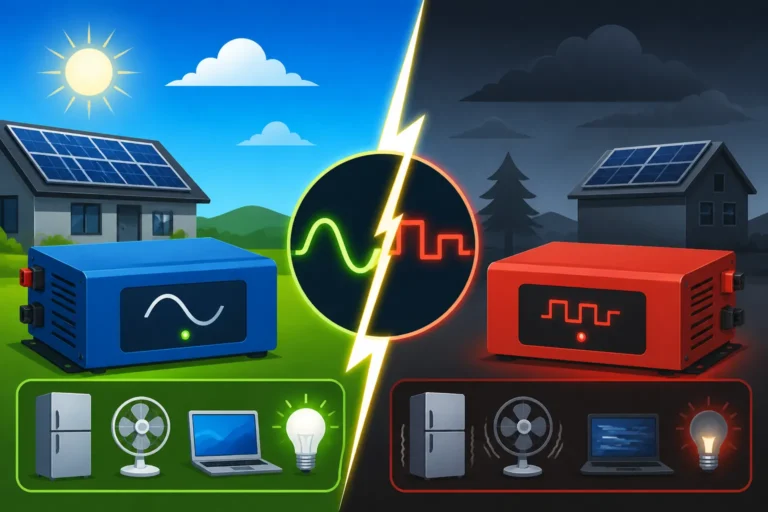
- Pure Sine Wave Inverters: These are the gold standard for off-grid systems. They produce AC power that is identical to or often cleaner than what you get from the utility grid. This is crucial for sensitive electronics like computers, medical equipment (like CPAP machines), and many modern appliances. A pure sine wave inverter ensures these devices run smoothly and efficiently, extending their lifespan.
- Modified Sine Wave Inverters: These are cheaper but produce a "choppier" waveform. While they might power basic resistive loads (like incandescent lights or heating elements), they can cause buzzing in audio equipment, inefficient operation of motors, and even damage to sensitive electronics. For true reliability and appliance protection, pure sine wave is almost always the way to go for any significant off-grid setup. Learn more in our article about Pure Sine Wave vs Modified Sine Wave Inverters.
Planning for Future Expansion
Your power needs might grow over time. What starts as a weekend cabin might become a full-time residence, or you might add more power-hungry appliances. A reliable system often means one that can grow with you. Some inverter brands offer modular systems or inverter/chargers that can be stacked in parallel to increase capacity down the line. Investing in an inverter that has this expandability built-in can save you money and headaches in the long run, ensuring your initial reliable investment continues to serve your evolving needs. Thinking about How to Design an Expandable System from the outset is a smart move.
The Importance of Proper Installation
Even the most reliable inverter from the best brand can fail if it's not installed correctly. Proper wiring, adequate ventilation, correct fusing and circuit breaking, and solid grounding are all non-negotiable for system longevity and safety. If you're not confident in your electrical skills, hiring a qualified electrician or off-grid solar installer for at least the critical AC wiring aspects is a wise investment. Incorrect installation can void warranties, create fire hazards, and lead to premature component failure. Our Off-Grid Solar Installation Guide can provide more details on this crucial step.
No matter which brand you choose, the goal is to create a robust and dependable power system that truly liberates you from the grid's limitations. By prioritizing reliability in your inverter choice, you're not just buying a piece of equipment; you're investing in your off-grid independence and peace of mind.
Disclaimer
The information provided in this guide is for general informational purposes only and does not constitute professional advice. Off-grid solar system design and installation can be complex and dangerous. Always consult with qualified professionals and adhere to local electrical codes and safety regulations when planning, installing, or maintaining your system.